
Wildlife biologists, park rangers, and urban residents across North America and Europe are reporting the same unsettling phenomenon—wild animals that should maintain instinctive distance from humans are instead approaching, making eye contact, and displaying none of the fear that’s kept wildlife and humans safely separated for millennia. Coyotes walk suburban streets at midday, deer approach hikers on trails, bears investigate campsites with humans present, and foxes den under occupied porches rather than in remote areas. This isn’t the gradual habituation that occurs over generations in national parks; it’s a sudden behavioral shift happening simultaneously across species and regions within just a few years. The change represents a fundamental alteration in how wild animals perceive and respond to humans, driven by factors ranging from generational memory loss to environmental changes to human behavioral shifts that have rewritten the terms of wildlife-human interaction.
1. Generation Gap in Predator Avoidance Learning
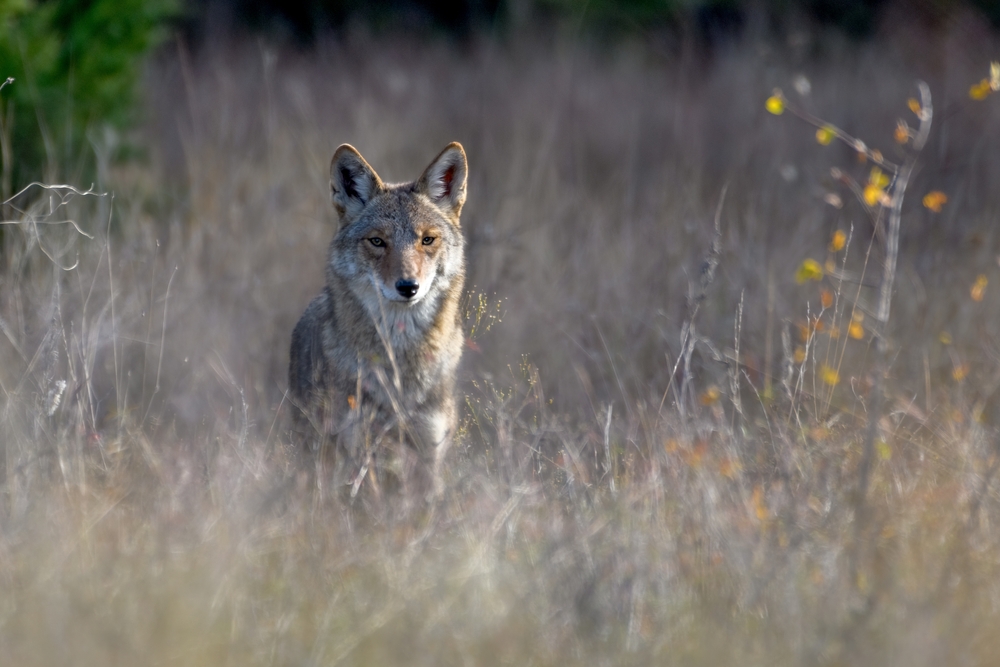
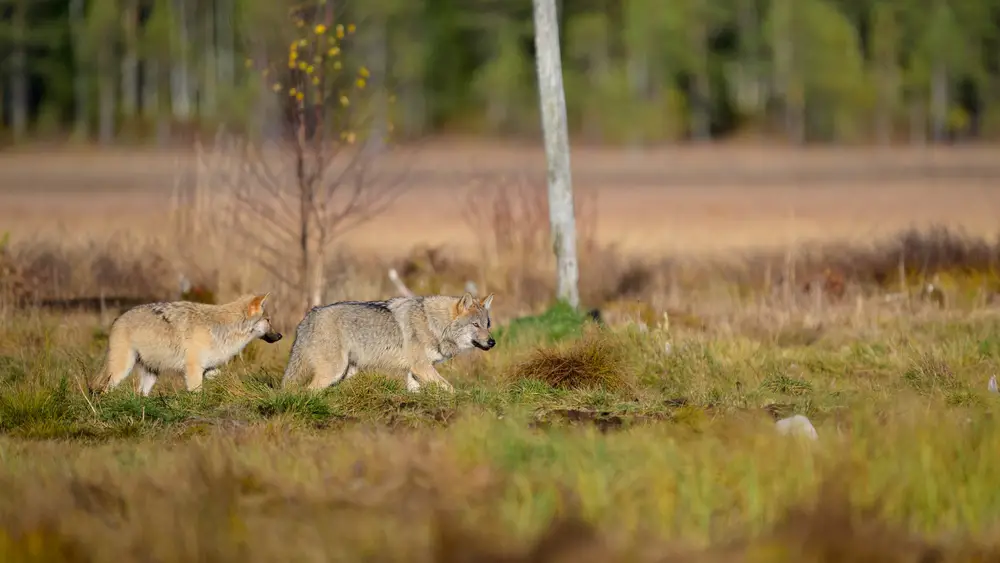
The current generation of wildlife in many areas has no living memory of humans as lethal threats because hunting restrictions and changing attitudes toward wildlife have created 15 to 25 years without significant predation pressure. Young animals learn appropriate fear responses from parents and elders, but when those adults never experienced humans as dangers, they don’t transmit fear behaviors to offspring. Coyotes born in 2020 have parents born in 2015 who had parents born in 2010—none of whom experienced regular hunting or trapping that would encode human-fear in learned behaviors passed generationally.
The breakdown in transmitted fear represents a fundamental shift in wildlife behavior that occurs surprisingly quickly. Biologists studying coyote populations in Massachusetts find that current juveniles show 60% less flight response to humans than cohorts born just 10 years earlier, a dramatic behavioral change in two to three generations. The animals aren’t habituated individually; they simply never learned that humans are dangerous because the adults modeling appropriate responses never learned it themselves. The generational amnesia about human danger creates wildlife populations that approach humans with the curiosity or indifference appropriate for non-threatening species, rewriting predator-prey dynamics in ways that create dangerous situations for both humans and animals.
2. Pandemic-Era Human Behavior Changes
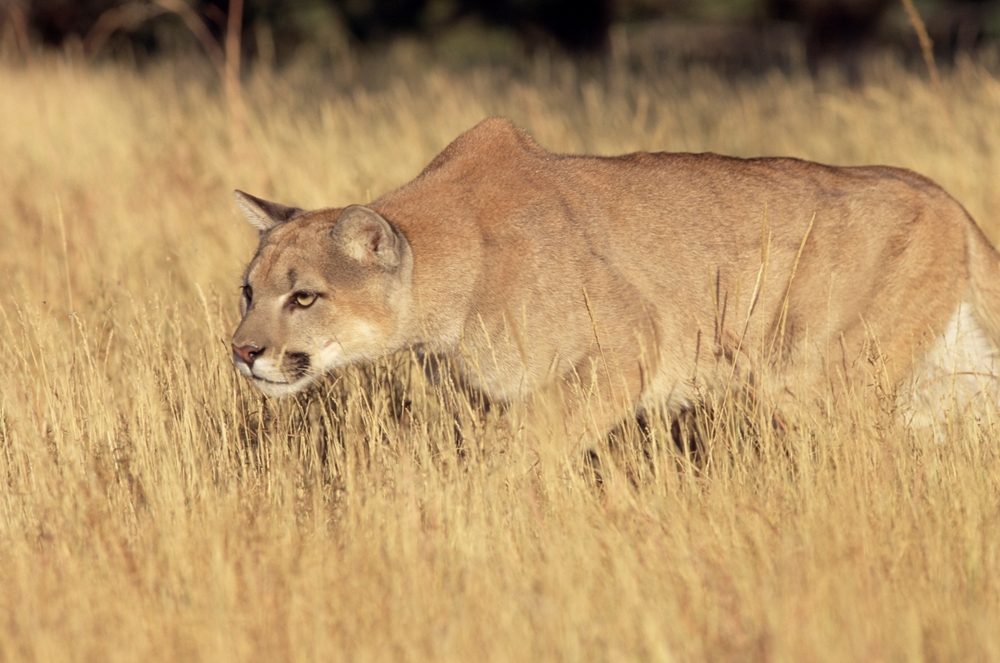
COVID-19 lockdowns from 2020-2021 created unusual human absence in parks, trails, and outdoor spaces precisely when new cohorts of wildlife were imprinting on environmental norms. Young animals during 2020-2021 experienced human-free environments as normal, then when humans returned, these animals didn’t recognize the changed conditions as threatening or unusual. The critical learning period when wildlife should have encountered regular human presence and learned appropriate avoidance instead featured minimal human contact, creating entire age cohorts that imprinted on environments without humans.
Wildlife biologists studying national park populations find measurable differences in behavior between cohorts born before 2020 and those born during 2020-2021 lockdowns. The pandemic cohorts treat humans as novel but non-threatening environmental features rather than dangers requiring avoidance, behavior that persists as these animals mature and reproduce. The 18-month period of reduced human presence created a generation of wildlife that missed the critical window for learning human-avoidance behaviors, and those animals are now reproducing and transmitting their fearless approach to offspring, compounding the generational problem.
3. Urban Food Abundance Overrides Fear Responses
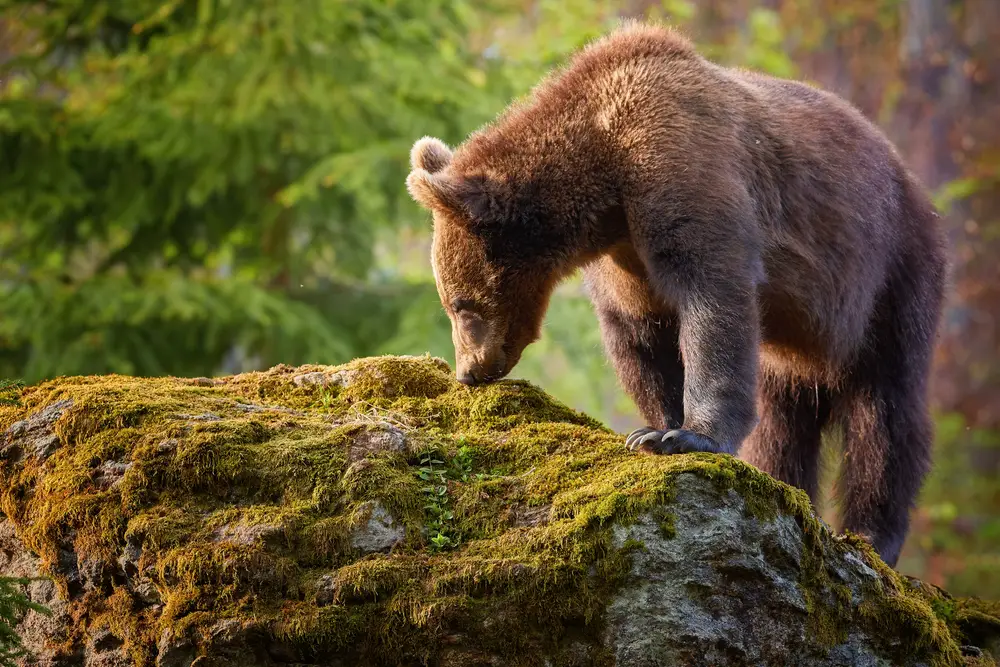
The density and accessibility of urban food sources—garbage, pet food, bird feeders, gardens—creates caloric rewards so valuable that they override evolutionary fear responses to humans. A coyote or bear can obtain more calories in 20 minutes raiding suburban garbage than in 6 hours of traditional foraging, a resource disparity that makes tolerating human proximity rational despite historical danger. The food reward calculus has shifted so dramatically that wildlife accepts risks from human contact in exchange for reliable, abundant, high-calorie food unavailable in wild environments.
Urban and suburban environments now offer wildlife food resources exceeding wild habitat by factors of 10 to 100 in some species, creating irresistible attractants that overcome millions of years of evolved caution. Researchers tracking individual coyotes find that animals feeding in human environments gain weight, reproduce more successfully, and have higher survival rates than wild-feeding counterparts despite the risks of human contact. The evolutionary pressure has reversed—animals that overcome fear and exploit human resources thrive, while those maintaining traditional caution struggle, creating selection pressure for boldness that compounds generationally as successful bold animals reproduce at higher rates than cautious ones.
4. Reduced Hunting and Trapping Pressure
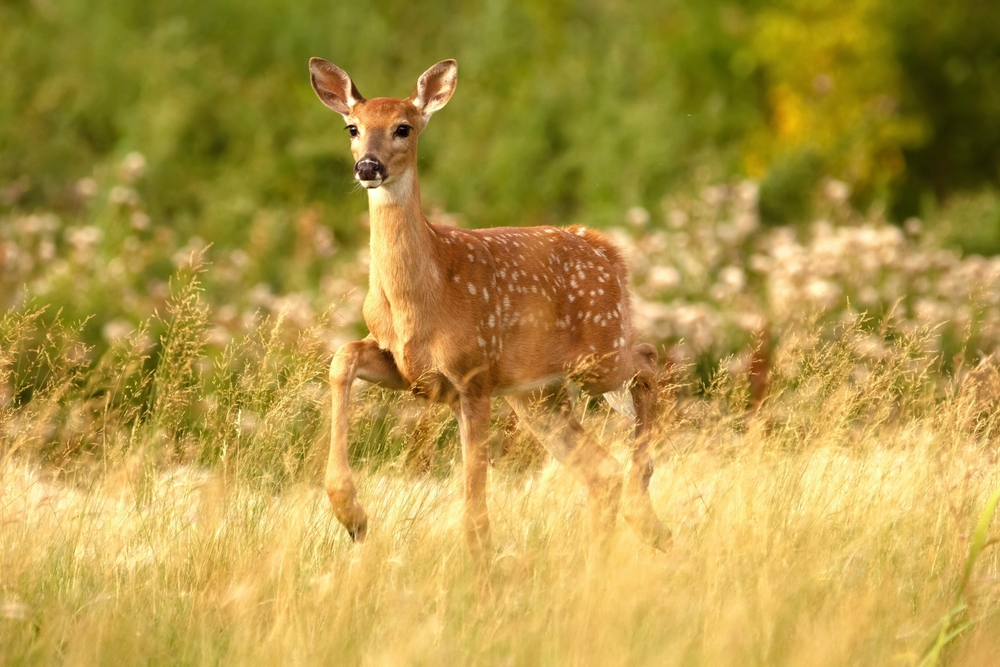
The generational decline in hunting participation, combined with restricted hunting seasons and protected areas, has created wildlife populations where animals dying from human causes are statistical outliers rather than expected outcomes. In 1960, over 40% of American households had hunters; by 2025, it’s under 12%, meaning most wildlife never encounter humans as predators. The mathematical reality is that a deer’s odds of being killed by a human hunter in most regions is now under 2% annually, far lower than starvation, disease, or vehicle collision risks.
When human-caused mortality drops below natural mortality from other sources, evolutionary pressure to fear humans specifically weakens dramatically. Wildlife responds to actual risk, and when humans stop being primary mortality sources, animals rationally reduce vigilance toward them. Biologists studying deer behavior in areas where hunting was restricted for 15+ years find approach distances to humans decreased from 100+ meters to under 20 meters in just three generations, a dramatic behavioral shift reflecting actual risk assessment. The animals aren’t wrong to reduce fear—humans in these areas genuinely aren’t dangerous to them anymore, creating rational rather than pathological fearlessness.
5. Climate Change Displacing Traditional Habitats
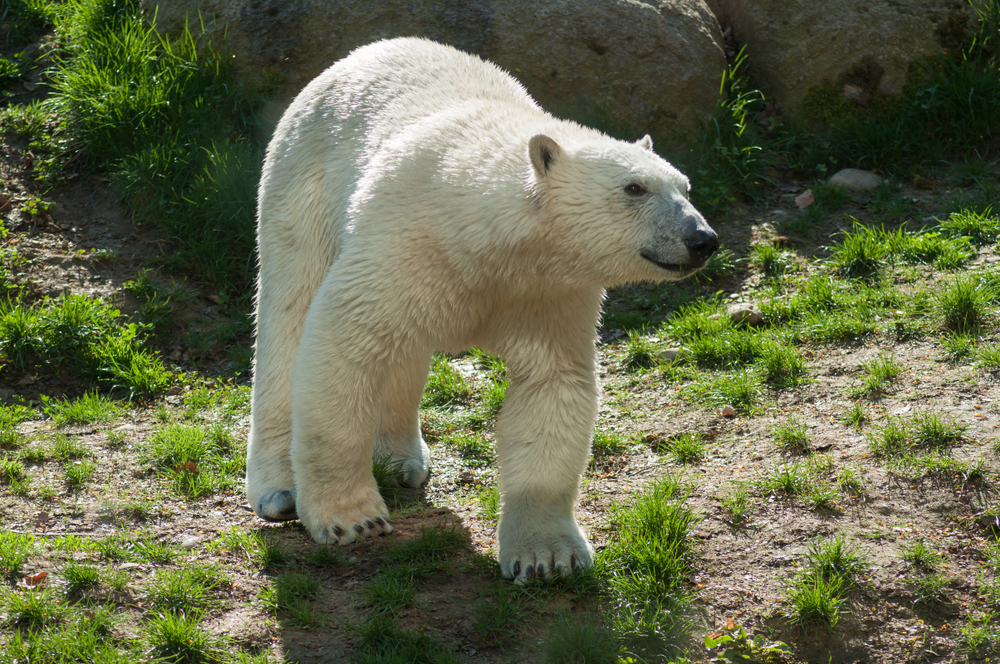
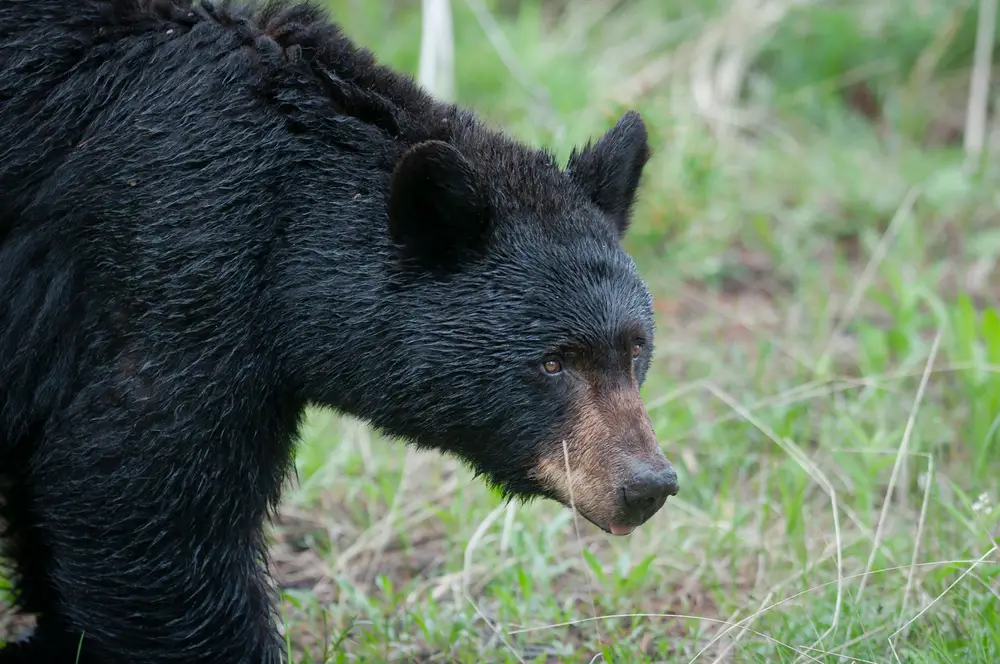
Shifting climate patterns are forcing wildlife into human-proximate areas as traditional habitats become unsuitable, creating necessity-driven tolerance of humans that overrides evolved avoidance. Drought, changing prey distributions, and habitat degradation mean wildlife can’t maintain traditional separation from humans while meeting survival needs. Bears in California increasingly occupy suburban interfaces not from boldness but because higher-elevation habitat no longer provides adequate food due to drought and changing plant phenology, forcing them into human areas despite preferring avoidance.
The climate-driven compression of suitable habitat creates unprecedented wildlife densities in remaining viable areas, many of which overlap with human development. Wildlife confronting the choice between avoiding humans and accessing food, water, or shelter increasingly choose survival over avoidance, creating the appearance of boldness when the actual driver is habitat desperation. Researchers tracking wildlife movement patterns find significant increases in human-area usage correlating with climate events that degrade wild habitat—drought years produce dramatic increases in suburban wildlife encounters as animals access irrigation and human-modified landscapes offering resources unavailable in natural areas.
6. Increased Human Feeding Creating Food Association
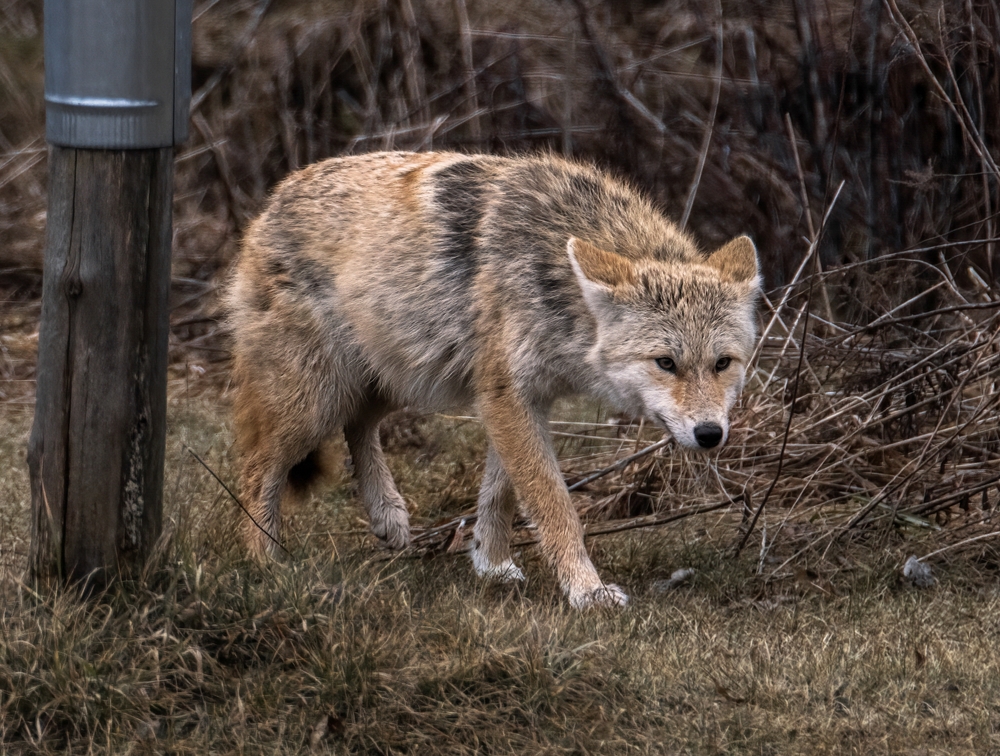
The well-intentioned but destructive practice of feeding wildlife—directly through handouts or indirectly through accessible garbage, bird feeders, and outdoor pet food—has created wildlife populations that associate humans with food rather than danger. A single person feeding coyotes or bears creates learned associations that spread through local populations as juveniles learn from observing adults. The food associations are powerful and persistent, overriding any remaining fear because the evolutionary reward system prioritizes caloric gain over abstract danger avoidance.
Wildlife biologists estimate that over 60% of problematic wildlife encounters stem from direct or indirect human feeding that created food associations. Once animals learn that humans equal food, reversing that association requires intensive management often including lethal removal, creating cycles where individual learning becomes population-level problems. Social media sharing of wildlife feeding encounters amplifies the problem by encouraging others to seek similar experiences, creating geographic clusters of fed wildlife that become increasingly bold. The food association problem compounds generationally as adults teach offspring that humans are food sources, embedding the behavior into population-level patterns lasting decades even after feeding stops.
7. Habituation Through Non-Lethal Encounters
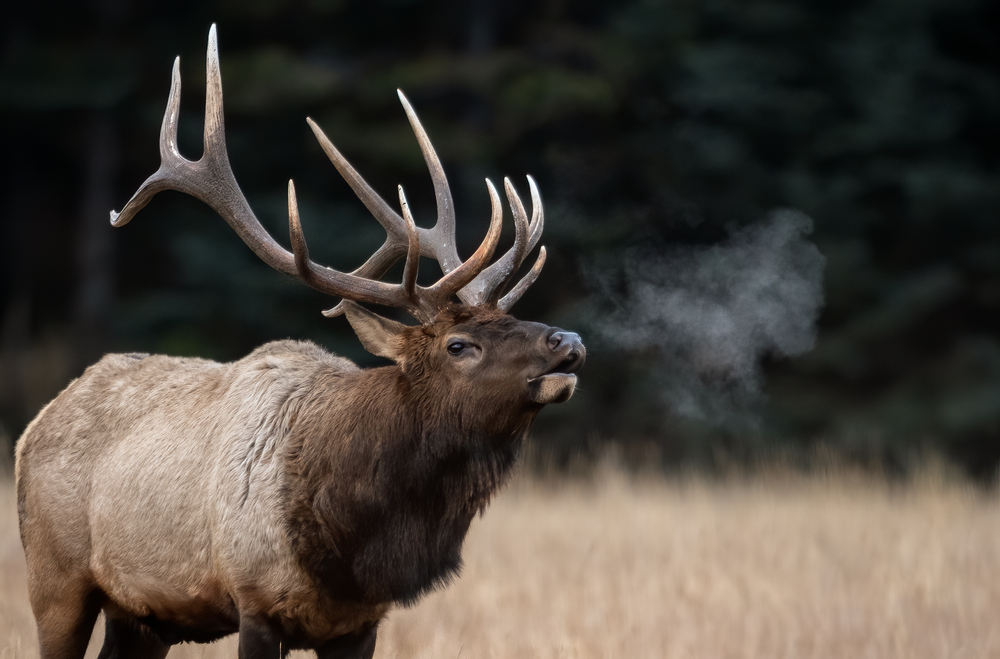
Wildlife experiencing repeated non-threatening human encounters learn through direct experience that humans aren’t dangerous, superseding any inherited or learned avoidance behaviors with personal experience. A coyote encountering humans 50 times without negative consequences rationally concludes humans aren’t threats, regardless of what instinct or parents suggested. The high density of benign human encounters in modern environments creates experiential learning that overrides evolved or taught caution, as animals update threat assessments based on actual outcomes.
The habituation process accelerates in areas with high human density where wildlife can’t avoid contact—suburban coyotes encounter humans dozens of times weekly, and when those encounters consistently prove non-threatening, fear responses extinguish through classical conditioning. Researchers studying habituation rates find that wildlife in high-human-density areas lose fear responses in months rather than years, with each non-threatening encounter reinforcing that humans are safe. The process is rational learning, not pathological—the animals are correctly assessing that humans in their environment don’t actually pose threats, leading to behavior changes that seem alarming but represent accurate threat assessment.
8. Territorial Compression From Development
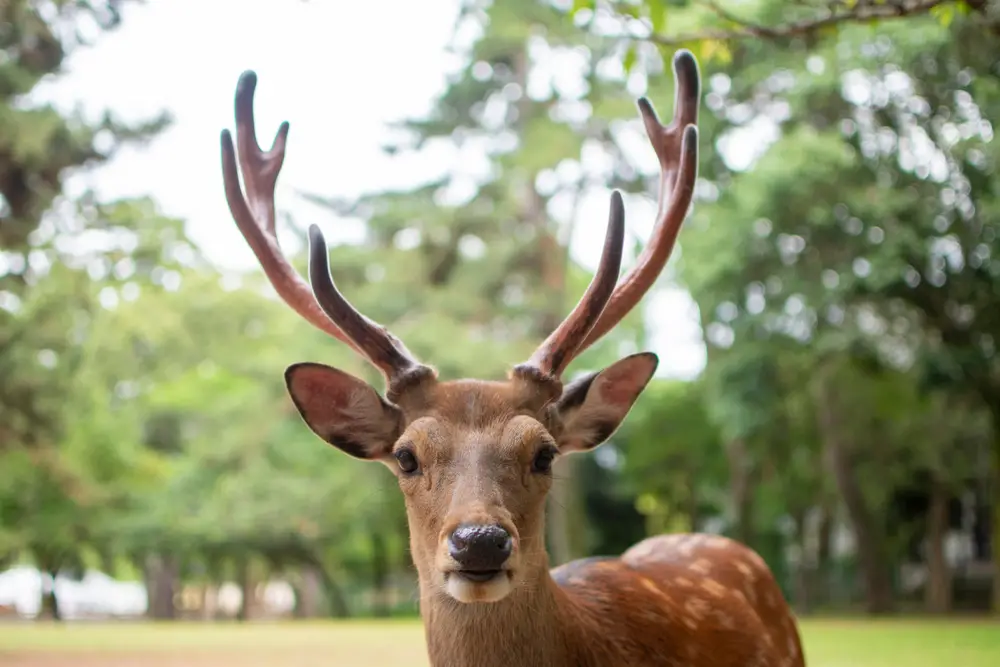
Expanding human development has compressed wildlife territories to the point where maintaining human avoidance is spatially impossible while accessing necessary resources. Deer, coyotes, and bears with territories now bisected by suburbs can’t simultaneously avoid humans and access their full range, forcing choices that result in human tolerance. The geographic reality is that wildlife can’t avoid humans without abandoning portions of their territories that contain critical resources, making human tolerance a survival necessity rather than aberrant behavior.
Urban wildlife researchers mapping territory use find that contemporary wildlife territories in developed areas overlap with human occupation far more than historical territories, not from choice but from spatial necessity. The animals maintaining strict human avoidance would sacrifice 40% to 70% of their territories, an untenable trade-off that selects for individuals capable of tolerating human proximity. The territorial compression creates daily forced proximity that habituates wildlife faster than would occur through occasional encounters, accelerating the breakdown of avoidance behaviors across entire populations trapped in human-modified landscapes.
9. Noise and Light Pollution Masking Natural Cues
Urban noise and artificial lighting mask the natural environmental cues that trigger appropriate fear and avoidance behaviors, creating sensory conditions where normal threat-detection systems don’t function properly. Wildlife use sound and light cues to assess danger, but urban environments with constant noise and artificial illumination flood those sensory channels with irrelevant information. Nocturnal species particularly suffer sensory disruption from artificial lighting that eliminates darkness they evolved to use for safety, forcing daytime or lighted-area activity where human encounters are inevitable.
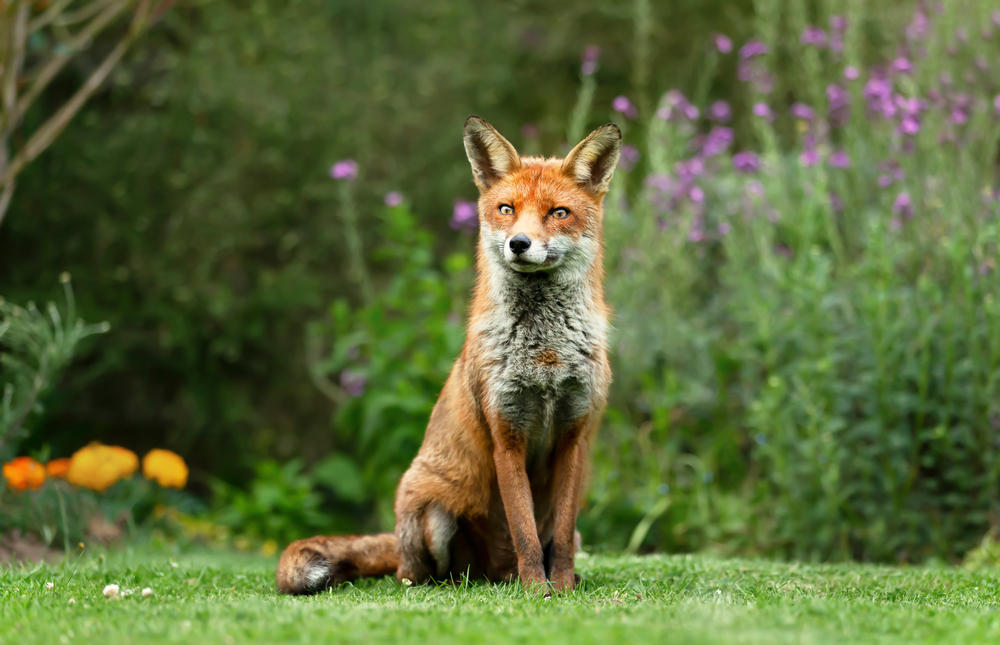
The sensory pollution creates wildlife that can’t effectively assess threats because the environmental signals they evolved to use are drowned out by human-generated sensory noise. Research on urban foxes and coyotes shows they habituate to stimuli like car noise, human voices, and artificial light through sheer exposure volume, desensitizing them to cues that in natural environments would trigger avoidance. The sensory overload makes distinguishing genuine threats from background noise impossible, creating wildlife that seem fearless but are actually sensorily overwhelmed and unable to appropriately assess danger in environments bearing no resemblance to those their sensory systems evolved to parse.
10. Protected Status Eliminating Consequence Learning
Legal protections preventing wildlife removal except in extreme circumstances mean animals can approach humans repeatedly without consequences, eliminating the feedback mechanism that would normally punish bold behavior. In previous eras, wildlife approaching humans too closely faced immediate lethal responses that created strong selection against boldness. Contemporary protections mean even nuisance animals receive multiple chances, translocation, or at most individual removal—interventions that don’t create population-level selection against human-approach behaviors.
The protection framework that seems humane actually creates more dangerous wildlife by preventing the natural selection that historically eliminated bold individuals before they could reproduce. Biologists studying protected populations find that human-approach behaviors increase linearly with protection duration, as bold animals survive and reproduce without the mortality that would normally select against that trait. The contemporary system allows bold genetics to persist and spread through populations, creating generational increases in human-approach behavior where historical systems would have rapidly eliminated those tendencies through natural selection imposed by human lethal response.
11. Younger Demographic Skew in Wildlife Populations
Management practices and natural mortality patterns have created wildlife populations skewed toward juveniles who naturally display less caution than adults would. Young animals are inherently bolder, more curious, and less risk-averse than adults, and populations dominated by yearlings and two-year-olds display more human-approach behavior than age-balanced populations. The demographic shift toward younger animals means the population-average boldness level has increased simply through age structure changes independent of any generational learning effects.
Wildlife biologists analyzing age structures in problematic populations find disproportionate representation of juveniles and young adults compared to historical demographics. The younger-skewed populations result from management practices that protect females and juveniles while removing older males, plus environmental stresses that reduce survival to old age. The age imbalance creates populations where the cautious influence of experienced elders is diminished or absent, leaving young bold animals without older role models demonstrating appropriate human-avoidance behaviors, compounding the generational learning deficit through simple demographic mathematics.
12. Social Media Encouraging Close Encounters
The virality of close wildlife encounter videos creates social pressure and economic incentives for humans to facilitate and document progressively closer wildlife interactions. People seeking social media content intentionally feed, approach, and attract wildlife to create compelling videos, training animals that human presence equals food and attention. The documented encounters encourage others to seek similar experiences, creating geographic hotspots where wildlife receives intensive human contact with food rewards, rapidly conditioning entire local populations.
The social media effect creates feedback loops where successful wildlife encounters generate attention that motivates more people to create their own encounters, exponentially increasing human-wildlife contact frequency and food associations. Wildlife biologists tracking problem animal source locations find strong correlations with areas where social media geotagged wildlife encounters cluster, as viral content attracts imitators who compound the conditioning. The phenomenon has created wildlife “influencers”—individual animals so habituated through repeated filming and feeding that they seek human contact, animals that become social media attractions while representing severe management failures.
13. Reduced Fear Response From Domestication Spillover
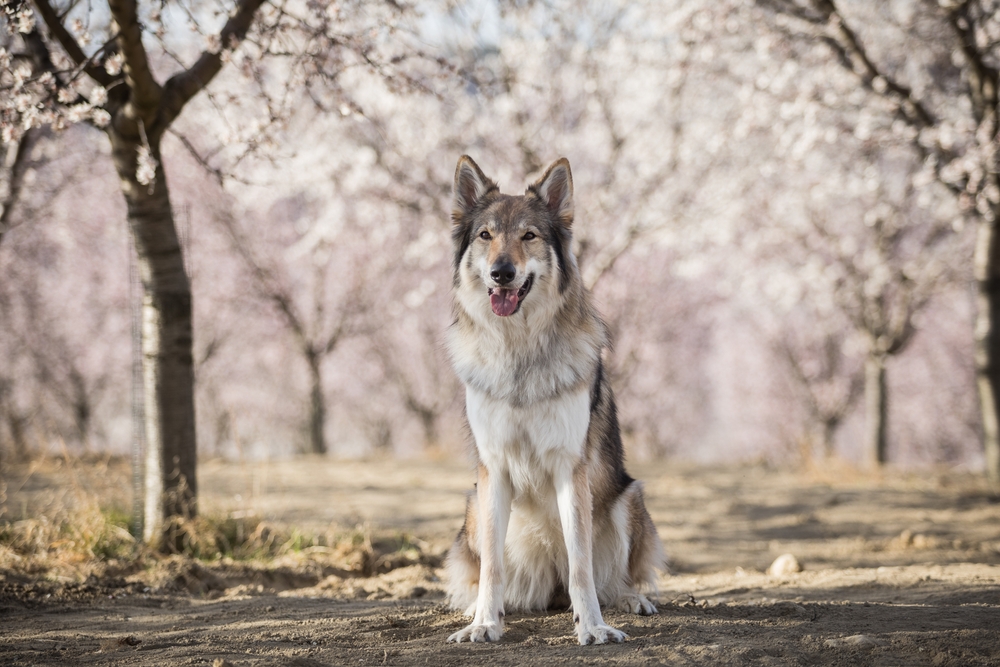
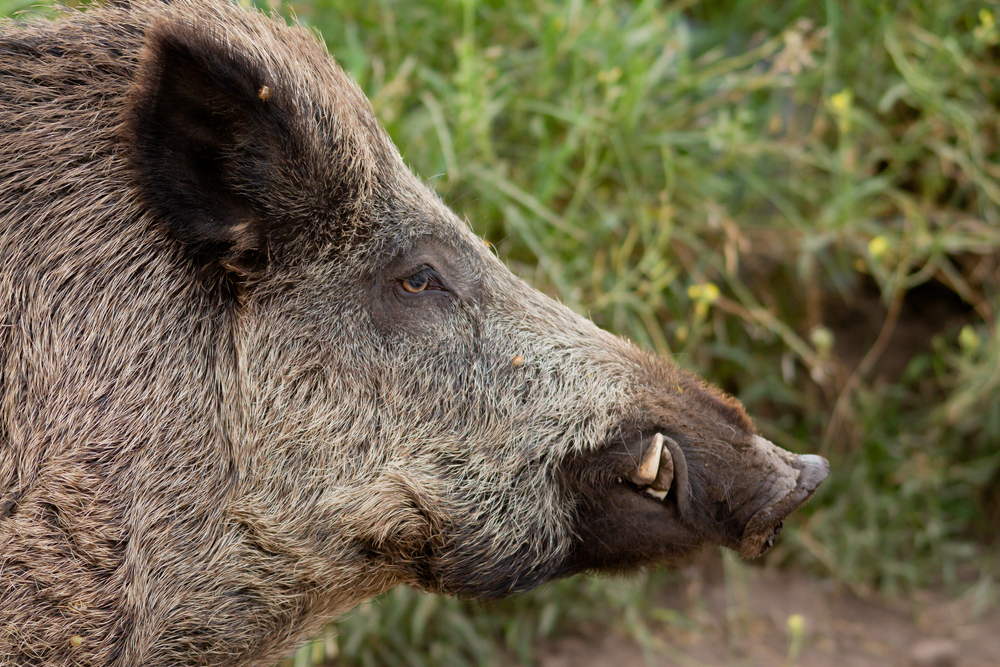
The genetic and behavioral characteristics selected for in domestic animals—tameness, reduced fear, tolerance of humans—are spilling into wild populations through hybridization and genetic introgression. Coyote-dog hybrids, wild cats breeding with ferals, and pigs escaping domestication carry genes for reduced human fear into wild populations. The domestic trait introgression isn’t limited to obvious hybrids; even small amounts of domestic genetics can significantly reduce fear responses, creating wild animals with partially domestic behavioral profiles, including reduced human avoidance.
Genetic studies of problem wildlife frequently find domestic animal ancestry that partially explains aberrant behavior toward humans. The domestic genes that persisted through evolution because they made animals suitable for human proximity are now entering wild populations and reducing fear responses that kept wildlife safe through appropriate avoidance. Researchers estimate that in some coyote populations, over 30% of individuals carry some domestic dog DNA, and those individuals show measurably reduced fear responses to humans compared to pure coyotes, creating a genetic explanation for increased boldness that compounds the environmental and learning factors.
14. Ecosystem Simplification Reducing Natural Caution
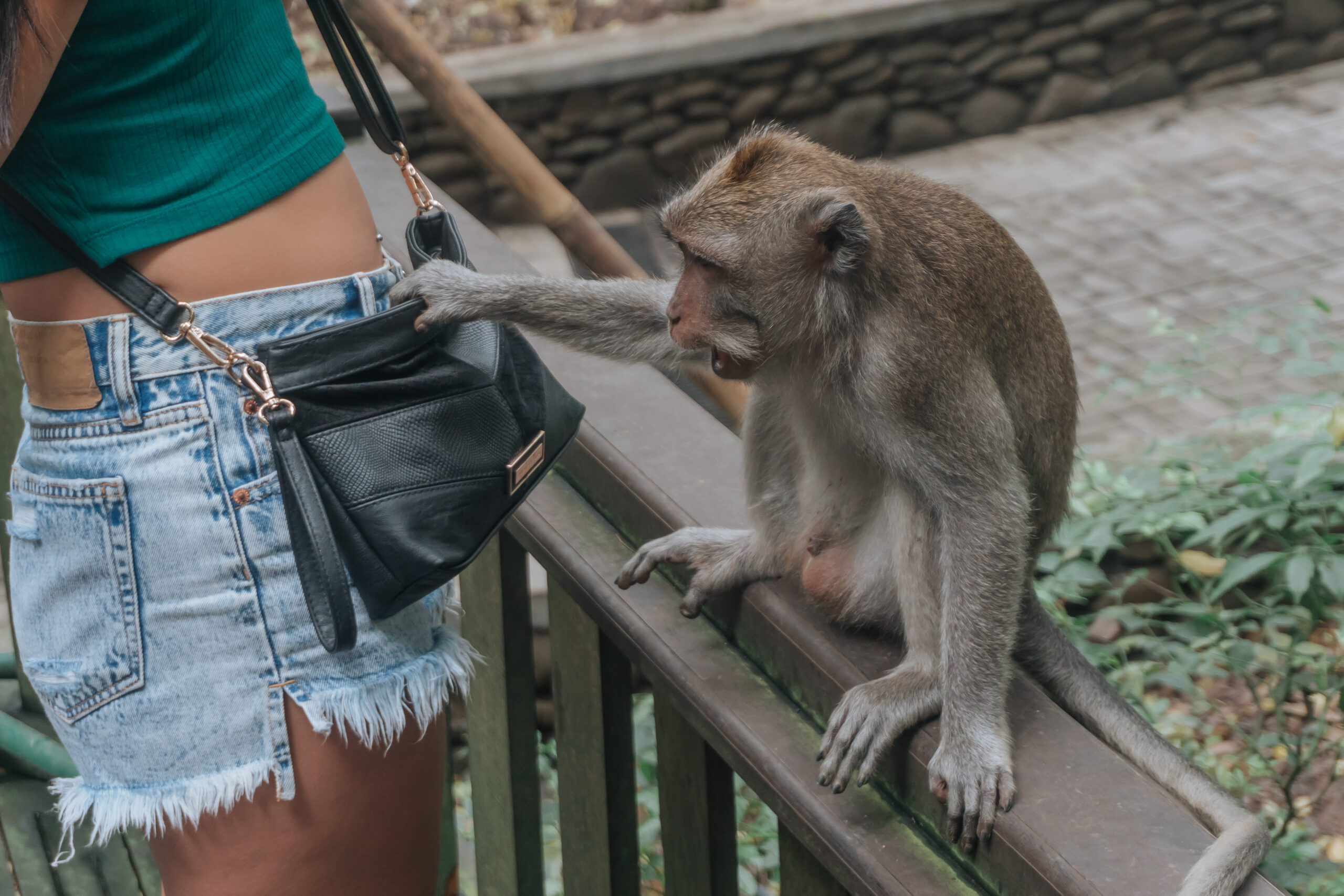
Simplified urban and suburban ecosystems with reduced predator diversity and danger eliminate the general caution and vigilance that historically kept wildlife wary of all potential threats including humans. Wildlife in complex ecosystems with multiple predators maintain high baseline vigilance that generalizes to avoiding all potentially dangerous situations. Urban environments with few predators and minimal danger create wildlife that operate with lowered general vigilance, making them less reactive to all threats including humans.
The ecosystem simplification creates wildlife behaviorally adapted to low-threat environments, reducing the constant vigilance that characterized animals in predator-rich wild habitats. Biologists comparing urban and wild populations of the same species find urban animals spend significantly less time in vigilance behaviors and more time feeding and resting, reflecting accurate assessment of their low-danger environments. The reduced general vigilance that’s adaptive in safe urban environments becomes dangerous when it extends to reduced human-avoidance, as the animals have calibrated their overall threat-response systems to environments where they face minimal danger from any source, making them inappropriately bold around the one remaining actual threat—humans.