
Dogs communicate their perception of you through consistent behavioral patterns that most owners misinterpret or overlook entirely. These aren’t random quirks or cute mannerisms—they’re deliberate signals revealing whether your dog sees you as a leader, equal, subordinate, or something in between. Understanding these behaviors decodes the relationship dynamic that governs everything from training success to household harmony, and the revelations are often uncomfortable for owners who believe they have one type of relationship when their dog’s behavior reveals something entirely different.
1. Where They Position Themselves When Sleeping – The Trust and Hierarchy Map
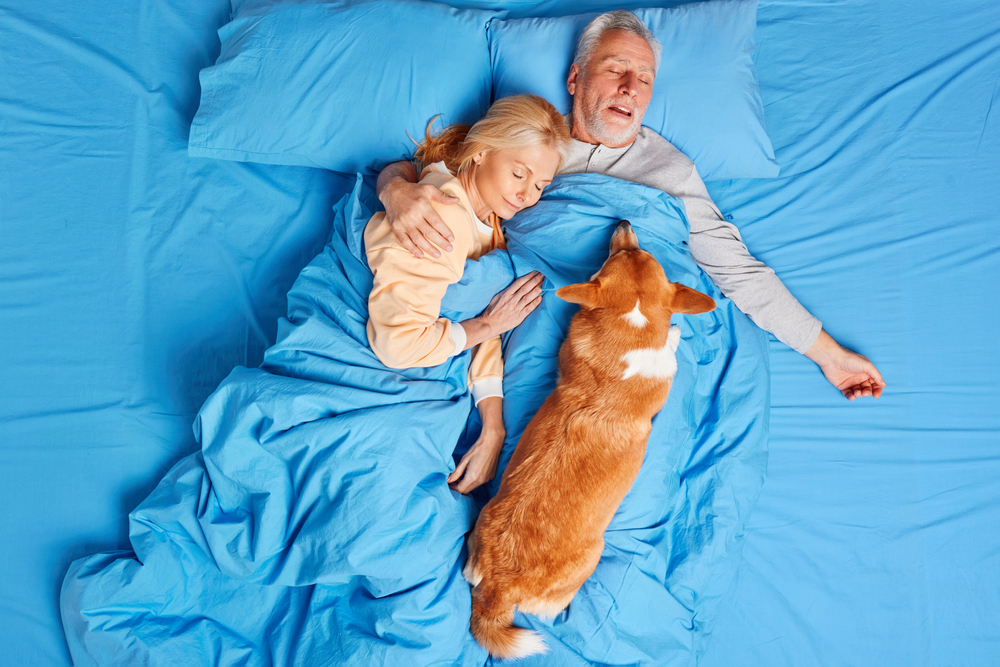
Dogs who sleep with their back to you or in vulnerable positions, exposing their bellies, demonstrate profound trust, viewing you as a protector who secures the environment. Dogs who position themselves between you and the door, facing outward, see themselves as your protector and believe they’re responsible for household security. The distinction matters enormously—the first dog trusts you to handle threats, the second dog thinks that’s their job and may not respect your authority in other contexts.
Dogs who must maintain visual contact while sleeping, positioning themselves where they can watch you constantly, often have anxiety about your reliability or suffer from separation issues suggesting they don’t fully trust you to return or keep them safe. Dogs who sleep in completely separate areas or seem indifferent to your location view themselves as independent and don’t see you as central to their security or social structure. The sleeping position and location choice happens subconsciously for dogs, making it one of the most honest reveals of how they actually perceive the relationship beyond their trained behaviors when you’re actively interacting.
2. Eye Contact Duration and Quality – The Respect Indicator
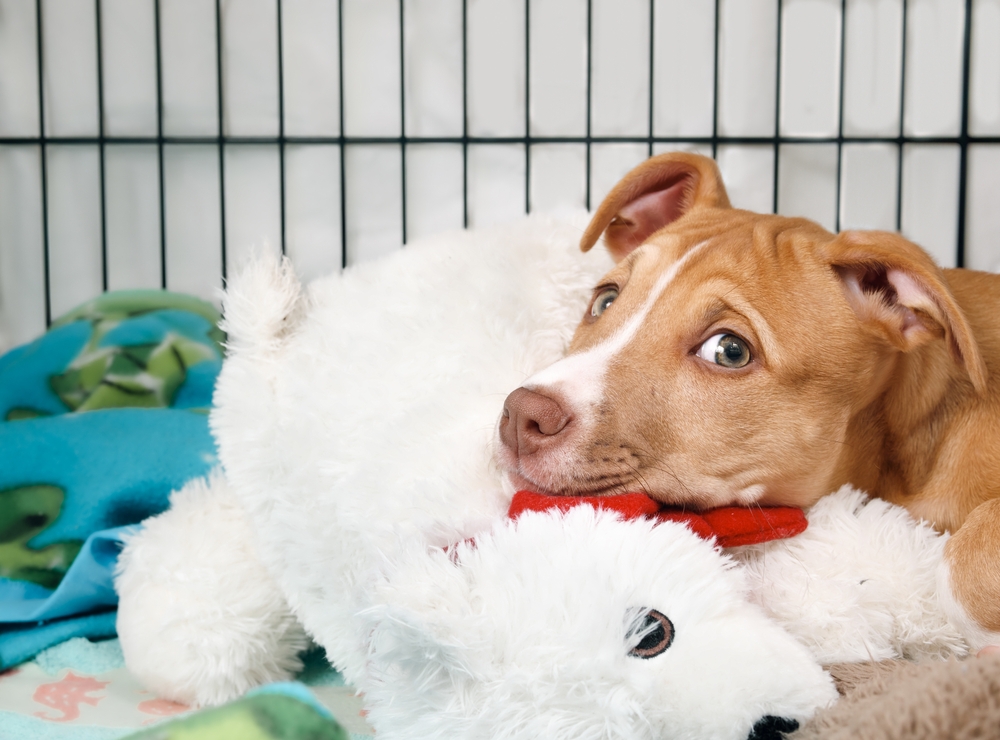
Dogs who maintain soft, relaxed eye contact with you are showing respect and affection, viewing you as a trusted leader or companion. Dogs who avoid eye contact entirely or look away quickly when you try to engage often don’t respect your authority and are essentially dismissing your attempts at communication. Hard, unblinking stares—especially when combined with stiff body language—indicate a challenge to your authority, with the dog testing whether you’ll back down or assert yourself.
The difference between affectionate gazing and challenging staring is subtle but critical—affectionate eye contact includes soft eyes, relaxed face, and often raised eyebrows creating a questioning or loving expression. Challenging stares have tense facial muscles, forward ears, and rigid body posture. Dogs who constantly look to you for direction, checking in visually during walks or in new situations, clearly view you as the decision-maker and leader. Dogs who never check in or look to you for guidance believe they’re in charge of assessing situations and making decisions regardless of your input.
3. How They Respond to Commands – The Authority Litmus Test
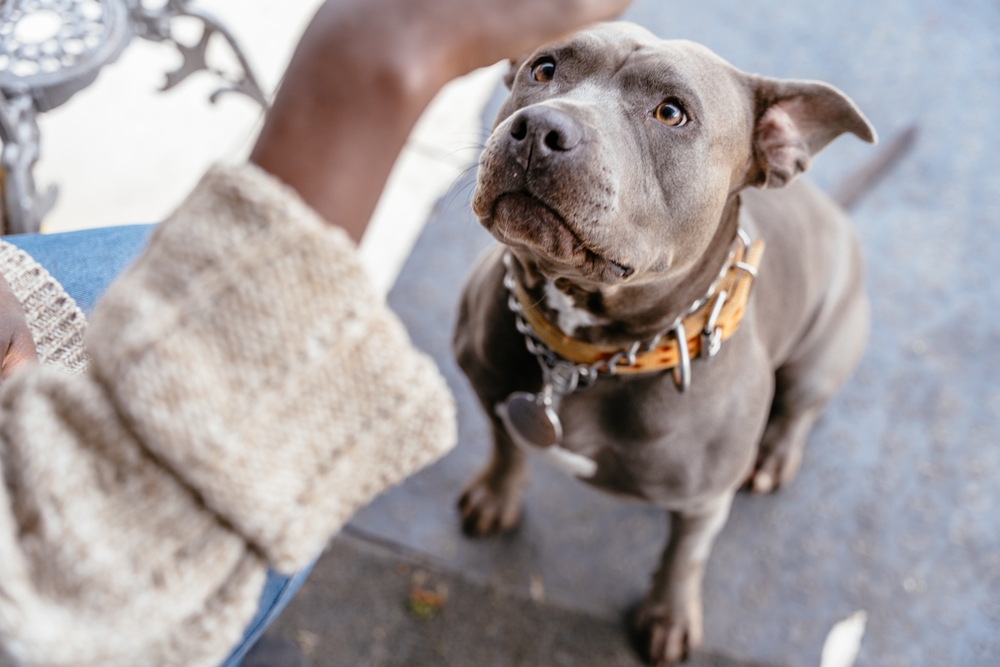
Dogs who obey commands immediately and consistently view you as having authority worth respecting, while dogs who obey only when treats are visible or when they feel like it see you as a vending machine or peer rather than a leader. Selective hearing—where dogs clearly understand commands but choose when to comply—reveals they don’t acknowledge your right to direct their behavior. The dog knows “come” means come, but they’ve decided whether to comply is optional based on what’s more interesting.
Dogs who perform partial compliance—sitting when told to lie down, lying down slowly while maintaining eye contact as if negotiating—are testing boundaries and don’t fully accept your authority. True respect shows in immediate, complete compliance even when the dog would prefer to do something else. Dogs who work enthusiastically for anyone offering treats see humans generically as resource providers rather than specifically viewing you as special or authoritative. The dog who only listens to one family member and ignores others has clearly established who they respect and who they don’t.
4. Furniture and Space Claiming – The Territory Control Signal
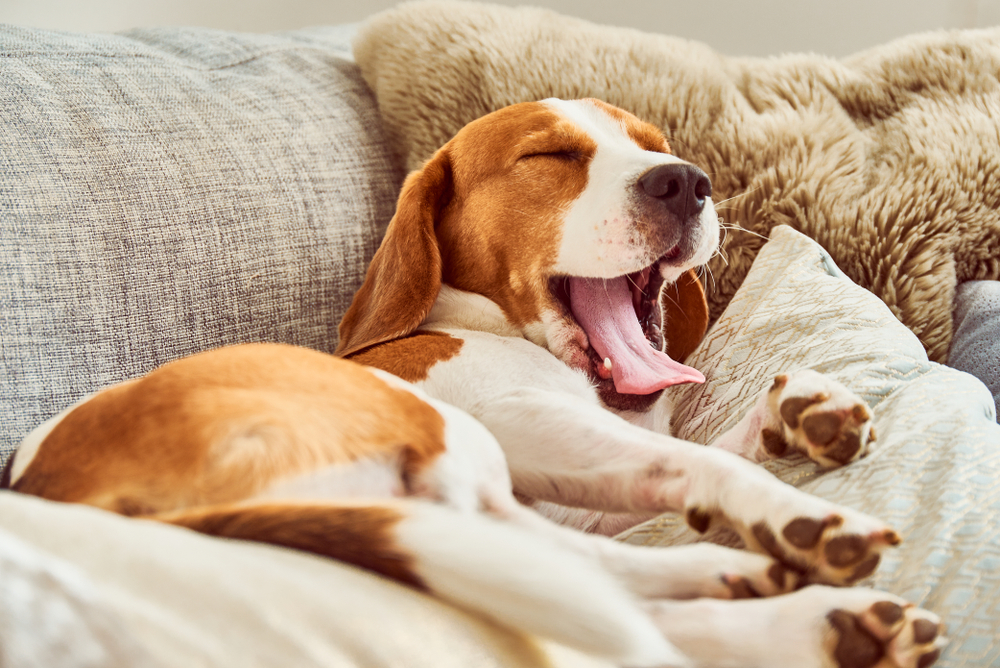
Dogs who claim furniture and refuse to move when asked, especially prime spots like your chair or the center of the couch, view themselves as equals or superiors entitled to choice territory. The resistance to moving—growling, ignoring commands, or reluctantly shifting only partially—demonstrates they believe their claim to the space is as valid as yours. Dogs who immediately yield furniture when asked respect your authority over household resources.
The distinction isn’t whether dogs are allowed on furniture but whether they defer to you when space conflicts arise. A dog who jumps on the couch but immediately moves when you need the space understands the hierarchy; a dog who claims your spot when you get up to use the bathroom and won’t move when you return sees themselves as equal or dominant. Dogs who block doorways, stairs, or hallways and make you navigate around them are controlling space and movement, a dominance behavior indicating they don’t see you as having priority access. Dogs who naturally move aside or follow rather than lead through doorways acknowledge your leadership.
5. Leash Pulling Patterns – The Decision-Making Dynamic
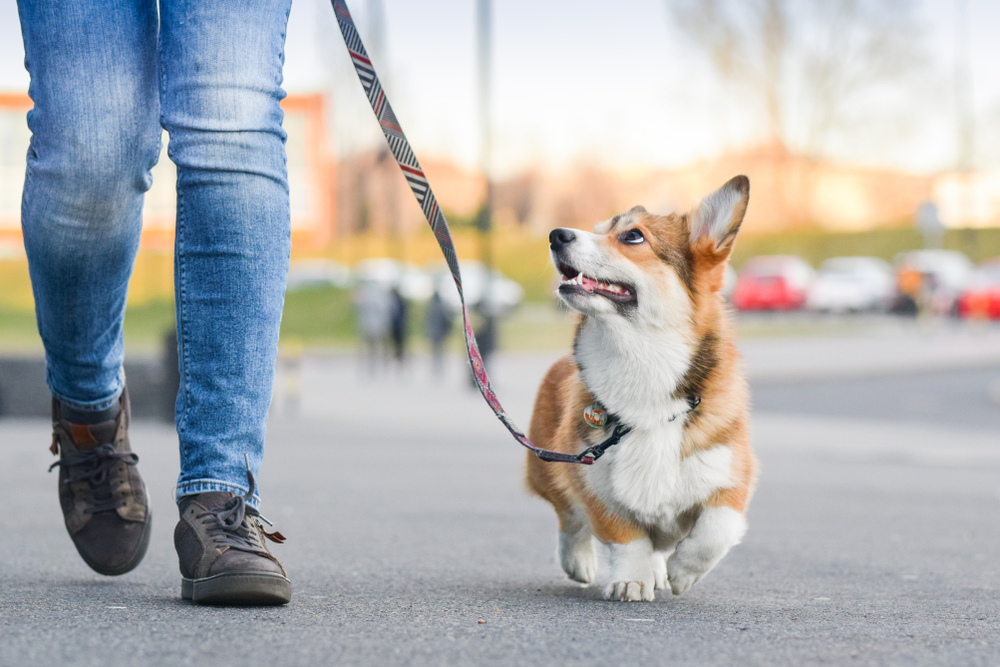
Dogs who constantly pull on leash, dragging you toward their interests while ignoring your direction, clearly believe they decide where to go, when to stop, and what to investigate. The pulling isn’t just excitement—it’s a daily demonstration that the dog views walks as their activity where you’re along for the ride rather than the leader directing the excursion. Dogs who check in with you, maintain loose leash, and look to you for direction about pace and route acknowledge your leadership.
The revealing moment is when the dog wants to go one direction and you go another—does the dog eventually comply and follow you, or do they plant their feet and refuse to move until you give in? Dogs who win these conflicts have trained you more than you’ve trained them. Dogs who pull differently depending on who’s holding the leash have clearly assessed which humans they respect and which they can control. A dog who walks perfectly for one person but drags another family member around has explicitly communicated their hierarchical assessment of each human.
6. Food Guarding and Resource Control – The Possession Hierarchy
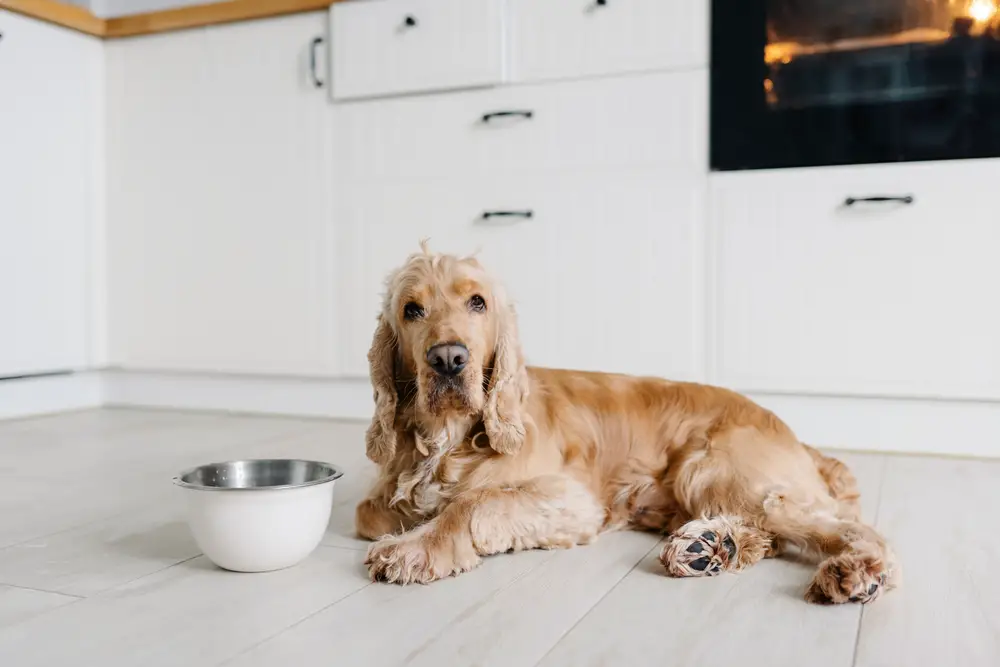
Dogs who guard food, toys, or other resources from you with growling, snapping, or defensive posturing see themselves as having ownership rights you must respect rather than viewing you as the provider who controls resources. This isn’t about the dog being mean—it’s about who they believe has claim to valuable items. Dogs who allow you to take anything from them without resistance view you as having ultimate authority over all household resources.
The test isn’t just whether you can take a food bowl—it’s whether the dog tenses, eats faster, or shows any stress when you approach their resources. Truly submissive dogs remain relaxed when you approach because they trust you’re not threatening their access. Dogs who bring you toys but won’t release them, turning it into a struggle, are testing whether you’ll fight for resources or let them keep control. Dogs who voluntarily bring you items and drop them at your feet demonstrate they view you as the decision-maker about shared resources.
7. Greeting Behavior Intensity – The Status Recognition
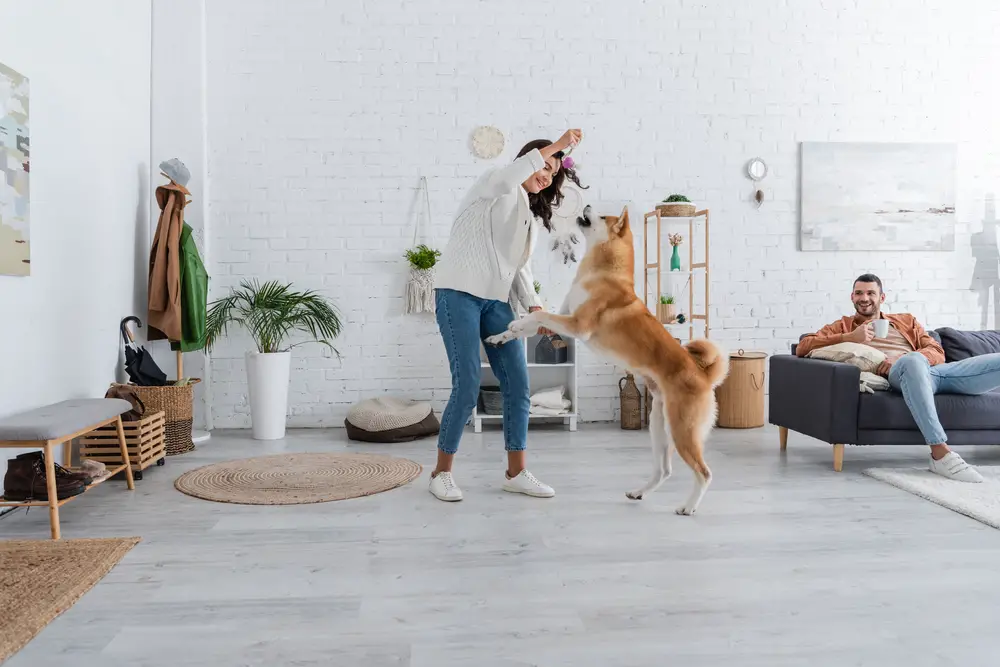
Dogs who jump on you, especially persistently despite corrections, are attempting to make eye contact at their terms and don’t respect your space boundaries or authority to set interaction rules. The jumping is essentially saying “I’ll greet you how I want regardless of your preferences.” Dogs who wait for you to initiate greetings or who greet calmly at your level show respect for your authority to control interactions.
The distinction appears in how greetings change based on your body language and commands. Dogs who calm down when you ignore them or turn away demonstrate they’re reading and respecting your signals. Dogs who become more frantic or persistent when ignored believe their desire for interaction outweighs your signals to stop. Dogs who greet visitors more enthusiastically than they greet you see strangers as more exciting than household leaders, suggesting you’re viewed as furniture rather than the center of their social world.
8. Response to Boundary Setting – The Rule Acceptance Test
How dogs react when you establish a new rule or boundary reveals exactly how much authority they grant you. Dogs who test new boundaries repeatedly—trying to sneak onto forbidden furniture, edging closer to restricted areas, or “forgetting” new commands—don’t accept your right to establish rules and are negotiating every restriction. Dogs who accept new boundaries after one or two corrections acknowledge your authority to set household rules.
The revealing behavior is persistence after clear communication. A dog who’s told “off” the couch and immediately returns when you look away doesn’t believe the rule applies to them or that you have authority to enforce it. Dogs who wait for you to leave before breaking rules they follow in your presence clearly understand the rules but don’t respect your authority enough to follow them when unsupervised. Dogs who follow rules whether you’re watching or not have internalized your authority rather than just complying under direct observation.
9. Attention-Seeking Strategies – The Perceived Power Dynamic

Dogs who demand attention through barking, pawing, or nudging and escalate when ignored view themselves as having the right to your attention on their schedule. The escalation—louder barking, more forceful pawing, inserting themselves between you and whatever you’re doing—shows they believe their demands outweigh your right to choose when to interact. Dogs who seek attention politely and accept when you’re busy respect your authority to control interaction timing.
The most revealing scenario is when you’re obviously occupied—on the phone, eating, working—and the dog demands attention. Dogs who respect hierarchy wait for natural breaks in your activity or entertain themselves. Dogs who interrupt constantly believe their desires supersede your activities, viewing themselves as the priority in the household. Dogs who bring toys and wait patiently nearby are offering interaction while respecting your authority to decide when, demonstrating a balanced view of the relationship where both parties have needs.
10. How They Accept Handling and Grooming – The Authority Over Body
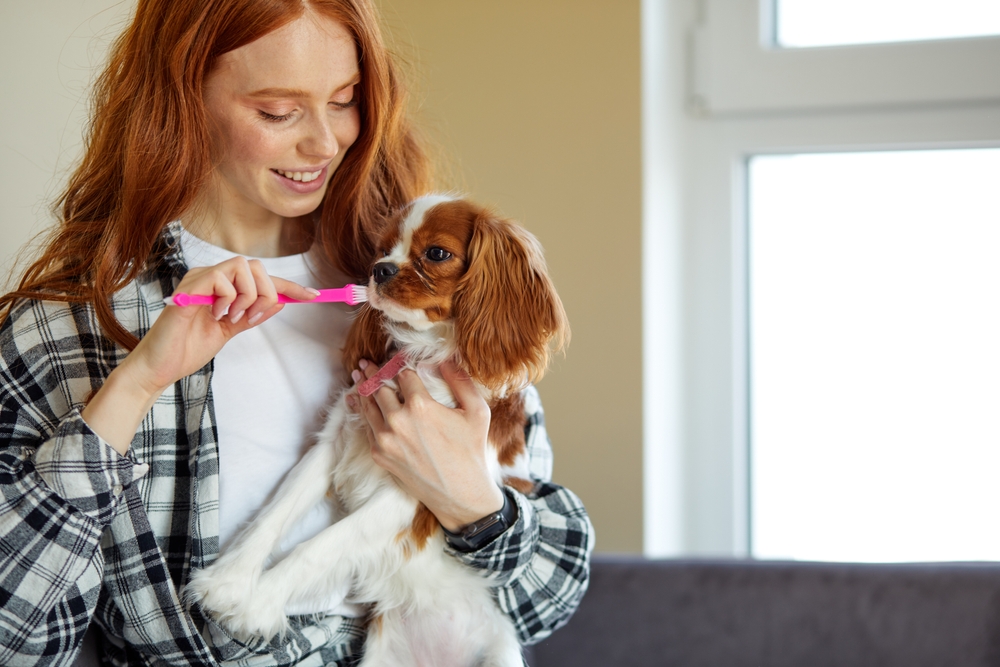
Dogs who resist grooming, nail trimming, or veterinary handling from you but tolerate it from professionals view the professional as more authoritative than you. The resistance can range from squirming to snapping, but it communicates that you don’t have the right to handle their body in uncomfortable ways even when necessary. Dogs who relax and submit to necessary handling from you, even when they dislike it, trust your judgment and authority.
The critical difference is between a dog who’s nervous about the procedure but trusts you’re not trying to harm them versus a dog who actively fights your authority to perform the handling. A dog who eventually settles and allows it is different from one who escalates to aggression. Dogs who need to be restrained or muzzled for handling by owners but not professionals have made an explicit assessment that the professional deserves compliance but the owner doesn’t. How a dog accepts being positioned—rolled for belly exams, having paws handled, accepting ear cleaning—reveals whether they view you as having authority over their body or as someone who can be resisted.
11. Protective Behaviors and Resource Allocation – The Guardian or Protected
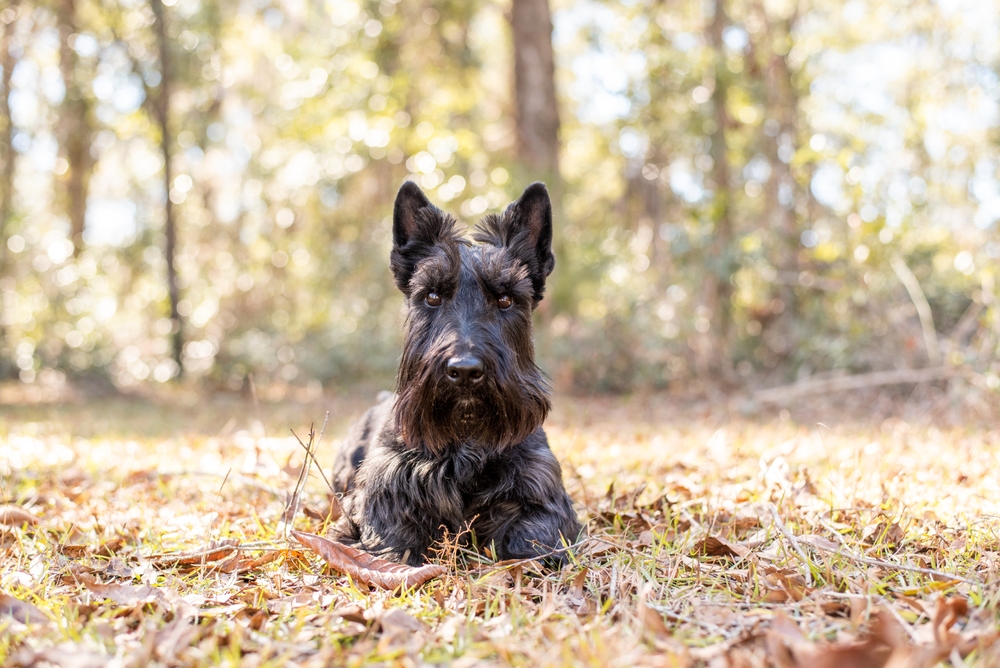
Dogs who position themselves between you and perceived threats—strangers, other dogs, unfamiliar situations—see themselves as your protector, which often correlates with not viewing you as the household leader. Protection is a leadership role; followers don’t protect leaders, they rely on leaders for protection. Dogs who look to you for guidance when encountering potential threats and follow your lead on whether something is dangerous respect your assessment and authority.
The revealing moment is when something unknown approaches—does the dog look to you to see your reaction, or do they immediately take defensive positions regardless of your body language? Dogs who continue protective behaviors even when you signal that everything is fine don’t trust your judgment about threats, placing themselves as the ultimate decision-maker about household security. Dogs who relax when you relax, who can be called off from protective displays with a simple command, demonstrate they trust your threat assessment more than their own. The dog who can’t be redirected from protective behavior has appointed themselves leader regardless of your preferences, revealing exactly how they’ve structured the household hierarchy in their mind.