
Wild animals aren’t supposed to remember individual humans or form lasting bonds that transcend their return to nature, yet documented cases exist where rescued creatures have sought out their rescuers months or years after being released. These encounters challenge our understanding of animal cognition, memory, and emotional capacity, suggesting that the boundary between wild and domesticated, between instinct and gratitude, is far more permeable than science traditionally acknowledged. The stories share common elements—life-saving intervention during vulnerability, extended care during recovery, and then remarkable reunions that seem to defy the odds of chance encounters.
1. Christian the Lion – The Embrace That Went Viral
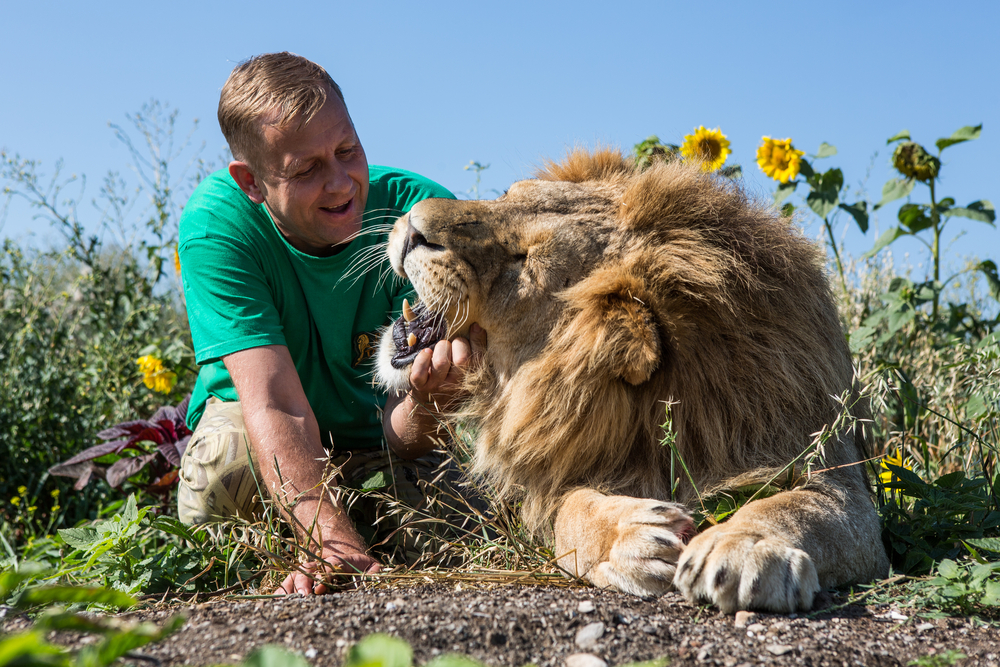
John Rendall and Anthony “Ace” Bourke purchased a lion cub from Harrods department store in London in 1969, raising Christian in their apartment and a nearby churchyard until he grew too large for city life. They arranged for Christian to be rehabilitated to the wild in Kenya by George Adamson in 1970, understanding they’d likely never see him again. A year later, they visited Kenya hoping to spot Christian from a distance, but the reunion that occurred became one of the most famous wildlife videos ever recorded—Christian recognized them immediately and bounded toward them with obvious joy, embracing them with full-body contact that could have been deadly if he’d seen them as threats or strangers.
The reunion was filmed and later set to the song “I Will Always Love You,” becoming a viral sensation decades later when YouTube emerged. What made the encounter remarkable was Christian’s clear recognition after a full year of wild living, during which he’d established a pride and fully returned to lion behavior. The embrace wasn’t tentative or confused—it was immediate and enthusiastic, suggesting that the bond formed during his months with Rendall and Bourke had persisted despite his successful wild rehabilitation. They visited once more a year later and again Christian recognized them, though he was more reserved with his established pride watching, indicating he remembered them even two years after separation.
2. The Pelican and the Fisherman – Twenty Years of Annual Visits
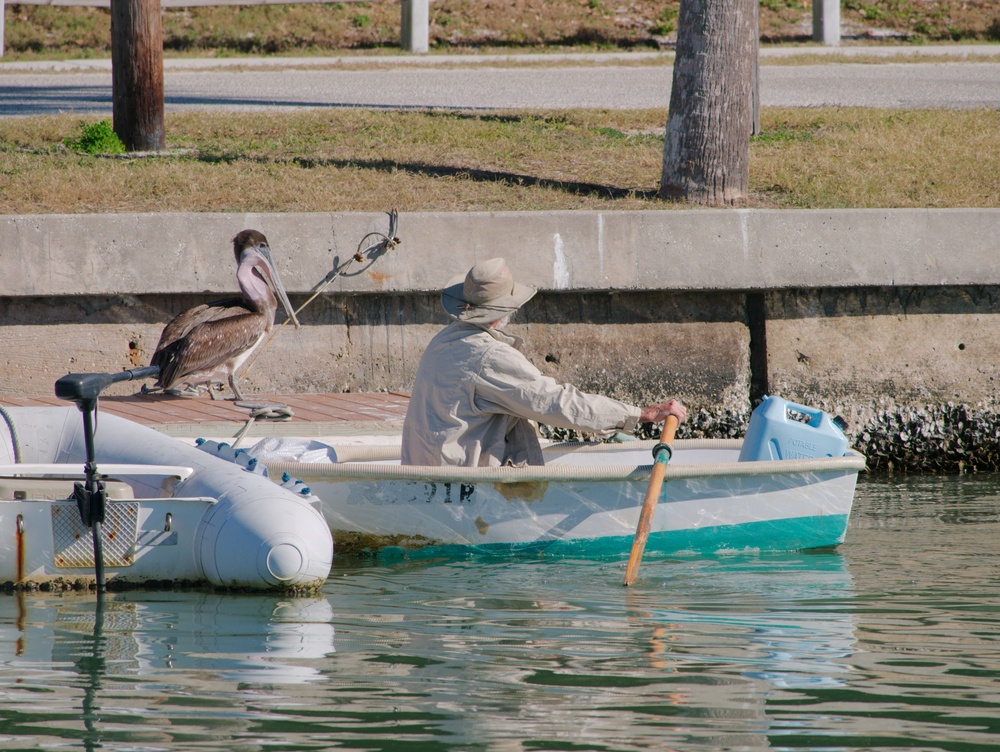
A Turkish fisherman named Recep Mirzan rescued a pelican with a broken wing in 1984, nursing the bird back to health over several months before releasing it. The pelican, which Mirzan named Yaren, began returning annually to spend winters with his rescuer, a pattern that continued for over two decades. Each October, Yaren would appear at Mirzan’s dock and remain through winter, departing in spring presumably to breeding grounds thousands of miles away, then returning the following fall with remarkable precision.
The relationship lasted until Yaren failed to return one year, presumably having died of old age after more than twenty years. The annual reunion demonstrated not just memory and recognition but also navigation and decision-making—the pelican had to choose to return across vast distances rather than wintering elsewhere. Mirzan never trained or fed the pelican during visits beyond their initial rescue period, making the returns seem motivated by something beyond food provision. The decades-long pattern suggested an emotional attachment that persisted across the pelican’s entire adult life, with the bird returning to the human who saved it during vulnerability even when it had no survival need to do so.
3. Joy the Magpie – The Bird Who Brought Gifts
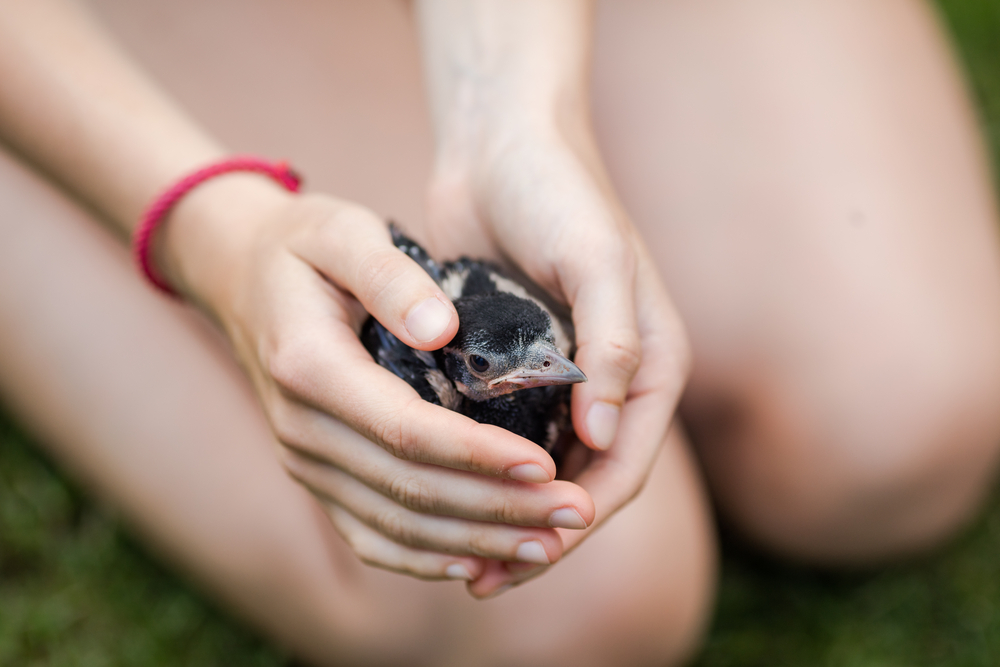
A Newport, Australia family rescued a baby magpie in 2013 after it fell from its nest, caring for the injured bird for weeks before releasing it back to the wild. The magpie, named Joy, returned repeatedly to the family’s yard over the following years, but what made the story remarkable was that Joy brought her own babies to meet her rescuers each breeding season. The behavior suggested that Joy not only remembered the family but also trusted them enough to introduce her vulnerable offspring, effectively creating an inter-species extended family.
Joy would land on family members’ shoulders, sing to them, and allow interaction that wild magpies would never tolerate. The relationship continued for years, with multiple generations of Joy’s descendants learning to trust the family who saved their matriarch. Australian magpies are known for intelligence and memory, but the multi-generational trust passing from Joy to her offspring suggested cultural transmission of the rescue relationship. The family never provided food or incentives beyond the initial rescue, making Joy’s continued visits and introduction of her babies appear motivated by memory and possibly gratitude rather than resource provision.
4. The Whale Who Saved His Rescuer – A Humpback’s Recognition
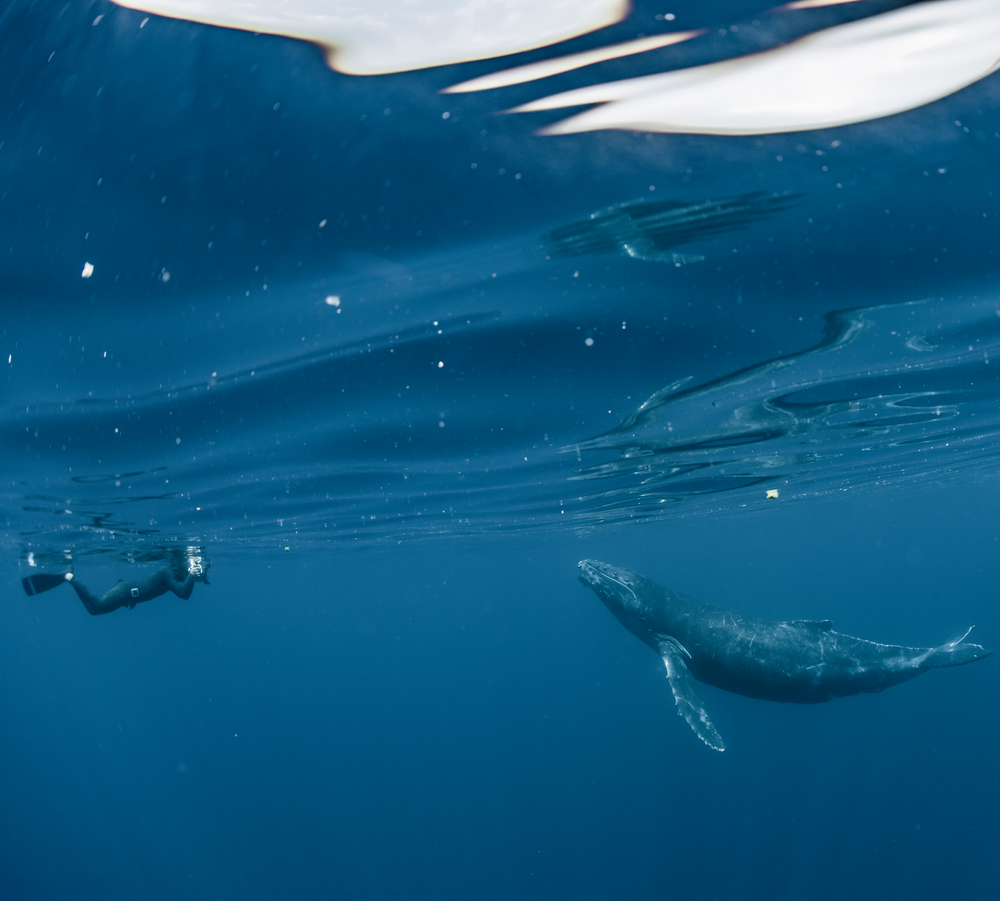
James Moskito, a commercial diver, spent hours in 2005 freeing a humpback whale entangled in crab trap lines off the California coast, an extremely dangerous undertaking since the 50-ton whale could have killed him with one accidental movement. The whale, later identified through fluke markings, remained remarkably still during the rescue, seeming to understand Moskito was helping. Years later, while diving in the same area, Moskito encountered the same whale based on distinctive markings, and the whale approached him closely—unusual behavior for humpbacks—before swimming circles around him in what marine biologists who reviewed footage described as possible recognition behavior.
The encounter lasted nearly 20 minutes with the whale maintaining proximity and making eye contact, behaviors that suggested recognition rather than coincidental curiosity. Humpback whales have excellent memories and complex social structures, and researchers who examined the footage noted the whale’s behavior was consistent with recognition and possibly gratitude. While impossible to prove definitively that the whale remembered Moskito specifically, the statistical improbability of encountering the same individual whale combined with its unusual behavior suggests memory and recognition spanning years.
5. Penguin Swims 5,000 Miles Annually – The Magellanic’s Return
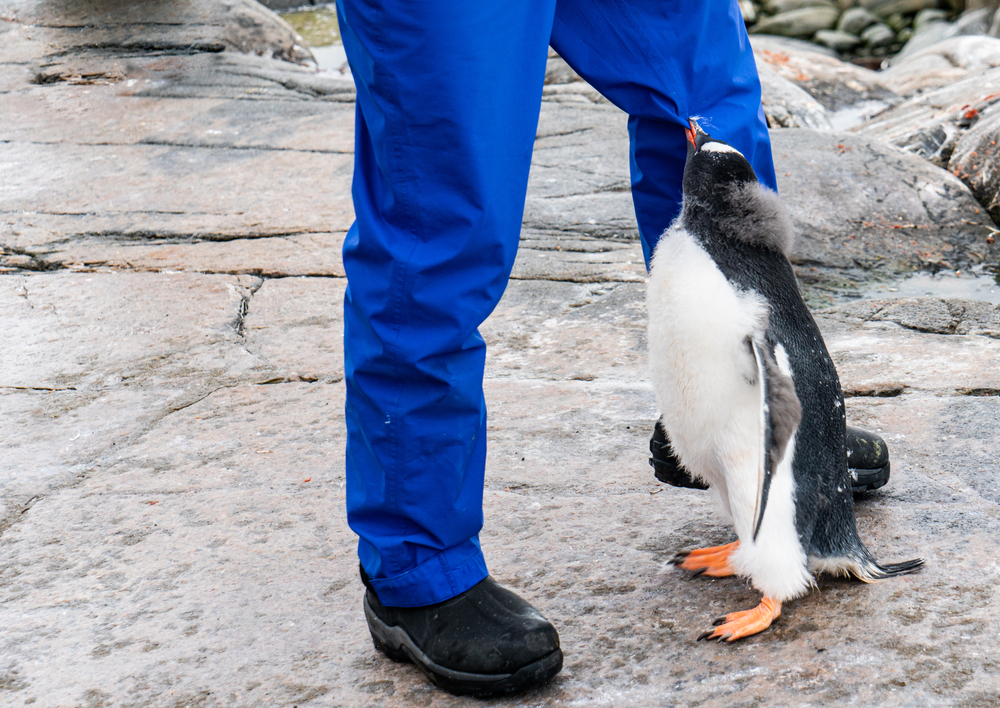
A retired Brazilian bricklayer named João Pereira de Souza rescued a penguin covered in oil on a beach near Rio de Janeiro in 2011, cleaning and nursing the Magellanic penguin back to health over several weeks. After releasing the penguin, which he named Dindim, Souza assumed he’d never see the bird again. However, Dindim returned a few months later and has continued returning annually for over a decade, spending 8 months each year with Souza before disappearing for breeding season, then swimming approximately 5,000 miles to return.
The relationship has been documented by researchers and journalists amazed by the penguin’s navigation and apparent attachment. Dindim follows Souza around, allows him to pick him up, and sleeps beside him—behaviors completely at odds with wild penguin wariness of humans. Biologists tracking the penguin confirmed it spends winters off the coast of Argentina and Chile, then makes the extraordinary journey back to Brazil, specifically to the beach where Souza lives. The decade-plus pattern eliminates coincidence and demonstrates both remarkable memory and navigation, with the penguin apparently choosing to return to a specific human across thousands of miles of ocean.
6. The Giraffe Who Never Forgot – A Kenyan Reunion
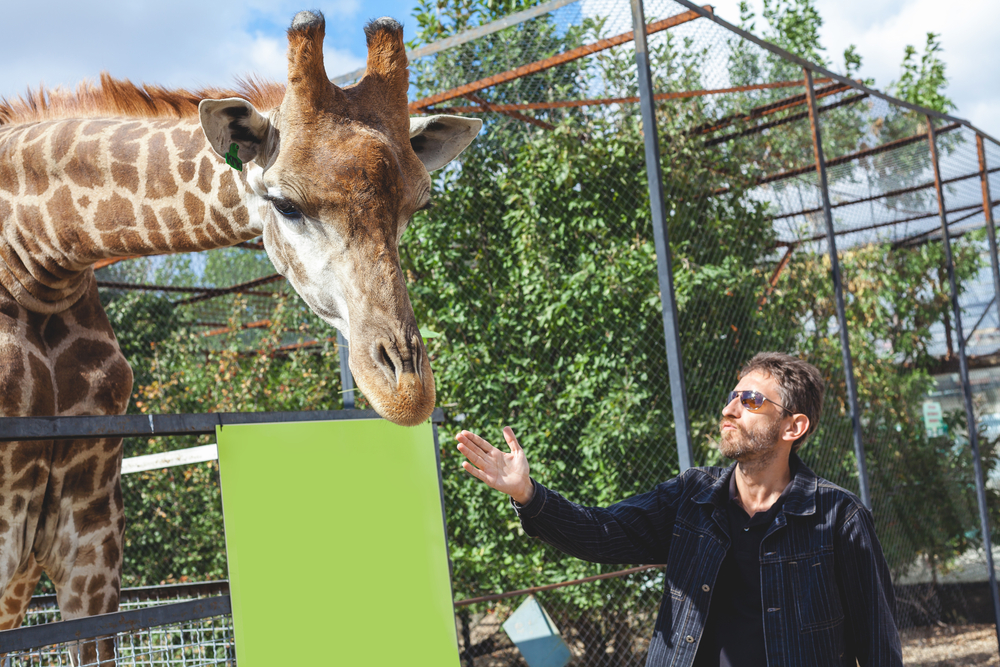
A wildlife veterinarian in Kenya treated a severely injured baby giraffe in 1999, spending weeks nursing the animal back to health after it was attacked by lions and abandoned by its herd. The giraffe, identified by unique spot patterns, was released to a protected reserve once recovered. Twelve years later, the veterinarian visited the reserve and was approached by an adult giraffe who lowered its head to him—highly unusual behavior—and allowed touching and close interaction that wild giraffes never permit.
The giraffe’s spot patterns matched photographs from the 1999 rescue, confirming it was the same individual. The encounter was witnessed by multiple reserve staff who reported the giraffe had never shown such behavior toward other humans and typically maintained normal wild giraffe distance. The twelve-year gap makes the recognition even more remarkable, suggesting that the formative rescue during the giraffe’s infancy created a lasting memory that survived over a decade of wild living. The deliberate approach and acceptance of contact indicated recognition rather than coincidence or unusual tameness.
7. The Owl Who Chose His Savior’s Property – Territorial Loyalty
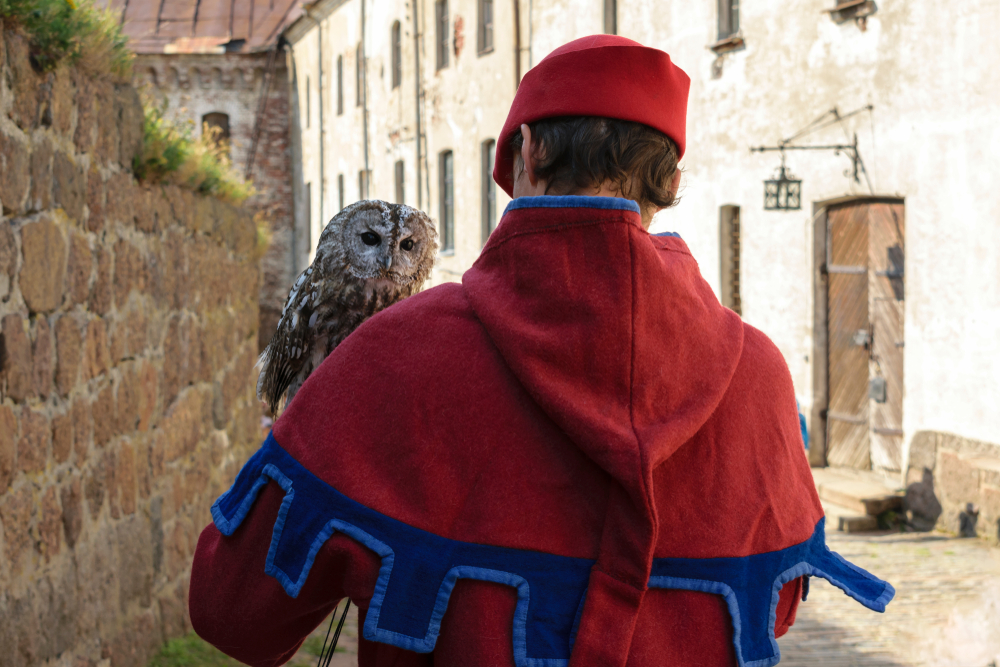
A wildlife rehabilitator in Oregon released a great horned owl in 2008 after months of treatment for a wing injury from a car collision. The owl, identifiable by a distinctive marking from the injury, established territory in the forest behind the rehabilitator’s home and remained there for over eight years. The owl would perch on fence posts near the rehabilitator’s house, hoot in response to being called, and would occasionally leave prey items on the back deck—behaviors the rehabilitator interpreted as gifts based on owl behavioral research.
Great horned owls typically establish large territories of several square miles, making the owl’s choice to remain specifically near the rehabilitator’s property notable. The owl could have established territory anywhere in the vast forest but chose the area closest to where it was rehabilitated. Wildlife biologists who examined the case noted that while owls do return to natal areas, the specific choice to remain near the rehabilitator and the gift-giving behavior suggested recognition and possibly preference rather than random territory selection.
8. The Dolphin Who Guided the Boat – Guardian of the Bay
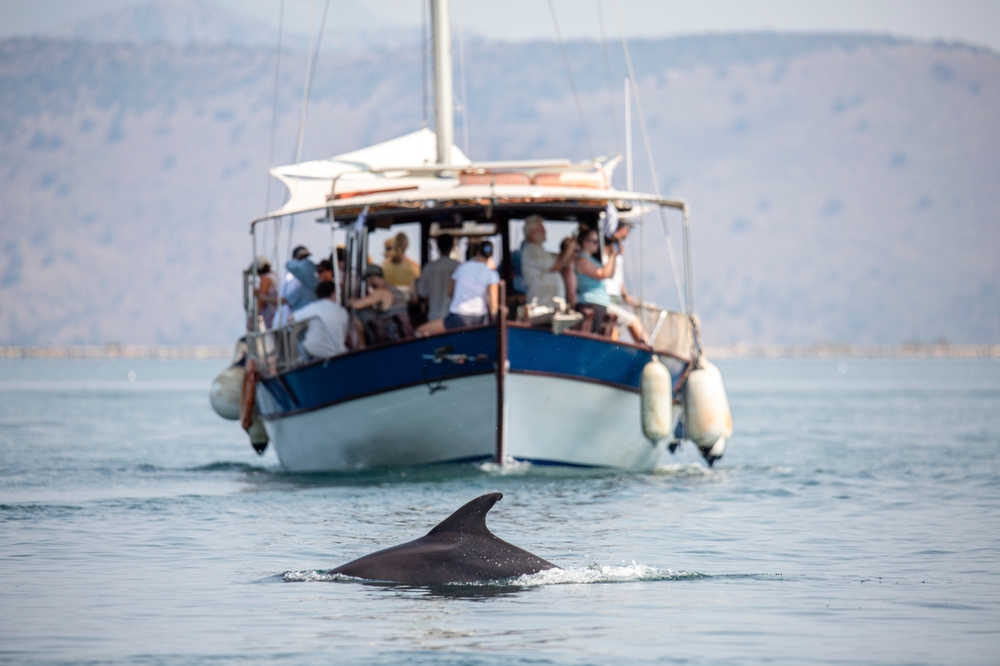
A fishing boat captain in New Zealand rescued a dolphin trapped in fishing nets in 2003, spending hours carefully cutting it free at risk to his own safety. The dolphin, identifiable by fin markings and distinctive scars, began appearing whenever the captain’s boat entered the bay, swimming alongside and seemingly guiding it through tricky channels. For over six years until the captain retired, the dolphin would reliably appear and escort the boat, behavior documented by crew and passengers who witnessed the pattern.
Marine biologists investigating the case noted that while dolphins sometimes interact with boats, the consistent recognition of one specific vessel among hundreds operating in the bay suggested individual recognition. The dolphin never begged for food and wasn’t fed by the crew, yet continued the escort behavior for years. Several times, the dolphin appeared to guide the boat away from submerged obstacles or shallow areas, leading the captain to believe the dolphin was reciprocating the rescue. The relationship persisted until the captain sold his boat, after which the crew reported the dolphin never approached the vessel under new ownership.
9. The Elk’s Annual Pilgrimage – Memorial Visits
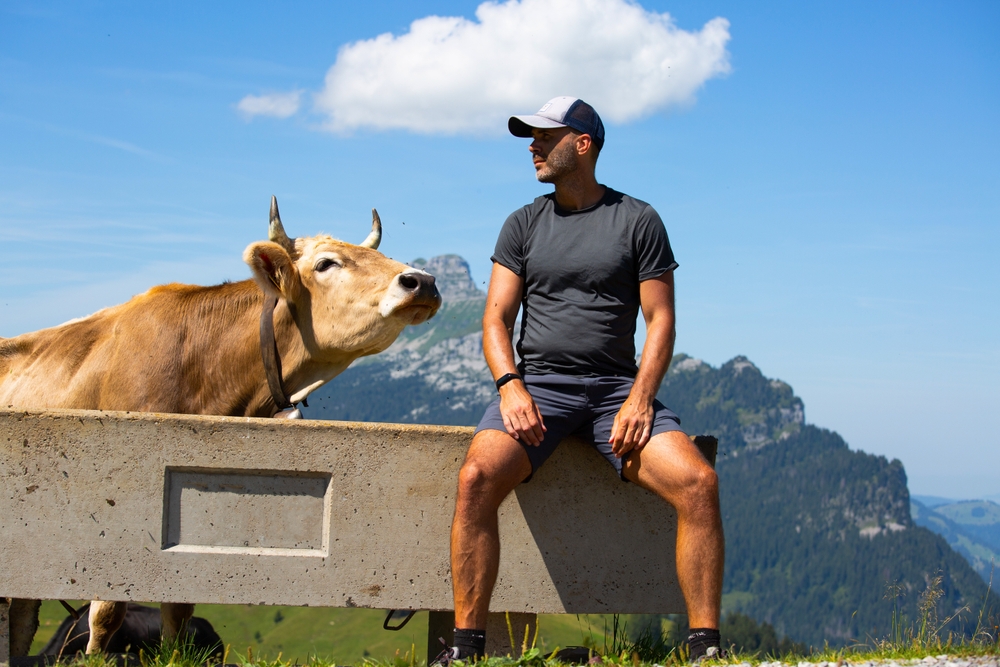
A wildlife officer in Montana nursed an orphaned elk calf for three months in 2005 after its mother was killed by a vehicle, eventually releasing the healthy elk to a nearby wilderness area. For seven consecutive years, a cow elk matching the description and distinctive ear tag would appear at the officer’s rural property each October, staying for several days before disappearing back into the wild. The elk would graze peacefully near the house, allow the officer to approach within feet, and would respond to the name used during her care as a calf.
The annual visits occurred with remarkable consistency each October until the elk failed to appear one year, presumably having died. The behavior couldn’t be explained by food availability since the officer never provided supplemental feeding beyond the initial rescue period, and the property wasn’t on any migration route. The seven-year pattern suggested the elk remembered not just the location but specifically chose to return to the human who raised her. Wildlife biologists noted that elk have strong memories for locations and threats, but this case suggested memory of positive associations as well.
10. The Crow Family’s Cross-Generational Gratitude
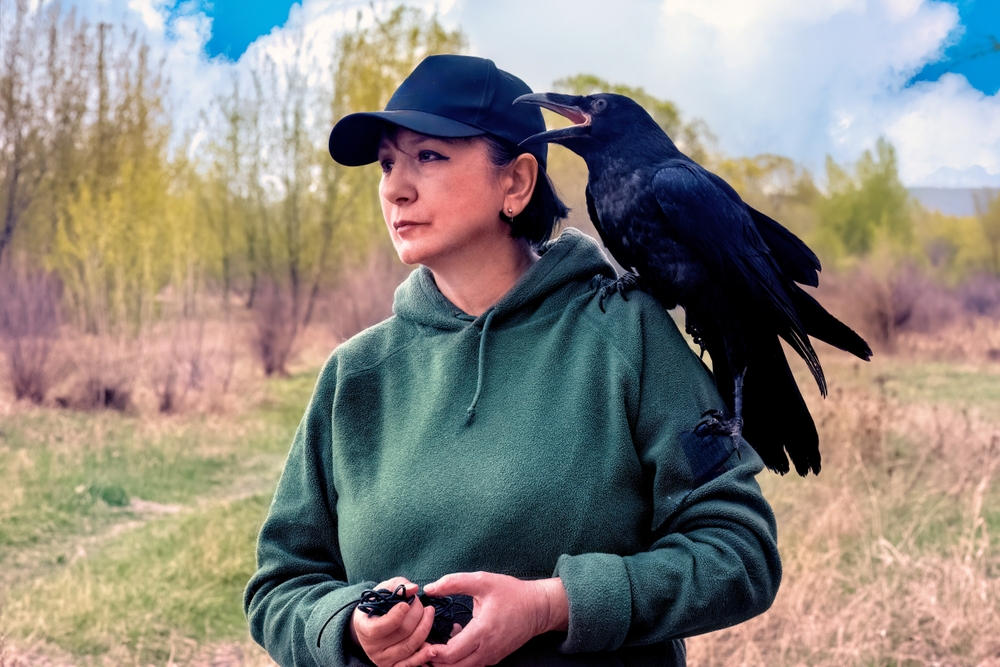
A Seattle couple rescued a baby crow from a cat attack in 2009, rehabilitating the bird before release. The crow began visiting their yard regularly, but remarkably, it also brought other crows—first a mate, then offspring—that all treated the couple differently than other humans, tolerating close approach and occasionally leaving small objects like bottle caps and pebbles on their porch railing. The behavior continued for over a decade with multiple generations of crows, suggesting the original rescued crow communicated something about the humans to its family group.
Corvid researchers who studied the case noted that crows are known to share information about dangerous humans with their young, but this appeared to be the opposite—sharing information about safe, helpful humans. The multi-generational pattern where young crows who’d never been helped still treated the couple specially suggested social learning and cultural transmission. The gift-leaving behavior increased over the years, with more varied objects appearing, indicating the crows maintained and possibly strengthened the relationship across time. The case demonstrated not just individual memory but the possibility of inter-generational transmission of human-animal relationships in wild populations.
11. The Wolf’s Protected Territory – The Guardian Returns
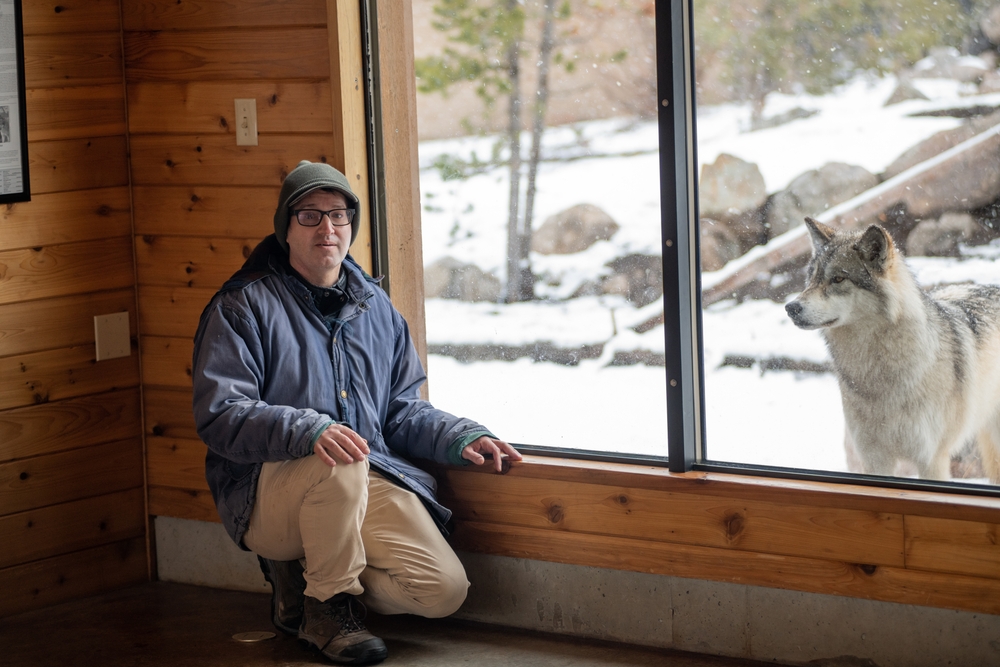
A wildlife biologist in Alaska treated a wolf with a severe leg injury from a trap in 2002, keeping the wolf sedated during treatment before releasing it with a tracking collar. The wolf, a pack alpha, established territory that included the biologist’s remote cabin, and for three years the wolf pack’s presence seemed to deliberately exclude other predators from the immediate cabin area. The biologist reported never having bear problems while wolves were present despite being in heavy bear country, and camera traps showed the wolf pack regularly passing near the cabin but never approaching threateningly.
The alpha wolf could be identified by its tracking collar and distinctive limp from the healed leg injury. On two occasions when the biologist was outside the cabin, the wolf watched from a distance without fleeing or approaching, behavior suggesting recognition and tolerance beyond normal wolf wariness. After three years the pack shifted territory and the biologist immediately began experiencing bear visits and predator issues that had been absent during the wolves’ presence. Researchers who examined the case noted that wolves sometimes protect territories around den sites but this seemed to extend protection to a human structure, possibly related to the rescue.
12. The Parrot’s Unexpected Return – Twenty Years Lost
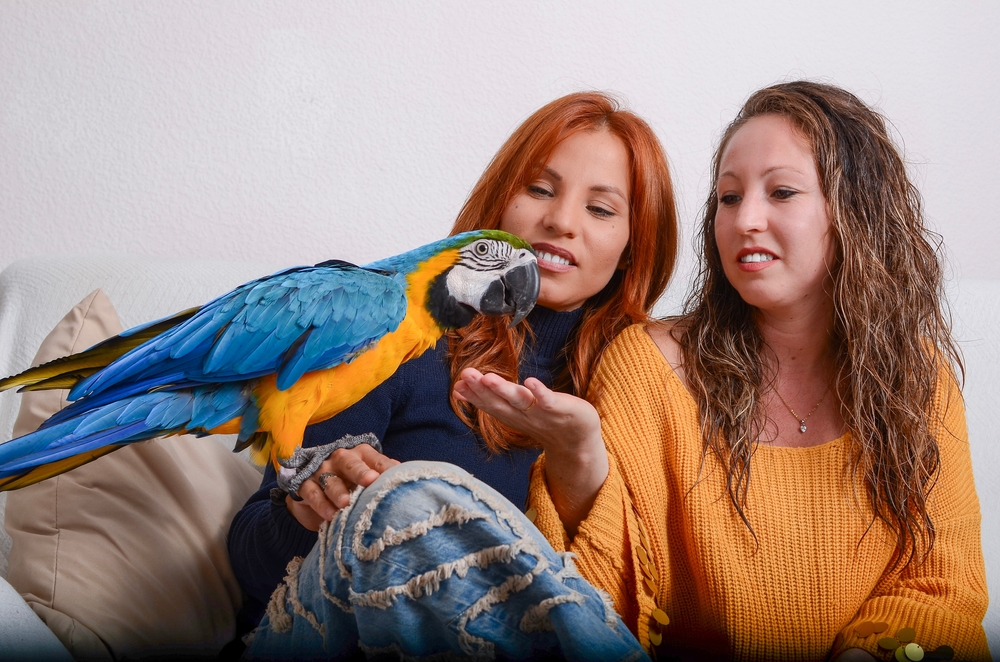
A family in California released their pet parrot to an aviary sanctuary in 1992, believing it would have a better life in a more natural setting. The parrot, a distinctive blue-and-gold macaw with an unusual white patch from an old injury, disappeared from the sanctuary grounds after a few months and was presumed to have died or joined wild parrot flocks. Twenty-one years later, in 2013, a macaw matching the description appeared at the family’s home—which they’d moved to a decade after rehoming the parrot—and responded to its original name and to family members’ voices.
The parrot’s microchip confirmed it was the same individual. The bird still performed tricks it had been taught two decades earlier and showed clear recognition of family members, seeming most bonded to the daughter who had been its primary caretaker as a child and was now an adult. How the parrot located the family at an address they’d moved to years after rehoming the bird remains mysterious. Macaws live 50+ years and have excellent memories, but the navigation to a new location and the persistence of memory across two decades defied expectations. The family kept the parrot after the reunion, and it readjusted to domestic life as if the 21-year gap had never occurred.