
Wild animals communicate constantly through body language, vocalizations, and behaviors that convey specific messages to others of their kind. Humans, however, frequently misinterpret these signals, often projecting our own emotions or intentions onto behaviors that mean something entirely different in the animal world. These misunderstandings can lead to dangerous encounters, missed opportunities to observe natural behavior, or well-intentioned interventions that actually harm the animals we’re trying to help.
1. A Wagging Tail Doesn’t Mean Friendliness
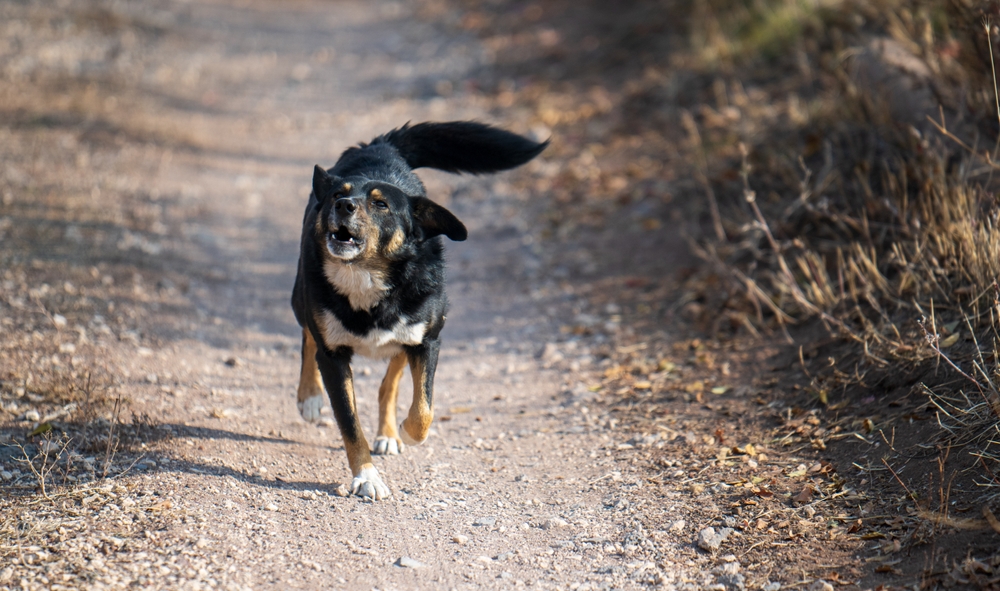
People assume any dog with a wagging tail is happy and approachable, but tail wagging actually indicates arousal or emotional intensity, not necessarily positive feelings. A stiff, rapid wag held high can signal aggression or agitation, while a low, slow wag often indicates uncertainty or fear. Dogs wag their tails before attacking just as often as during play, and reading the tail in isolation without considering ear position, facial expression, and body posture leads to countless bite incidents every year.
Wildlife experts see similar misunderstandings with other species—a swishing cat tail means irritation, not contentment, and many animals use tail movements as threat displays. The direction of the wag even matters in dogs, with right-biased wags indicating positive emotions and left-biased wags suggesting negative ones. People who approach wagging dogs without reading these nuances often end up surprised and injured by an animal that was clearly communicating discomfort.
2. “Smiling” Dolphins Are Not Happy
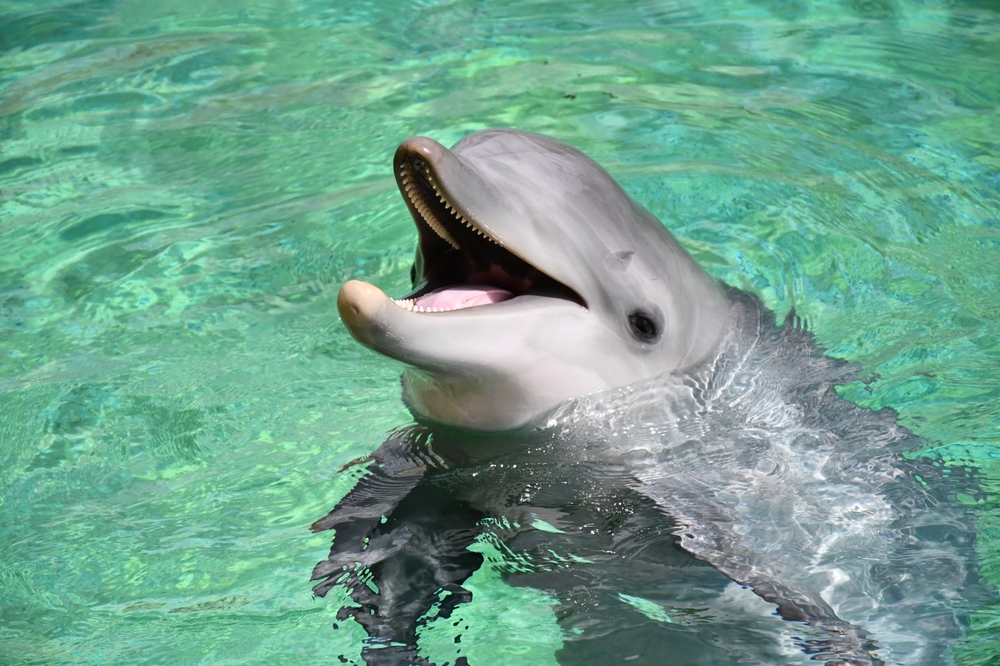
Dolphins have fixed facial structures that create the appearance of a permanent smile, leading people to interpret them as joyful, friendly creatures regardless of their actual emotional state. In reality, a dolphin may be severely stressed, aggressive, or ill while appearing to smile. Captive dolphins performing in shows are often interpreted as willing participants enjoying themselves, when their “smile” is simply the shape of their jaw and reveals nothing about their wellbeing.
Marine biologists stress that actual dolphin emotional states must be read through body language, breathing patterns, and behavior, not facial expression. Dolphins in distress, during aggressive encounters, or even while dying maintain that same curved mouth line. This misreading has contributed to public support for captive dolphin programs and encouraged dangerous wild dolphin interactions, as people assume the animals are as happy to see humans as they appear.
3. A Bear Standing Is Assessing, Not Threatening
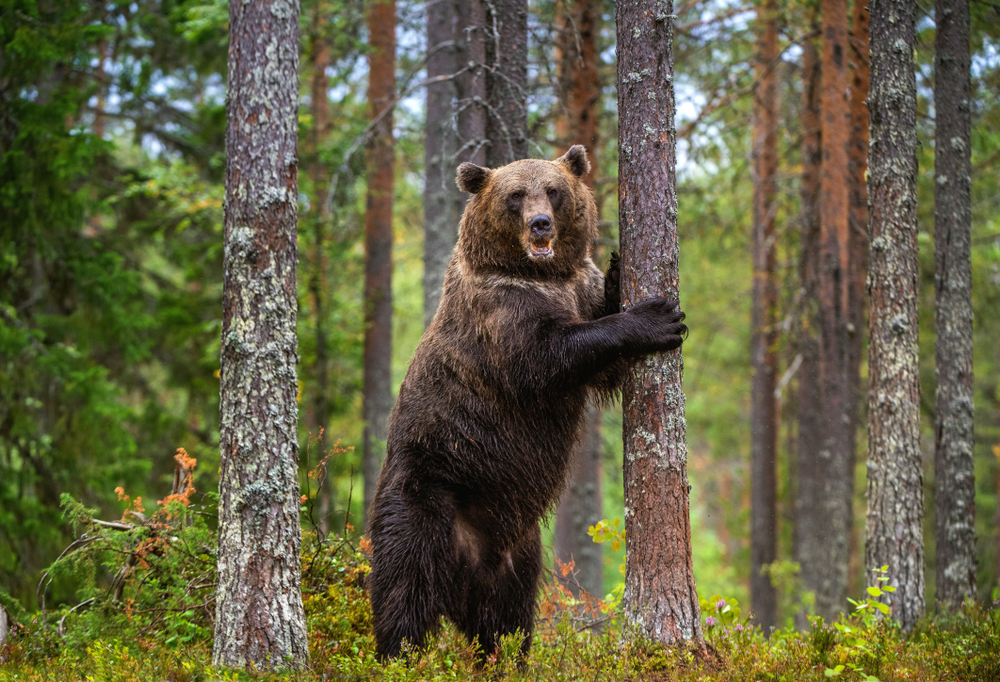
When a bear stands on its hind legs, most people interpret it as an aggressive display and either flee or prepare to defend themselves. In reality, bears stand up to get a better view and gather information through sight and smell—it’s an investigative behavior, not a prelude to attack. A bear that wants to threaten you will typically lower its head, pin its ears back, huff, clack its teeth, or make bluff charges, all while remaining on all fours.
Understanding this signal correctly can prevent dangerous encounters, as running from a standing bear triggers chase instincts, while freezing or slowly backing away from a bear that’s simply assessing you usually results in the bear losing interest. Actual bear aggression looks entirely different from what most people expect, involving direct stares, salivating, and forward movement. The standing behavior that terrifies hikers is actually the bear being cautious and trying to figure out what you are, not preparing to attack.
4. Rattlesnakes Don’t Always Rattle Before Striking
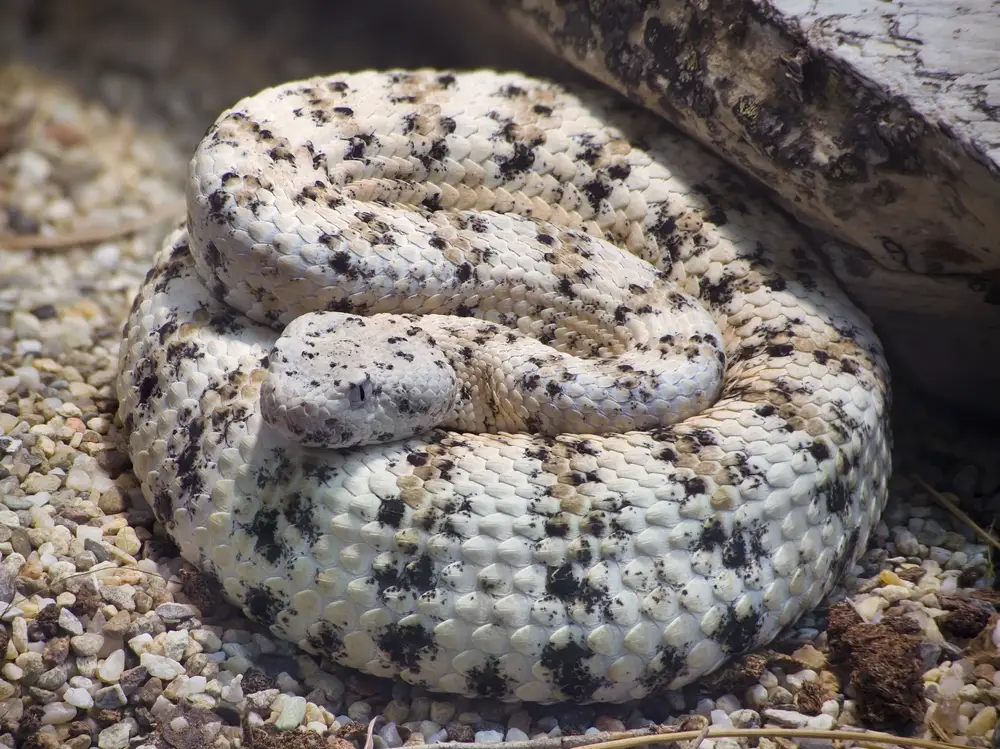
People believe rattlesnakes reliably warn before striking, leading to a false sense of security and risky behavior around these snakes. Many rattlesnakes, particularly in heavily trafficked areas, have evolved to remain silent when threatened because rattling attracts attention from predators and humans who kill them. Others simply strike without warning if surprised, bypassing the rattle entirely when they feel cornered or threatened suddenly.
The rattle is not a courteous warning system for humans—it evolved to deter large mammals like bison from accidentally stepping on snakes. Rattlesnakes have no obligation to rattle and will often remain motionless and silent, hoping to avoid detection entirely. People who hike with the assumption that they’ll hear a rattle before danger strikes are often bitten when they step near or reach toward a silent snake that’s relying on camouflage rather than warning.
5. Deer Stomping Is a Warning, Not Aggression
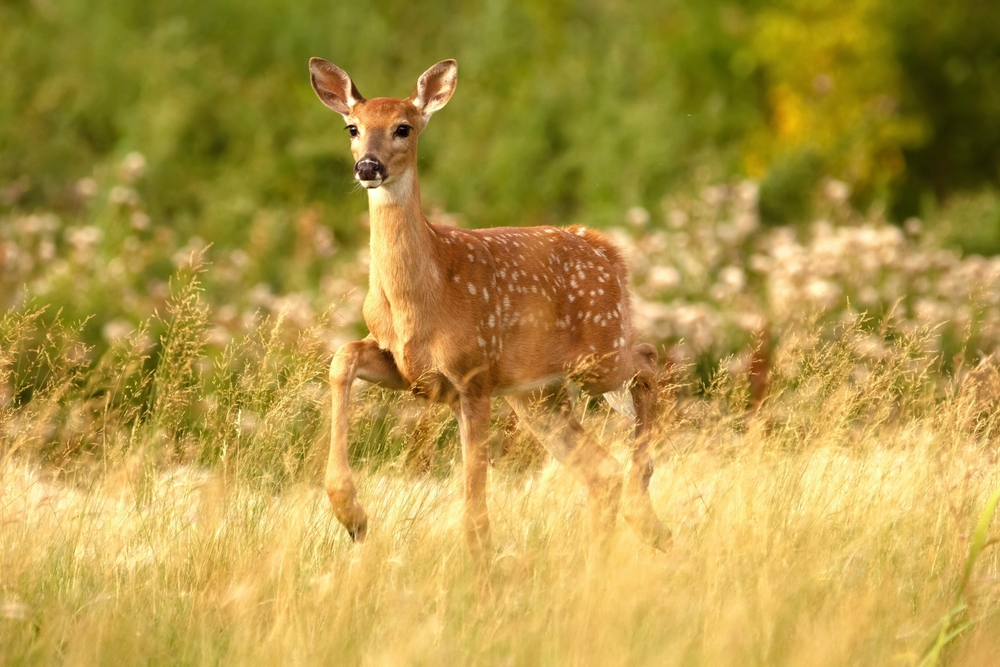
When deer stomp their front hooves repeatedly, people often think the deer is threatening them or preparing to charge. The stomp is actually a signal to other deer that danger has been detected, and it’s also an attempt to get a potential predator to reveal itself through movement. Deer stomp when they’re uncertain about a threat, trying to gather more information before deciding whether to flee.
A deer that’s actually aggressive—a rare occurrence outside of rutting season for males or does protecting fawns—will lay its ears back, raise the hair on its back, and make direct, unwavering eye contact. The stomp means you’ve been noticed but not necessarily categorized as a serious threat yet. People who retreat from stomping deer are responding appropriately by accident, but those who interpret it as aggression and act defensively may actually escalate the situation by confirming they’re a threat.
6. A Hissing Possum Is Terrified, Not Vicious
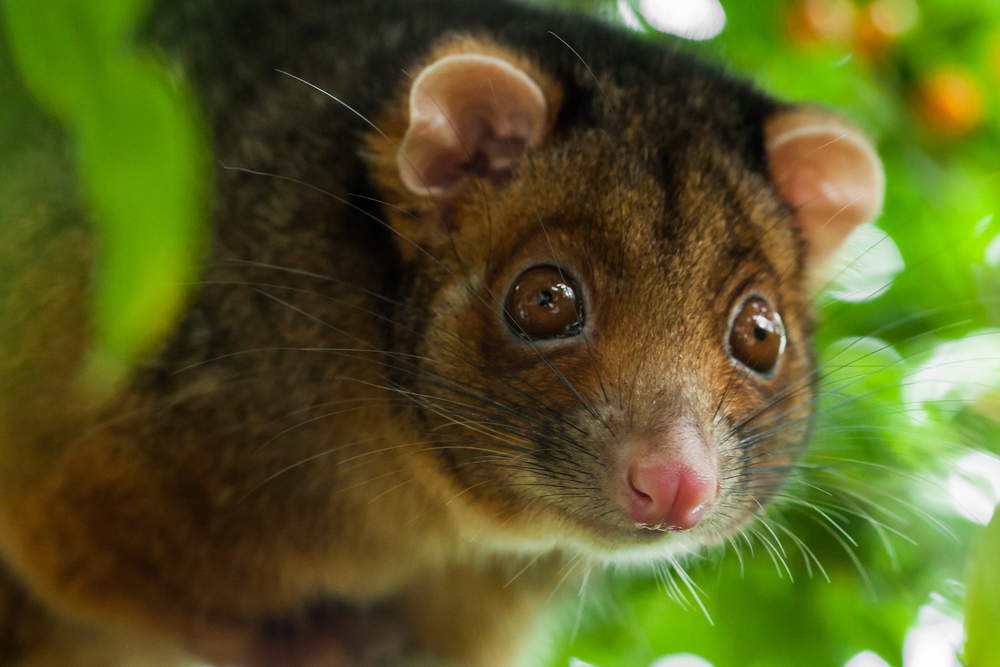
Opossums hiss, bare their fifty teeth, and drool when confronted, which most people read as fierce aggression from a dangerous animal. These displays are entirely defensive—opossums are timid animals engaging in pure bluff because they’re too slow to escape and too small to fight effectively. The dramatic show is an attempt to convince threats that they’re dangerous when they’re actually among the most harmless wildlife people encounter.
If the threat display fails, opossums don’t attack—they faint in an involuntary fear response that people mistake for cunning deception. An opossum showing its teeth is communicating terror and desperation, not malice or intent to harm. People who kill or injure “aggressive” opossums are responding to an animal that’s essentially begging to be left alone, and the misreading has contributed to unnecessary persecution of animals that eat ticks, clean up carrion, and rarely carry rabies.
7. Purring Cats Aren’t Always Content
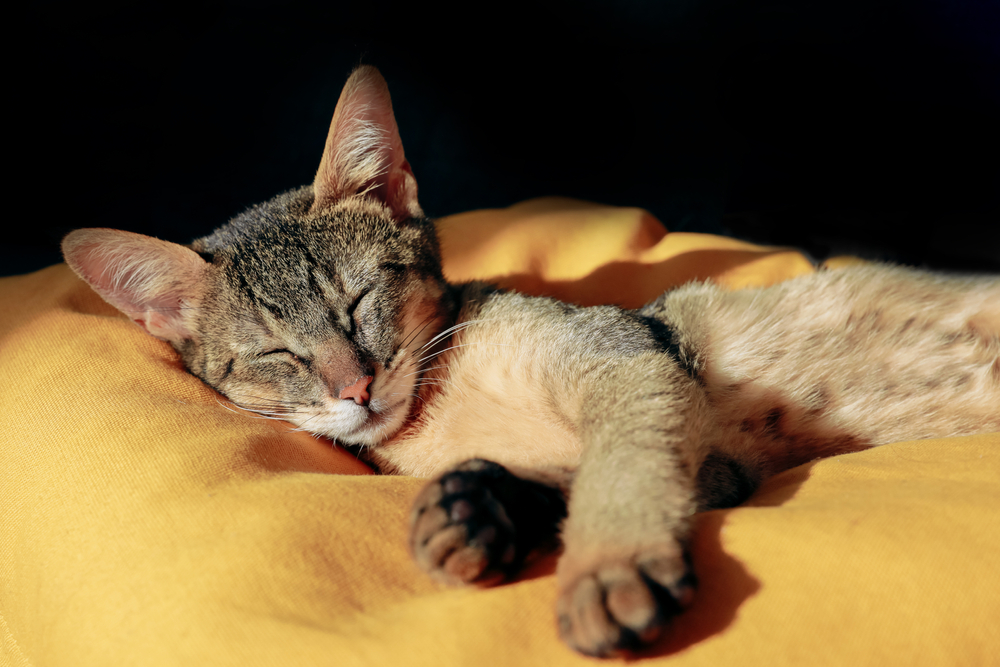
Most people interpret purring as a sign of happiness and contentment, but cats purr in a variety of stressful situations including illness, injury, giving birth, and dying. Veterinarians report that cats often purr during painful examinations or when severely ill, and mother cats purr during the intense experience of labor. The purr appears to be a self-soothing mechanism and possibly promotes healing, but it’s not a reliable indicator of positive emotional state.
Cats also use different types of purrs for different purposes, including a specific “solicitation purr” that incorporates a high-frequency cry to manipulate humans into providing food. A purring cat at the vet isn’t necessarily calm about the experience, and a purring cat that’s hiding or has stopped eating may be in serious distress. Reading purring as simple happiness causes people to miss signs of feline illness or discomfort and can result in delayed veterinary care.
8. Birds Opening Their Mouths Aren’t Begging to Be Fed
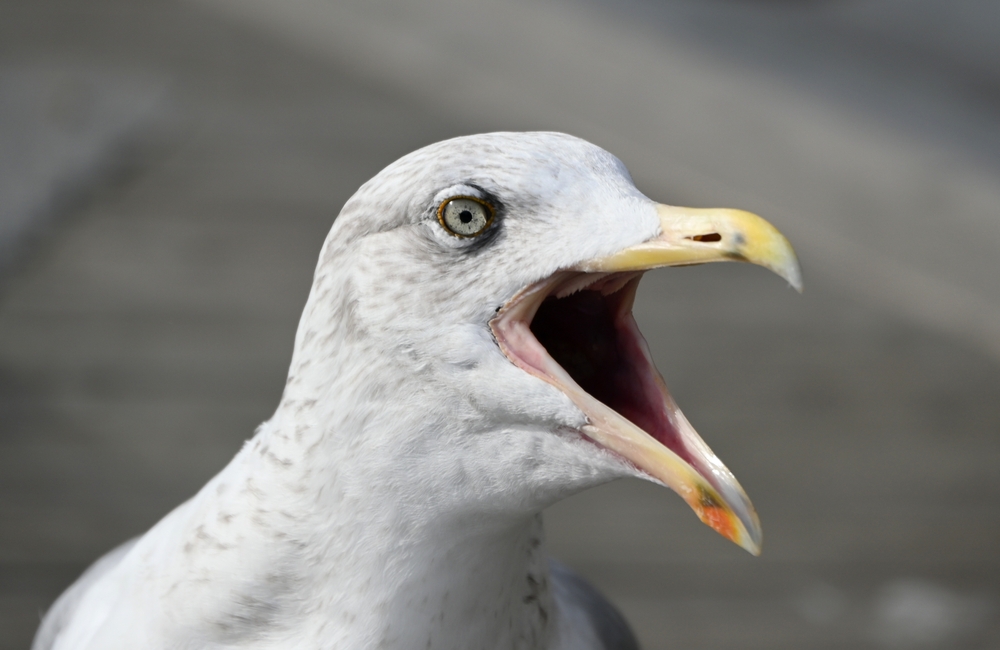
People frequently find baby birds with open mouths and assume they’re orphaned and starving, leading to well-intentioned but harmful rescues. Young birds gape in response to any large shape or vibration nearby—it’s an automatic reflex, not a specific request for food from humans. Parent birds are almost always nearby and will resume feeding once humans leave, but people who “rescue” these birds often remove them from the parental care they desperately need.
Adult birds also open their mouths when overheated, a behavior called gular fluttering that helps them cool down through evaporation. This is frequently misread as distress or panting from injury, prompting unnecessary interventions. The general rule that wildlife rehabilitators desperately wish people understood is that an open mouth doesn’t mean a bird needs human help—most of the time it means humans need to back away and let the parents continue their work.
9. A Gorilla Beating Its Chest Isn’t About to Attack
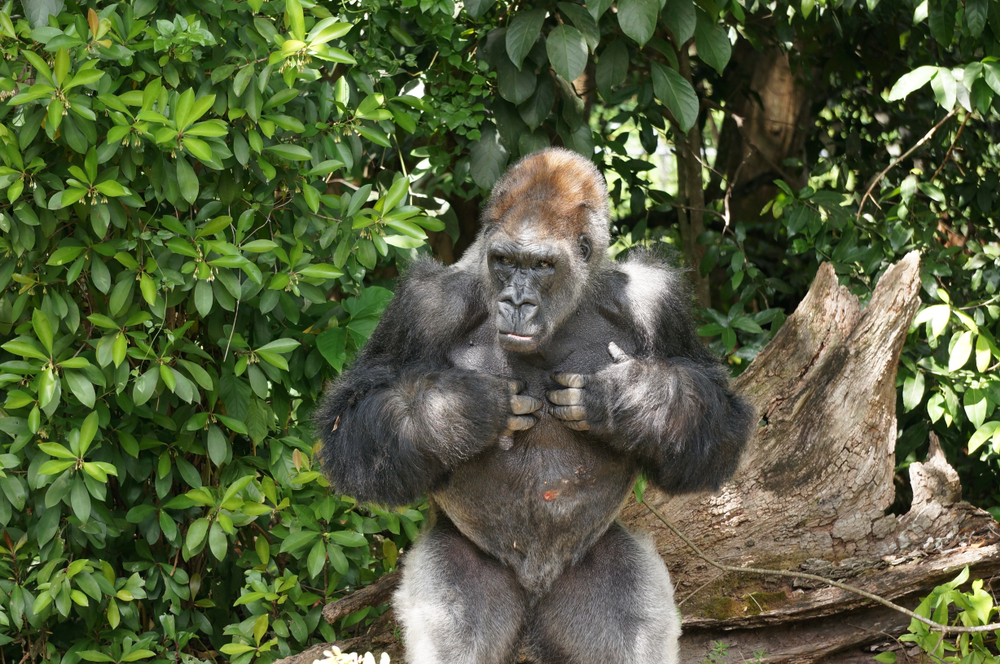
Chest beating in gorillas is commonly interpreted as an aggressive display preceding an attack, but it’s actually a complex communication that can indicate excitement, alarm, or a display meant to avoid physical confrontation. Silverback males use chest beating to demonstrate their size and strength, often as an alternative to fighting—it’s a way of saying “look how big and strong I am” to prevent actual violence. The behavior peaks during play, when gorillas are engaging in social bonding, not aggression.
When gorillas do intend to attack, they typically show different signals: a direct stare, compressed lips, and a specific harsh vocalization. Chest beating followed by the gorilla turning away or resuming normal activity means the display accomplished its purpose without needing to escalate. People who flee in terror from chest-beating gorillas during wildlife encounters are overreacting to what’s often just a male showing off or expressing excitement, though maintaining respectful distance is always appropriate.
10. Sharks Bumping Before Biting Aren’t Being Polite

When sharks bump into people or objects before biting, it’s often interpreted as a warning or the shark “testing” whether something is food. In reality, sharks have poor close-up vision and are using the bump to position prey properly for biting—their eyes roll back protectively during attacks, leaving them essentially blind at the critical moment. The bump lets them locate the target through touch and electroreception before they commit to a bite they can’t visually guide.
This is particularly common in great white sharks hunting seals, and the bump-and-bite pattern is associated with predatory behavior, not curiosity or warning. The shark has already decided to bite; it’s just compensating for sensory limitations. People who’ve survived shark encounters often report the bump as the most terrifying part because they interpret it as deliberate menace, when it’s actually a practical necessity in the shark’s hunting sequence.
11. A Cat Showing Its Belly Isn’t Requesting Rubs
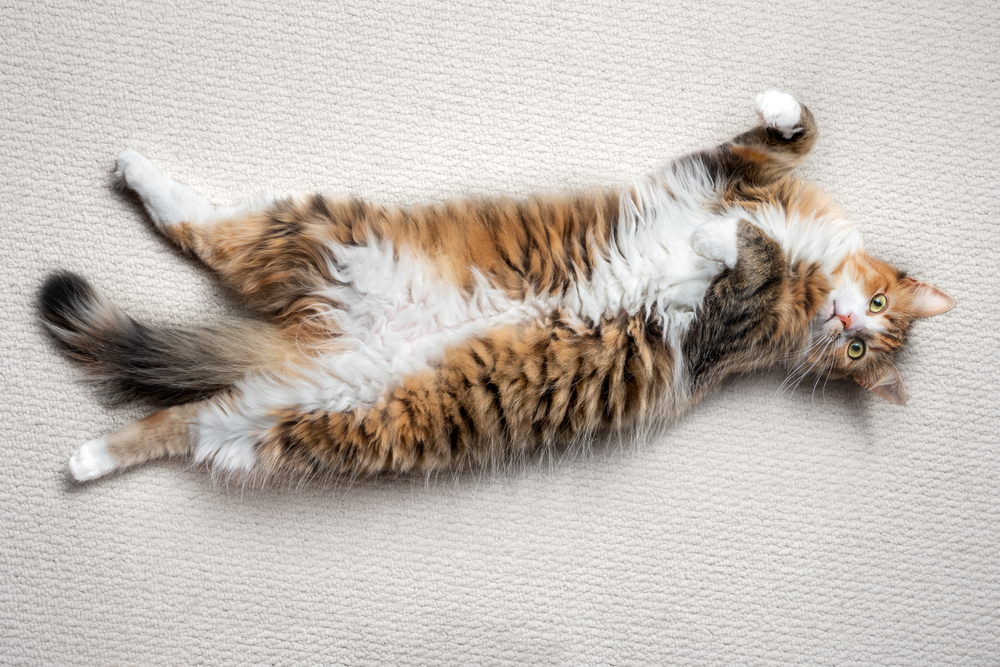
Domestic cats often roll over and expose their bellies, which people interpret as an invitation to pet them the way they would a dog. For cats, exposing the belly is a sign of trust and comfort, but it’s not a request for belly contact—most cats will grab and bite hands that touch their stomachs. The belly is a vulnerable area that cats protect instinctively, and the display means “I trust you enough to show you my vulnerable side,” not “please touch my vulnerable side.”
Dogs show their bellies as an active solicitation for touch and as a submissive gesture, leading to the cross-species confusion. Cats that attack after rolling over aren’t being duplicitous or “moody”—they’re responding to a touch they never invited, and humans missed the actual signals. A cat that wants to be petted will headbutt your hand, rub against you, or position its head or back under your hand, not expose its stomach.
12. Coyotes in Daytime Aren’t Rabid
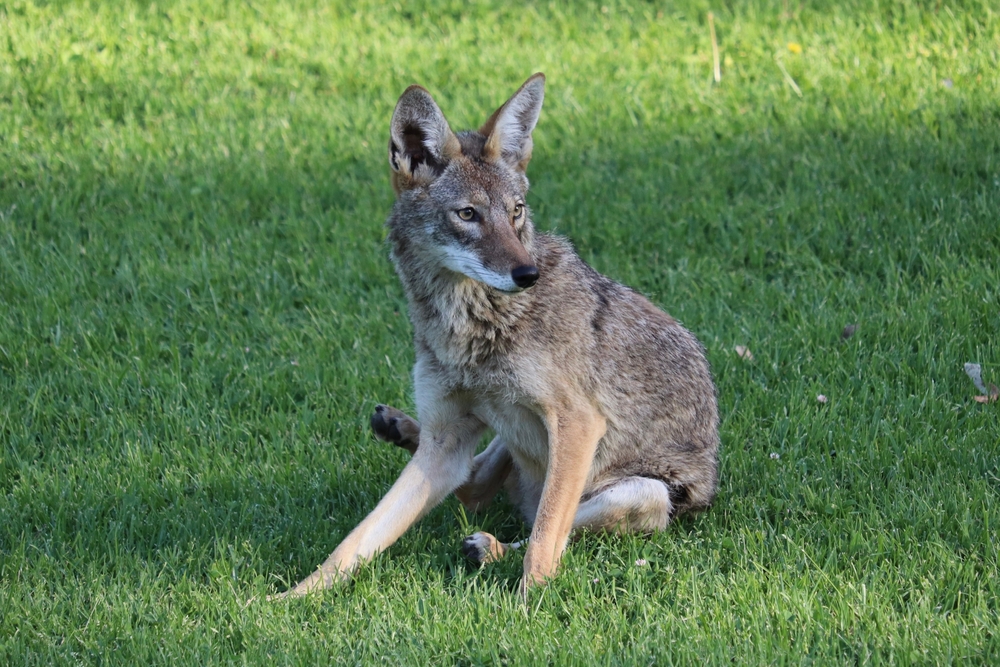
The persistent myth that coyotes are strictly nocturnal leads people to assume any daytime coyote sighting indicates rabies or unusual aggression. Coyotes are actually crepuscular, most active at dawn and dusk, but they adjust their schedules based on food availability, human activity, and season. Seeing a coyote during the day, particularly in areas where they’ve grown accustomed to humans, is completely normal behavior.
Actual rabid coyotes display specific symptoms: lack of fear, disorientation, excessive salivation, paralysis, and unprovoked aggression—not simply appearing during daylight hours. A healthy coyote hunting mice in a field at noon or trotting across a park in afternoon is behaving normally, and panicked calls to animal control about “rabid” daytime coyotes waste resources. The misreading stems from old assumptions about wild canid behavior that don’t account for how adaptable coyotes are in urban and suburban environments where nocturnal activity would mean missing abundant food sources.
13. Slow Loris “Raising Arms” Isn’t Cute Surrender
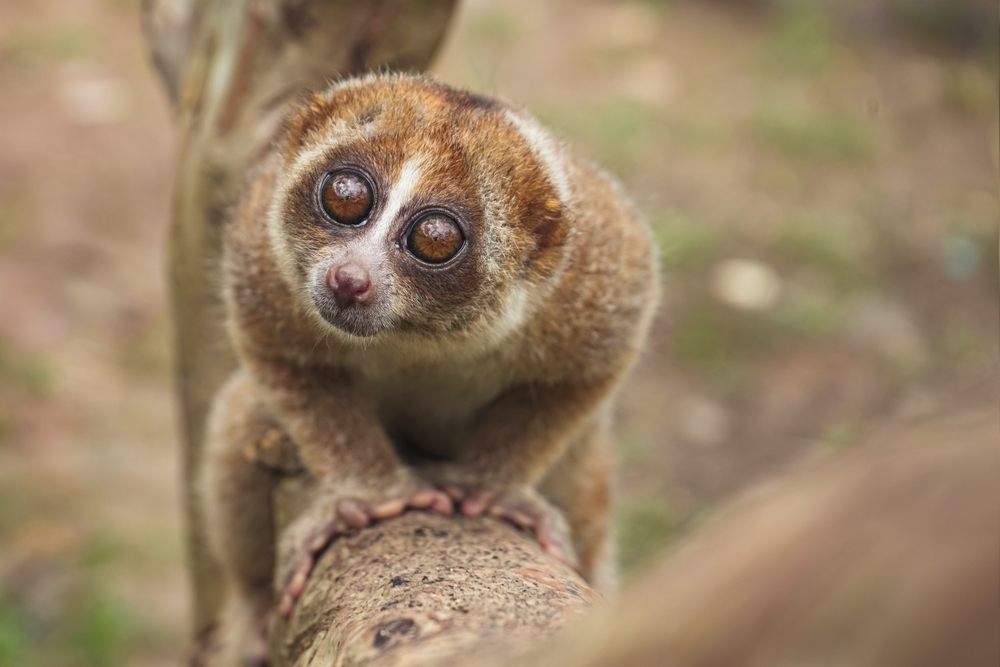
Videos of slow lorises raising their arms go viral regularly, with people interpreting the behavior as adorable stretching, dancing, or a gesture of surrender and friendliness. The raised arms are actually a defensive threat display—slow lorises have venom glands in their elbows, and raising their arms positions them to deliver a toxic bite. The “cute” behavior people share and laugh at is an animal in extreme distress, trying to defend itself from what it perceives as a deadly threat.
The lorises in these videos are usually illegal pets subjected to bright lights and handling they find terrifying, and the videos directly fuel the exotic pet trade that’s decimating wild populations. The venom can cause anaphylactic shock in humans, making the actual meaning of the signal particularly ironic given how people interpret it. This may be the most consequential wildlife misreading in the internet age, as the misinterpretation directly harms the animals by increasing demand for them as pets while obscuring the suffering the videos actually document.