
Animals possess sensory abilities that often exceed our own, allowing them to detect subtle changes in their environment and even in living beings around them. While the idea that animals can “sense death” sounds mystical, research suggests they’re actually picking up on biochemical changes, shifts in behavior, or environmental cues that humans simply can’t perceive. These fifteen animals have demonstrated an uncanny ability to recognize when death is approaching, whether in themselves, their companions, or the people around them.
1. Oscar the Hospice Cat
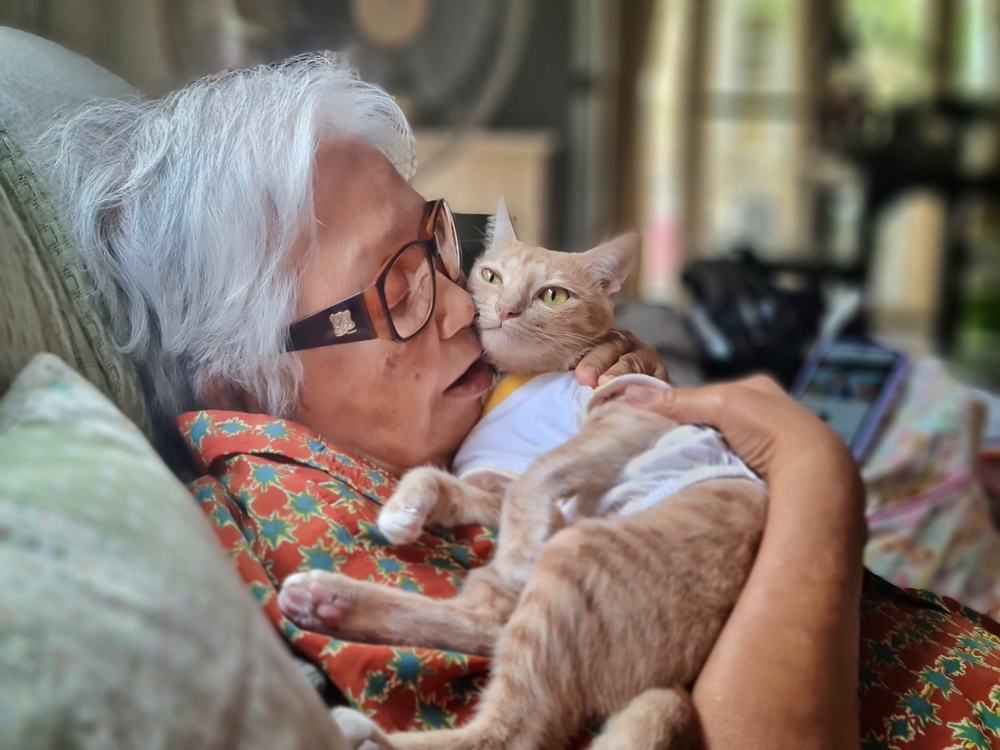
Oscar, a cat living at a nursing home in Rhode Island, became famous for his ability to predict patient deaths with remarkable accuracy. He would curl up beside residents in their final hours, typically showing up about four hours before they passed away. Over the course of several years, Oscar accurately predicted over 100 deaths, often alerting staff to check on patients they hadn’t realized were declining.
Dr. David Dosa, who documented Oscar’s abilities, noted that the cat would bypass healthier residents to settle with those who were dying, even if he had no prior relationship with them. Scientists theorize Oscar detected ketones or other biochemical compounds released as the body shuts down. What’s particularly striking is that Oscar seemed to understand the significance of what he was detecting—he would stay with the person until they died, then quietly leave, suggesting something beyond simple chemical detection was occurring.
2. Elephants and Their Dead
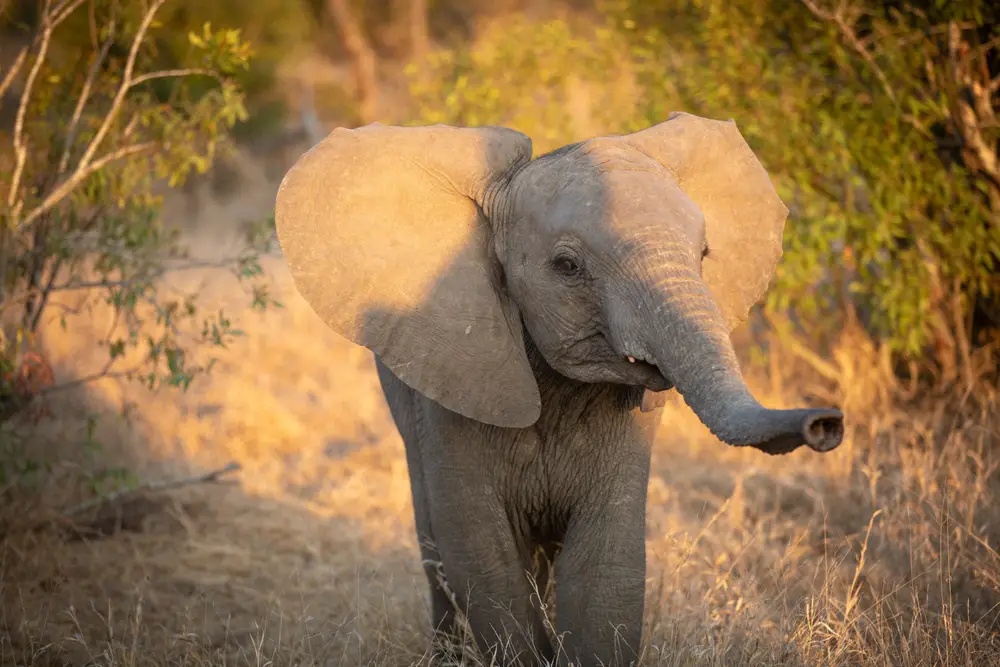
Elephants display profound awareness when death approaches, both for themselves and their family members. Dying elephants often separate from the herd and seek out specific locations, sometimes traveling long distances to reach ancestral “graveyards” where other elephants have died. When an elephant dies, herd members gather around the body, touching it with their trunks, covering it with branches and dirt, and standing vigil for hours or even days.
Researchers have documented elephants returning to the bones of deceased family members years later, gently touching the skulls and tusks with their trunks in what appears to be remembrance. Elephants can distinguish elephant bones from other animal remains and show particular interest in the bones of elephants they knew. This suggests they possess not only an awareness of death but also memory and grief that extends far beyond the moment of passing.
3. Dogs Detecting Cancer and Illness

Trained medical alert dogs can detect various cancers, seizures, and other life-threatening conditions before symptoms appear, sometimes years in advance. These dogs respond to volatile organic compounds released by tumors and metabolic changes associated with disease. Some dogs have alerted their owners to cancers that doctors later confirmed, and seizure alert dogs often warn their handlers minutes before an episode occurs, allowing them to reach safety.
What’s remarkable is that some dogs demonstrate this ability without training, persistently sniffing or pawing at specific body parts that later prove to be cancerous. Research shows dogs can detect certain cancers with over 90% accuracy in controlled studies. The dogs’ behavior suggests they recognize these scents as significant and dangerous, not just novel—they often become anxious or insistent when detecting disease, as if understanding the stakes.
4. Rats Abandoning Dying Companions
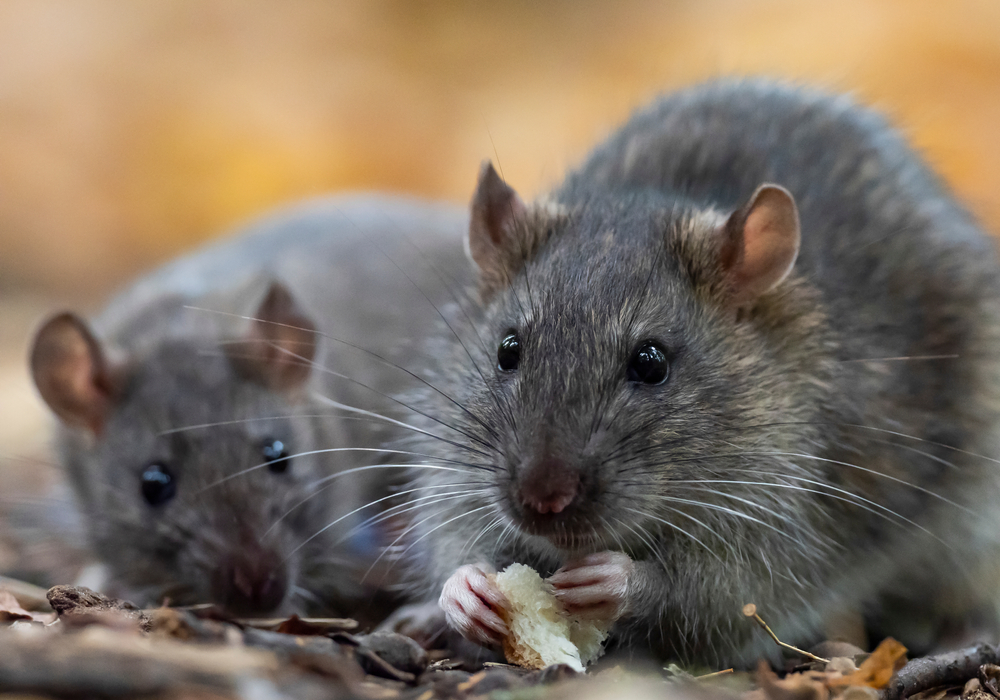
Rats typically maintain close social bonds and show distress when cagemates are sick, but they consistently abandon companions who are actively dying. Studies show that healthy rats will care for sick rats, sharing food and grooming them, but once death becomes imminent—often hours before it occurs—the healthy rats withdraw completely. They’ll move to the opposite side of the cage and show no further interest in the dying rat, even avoiding the body after death.
Researchers believe rats detect specific chemical signals that indicate irreversible decline rather than treatable illness. This behavior may have evolved as a survival mechanism, as staying near a dying rat could expose them to disease or predators attracted to the body. The precision of their timing suggests rats can distinguish between serious illness and the actual dying process, though how they make this determination remains unclear.
5. Crows Holding Funerals
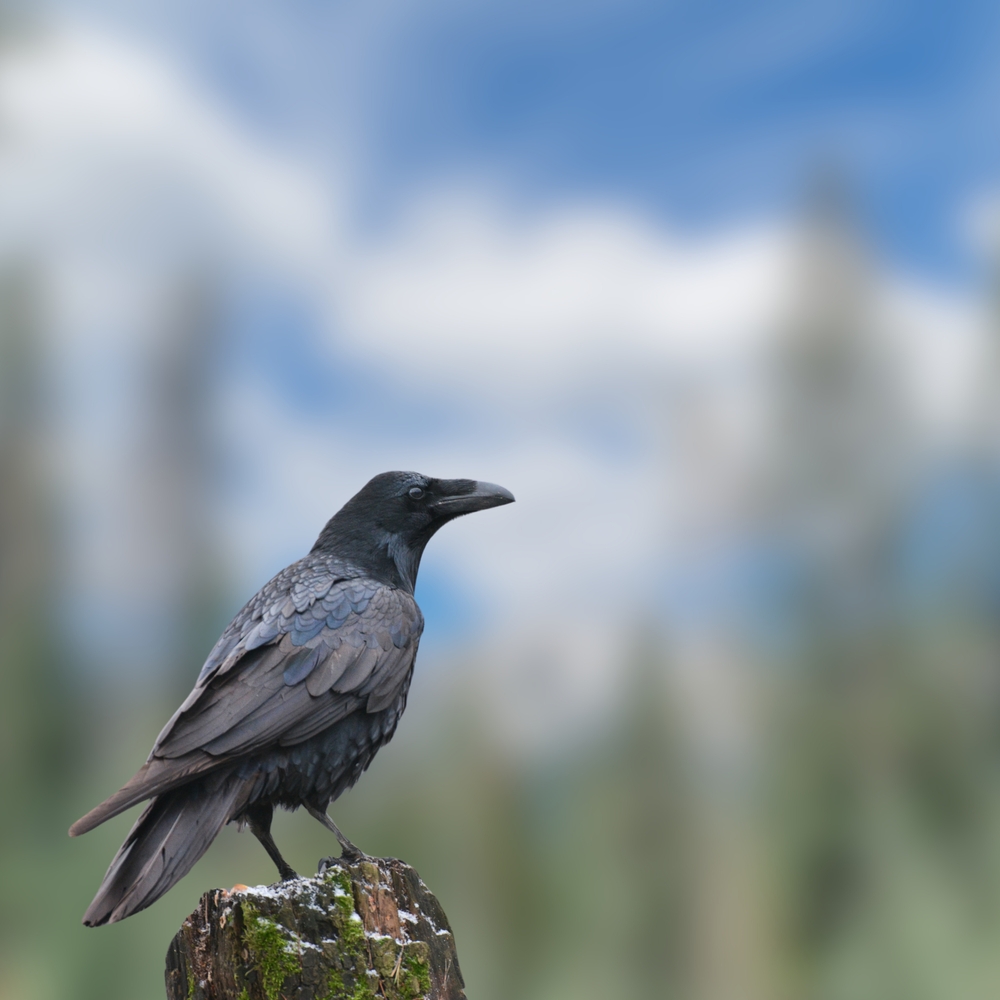
Crows gather in large, noisy groups around dead crows in behavior scientists call “crow funerals.” These gatherings serve multiple purposes—crows appear to be learning about threats by studying what killed their companion and memorizing the location and any potential dangers. Research shows crows remember the faces of humans near dead crows and will scold those people for years afterward, suggesting they’re connecting the death with specific threats in their environment.
What’s fascinating is that crows seem to recognize death itself as significant before investigating the cause. They’ll gather around crows that died from natural causes just as they do for those killed by predators. Young crows learn this behavior from adults, indicating it’s a cultural practice passed down through generations, not purely instinctive.
6. Cats Withdrawing Before Death

Cats instinctively seek isolation when they’re dying, often hiding in closets, under furniture, or in outdoor locations away from their homes. This behavior appears to be triggered by weakness and vulnerability rather than a conscious awareness of impending death, but cats seem to know when they’ve reached this state. They’ll often refuse food and water for days before death and actively avoid interaction even with beloved owners.
The behavior likely evolved as protection from predators, as a weak or dying cat would be easy prey in the wild. However, indoor cats with no predator threats still demonstrate this behavior consistently, suggesting it’s deeply hardwired. Some cats seem to make a deliberate final visit to family members before withdrawing permanently, which owners often interpret as a goodbye, though whether cats conceptually understand this remains debated.
7. Dolphins Supporting Dying Pod Members

Dolphins will support dying or dead pod members at the surface for hours or even days, helping them breathe even when recovery is impossible. They’ve been observed carrying deceased calves for weeks, keeping the body afloat and protecting it from scavengers. This behavior occurs even when it puts the healthy dolphins at risk from exhaustion or predators, suggesting a deep awareness of death and loss.
Marine biologists have documented pods altering their travel patterns to accommodate a dying member, slowing down or stopping entirely to stay with them. The dolphins appear to recognize when a companion is in the dying process as opposed to simply being ill or injured. Some researchers believe dolphins may be attempting to help, while others think it represents grief or an inability to accept the death—either way, it demonstrates clear recognition that something irreversible is happening.
8. Horses Detecting Human Heart Attacks
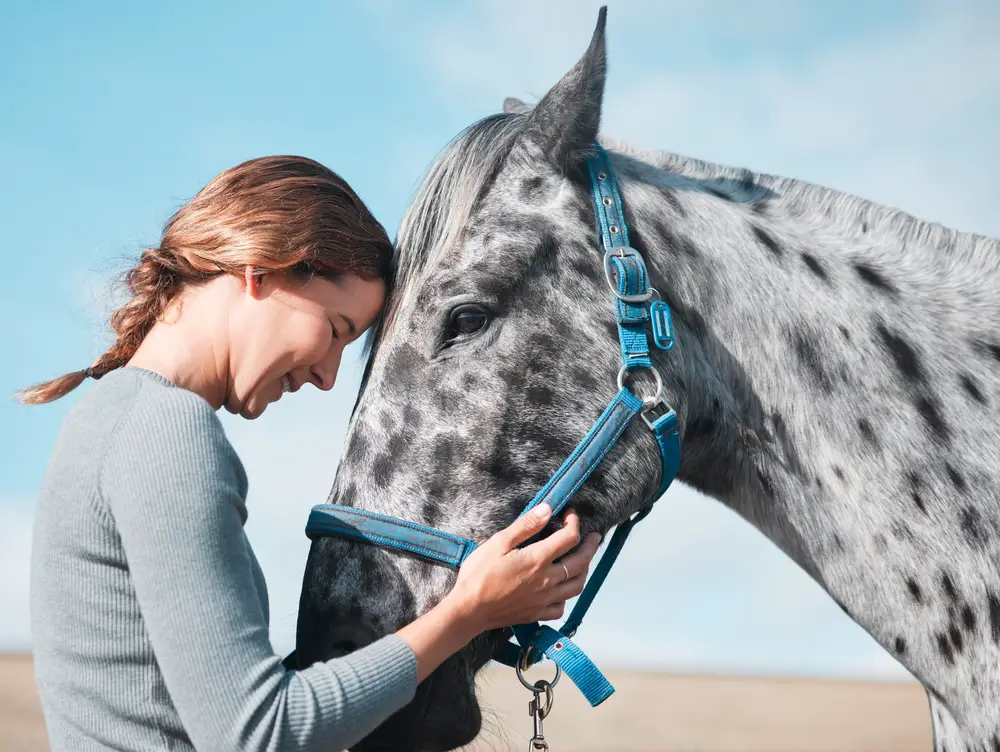
Therapy horses and personal riding horses have repeatedly alerted to heart attacks or cardiac events in their handlers before symptoms became apparent to the person experiencing them. Horses become agitated, refuse to move, or push against the person’s chest in the moments before a cardiac event. Their ability to detect heart rate and rhythm changes through subtle vibrations and electromagnetic fields allows them to sense cardiovascular distress before it becomes critical.
Several documented cases involve horses refusing to let riders mount or suddenly stopping during a ride, with the rider suffering a heart attack moments later. Horses can hear heartbeats from several feet away and are highly attuned to subtle changes in the humans around them. This suggests they’re not only detecting the physical change but recognizing it as dangerous, though how they make that assessment remains unknown.
9. Vultures Circling the Dying

Vultures can detect dying animals from miles away, often arriving before death actually occurs. They rely primarily on exceptional eyesight to spot animals exhibiting specific behaviors associated with the dying process—staggering, labored breathing, or collapse. In some cases, they also detect the scent of chemical changes that occur in the hours before death, though their sense of smell varies by species.
What’s eerie is how accurately vultures time their arrival—they’ll begin circling an animal that appears to be merely resting or ill, somehow distinguishing between recoverable sickness and terminal decline. Research suggests they observe subtle behavioral cues invisible to human observers. The birds will often wait patiently in nearby trees for hours, demonstrating they understand death is coming even when the animal is still alive and moving.
10. Bees Removing Dead and Dying Hive Members

Honeybees demonstrate sophisticated awareness of death within their colonies, immediately identifying and removing dead bees from the hive. More remarkably, they can identify bees that are dying but not yet dead, removing them before they expire. This behavior is triggered by chemical signals, particularly oleic acid, which is released when bees begin dying, and the living bees respond within minutes.
Research shows bees can be “fooled” if oleic acid is applied to a healthy bee—the colony will treat it as dead and remove it forcefully. However, in natural circumstances, bees rarely make mistakes, suggesting they’re detecting additional cues beyond just the chemical signal. The speed and efficiency with which they identify and respond to dying members indicates an evolved ability to recognize the dying process as distinct from other states of being.
11. Pigs Responding to Slaughterhouse Proximity

Pigs show dramatic behavioral changes when approaching slaughterhouses, even when transported in enclosed trucks that prevent them from seeing their destination. They become agitated, vocalize intensely, and attempt to escape when they’re still miles away from the facility. Research suggests they may be detecting the scent of death and fear pheromones from animals previously processed there, carried on the wind or lingering in the area.
Studies show pigs demonstrate elevated stress hormones and changed brain activity when exposed to the scent of other pigs’ blood or remains. Their response intensifies as they get closer to locations where other pigs have died, suggesting they recognize these scents as indicators of death and danger. The fact that this occurs even when the pigs have never been to the location before indicates an instinctive recognition rather than learned fear.
12. Goats and Sheep Separating Before Death
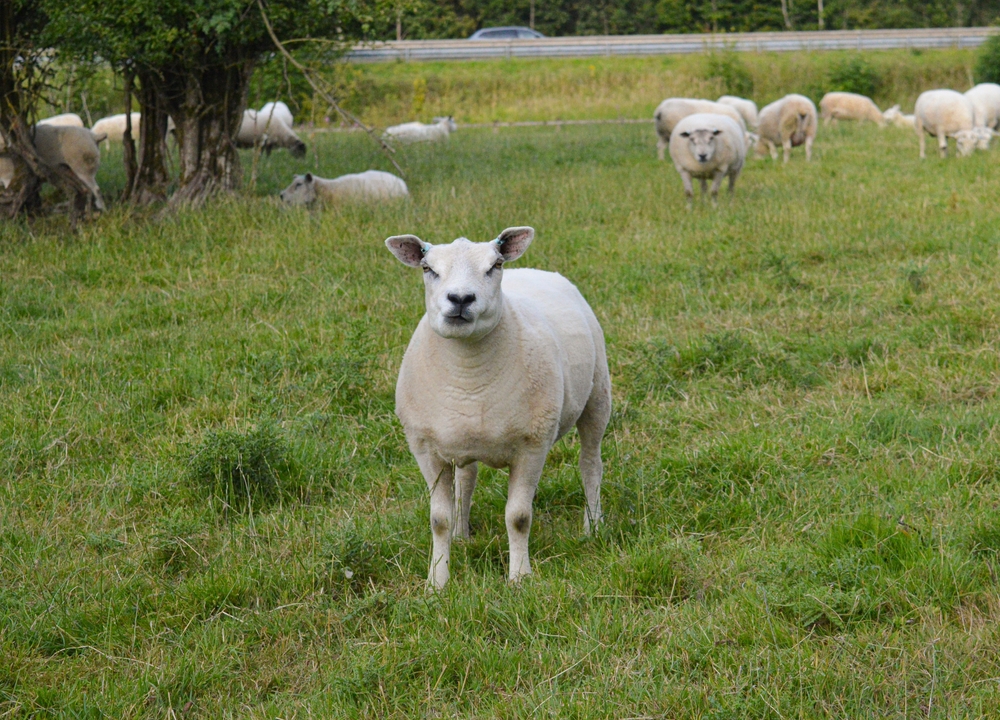
Dying goats and sheep consistently separate from their herds in the final hours of life, seeking isolated spots away from the group. This happens even in domestic settings where predators aren’t a concern, and the animals have lived in protected environments their entire lives. They stop responding to food or the calls of other herd members and show clear determination to be alone, sometimes traveling significant distances despite weakness.
Herd members typically don’t follow or attempt to help, suggesting they also recognize something has changed in the dying animal’s status. The behavior appears universal across breeds and environments, indicating deep evolutionary programming. What triggers this self-imposed isolation remains unclear—it may be driven by discomfort, instinct, or some awareness that they’re entering a different state of being.
13. Chimpanzees Responding to Death
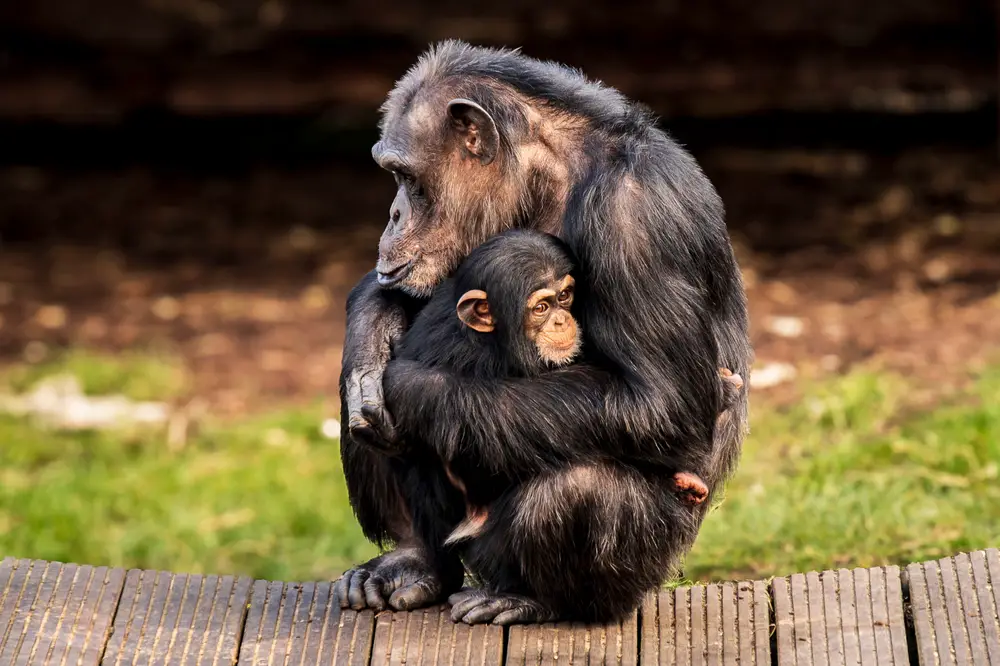
Chimpanzees show clear awareness when group members are dying, often gathering around them in the final hours and displaying behaviors that suggest anticipation of death. Documented cases include chimps cleaning the dying individual’s body, staying close in silence, and testing for signs of life by closely examining the face and checking for breathing. After death occurs, they typically avoid the body or show wariness, suggesting they recognize the transition from living to dead.
Jane Goodall documented instances where chimps appeared to understand that death was approaching days before it occurred, spending increased time with the dying individual and showing changed behavior. Mother chimps have been observed carrying dead infants for weeks, but they handle dying infants differently—with urgency and apparent attempts to help. This suggests they can distinguish between the process of dying and death itself, though how they make this determination remains a mystery.
14. Rabbits Detecting Illness in Warren Mates

Rabbits can identify when warren mates are seriously ill or dying and will often attack or drive out the affected individual. This harsh behavior appears to be triggered by scent changes associated with severe illness or the dying process. Healthy rabbits become aggressive toward the sick one, sometimes inflicting injuries, in what researchers believe is an instinct to prevent disease spread or avoid attracting predators to the warren.
The behavior occurs even between bonded pairs and in domestic settings with no disease risk, suggesting it’s a deeply ingrained response rather than a reasoned action. Rabbits seem to distinguish between minor illness, which they tolerate, and terminal conditions, which trigger the aggressive response. The timing of this behavioral shift often precedes obvious symptoms, indicating rabbits detect death approaching before external signs are apparent to human observers.
15. Whales Mourning Their Dead
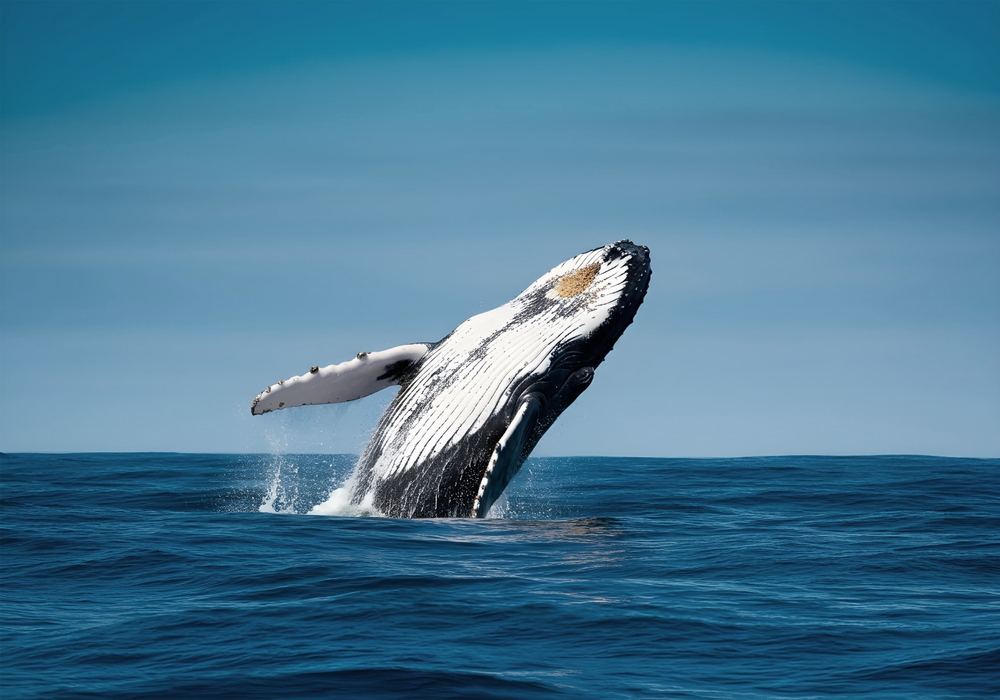
Multiple whale species have been observed supporting dead calves or adults at the surface, sometimes for weeks after death. Mothers carry deceased calves on their heads or push them along, and entire pods have been documented altering migration routes to stay with a dead member. The behavior occurs across oceans and species, suggesting widespread recognition of death among cetaceans.
What’s particularly striking is that whales seem to recognize when death has actually occurred versus when an individual is dying—they respond differently to sick whales (often helping them) than to dead ones (ritualistic carrying and eventual release). Some whales have been observed touching and examining dead pod members as if checking for signs of life before beginning the mourning behavior. This suggests not only awareness that death has happened, but possibly an understanding that it was approaching beforehand, though the full extent of their awareness remains one of the ocean’s most profound mysteries.