
Cross-species friendships challenge our understanding of animal behavior and social bonds. While scientists can offer theories about loneliness, imprinting, or mutual benefit, many of these relationships defy easy explanations and seem to exist simply because the animals involved chose each other. These thirteen pairs remind us that the emotional lives of animals remain far more complex than we often assume.
1. Tarra the Elephant and Bella the Dog
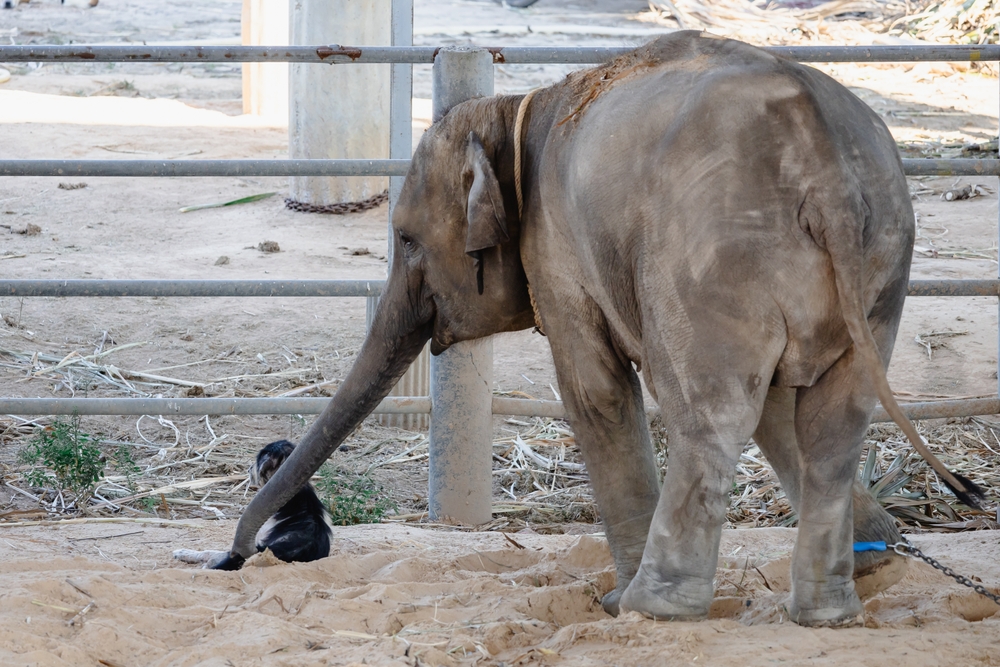
At an elephant sanctuary in Tennessee, an 8,700-pound Asian elephant named Tarra formed an inseparable bond with Bella, a stray dog who wandered onto the property. The two were constant companions for years, with Tarra often using her trunk to gently stroke Bella and refusing to leave the sanctuary barn when Bella was injured and couldn’t walk. When Bella was killed by coyotes in 2011, Tarra stood vigil over the area where her body was found for hours, and sanctuary staff reported she showed clear signs of grief for weeks.
What puzzles researchers is the complete lack of obvious benefit for either animal—Tarra didn’t need protection, and Bella wasn’t getting food from the relationship. Elephants are known for their emotional depth and capacity for friendship, but typically with other elephants. The deliberate choice both animals made to spend their time together, despite their size difference and different social needs, suggests something more complex than simple companionship of convenience.
2. Koko the Gorilla and Her Kittens
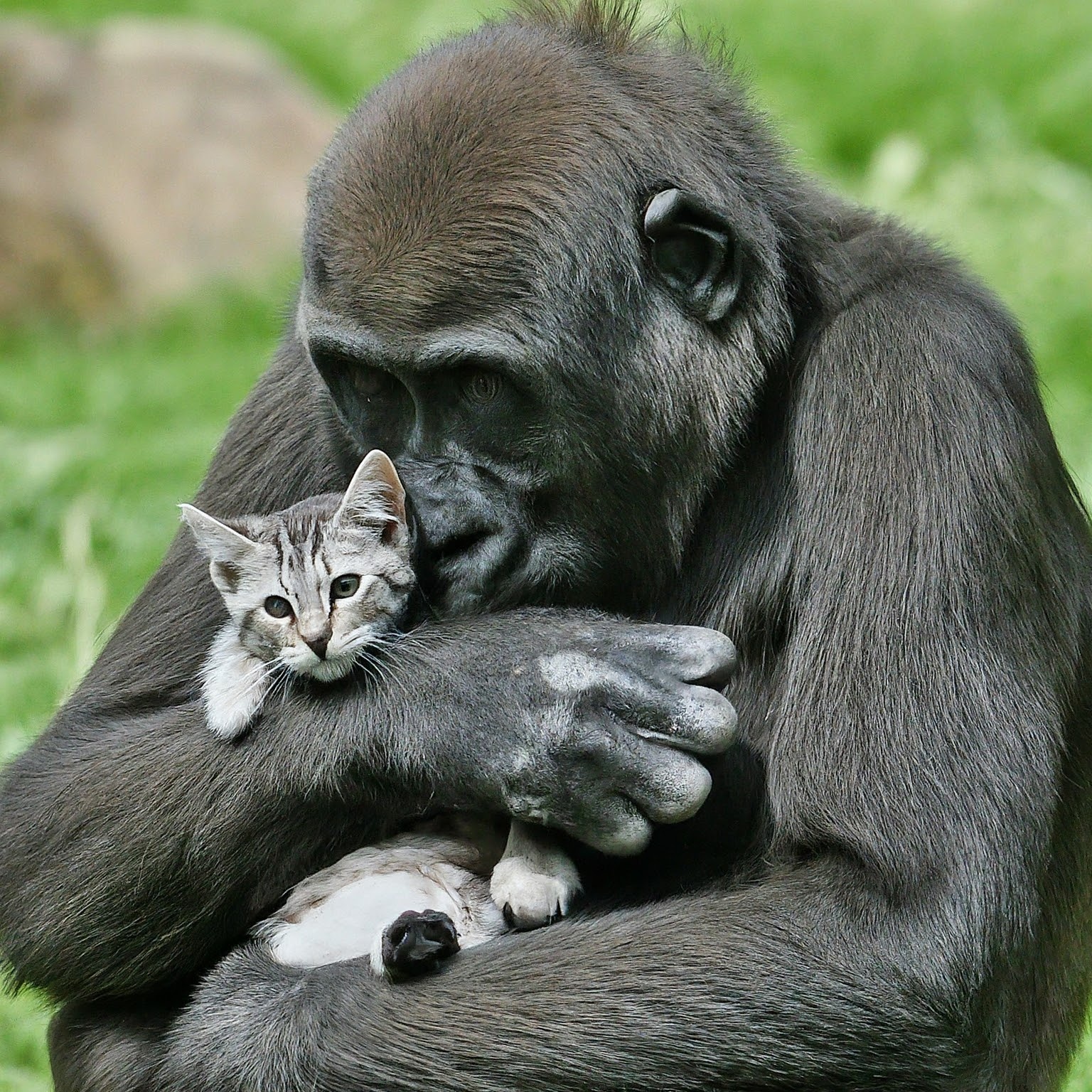
Koko, the gorilla famous for learning sign language, repeatedly asked her caregivers for a cat as a pet. When given a stuffed animal, she signed “sad” and continued requesting a real kitten. Her first kitten, a gray tabby she named “All Ball,” became her constant companion, with Koko carrying the kitten gently and attempting to nurse it as if it were a baby gorilla.
The relationship demonstrated maternal behavior directed at an entirely different species, which Koko pursued despite having no practical reason to care for a cat. After All Ball was killed by a car, Koko reportedly signed “cry, sad, frown” and made distress vocalizations that her caregivers had never heard before. She later bonded with other kittens, suggesting this wasn’t an isolated incident but a genuine desire for interspecies companionship that scientists still can’t fully account for.
3. Owen the Hippo and Mzee the Tortoise
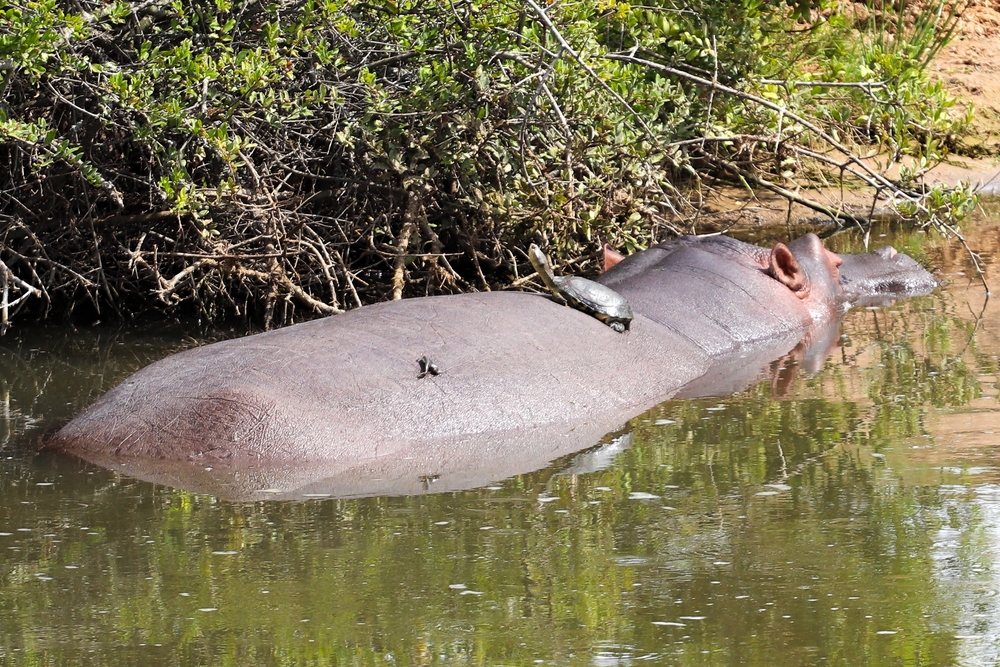
After the 2004 tsunami in Kenya, a baby hippo named Owen was rescued and brought to a wildlife sanctuary where he immediately attached himself to Mzee, a 130-year-old giant tortoise. Owen followed the tortoise everywhere, slept beside him, and exhibited typical hippo bonding behaviors like nuzzling and seeking protection. Mzee, who had lived alone for decades, eventually began responding to Owen, allowing the hippo to sleep against his shell and even leading him around the enclosure.
Hippos normally bond intensely with their mothers and pod members, so Owen’s imprinting on a tortoise—an animal incapable of providing typical maternal care—baffled researchers. Mzee’s reciprocation was equally mysterious, as tortoises are largely solitary and typically show little interest in social relationships. The bond lasted for years until Owen reached adolescence and was moved to be with other hippos, suggesting it fulfilled some genuine emotional need for both animals.
4. Kasi the Cheetah and Mtani the Labrador
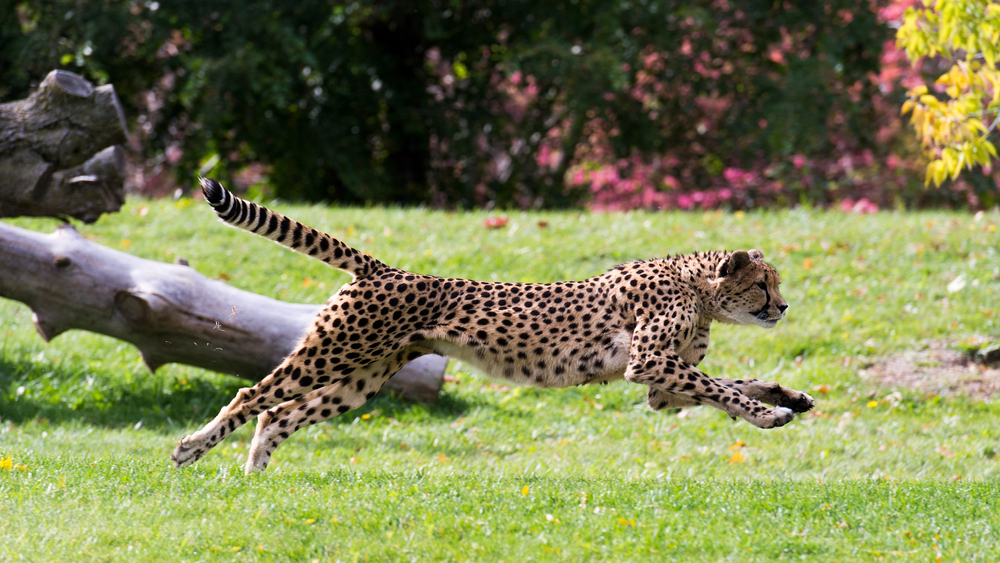
At Busch Gardens in Florida, a cheetah cub named Kasi was raised alongside a Labrador puppy named Mtani as part of a program to socialize the big cat. What started as a controlled companionship became an unexpectedly deep friendship, with the two spending their days playing, wrestling, and sleeping together. As Kasi matured and his predatory instincts developed, trainers expected the friendship to end, but instead the bond strengthened, with Kasi showing remarkable restraint and Mtani displaying complete trust.
The relationship challenges assumptions about predator-prey dynamics and learned behavior. Cheetahs are solitary hunters with strong prey drives, and dogs fall well within their natural prey size range. Mtani showed none of the submissive or fearful behavior dogs typically display around large predators, instead playing with Kasi as he would with another dog.
5. Suryia the Orangutan and Roscoe the Hound
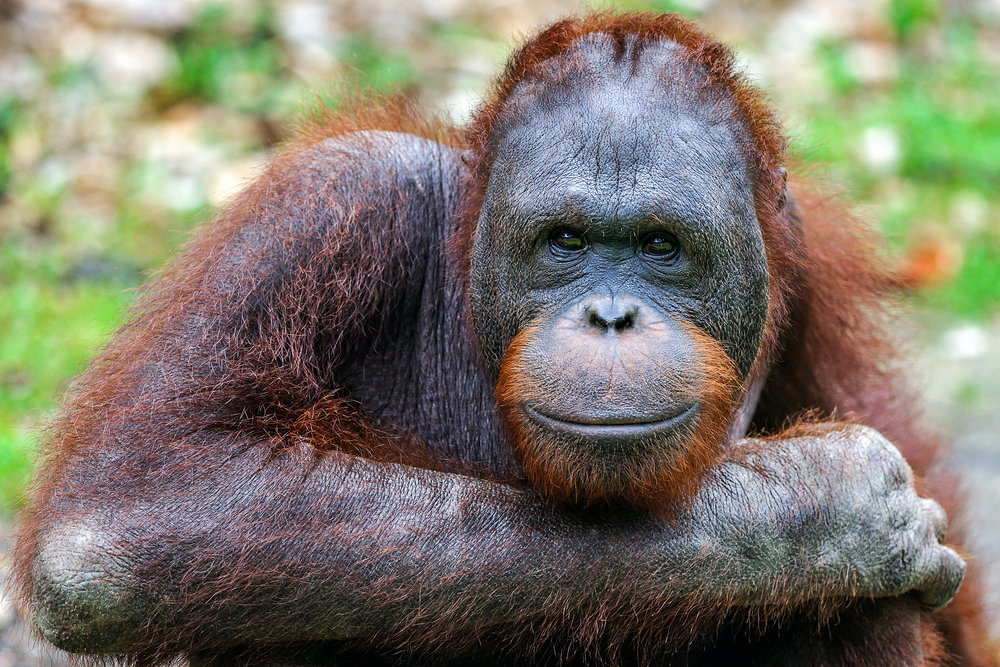
At a rare species preserve in South Carolina, an orangutan named Suryia befriended Roscoe, a stray bluetick hound who appeared at the facility. The two developed a daily routine of swimming together in the pool, with Suryia often climbing on Roscoe’s back for rides and the dog tolerating handling that would make most dogs uncomfortable. Suryia would share food with Roscoe and actively seek him out each morning, displaying disappointment when the dog wasn’t immediately available.
Orangutans are typically wary of dogs, and their solitary nature makes them less likely to seek out companionship than more social apes. Roscoe, for his part, showed complete trust in an animal strong enough to seriously harm him. The mutual decision to not just coexist but actively play together daily suggested both animals found something meaningful in the relationship beyond simple tolerance.
6. Fred the Labrador and Dennis the Duckling
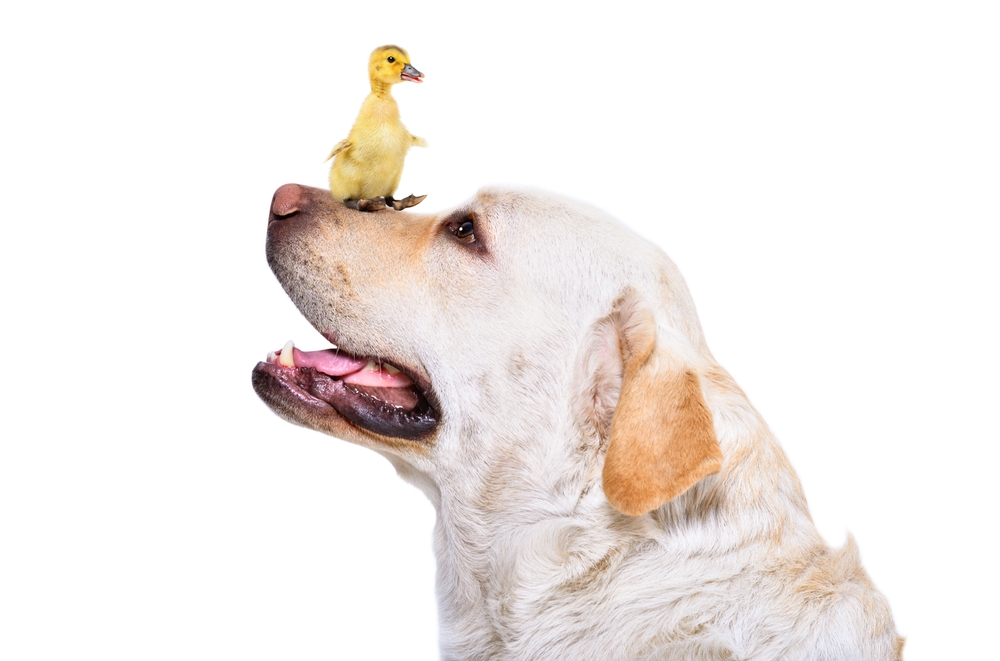
In the UK, a Labrador retriever named Fred became inseparable from Dennis, a duckling who was rejected by his mother. Fred, a breed developed specifically to retrieve waterfowl, instead became the duckling’s surrogate parent and protector. The duck followed Fred everywhere, slept between his paws, and even tried to preen the dog’s fur as if he were another duck.
The relationship directly contradicts Fred’s breeding and training—he should have viewed Dennis as prey or at minimum shown hunting interest. Dennis, meanwhile, imprinted on Fred as if he were a duck, never showing the wariness that prey animals typically display around predators. The bond lasted until Dennis matured and joined a local pond, though he reportedly returned to visit Fred regularly for years afterward.
7. Themba the Elephant and Albert the Sheep
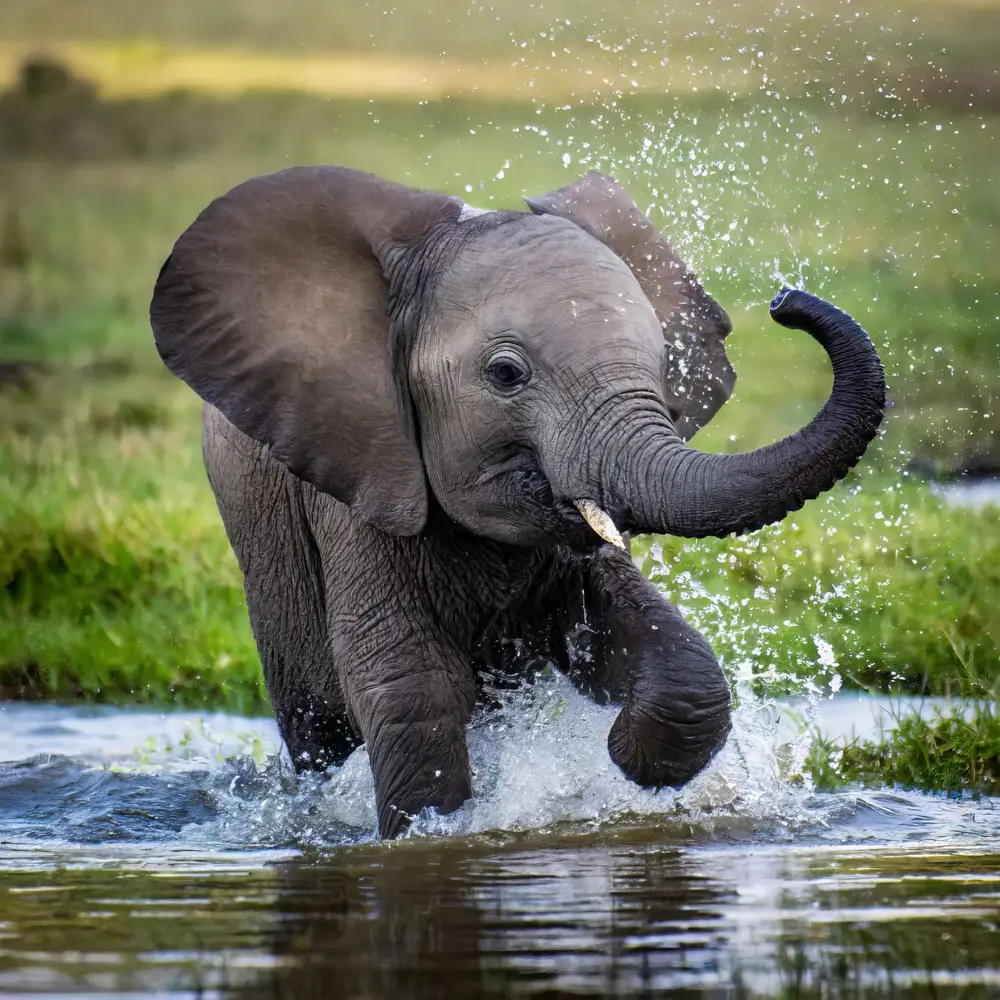
At a South African wildlife center, an orphaned elephant calf named Themba refused to bond with any of the other elephants at the facility. Instead, he attached himself to Albert, a sheep who lived on the property, following the much smaller animal around and sleeping beside him. Themba would use his trunk to gently touch Albert and became distressed when separated from the sheep, showing more attachment than he displayed toward his own species.
Elephants are intensely social and normally seek out other elephants, making Themba’s choice particularly puzzling. Albert’s acceptance was equally strange—sheep are prey animals that typically fear large, unfamiliar animals. The relationship appeared to provide Themba with genuine comfort during his grief and isolation, though why a sheep could fulfill that role remains unclear to researchers who observed them.
8. Torque the Dog and Shrek the Owl
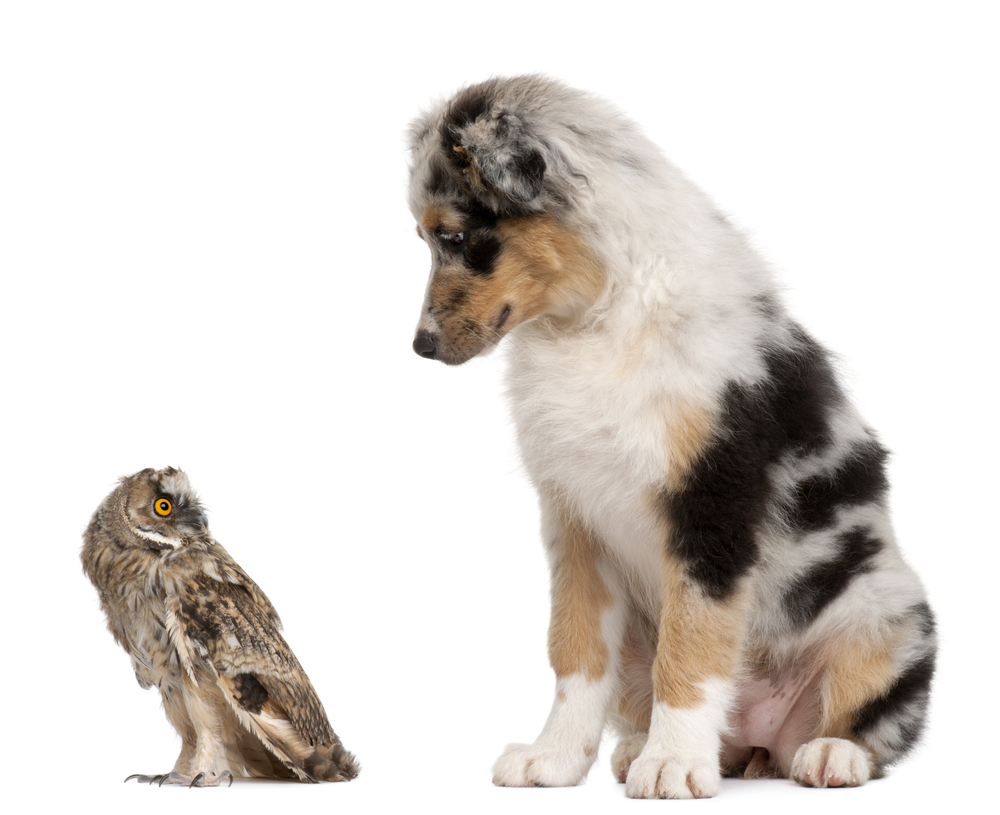
In Cornwall, England, a rescue dog named Torque formed an unlikely friendship with Shrek, a disabled owl who couldn’t fly. The two spent hours together, with Torque lying perfectly still while the owl perched on his back or head. The dog actively sought out the owl’s company and appeared to understand the bird’s vulnerability, showing extraordinary gentleness around an animal many dogs would have chased or attacked.
Dogs have strong prey drives, especially toward small birds, making Torque’s protective behavior remarkable. Shrek showed no fear of the dog, which is unusual for owls who typically avoid mammals that could be predators. The relationship seemed to serve no survival purpose for either animal but persisted for years, with Torque often choosing to spend time with Shrek over other dogs at the rescue center.
9. Mabel the Chicken and Her Puppies
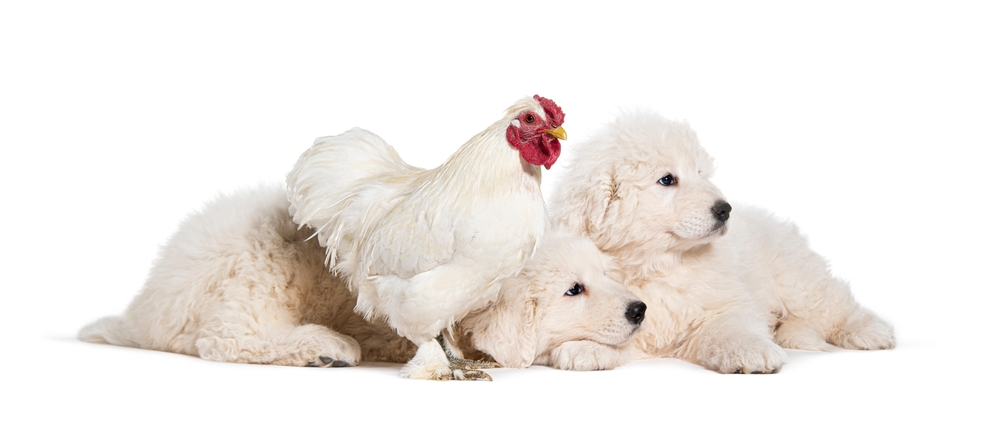
In Shrewsbury, England, a chicken named Mabel began mothering a litter of puppies after their mother showed little interest in them. She sat on them to keep them warm, herded them around the yard, and pecked at anyone who came too close to “her” babies. The puppies, in turn, followed Mabel as if she were their mother, cuddling under her wings and responding to her clucking calls.
The behavior defied Mabel’s natural instincts—chickens don’t typically care for animals outside their species, and certainly not mammals. The puppies’ acceptance of a chicken as their mother, despite her inability to nurse or provide typical canine maternal care, was equally unusual. Mabel continued protective behaviors even after the puppies grew larger than her, suggesting the maternal bond transcended logical size or species considerations.
10. Milo the Dog and Bonedigger the Lion
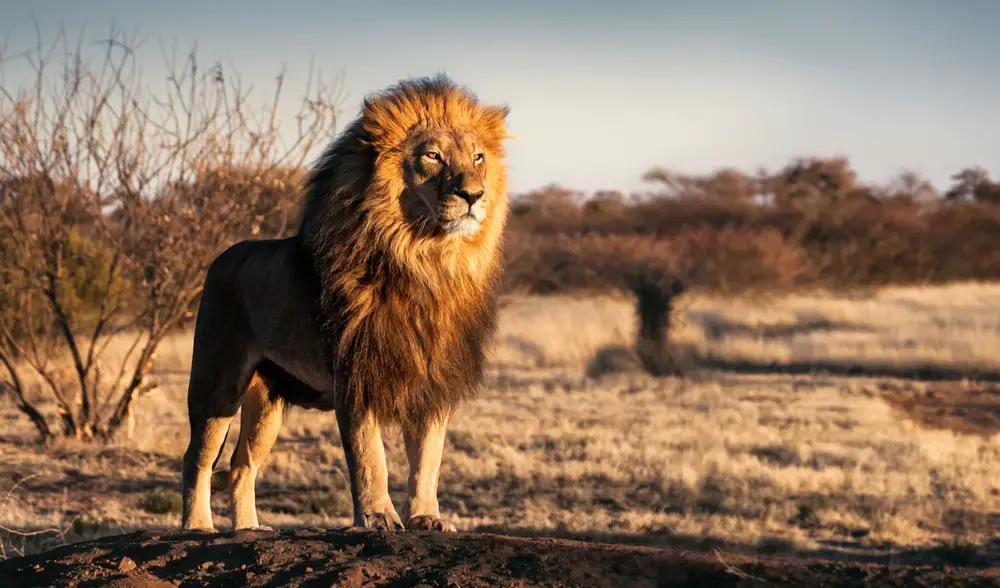
At an exotic animal park in Oklahoma, a lion named Bonedigger developed a close friendship with Milo, a miniature dachshund, along with two other small dogs. The 500-pound lion played gently with the five-pound dogs, shared his food with them, and allowed them to sleep against him and even lick his teeth. Bonedigger became visibly upset when separated from the dogs and preferred their company to other lions at the facility.
Lions are apex predators with strong hunting instincts, making Bonedigger’s gentle treatment of dog-sized animals remarkable. The dogs showed complete trust, behaving around the lion as they would around other dogs. Some researchers suggest Bonedigger, who had a bone disease, may have bonded with the dogs when he was vulnerable as a cub, but this doesn’t explain why the relationship intensified as he grew into a powerful adult male.
11. Anjana the Chimp and Tiger Cubs
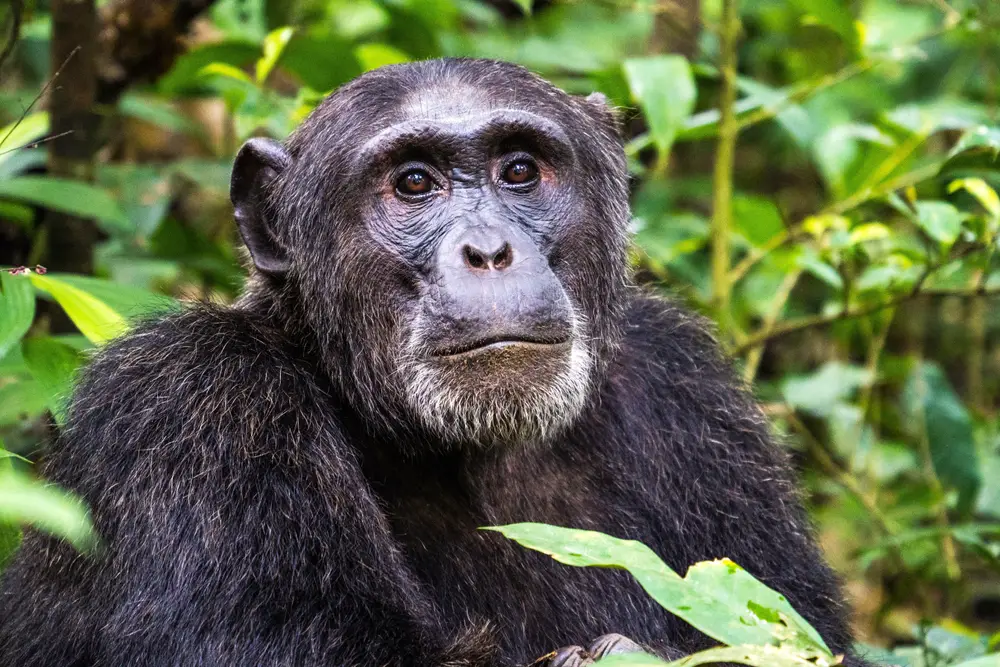
At a wildlife preserve in South Carolina, a chimpanzee named Anjana took on a maternal role for orphaned tiger cubs, bottle-feeding them, carrying them, and providing comfort. She had helped raise multiple species at the facility, from leopard cubs to baby birds, but showed particular dedication to the tiger cubs. Anjana would cradle them, check on them throughout the day, and display distress if they cried or seemed uncomfortable.
Chimpanzees are intelligent and empathetic, but this level of cross-species maternal care—particularly toward animals that would be dangerous to chimps in the wild—puzzles researchers. The cubs accepted Anjana’s care despite her not being able to provide species-appropriate teaching or milk. The relationship appeared driven by Anjana’s choice rather than any practical benefit, as she could have simply ignored the cubs without consequence.
12. Tonda the Orangutan and T.K. the Dog
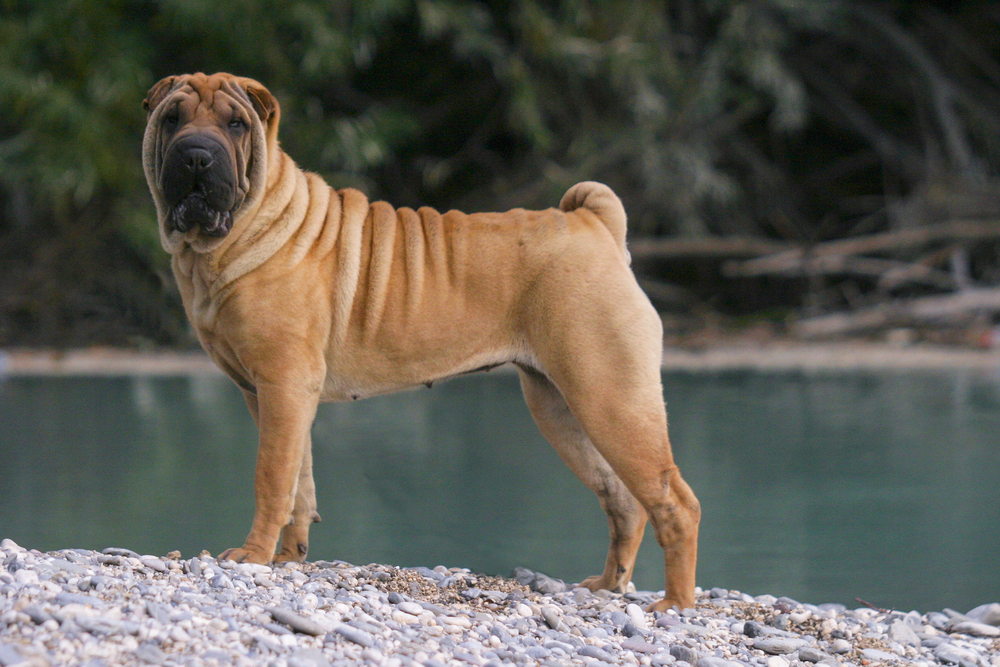
At a zoo in South Carolina, an orangutan named Tonda developed a strong bond with T.K., a dog who lived at the facility. The two played together through the bars of Tonda’s enclosure, with Tonda offering T.K. food and the dog bringing toys to share. When separated, both animals showed signs of distress, and Tonda would refuse enrichment activities if T.K. wasn’t present during them.
Orangutans are solitary by nature and typically uninterested in relationships even with other orangutans outside of mating. Tonda’s active pursuit of friendship with a dog challenges our understanding of orangutan social needs. T.K.’s attachment was equally notable—he could roam freely around the zoo but consistently chose to spend hours each day beside Tonda’s enclosure rather than with other dogs or people.
13. Shere Khan, Baloo, and Leo
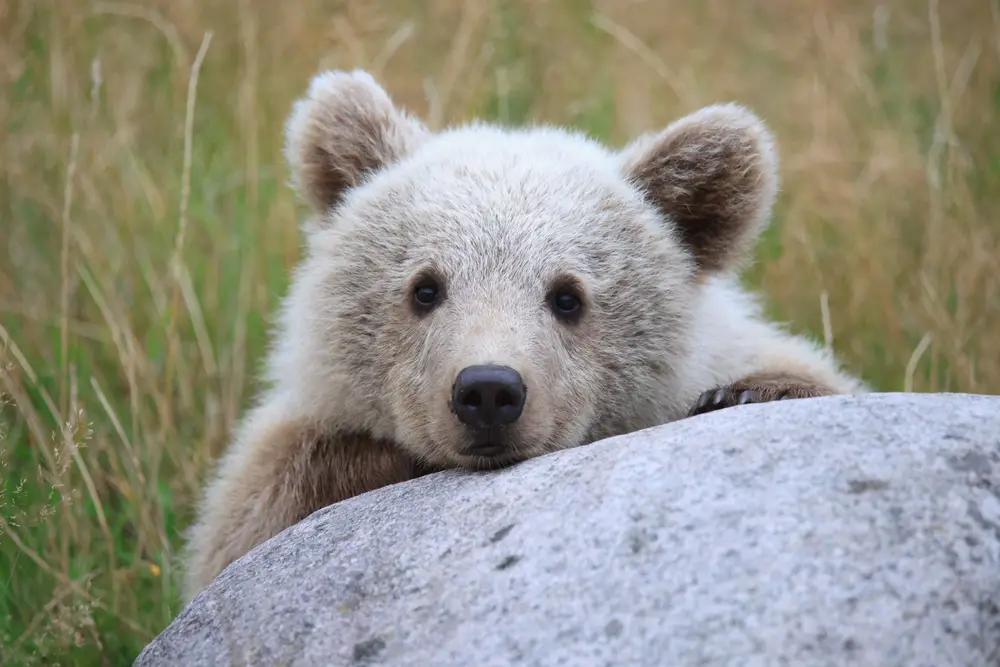
At an animal sanctuary in Georgia, a bear, a lion, and a tiger—rescued together from a drug dealer’s basement as cubs—remained inseparable into adulthood, defying every expectation about predator behavior and territoriality. The three slept together in a pile, played together, and showed distress when separated even briefly. Baloo the bear would groom the other two, while Leo the lion and Shere Khan the tiger engaged in play-fighting that never escalated to real aggression.
These species are solitary predators that would normally compete violently over territory and resources, making their peaceful cohabitation extraordinary. When Leo died in 2016, both Baloo and Shere Khan showed clear signs of mourning. Scientists suggest the early trauma and unusual upbringing created a bond, but this doesn’t explain why the friendship persisted as they matured and their natural instincts developed—they simply chose each other over isolation.