
The folklore of animals predicting earthquakes, tsunamis, and storms has existed across cultures for thousands of years, dismissed by modern science as superstition and coincidence. But recent research combining animal behavior studies with seismology, meteorology, and disaster records has forced scientists to reconsider whether animals possess early warning capabilities that human technology still can’t match. These aren’t mystical abilities—they’re sensitivity to environmental cues like electromagnetic changes, infrasound, air pressure shifts, and ground vibrations that occur before disasters but fall below human sensory thresholds. The evidence is strong enough that some countries now monitor animal behavior as part of official disaster prediction systems, acknowledging that millions of years of evolution have created detection systems more sophisticated than our best instruments.
1. Dogs Detecting Earthquakes Hours Before They Strike

Researchers studying earthquake prediction have documented dogs displaying anxiety, refusing to enter buildings, and barking insistently 2 to 24 hours before seismic events. Dr. Stanley Coren compiled data from the 1975 Haicheng earthquake in China, where mass dog anxiety prompted officials to evacuate the city hours before a 7.3 magnitude quake destroyed 90% of buildings, saving thousands of lives. The dogs weren’t responding to initial tremors—their behavioral changes preceded any seismographic activity by hours, suggesting sensitivity to pre-earthquake phenomena scientists are only beginning to understand.
The mechanism likely involves detection of electromagnetic field changes and P-waves—initial low-frequency waves that travel faster than destructive S-waves but are too subtle for humans or most seismographs to detect. Dogs also detect radon gas releases from stressed fault lines and hear infrasound frequencies below 20 Hz that precede quakes. The consistency of pre-earthquake dog behavior across diverse locations and earthquake types has convinced some seismologists that monitoring dog behavior in high-risk areas provides earlier warning than current detection technology, though integrating animal behavior into official warning systems remains controversial despite its demonstrated success.
2. Elephants Sensing Tsunamis Through Infrasound
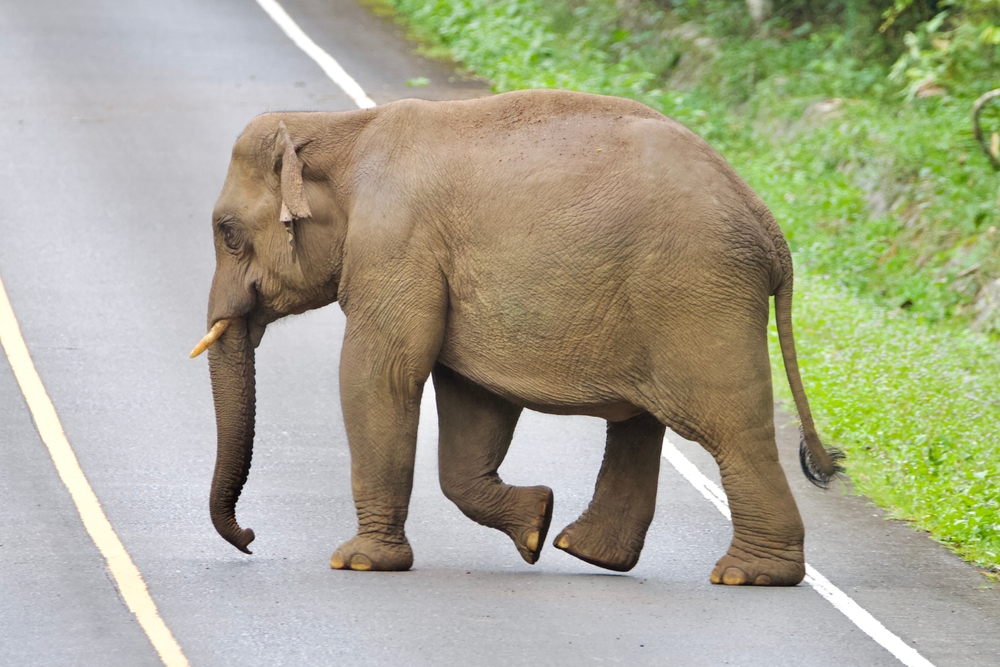
The 2004 Indian Ocean tsunami provided dramatic evidence of elephant tsunami detection when herds in coastal Thailand and Sri Lanka fled inland 30 to 60 minutes before waves struck. Witnesses reported elephants breaking chains, trumpeting in alarm, and carrying tourists on their backs toward higher ground despite having no visual warning of approaching water. The elephants detected the tsunami through infrasound—frequencies below 20 Hz that travel through water and ground faster than the waves themselves, providing advance warning that human technology and senses completely missed.
Elephants communicate over distances exceeding 10 kilometers using infrasound below human hearing range, and their feet contain specialized receptor cells detecting ground vibrations from miles away. The approaching tsunami generated infrasound frequencies that elephants easily detected, while humans remained completely unaware until seeing the water withdraw from beaches. Researchers studying elephant responses to the 2004 tsunami found that elephants detected the event from distances exceeding 100 kilometers and began fleeing toward higher ground while humans on nearby beaches still played in the surf, unaware they had less than an hour before the waves arrived.
3. Snakes Abandoning Hibernation Before Earthquakes
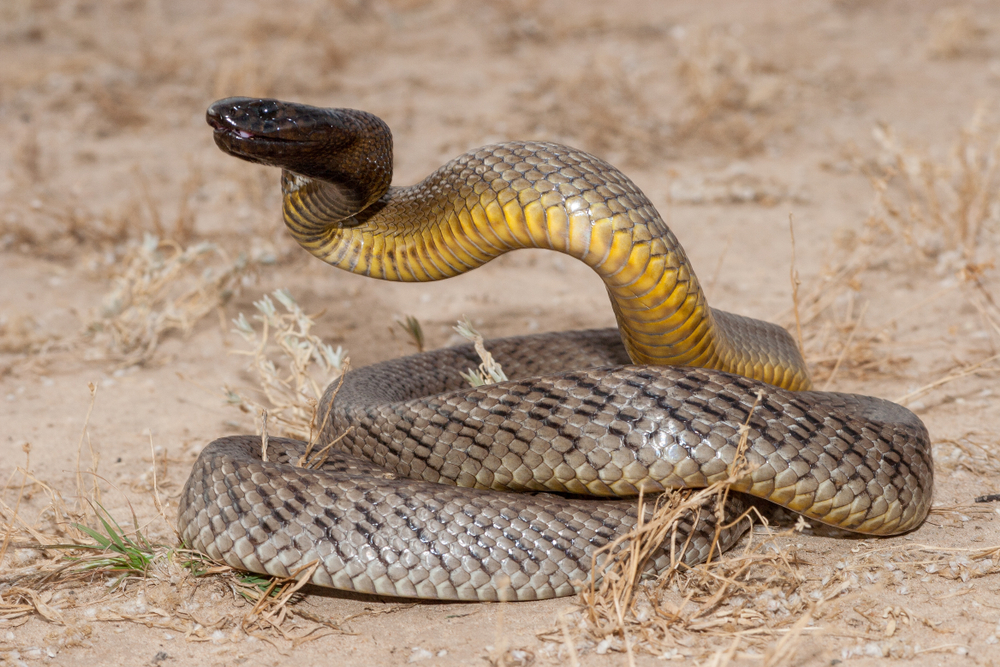
Chinese researchers monitoring snake behavior near earthquake-prone regions have documented snakes emerging from winter hibernation and fleeing their dens days before significant seismic events. Dr. Jiang Weisong, director of China’s earthquake prediction bureau, observed snakes abandoning hibernation burrows in freezing temperatures three days before the 2008 Sichuan earthquake, unusual behavior that triggered official warnings. The snakes literally chose to freeze on the surface rather than remain underground where earthquakes posed dangers, demonstrating their ability to detect pre-seismic activity overcame survival instincts to stay warm.
The detection mechanism appears related to snakes’ extreme sensitivity to ground vibrations through specialized mechanoreceptors in their skin and skeleton that detect seismic changes invisible to instruments. Snakes also sense electromagnetic field disturbances through electroreceptors in their facial pits used for hunting, allowing them to detect the electromagnetic changes that precede earthquakes by days. China now operates several snake farms specifically for earthquake prediction, monitoring behavior 24/7, and issuing warnings when mass anxiety or den-abandonment occurs, a system that’s provided accurate 2-4 day advance warnings for multiple significant earthquakes.
4. Birds Fleeing Before Tornadoes and Severe Storms

Ornithologists studying migration patterns discovered that birds evacuate storm paths 24 to 48 hours before severe weather arrives, detecting meteorological conditions that don’t register on weather radar. Dr. Henry Streby tracked golden-winged warblers that suddenly abandoned breeding territories and flew 1,500 kilometers south a full day before a tornado outbreak struck, despite being in breeding season when birds don’t normally migrate. The birds detected storm severity from a distance where no human instruments indicated that dangerous weather was developing.
Birds sense barometric pressure changes through specialized organs in their skulls and inner ears, detecting pressure drops that signal severe storm development before those changes register significantly on human barometers. They also hear infrasound generated by severe storms from hundreds of kilometers away, providing advance warning unavailable through conventional meteorology. Researchers now believe monitoring sudden mass bird departures could provide 24-48 hour tornado warnings in areas where birds are otherwise settled for breeding or winter, potentially saving lives through a natural early warning system more sensitive than current technology.
5. Fish Displaying Erratic Behavior Before Earthquakes

Japanese fishermen and scientists have documented unusual fish behavior—swimming erratically, gathering at the surface, and appearing in unusual locations—days before significant earthquakes. Records from the 2011 TÅhoku earthquake show massive increases in oarfish strandings and deep-sea fish appearing at the surface in the week before the 9.0 quake and tsunami, phenomena that local fishing communities recognized as earthquake precursors. The fish were responding to changes in electromagnetic fields and dissolved gas concentrations that occur when tectonic stress increases.
Deep-sea fish are particularly sensitive to electromagnetic field changes because they use these fields for navigation and communication in environments without light. The electromagnetic disturbances created by stressed fault lines drive deep-sea species toward the surface seeking stable electromagnetic environments, explaining the traditional belief that oarfish strandings predict earthquakes. Japanese researchers now monitor fish catch data for unusual species and fish hospital records of aquarium fish displaying erratic behavior as part of earthquake prediction systems, finding significant correlations between fish behavior anomalies and seismic events within 7-10 days.
6. Ants Abandoning Colonies Before Seismic Events
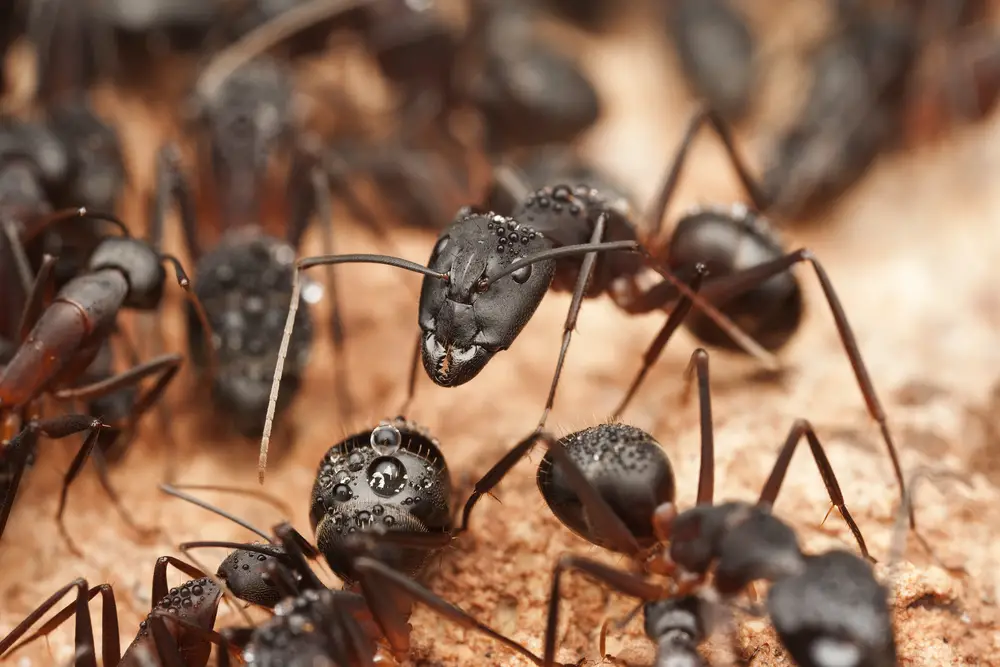
German researcher Gabriele Berberich discovered that red wood ants abandon colonies built on active faults in the hours before earthquakes, a behavior observed consistently at monitoring sites in Germany and Iceland. The ants maintain normal routines despite constant minor seismic activity but evacuate colonies en masse 1-24 hours before earthquakes above magnitude 2.0, suggesting they distinguish between normal fault activity and pre-earthquake stress changes. Time-lapse photography shows ants streaming from colonies and forming surface clusters during pre-earthquake periods, resuming normal activity only after tremors pass.
The detection mechanism appears to involve sensitivity to carbon dioxide and radon releases from stressed faults, gases that increase dramatically before earthquakes as rock fracturing accelerates. Ants also detect minute ground vibrations through mechanoreceptors in their legs far more sensitive than seismographs, allowing them to sense stress changes in the fault line they’ve built upon. Researchers now monitor ant colonies deliberately located on fault lines as earthquake prediction tools, with cameras recording behavior 24/7 and algorithms detecting the mass evacuations that precede seismic events, providing reliable 6-24 hour advance warnings.
7. Cats Becoming Agitated Before Volcanic Eruptions

Volcanologists studying Mount Etna and other active volcanoes report consistent patterns of cats displaying extreme anxiety, refusing to enter buildings, and fleeing areas days before eruptions. Local residents near Vesuvius and Mount Etna have relied on cat behavior as eruption warnings for centuries, evacuating when cats display mass anxiety and flee toward lower elevations. Modern monitoring of cat behavior near active volcanoes shows behavioral changes correlating with increased seismic activity and gas emissions that precede eruptions by 2-5 days, providing advance warning before instrumental readings indicate imminent eruption danger.
Cats detect volcanic activity through multiple sensory systems—they smell sulfur dioxide and other volcanic gases at concentrations far below human detection thresholds, feel ground vibrations from magma movement through sensitive paw pads, and possibly sense electromagnetic field changes from underground magma flows. The combination creates a reliable warning system that residents of volcanic regions have trusted for generations. Some volcanic monitoring stations now include cat behavior observations alongside seismic and gas monitoring, acknowledging that the animals provide advance warning that instruments alone miss until eruption becomes imminent.
8. Cattle and Horses Refusing to Enter Buildings
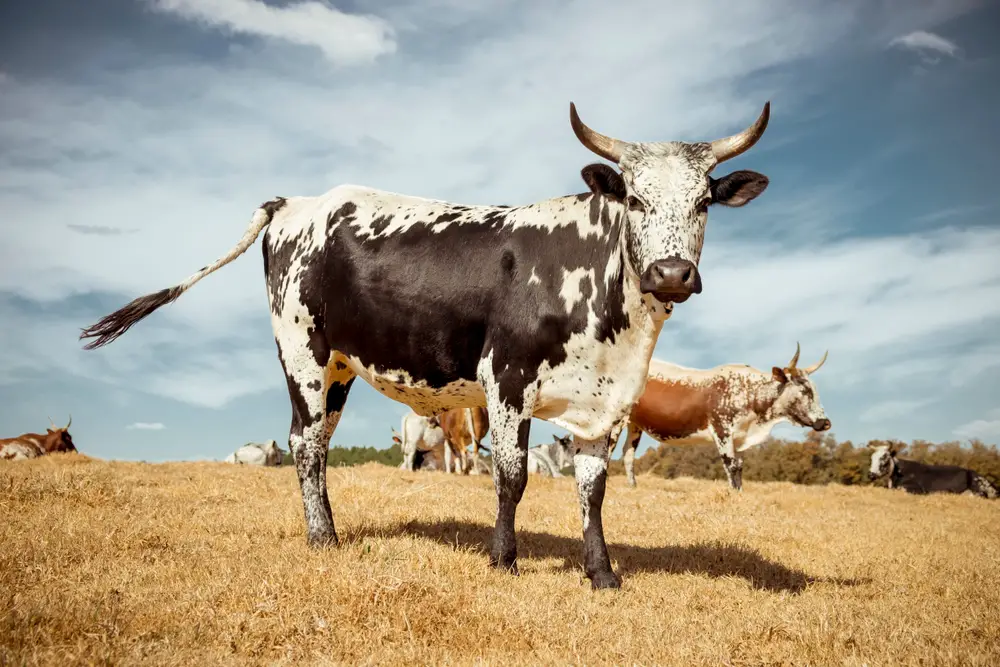
Livestock handlers near earthquake-prone regions report that cattle and horses refuse to enter barns, break through fences, and gather in open fields hours before significant seismic events. Records from the 1989 Loma Prieta earthquake show widespread reports of horses breaking out of stables and cattle refusing to enter barns in the 4-12 hours before the 6.9 magnitude quake, behavior their handlers recognized as unusual but didn’t understand until after. The animals were responding to pre-earthquake electromagnetic changes and P-waves that made buildings seem dangerous while open fields felt safer.
Large animals like horses and cattle are particularly sensitive to ground vibrations through their hooves and legs, detecting seismic changes through direct contact with the ground that humans miss entirely. They also sense electromagnetic field disturbances that precede earthquakes, changes that their larger bodies and sensory systems detect more readily than human equipment. Ranchers in California and Japan now watch livestock behavior as earthquake indicators, with some choosing to sleep outside when cattle refuse to enter barns, a practice that has saved lives by keeping people out of collapsing structures during unexpected earthquakes.
9. Toads Abandoning Breeding Sites Before Earthquakes
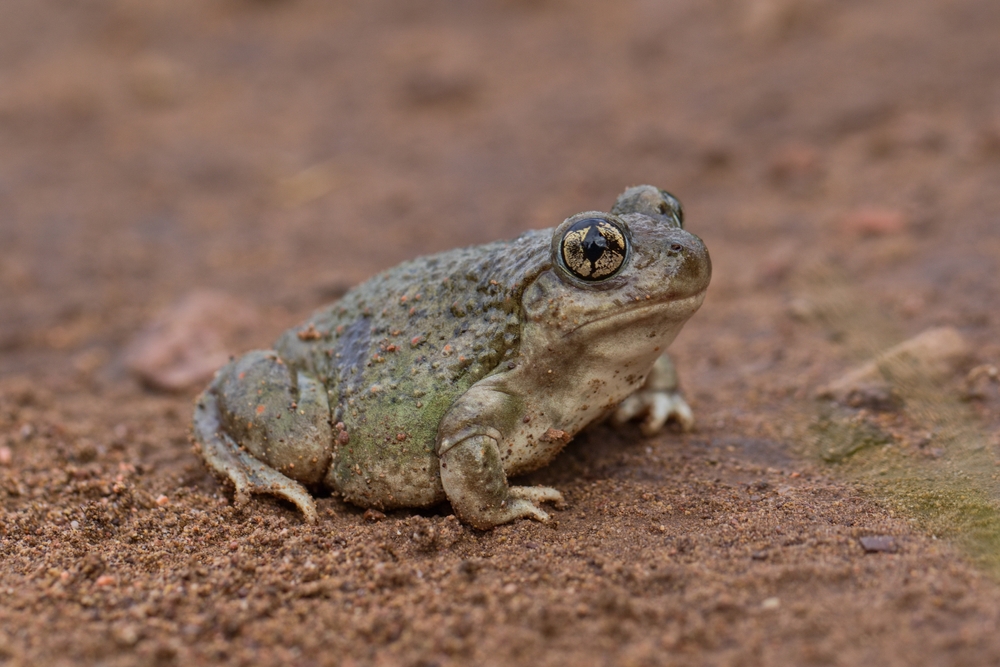
British researcher Rachel Grant documented a toad colony abandoning their breeding site five days before the 2009 L’Aquila earthquake in Italy, unusual behavior as toads don’t abandon breeding sites once established. The entire population of 96 toads disappeared from the monitoring site and didn’t return until after the earthquake, despite being in peak breeding season. The toads detected pre-seismic activity from 74 kilometers away, suggesting sensitivity to disturbances far beyond the immediate vicinity of the breeding site.
Grant’s research suggests toads detect disrupted groundwater systems and radon releases that occur when earthquakes stress aquifers and underground water systems. Toads depend on water quality for reproduction and their permeable skin makes them extraordinarily sensitive to chemical changes in groundwater that increase before seismic events. The breeding site abandonment represents the toads’ assessment that water conditions have become unsuitable, a judgment that turns out to predict significant seismic activity. Monitoring toad behavior at established breeding sites near fault zones could provide 3-7 day earthquake warnings, longer advance notice than current seismological methods achieve.
10. Bees Stopping All Activity Before Storms and Earthquakes

Beekeepers report that honeybees stop all foraging activity and remain in hives hours before severe storms and sometimes before earthquakes, behavior that correlates with barometric pressure drops and electromagnetic field changes. Dr. Martin Lindauer documented colonies refusing to leave hives up to 6 hours before storms despite perfect weather conditions, responding to pressure and electromagnetic changes imperceptible to humans and most instruments. The colonies resume normal activity only after dangerous conditions pass, demonstrating predictive rather than reactive behavior.
Bees navigate using electromagnetic fields and detect minute pressure changes through sensors throughout their bodies, making them extraordinarily sensitive to atmospheric and geological disturbances. The economics of foraging mean bees only stop activity when they assess conditions are too dangerous to risk workers, a decision involving calculating danger that hasn’t yet manifested visibly. Researchers studying bee behavior in earthquake-prone regions find correlations between ceased foraging activity and seismic events within 12-48 hours, suggesting monitoring bee behavior could supplement traditional prediction methods, particularly for areas where seismic activity is frequent enough to establish behavioral baselines.
11. Flamingos Abandoning Breeding Grounds Before Storms

Wildlife biologists studying flamingo colonies in Africa observed mass evacuations of breeding grounds 24-36 hours before severe storms struck, abandoning eggs and chicks despite being in critical breeding periods. The colonies detected atmospheric conditions predicting storm severity from distances where no weather systems were yet visible, making decisions to abandon breeding that wouldn’t make sense based on observable conditions. Flamingos that normally remain on breeding grounds through moderate storms evacuated before specific storms that turned out to be unusually severe.
The detection mechanism involves sensing barometric pressure drops and possibly infrasound from distant storm systems, allowing flamingos to assess storm severity while systems are still hundreds of kilometers away. The abandonment of breeding attempts represents calculation that staying poses greater risk than the certain loss of current reproduction, a judgment that consistently predicts storms severe enough to have destroyed colonies. Meteorologists studying flamingo colony behavior find that mass evacuations predict storm severity more accurately than 36-hour weather models, suggesting the birds integrate multiple atmospheric cues into better predictions than computer modeling achieves.
12. Sharks Swimming to Deeper Water Before Hurricanes

Marine biologists tracking sharks discovered they swim to deeper water 12-24 hours before hurricanes arrive, abandoning productive shallow feeding grounds for the safety of deep water where storm effects are minimal. Tagged sharks monitored during multiple Atlantic hurricanes showed consistent patterns of moving to depths below 500 feet as storms approached, behavior that began before wind speed or wave action would make shallow water uncomfortable. The sharks detected barometric pressure drops and possibly infrasound from developing storm systems, providing advance warning unavailable through their immediate environment.
The behavior is so consistent that researchers now use shark tracking data as an additional hurricane prediction tool, with sudden movements to deep water confirming storm severity predictions or sometimes indicating storms are more dangerous than models suggest. Sharks that normally stay in feeding territories despite moderate weather evacuate before specific storms, suggesting they distinguish between ordinary storms and hurricanes that will create dangerous conditions even at depth. The sensitivity to atmospheric pressure through their lateral line systems and possibly through electromagnetic sensing makes sharks reliable predictors of severe storm development.
13. Roosters Crowing at Unusual Times Before Disasters

Rural communities across earthquake and volcanic regions report roosters crowing at unusual times—middle of the night or continuous crowing during day—hours before seismic events or eruptions. Japanese researchers monitoring rooster behavior near active volcanoes found correlations between unusual crowing patterns and eruptions within 6-18 hours, behavior that residents have relied on for generations. The roosters aren’t responding to visible cues but to electromagnetic disturbances and possibly ground vibrations that disrupt their normal circadian rhythms and trigger alarm responses.
Roosters are extraordinarily sensitive to electromagnetic fields used for navigation and daily rhythm regulation, making them responsive to the electromagnetic disruptions that precede earthquakes and volcanic activity. The unusual crowing represents disrupted biological rhythms responding to environmental changes imperceptible to humans, creating a reliable if imprecise warning system. Some Japanese communities near active volcanoes maintain roosters specifically as warning systems, treating persistent unusual crowing as signals to prepare for possible volcanic activity, a traditional practice that modern monitoring has validated as legitimately predictive, though the mechanisms weren’t understood until recently.
14. Migrating Animals Altering Routes to Avoid Disaster Zones
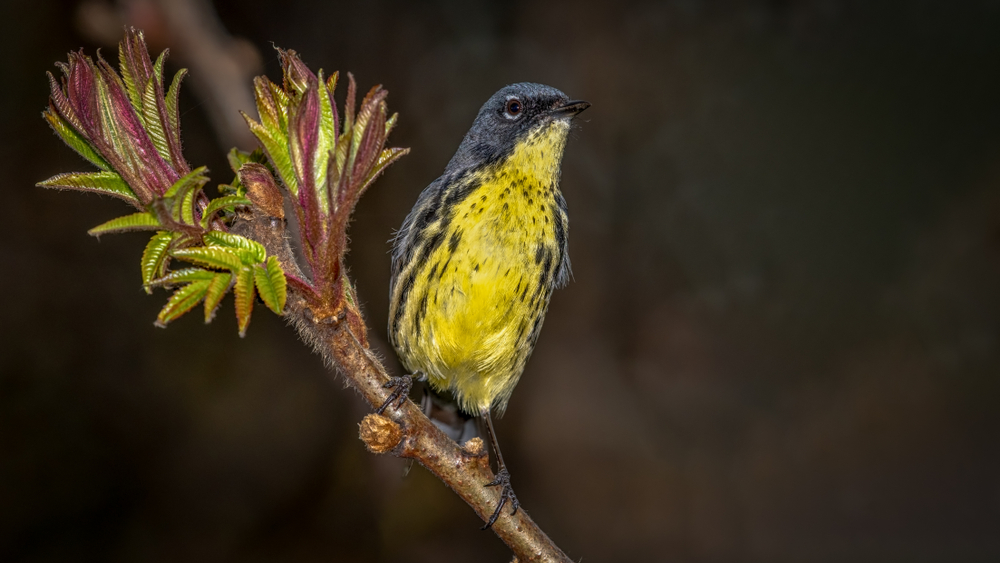
Researchers tracking long-distance animal migrations discovered that migrating species alter routes to avoid areas where natural disasters will occur days or weeks later, suggesting prediction extending beyond immediate sensory range. Caribou migrations in Alaska have detoured around areas that subsequently experienced earthquakes or severe storms, decisions made while conditions showed no indication of coming disasters. Satellite tracking of multiple species shows consistent patterns of avoiding areas that experience disasters within days to weeks of the avoidance, suggesting sensitivity to precursor signals that propagate far ahead of the disasters themselves.
The mechanisms remain poorly understood but likely involve detecting long-distance propagation of electromagnetic signals, infrasound, or atmospheric changes that precede disasters. The evolutionary advantage of avoiding disaster zones justifies sophisticated detection systems even for dangers that occur infrequently. Researchers comparing migration routes across years find that route alterations correlate with upcoming disasters in avoided areas, creating a potential prediction tool if the behavior can be monitored systematically. The consistent avoidance of soon-to-be disaster zones by animals navigating through those areas suggests detection capabilities far exceeding human technology, indicating that disaster prediction might benefit from monitoring broad-scale animal movement patterns rather than relying solely on instrumental measurements.