
National park rules exist because people died, ecosystems were destroyed, or wildlife was harmed—yet millions of visitors treat these regulations as suggestions rather than requirements. The most commonly broken rules aren’t obscure technicalities; they’re fundamental safety and conservation measures that people ignore because they think they’re exceptions or because social media glory outweighs consequences. These violations endanger visitors, damage irreplaceable natural resources, and create the incidents that lead to injuries, deaths, and permanent closures of beloved areas.
1. Yellowstone: Approaching Bison and Thermal Features
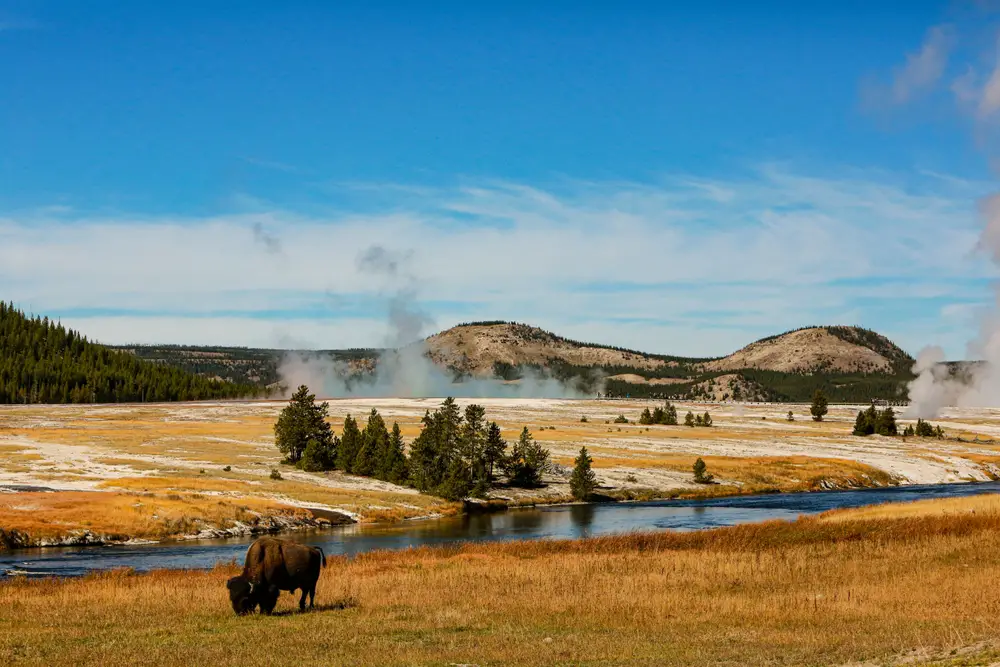
Yellowstone visitors routinely approach bison within dangerous proximity despite signs stating to stay 25 yards away, treating 2,000-pound wild animals like petting zoo attractions. Multiple gorings occur annually when tourists—often with children—walk up to bison for photos, misinterpreting the animals’ calm grazing as docility. Park rangers issue hundreds of citations yearly for wildlife harassment, yet every day brings new videos of tourists approaching bison that could kill them with a single toss of their heads.
The thermal feature violations are even more dangerous, with visitors leaving boardwalks to get closer to hot springs or touch the water, despite signs warning of boiling temperatures. People have died dissolving in acidic hot springs after stepping off designated paths for photos. Others throw objects into thermal features, damaging fragile bacterial mats that took centuries to form. The park conducts constant enforcement, yet violations continue daily because people believe the rules don’t apply to them or that the dangers are exaggerated.
2. Yosemite: Climbing Barriers at Waterfalls and Viewpoints
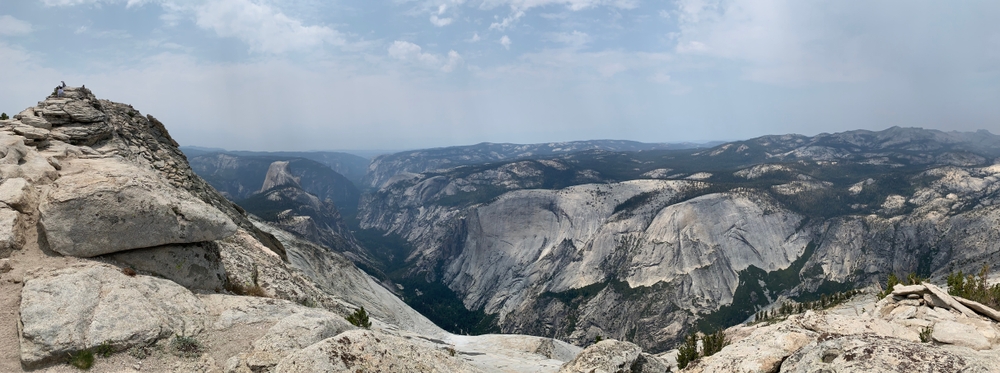
Yosemite’s most photographed locations have barriers and warning signs that visitors routinely ignore, climbing over railings to get closer to cliff edges or waterfalls. Multiple deaths occur annually from falls at locations where people climbed past safety barriers for better photos or views. The Mist Trail sees regular violations of people climbing on wet rocks beside Vernal Fall, and several have slipped and been swept over the waterfall to their deaths.
Taft Point, Glacier Point, and various valley viewpoints have railings that visitors treat as obstacles rather than life-saving barriers, with countless photos showing people sitting on or hanging over edges beyond safety measures. Rangers issue citations constantly, yet the violations continue because social media rewards dramatic photos more than it values safety. The park has closed certain areas permanently after repeated violations and accidents, but this only shifts the problem to other locations.
3. Grand Canyon: Hiking Below the Rim Without Adequate Preparation
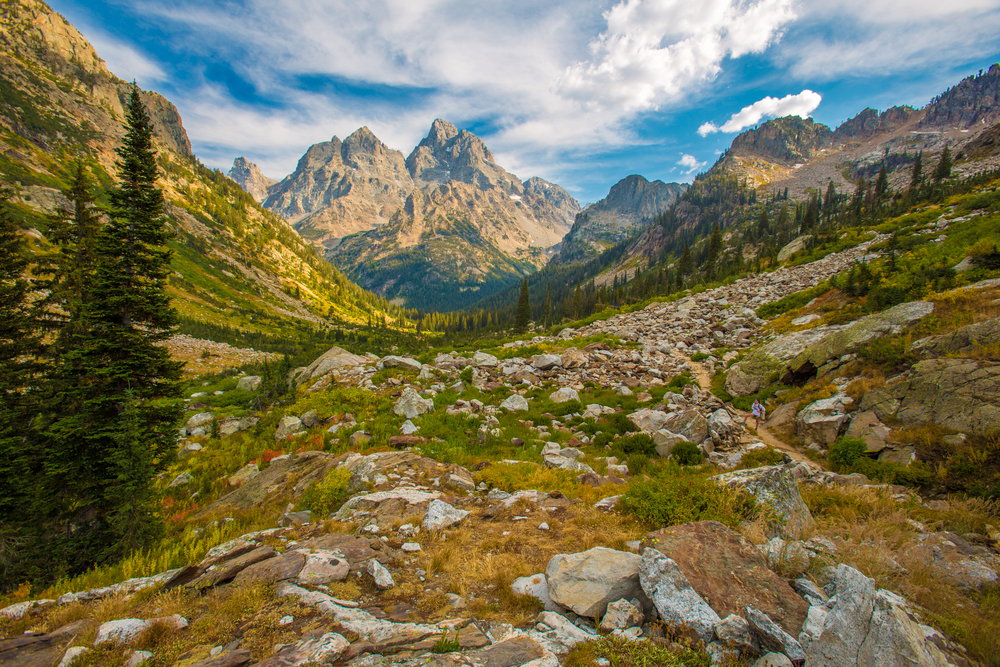
Grand Canyon visitors routinely ignore warnings about hiking below the rim without adequate water, food, and preparation, leading to over 250 rescues annually. The park explicitly warns against hiking to the river and back in one day, yet people attempt it constantly, requiring helicopter evacuations when they collapse from heat exhaustion or dehydration. Rangers spend significant time educating visitors that downhill is the easy part, but hikers continue into the canyon believing they’ll be fine.
The rule violations extend to staying on designated trails, with visitors creating social trails and shortcuts that cause erosion and increase fall risk. People approach the rim edge beyond barriers for photos, with several deaths each year from falls while posing. The park has extensive signage, ranger programs, and even stationed rangers at trailheads warning people, yet daily violations continue because visitors overestimate their abilities and underestimate the canyon’s dangers.
4. Zion: Ignoring Flash Flood Warnings in The Narrows
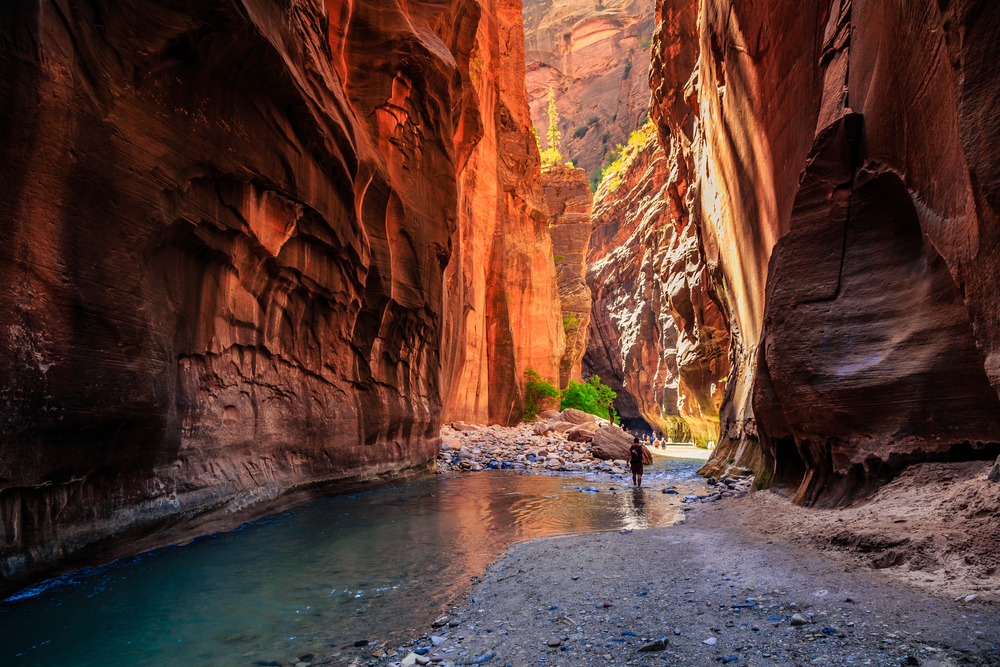
Zion visitors regularly enter The Narrows despite flash flood warnings, believing that clear skies overhead mean safety when actually floods result from distant storms in the watershed. The park closes The Narrows during high flood risk, yet people ignore closures, ducking around barriers to access the canyon. Multiple drownings have occurred when hikers ignored warnings and were caught in flash floods, yet the violations continue because people traveled specifically to hike The Narrows and refuse to let the weather change their plans.
Angels Landing sees constant violations of people hiking without permits (required since 2022) or during closures, with citations issued regularly. Visitors also violate rules about group size, creating dangerous congestion on the chains section, where passing is hazardous. The lottery system for Angels Landing permits has actually increased violations, with people who didn’t win permits hiking anyway, believing they won’t get caught or that the rule is unnecessarily restrictive.
5. Joshua Tree: Climbing on Fragile Rock Formations and Cryptobiotic Soil
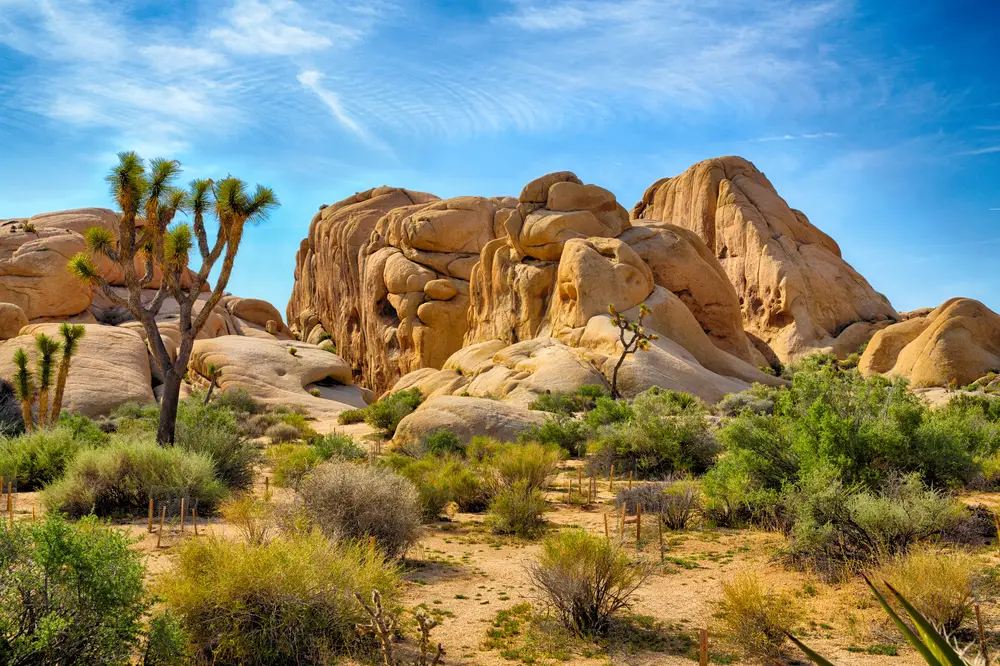
Joshua Tree’s rocks look climbable and visitors treat the entire park as a climbing gym, scaling formations without permission in closed areas and damaging fragile desert varnish that took thousands of years to form. The park has designated climbing areas, but people climb wherever they want, destroying archaeological sites and natural features. Rangers issue citations for climbing violations constantly, yet the problem persists because climbers believe any rock is fair game.
Visitors also walk off trails onto cryptobiotic soil—fragile biological soil crusts that take decades to form but are destroyed by a single footstep. The dark, crusty soil doesn’t look special to visitors who trample it, creating social trails and shortcutting switchbacks. The park has extensive education about cryptobiotic soil, but violations continue because the damage isn’t immediately visible, and people don’t believe stepping on soil matters. Each footprint destroys decades of biological growth and prevents water retention and nutrient cycling in the fragile desert ecosystem.
6. Glacier: Wildlife Harassment and Improper Food Storage
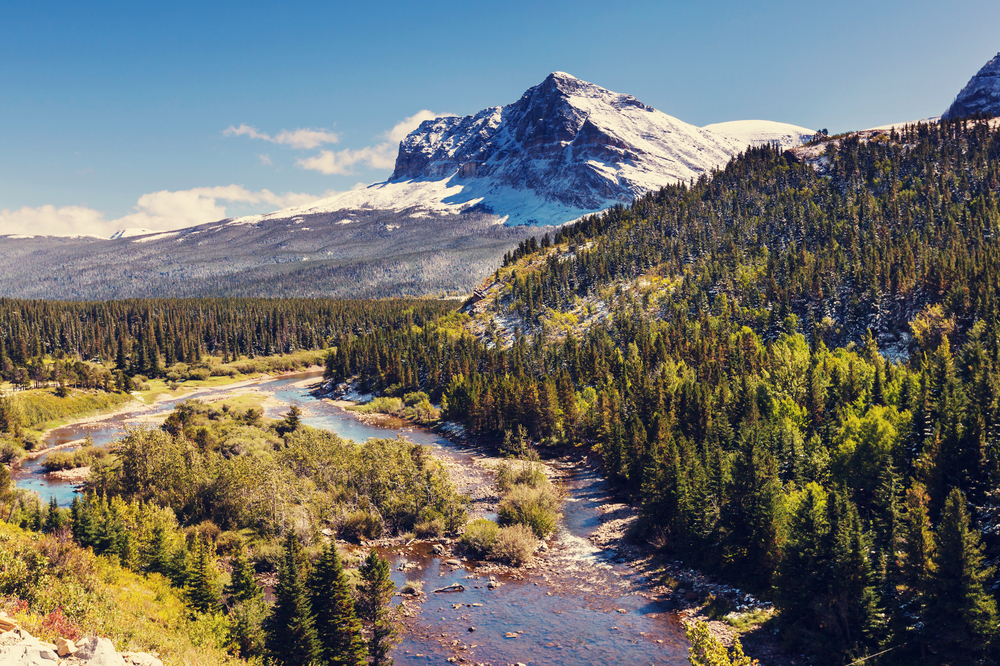
Glacier National Park issues hundreds of citations annually for wildlife harassment as visitors approach bears, mountain goats, and other animals far closer than the required 100 yards for bears and 25 yards for other wildlife. Tourists surround animals on roads, follow them with cameras, and corner them trying to get photos. Several bear encounters escalate to dangerous situations because visitors approach bears that were otherwise ignoring humans, forcing rangers to sometimes euthanize habituated or food-conditioned bears.
Food storage violations are rampant despite strict requirements to use bear-proof containers or lockers. Visitors leave coolers and food in cars overnight, attracting bears that break windows and destroy vehicles. Some deliberately leave food out hoping to see bears, creating a dangerous habituation that often results in bears being killed. The park conducts intensive education and enforcement, but violations continue because people don’t believe the rules apply to them or doubt that bears will actually come.
7. Great Smoky Mountains: Off-Leash Dogs and Feeding Wildlife
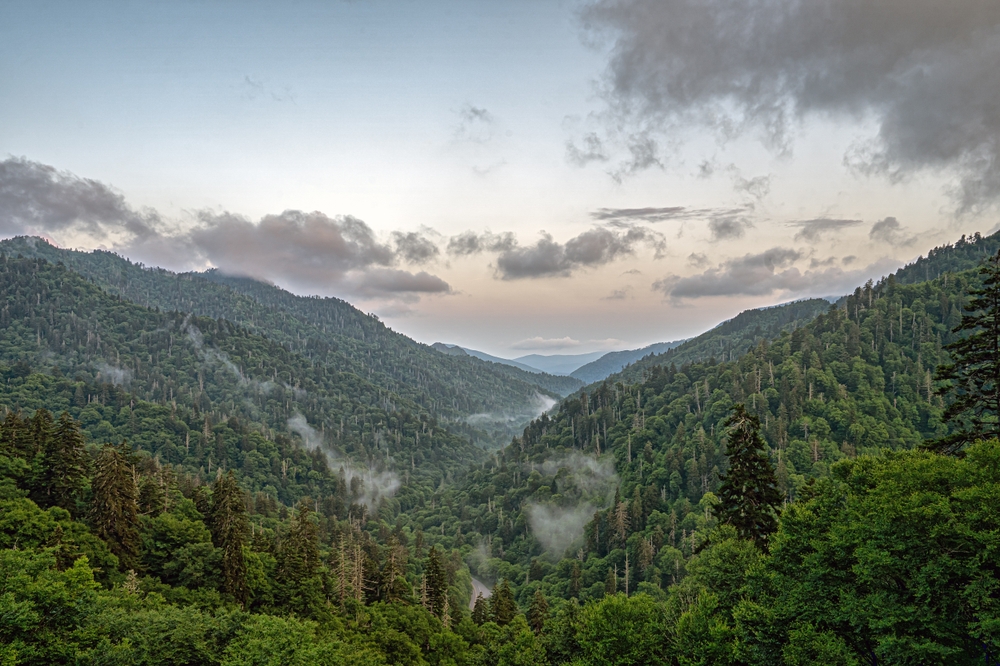
The Smokies have strict leash laws allowing dogs on only two trails, yet visitors bring dogs on unauthorized trails daily, sometimes off-leash. Unleashed dogs chase wildlife, bark at other hikers, and occasionally get injured or killed by bears. Rangers issue citations constantly, but many visitors openly defy the rules, believing their well-behaved dog isn’t the problem. The violations have led to wildlife habituation and conflicts, with bears sometimes approaching trail areas because dogs attract their attention.
Feeding wildlife is explicitly prohibited but occurs constantly, with visitors feeding bears, deer, and birds despite massive educational campaigns. People throw food from cars to attract bears for photos, feed chipmunks and birds at picnic areas, and leave food accessible to wildlife. These violations have contributed to numerous bear euthanizations when animals became food-conditioned and dangerous. The park’s popularity and accessibility mean enforcement can’t keep up with violations, and many visitors simply don’t care about rules they find inconvenient.
8. Acadia: Climbing Barriers and Drone Usage
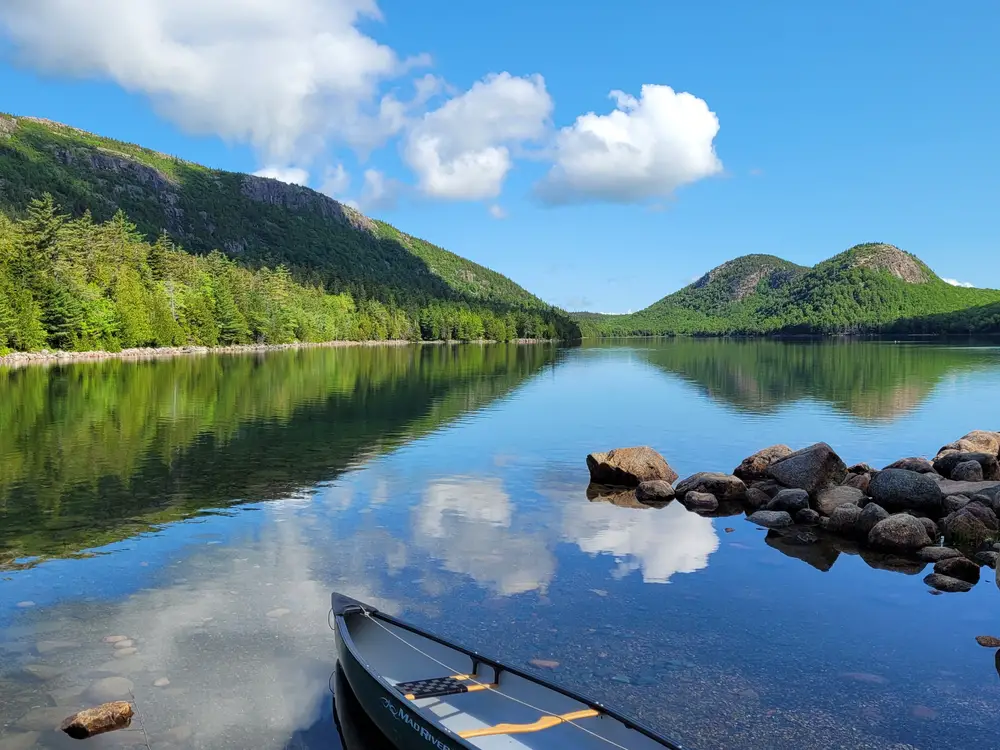
Acadia’s scenic overlooks have barriers that visitors constantly climb over for photos at cliff edges, with falls and rescues occurring regularly. Thunder Hole sees violations during storm conditions when waves can sweep people into the ocean, yet visitors ignore warnings and barriers to get close during dangerous surf. Rangers patrol constantly issuing warnings and citations, but the violations continue unabated as each new visitor group ignores the same barriers previous groups climbed.
Drone usage is prohibited throughout the park to protect wildlife and the visitor experience, yet people fly drones constantly for aerial photography. Citations don’t deter violations because the footage people capture seems worth the fine. The drones disturb nesting Peregrine falcons and other wildlife while annoying other visitors trying to enjoy the natural quiet. Some visitors argue the rule is outdated or unnecessarily restrictive, but the park maintains the prohibition specifically because violations were creating significant problems before the ban.
9. Arches: Climbing on Arches and Off-Trail Hiking
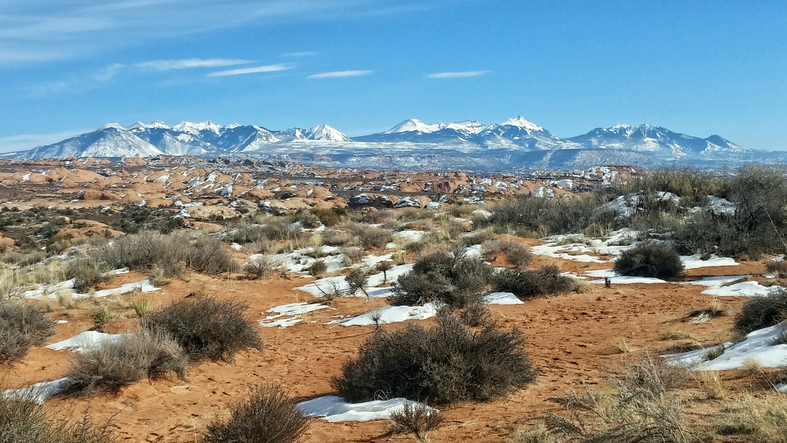
Arches National Park explicitly prohibits climbing on named arches to prevent damage and erosion, yet people climb them constantly for photos. Delicate Arch sees regular violations despite ranger presence, with visitors climbing the arch for photos that damage the fragile sandstone. The park issues citations, but many violators are tourists from other countries who claim they didn’t understand the rules, though signage is clear and multilingual.
Off-trail hiking to reach unnamed arches and formations is prohibited to prevent erosion and preserve cryptobiotic soil, but visitors create social trails throughout the park. Popular Instagram locations that require off-trail access see constant violations as people follow GPS coordinates to reach photo spots, ignoring that getting there requires breaking rules. Each social trail encourages more violations, creating feedback loops where visible trails make others think off-trail travel is permitted.
10. Rocky Mountain: Feeding Wildlife and Approaching Elk
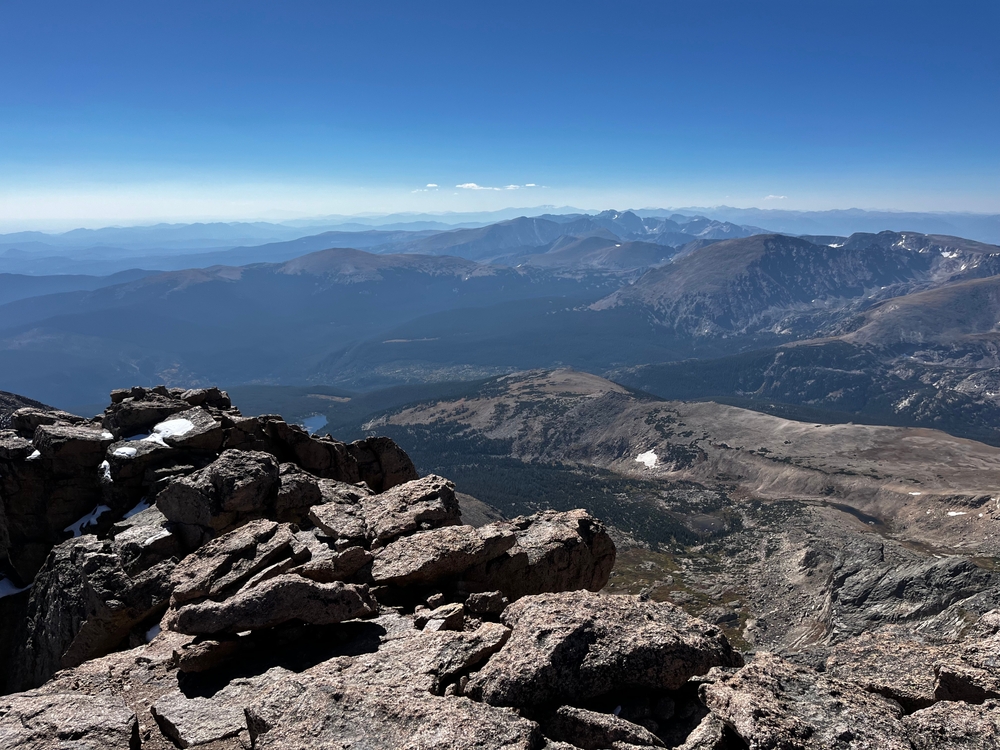
Rocky Mountain’s elk population attracts visitors who approach within dangerous proximity during rutting season when bulls are aggressive and unpredictable. The required 25-yard distance is routinely violated, with tourists approaching elk for photos and sometimes getting charged. The park issues citations and closes areas when elk behavior becomes dangerous due to human proximity, but violations continue because people don’t believe elk are actually threatening despite their size.
Feeding wildlife violations are constant despite extensive education and signage. Visitors feed chipmunks, marmots, and birds, creating food-conditioned animals that become aggressive and lose their natural foraging behaviors. The feeding attracts predators to high-traffic areas, creating dangerous situations. Rangers conduct continuous enforcement during peak seasons, but the volume of violations exceeds enforcement capacity, and many visitors openly ignore rangers’ instructions to stop feeding animals.
11. Mount Rainier: Entering Closed Areas and Improper Waste Disposal
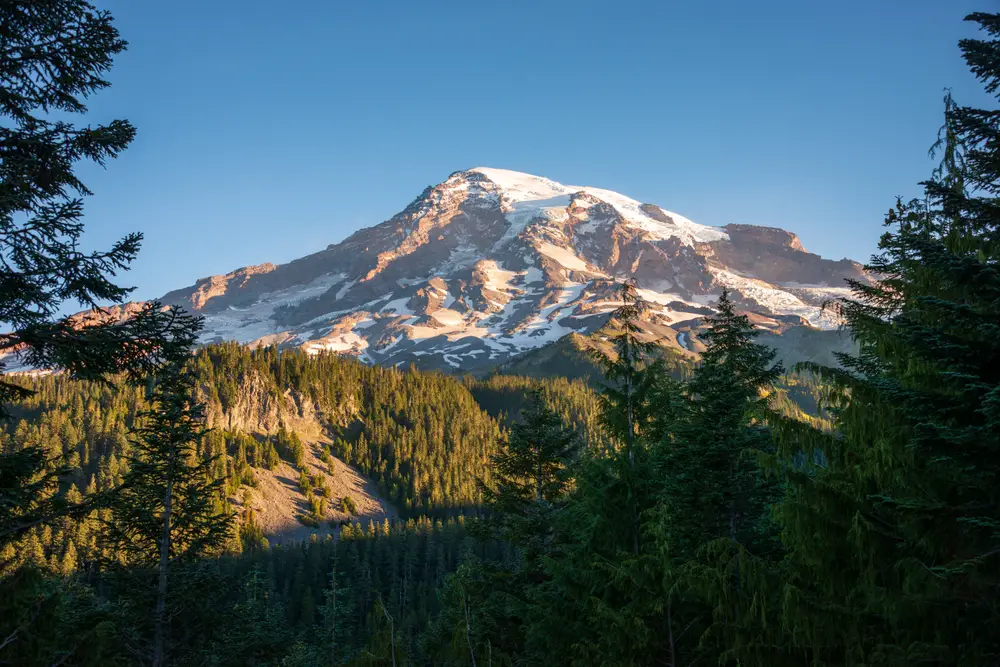
Mount Rainier’s glaciated terrain has areas closed due to crevasse danger and avalanche risk, yet climbers and hikers regularly ignore closures, believing they can assess conditions themselves. Rescues from closed areas occur regularly, putting rescue personnel at risk for people who deliberately violate closure orders. The park prosecutes serious violations, but many violators claim they didn’t see closure signs or didn’t understand the severity of the danger.
Human waste disposal violations are rampant despite requirements to use blue bags for waste removal in certain areas. Climbers and backcountry users leave waste improperly buried or not at all, creating sanitation problems and water contamination. The Paradise and Camp Muir areas see particularly bad violations, with human waste visible near trails and camps. Rangers conduct education, but compliance is poor because proper waste disposal is inconvenient, and people believe their individual violation doesn’t matter.
12. Bryce Canyon: Shortcutting Switchbacks and Removing Hoodoos
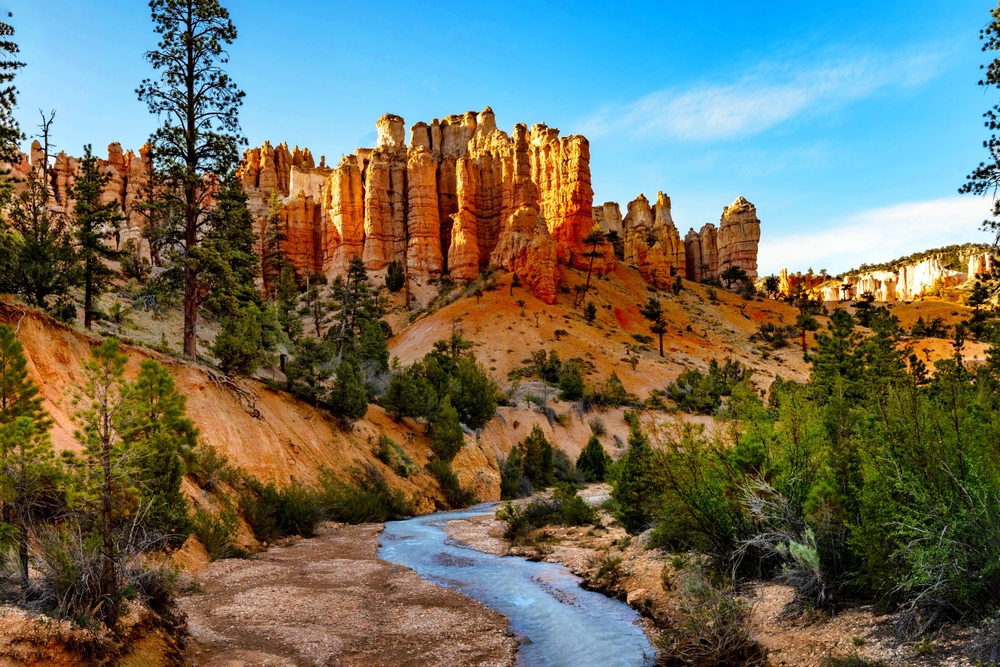
Bryce Canyon’s trails have switchbacks that visitors constantly cut across, creating erosion and damaging the fragile soil structure. The shortcuts are visible throughout the park, with hardened social trails showing where thousands of feet have created unauthorized paths. Each shortcut causes erosion that takes decades to recover, and some areas have been permanently damaged by repeated violations. Signage and ranger presence don’t deter violations because people prioritize convenience over conservation.
Theft of hoodoo fragments and rocks is another chronic problem despite explicit prohibitions. Visitors take “just one small rock” as souvenirs, not understanding that millions of “just one rock” violations have removed tons of material from the park. Rangers occasionally catch violators with backpacks full of rocks, but most theft goes undetected. The park has prosecuted high-profile cases, but violations continue because many visitors genuinely don’t understand why taking rocks from a landscape made of rocks is problematic.
13. Hawaii Volcanoes: Entering Closed Lava Viewing Areas
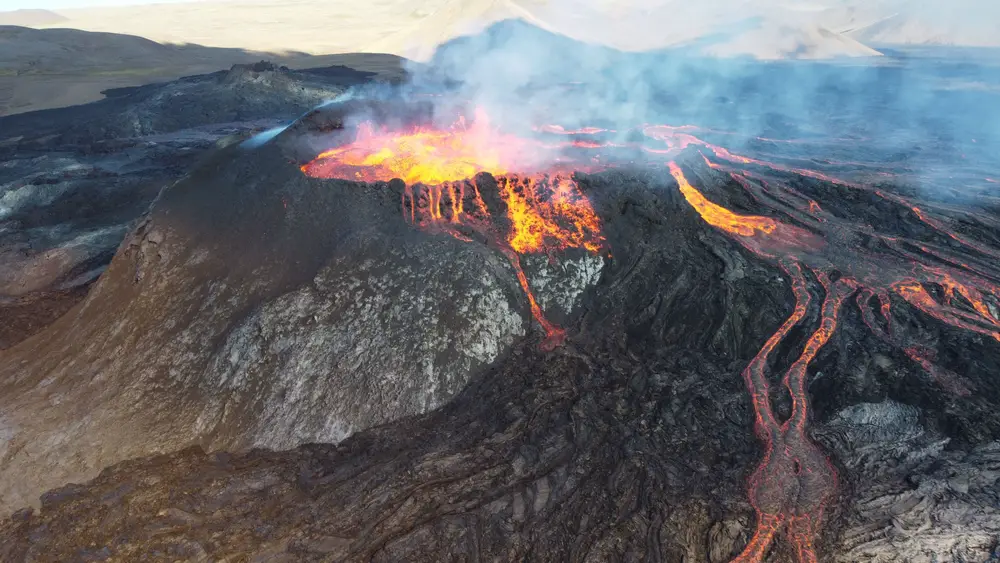
Hawaii Volcanoes has areas closed due to volcanic hazards—toxic gases, unstable ground, lava flows—yet visitors regularly ignore closures to get closer to active volcanic features. People have been seriously burned or killed entering closed areas to view lava, and the park conducts regular rescues of people who ignore warnings. The violations persist because people traveled specifically to see lava and won’t let safety concerns prevent their experience.
Taking lava rocks as souvenirs is prohibited both by park rules and Hawaiian cultural beliefs, yet visitors take rocks constantly despite warnings about the “curse” and legal consequences. The park receives hundreds of packages annually from people mailing rocks back after experiencing bad luck they attribute to the curse. Rangers issue citations when they catch violators, but enforcement can’t keep pace with violations. Some visitors openly defy the rules, believing cultural warnings are superstition and that park rules are unnecessarily restrictive about taking rocks from a volcano that produces new rocks constantly.