
The decision to bring an animal into your life should involve careful research and honest assessment of your capacity to meet that species’ needs for 10-20+ years, but impulse purchases driven by cuteness, trends, or emotional moments create suffering for both animals and owners. These regret purchases share common patterns—buyers underestimate costs, lifespan, space requirements, or behavioral realities, discovering too late that the adorable creature they couldn’t resist requires commitments they’re unwilling or unable to provide. The consequences range from financial strain to rehoming struggles to animals living in inadequate conditions for years because owners won’t admit their mistake.
1. Huskies and Malamutes – The Wolf-Like Beauty That Never Stops

Huskies attract impulse buyers with their striking wolf-like appearance, blue eyes, and playful personalities, but their extreme energy levels, destructiveness, and vocal nature overwhelm unprepared owners within months. These dogs were bred to run 100+ miles daily pulling sleds in harsh conditions, giving them energy that’s literally inexhaustible for most pet owners. Someone working 40 hours weekly cannot possibly provide adequate exercise for a Husky, leading to destructive behaviors, incessant howling, and escape attempts that create neighborhood conflicts.
The dogs require 2-3 hours of vigorous exercise daily minimum, shed catastrophically twice yearly, are notoriously difficult to train due to their independent nature, and many have high prey drives making them dangerous around small pets. Husky rescues overflow with dogs surrendered at 1-3 years old when the cute puppy stage ended and owners realized they’d committed to a decade-plus of demands they couldn’t meet. The breed’s popularity from Game of Thrones and social media created a surge of impulse purchases by people attracted to looks without researching needs, resulting in thousands of abandoned Huskies.
2. Bunnies – The “Easy Starter Pet” Myth

Rabbits get impulse-purchased as Easter gifts or “starter pets” for children, with buyers assuming they’re low-maintenance cage animals requiring minimal care. The reality is that rabbits are high-maintenance, expensive, and require specialized veterinary care from exotic vets charging 2-3 times standard rates. They need several hours of supervised exercise daily, extensive bunny-proofing since they chew everything including electrical cords and baseboards, and they live 8-12 years—far longer than most impulse buyers expect.
Rabbits are fragile prey animals that often don’t enjoy being held, making them poor matches for young children who want cuddly pets. Their diet requires fresh vegetables daily plus unlimited hay, and their digestive systems are delicate with veterinary emergencies costing $500-$2,000. Many rabbits develop behavioral problems including aggression when kept in inadequate cages or mishandled, and finding veterinary care that’s competent with rabbits is challenging. The disconnect between expectation (easy, low-cost, cuddly) and reality (demanding, expensive, often aloof) means countless rabbits get rehomed, released outdoors, or live in neglectful conditions for years.
3. Bengal Cats – The Exotic Beauty With Chaotic Energy
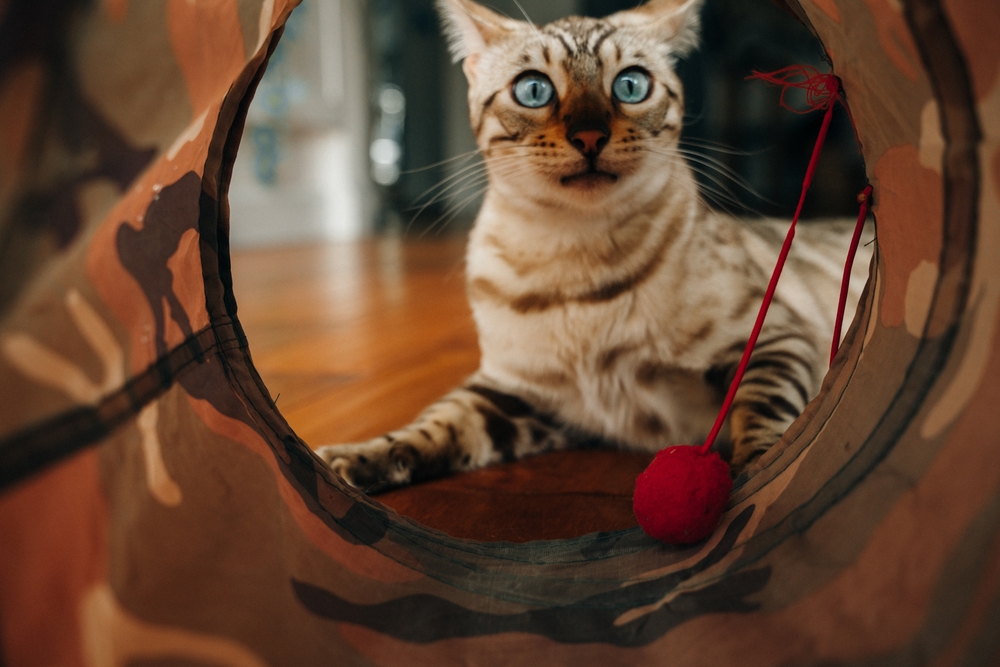
Bengal cats attract buyers with their stunning spotted coats resembling wild cats and the allure of owning something exotic-looking. What people discover too late is that Bengals retain much of their Asian Leopard Cat ancestors’ high energy, requiring constant stimulation and interaction that most cat owners aren’t prepared to provide. These cats are vocal, demanding, destructive when bored, and need far more engagement than typical domestic cats—more like living with a toddler than a pet.
Bengals commonly develop behavioral problems in standard pet homes—inappropriate urination, aggression, constant vocalization, and destruction of furniture and belongings through their compulsive need to climb and scratch. They’re also expensive to purchase ($1,500-$3,000+), which creates sunk-cost fallacy where owners feel trapped by their investment. Many end up confined to single rooms or basements because owners can’t handle them in the house, or they’re surrendered to Bengal rescues overwhelmed with cats from buyers who wanted exotic looks without understanding they were getting an exotic temperament requiring expert handling.
4. Parrots – The 50-Year Commitment No One Plans For
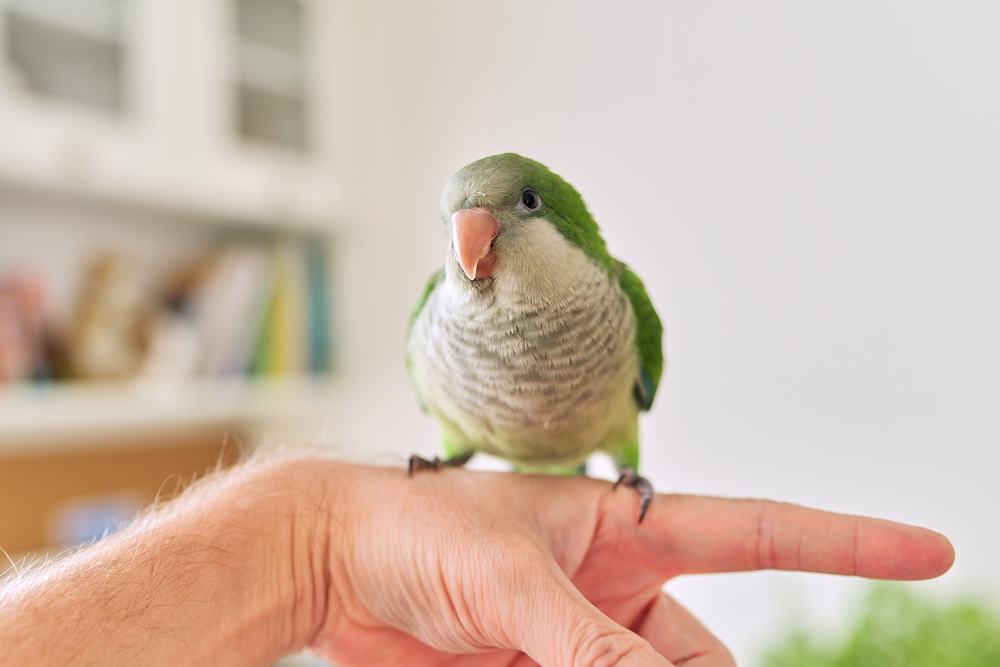
Parrots impulse-purchased for their beauty, speaking ability, and personality become regretted commitments when buyers realize these birds can live 40-60+ years, have the emotional needs of toddlers, and are extremely loud, messy, and destructive. A cockatoo or macaw requires 3-4 hours of direct interaction daily, costs $2,000-$4,000 annually for proper diet and vet care, and screams at volumes exceeding 100 decibels when their considerable needs aren’t met. The birds bond intensely to owners and can develop severe psychological problems including self-mutilation when those bonds are disrupted or needs go unmet.
The mismatch between parrot needs and typical owner capabilities creates an epidemic of neglected birds—estimates suggest 75% of parrots are rehomed at least once, often multiple times, throughout their lives. Birds purchased on impulse at 25 years old become problems when owners want to travel, have children, change living situations, or simply tire of the demands after the novelty fades. Parrots in inadequate situations develop screaming, biting, and feather plucking that make them even harder to rehome, trapping both bird and owner in situations neither wanted.
5. Ball Pythons – The “Easy” Snake That Isn’t
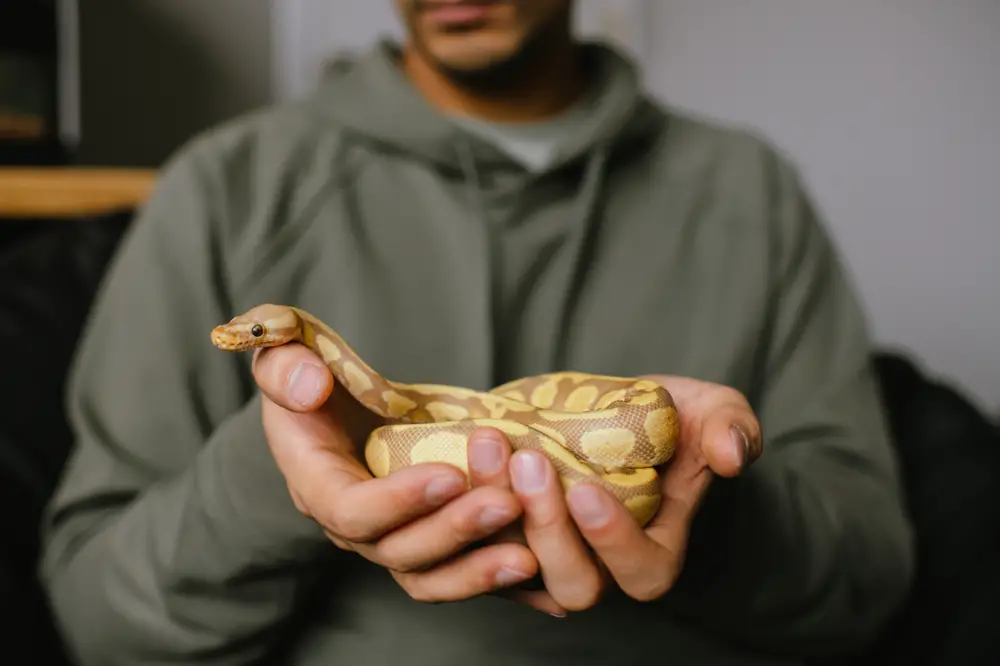
Ball pythons are marketed as perfect beginner snakes and impulse-purchased by people attracted to owning something unusual, but they commonly develop feeding problems, require precise environmental conditions, and live 20-30 years. The snakes are picky eaters that can refuse food for months, creating stress for owners unsure if their pet is dying, and many require specific temperature and humidity ranges that are expensive and difficult to maintain. The initial setup costs $300-$600, and ongoing costs including heating, substrate, and food add hundreds annually.
People attracted to the idea of a low-maintenance pet discover that ball pythons require weekly maintenance, feeding frozen-thawed rodents that disgust many owners, and veterinary care from exotic vets when health issues arise. The snakes also grow larger than expected—adults are 3-5 feet and thick-bodied—and many people develop fear or revulsion after the initial excitement fades. Ball python rescues are overwhelmed with surrenders, and classified ads overflow with people desperately trying to rehome snakes they impulsively purchased and quickly regretted.
6. French Bulldogs – The Trendy Dog With Medical Bills

French Bulldogs became the ultimate trendy impulse purchase due to celebrity ownership and social media popularity, with buyers paying $3,000-$8,000 for fashionable dogs without researching their severe health problems. Frenchies commonly suffer from breathing difficulties requiring $3,000-$7,000 surgeries, spinal problems, skin fold infections, eye issues, and heat intolerance that makes them vulnerable in warm weather. Many require C-sections for breeding, creating scarcity that drives up prices while also indicating how physically compromised the breed is.
The medical costs accumulate relentlessly throughout these dogs’ lives—estimates suggest French Bulldogs cost $4,000-$8,000 annually in veterinary care beyond routine expenses. Buyers attracted by cute flat faces and compact size discover their dogs can’t exercise without gasping, struggle to regulate temperature, and face recurring health problems requiring constant veterinary intervention. Many owners face financial ruin from medical bills or make heartbreaking decisions to euthanize dogs they can’t afford to treat, while others surrender them to breed rescues overwhelmed with expensive medical cases from impulse buyers who never anticipated 10+ years of intensive care needs.
7. Sugar Gliders – The Exotic Fad That Bites

Sugar gliders became impulse purchases through mall kiosk sales and exotic pet shows, marketed as pocket pets that bond with owners and stay small. The reality is these nocturnal marsupials are extremely high-maintenance, bite frequently when stressed or improperly socialized, make loud barking and crabbing noises at night, and require specialized diets that are time-consuming and expensive to prepare. They’re also social animals requiring same-species companionship, doubling all costs and care requirements.
The gliders need large cages, specific temperature ranges, several hours of supervised out-of-cage time nightly during their active periods, and they mark territory with strong-smelling urine and feces. Many develop depression, self-mutilation, and aggression when kept alone or in inadequate conditions, and finding veterinary care is difficult and expensive. The exotic pet trade that produces sugar gliders often involves poor breeding practices creating behavioral and health problems. Most impulse buyers discover within months that they’ve purchased a decade-long commitment to a demanding nocturnal animal that’s awake when they want to sleep and requires far more care than any pet store employee disclosed.
8. Savannah Cats – The $20,000 Regret
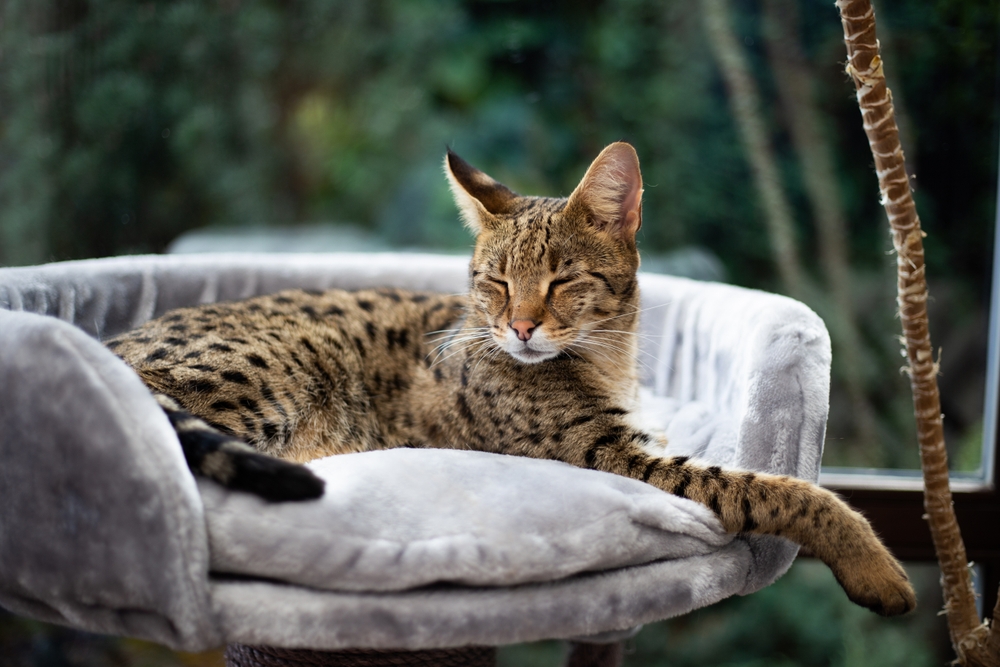
Savannah cats attract wealthy impulse buyers seeking exotic status symbols, with early-generation F1 and F2 Savannahs costing $15,000-$30,000. These hybrid cats combining domestic and African Serval genetics are extremely large (15-25 pounds), energetic, and challenging, requiring homes that can accommodate their needs for vertical space, constant stimulation, and opportunities to express natural behaviors. Many are also prohibited by local laws or homeowner’s insurance, creating legal and practical problems owners discover after purchase.
Savannahs commonly develop behavioral problems in typical homes—inappropriate elimination, aggression, destructiveness, and escape attempts. They can clear six-foot fences, shred furniture despite scratching posts, and their energy levels exhaust typical cat owners. The enormous purchase price creates sunk-cost trap where owners feel unable to rehome them despite being overwhelmed, and the cats’ challenging reputations make finding new homes nearly impossible. Many end up confined to single rooms or outdoor enclosures, living diminished lives because buyers wanted exotic looks without understanding they were getting exotic demands.
9. Hamsters – The “Throwaway” Pet For Kids
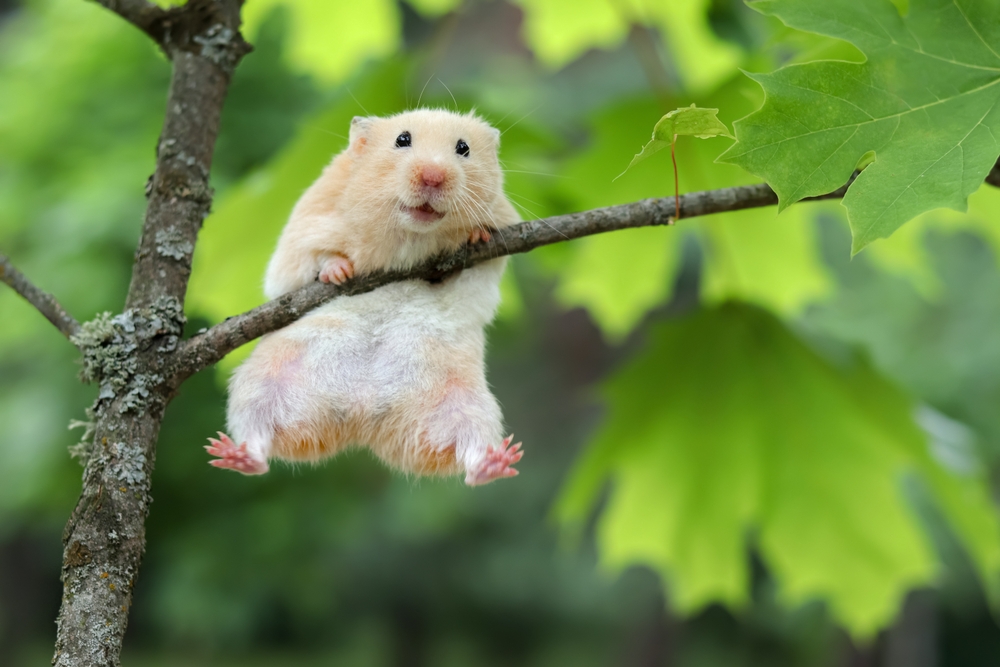
Hamsters get impulse-purchased as first pets for children or college students seeking something cute and low-commitment, but they’re actually nocturnal, solitary, somewhat antisocial animals that live in poor conditions in most homes. The tiny cages sold by pet stores are inadequate—hamsters need 600+ square inches of floor space, deep bedding for burrowing, and extensive enrichment. They’re also fragile and easily injured by children’s rough handling, and many species are aggressive toward humans when awakened during daytime or improperly socialized.
The disconnect between expectation (cute, cuddly, day-active) and reality (nocturnal, needs space, often bitey) means most hamsters live inadequate lives in too-small cages with inappropriate care. Their 2-3 year lifespans seem short until parents realize they’re caring for a pet their child lost interest in after a month. While individual costs are low, the proper setup costs $200-$300, and many hamsters develop health problems requiring exotic vet care costing hundreds. The species is widely viewed as disposable, with countless hamsters suffering in inadequate conditions because they were impulse purchases no one wanted to properly research or invest in.
10. Iguanas – The Baby Dinosaur Problem
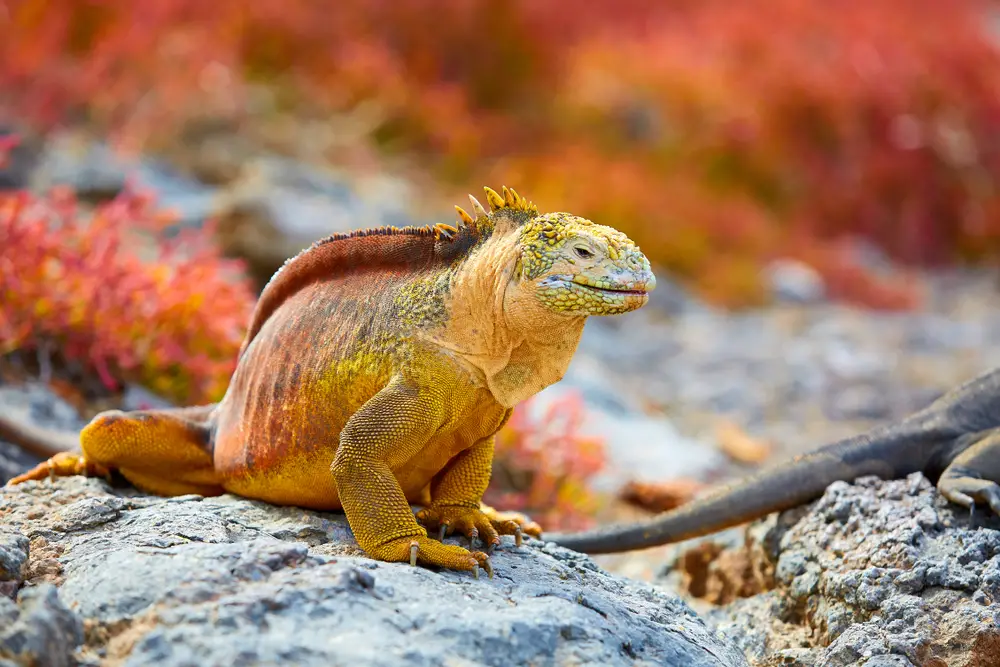
Baby iguanas are impulse-purchased by people charmed by small, bright green lizards sold cheaply at pet stores and reptile expos. What people don’t realize is that these dinosaurs grow to 5-7 feet long, require custom-built enclosures the size of closets, need extremely specific UVB lighting and temperature gradients, and become aggressive during breeding season. Adult iguanas have powerful tails they use as whips, sharp claws, and strong jaws, making them potentially dangerous when improperly handled or stressed.
The diet requires fresh vegetables prepared daily, and health problems are common and expensive to treat requiring exotic veterinarians. The proper setup and care costs thousands annually, and the commitment is 15-20 years for an animal that becomes increasingly difficult to handle as it matures. Classified ads and reptile rescues overflow with iguanas from owners who bought cute babies without understanding they’d eventually need to dedicate significant space and resources to large, sometimes aggressive lizards. Many iguanas live in grossly inadequate conditions because owners can’t afford or won’t provide proper care but also won’t rehome them.
11. Chihuahuas – The Purse Dog With Big Attitude

Chihuahuas get impulse-purchased by people wanting portable, fashionable companions after seeing celebrities carry them in purses, but the breed’s reputation for anxiety, aggression, and excessive barking creates problems many owners aren’t prepared to address. These dogs are commonly under-trained because owners treat them like accessories rather than dogs, leading to behavioral problems including biting, possessiveness, and fear-based aggression. The small size means bites aren’t taken seriously until someone gets injured, creating legal liability.
Chihuahuas also have significant health problems including dental disease, luxating patellas, and heart issues requiring ongoing veterinary care. Their 12-18 year lifespans mean impulse purchases become long-term commitments, and many Chihuahuas end up surrendered to shelters that are overwhelmed with them—the breed often comprises 30-40% of small dog populations in rescues. The disconnect between the fashion accessory image and the reality of a long-lived, high-maintenance, often difficult small dog means countless Chihuahuas are neglected, improperly trained, or rehomed multiple times.
12. Hedgehogs – The Spiky Ball of Problems
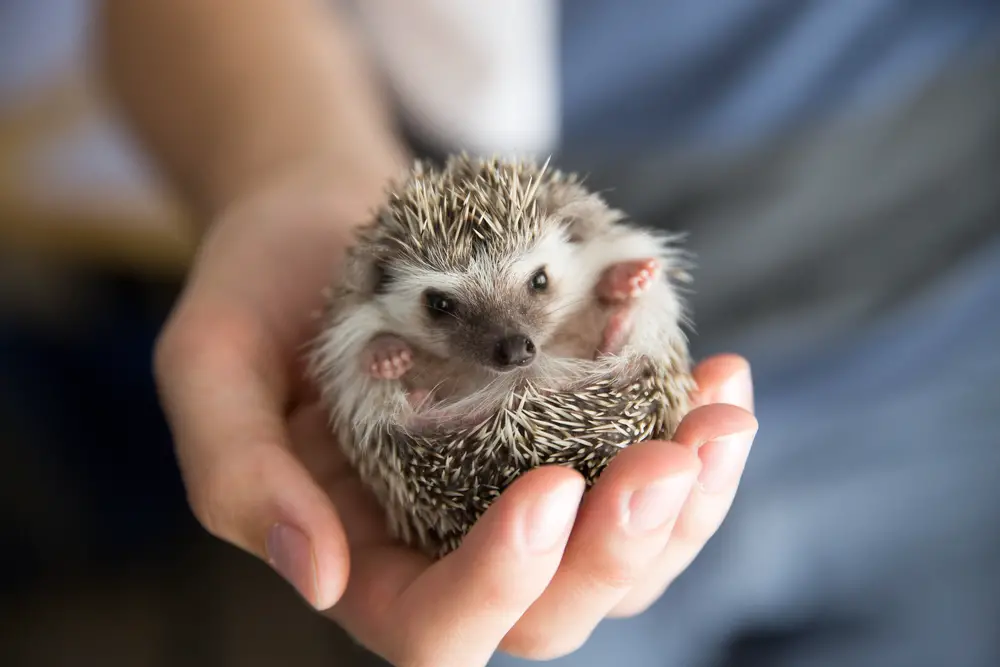
Hedgehogs became trendy impulse purchases through social media videos showing their quirky behaviors and adorable faces, but they’re actually challenging, somewhat antisocial pets that require specialized care and handling. These nocturnal animals are most active when owners want to sleep, they ball up defensively when stressed making handling difficult, their quills are genuinely sharp, and they’re prone to cancers and other health problems requiring exotic veterinary care. They’re also illegal in several states and cities, creating problems when owners move or when local enforcement discovers them.
The hedgehogs need precise temperature control—below 75 degrees they can attempt hibernation which is life-threatening for African Pygmy Hedgehogs—requiring climate control year-round at significant expense. Their care includes regular nail trimming, foot baths to remove stuck bedding and feces, insect-based diets, and large cages with running wheels. Many develop obesity, dental problems, or behavioral issues in inadequate care. The 5-7 year commitment proves longer than most impulse buyers anticipated, and hedgehogs are difficult to rehome due to legal restrictions and their specialized care requirements.
13. Teacup Pigs – The Scam That Keeps on Growing
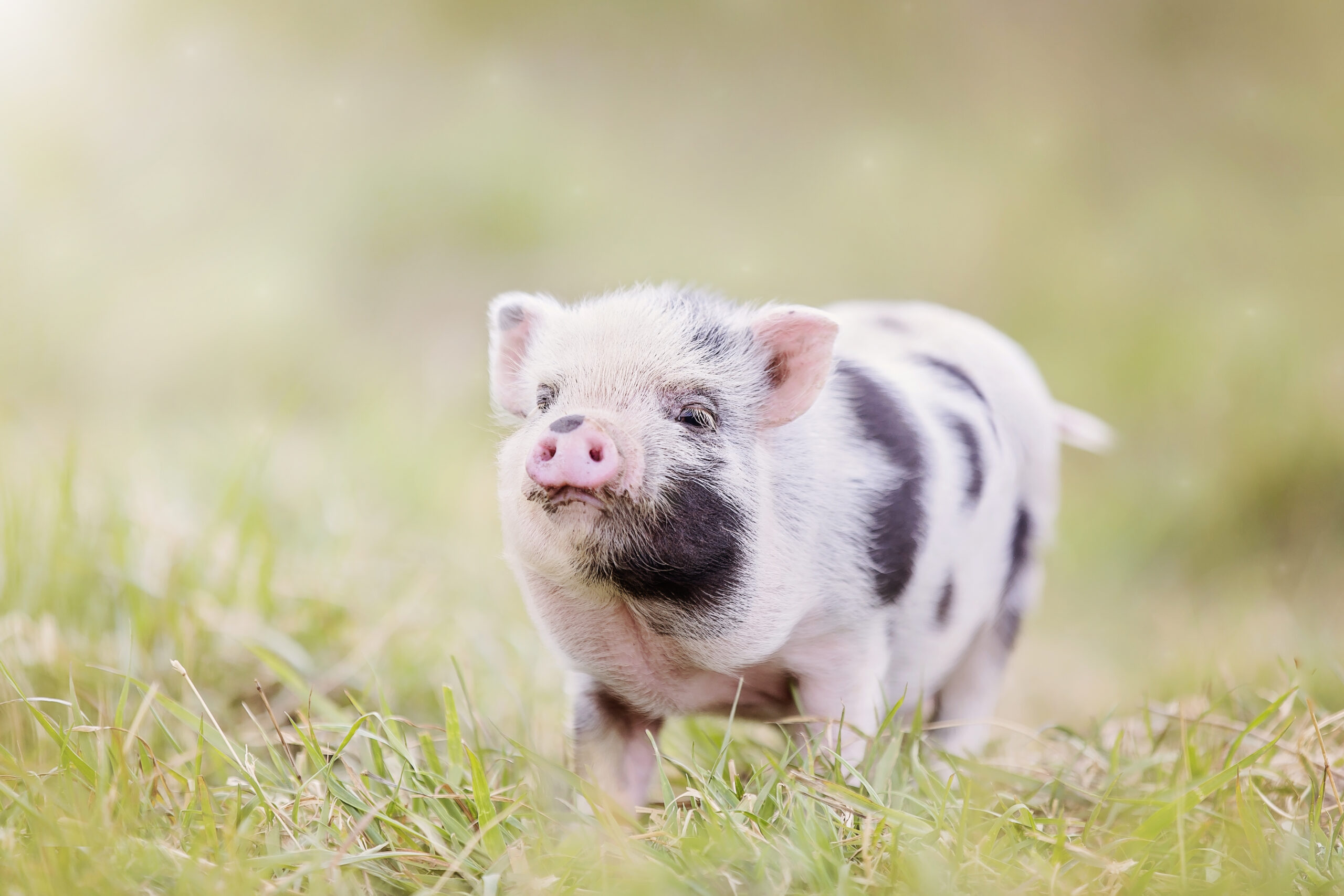
“Teacup” or “micro” pigs are sold through deceptive marketing showing tiny piglets and promising adult weights of 30-40 pounds, but these are typically potbellied pigs that grow to 100-200 pounds or more. Buyers discover they’ve been scammed when their “teacup” pig is 80 pounds at one year old and still growing, requiring outdoor space, special diets, and meeting livestock regulations rather than pet ordinances. Pigs are extremely intelligent, destructive when bored, and difficult to house-train despite breeders’ claims.
The costs are staggering—pigs require specialized veterinary care including spaying/neutering by exotic vets ($500-$1,500), regular hoof trimming, and potential tusk management. They can live 15-20 years, destroying homes through rooting and chewing if kept indoors, and zoning laws often prohibit them in residential areas. Pig sanctuaries are overwhelmed with surrenders from people who bought piglets based on lies and discovered they’d committed to livestock care rather than a pet. The market persists because buyers don’t research and unethical breeders continue selling piglets with false weight predictions that are never accurate.
14. Exotic Birds Beyond Parrots – The Specialty Nightmare
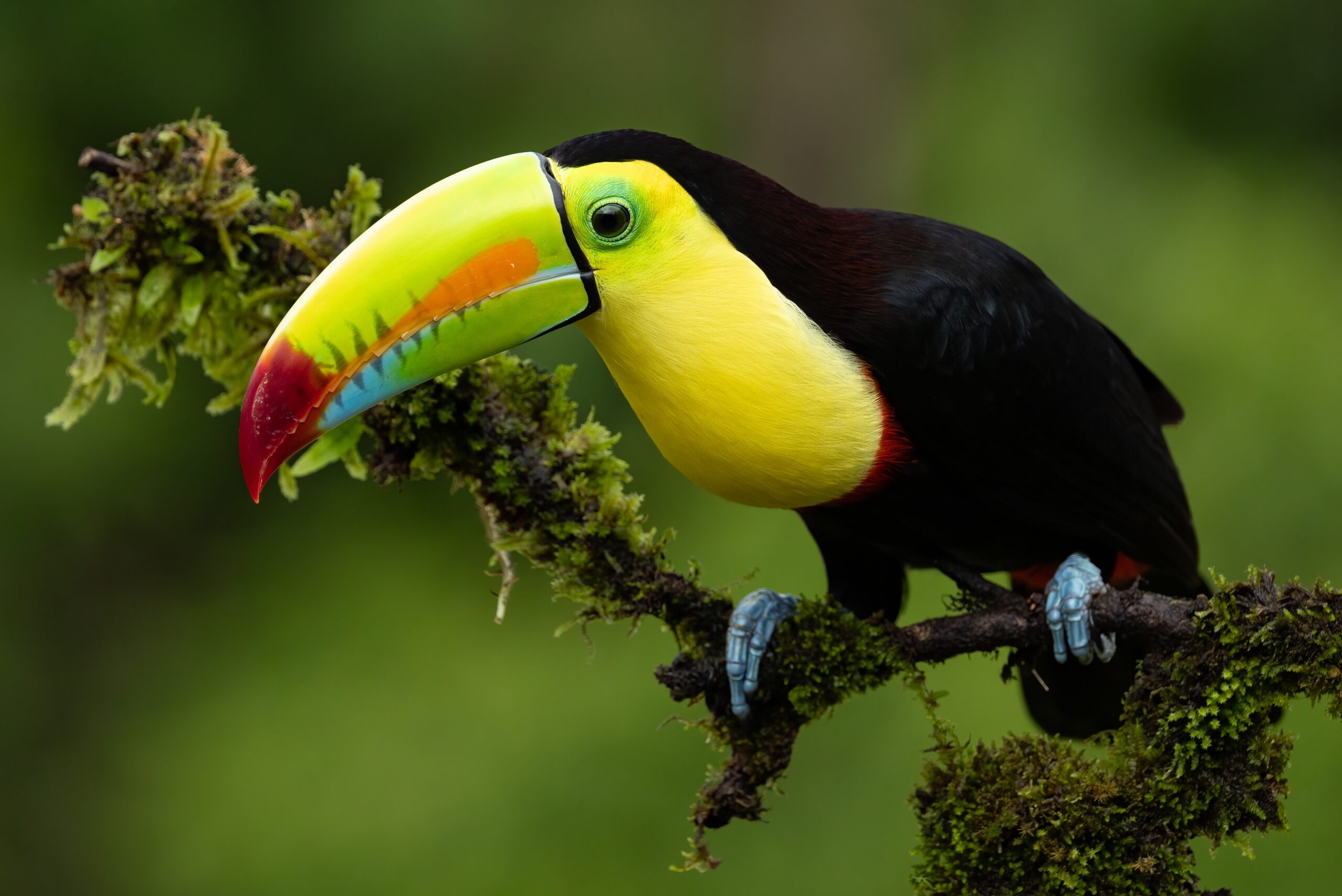
Toucans, hornbills, mynahs, and other exotic birds attract impulse buyers at bird shows and specialty dealers, but these species have even more demanding care requirements than parrots. Toucans produce liquid, projectile feces requiring specialized housing and constant cleaning, fruit-based diets costing $300+ monthly, and large custom enclosures. They’re often illegal or require permits, and finding veterinary care is nearly impossible in most areas. The birds’ exotic appeal fades quickly when owners realize the magnitude of daily care requirements.
These birds can’t be rehomed easily due to their specialized needs and legal restrictions, trapping owners in commitments they regret. The initial purchase prices—often $3,000-$15,000—create sunk-cost situations where people feel they can’t surrender expensive animals, even when they’re clearly unable to provide adequate care. Many exotic birds develop severe behavioral and health problems in pet situations, suffering for years in inadequate conditions because owners won’t admit their impulse purchases were mistakes and won’t invest in proper care or surrender them to sanctuaries.
15. Australian Cattle Dogs – The Work-Obsessed Destroyer

Australian Cattle Dogs (Blue and Red Heelers) attract impulse buyers with their striking appearance, intelligence, and compact medium size, but these are intense working dogs that require jobs and constant mental stimulation to avoid becoming destructive nightmares. The breed was developed to herd cattle through Australian outback by biting their heels, giving them extraordinary energy, high pain tolerance, and nipping tendencies that translate poorly to pet homes. Without adequate outlets, they develop obsessive behaviors, destructiveness, and aggression.
These dogs need 2-3 hours of intense exercise plus training or jobs daily, making them completely inappropriate for typical pet owners working full-time. They’re mouthy, can be aggressive with strangers and other dogs, and their intelligence makes them capable of outsmarting average owners. Cattle Dog rescues overflow with dogs surrendered between ages 1-3 when puppy cuteness wore off and owners couldn’t manage their intensity. The dogs suffer in shelters where their high energy and sometimes aggression issues make them nearly unadoptable, and many are euthanized because impulse buyers chose based on looks without understanding working breed demands.
16. Reptiles Requiring Live Feeding – The Reality Check
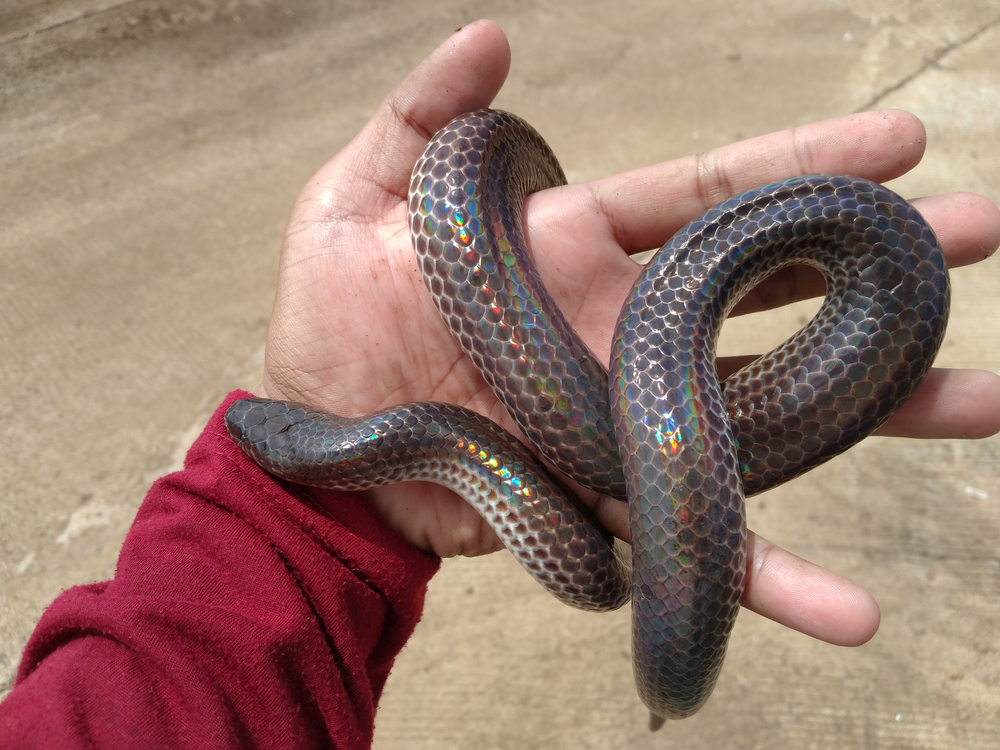
Various snake species, large lizards, and some amphibians require live feeding—offering live rodents, fish, or insects as food—which many impulse buyers discover they cannot emotionally or practically handle. Someone who buys a snake at a reptile show often hasn’t considered that feeding means purchasing, storing, and offering live or frozen-thawed rodents weekly, and watching the feeding process can be disturbing. Some reptiles refuse pre-killed food, requiring owners to maintain and feed live rodent colonies or make weekly pet store trips to buy feeder animals.
The ethical and emotional challenges of feeding live prey weren’t considered during impulse purchases, and many people discover they can’t continue but feel trapped because they’ve already committed to the animal. Reptiles also have long lifespans—20-40 years for many species—meaning the feeding requirement continues for decades. The disconnect between the appeal of exotic pet ownership and the reality of maintaining prey animals or handling frozen rodents leads to neglect, improper feeding, or surrenders. Reptile rescues receive countless animals from owners who simply couldn’t sustain the feeding requirements they never properly considered before purchasing.