
The wildlife that defined childhoods just a generation or two ago has quietly disappeared from everyday life, their absence so gradual that many people don’t realize what’s been lost. These aren’t exotic species from distant rainforests—they’re animals that once inhabited backyards, fields, and neighborhoods across America, creatures that were so common their presence was taken for granted. The reasons for their decline vary from habitat loss to pesticides to climate change, but the result is the same: a diminished natural world where encounters that were once routine have become noteworthy events.
1. Monarch Butterflies – The Vanishing Migration
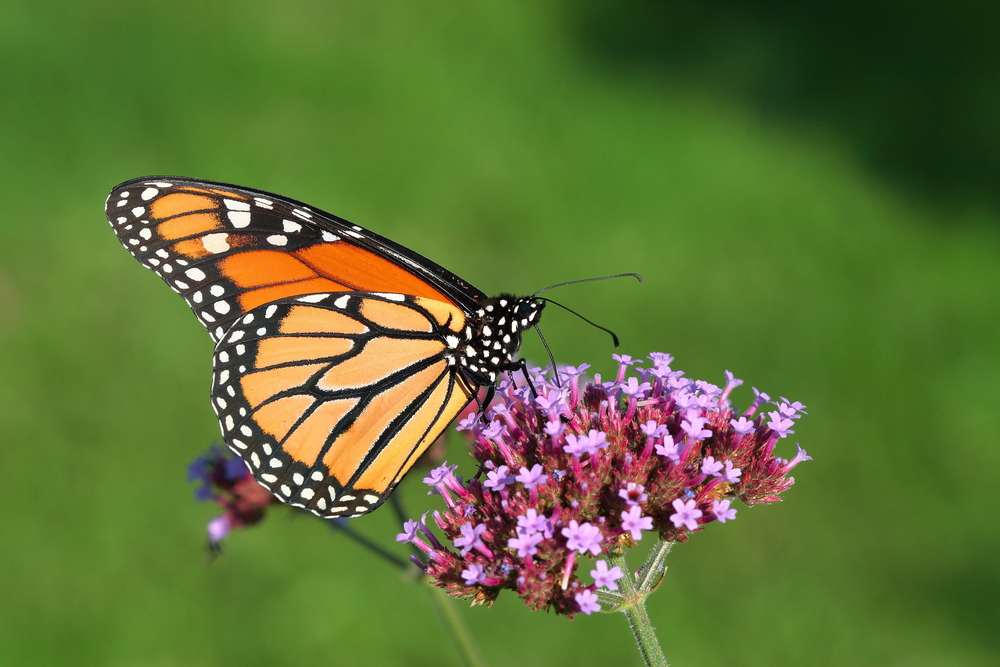
Monarch butterflies were once so abundant during their migrations that trees would appear orange with thousands of clustered insects, and gardens reliably hosted dozens feeding on milkweed and flowers. Their population has crashed by 80-90% since the 1990s, with vast stretches of America now seeing only occasional monarchs rather than the clouds of orange and black that defined late summer. The decline stems from multiple pressures—widespread herbicide use eliminating milkweed, their caterpillars’ only food source, combined with habitat loss along their migration route and climate disruptions affecting their Mexican wintering grounds.
The loss is particularly noticeable to anyone over 40 who remembers finding monarch caterpillars easily and watching the metamorphosis from caterpillar to chrysalis to butterfly as a common childhood experience. Now, many children never see a monarch in person, and gardens that once hosted dozens might see one or two in a season. Conservation efforts including milkweed planting have created pockets of recovery, but the species remains a fraction of its former abundance, and each migration carries uncertainty about whether the phenomenon will continue for future generations.
2. Fireflies – The Disappearing Summer Light Show
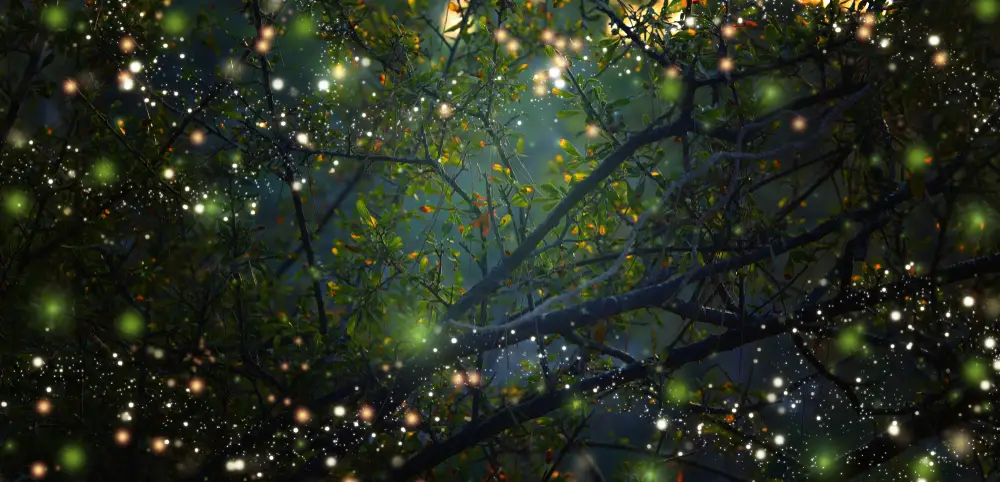
Fireflies transformed summer evenings into magical displays that required no special trip or location—they simply appeared in backyards, parks, and fields across much of the country in such numbers that children could easily catch dozens in jars. Many areas that once had reliable firefly displays now see none, and places that still have them report dramatically reduced numbers and shorter display seasons. The decline results from light pollution disrupting their bioluminescent mating signals, pesticide use, habitat loss as fields are developed, and potentially climate change affecting their synchronized emergence.
The loss represents more than just insects—it’s the disappearance of a defining childhood experience and a seasonal rhythm that connected people to nature without effort or intent. Adults in their 40s and 50s remember summer nights illuminated by hundreds of firefly lights, while their children in the same locations see perhaps a dozen or none at all. Some species have disappeared entirely from regions where they were once common, and the synchronized firefly displays that attract tourists to a few remaining locations represent what was once ordinary across vast areas.
3. American Toads – The Missing Backyard Amphibian
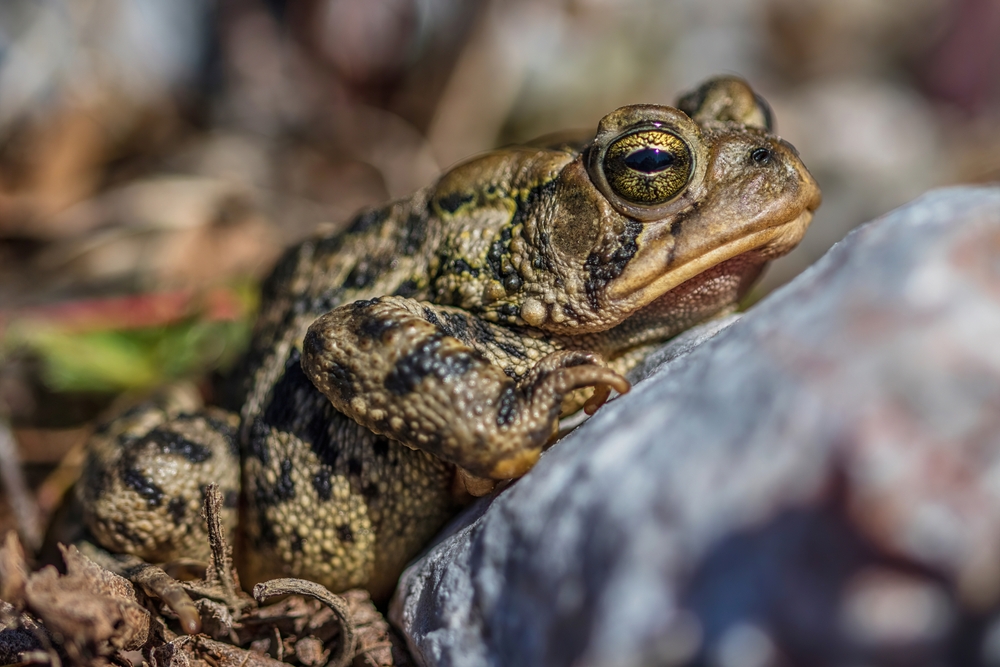
American toads were ubiquitous backyard residents encountered while gardening, mowing lawns, or simply walking outside on summer evenings, with their distinctive trilling calls defining spring nights. Populations have collapsed in many suburban and agricultural areas, with yards that once reliably had resident toads now going years without sightings. Amphibians are particularly vulnerable to environmental changes—their permeable skin absorbs pesticides and pollutants, habitat fragmentation prevents movement between breeding ponds and summer territories, and disease including chytrid fungus has devastated populations.
The decline is insidious because toads are solitary and nocturnal, making their absence less obvious than it would be for more visible species. Older homeowners remember finding toads regularly without trying, while current residents in the same neighborhoods might live there for years without encountering one. The loss affects insect control—toads consume vast quantities of pests—and represents the broader amphibian decline affecting frogs, salamanders, and other species that were once common components of the ecosystem now struggling to survive.
4. Honeybees – The Pollinator Crisis Made Visible
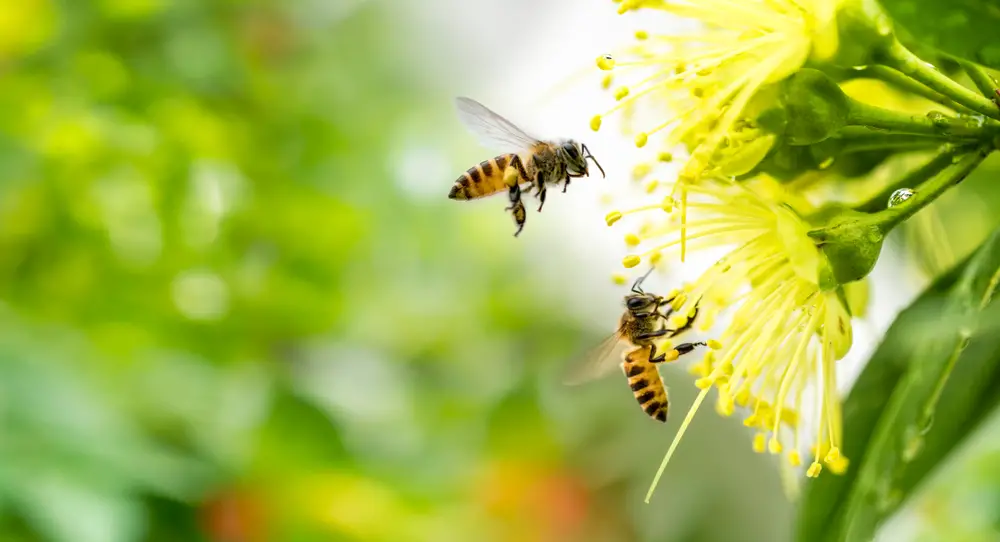
Honeybees were once omnipresent in gardens and flowering trees, their buzzing a constant soundtrack to outdoor activities in spring and summer. While managed honeybee colonies still exist, wild and feral honeybee populations have declined dramatically, with many areas that once had wild hives in trees and buildings now lacking them entirely. Colony collapse disorder beginning in 2006 devastated managed populations, while varroa mites, pesticides particularly neonicotinoids, habitat loss, and nutritional stress from monoculture agriculture continue pressuring survivors.
The reduction in bee presence is noticeable to anyone who gardens or spends time outdoors—flowering plants that once buzzed with activity now have sparse visitation, and the effortless abundance has been replaced by occasional sightings. The crisis extends beyond honeybees to native bees, but honeybees’ familiarity makes their decline more recognizable to the general public. The implications for agriculture and wild plant pollination are severe, with hand pollination now necessary for some crops and orchards renting bee colonies at increasing costs to replace the free pollination services that wild bees once provided.
5. Barn Swallows – The Vanished Aerial Acrobats
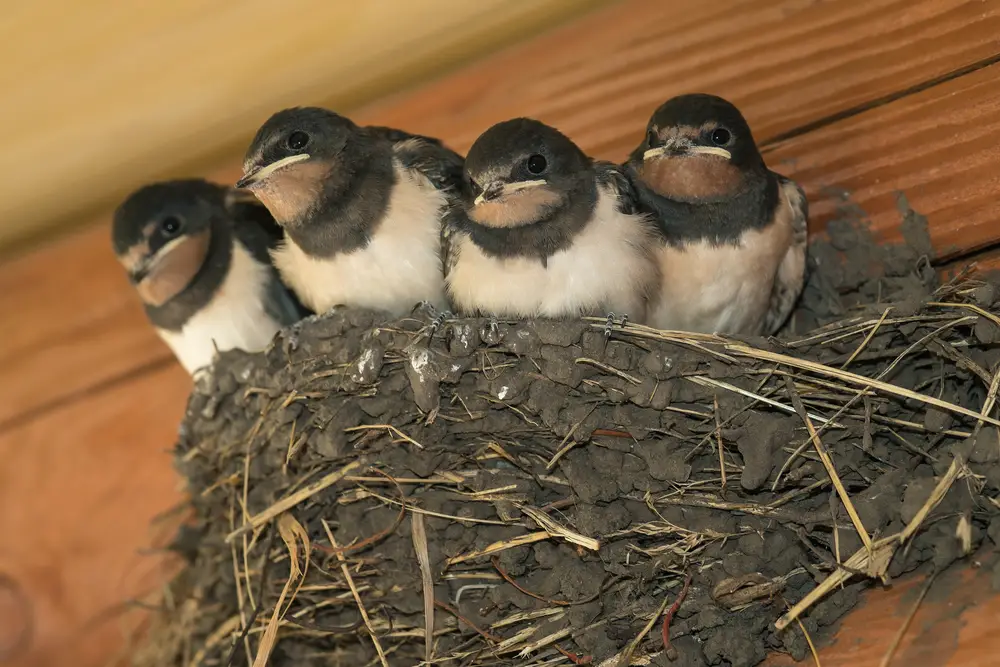
Barn swallows were constant presences around farms, suburban homes, and buildings where they built mud nests under eaves and performed aerial insect-catching displays. Their numbers have declined 40-50% since the 1970s, with many areas that once hosted multiple nesting pairs now seeing none. The decline reflects insect population crashes that reduce their food supply, modern buildings without suitable nesting sites, and pesticide exposure both direct and through depleted prey populations.
The loss is particularly noticeable in rural areas where barns and outbuildings that once reliably hosted swallow families now sit empty, and the distinctive chittering calls and swooping flights are absent. Some homeowners actively discourage nesting by removing mud nests before they’re complete, viewing swallows as nuisances rather than the insect control agents they are. The species that seemed a permanent fixture of summer has become uncommon in many regions, with young people often surprised to learn that these birds once nested on nearly every farm and many suburban homes.
6. Box Turtles – The Roadside Rarity
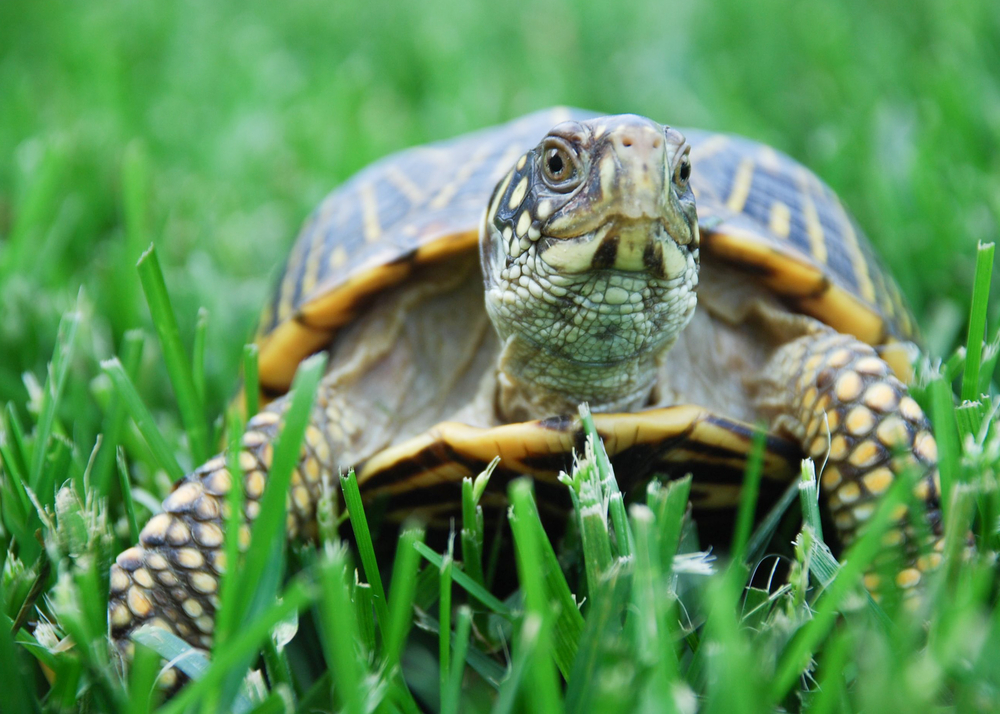
Box turtles were common enough that encountering them crossing roads or in wooded areas was a regular occurrence, and many people kept them temporarily as childhood pets before releasing them. Populations have declined 50-80% across much of their range, with entire regions now rarely seeing turtles that were abundant decades ago. Road mortality, habitat fragmentation, collection for the pet trade, and predation from artificially high raccoon and crow populations devastate these slow-maturing reptiles that take 10-20 years to reach reproductive age.
The long lifespan and slow reproduction mean that adult mortality has compounding effects—removing breeding adults from populations creates deficits that take decades to replace if recovery happens at all. Many people who remember seeing box turtles frequently in childhood now go years without encounters, and younger generations often never see them in the wild. Conservation efforts including road crossings and protected habitats help some populations, but the species has effectively vanished from vast areas where they were once commonplace.
7. Bumblebees – The Fuzzy Pollinators in Decline
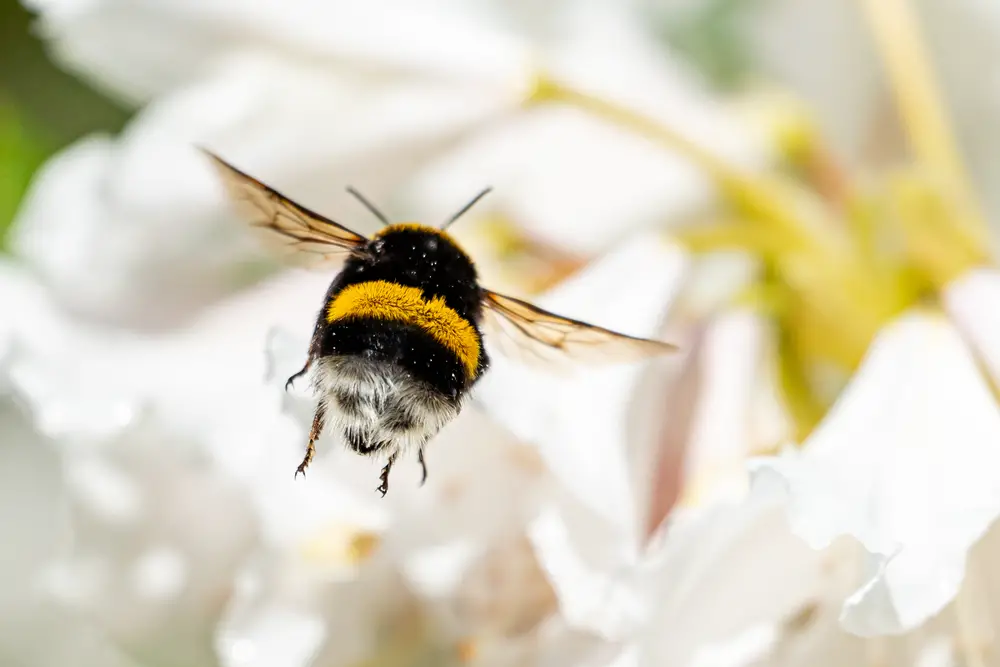
Bumblebees were garden fixtures, their large, fuzzy bodies and loud buzzing making them impossible to miss and easy to appreciate as they worked flowers. Several bumblebee species have declined 90%+ in recent decades, with some species like the rusty patched bumblebee now endangered and absent from 90% of their historical range. Pesticides, habitat loss, disease spread from commercial bumblebee operations, and climate change all pressure these important native pollinators that are more effective than honeybees for many crops.
The decline is visible to longtime gardeners who remember multiple species of bumblebees visiting flowers in abundance and now see one or two in an entire season. Some flowers specifically evolved to be pollinated by bumblebees’ unique buzz pollination technique, and without them, these plants produce reduced seed. The charismatic, non-threatening nature of bumblebees made them beloved insects, and their disappearance represents not just ecological loss but the elimination of a pleasant interaction that connected people positively to insects and nature.
8. Northern Bobwhite Quail – The Covey That Vanished
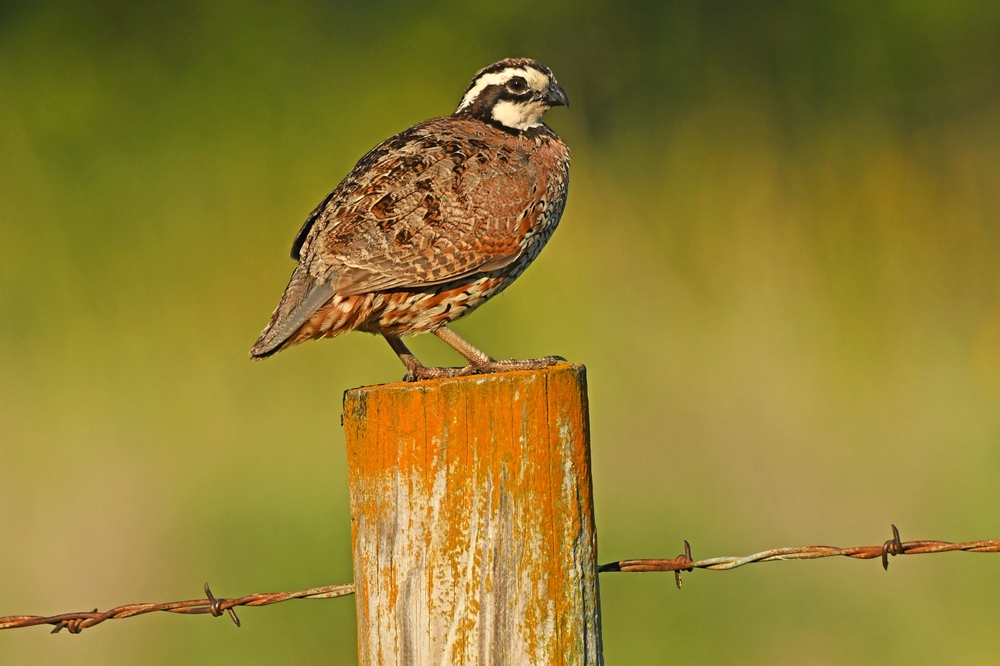
Northern bobwhite quail were common ground birds across much of the Eastern and Central United States, with their distinctive “bob-white” calls and explosive covey flushes regular experiences. Populations have declined over 80% since 1966, with the species now absent or rare in areas where they were once abundant game birds. The decline stems from habitat loss as small farms disappeared and were replaced by industrial agriculture or development, pesticide use, and fire suppression that allowed woody vegetation to replace the brushy grasslands bobwhites require.
The loss is particularly striking to hunters and rural residents who remember coveys of 10-20 birds being common and now might go entire seasons without seeing or hearing one. The species requires a patchwork of habitat types—grassland, brush, crop fields—that modern land use rarely provides, and their absence indicates broader ecosystem degradation affecting many grassland species. Conservation efforts including controlled burning and habitat restoration have created localized recovery, but the species remains a fraction of historical abundance with vast areas of former range no longer supporting populations.
9. Nighthawks – The Dusk Performers Grounded
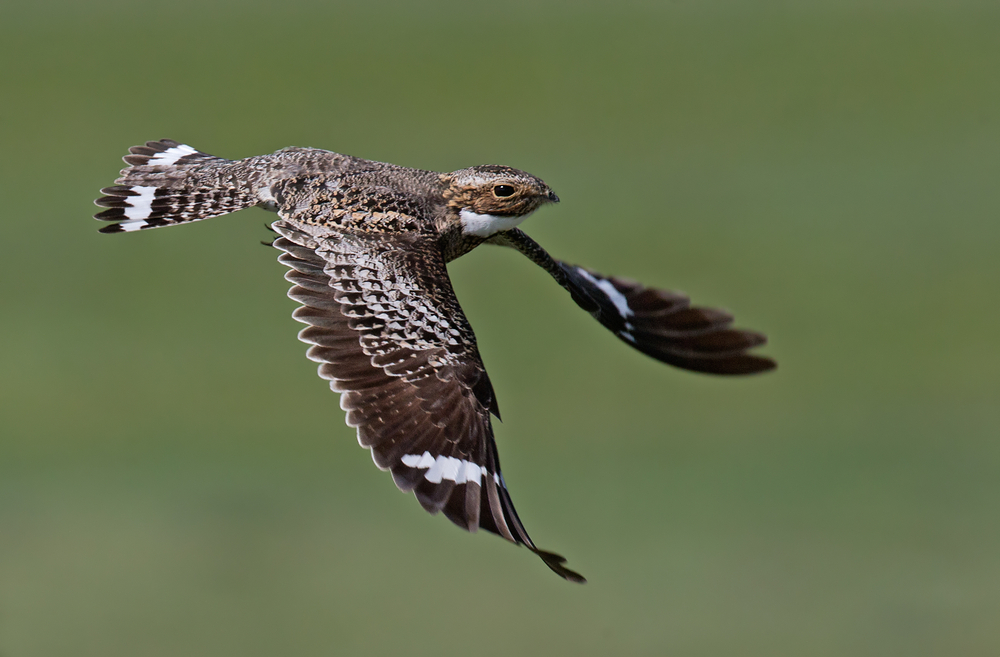
Common nighthawks performed aerial displays at dusk in cities and towns across North America, their distinctive “peent” calls and erratic flight patterns while catching insects making them familiar presences. Populations have declined 60-70% since the 1960s, with many urban areas that once had reliable nighthawk presence now lacking them entirely. The decline reflects insect population crashes reducing their food supply, loss of flat gravel roofs where they nested as buildings modernized, artificial lighting disrupting their feeding and behavior, and pesticide exposure.
The disappearance is particularly noticeable in cities where nighthawks were among the few wild animals people regularly encountered, and their dusk performances provided free entertainment and connection to nature. Younger urban residents are often unaware that these birds once nested on downtown buildings and filled summer skies, while older residents remember them fondly as a defining feature of warm evenings. The loss represents urbanization’s homogenizing effect, replacing varied wildlife with limited species that can tolerate modern development patterns.
10. Mud Dauber Wasps – The Beneficial Insect Displaced
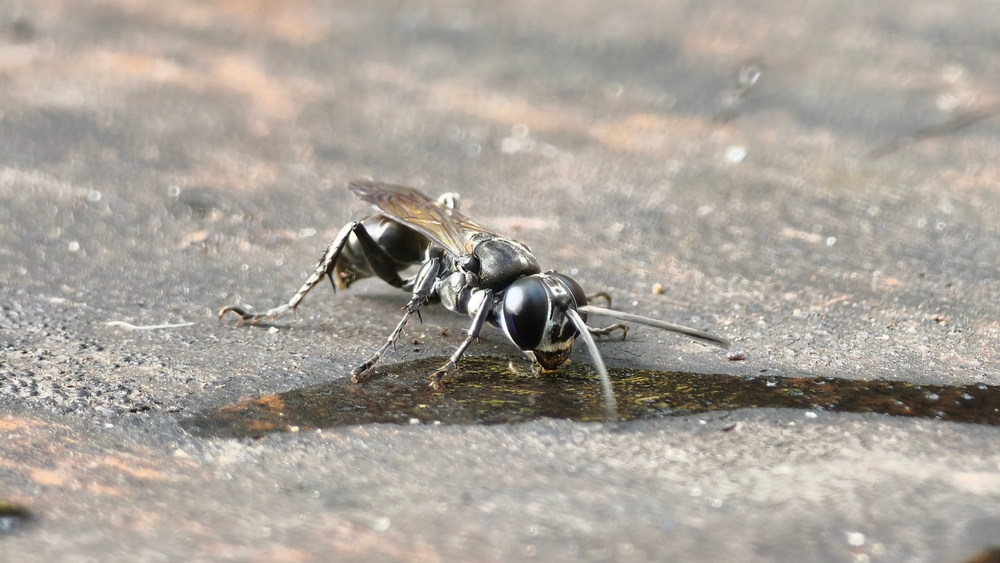
Mud dauber wasps built distinctive mud tube nests on buildings, barns, and protected surfaces across the country, and their presence was so common that most people recognized the nests and the slender wasps. While not extinct, they’ve become far less common in many areas, with buildings that once hosted dozens of nests now having none. The decline likely reflects overall insect population reductions affecting their spider prey, increased pesticide use around buildings, and modern construction materials and techniques that provide fewer suitable nest sites.
These wasps are non-aggressive and beneficial, controlling spider populations and rarely stinging humans, yet their nests are often destroyed by homeowners viewing them as nuisances. The reduction in mud dauber presence means fewer nests to observe, eliminating an easy opportunity to witness insect behavior and life cycles that educated previous generations about nature. Children who once could reliably find and observe these nests as casual nature study now often never encounter them, representing another severed connection between people and the natural world immediately around them.
11. Gray Tree Frogs – The Evening Chorus Silenced
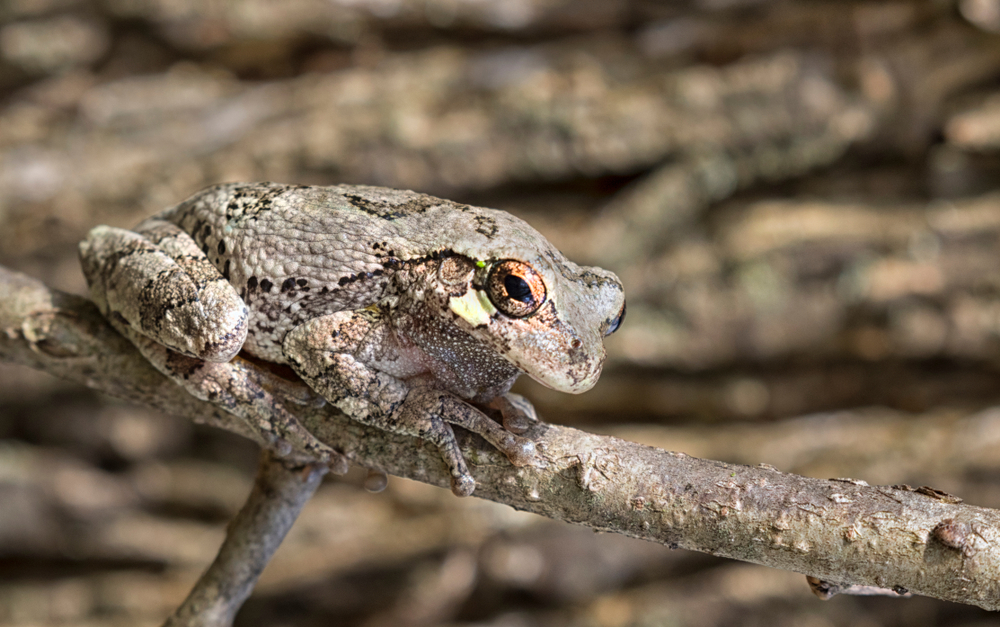
Gray tree frogs’ distinctive trilling calls created soundscapes of summer evenings across the Eastern United States, with choruses from trees and buildings so loud they were unavoidable. Many suburban and urban areas that once had deafening frog choruses now have greatly diminished or completely silent evenings, with populations declining or disappearing. The causes mirror those affecting other amphibians—pesticides, habitat loss, light pollution potentially affecting behavior, and disease.
The loss of the evening chorus changes the character of summer nights in profound ways that people don’t fully recognize until it’s gone. Older residents remember when frog calls made conversation difficult on porches and patios, while current residents in the same locations enjoy quiet evenings without realizing what’s missing. The absence indicates broader ecosystem degradation and the loss of the insect populations that frogs consume, creating ripple effects throughout food webs that extend far beyond the frogs themselves.
12. Chimney Swifts – The Aerial Twilight Show
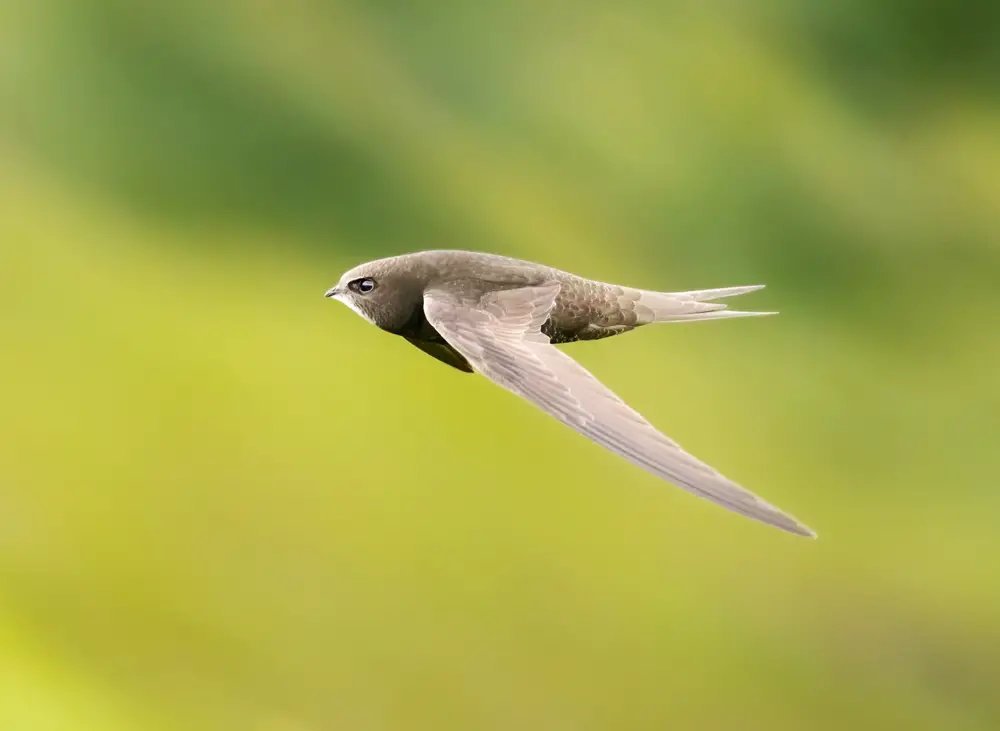
Chimney swifts created spectacular displays as hundreds gathered at dusk to roost in large chimneys, their chattering and swirling flights visible across towns and cities. Populations have declined 70%+ since 1970, with many chimneys that once hosted massive roosting flocks now empty. Modern chimneys with metal liners and caps exclude swifts, while many old suitable chimneys have been demolished or capped, and the overall insect decline reduces food availability for these aerial insectivores.
The loss of chimney swift roosts represents the disappearance of urban wildlife spectacles that required no special knowledge or effort to witness—they simply happened in towns and cities every evening. Younger people are often amazed when shown historical accounts or videos of chimney swift numbers, unable to believe such abundance was normal. Conservation efforts including tower construction specifically for swifts help some populations, but the species has transitioned from abundant to rare in much of its range, with the daily displays that defined summer evenings now occurring in only a few remaining locations.
13. Garter Snakes – The Harmless Serpent Shortage
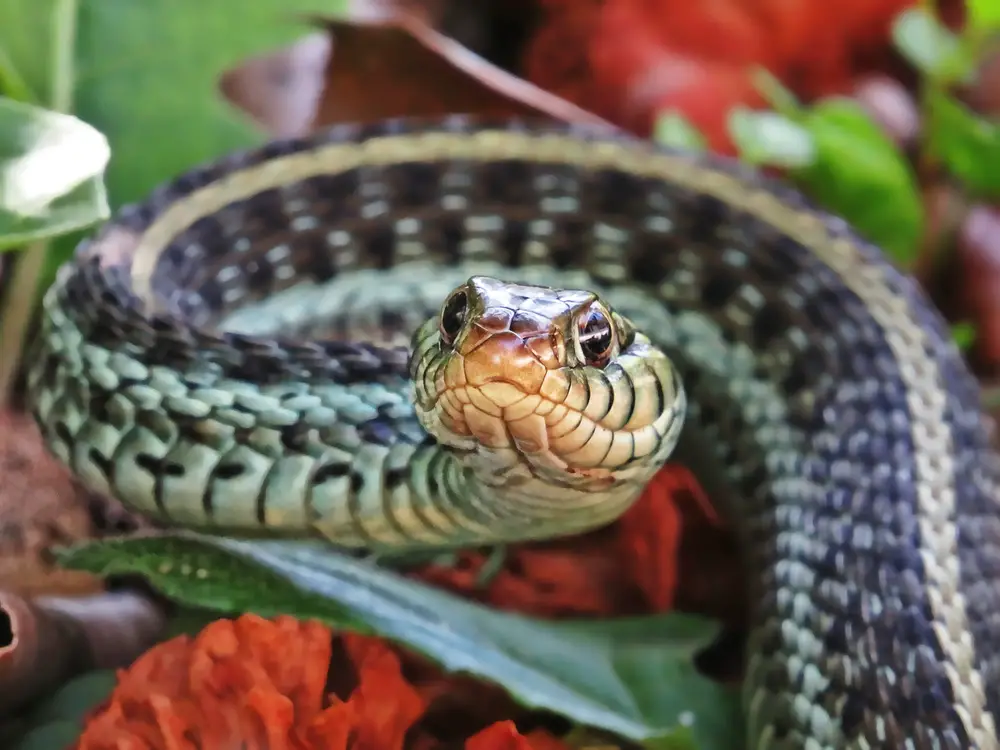
Garter snakes were the most commonly encountered snakes across much of North America, found in gardens, yards, parks, and fields with such regularity that most children grew up seeing them frequently. Populations have declined noticeably in many suburban and agricultural areas, with yards that once reliably had resident snakes now going years without sightings. The decline stems from habitat loss, pesticide exposure both direct and through depleted amphibian and invertebrate prey, rodenticide poisoning from eating contaminated prey, and direct killing by humans who fear all snakes.
The reduction in garter snake encounters means fewer opportunities for children and adults to learn that snakes are generally harmless and beneficial, perpetuating fear and ignorance. These snakes control pest populations and serve as prey for larger animals, and their decline indicates broader ecosystem problems affecting multiple trophic levels. Older naturalists and homeowners remember when finding garter snakes required no effort—they were simply there—while current generations might never encounter one despite living in suitable habitat, representing another severed connection to common wildlife.
14. Song Sparrows – The Backyard Bird Becoming Scarce
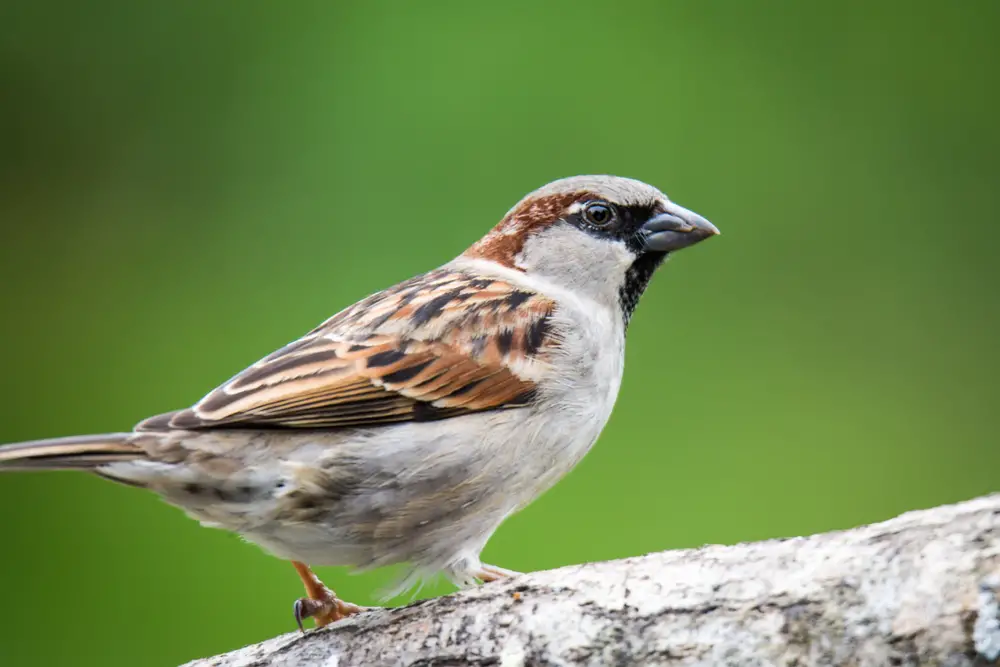
Song sparrows were among the most common and reliable backyard birds across North America, with their varied songs and year-round presence making them familiar even to non-birders. While not critically endangered, populations have declined 20-40% in many regions, with backyards that once had resident song sparrows now lacking them. The decline reflects habitat changes as yards become more manicured and less suitable, outdoor cat predation, pesticide use reducing insect availability for feeding young, and potentially climate changes affecting their territories and food sources.
The loss is subtle because song sparrows are small and easily overlooked, but longtime residents notice their absence when pointed out—the varied songs that once provided background music to outdoor activities have diminished or disappeared. The decline of such a common, adaptable species indicates that even generalist animals are struggling with modern conditions, suggesting that specialists and sensitive species face even greater challenges. The song sparrow’s reduction represents the broader phenomenon of “shifting baseline syndrome” where each generation accepts a more impoverished natural world as normal, not knowing the abundance that previous generations experienced.