
Walk into any veterinary clinic and ask the staff which breeds make them internally groan when they see the appointment on the schedule, and you’ll get surprisingly consistent answers. These aren’t the breeds people expect to be difficult—not the stereotypical aggressive or hyperactive dogs that everyone knows require special handling. These are the breeds marketed as perfect family pets, ideal companions, or easy-care dogs that turn out to be expensive, demanding, health-disaster nightmares that keep veterinary practices in business. The gap between what breeders and pet stores promise and what vets actually see in examination rooms is wide enough to drive a livestock trailer through.
1. French Bulldogs

French Bulldogs have become Instagram sensations and celebrity accessories, marketed as adorable low-maintenance apartment dogs perfect for urban living. The reality is a breed so fundamentally deformed by selective breeding that normal biological functions become medical emergencies requiring constant intervention. Their deliberately flattened faces create brachycephalic syndrome where they literally can’t breathe properly, leading to chronic respiratory distress, overheating in temperatures above 70 degrees, and frequent emergency vet visits when they collapse from oxygen deprivation.
The health problems extend far beyond breathing—spinal deformities, hip dysplasia, eye problems requiring surgery, skin fold infections, and digestive issues are standard in the breed. Veterinary costs for French Bulldogs routinely exceed $10,000 to $20,000 over their shortened lifespans, with many requiring multiple surgeries just to achieve a basic quality of life. Vets watch owners who paid $3,000 to $5,000 for a puppy from a breeder spend another $15,000 on surgeries and treatments within the first few years, all while the dog struggles with basic existence that normal dog anatomy would handle effortlessly.
2. Cavalier King Charles Spaniels
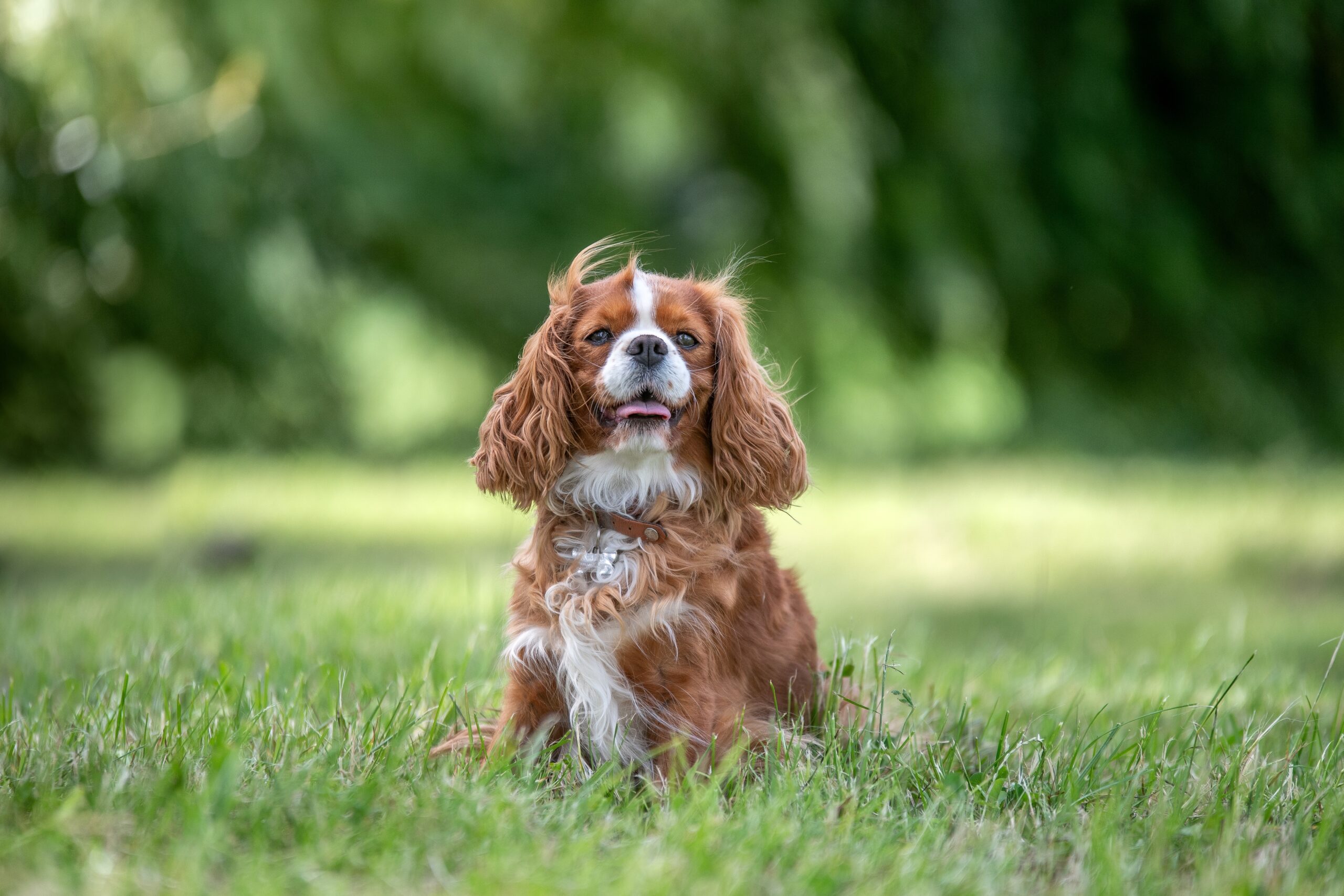
Cavaliers are marketed as the perfect gentle companion breed—sweet-natured, beautiful, and ideal for families or seniors wanting a loving lap dog. What marketing materials don’t mention is that the breed has been so badly damaged by inbreeding that nearly every Cavalier develops heart disease by age five, with mitral valve disease being essentially guaranteed. The neurological nightmare of syringomyelia, where the skull is too small for the brain and causes excruciating pain, affects a huge percentage of the breed and requires expensive MRI diagnosis and often ineffective treatment.
Vets see Cavalier owners devastated when their seemingly healthy young dog suddenly develops heart failure or starts screaming in pain from neurological issues that have no cure. The breed’s health problems aren’t occasional bad luck—they’re genetic certainties that responsible breeders acknowledge but that puppy buyers rarely understand until facing $5,000 to $8,000 in cardiac medications and monitoring. The tragic part is that these dogs have wonderful temperaments trapped in bodies that are genetically programmed to fail, creating heartbreak and financial devastation for families who thought they were getting a healthy companion breed.
3. Goldendoodles and Other Designer Doodles
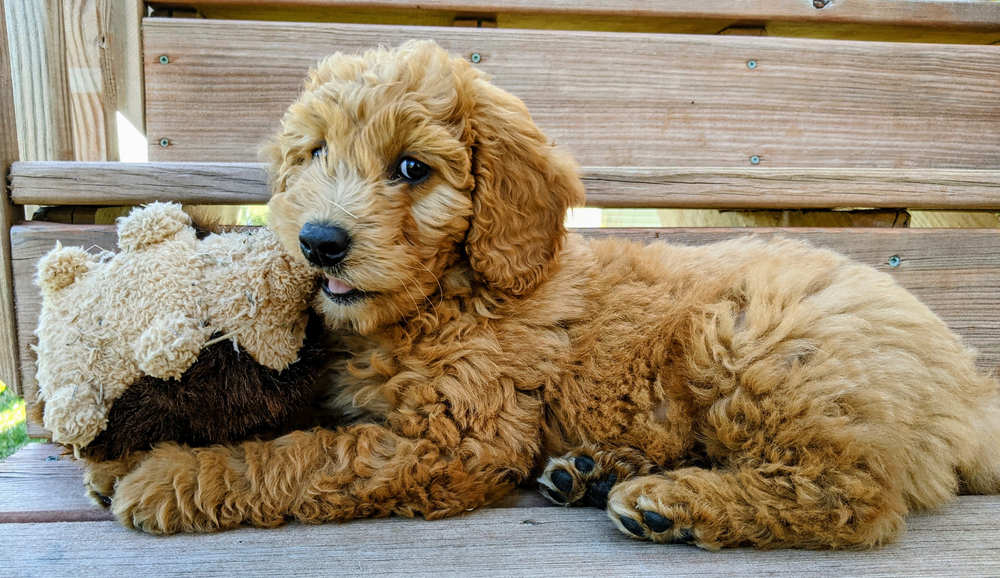
Doodles of all varieties are sold as hypoallergenic, low-shedding family dogs that combine the best traits of Poodles and retrievers without the drawbacks of either breed. The reality is unpredictable mixed breeds that often inherit the worst of both parents—Golden Retriever hip dysplasia and cancer rates combined with Poodle skin issues and ear infections. The coat that’s marketed as low-maintenance actually requires professional grooming every 6-8 weeks at $80 to $150 per session, and when neglected, becomes a matted, painful mess requiring sedation and shaving.
Veterinarians see frustrated Doodle owners who paid $2,000 to $4,000 for a designer mixed breed and discovered that hybrid vigor is a myth when irresponsible breeding creates genetic disasters. The dogs often have anxiety issues, joint problems, and the same cancer susceptibility as Golden Retrievers without any of the predictability that comes from established purebred lines. Groomers and vets both dread Doodles because the coats are nightmarish to maintain, and the dogs are often poorly bred from health-tested parent lines, creating expensive medical problems alongside the expensive grooming requirements.
4. English Bulldogs

English Bulldogs are iconic symbols of determination and loyalty, but they’re also walking veterinary emergencies that can barely function without human intervention. The breed has been deformed to the point where natural mating is often impossible and caesarean sections are required for most births because puppies’ heads are too large. Beyond reproduction issues, Bulldogs suffer from severe breathing problems, chronic skin infections in their excessive wrinkles, joint problems from their distorted builds, and heat intolerance that makes summer walks dangerous.
The lifespan is only 8-10 years despite being a medium-sized breed that should live much longer, and those short years are expensive and medically intensive. Veterinarians routinely see Bulldogs requiring $3,000 to $5,000 breathing surgeries, chronic medication for skin infections, and constant monitoring for the numerous health issues the breed faces. The dogs are sweet and personable, making it heartbreaking to watch them struggle with bodies that have been bred into dysfunction, and vets often counsel prospective Bulldog owners to reconsider the breed purely on welfare and financial grounds.
5. Dalmatians

Dalmatians look striking and have cultural cachet from movies, giving them a reputation as energetic but manageable family dogs. What Disney movies didn’t show is that Dalmatians have a genetic predisposition to deafness affecting 30% of the breed, urinary stones requiring dietary management and sometimes surgery, and behavioral issues from intense energy that most families can’t adequately channel. The deafness is particularly problematic because many owners don’t realize their dog is deaf until behavioral problems emerge from the inability to hear commands or environmental cues.
Veterinarians see Dalmatians with chronic urinary issues requiring prescription diets costing $80 to $120 monthly plus frequent monitoring for stone formation that can cause life-threatening blockages. The breed’s exercise needs are extreme—they were bred to run alongside carriages for miles—and insufficient activity creates destructive, anxious dogs with behavioral problems. The combination of medical issues, deafness concerns, and demanding exercise requirements makes Dalmatians a nightmare for average families who wanted a pretty spotted dog and got a high-maintenance medical case instead.
6. Shar-Peis
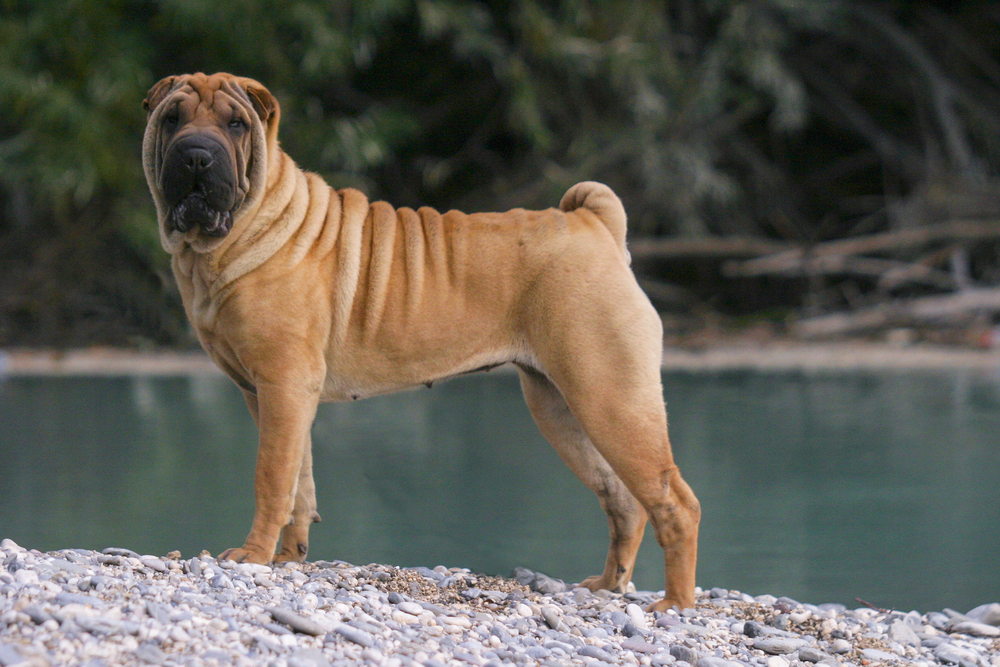
Shar-Peis are distinctive with their wrinkled skin and loyal temperament, marketed as unique companion dogs for owners wanting something different. Those adorable wrinkles are actually a genetic nightmare, causing chronic skin infections, eye problems requiring surgical correction when lids roll inward, and a breed-specific fever syndrome that causes recurring inflammation and potential organ damage. The skin folds trap moisture and bacteria, creating constant infections requiring medication and sometimes surgical reduction of excess skin.
Vets know that Shar-Pei ownership means chronic management of skin issues, frequent ear infections from the narrow ear canals, and monitoring for hereditary fever episodes that can be life-threatening. The breed often requires entropion surgery where eyelids are corrected so lashes stop scratching the cornea, a painful condition many Shar-Peis endure without treatment. Owners who fell in love with the unique appearance rarely anticipate spending thousands on skin treatments and surgeries to make the distinctive wrinkles medically manageable, and many Shar-Peis live in chronic discomfort from their deliberately exaggerated physical features.
7. Basset Hounds
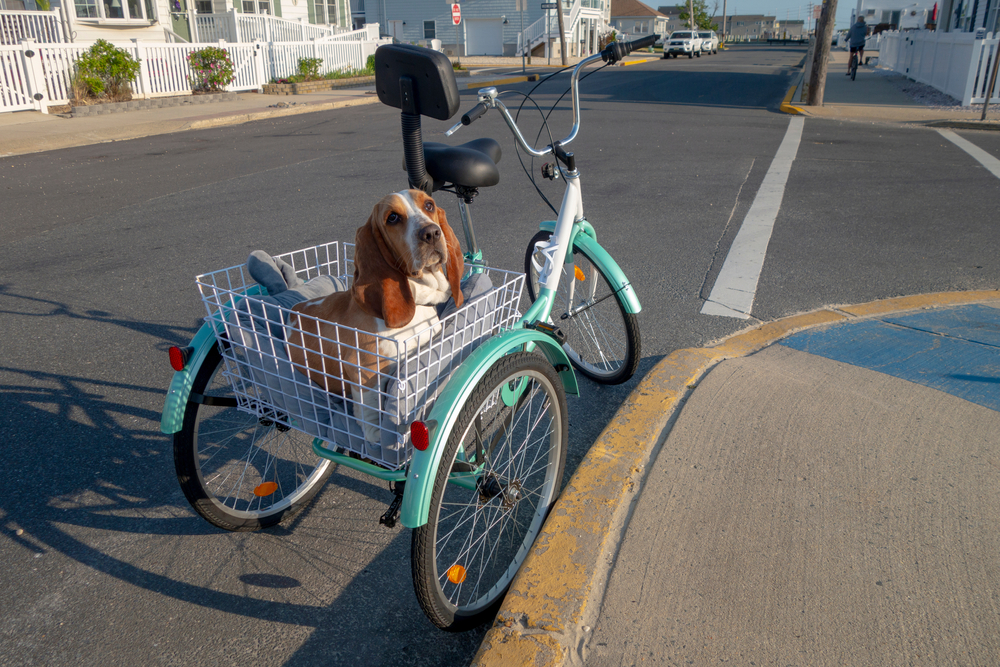
Basset Hounds seem like low-key, easygoing dogs perfect for families wanting a gentle companion that doesn’t require intense exercise. The reality is a breed plagued by spinal problems from their elongated backs, chronic ear infections from those long floppy ears, obesity issues from their low energy combined with food motivation, and joint problems from carrying excess weight on short deformed legs. Their laid-back nature, which seems appealing, is partly due to physical limitations from their distorted body structure.
Veterinarians see Basset Hounds requiring expensive spinal surgeries when discs herniate, chronic ear medications for infections that never fully resolve, and weight management struggles leading to diabetes and joint disease. The breed’s conformation makes them prone to bloat, a life-threatening emergency where the stomach twists, requiring immediate surgery costing $3,000 to $7,000. What seemed like a simple family dog becomes a medical management case requiring constant vigilance, dietary control, ear cleaning, and often thousands in veterinary expenses for structural problems built into the breed standard.
8. German Shepherds
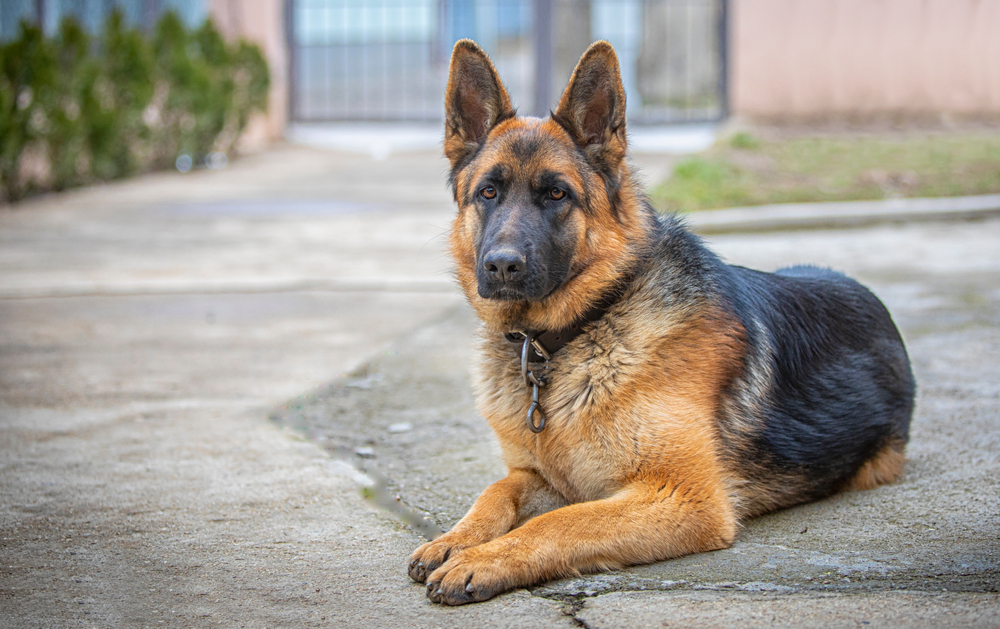
German Shepherds are intelligent, loyal working dogs with strong reputations as police and military animals, leading people to believe they’re robust and healthy. Modern breeding has created a breed plagued by crippling hip and elbow dysplasia, degenerative myelopathy causing progressive paralysis, chronic digestive issues, and a sloped back conformation that creates spinal problems. The working lines are generally healthier, but show-line German Shepherds often can’t even walk normally by middle age due to severe structural problems.
Vets watch German Shepherds develop rear-end weakness and paralysis from degenerative myelopathy with no treatment or cure, requiring euthanasia while the dog is otherwise healthy. Hip dysplasia requires expensive surgery or lifetime pain management, and the breed’s digestive sensitivity means chronic diarrhea, food allergies, and often prescription diets. Owners expecting a strong, capable working dog often get an animal requiring thousands in orthopedic surgery before age five and progressive neurological disease ensuring they won’t make it to old age, despite being bred from lines that should produce sound athletic animals.
9. Cocker Spaniels

Cocker Spaniels look like sweet, manageable family dogs with those big eyes and floppy ears that children love. The breed is actually prone to severe ear infections requiring constant maintenance, eye problems including cataracts and glaucoma, skin allergies causing chronic itching and infections, and a temperament issue called “Cocker rage” where some lines have unpredictable aggression. The ears that look adorable create perfect environments for bacterial and yeast infections that never fully clear without aggressive treatment.
Veterinarians see Cocker Spaniels needing ear medications constantly, sometimes requiring surgical ear canal ablation when infections destroy the ear canal beyond medical management. Eye problems require specialist referrals and expensive surgeries, skin allergies mean allergy testing, immunotherapy, and chronic medication to control itching. The sweet-looking family dog becomes a chronic medical case requiring grooming every 6-8 weeks, constant ear cleaning, allergy management, and thousands in veterinary expenses over a lifetime, shocking owners who expected a simple companion breed.
10. Pugs

Pugs are marketed as charming, funny companion dogs perfect for apartments and families wanting an affectionate small breed. They’re actually among the most compromised breeds, with breathing so severely impaired that snoring isn’t cute—it’s a symptom of oxygen deprivation. Their flattened faces cause chronic respiratory distress, overheating in normal temperatures, eye injuries from bulging eyes with inadequate socket protection, and skin infections in their facial wrinkles.
Vets routinely see Pugs requiring thousands in airway surgery just to breathe somewhat normally, eye injuries from minor bumps that would never affect normal dogs, and owners shocked by veterinary bills for a breed marketed as healthy and easy. The breed’s life is often a struggle—they can’t exercise without respiratory distress, they overheat dangerously, and their deliberately deformed anatomy creates constant medical issues. Many vets privately wish people would stop breeding and buying Pugs entirely, as the breed’s existence constitutes ongoing animal welfare concerns that no amount of surgery can fully correct.
11. Rottweilers
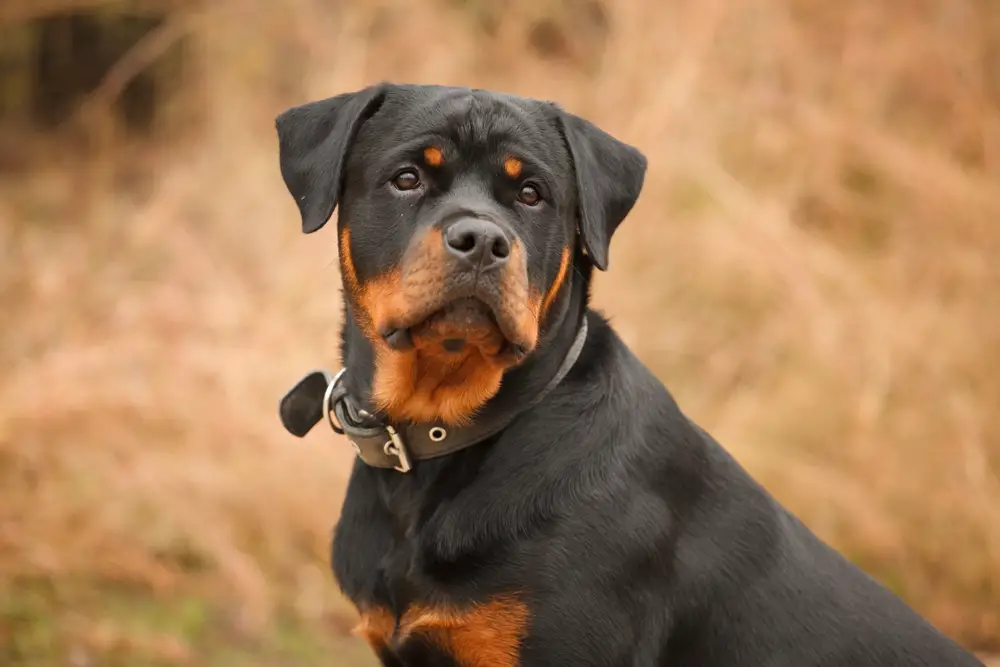
Rottweilers have reputations as tough, robust guard dogs that should be low-maintenance beyond training and socialization needs. The breed actually suffers from severe joint problems, heart disease, cancer at disturbing rates, and a short lifespan of only 8-10 years despite being a large breed. Hip and elbow dysplasia are common, requiring expensive surgeries or lifetime pain management, and osteosarcoma (bone cancer) kills many Rottweilers before they reach old age.
Veterinarians see Rottweiler owners devastated when their young, seemingly healthy dog develops aggressive cancer with few treatment options or requires $6,000 orthopedic surgery before age three. The breed’s health problems mean that the strong, capable guard dog often becomes mobility-impaired in middle age or dies young from cancer. The financial and emotional costs of Rottweiler ownership often exceed what families anticipated when they wanted a protective family dog, as the breed’s health issues create shortened lifespans and expensive medical interventions despite appearing tough and sturdy.
12. Shih Tzus

Shih Tzus are presented as perfect small companion dogs—portable, affectionate, and ideal for apartments or seniors wanting a lap dog. They’re actually high-maintenance nightmares requiring professional grooming every 6-8 weeks, constant eye care because their flattened faces cause chronic eye problems, dental disease from crowded mouths requiring expensive cleanings and extractions, and breathing issues from brachycephalic syndrome. Their long coats may mat impossibly without daily brushing, creating painful skin conditions when neglected.
Vets see Shih Tzus with chronic eye infections, corneal ulcers requiring specialist care, dental disease so severe that most teeth need extraction by middle age, and owners overwhelmed by grooming costs and medical needs. What seemed like a simple lap dog becomes a high-maintenance breed requiring more time and money than many large working breeds. The combination of grooming expenses, dental problems, eye issues, and breathing difficulties makes Shih Tzus far more demanding and expensive than their toy dog appearance suggests, shocking owners who wanted an easy companion.