
You think you’re the pack leader because your dog occasionally sits when commanded and comes inside when called. But subtle behaviors happening every single day reveal a completely different power dynamic—one where your dog has quietly assumed leadership while you’ve been oblivious to the signs. These aren’t about disobedience or aggression; they’re about a dog who’s decided that someone needs to be in charge around here, and since you’re not doing it, they’ll handle it themselves. The relationship you think you have—loving pet and responsible owner—might actually be more like indulgent servant and furry household dictator.
1. They Walk Through Doorways Before You
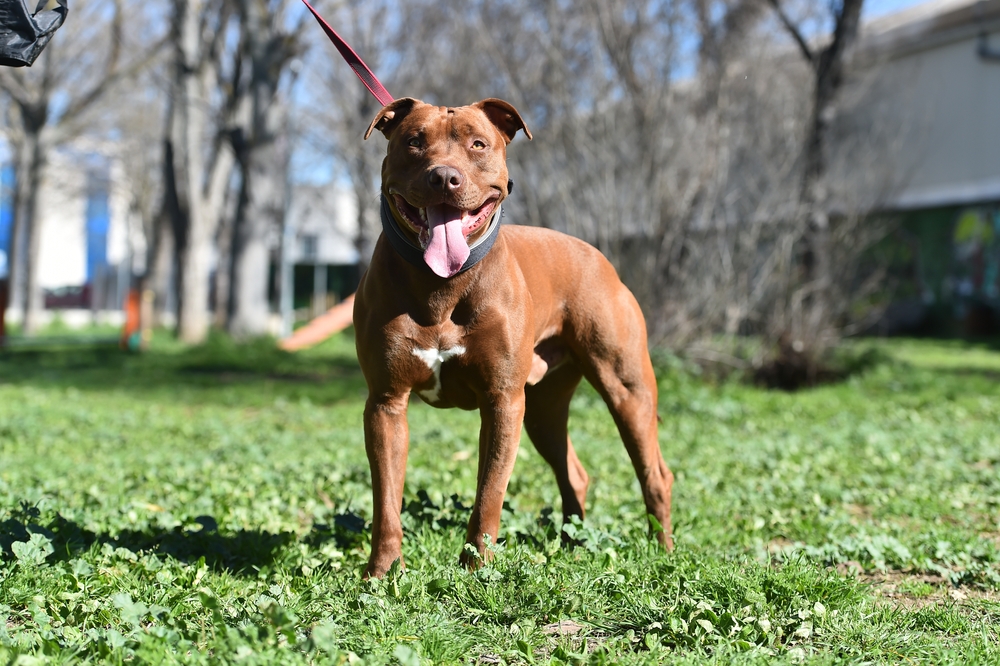
A dog who consistently pushes past you to go through doors first, whether entering the house, going outside, or moving between rooms, is claiming leadership privilege. In pack dynamics, the leader goes first because they’re responsible for assessing danger and controlling access to resources and territory.
Your dog isn’t just excited or impatient—they’re taking the leadership role of determining when and how the pack moves through spaces, relegating you to follower status.
2. They Sleep in Your Bed and Won’t Move
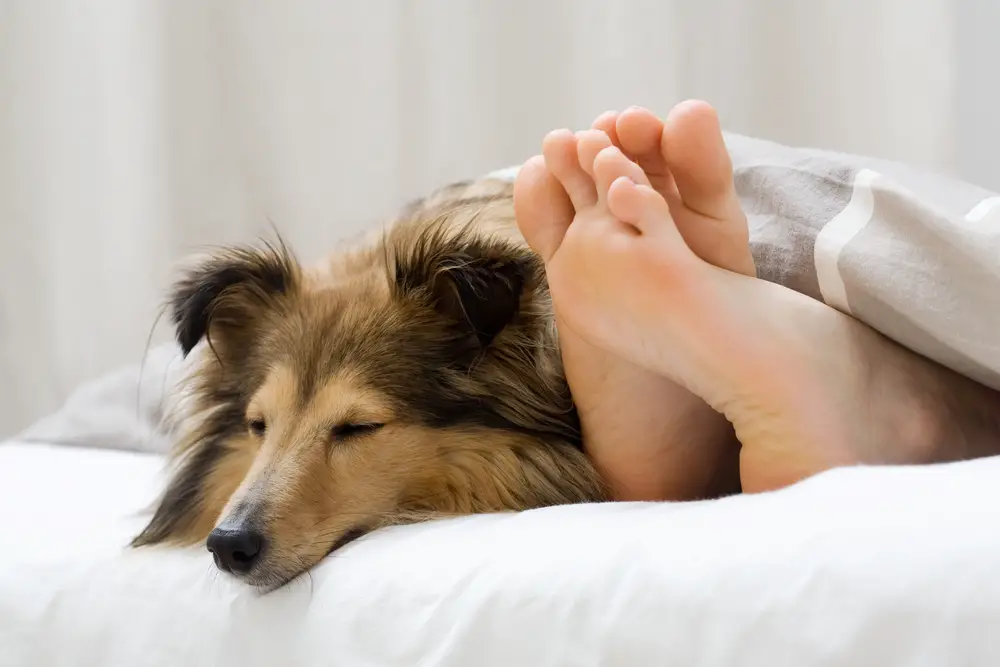
Allowing your dog on the bed isn’t the problem—it’s when they claim the best spot, refuse to move when asked, or even growl when you try to reclaim space. Resource control, especially of prime sleeping locations, is a leadership behavior where the dominant individual gets first choice of comfortable spots.
If your dog is sprawled across the pillows while you’re curled in the corner apologizing for needing space in your own bed, the power dynamic is crystal clear.
3. They Eat First or Demand Food During Your Meals
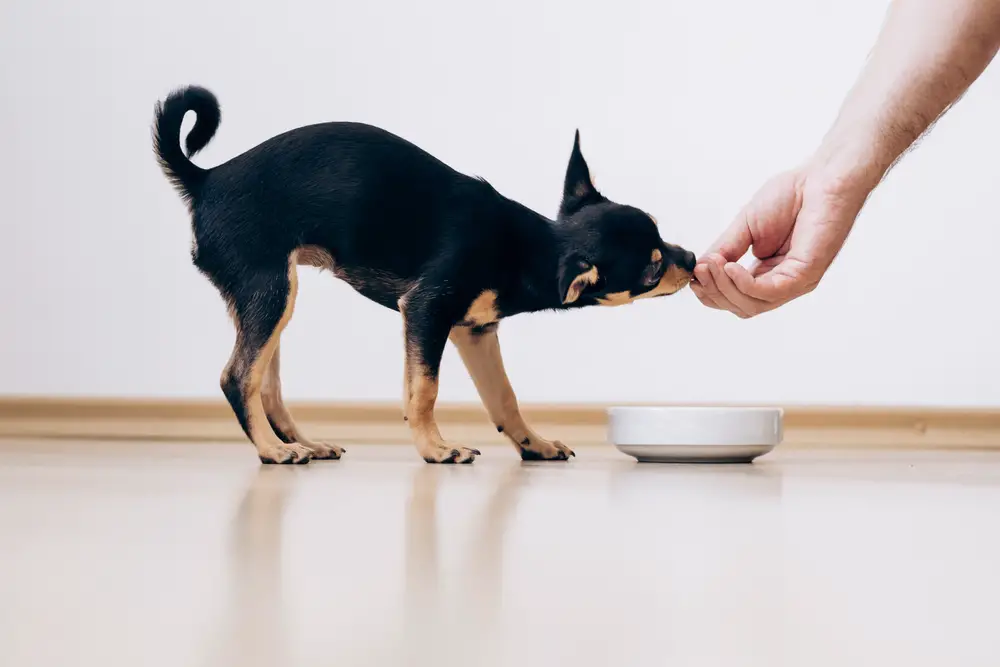
A dog who expects to be fed before you eat, begs aggressively during your meals, or refuses to wait patiently while you prepare their food is asserting priority access to resources. In pack structure, leaders eat first while subordinates wait their turn, so a dog demanding immediate feeding or your food is claiming higher status.
The seemingly cute begging or food-motivated behavior is actually your dog insisting that their nutritional needs take priority over yours.
4. They Decide When Walks Begin and End
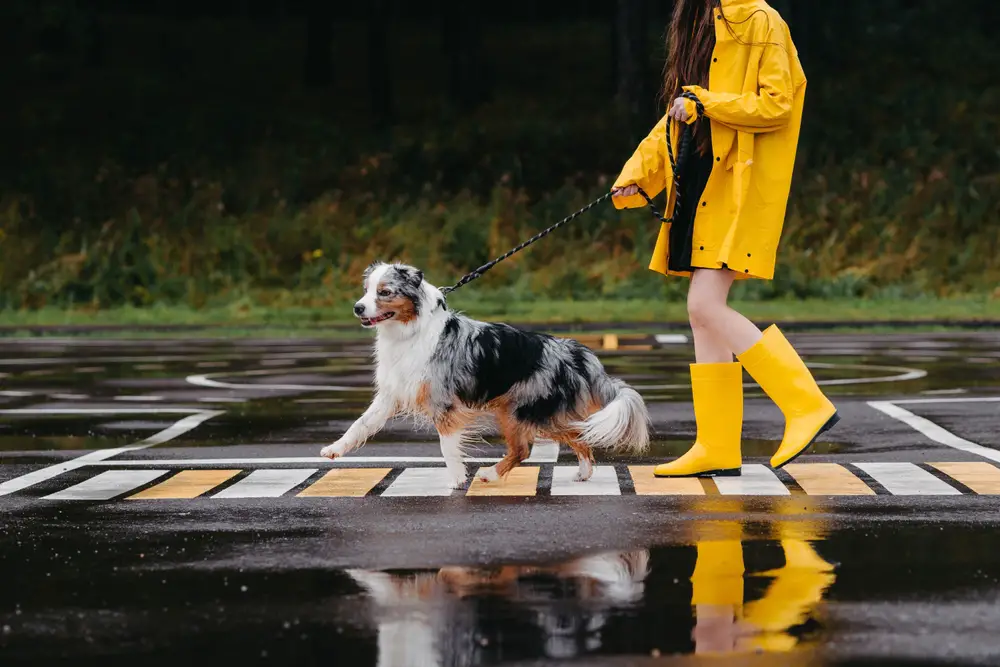
If your dog brings you the leash when they decide it’s walk time, pulls relentlessly toward their preferred route, and determines when the walk is over by refusing to move further, they’re controlling the activity. Leaders initiate movement and choose direction while followers comply, so a dog who won’t walk the route you choose or literally drags you to where they want to go has assumed command.
The walk that’s supposed to be your decision and your exercise has become an outing your dog directs while you hold the leash and pretend you’re in control.
5. They Position Themselves Higher Than You

A dog who consistently chooses to lie on furniture, stairs, or elevated positions where they’re physically above you is claiming status advantage. Height equals status in canine social structures, with higher-ranking individuals taking elevated positions to survey territory and demonstrate dominance.
Your dog who always takes the back of the couch, lies on the stairs blocking passage, or climbs to be above you isn’t just finding comfortable spots—they’re literally and figuratively looking down on you.
6. They Ignore Commands Until They Feel Like Complying
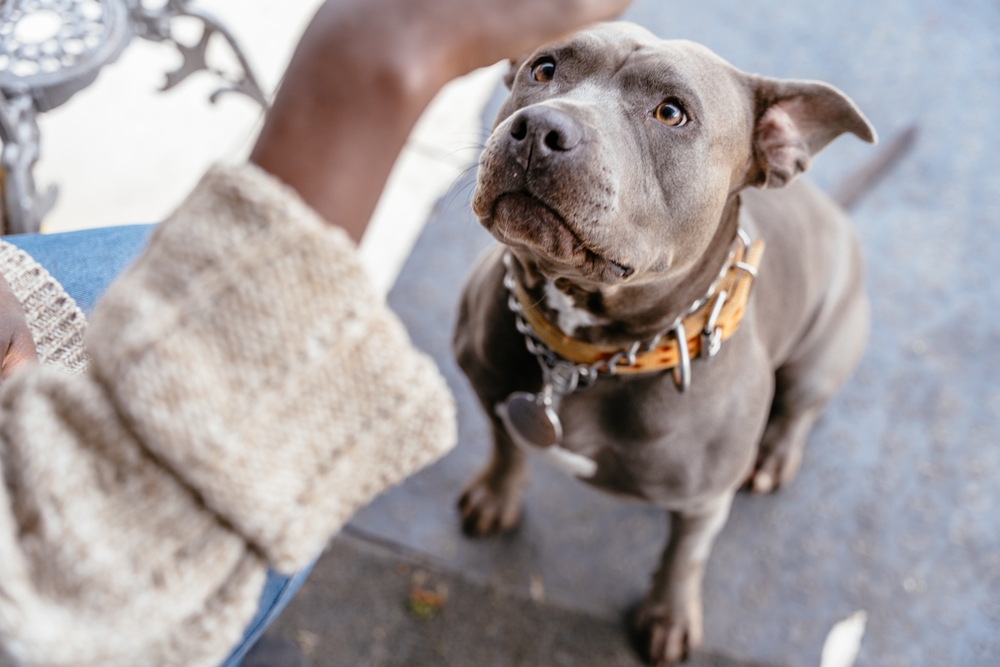
Selective hearing where your dog clearly hears you but chooses to ignore commands until the third or fourth repetition shows they’re deciding when cooperation happens. A dog who truly respects your leadership responds immediately to commands, while one who makes you repeat yourself is establishing that compliance is optional and on their schedule.
The frustrating need to escalate your voice or repeat “come” ten times isn’t a training failure—it’s your dog demonstrating that your authority is negotiable.
7. They Block Your Path or Refuse to Move
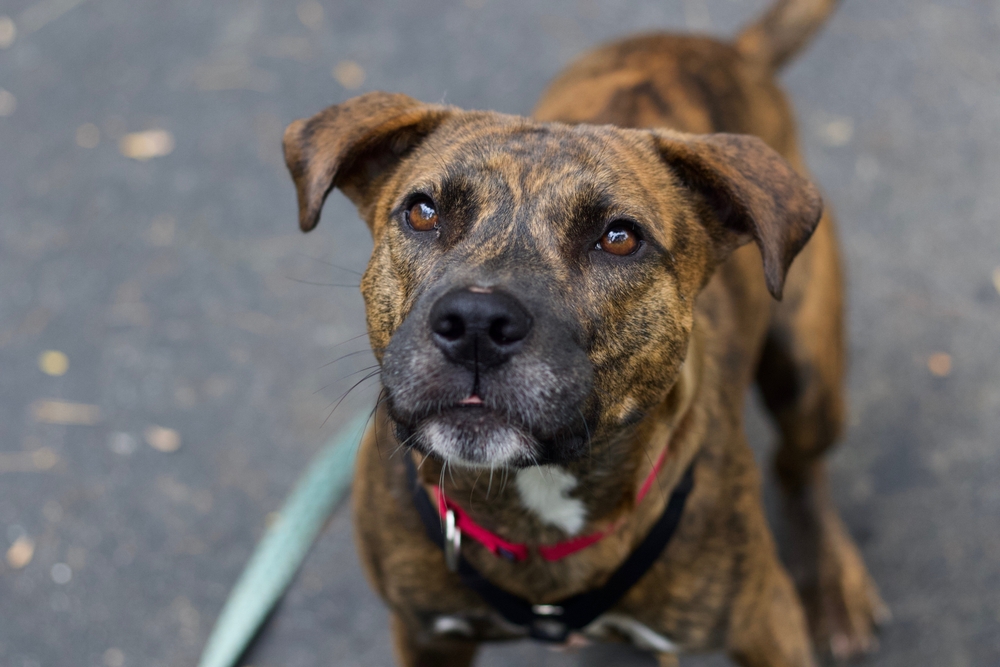
Dogs who plant themselves in doorways, hallways, or in front of furniture you’re trying to access are controlling your movement through space. This space-claiming behavior asserts the right to determine where you can and cannot go, a leadership privilege they’re exercising.
If you find yourself stepping over or around your dog instead of asking them to move, or they refuse to budge when you do ask, they’ve established physical control over household geography.
8. They Demand Attention and Affection on Their Schedule
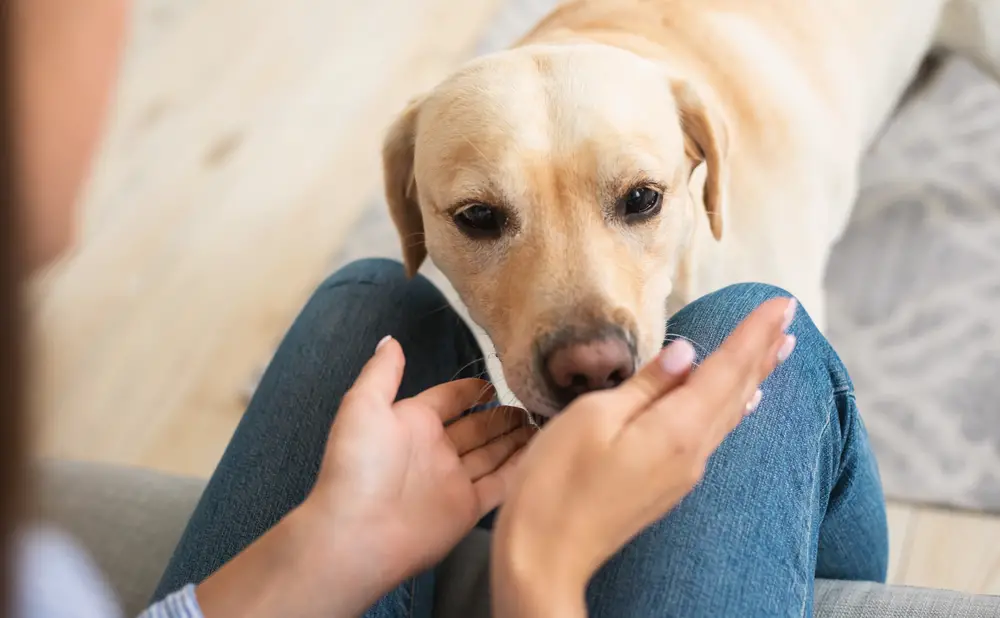
A dog who paws at you, nudges you, barks, or otherwise insists on attention when they want it—regardless of what you’re doing—is dictating interaction terms. Leaders initiate contact while subordinates wait to be called, so a dog demanding pets, play, or attention is asserting their right to command your focus.
The behavior that seems sweet or affectionate is actually your dog requiring that you drop everything to meet their emotional needs immediately.
9. They Protect Resources From You

Resource guarding where your dog growls, stiffens, or shows teeth when you approach their food bowl, toys, or sleeping spot is a clear dominance display. These items exist in your home that you provide, yet your dog is claiming ownership and defending them from you as if you’re the threat.
A dog who guards resources from their owner has completely inverted the hierarchy, treating you as a potential thief rather than the provider and leader.
10. They Lean or Push Against You Constantly
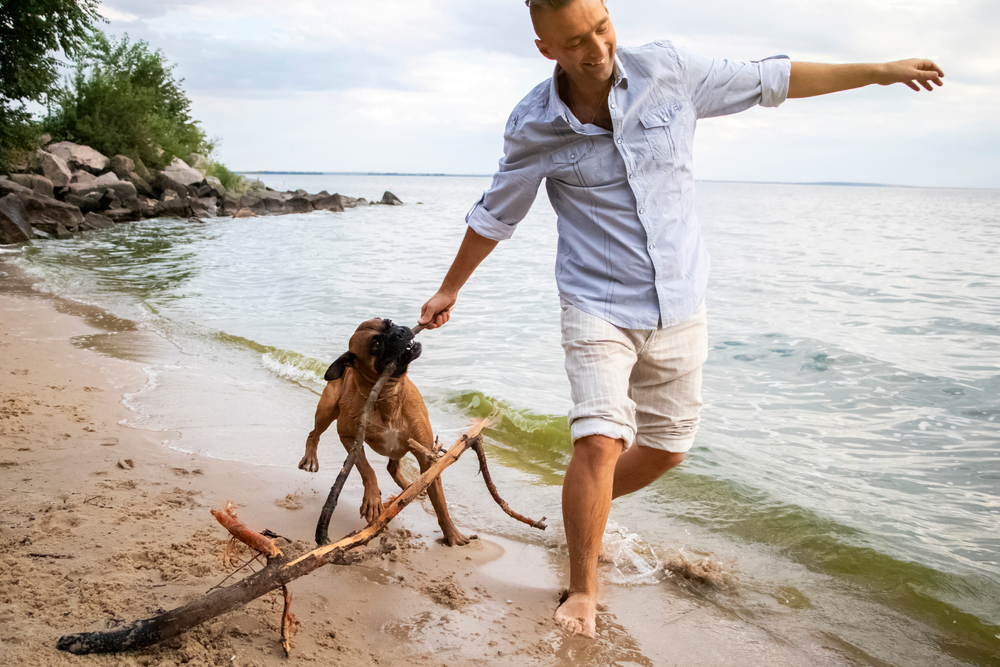
Dogs who constantly lean their full body weight against you or push into your space aren’t just being affectionate—they’re testing and asserting physical dominance. This pressure-based behavior assesses whether you’ll hold your ground or yield space, with yielding signaling acceptance of their higher status.
If you find yourself automatically shifting position when your dog leans into you or giving up your spot when they push against you, you’re reinforcing their physical dominance.
11. They Refuse to Make Eye Contact or Stare You Down
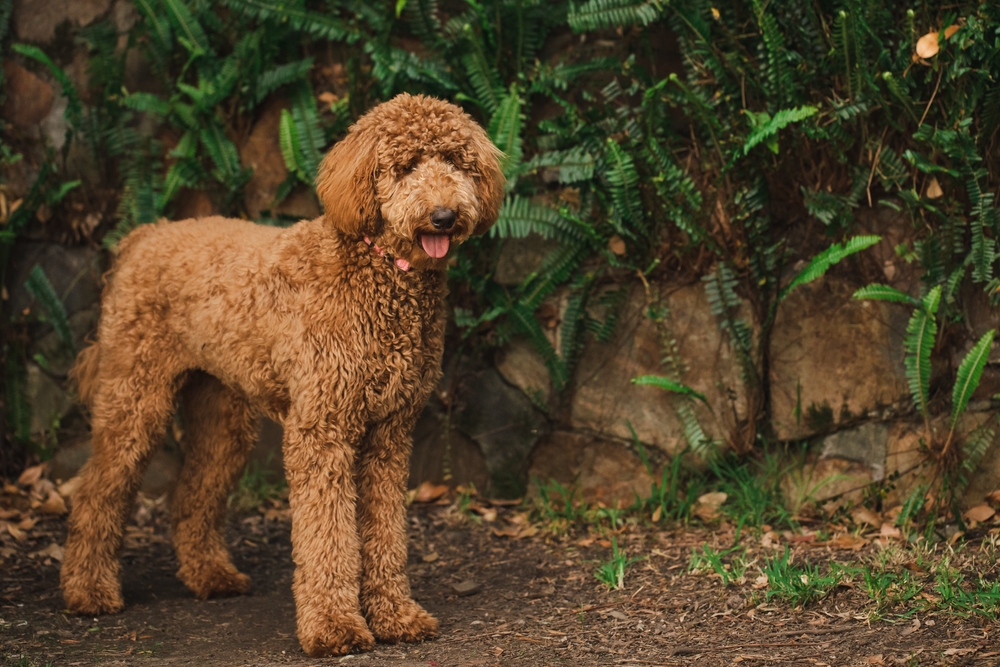
A dog who avoids eye contact when being corrected is showing disrespect and dismissal of your authority rather than submission. Conversely, a dog who holds prolonged, hard eye contact is challenging you and asserting dominance through the canine equivalent of a stare-down.
Either behavior—refusal to acknowledge or aggressive challenging through eye contact—demonstrates a dog who doesn’t accept your leadership position.
12. They Choose When Training Sessions End

During training, if your dog decides they’re done and simply walks away or refuses to continue regardless of your attempts to re-engage, they’re controlling the interaction. Leaders determine when activities begin and end, so a dog who terminates training sessions on their schedule has claimed that authority.
The seemingly stubborn or distracted behavior is actually your dog exercising their right to decide what happens and when, with your preferences being merely suggestions they can ignore.
13. They Get Upset When You Leave Without Them
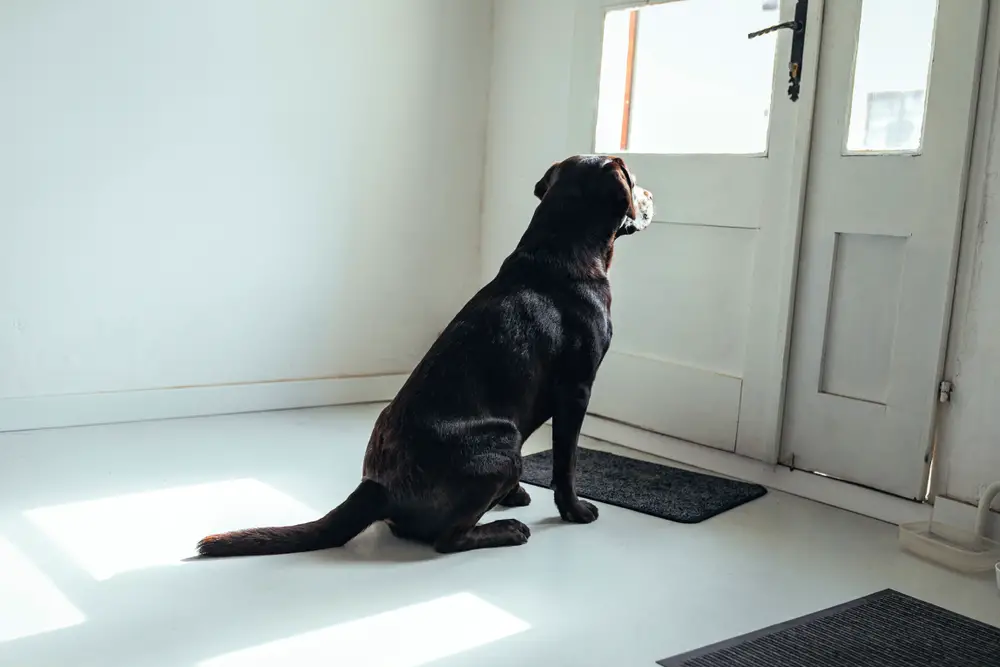
Separation anxiety isn’t always about attachment—sometimes it’s about a dog who believes they’re responsible for you and objects to you leaving their supervision. A dog who acts distressed, destructive, or controlling when you try to leave sees themselves as your guardian and caretaker, not the other way around.
The anxiety and protest behaviors aren’t just emotional distress; they’re objections from a dog who thinks they’re in charge of your safety and disapproves of your independent decisions.
14. They Greet Visitors Before You Give Permission
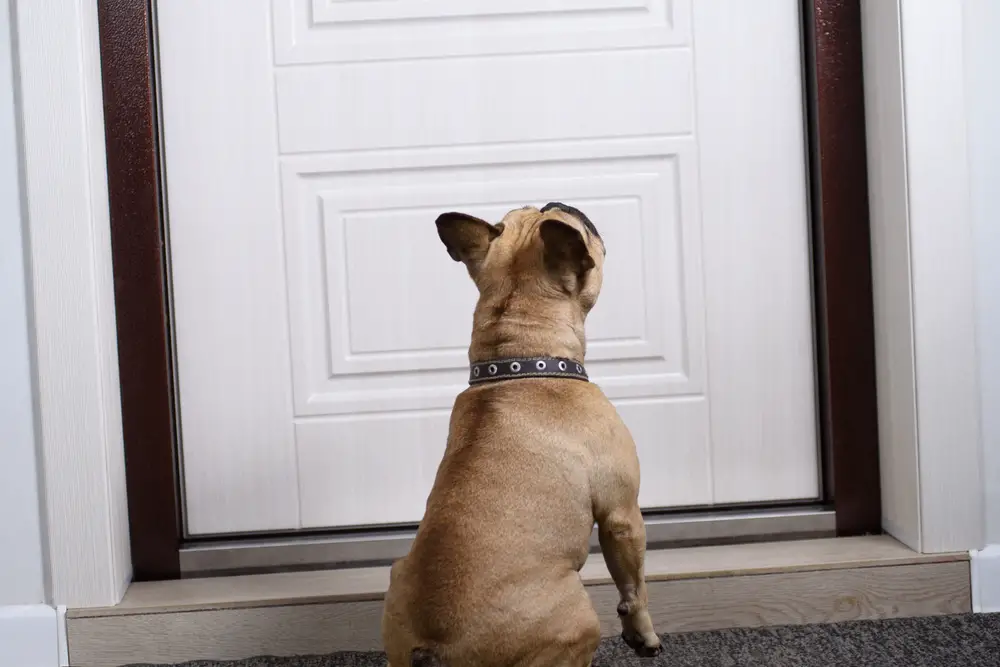
A dog who rushes the door when visitors arrive, jumping on guests and controlling the greeting before you’ve even opened the door completely, is assuming the role of household host. In leadership hierarchy, the leader controls access to territory and determines how newcomers are greeted and integrated into the space.
Your dog who bowls over guests, demands their attention first, and generally takes charge of arrivals has appointed themselves as the household authority who manages social interactions and territorial access.