
A pit bull in rural Montana made headlines after refusing to leave his deceased owner’s side for four days in freezing temperatures and heavy snowfall. The dog, a three-year-old named Tank, stayed with his owner’s body after the man suffered a fatal heart attack during a winter hike, enduring sub-zero temperatures and blizzard conditions until searchers finally located them. While the story captivated people as a testament to canine loyalty, it also reveals something far more primal—dogs possess remarkable physiological and behavioral adaptations that allow them to survive extreme weather conditions that would kill most humans in hours.
1. Pit Bulls Have Dense Muscle Mass That Generates Heat
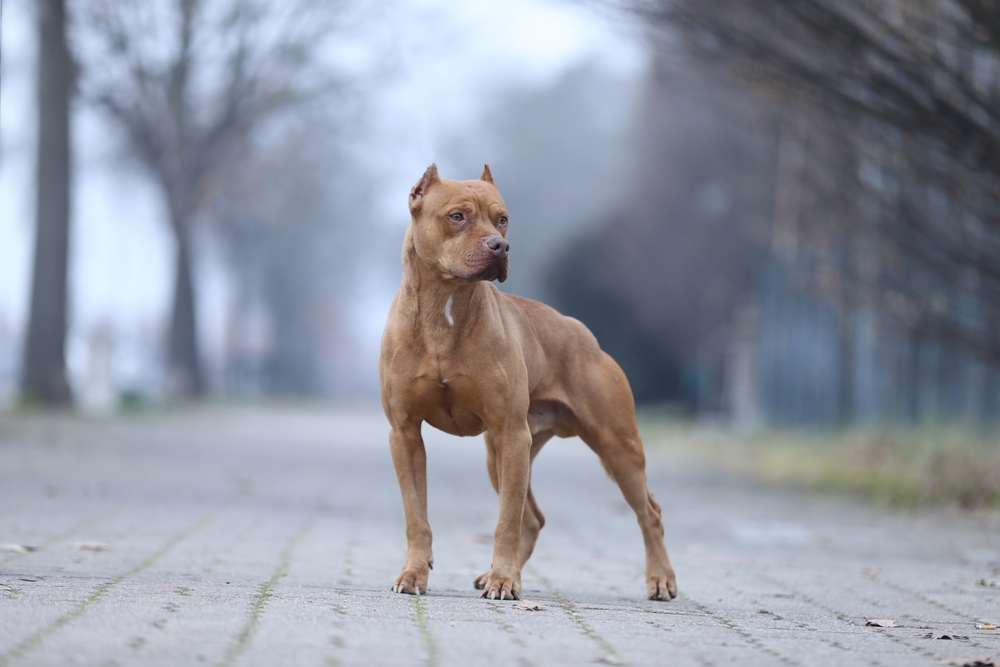
Tank’s survival hinges partly on pit bulls’ muscular build, which naturally generates more body heat than leaner breeds. Muscle tissue is metabolically active, producing heat as a byproduct of cellular processes even at rest. A 60-pound pit bull carries significantly more muscle mass than a similarly-sized greyhound or whippet, giving breeds like Tank a crucial advantage when ambient temperatures plummet.
This muscular advantage explains why working and fighting breeds historically survived harsh conditions better than their slender counterparts. The continuous low-level heat production from dense muscle helps maintain core body temperature without the dog needing to shiver constantly, which depletes energy reserves rapidly. However, this same muscularity means pit bulls require substantially more calories to fuel that metabolism, which becomes critical during extended exposure when food isn’t available.
2. Dogs Conserve Energy Through Behavior, Not Hibernation
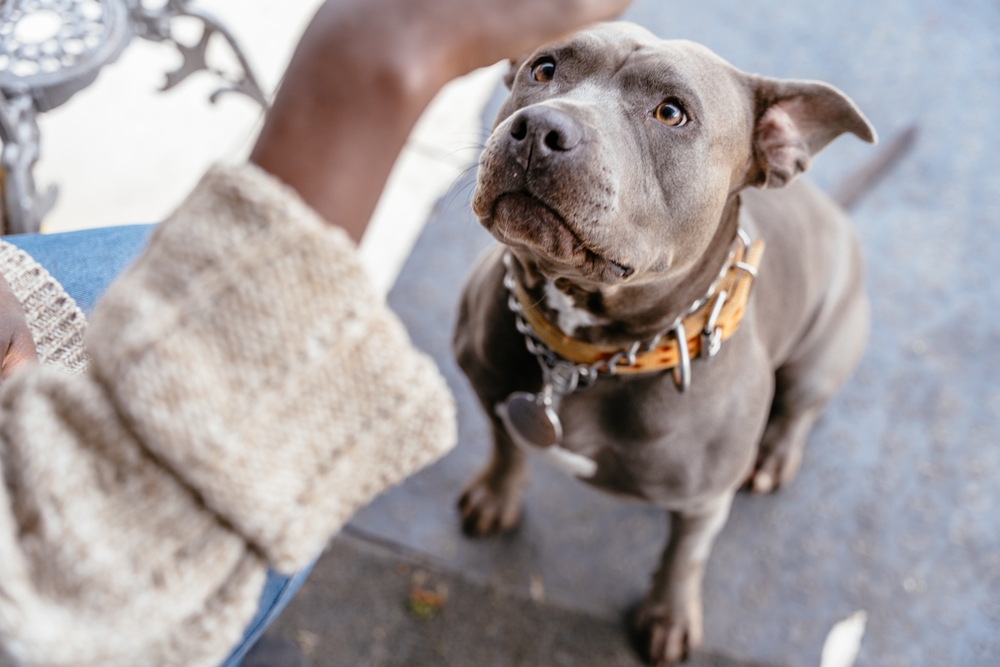
Dogs do not enter true hibernation or torpor like some wildlife species, but they do conserve energy through instinctive behavioral changes during extreme cold and food scarcity. In survival situations, dogs drastically reduce unnecessary movement, spend long periods resting, and adopt curled body positions that minimize heat loss.
This behavioral conservation helps slow calorie depletion without requiring specialized physiological shutdown. These responses are inherited survival strategies shaped by thousands of years of exposure to harsh environments, even if modern dogs rarely need to rely on them.
3. Snow Can Reduce Wind Exposure but Is Not a Reliable Heat Source
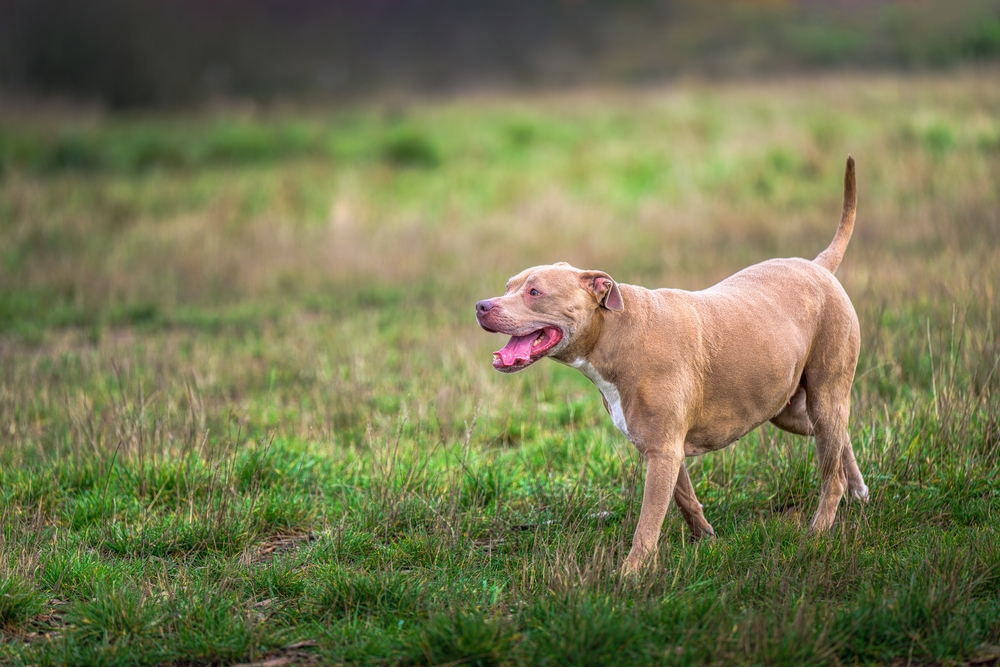
Snow can help reduce heat loss primarily by blocking wind rather than by actively warming the animal. When dogs dig shallow depressions or lie against snowbanks, they may experience less convective heat loss because wind is prevented from stripping away body heat.
However, snow itself remains cold and does not provide warmth unless paired with the animal’s own heat production. Survival depends on sheltering from wind and limiting exposure, not on snow raising ambient temperatures to safe levels.
4. Double-Coated Breeds Have Advantages, But Any Dog Can Adapt
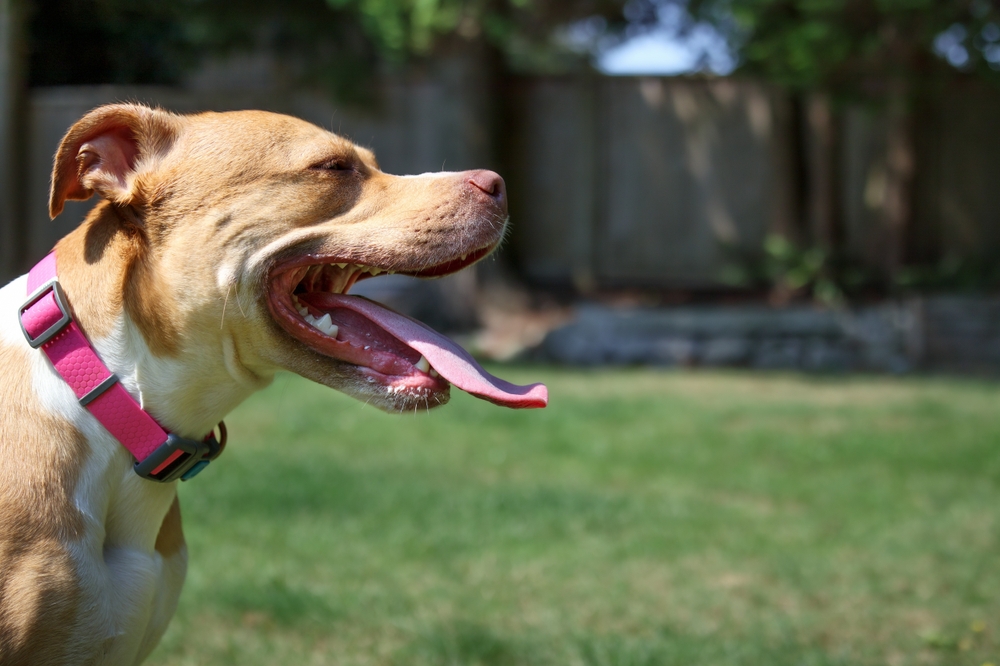
While Tank’s short pit bull coat seems like a disadvantage compared to double-coated breeds like Huskies or Malamutes, dogs have a remarkable ability to fluff their existing fur to trap air and create insulation. The tiny muscles attached to each hair follicle (the same ones that cause goosebumps in humans) erect the fur, creating dead air space that reduces heat loss. Even short-haired dogs show this piloerection response, though it’s far less effective than a thick double coat.
Tank’s survival despite his thin coat demonstrates that other factors—body mass, fat reserves, shelter-seeking behavior, and metabolic adaptation—can sometimes compensate for poor insulation. However, double-coated breeds in the same situation would have had significantly better odds, with their dense undercoat providing the equivalent of a high-quality winter jacket. The reality is that Tank survived despite his coat type, not because of it, and his outcome could have easily been different.
5. Dogs Can Survive Short Periods Without Food but Face Rapid Dehydration

Dogs are generally able to survive several days without food by relying on stored body fat, but dehydration becomes life-threatening much faster, even in cold conditions. Access to water remains critical because dehydration impairs circulation and temperature regulation, increasing the risk of hypothermia and frostbite.
Snow can serve as a limited hydration source if ingested gradually, though doing so still places strain on the body. Survival in cold environments depends far more on hydration and shelter than on food intake over short periods.
6. Curling Up Reduces Heat Loss Without Guaranteeing Survival

Dogs instinctively curl into tight positions during cold exposure, tucking their legs and noses close to their bodies to reduce surface area and slow heat loss. This posture helps conserve body heat and is a common mammalian response to cold stress.
While effective as a short-term strategy, it does not prevent hypothermia indefinitely, especially during prolonged exposure. Curling up improves survival odds but does not eliminate the dangers posed by extreme cold.
7. Breed History Influences Cold Weather Survival
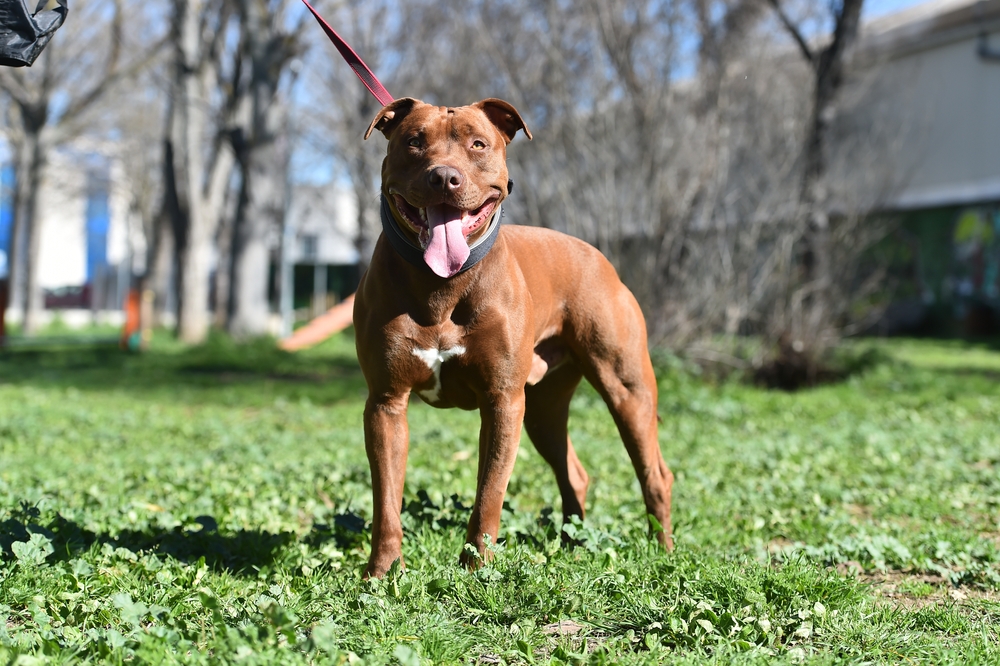
Pit bulls were developed in England and later in America for fighting, and later as farm dogs, not for arctic conditions. Their thin, single-layer coats reflect their origins in temperate climates where extreme cold wasn’t a primary selective pressure. This makes Tank’s survival even more remarkable—he succeeded in an environment his breed wasn’t designed for, relying on general canine adaptations rather than breed-specific advantages.
Contrast this with breeds like Siberian Huskies, Alaskan Malamutes, or Tibetan Mastiffs, which were specifically bred in extreme cold environments and possess not just thick double coats but also different fat distribution, smaller ears to prevent frostbite, and even slightly different metabolic profiles optimized for cold. A Husky in Tank’s situation would have faced the same challenge of no food, but the temperature itself would have been far less life-threatening, almost comfortable compared to what pit bulls are adapted to handle.
8. Frostbite Risk Depends on Extremities and Duration
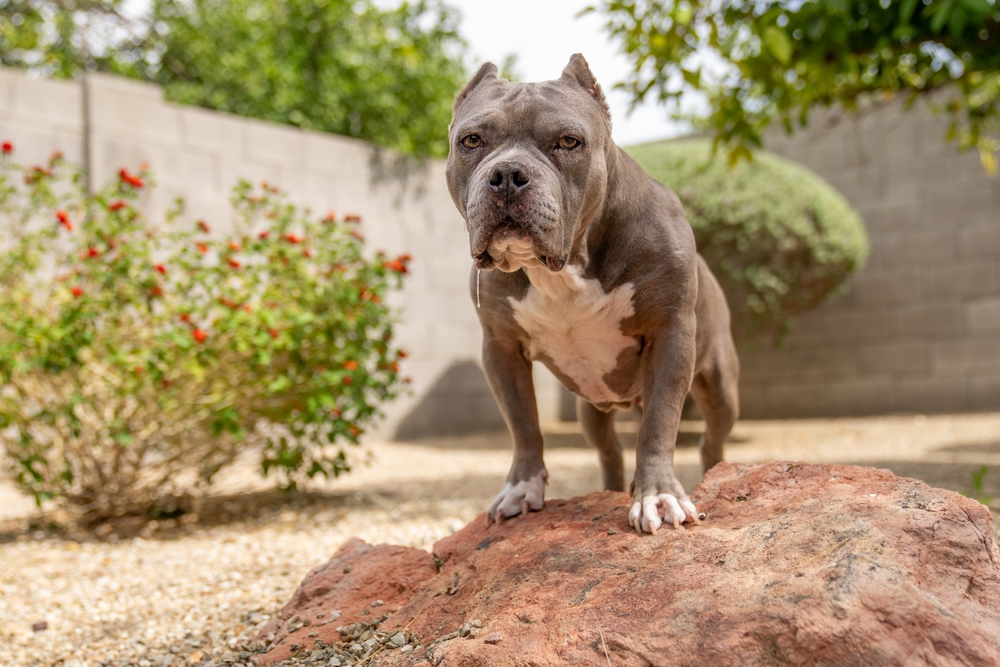
Tank was at serious risk of frostbite on his ears, paw pads, and possibly his tail tip after four days in sub-zero conditions. These extremities have poor circulation during cold stress as the body prioritizes keeping vital organs warm. Paw pads, despite being remarkably tough, freeze when in contact with snow and ice for extended periods, and ears lack the muscle mass and fat to generate or retain heat.
The progression of frostbite follows a predictable pattern—first, the tissue feels cold and numb, then it becomes hard and pale as ice crystals form in the cells. If exposure continues, the tissue dies and eventually sloughs off. Tank’s rescuers likely found him with hardened, discolored extremities that required veterinary intervention. Some dogs lose ear tips, tail ends, or parts of their paw pads to frostbite after extreme exposure, though the tissue may recover if the damage isn’t too severe and circulation is carefully restored.
9. Calm Behavior Conserves Energy Without Assuming Emotional States
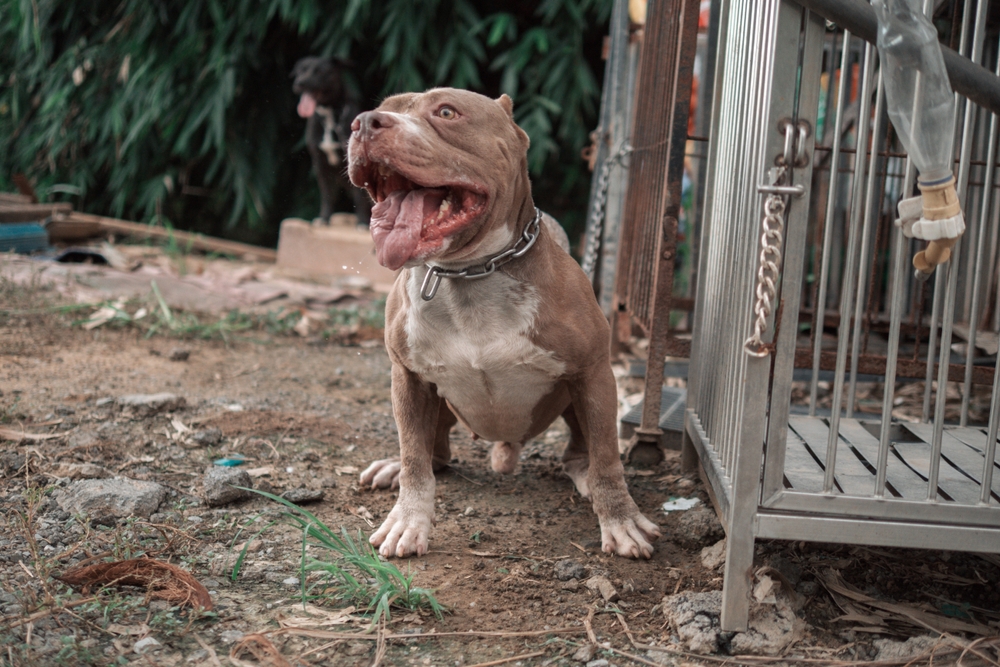
Remaining stationary during emergencies can help dogs conserve energy by limiting movement and exposure, regardless of the emotional reason behind the behavior. Reduced pacing, running, or vocalizing lowers calorie expenditure and heat loss. While stress can increase energy use in animals, it is not possible to determine an individual dog’s hormonal or emotional state without direct measurement.
What matters from a survival standpoint is behavior—staying put conserves resources more effectively than wandering.
10. Wind Chill Creates the Real Danger in Winter
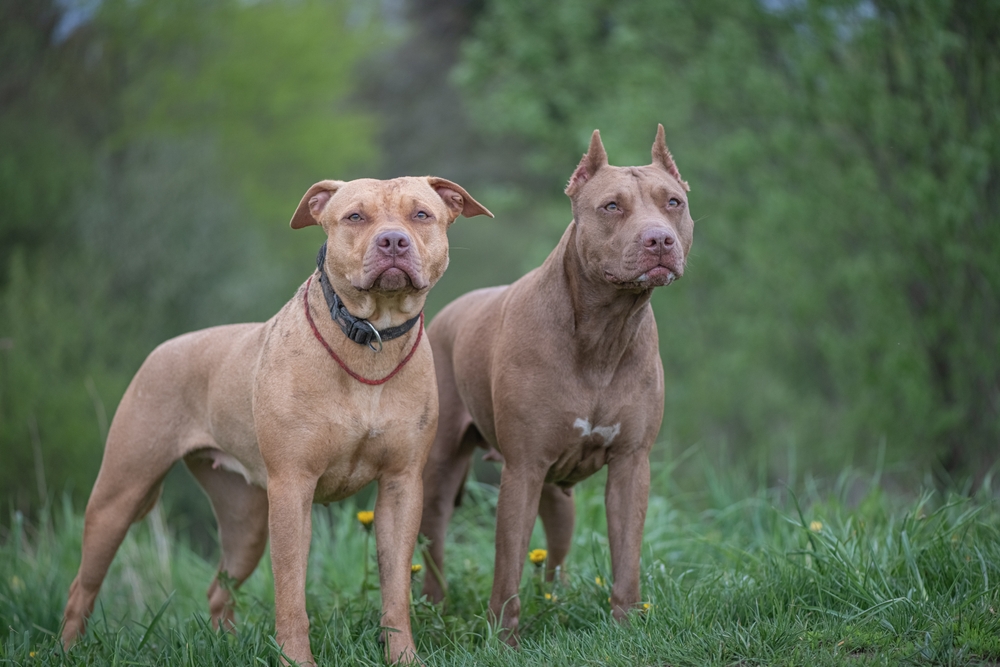
The actual air temperature during Tank’s ordeal matters less than the wind chill, which dramatically accelerates heat loss from exposed skin and fur. A 20-degree Fahrenheit day with 30 mph winds creates a wind chill equivalent to -5 degrees, and the rate of heat loss increases exponentially. Tank’s survival depended heavily on finding shelter from wind, whether in a snow depression, behind rocks, or in vegetation.
Wind strips away the thin layer of warm air that accumulates next to a dog’s skin and in their fur, replacing it constantly with frigid air that pulls heat from their body. This convective heat loss is why wind chill can kill even when the actual temperature might be survivable. If Tank had been exposed on a windswept ridge for four days, he almost certainly wouldn’t have survived, regardless of his other adaptations. His ability to find or create a windbreak was likely the single most important factor in his survival beyond access to water.
11. Search Dogs Work in Cold Conditions with Specialized Support
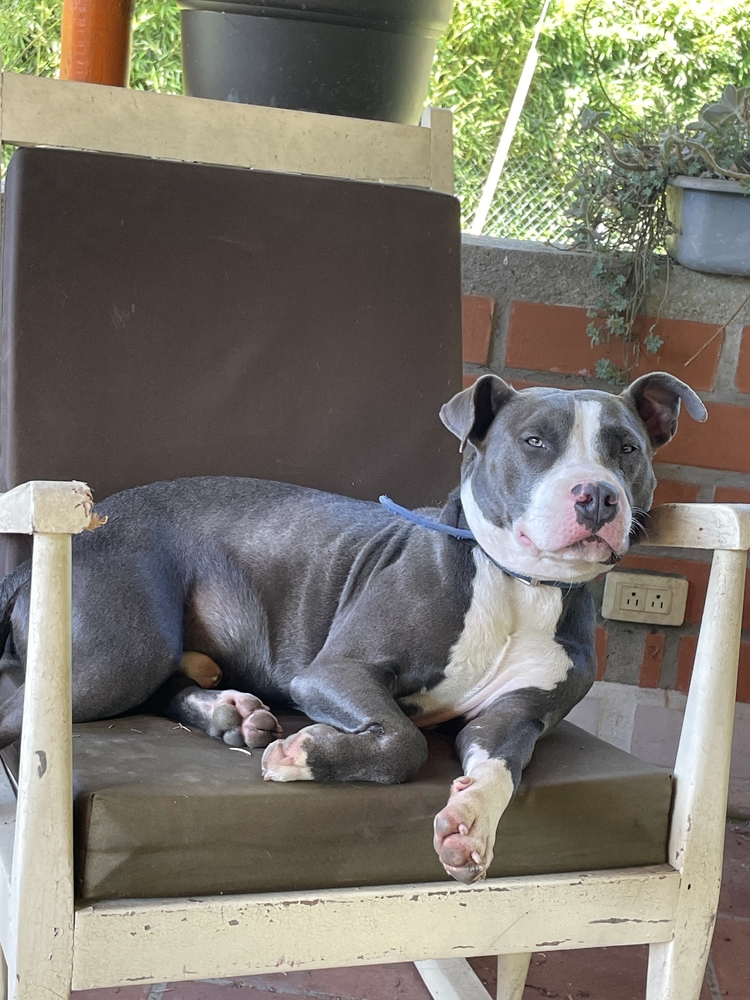
Search-and-rescue dogs are capable of operating in cold and snowy environments, but their effectiveness depends on training, conditioning, and handler support. Cold temperatures can affect scent movement and tracking patterns, requiring adjustments in search strategy.
These working dogs are typically well fed, frequently rested, and protected from prolonged exposure, which distinguishes their situation from that of a stranded animal. Their success highlights how movement, nutrition, and shelter dramatically alter cold-weather survival outcomes.
12. Recovery from Cold Exposure Requires Gradual Veterinary Care
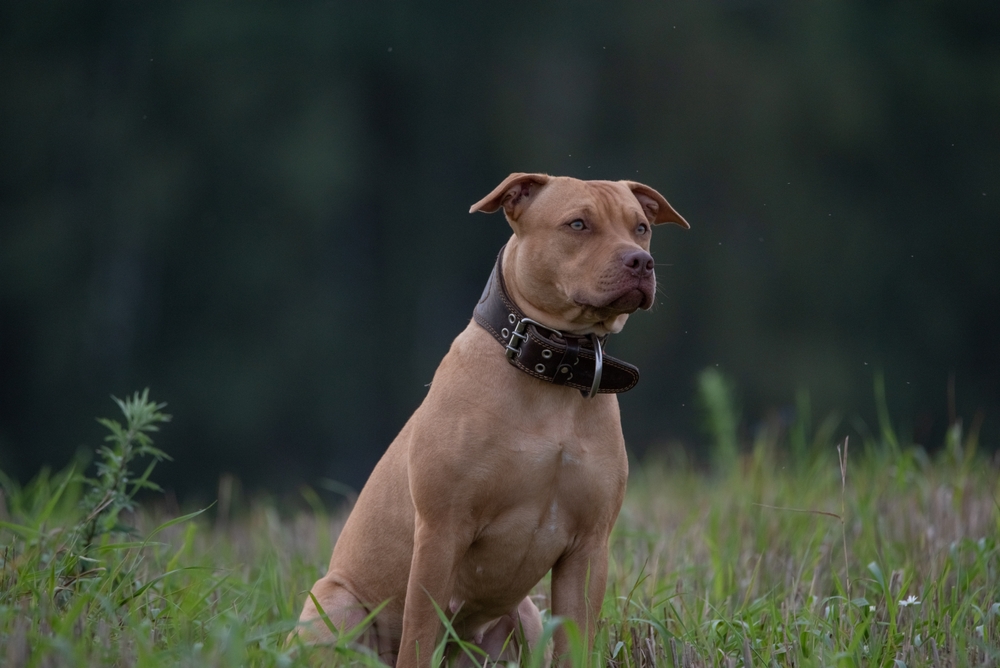
Dogs rescued after prolonged cold exposure require careful monitoring and controlled rewarming under veterinary supervision. Sudden temperature changes can stress the cardiovascular system, particularly if extremities are significantly colder than the core.
Treatment typically focuses on slow warming, hydration, and assessment for frostbite or organ strain. Even when a dog survives initial rescue, complications may appear days later, making follow-up care essential.