
Bringing home a puppy usually involves a significant financial commitment, but some breeds command prices that rival down payments on homes or brand-new vehicles. The world’s most expensive dogs carry hefty price tags for various reasons—extreme rarity, challenging breeding programs, celebrity endorsements, or simply because wealthy buyers create demand that breeders can capitalize on. These aren’t your neighborhood shelter rescues; they’re status symbols, genetic marvels, or ancient breeds with waiting lists years long.
1. Tibetan Mastiff – The Million-Dollar Guardian ($5,000-$1,500,000)
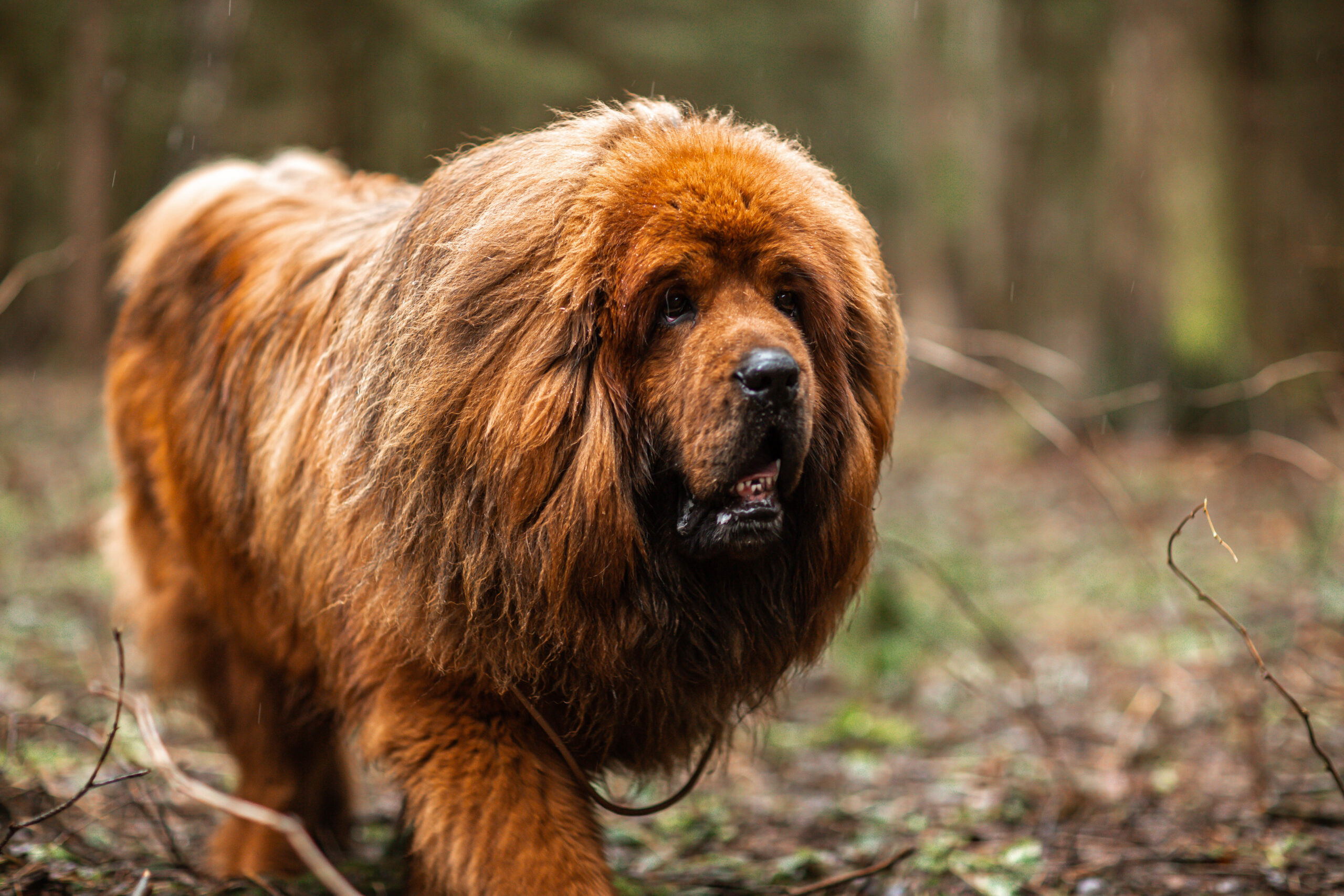
Tibetan Mastiffs hold the record for the most expensive dog ever sold—a red mastiff named Big Splash fetched $1.5 million in China, where these massive guardian dogs symbolize wealth and status. These ancient livestock guardians from the Himalayas can weigh 150 pounds or more, with thick double coats and a lion-like mane that makes them look even more imposing. Their rarity outside of Tibet, combined with their independent, protective nature and the prestige they carry in Asian markets, drives prices into stratospheric territory for top specimens.
Even average Tibetan Mastiffs from reputable breeders start around $5,000-$10,000, with show-quality or specifically colored dogs climbing much higher. The breed requires experienced owners who understand their strong-willed temperament and territorial instincts, making them unsuitable for most families despite their impressive appearance. Their maintenance costs are equally substantial—grooming that thick coat, feeding a giant breed, and dealing with potential health issues like hip dysplasia means the initial price is just the beginning of the financial commitment.
2. Samoyed – The $14,000 Smiling Cloud ($4,000-$14,000)
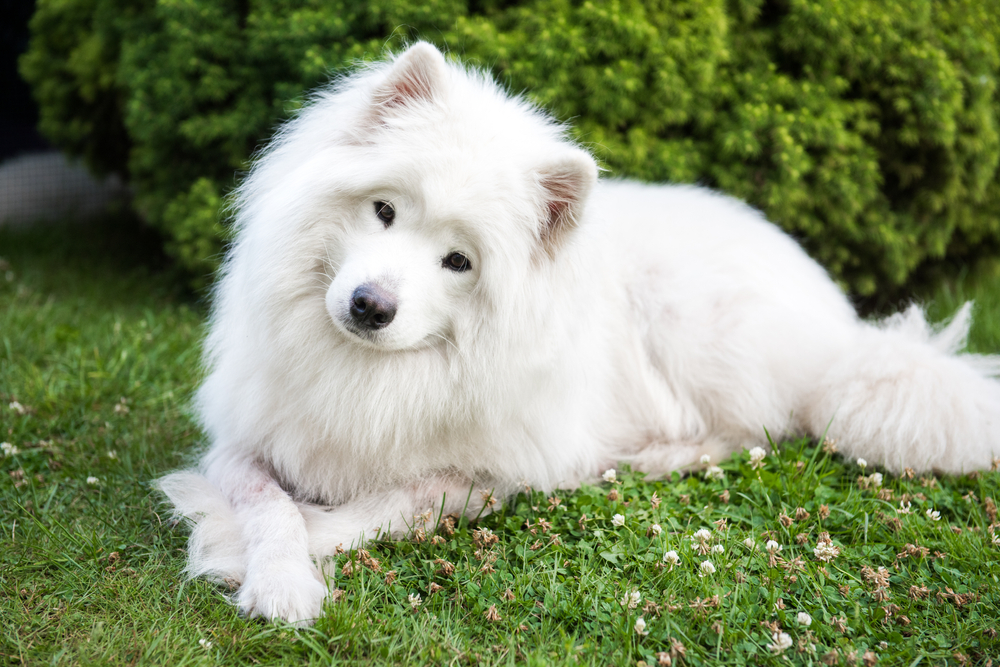
Samoyeds command premium prices for their stunning white coats, perpetual “Sammy smile,” and friendly dispositions that make them excellent family companions. These Arctic spitz-type dogs were bred by the Samoyede people of Siberia to herd reindeer and pull sleds, giving them both beauty and working ability. Their pure white double coats require extensive grooming—professional grooming every 6-8 weeks plus daily brushing at home—and they shed prodigiously twice a year in events owners call “blowing coat.”
The breed’s popularity on social media has driven prices upward as people fall in love with their photogenic appearance and gentle temperaments. Well-bred Samoyeds from health-tested parents easily cost $4,000-$7,000, with show prospects or dogs from champion bloodlines reaching $10,000-$14,000. They’re prone to expensive health issues, including hip dysplasia (this will, sadly, be a recurring theme), progressive retinal atrophy, and diabetes, meaning lifetime veterinary costs can add tens of thousands to their price tag.
3. English Bulldog – The $6,000 Wrinkle Factory ($3,000-$6,000)

English Bulldogs consistently rank among the most expensive breeds due to the extreme difficulty and cost of breeding them. Most Bulldogs cannot breed naturally due to their body structure—artificial insemination is standard—and the majority require C-sections to deliver puppies safely, with surgical costs running $1,500-$3,000 per litter. These breeding challenges, combined with small litter sizes of just 3-4 puppies, mean breeders must charge high prices to cover their costs and make breeding financially viable.
The breed’s health problems are legendary and expensive, including breathing difficulties from their flat faces, skin fold infections, joint problems, and heat sensitivity that makes them vulnerable in warm climates. Buyers pay $3,000-$6,000 for puppies knowing they’ll likely spend significantly more over the dog’s lifetime on veterinary care than the initial purchase price. Despite these challenges, Bulldogs remain wildly popular for their affectionate, low-energy personalities and distinctive appearance that makes them instantly recognizable.
4. Chow Chow – The Blue-Tongued Luxury ($3,000-$9,000)
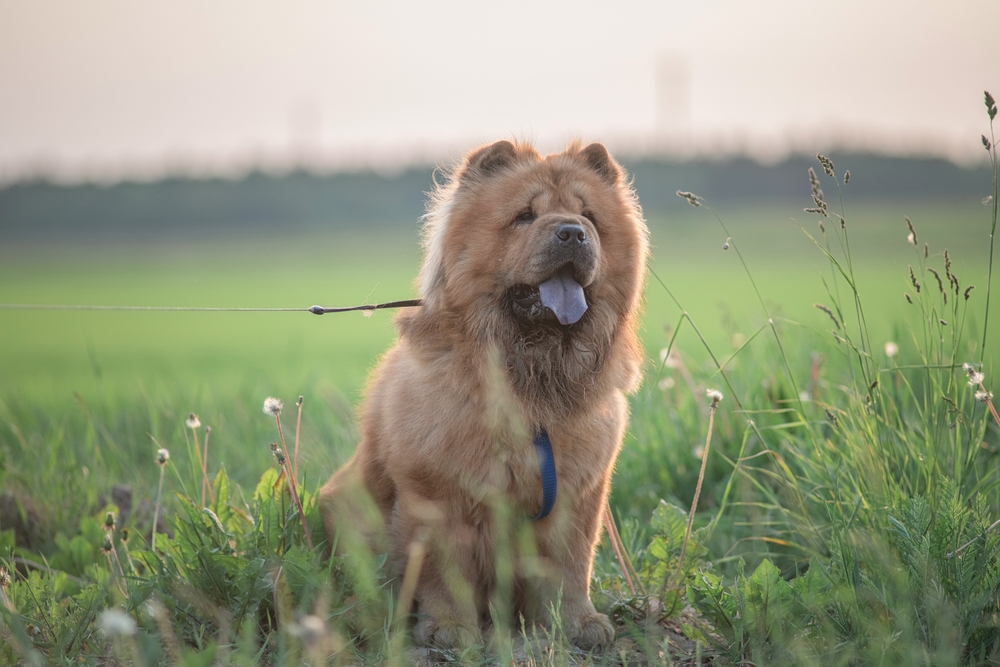
Chow Chows are ancient Chinese dogs with distinctive blue-black tongues, lion-like manes, and aloof personalities that make them expensive and somewhat controversial companions. These dignified dogs were bred for guarding, hunting, and even as food sources historically, giving them strong independence and wariness of strangers. Their striking appearance—especially in rare colors like blue or cream—combined with relatively low numbers in breeding programs, keeps prices high at $3,000-$5,000 for pet-quality dogs and $6,000-$9,000 for show prospects.
The breed requires owners who respect their cat-like independence and don’t expect eager-to-please obedience or friendliness toward everyone they meet. Chows need extensive socialization to prevent aggression, and their thick double coats demand regular grooming despite their sometimes resistant attitude toward handling. Health issues, including hip dysplasia, elbow dysplasia, and eyelid problems, add ongoing expenses, and their stubbornness can make training challenging enough that professional help becomes necessary.
5. Lowchen – The Rare Little Lion Dog ($5,000-$8,000)
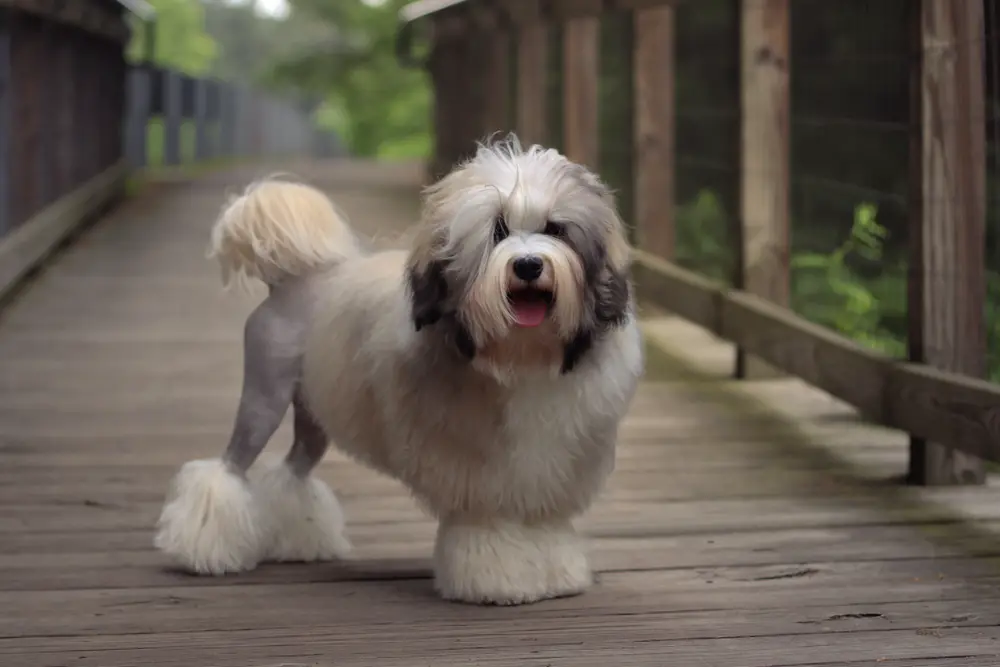
Lowchens hold the distinction of being one of the rarest dog breeds in the world, which directly translates to their high prices. These “Little Lion Dogs” were favored by European nobility and nearly went extinct in the early 20th century before dedicated breeders worked to save them. With fewer than a few hundred registered annually in the United States, finding a Lowchen puppy means joining waiting lists with breeders and paying $5,000-$8,000 for the privilege.
Despite their small size—typically 10-18 pounds—Lowchens are surprisingly sturdy, confident little dogs with outgoing personalities and relatively few health problems compared to many toy breeds. Their distinctive lion clip (shaved hindquarters with a full mane and plumed tail) requires professional grooming, and their long coats need regular maintenance even in pet clips. The combination of extreme rarity, healthy genetics, and charming temperaments keeps demand higher than supply, ensuring prices remain elevated for the foreseeable future.
6. Rottweiler – Premium Protection at a Price ($2,500-$10,000)
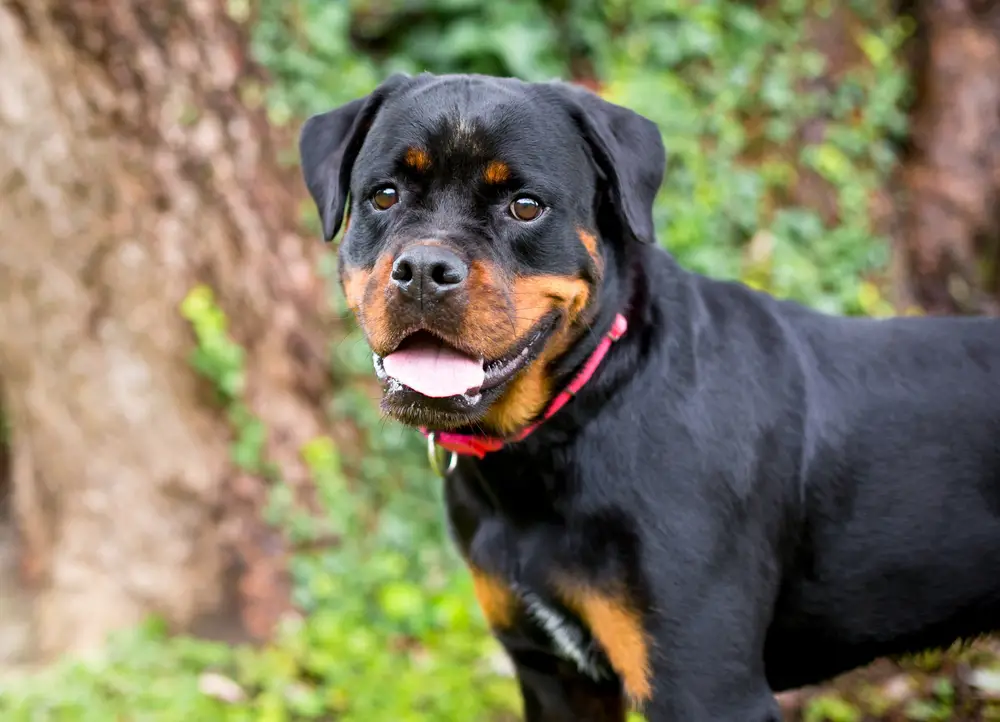
While backyard-bred Rottweilers might sell cheaply, well-bred Rotties from health-tested, titled parents command serious money, with imported European working-line dogs reaching $7,000-$10,000 or more. These powerful guardian breeds require extensive health screening, including hip and elbow certifications, cardiac testing, and eye examinations, all of which add to breeding costs that reputable breeders pass along. German or Eastern European imports from prestigious working bloodlines carry premium prices because they’re bred for specific temperaments and abilities valued by serious protection dog enthusiasts.
The disparity in pricing reflects the vast difference between Rottweilers bred for looks alone versus those bred for temperament, health, and working ability. A properly bred Rottweiler from titled parents who’ve proven themselves in protection sports, with full health clearances and stable temperaments, represents years of investment by breeders. These dogs need experienced owners willing to invest heavily in training and socialization, and their size means food, veterinary care, and boarding costs are all at the upper end of the spectrum throughout their 8-10 year lifespans.
7. Azawakh – The Elegant African Sighthound ($3,000-$7,000)

Azawakhs are strikingly elegant African sighthounds that remain rare in North America and Europe, making them expensive and difficult to find. These tall, incredibly lean dogs were bred by nomadic tribes in the Sahel region to hunt gazelles and guard camps, giving them speed, endurance, and fierce loyalty to their families. Their exotic appearance—extremely fine-boned with visible musculature and elegant movement—appeals to people seeking unusual breeds, but very few breeders work with them outside of Africa.
Importing Azawakhs involves significant expense and complexity, and domestic breeders have small programs with limited litters annually, keeping prices at $3,000-$7,000 per puppy. These dogs are not for everyone—they’re reserved with strangers, require secure fencing to prevent their prey drive from leading them on dangerous chases, and can be sensitive to correction. Their short coats and lean builds make them vulnerable to cold weather, and they need owners who understand primitive breeds and appreciate their independence rather than expecting typical dog obedience.
8. Pharaoh Hound – Ancient Egyptian Royalty ($2,500-$7,000)
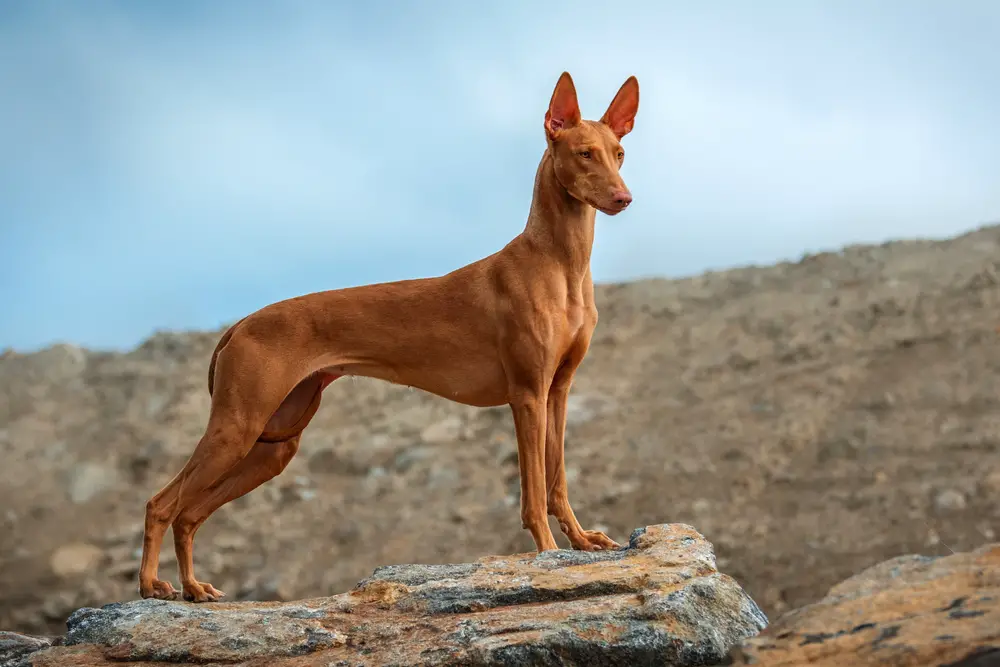
Pharaoh Hounds are elegant, athletic dogs believed to be among the oldest domesticated breeds, though DNA testing suggests they’re not actually from ancient Egypt despite their name. These medium-sized sighthounds have distinctive amber eyes, large erect ears, and the unusual ability to “blush”—their noses and ears turn rosy pink when they’re excited or happy. Their rarity in North America, with only a few hundred registered annually, combined with their striking appearance keeps prices elevated at $2,500-$4,000 for pet quality and up to $7,000 for show prospects.
The breed’s independent nature and strong prey drive make them challenging for inexperienced owners, and they require secure fencing since their hunting instincts override recall training when something catches their eye. Pharaoh Hounds are generally healthy but sensitive to cold weather due to their short coats and lean builds, and they can be picky eaters requiring high-quality food. Their affectionate, playful personalities with their families make them wonderful companions for the right owners willing to meet their exercise needs and accept their cat-like independence.
9. Black Russian Terrier – The Soviet Super Dog ($2,500-$5,000)
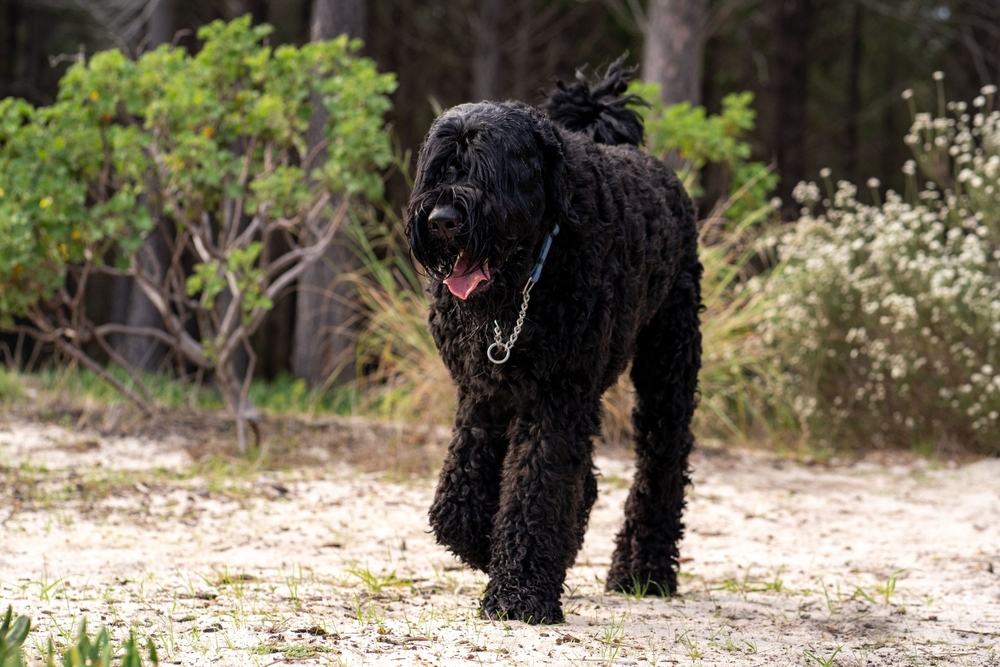
Black Russian Terriers were deliberately created by Soviet military breeding programs in the 1930s-1950s to be the ultimate working dog for harsh Russian climates. These massive dogs—often exceeding 100 pounds—combine the genetics of Rottweilers, Giant Schnauzers, Airedales, and other breeds to create a powerful, intelligent guardian with weather-resistant coats. Their relatively recent development and small breeding populations outside of Russia keep prices around $2,500-$5,000 from reputable breeders who import bloodlines and maintain breed standards.
These impressive dogs require owners with large-breed experience and the physical ability to handle powerful, sometimes stubborn animals. Their thick, curly black coats need professional grooming every 6-8 weeks and regular brushing to prevent matting, adding hundreds of dollars annually to maintenance costs. BRTs are naturally protective and can be aggressive toward strangers and other dogs without proper socialization, making professional training essentially mandatory and adding thousands more to the investment beyond the purchase price.
10. Akita – Japanese Dignity Comes at a Cost ($1,500-$6,500)

Akitas, particularly Japanese Akitas rather than the larger American type, command high prices due to their cultural significance and the care required in breeding programs. These powerful spitz-type dogs originated as hunting and guard dogs in mountainous northern Japan, where they tracked bears, boars, and deer. Their thick double coats, curled tails, and dignified bearing make them striking, but their strong-willed, often dog-aggressive temperaments require experienced owners willing to invest heavily in socialization and training.
Well-bred Akitas from imported Japanese bloodlines or American show lines typically cost $2,000-$4,000, with rare colors or champion-pedigreed puppies reaching $6,500. The breed’s loyalty is legendary—they bond intensely with family but remain aloof or potentially aggressive toward strangers and other animals. Health issues, including hip dysplasia, autoimmune disorders, and bloat, add significant lifetime costs, and their size means everything from food to medications to veterinary procedures costs more than for smaller breeds.
11. French Bulldog – The Designer Dog Champion ($3,000-$30,000+)
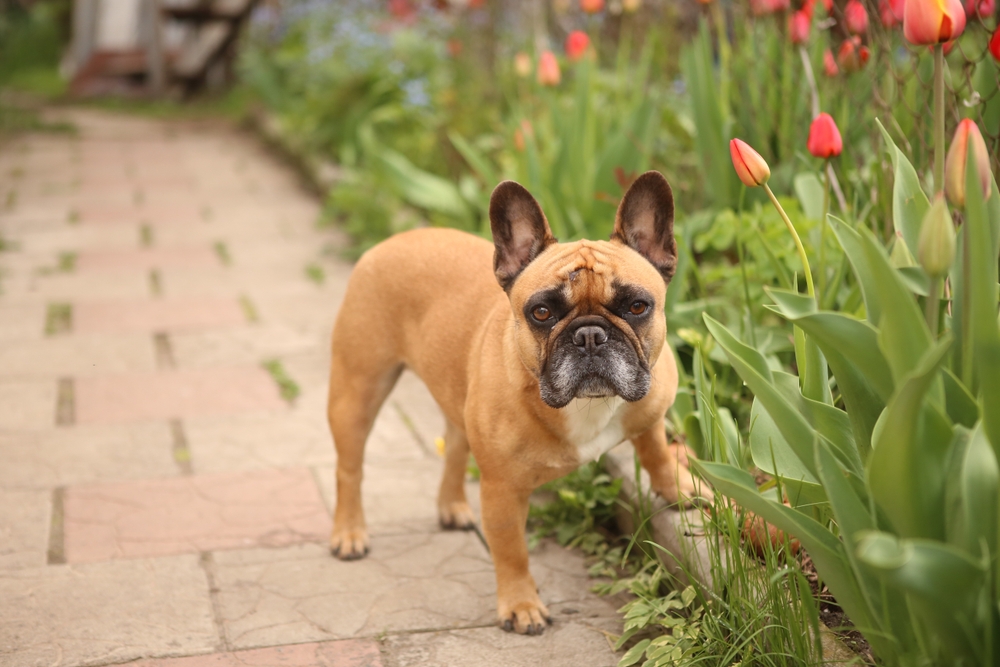
French Bulldogs have become the ultimate status symbol dog, with standard colors selling for $3,000-$5,000 while rare colors like blue, merle, or lilac command $8,000-$15,000, and exceptional specimens reaching $30,000 or more. The breed faces the same breeding challenges as English Bulldogs—artificial insemination and C-sections are standard—but skyrocketing demand from celebrities and social media influencers has created a market where breeders can charge premium prices. Their compact size, low exercise needs, and clownish personalities make them ideal for apartment living and busy lifestyles.
The obsession with rare colors has created ethical concerns as some breeders prioritize unusual hues over health, breeding merle-to-merle combinations that produce deaf or blind puppies. French Bulldogs suffer from brachycephalic syndrome, causing breathing difficulties, spinal problems, allergies, and eye issues that make them one of the most expensive breeds to maintain medically. Many owners spend as much on veterinary care in the first few years as they paid for the puppy itself, with lifetime costs potentially exceeding $30,000-$50,000.
12. Cavalier King Charles Spaniel – Royal Lap Dogs at Royal Prices ($2,500-$6,000)
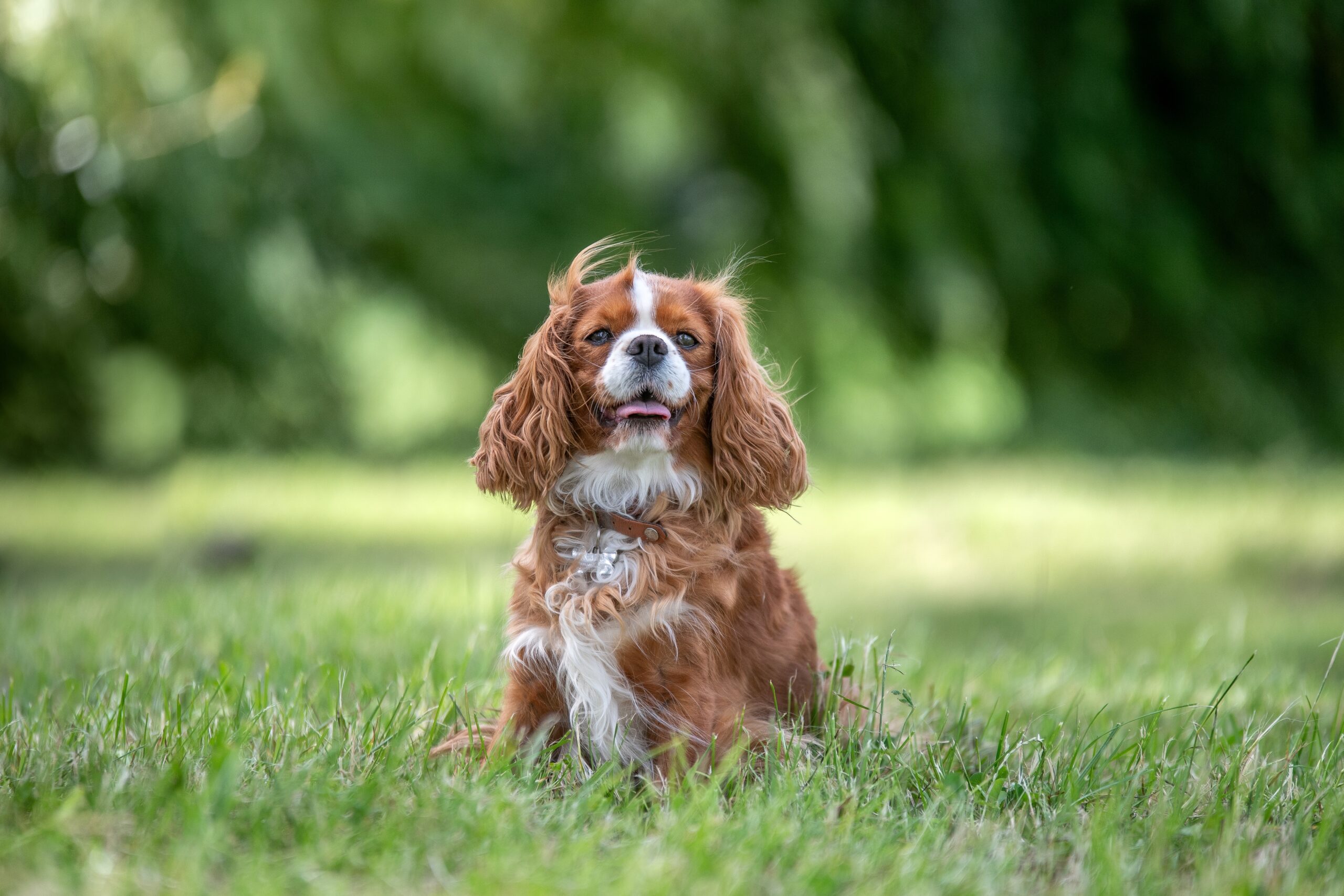
Cavalier King Charles Spaniels command high prices due to careful breeding programs attempting to manage the serious health issues plaguing the breed. These small, affectionate spaniels with their silky coats and expressive eyes were favored by British nobility, including King Charles II, who supposedly never went anywhere without several. Their gentle, friendly temperaments make them excellent therapy dogs and family companions, creating consistent demand that keeps prices at $2,500-$3,500 for pet quality and $4,000-$6,000 for show prospects.
The breed’s popularity comes with a dark side—Cavaliers have one of the highest rates of mitral valve disease, a heart condition that affects over half the breed by age five and virtually all dogs by age ten. Many also develop syringomyelia, a painful neurological condition where fluid-filled cavities form in the spinal cord near the brain. Responsible breeders conduct extensive health testing, including MRIs and cardiac screenings, adding thousands to their costs, but even with careful breeding, buyers face likely heart medications and specialist care costing $3,000-$5,000+ annually as their dogs age.
13. Saluki – The Aristocrat of the Desert ($3,000–$8,000)
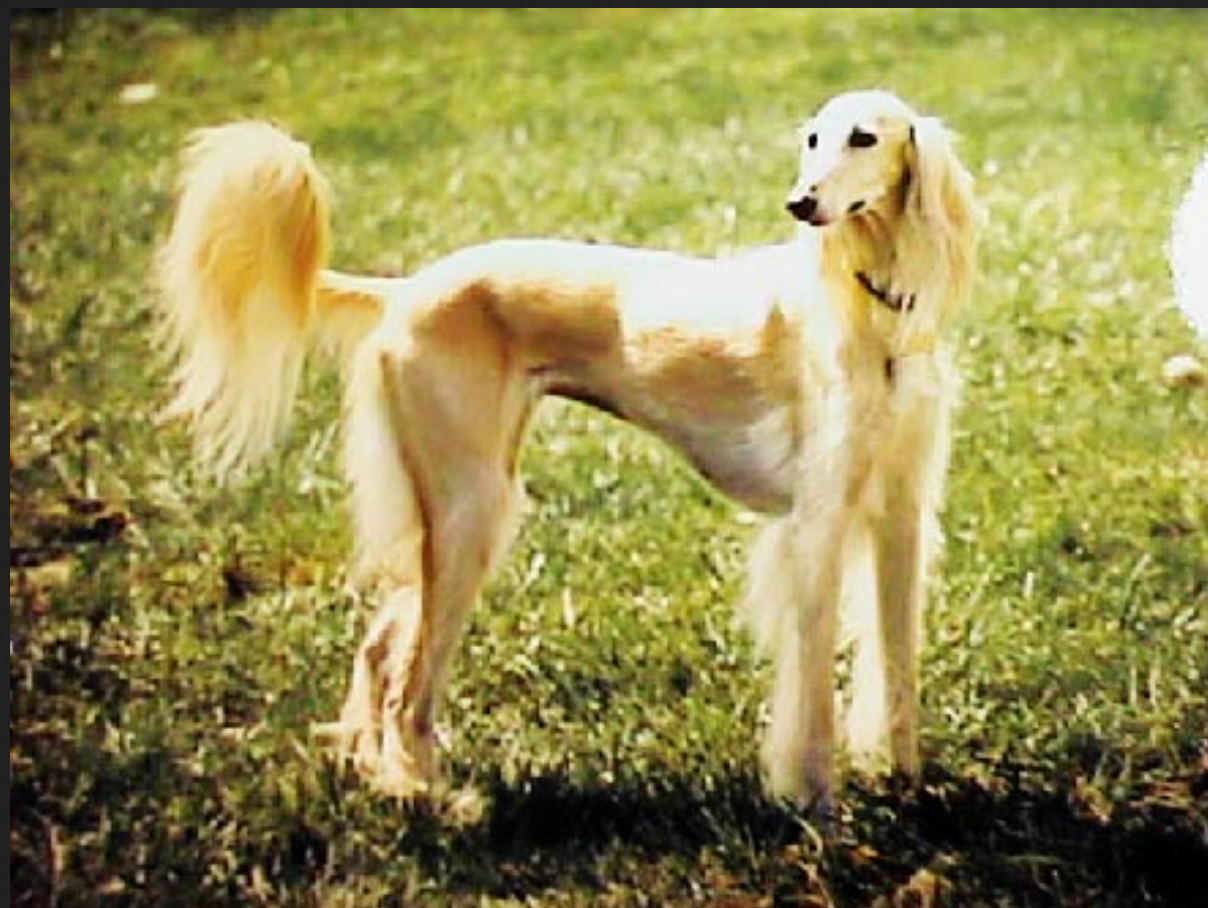
Salukis are one of the oldest known dog breeds, historically kept by Middle Eastern nobility and prized for their speed, endurance, and elegance. These ancient sighthounds were bred to hunt gazelle across vast desert terrain, and their lineage was carefully protected for centuries, contributing to their rarity today. Modern Salukis remain uncommon in North America, with limited breeders and small annual litters, keeping prices between $3,000 and $6,000, with exceptional show or imported lines reaching $8,000.
Their independent temperament makes them unsuitable for inexperienced owners, which further limits demand to a niche group of enthusiasts. Salukis require secure fencing, significant exercise, and patient training, and their lean builds make them sensitive to cold weather. While generally healthy, they can be prone to heart issues and certain cancers, adding to long-term veterinary costs. Their price reflects ancient heritage and the difficulty of responsible breeding rather than trend-driven popularity.
14. Irish Wolfhound – Gentle Giants with Short Lifespans ($2,500–$6,000)
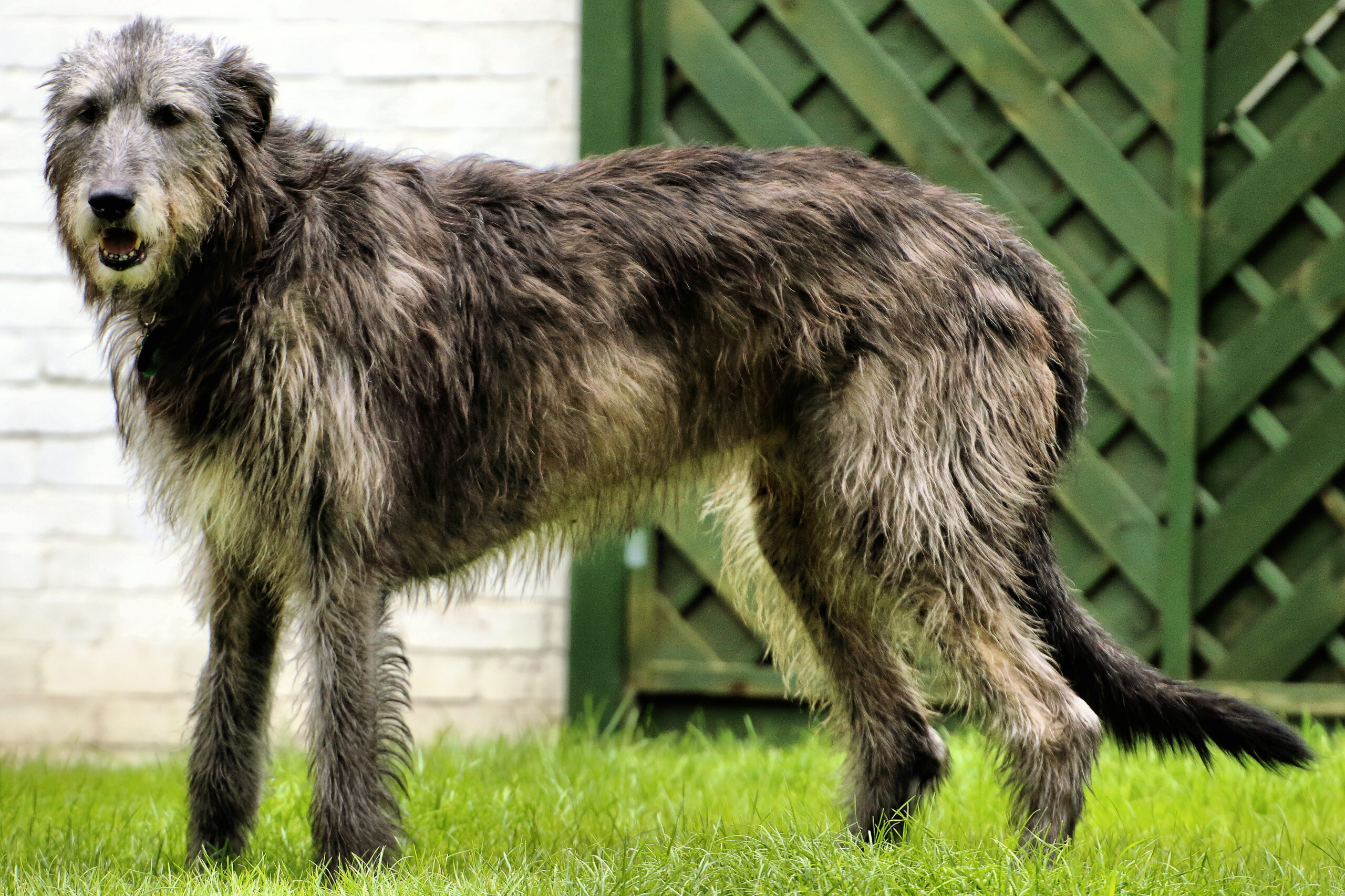
Irish Wolfhounds are among the tallest dog breeds in the world, historically bred to hunt wolves and guard estates in Ireland. Their immense size, calm demeanor, and limited breeding population contribute to their high price, with well-bred puppies typically costing $2,500–$4,500 and top show lines reaching $6,000. Ethical breeding requires extensive health screening and significant space, raising costs for breeders.
The breed’s short average lifespan, often 6–8 years, is largely due to heart disease and bone cancer. Feeding a giant breed and managing orthopedic and cardiac health significantly increases lifetime costs. Responsible breeders invest heavily in cardiac testing and careful pairing to reduce risk. Buyers are paying not just for size and prestige, but for the intensive care required to produce healthy dogs.
15. Dogo Argentino – Purpose-Bred Power ($3,000–$8,000)
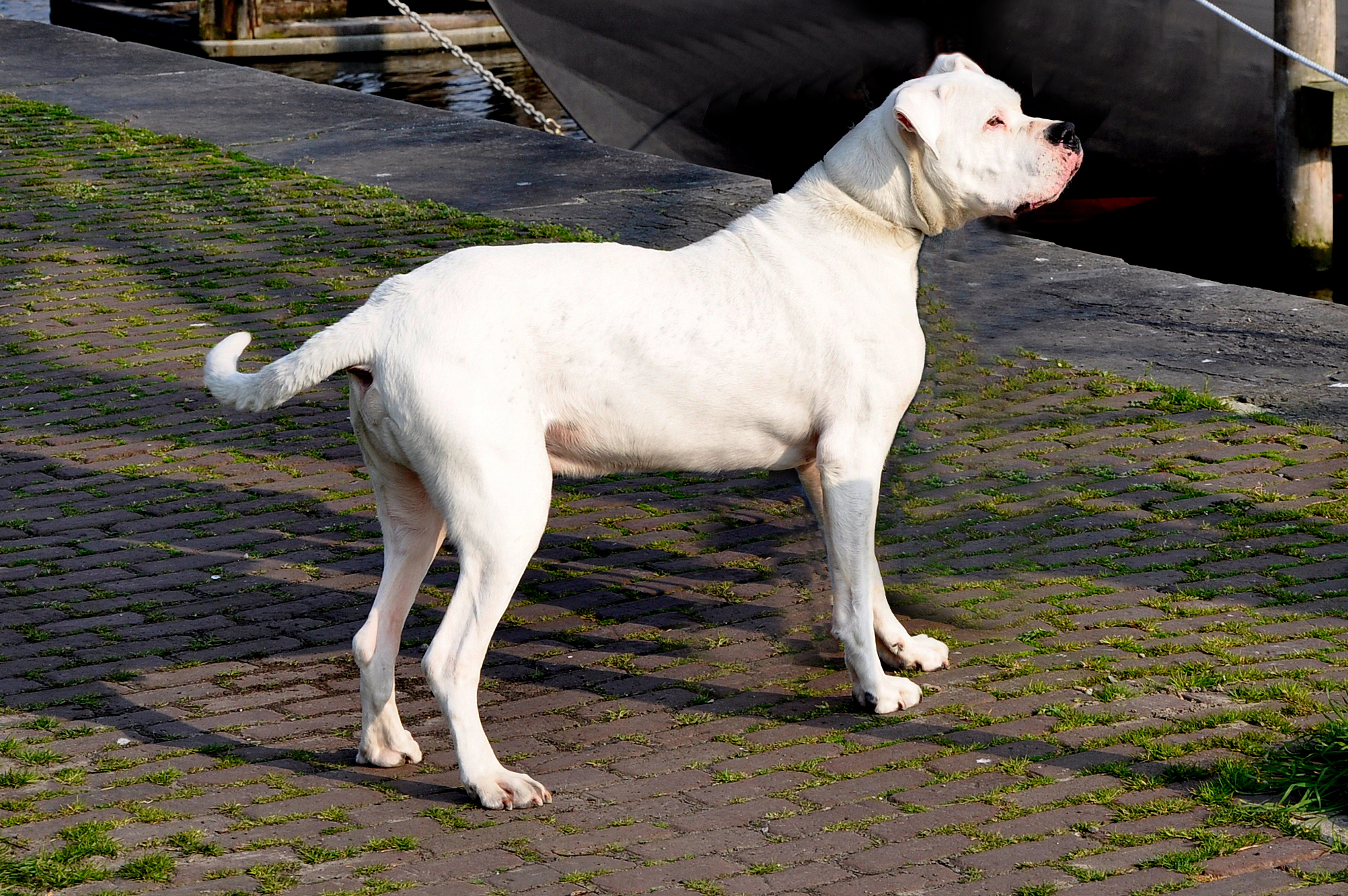
The Dogo Argentino was developed in the early 20th century as a big-game hunting dog capable of taking down wild boar and puma. Responsible breeding requires extensive health testing for hips, elbows, and congenital deafness, which affects a portion of the breed due to its white coat genetics. Well-bred puppies typically range from $3,000 to $5,000, with imported or working-proven bloodlines reaching $8,000.
Ownership restrictions in some regions reduce breeder availability and increase demand for verified lines. These dogs require experienced handlers, structured training, and secure containment. Veterinary care, insurance, and professional training add significant lifetime expenses. Their cost reflects both breeding difficulty and the serious responsibility involved in ownership.
16. Borzoi – Russian Nobility’s Hunting Dog ($3,000–$7,000)
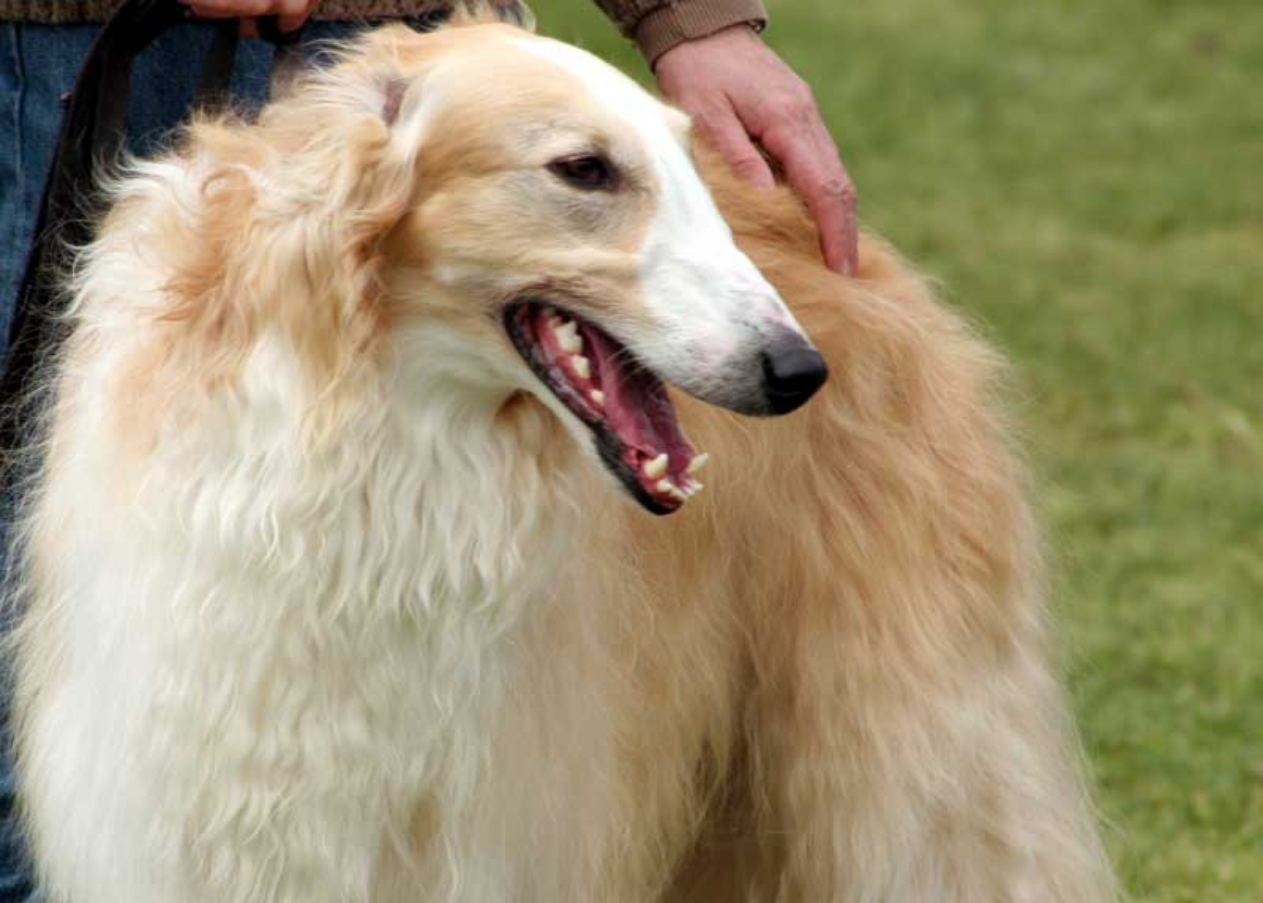
Borzois were developed by Russian aristocracy for centuries to hunt wolves, emphasizing speed, endurance, and elegance. Their rarity outside Eastern Europe and limited breeding programs keep prices high, with puppies generally costing $3,000–$5,000 and champion bloodlines reaching $7,000. Importing quality breeding stock further increases costs for reputable breeders.
Borzois are independent thinkers with strong prey drive, requiring secure fencing and patient training. They are generally healthy but prone to bloat, heart issues, and orthopedic injuries due to their size. Grooming costs are moderate to high due to their long coats. The breed’s price reflects aristocratic history and scarcity rather than modern trend popularity.
17. Belgian Malinois – Elite Working Dogs at Elite Prices ($2,500–$9,000)
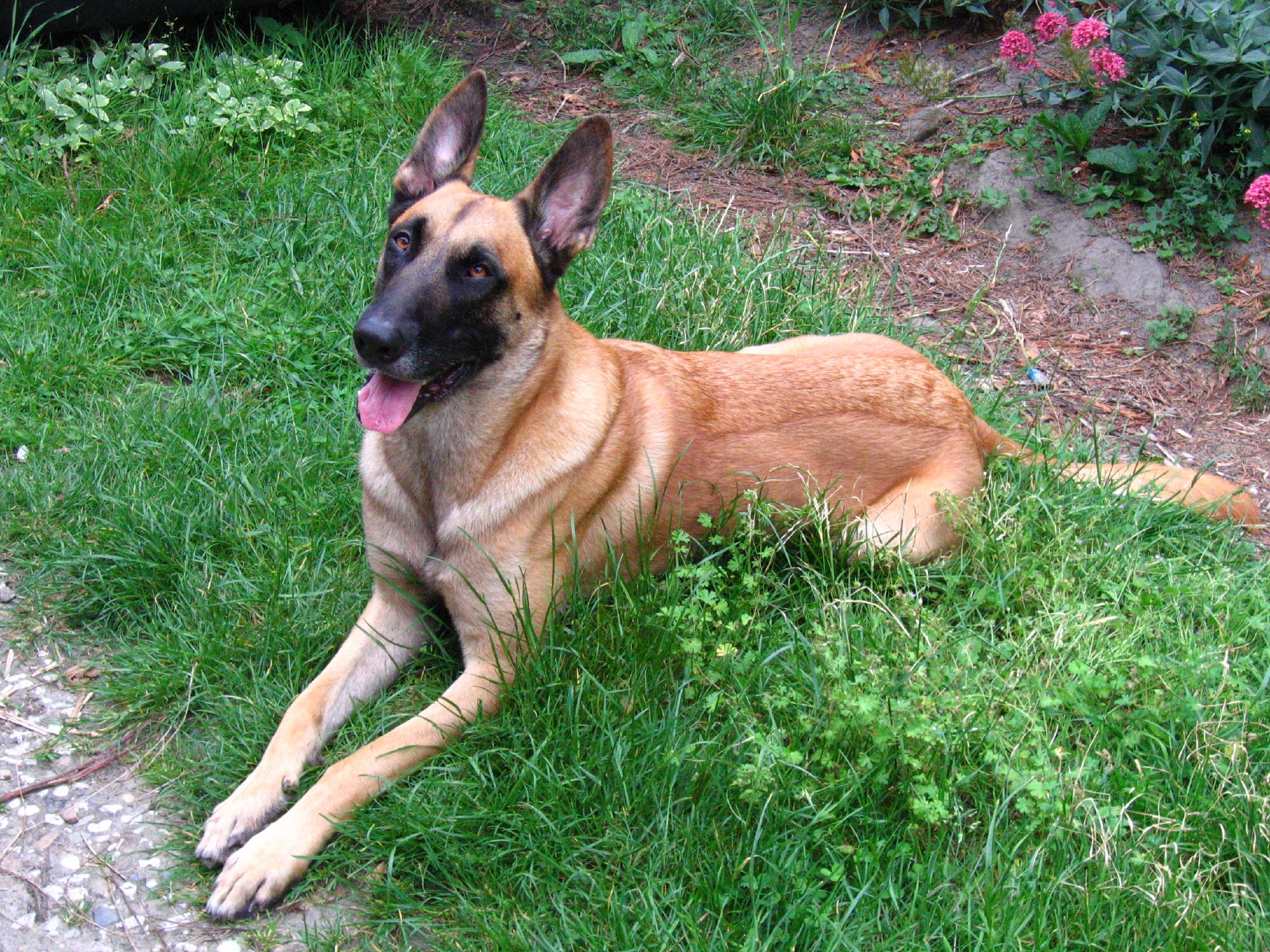
Belgian Malinois bred specifically for police, military, and sport work command significantly higher prices than pet-bred lines. Puppies from proven working parents with titled pedigrees and health testing typically range from $4,000 to $9,000, reflecting years of selective breeding focused on drive, stability, and physical resilience. Lower-priced Malinois are often bred without performance goals.
The breed’s extreme energy and intelligence make them unsuitable for most households. Owners must invest heavily in training, mental stimulation, and physical exercise to prevent behavioral problems. Injury risk and intensive activity increase veterinary and maintenance costs. Their price reflects performance-based breeding rather than appearance or status appeal.
18. Kangal – The Livestock Guardian with Global Demand ($3,000–$10,000)

The Kangal is a Turkish livestock guardian breed renowned for its strength, size, and effectiveness against large predators such as wolves. Export restrictions from Turkey and strict breeding oversight make authentic Kangals rare outside their homeland. Puppies from verified bloodlines typically cost $3,000–$6,000, with imported or proven working dogs reaching $10,000.
Kangals are bred for independent decision-making and territorial protection, not companionship. They require rural environments, livestock to guard, and experienced owners familiar with guardian breeds. Feeding, fencing, and veterinary care for such a large dog significantly increase lifetime costs. Their high price reflects scarcity, working utility, and international demand rather than show-ring popularity.