
The relationship between you and your dog should be a partnership built on trust and respect, not a constant power struggle. But some dogs develop behavioral patterns that suggest they see themselves as the household leader rather than a beloved family member. While modern dog trainers have moved away from strict “dominance theory,” there are still clear signs when a dog lacks appropriate boundaries and has decided the rules don’t apply to them.
1. Door Dashing – They Exit First, Every Single Time
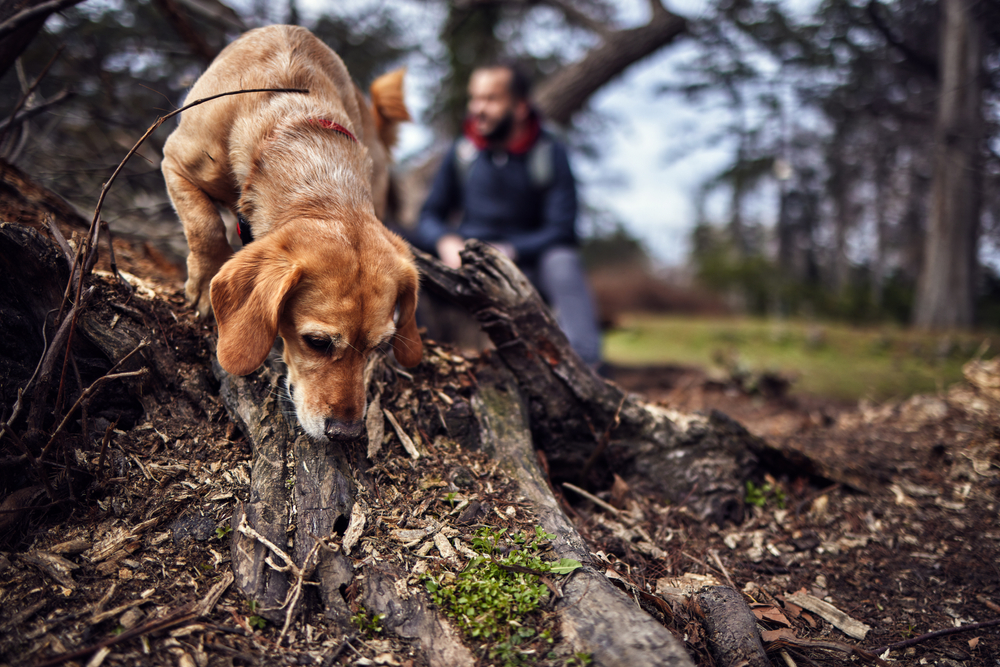
A dog that bolts through every doorway ahead of you isn’t just enthusiastic about going outside—they’re demonstrating they believe they control movement and access. This behavior shows up at the front door, car doors, and even interior doorways as your dog muscles past you to be first through the threshold. It’s not about some abstract dominance hierarchy, but rather a practical issue of a dog who hasn’t learned impulse control or that good things come from waiting.
The problem intensifies when you can’t physically restrain them or when they ignore commands to wait. A 70-pound dog that knocks you aside to get out the door first can cause injuries, especially to children or elderly family members. Beyond safety concerns, this behavior indicates your dog makes their own decisions about when and where to go, regardless of your input.
2. Furniture Hogging – Your Spot Becomes Their Throne
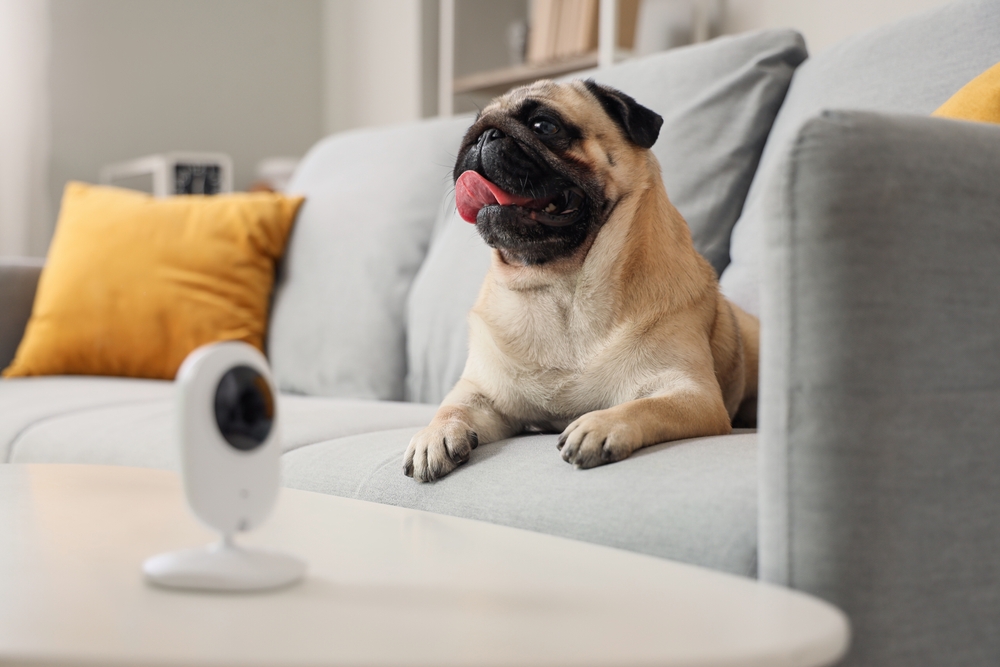
Dogs who claim the best seats in the house and refuse to move when asked are showing a concerning lack of respect for household boundaries. This isn’t about whether dogs should be allowed on furniture—plenty of well-behaved dogs share the couch with their owners. The issue arises when your dog growls, snaps, or simply ignores you when you need them to move, treating premium spots as their exclusive territory.
Some dogs take this further by stretching out across entire sofas or beds, leaving no room for humans and acting inconvenienced when asked to share. They might return to a forbidden spot the moment you leave the room, or they guard their chosen furniture from other pets or family members. This behavior reflects a dog who believes their comfort takes priority over household rules and human needs.
3. Leash Pulling – They Decide Where Walks Go
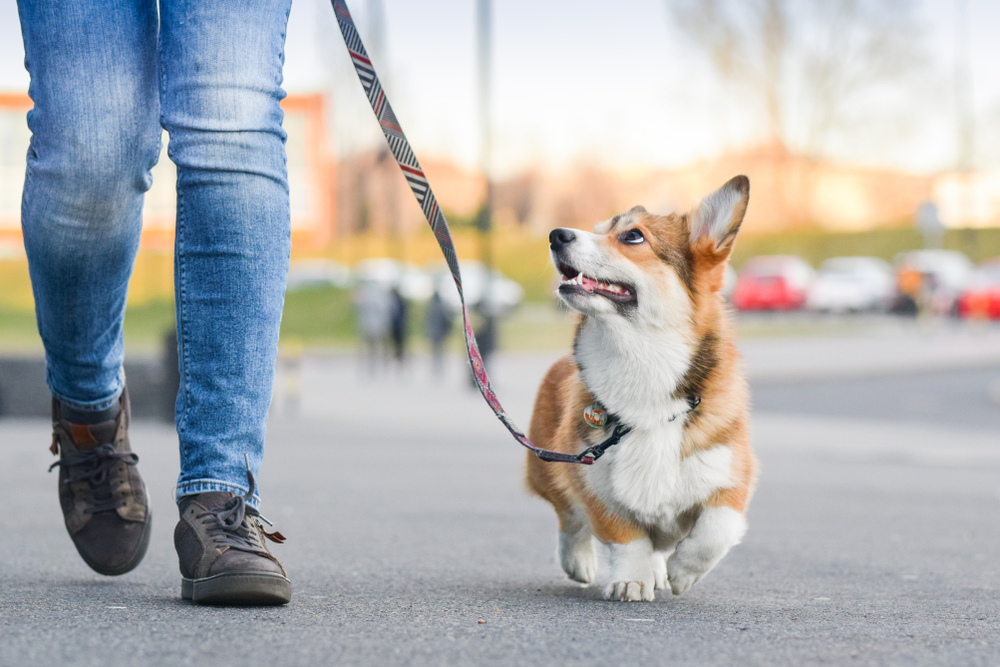
A dog that drags you down the street on walks has decided they’re in charge of the route, pace, and stops along the way. These dogs walk with constant tension on the leash, choking themselves in their determination to reach wherever they’ve decided to go next. They ignore attempts to slow down or change direction, treating you like an inconvenient anchor rather than the person supposedly leading the walk.
The behavior shows your dog believes walks exist for their exploration and pleasure alone, with your preferences irrelevant. They might lunge toward other dogs, people, or interesting smells regardless of your attempts to redirect them. What should be an enjoyable activity together becomes an exhausting battle where your dog’s agenda always wins.
4. Ignoring Commands They Definitely Know
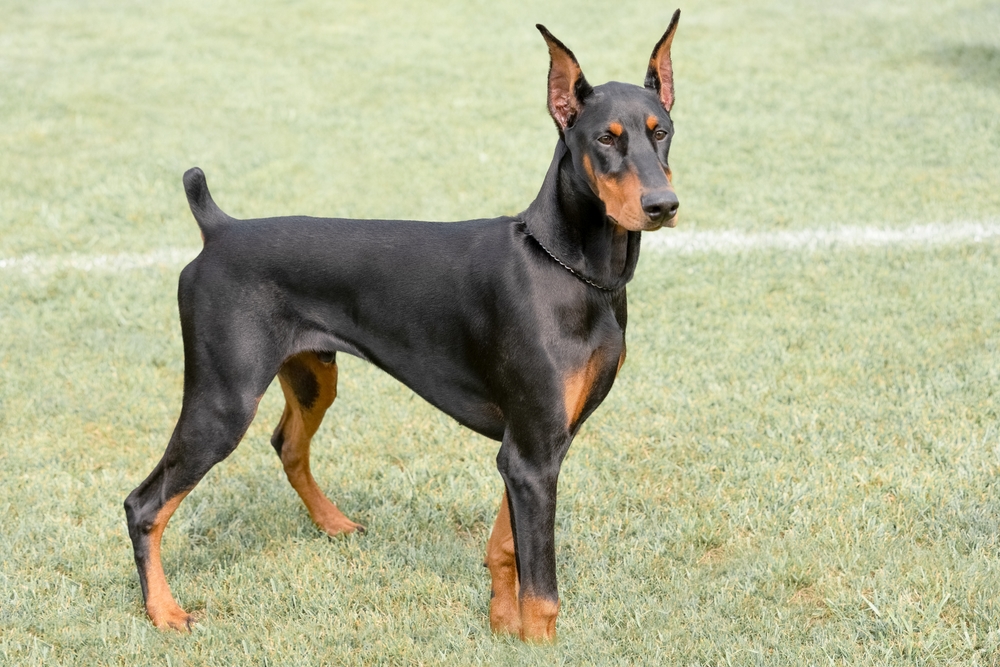
Every dog has moments of distraction, but a dog who consistently ignores commands they’ve demonstrated they understand is making a choice about whether to comply. These dogs might perform perfectly in training class or when treats are visible but act deaf when you call them in the backyard or tell them to get off the counter. They’ve learned the commands but decided obedience is optional based on their assessment of whether it benefits them.
This selective hearing often appears most dramatically during recalls—your dog comes racing back when they feel like it but completely ignores you when something more interesting has their attention. They understand “sit” and “down” perfectly well but only comply when they’re already planning to do so anyway. The pattern reveals a dog who views commands as suggestions rather than expectations, and who’s learned there aren’t meaningful consequences for ignoring you.
5. Demand Barking – They Train You Instead
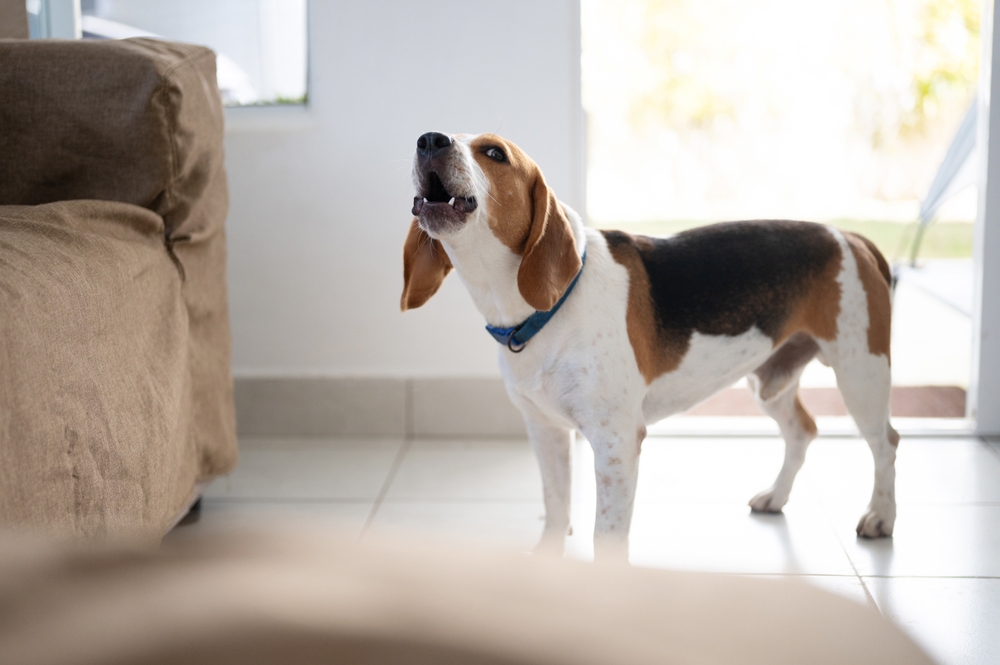
Dogs who bark insistently until you give them what they want have successfully reversed the training dynamic. They bark at their food bowl when they decide it’s mealtime, bark at the door when they want out, bark at you for attention, and bark at their leash when they want a walk. The barking continues until you comply, teaching them that persistence and volume get results.
What makes this particularly problematic is how it escalates over time—the barking becomes louder, more frequent, and extends to more situations as the dog learns this strategy works. You might find yourself feeding them early to stop the noise, or tossing a toy to buy yourself peace, each time reinforcing that your dog’s demands control your behavior. They’ve identified your breaking point and learned exactly how to manipulate you into serving their agenda.
6. Food Aggression Toward Humans – Guarding Resources Aggressively
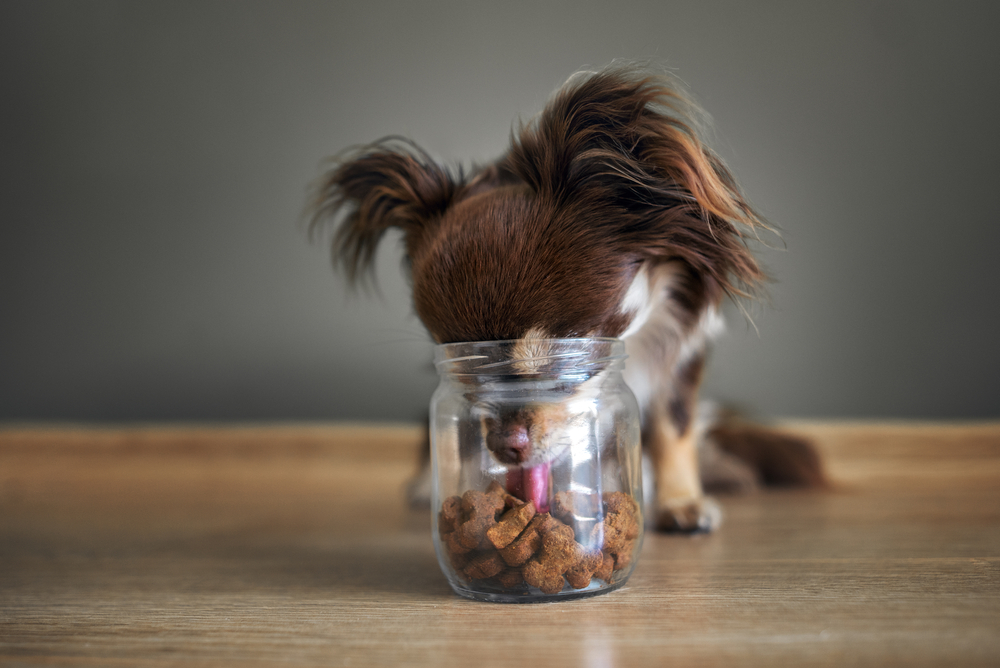
A dog who growls, snaps, or shows teeth when people approach their food bowl has claimed that resource as exclusively theirs. This goes beyond normal eating enthusiasm into territorial behavior that warns humans away from something the dog has decided belongs to them. Some dogs extend this to treats, chew toys, or even empty food bowls, creating no-go zones in your own home.
The behavior is particularly concerning because it can escalate to biting if humans don’t heed the warnings. Dogs displaying food aggression believe they have the right to defend their resources against the very people who provide those resources. It reflects a fundamental misunderstanding of the household dynamic where the dog sees themselves as entitled to possession and humans as threats to that possession rather than benevolent providers.
7. Blocking Your Path – Physical Obstruction as Control
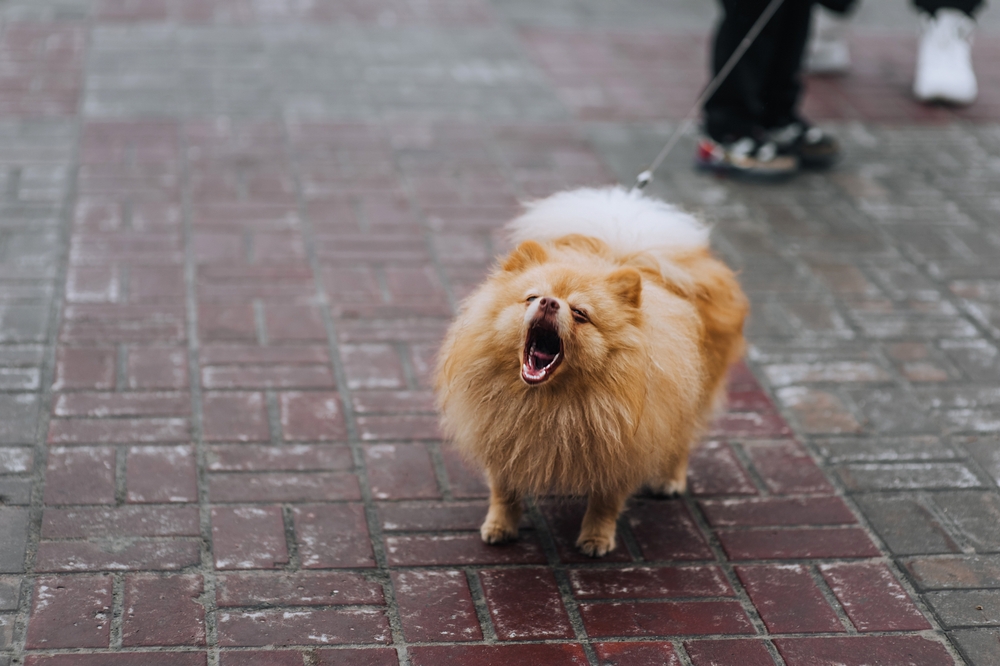
Dogs who deliberately position themselves in doorways, hallways, or staircases to control human movement are exhibiting classic controlling behavior. They might lie down in high-traffic areas and refuse to move, forcing you to step over or around them. When you try to pass, they might lean against your legs, slowly reposition themselves to continue blocking you, or give warning looks that discourage you from making them move.
This behavior reveals a dog who believes they can dictate where people go and when. It’s different from a dog who happens to nap in an inconvenient spot—these dogs actively use their bodies to create barriers and react negatively to being asked to relocate. They’ve learned that controlling space gives them control over the household, and they use their physical presence to assert that control throughout the day.
8. Stealing Food – Opportunistic Theft Without Shame

A dog who snatches food from counters, tables, or even your hands shows a complete disregard for boundaries around human food. These aren’t accidental grabs or desperate hunger—they’re calculated thefts from a dog who’s decided that anything accessible is fair game. They might wait for you to turn away before grabbing food off your plate, or they boldly snatch items while maintaining eye contact.
The behavior often includes a complete lack of guilt or submission afterward, unlike dogs, who know they’ve misbehaved and show appeasement behaviors. Instead, these dogs trot away with their prize as if they’ve done nothing wrong, and some will even guard the stolen food aggressively if you approach. They’ve established their own rules about food that override any training about leaving human food alone.
9. Mounting Behavior – Dominance Display on Repeat
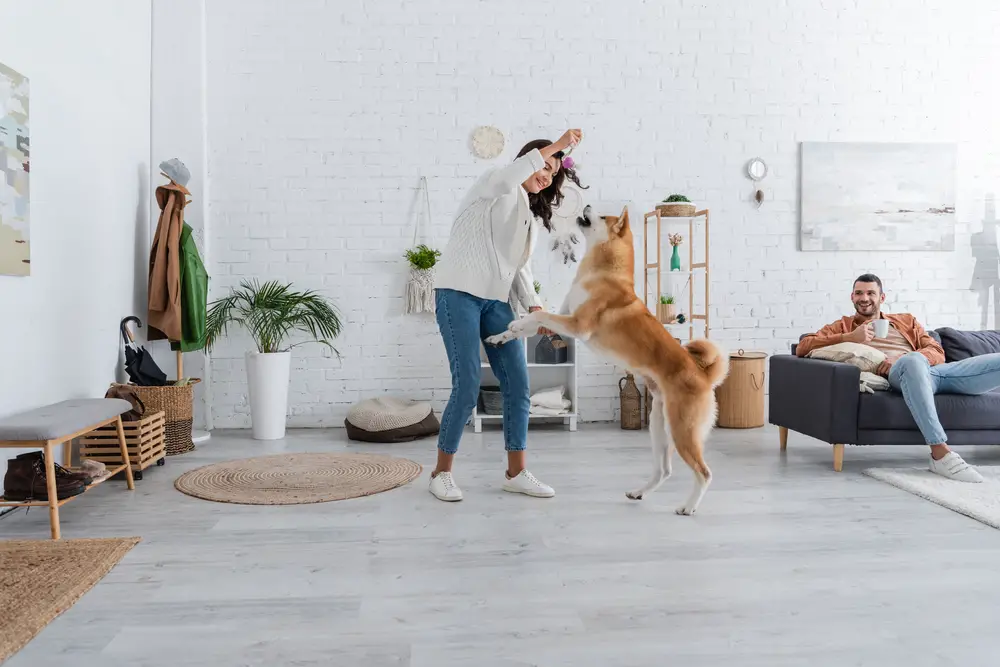
While mounting can be playful or sexual, dogs who persistently mount humans or other dogs despite corrections are often displaying dominance-related behavior. These dogs typically target the same individuals repeatedly and resist being pushed off or redirected. The behavior appears most often during moments when the dog is excited or when their authority might be challenged, like when guests arrive or during play sessions.
Dogs who mount as a dominance display usually show other controlling behaviors in their repertoire—it’s rarely an isolated issue. They might mount children more than adults, sensing an easier target, or mount other pets to establish themselves in the household hierarchy. The persistence despite clear signals from humans or other animals to stop reveals a dog who believes they have the right to this behavior regardless of anyone else’s comfort.
10. Sleeping in Your Bed Spot – Territorial Bedroom Behavior

A dog who claims the prime sleeping spot in your bed and growls or refuses to move when you want to sleep there has crossed from companionship into territory claiming. This differs from dogs who sleep on the bed with permission—these dogs act as if they own the bed and you’re intruding on their space. They might sprawl across pillows, push against you throughout the night to claim more space, or return to the forbidden bed the moment you leave the room.
Some dogs take this behavior to extremes by preventing partners or spouses from getting into bed, inserting themselves between couples, or showing aggression toward anyone who disturbs their sleeping arrangement. They’ve decided the bed is their domain and humans exist within it only on their terms. This reflects a fundamental role reversal where the dog believes they grant permission for humans to use sleeping spaces rather than the reverse.
11. Refusing to Be Groomed or Handled – Bodily Autonomy Demands

Dogs who snap, growl, or fight when you try to brush them, trim their nails, or examine their ears believe they have veto power over necessary care. Every dog has preferences and sensitive spots, but a dog who escalates to aggression rather than tolerating brief discomfort has decided their immediate comfort outweighs your authority to handle them. This can extend to refusing baths, resisting harness placement, or preventing veterinary examinations.
The behavior becomes dangerous when medical care is needed and the dog won’t permit examination or treatment. These dogs have learned that aggressive displays make humans back off, reinforcing their belief that they control their own body and care routines. They haven’t been taught that sometimes humans need to do things they dislike for their own wellbeing, and they respond to these moments as violations of their authority rather than necessary care.
12. Guarding Family Members – Protective Aggression on Their Terms
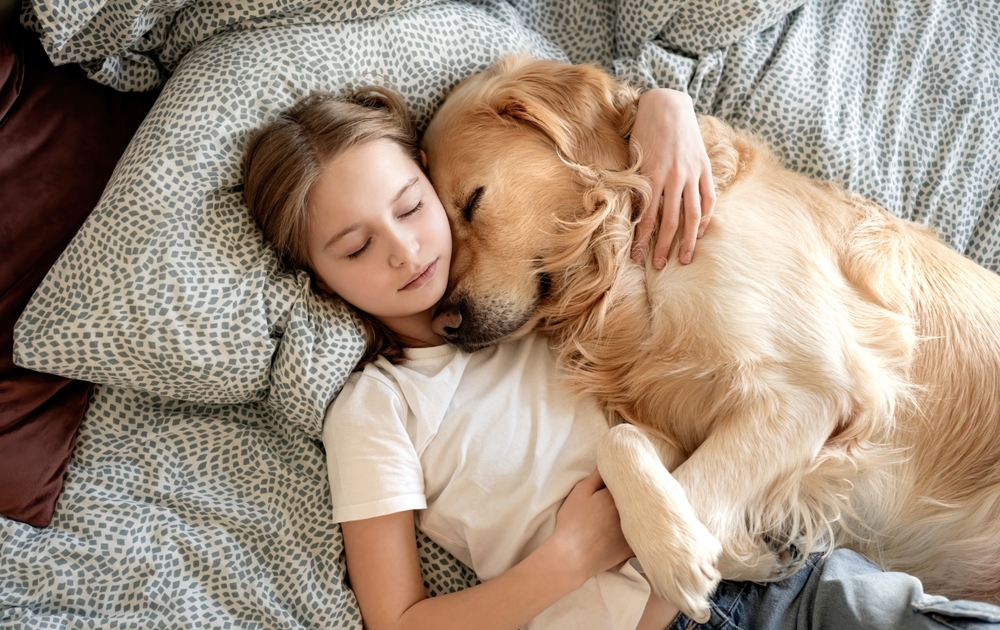
A dog who positions themselves between family members and visitors, growling at people who approach “their” humans, has appointed themselves as security without authorization. This isn’t the appropriate watchfulness of a well-trained protection dog—it’s a dog making independent decisions about who poses threats and responding with aggression. They might prevent family members from hugging, block children from approaching parents, or create tension whenever guests visit.
The behavior reveals a dog who believes they outrank visitors and some family members in the household hierarchy, taking it upon themselves to police interactions. These dogs often become more aggressive over time as their guarding behavior goes unchecked, potentially leading to serious bites. They’ve confused protective instinct with the right to control social interactions, and they enforce their decisions through intimidation and aggression.
13. Going Through Garbage – Claiming Household Resources
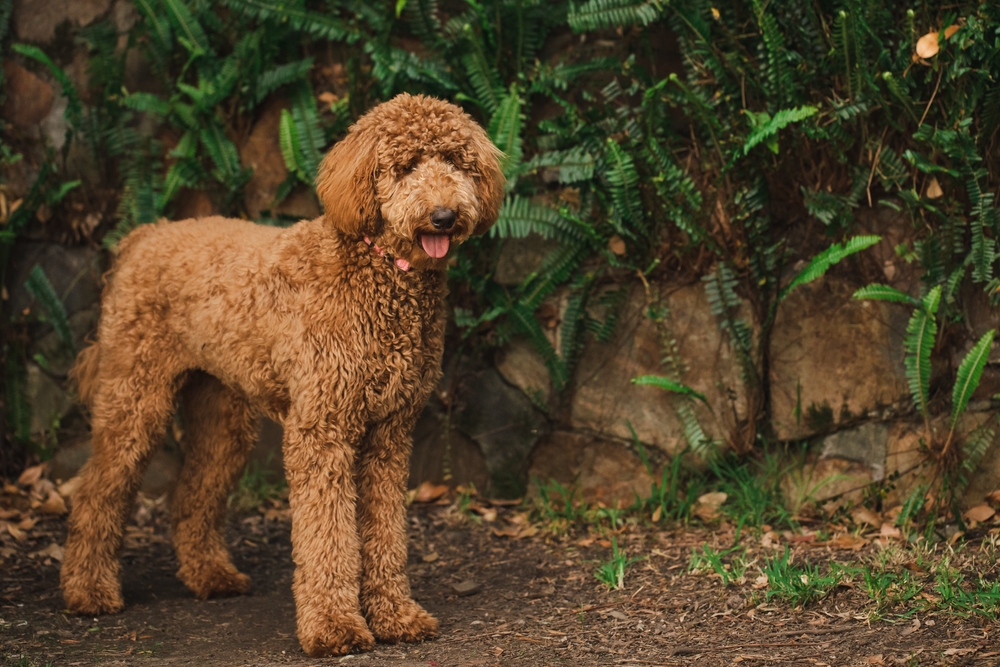
Dogs who regularly raid trash cans despite repeated corrections believe they have equal or greater claim to household resources than humans do. These aren’t opportunistic moments when you forget to close the bathroom trash—these are dogs who actively seek out garbage bins, knock them over, and scatter contents throughout the house. They might do this while you’re home, seemingly unconcerned about consequences, or they wait until you leave and demolish multiple trash receptacles.
The behavior demonstrates a dog who doesn’t accept that certain things are off-limits regardless of how interesting they smell. They’ve decided that trash is an available resource rather than forbidden territory, and they ignore any training suggesting otherwise. When combined with a lack of guilty behavior afterward—instead showing defiance or indifference—it indicates a dog who feels entitled to make their own decisions about what they can access in the home.
14. Refusing to Move Off You – Controlling Physical Contact
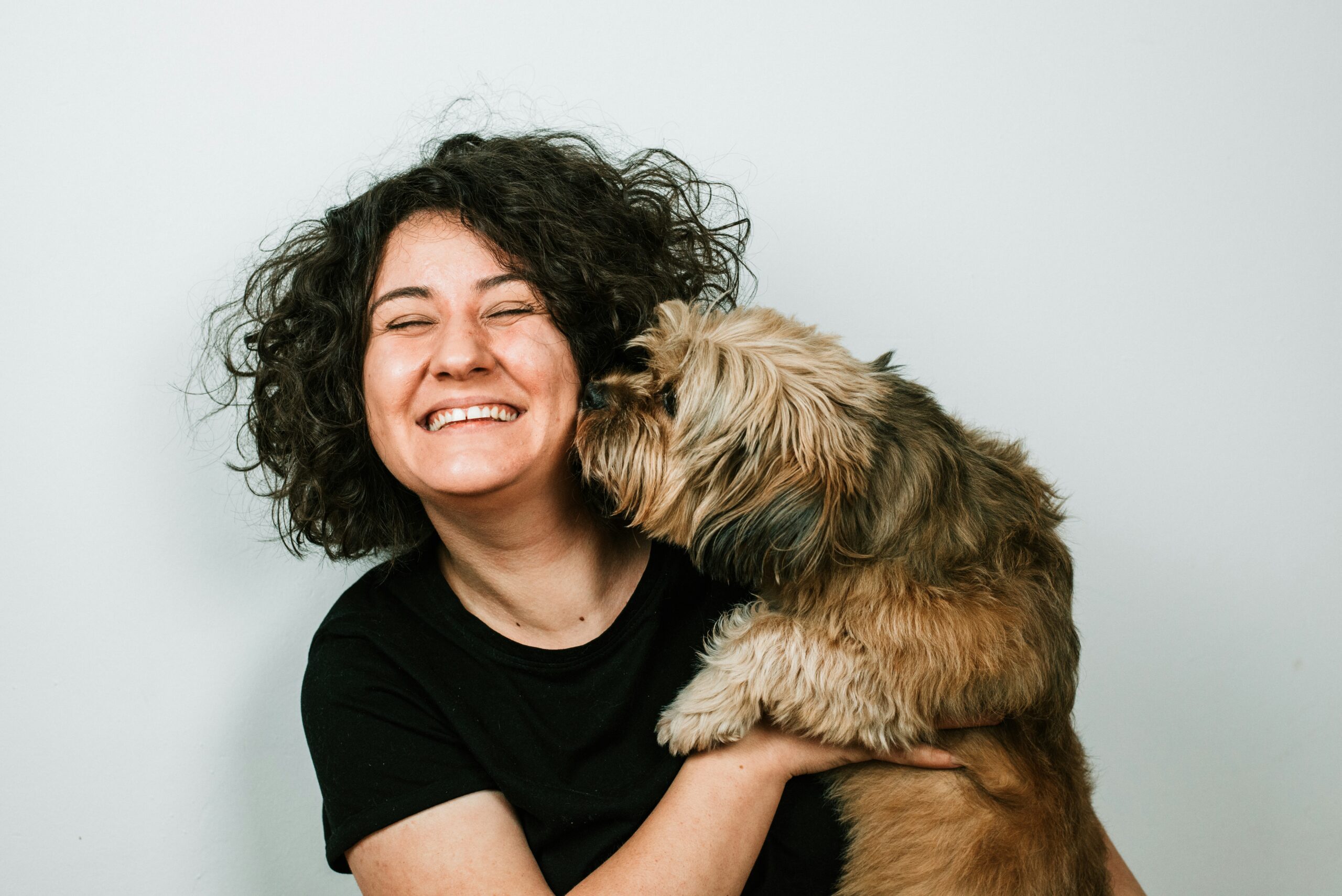
A dog who plants themselves on top of you and refuses to shift when asked isn’t just being cuddly. When they ignore clear requests to move, sigh dramatically, stiffen, or subtly resist by going limp, they’re showing they don’t believe your direction matters.
This behavior becomes more concerning when the dog escalates to growling or snapping if physically guided off. It suggests they see physical space as negotiable only on their terms. In a healthy partnership, affection is mutual—not something one party imposes and defends.
15. Claiming Toys and Starting Conflicts Over Them
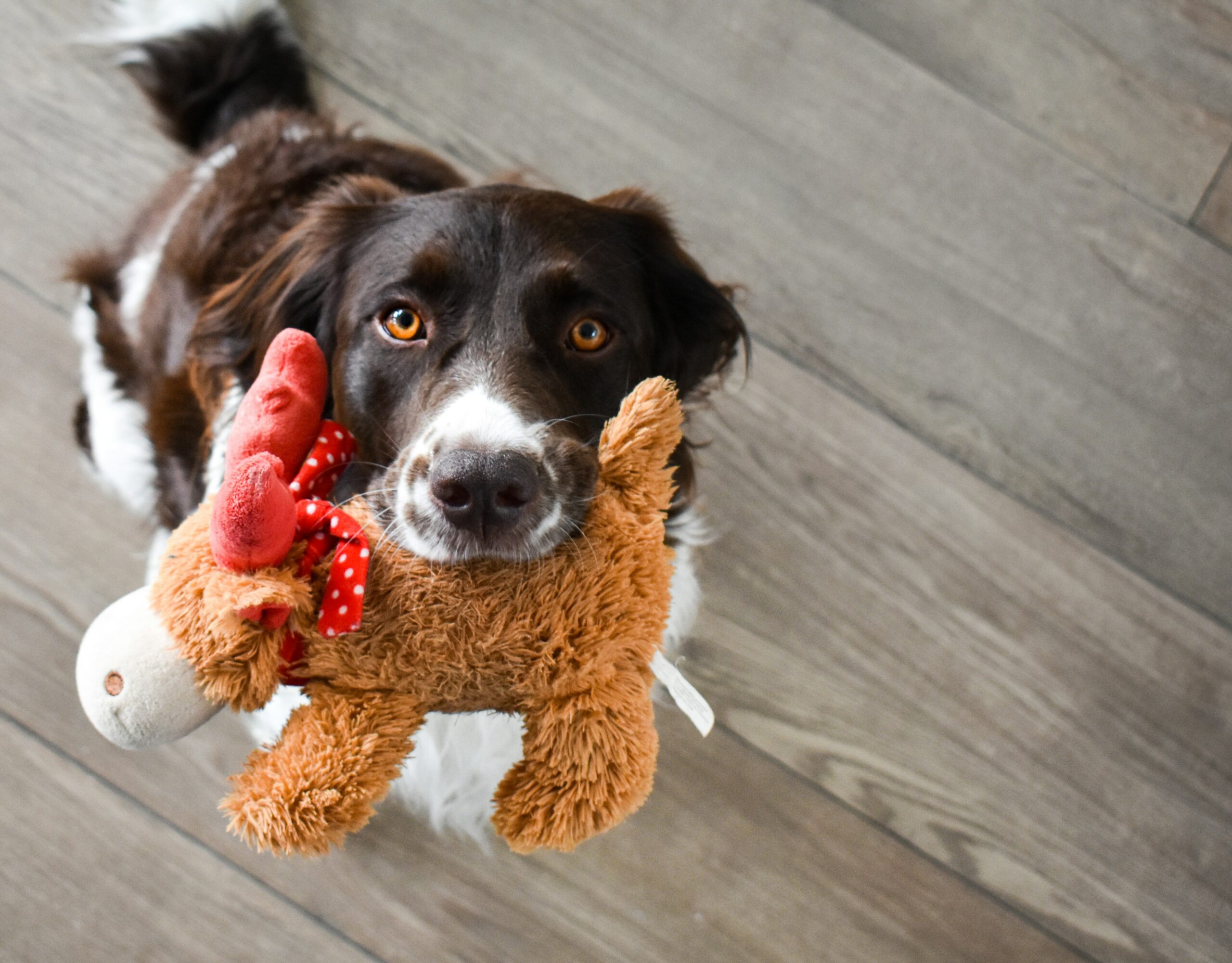
Dogs naturally value toys, but a dog who collects them into piles and aggressively guards them from humans or other pets is managing resources as if they’re in charge. They may snatch toys out of your hand, hover over them, or react defensively when someone walks nearby—even if no one is trying to take anything.
This goes beyond simple possession. It reflects a dog who believes access is theirs to control and defend. Without clear boundaries, toy guarding can escalate into full resource guarding patterns that affect other areas of life.
16. Deciding When Play Ends (And When It Doesn’t)
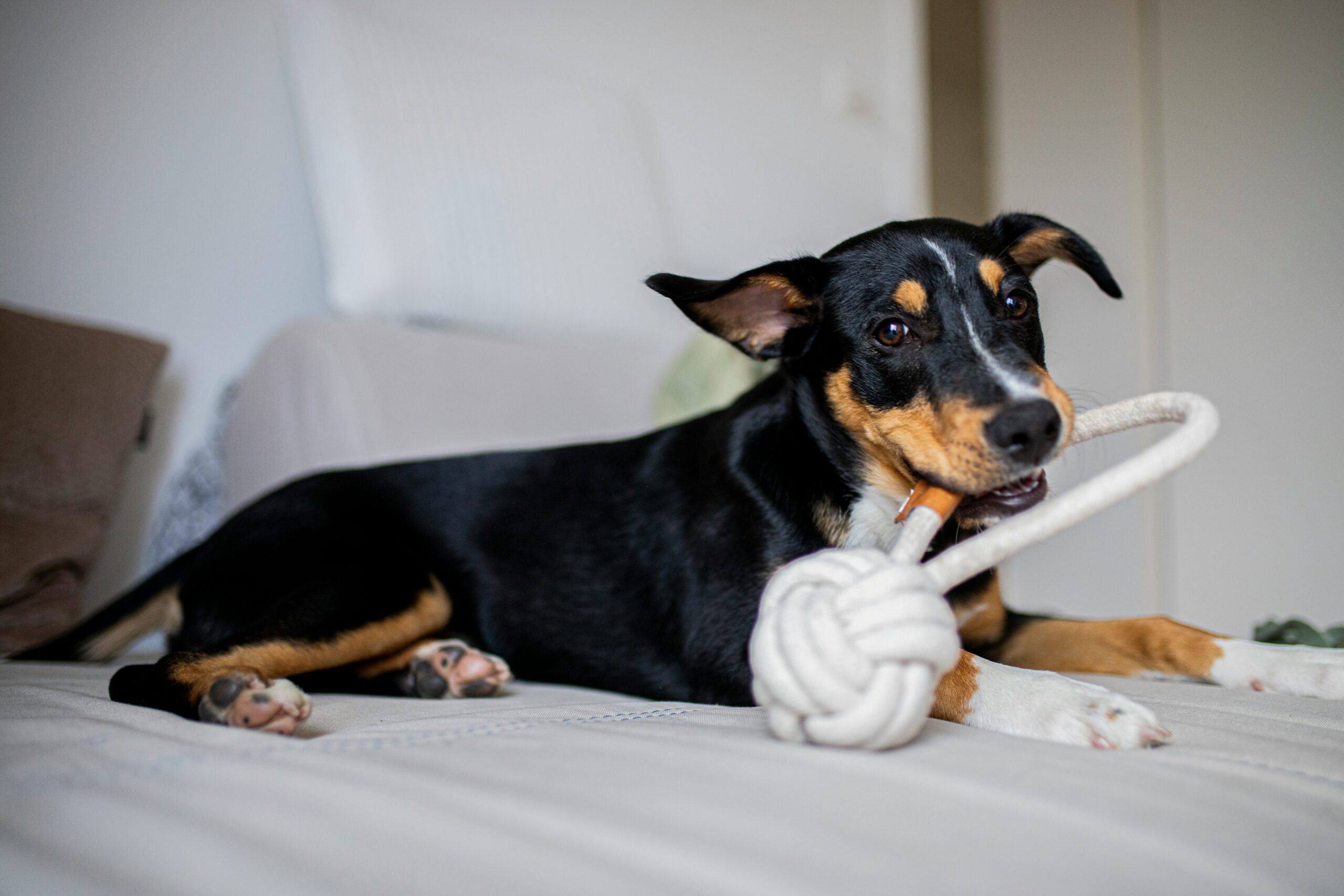
A dog who ignores cues to stop playing—continuing to jump, mouth, or demand engagement after you’ve disengaged—hasn’t learned that humans control the start and end of activities. They may escalate behavior when you withdraw attention, barking, pawing, or grabbing clothing to restart interaction.
Healthy play includes an “off switch.” When a dog refuses to respect that boundary, it indicates poor impulse control and a belief that their excitement dictates the household rhythm. Over time, this dynamic erodes structure and reinforces pushy behavior.
17. Taking Over Greetings With Overbearing Behavior
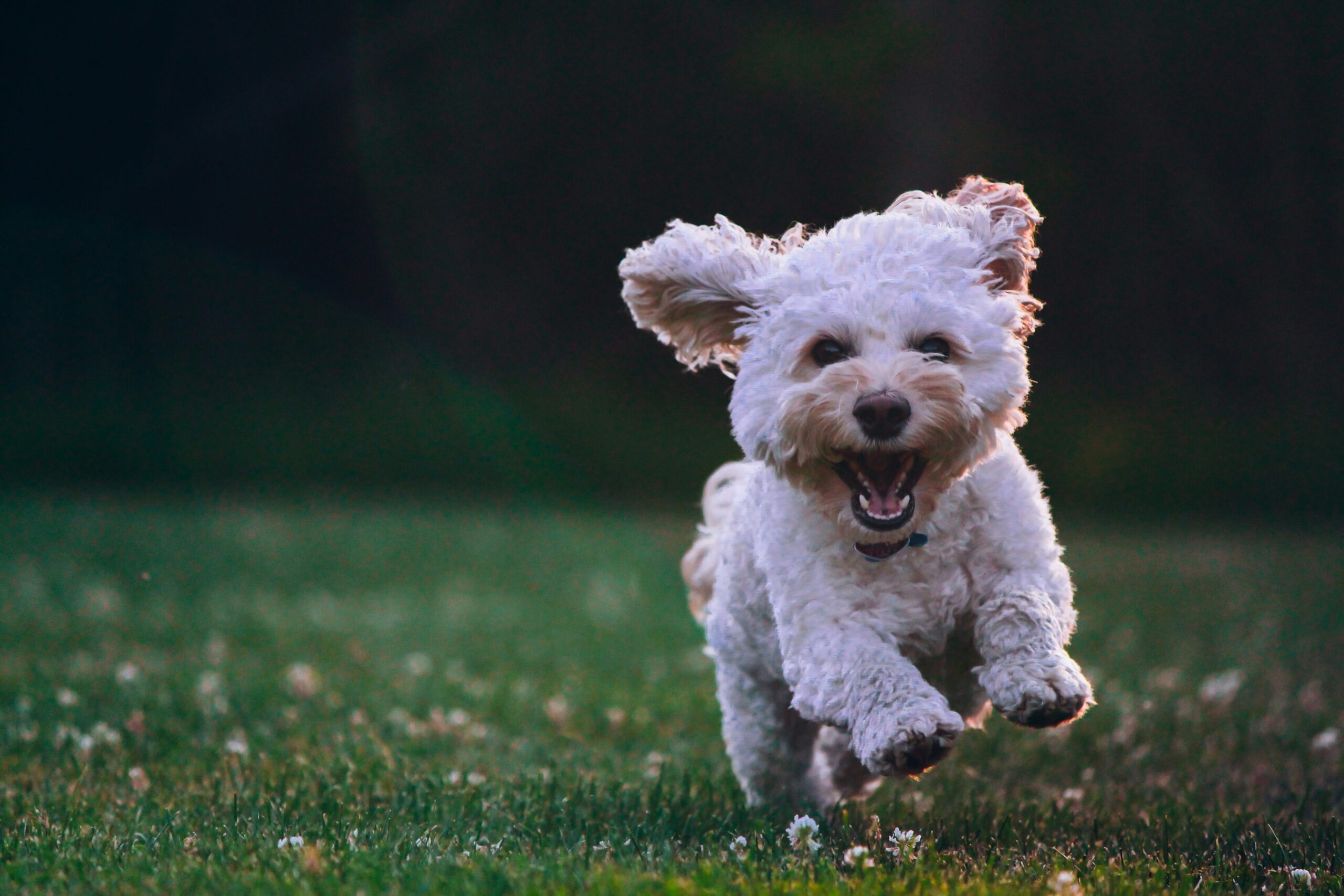
Dogs who barrel through doorways to greet guests, jump excessively, or physically wedge themselves between you and visitors are managing social interactions on their own terms. Even after repeated corrections, they repeat the behavior because they’ve learned there’s no consistent follow-through.
This is less about dominance and more about entitlement. The dog believes access to people and attention belongs to them. When greetings consistently revolve around managing the dog instead of welcoming guests, the power balance has clearly shifted.
18. Escalating When Corrected
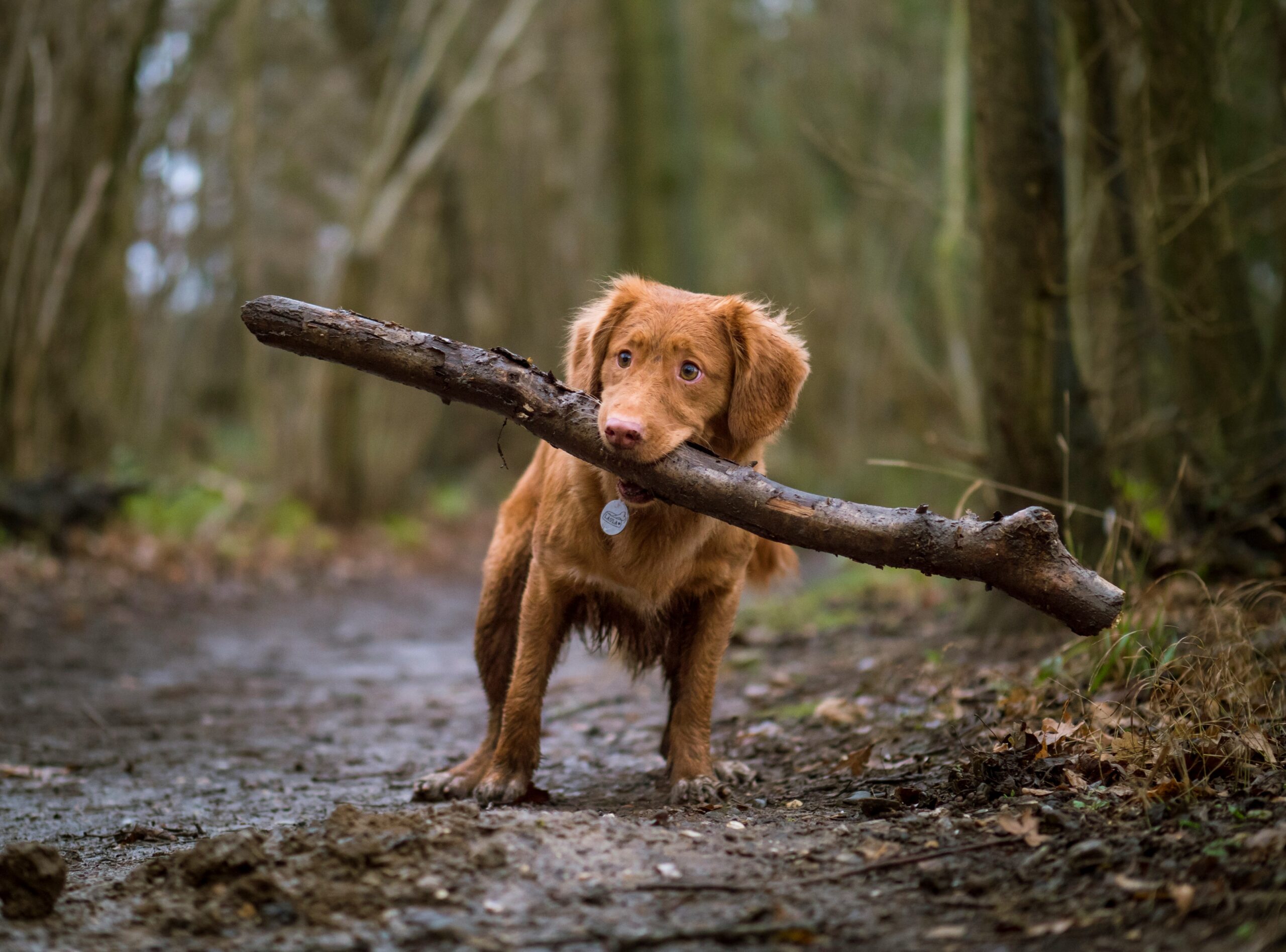
One of the clearest signs of boundary issues is a dog who escalates—growling louder, snapping, barking, or increasing intensity—when calmly corrected. Instead of yielding or redirecting, they push back harder.
This response suggests the dog views correction as a challenge rather than guidance. In a balanced relationship, redirection or calm interruption leads to compliance. Escalation indicates the dog believes they have equal or greater authority in the interaction—and that mindset can spill into multiple areas of daily life.