
The dog world is having a moment, and certain breeds are everywhere you look. From city apartments to suburban backyards, these dogs are showing up on social media feeds, at dog parks, and in veterinary waiting rooms at unprecedented rates. Whether it’s their adaptability to modern lifestyles, their striking looks, or their temperaments that fit today’s families, these breeds have captured people’s hearts in ways that feel different from past trends.
1. Cane Corso – The Gentle Giant Taking Over Suburbs
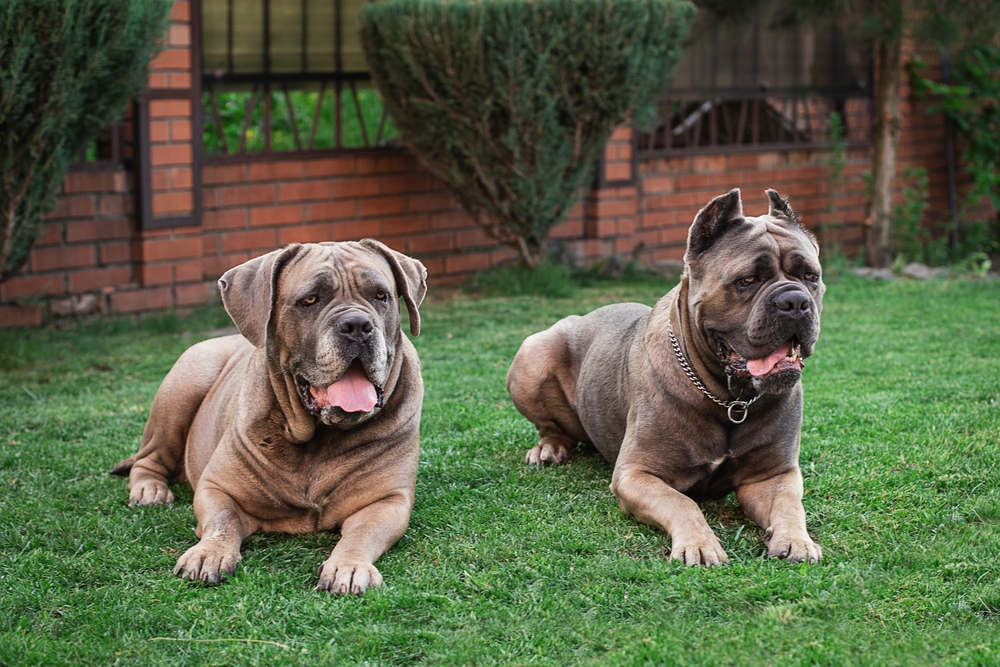
The Cane Corso has surged from relative obscurity to one of the fastest-growing breeds in North America. These massive Italian mastiffs combine an imposing presence with surprising gentleness toward their families, making them ideal for people who want both a protective companion and a loyal family member. Their sleek, muscular build and intelligent expressions have made them social media favorites, with countless Instagram accounts dedicated to their daily lives.
What’s driving the boom is how well Corsos fit modern security concerns without the aggression issues of some other guard breeds. They’re naturally watchful and territorial but typically calm and trainable when properly socialized. Families appreciate that a well-raised Corso is patient with children and content to lounge around the house between walks, despite their intimidating size reaching 100-110 pounds.
2. French Bulldog – Still Dominating Despite Health Concerns
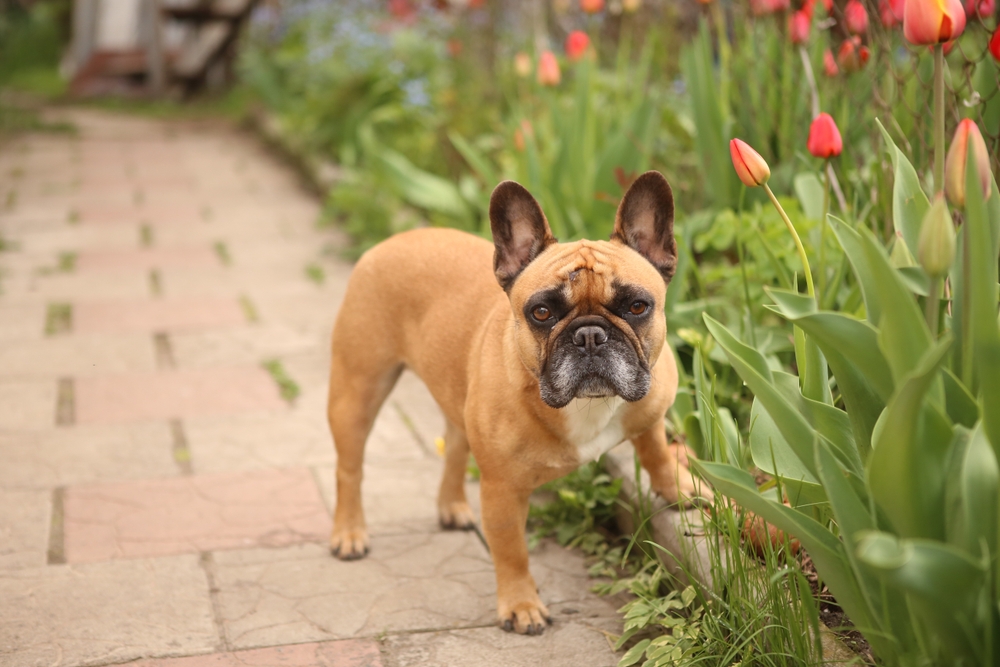
French Bulldogs have held the top spot in many countries for several years running, and 2026 shows no signs of slowing down. Their compact size, minimal exercise needs, and clownish personalities make them perfect for apartment living and busy professionals. They’re equally happy in a studio apartment or a large house, requiring companionship more than space or intense activity.
The breed’s continued popularity persists even as awareness grows about their health challenges, including breathing difficulties and spinal issues. Responsible breeders are working toward healthier lines with less extreme facial features, and many prospective owners are willing to navigate the medical costs for the privilege of living with these charming, affectionate companions. Their expressive faces and snorting sounds have made them endlessly shareable online, fueling demand that breeders struggle to meet ethically.
3. Dachshund – The Comeback Kid of Small Breeds

Dachshunds are experiencing a renaissance after years of being overshadowed by designer breeds and trendy imports. Their bold personalities packed into elongated bodies appeal to people tired of yappy, nervous small dogs. These hounds were bred to hunt badgers, giving them a fearless confidence and determination that translates to entertaining household companions who think they’re much larger than they actually are.
The variety within the breed adds to their appeal—smooth, long-haired, and wire-haired coats in standard or miniature sizes means there’s a Dachshund for almost any preference. They’re surprisingly athletic despite their short legs, enjoying walks and play while being manageable for elderly owners or those in smaller living spaces. Their tendency to bond intensely with their families and their relatively long lifespans of 12-16 years make them excellent long-term companions.
4. Golden Retriever – The Forever Favorite That Never Fades

Golden Retrievers remain one of the most sought-after breeds decade after decade, and 2026 is no exception. Their reputation as the ideal family dog is well-earned through generations of breeding for gentle temperaments, trainability, and patience with children. They’re large enough to be impressive and playful enough to keep up with active families, yet reliable and calm enough to trust around toddlers and elderly relatives.
What keeps Goldens relevant is their versatility—they excel as service dogs, therapy animals, hunting companions, and suburban family pets with equal enthusiasm. Their eagerness to please makes training relatively straightforward, though their high energy requires commitment to daily exercise and mental stimulation. The breed’s consistently warm, friendly nature means you rarely encounter an aggressive Golden, cementing their status as a safe choice for first-time dog owners.
5. Australian Shepherd – The Work-From-Home Era’s Perfect Match
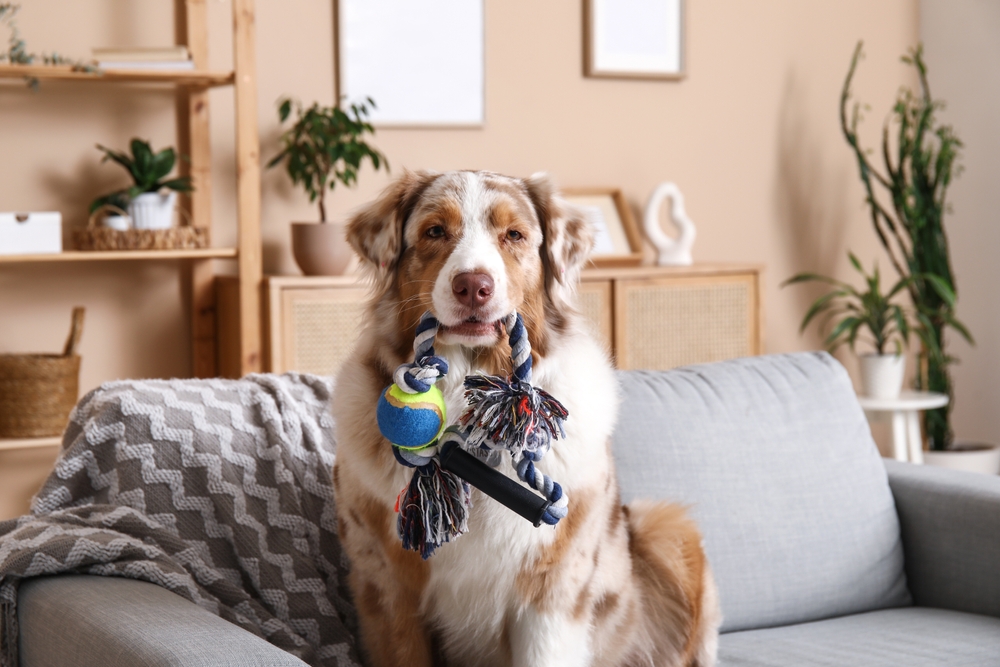
Australian Shepherds have exploded in popularity as remote work became normalized, giving people the time and presence these intelligent dogs require. Their stunning merle coats and bright, alert expressions make them instantly recognizable, while their high energy and trainability appeal to active owners who want a dog that can keep up with hiking, running, and outdoor adventures. They’re medium-sized at 40-65 pounds, making them manageable but substantial enough for athletic activities.
The breed’s intelligence is both their greatest asset and biggest challenge—Aussies need jobs to do or they’ll create their own, often destructive ones. Owners who commit to training, puzzle toys, and regular activity find incredibly responsive, loyal companions who seem to read their minds. The rise in dog sports like agility and disc competitions has given Aussies an outlet for their boundless energy, and their success in these arenas has only increased their visibility and desirability.
6. Bernese Mountain Dog – Instagram’s Favorite Fluffball
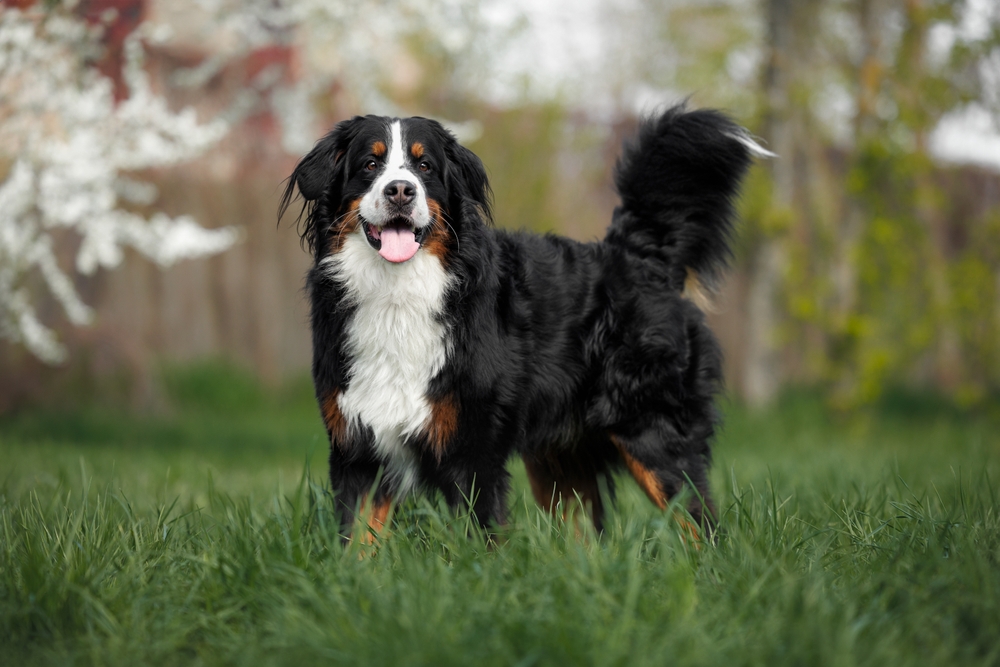
Bernese Mountain Dogs have become the poster children for gentle giant breeds, with their tri-color coats and sweet expressions filling social media feeds worldwide. These Swiss farm dogs were bred to pull carts and herd cattle, giving them calm, steady temperaments that translate beautifully to family life. They’re remarkably patient with children and generally friendly toward strangers and other animals, making them easy to integrate into various households.
The breed’s growing popularity comes with serious considerations that many buyers overlook in their rush to own one of these beautiful dogs. Berners typically live only 7-10 years due to high cancer rates, shorter than most large breeds, and they require extensive grooming to manage their thick double coats. They also need cool climates or air conditioning to stay comfortable, making them challenging in warmer regions despite people’s desire to own them everywhere.
7. Shiba Inu – The Independent Spirit Taking Cities by Storm
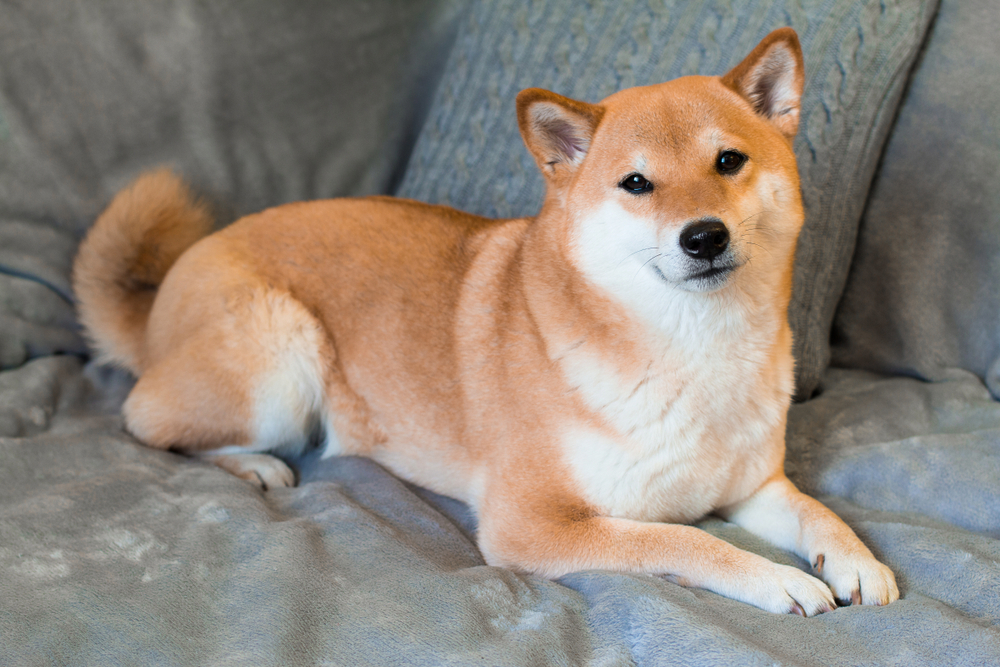
Shiba Inus have transitioned from niche Japanese breed to global phenomenon, partly thanks to internet meme culture and partly due to their fox-like appearance and spirited personalities. These compact spitz-type dogs maintain cat-like independence while still bonding closely with their families. Their clean nature, minimal doggy odor, and moderate exercise needs suit urban living better than many breeds their size.
What surprises new Shiba owners is the breed’s famous stubbornness and the “Shiba scream”—a high-pitched vocalization they make when displeased. They’re not the obedient, eager-to-please type that many people expect from dogs, instead offering a more challenging, independent relationship that appeals to experienced owners. Their thick coats and curled tails give them a distinctive silhouette, and their dignified, almost aloof demeanor with strangers contrasts amusingly with their playful goofiness at home.
8. Poodle (All Sizes) – The Original Hypoallergenic Hero Returns
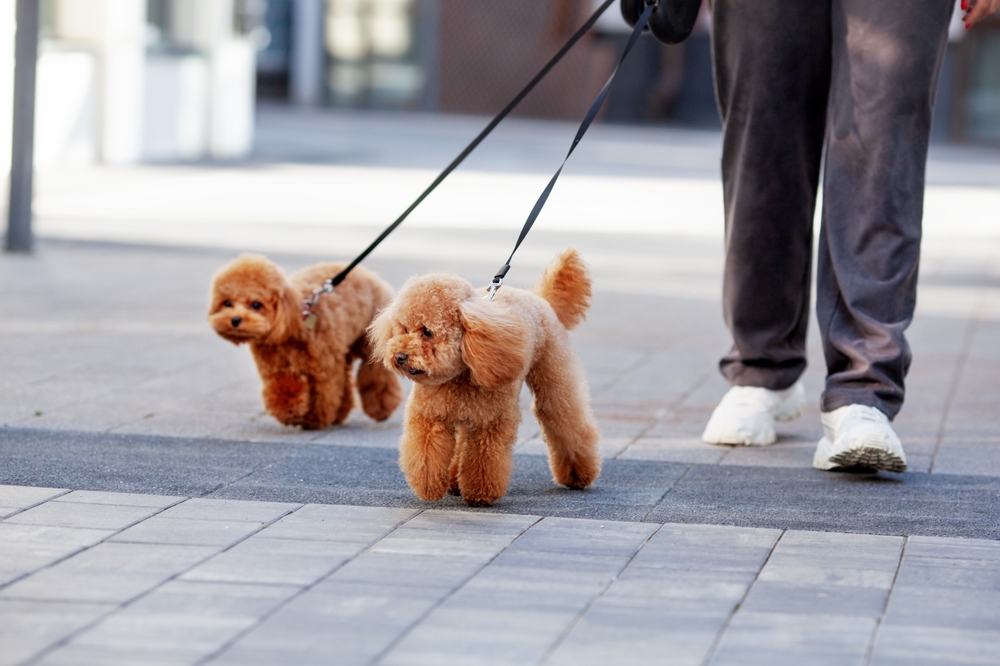
Poodles are experiencing a resurgence as people recognize that the original is often better than the dozens of -doodle mixes flooding the market. Standard, miniature, and toy Poodles all share intelligence that ranks among the highest of any breed, combined with truly low-shedding coats that work for allergy sufferers. They’re athletic and trainable, excelling in everything from agility to obedience to service work, depending on their size.
The breed’s versatility across three size categories means there’s a Poodle for nearly any living situation, from tiny apartments to sprawling properties. Their grooming requirements are significant—professional clips every 6-8 weeks are essential—but many owners appreciate the trade-off for a dog that doesn’t coat their home in fur. Poodles also live relatively long for their sizes, with toys often reaching 15+ years, giving owners extended time with their clever, devoted companions.
9. Rottweiler – Reputation Rehabilitated and Rising
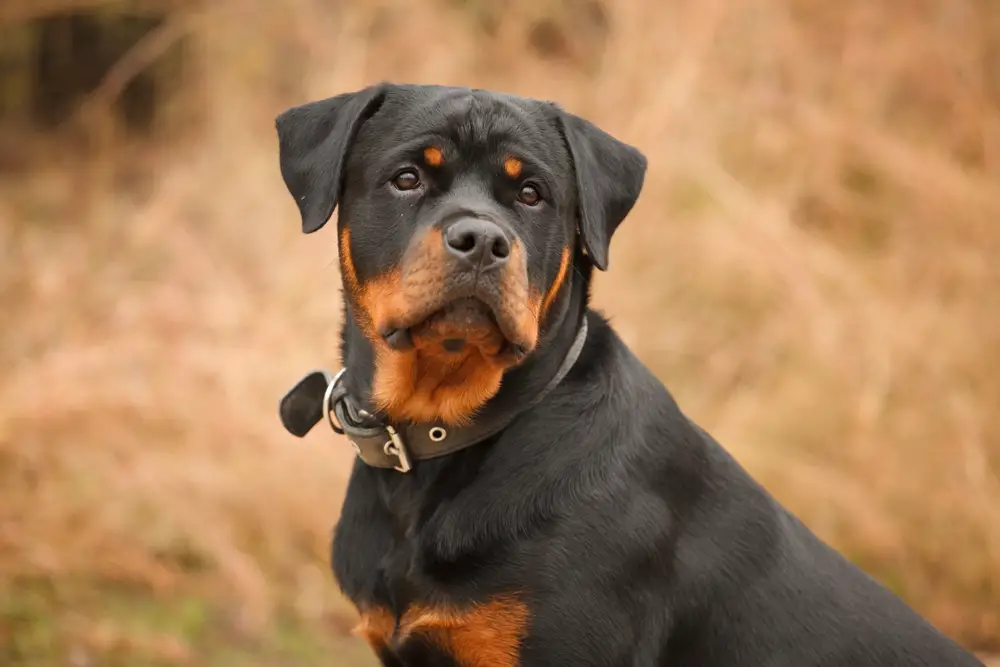
Rottweilers are shaking off decades of negative stereotyping to emerge as one of 2026’s trending breeds, particularly among experienced dog owners. These powerful dogs were bred to drive cattle and pull carts, giving them work ethic and strength wrapped in surprising gentleness toward their families. A well-bred, properly socialized Rottweiler is confident and calm, more likely to lean against you for affection than show any aggression.
The shift in perception comes from better breeding practices and increased education about the breed’s true nature versus media portrayals. Rotties are naturally protective without training, making them excellent watchdogs who rarely bark unnecessarily. They do require firm, consistent training and early socialization given their size—males can reach 135 pounds—but owners who put in the work discover loyal, goofy companions who remain playful well into adulthood.
10. Pembroke Welsh Corgi – Royal Approval Never Goes Out of Style

Corgis have maintained steady popularity that’s intensified in recent years, partly due to their association with British royalty and partly because they’re endlessly entertaining. Their long bodies on short legs give them a distinctive, almost comical appearance that translates to viral video gold. Despite their small stature—most weigh 25-30 pounds—they’re surprisingly athletic herding dogs with big personalities and fearless attitudes.
What makes Corgis ideal for modern life is their adaptability to both active and more sedentary lifestyles, as long as their weight is managed carefully. They’re smart and trainable but can be stubborn, and their herding instinct sometimes manifests as nipping at heels, especially with children. Their heavy shedding surprises many new owners who don’t expect that much fur from a relatively small dog, but their affectionate, playful nature and longevity of 12-15 years keep them in high demand.
11. German Shepherd – The Timeless Working Dog for a Security-Conscious Era
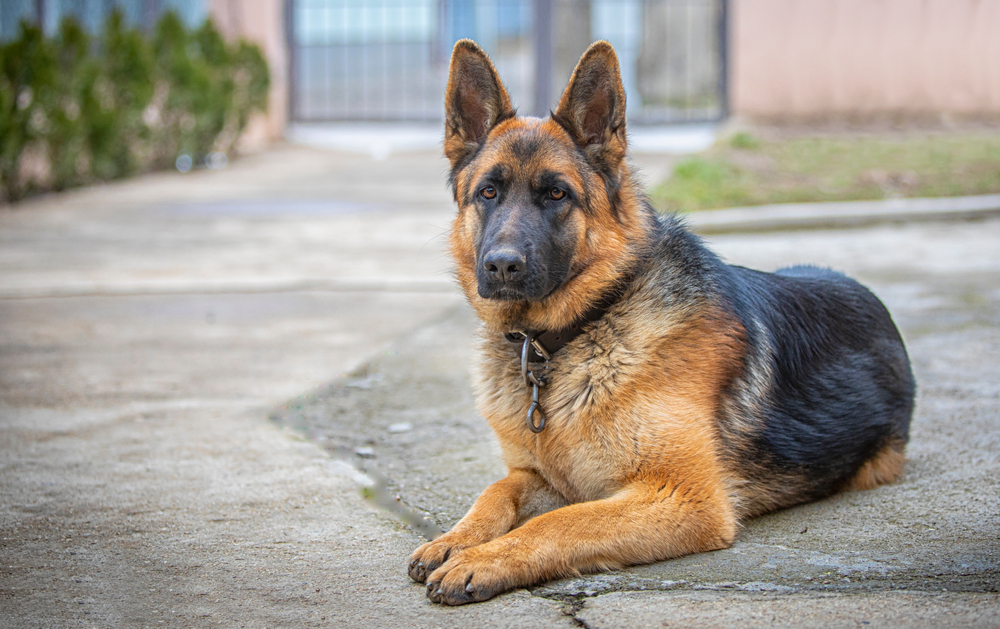
German Shepherds have never truly fallen from popularity, but heightened security awareness and their continued dominance in police and military work keeps them highly visible and desirable. These versatile working dogs combine intelligence, trainability, and loyalty in a package that appeals to families wanting both a companion and a protector. Their athleticism makes them suitable for active owners, while their desire to work and please gives them purpose beyond being pets.
The breed’s popularity has led to some problematic breeding, with significant health issues in some lines, particularly sloped backs that cause hip and spine problems. Responsible buyers seek working lines or breeders focused on health over exaggerated show standards, finding robust dogs capable of the athleticism and longevity the breed should have. German Shepherds bond intensely with their families and can be aloof with strangers, requiring socialization and training that many first-time owners underestimate.
12. Mixed Breeds from Rescues – The Ethical Alternative Gaining Ground
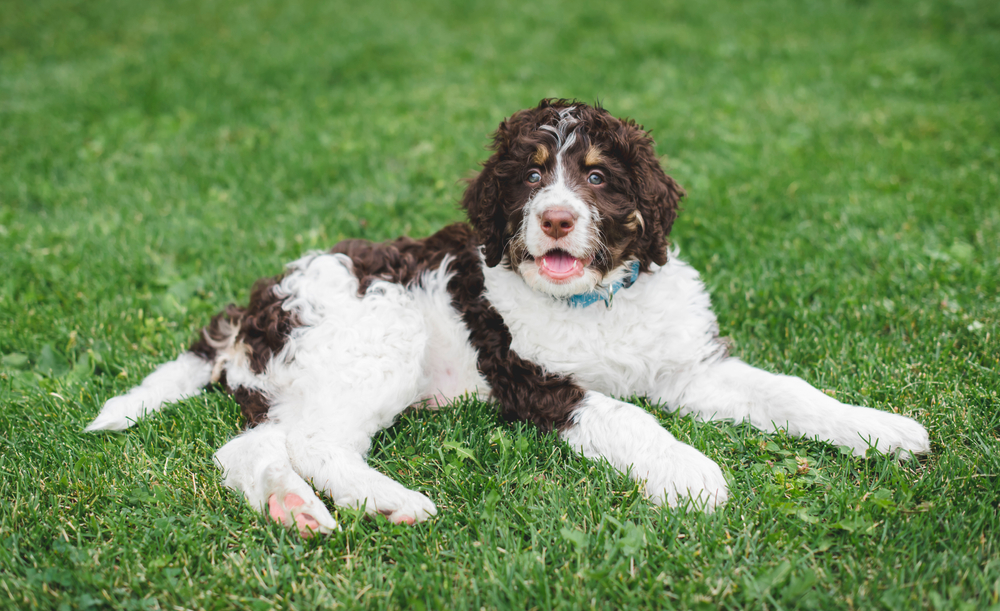
While not a single breed, shelter mutts and rescue dogs are experiencing their own surge in popularity as ethical concerns about breeding gain traction. These dogs offer unique combinations of traits, often with hybrid vigor, making them healthier than purebreds. Adopters appreciate knowing they’ve saved a life while often spending a fraction of what a purebred puppy costs, and rescue organizations have become savvier about marketing their available dogs through social media and professional photography.
The challenge with mixed breeds is unpredictability—that adorable puppy might grow much larger or have behavioral traits from unknown ancestry that surprise their families. However, many rescues now use DNA testing to identify breed mixes, helping adopters make informed decisions about size, energy level, and temperament. The growing sentiment that “adopt don’t shop” reflects broader concerns about puppy mills and overbreeding, making rescue dogs not just a practical choice but an increasingly fashionable one.