
Most apex predators avoid human contact, but certain species continue to view humans as potential prey or have become increasingly bold as habitats overlap. Climate change, habitat loss, and growing human populations are pushing these encounters into new territory, with sightings rising in areas that were previously safe. Understanding where these predators are expanding and why they target humans can help you stay safe in regions where the boundaries between human and animal territory are dissolving.
1. Alligators in the Southeastern United States
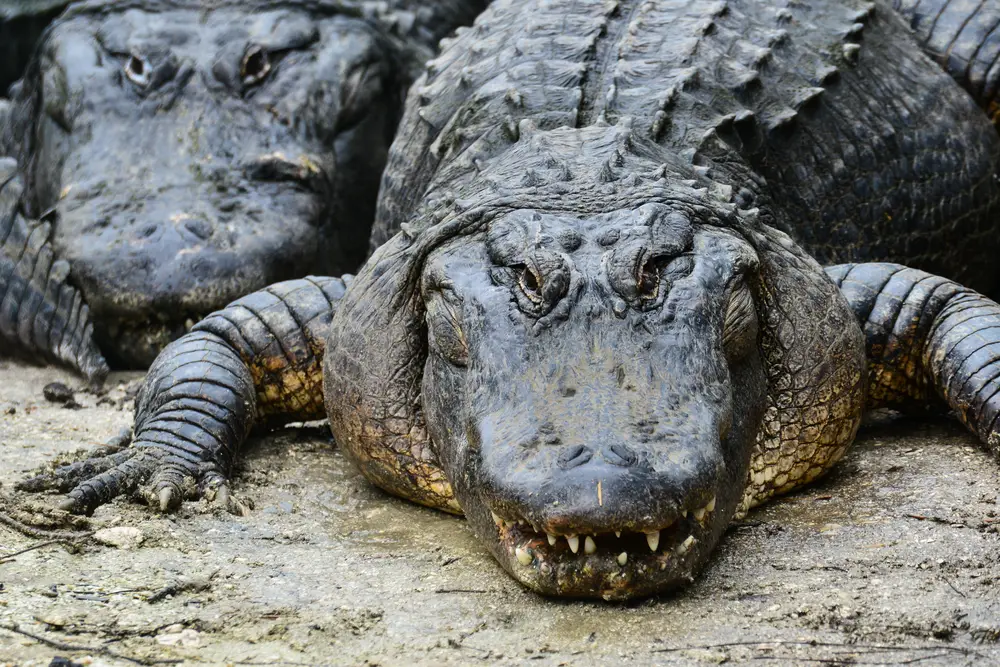
Alligator attacks in Florida, Louisiana, Texas, and other southeastern states are increasing as both human and alligator populations grow. Florida alone reports dozens of serious attacks annually, with several fatal incidents most years. Alligators that have been fed by humans or live near golf courses and retention ponds have lost their natural wariness and become bold around people.
Development in Florida continues to place homes, hotels, and recreation areas directly adjacent to prime alligator habitat. Climate change is also allowing alligators to expand their range northward, with sightings now occurring in areas of North Carolina and Arkansas where they were previously uncommon. The combination of habitat loss and human population growth in the Southeast is creating more frequent and more dangerous encounters.
2. Mountain Lions in Western North America
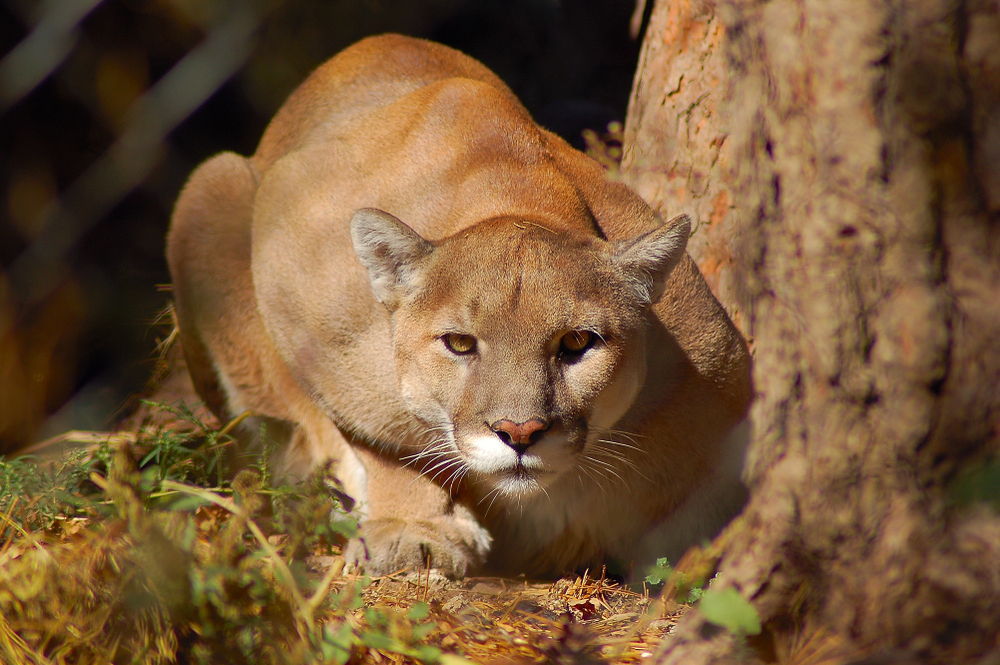
Mountain lion encounters are rising across the western United States, particularly in California, Colorado, and the Pacific Northwest as human development extends into wildland areas. While attacks remain relatively rare, the number of sightings and encounters has increased dramatically in suburban areas, hiking trails, and even urban fringes. Colorado’s Front Range communities report regular lion sightings in neighborhoods, parks, and open spaces.
California has experienced multiple fatal attacks in recent years, particularly in areas where suburbs meet wilderness. Lions that specialize in hunting deer are finding them abundant in suburban areas, which brings the predators into close contact with humans. Drought conditions in the West may be driving prey animals into developed areas, with lions following, and the expanding wildland-urban interface creates perfect conditions for encounters.
3. Wolves in Remote Parts of North America, Europe, and Asia
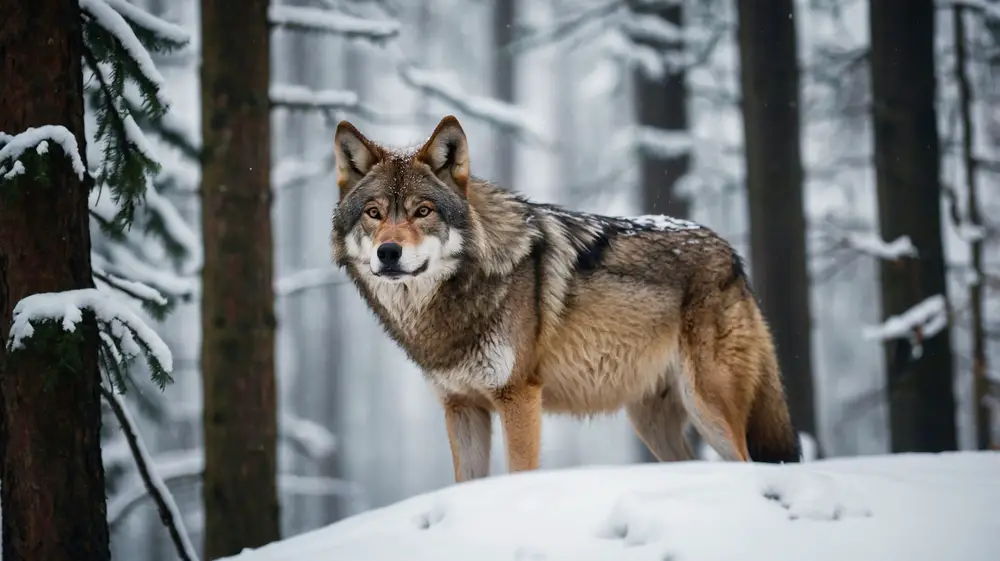
While wolf attacks on humans are historically rare in North America, encounters are increasing in Alaska, northern Canada, and parts of Russia as wolf populations expand and human activities push into remote areas. Fatal attacks have occurred in Alaska and Canada in recent years, breaking a long pattern of wolves avoiding humans. Europe is also seeing increased wolf encounters in rural areas of Spain, Italy, and Eastern Europe as populations recover.
Habituated wolves that lose their fear of humans pose the greatest risk, particularly in areas where they’ve learned to associate humans with food sources. Alaska’s North Slope and parts of rural Canada have reported increasingly bold wolf behavior, including approaches to villages and attacks on sled dogs. Climate change affecting prey populations may be making wolves more desperate and willing to take risks they would normally avoid.
4. Tigers in India and Southeast Asia
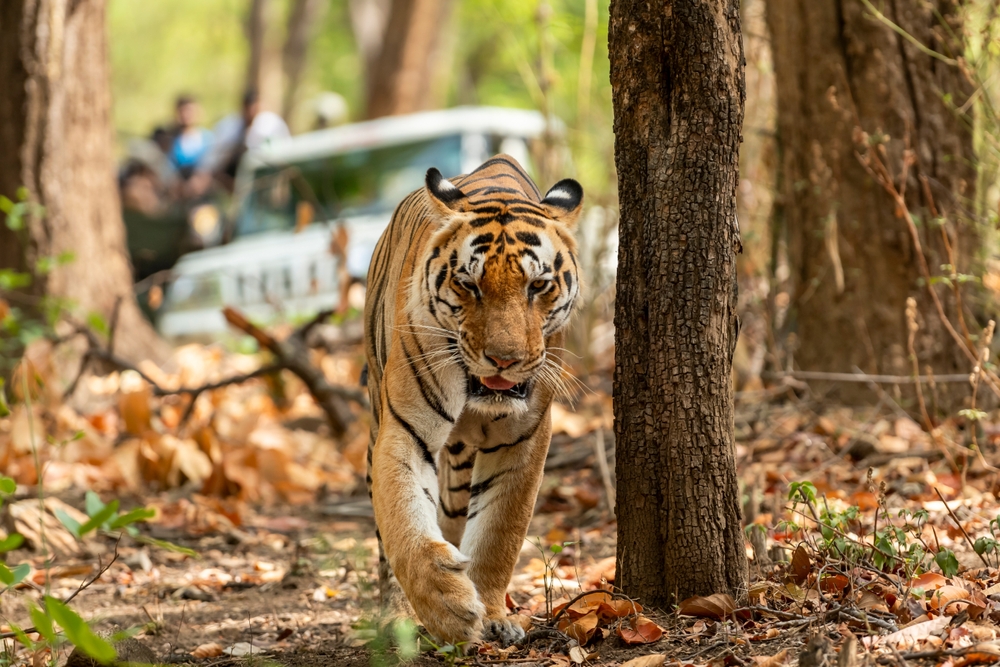
Tigers kill approximately 40-50 people per year in India alone, with the Sundarbans mangrove forest between India and Bangladesh being a particular hotspot. Unlike most big cats that avoid humans, tigers in certain regions have learned to hunt people, particularly in areas where natural prey has been depleted. Human-tiger conflict is increasing in India’s Corbett Tiger Reserve, the Sundarbans, and parts of Nepal as tiger populations recover and overlap with human activities.
Climate change is pushing tigers into new territories as their traditional habitats become unsuitable, leading to encounters in villages that previously never saw tigers. The Sundarbans region alone accounts for dozens of deaths annually, with honey collectors and fishermen at highest risk. Some tigers become habitual man-eaters, systematically hunting humans, and these individuals require tracking and removal to prevent multiple deaths.
5. Leopards in India and Africa
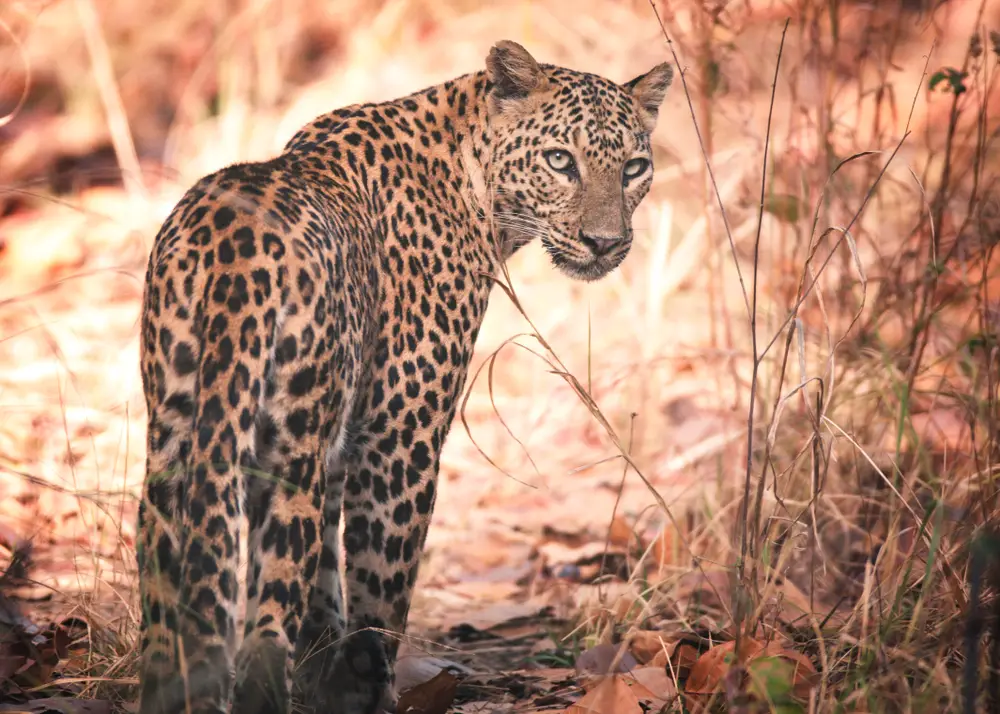
Leopards are responsible for more human deaths than any other big cat, killing an estimated 100+ people annually worldwide. India has seen a dramatic rise in leopard encounters and attacks, particularly in Maharashtra, Uttarakhand, and Karnataka states where leopards regularly enter villages at night. These adaptable cats thrive near human settlements, feeding on dogs and livestock but occasionally taking humans—especially children.
Unlike tigers, leopards live successfully in fragmented habitats near cities, leading to increased human-leopard overlap. Mumbai’s Sanjay Gandhi National Park sits within city limits and houses a breeding population of leopards that occasionally attack people. Parts of East Africa, particularly Kenya and Tanzania, are also seeing increased human-leopard conflict as development fragments habitat and forces leopards into closer contact with settlements.
6. Great White Sharks Off U.S. and Australian Coasts
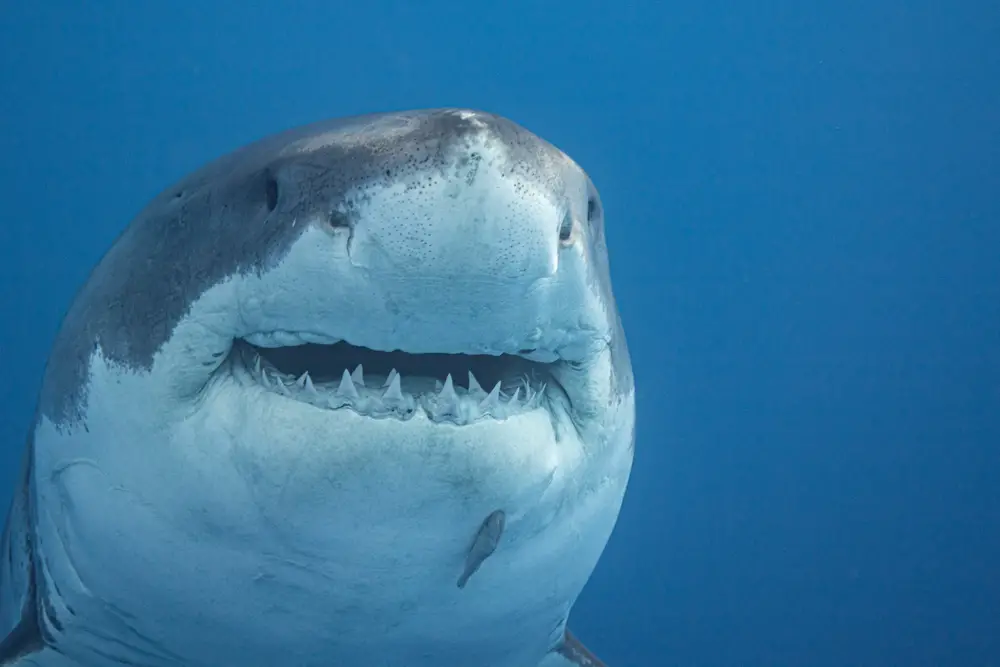
Great white shark encounters are rising along California’s coast, Cape Cod in Massachusetts, and multiple locations along Australia’s shores. While fatal attacks remain rare, the number of encounters has increased significantly as seal populations recover and sharks follow their prey closer to popular beaches. Cape Cod has seen a dramatic increase in white shark sightings since 2010, transforming beaches that were previously considered safe.
California’s central coast, particularly near San Francisco and Monterey Bay, now has a substantial white shark population that peaks during summer and fall. Australia’s New South Wales coast has experienced multiple fatal attacks in recent years, leading to increased beach closures and shark surveillance programs. Warming ocean temperatures may be expanding sharks’ range and keeping them in coastal waters longer, increasing overlap with swimmers and surfers.
7. Komodo Dragons in Indonesia
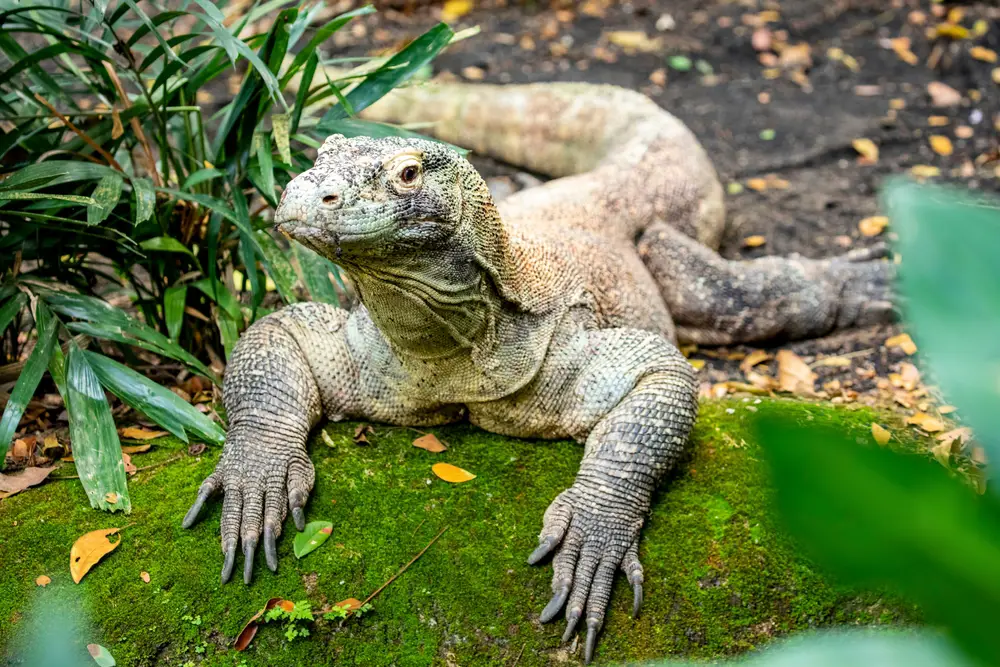
Komodo dragons on Indonesia’s Komodo Island and surrounding areas have attacked and killed multiple people in recent decades, with encounters rising as tourism increases. These massive lizards grow over 10 feet long and have killed park rangers, villagers, and tourists who got too close or surprised them. The dragons’ toxic saliva causes severe infections and blood loss, and they’ll actively pursue and hunt humans who enter their territory.
Rinca Island and Komodo Island see regular encounters between dragons and humans, with several attacks occurring annually. The dragons have no fear of humans and will enter villages searching for food, particularly drawn by livestock and garbage. Population pressures and tourism development on the islands are bringing humans and dragons into closer contact, and the reptiles’ bold behavior suggests they view humans as potential prey items.
8. Jaguars in Central and South America
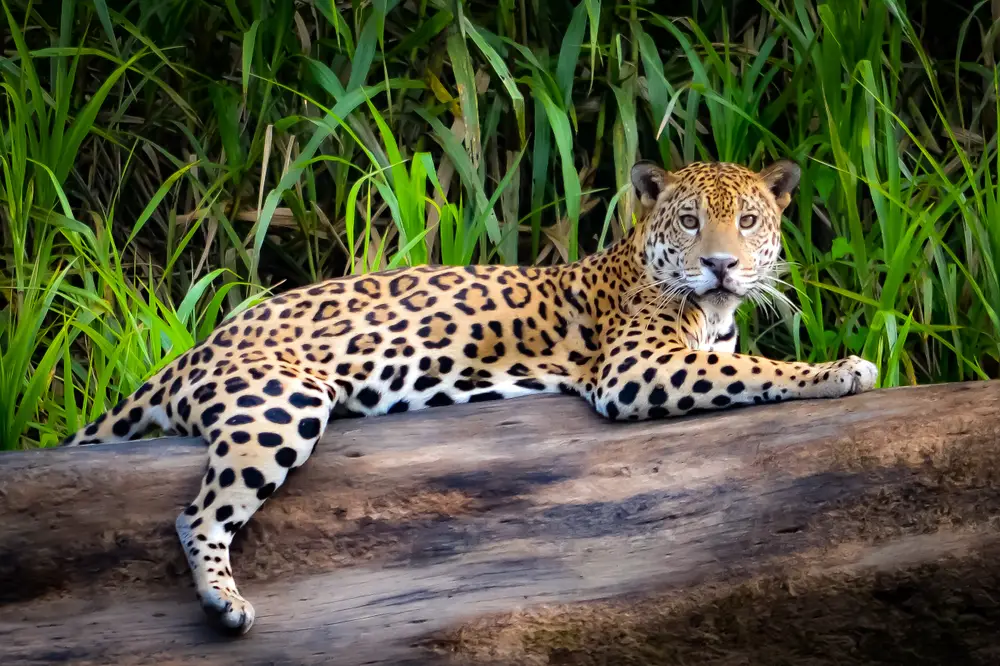
While jaguar attacks on humans have historically been rare, recent years have seen increasing incidents in Brazil’s Pantanal region and parts of the Amazon basin. These powerful cats are being pushed into closer contact with humans as deforestation fragments their habitat. Brazil has reported rising numbers of jaguar encounters in agricultural areas, with several attacks on humans documented in recent years.
Jaguars in areas with depleted natural prey are more likely to take livestock and occasionally attack humans defending their animals. The Pantanal and Amazon regions are experiencing unprecedented habitat loss, forcing jaguars into territories where they interact regularly with ranchers and rural communities. Unlike many big cats, jaguars have immensely powerful bites capable of crushing skulls, making any attack potentially fatal.
9. Bull Sharks in Coastal Waters Worldwide
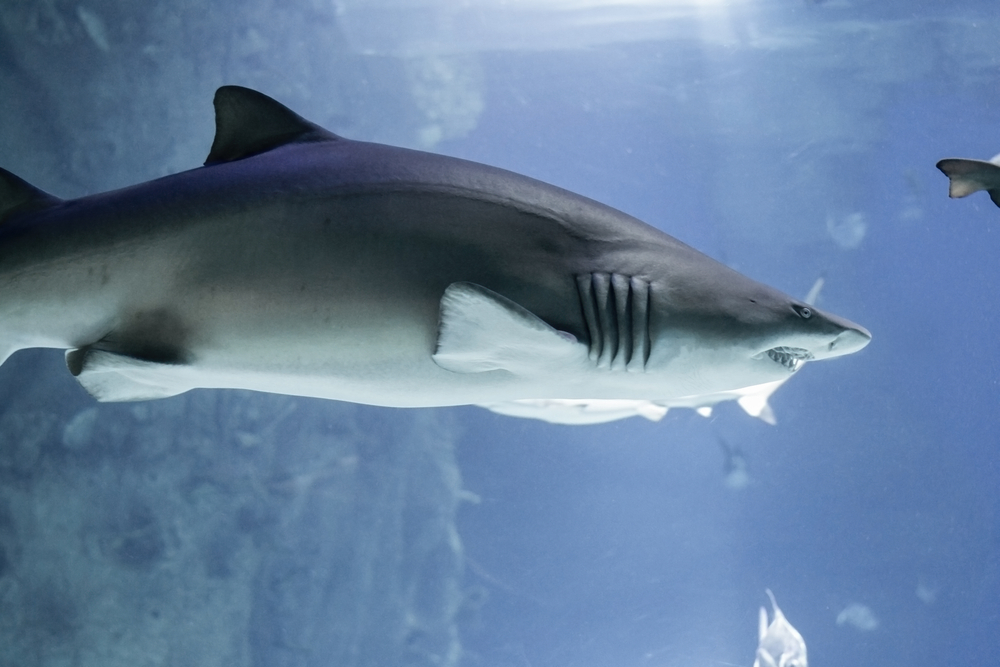
Bull sharks are responsible for more attacks on humans than any shark species except great whites, and their presence in shallow coastal waters and rivers is increasing. These aggressive sharks can survive in both salt and freshwater, regularly entering rivers where people swim, fish, and boat. Florida, the Gulf Coast, South Africa, and Australia all report rising numbers of bull shark encounters in areas popular with swimmers.
The Mississippi River system, Amazon River, and various rivers in India and Africa all host bull shark populations that bring them into contact with unsuspecting humans. Climate change and warming waters may be expanding their range northward along U.S. coasts. Bull sharks are particularly dangerous because they inhabit murky waters where visibility is poor and they’re known for their aggressive behavior toward potential prey.
10. Nile Crocodiles in Sub-Saharan Africa
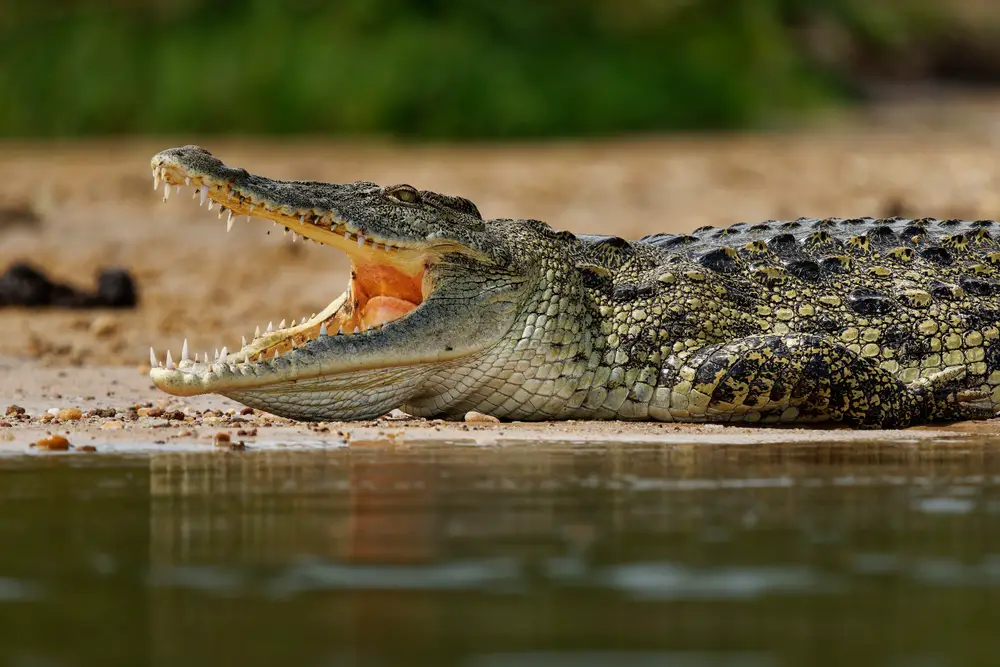
Nile crocodiles kill an estimated 200-300 people annually across sub-Saharan Africa, making them one of the deadliest predators to humans on Earth. Unlike many predators that avoid humans, Nile crocodiles actively hunt people as prey, particularly in rural areas where people fish, bathe, and collect water from rivers. Sightings and attacks are rising dramatically in East Africa as human populations expand into crocodile habitat and climate change alters water levels.
Uganda, Tanzania, and Mozambique have all reported increases in human-crocodile conflict, with some communities experiencing multiple fatal attacks per year. These reptiles are ambush predators that can wait motionless for hours before exploding from the water with deadly speed. Development along waterways and drought conditions that concentrate both humans and crocodiles at remaining water sources are creating perfect conditions for increased encounters.
11. Polar Bears in the Arctic
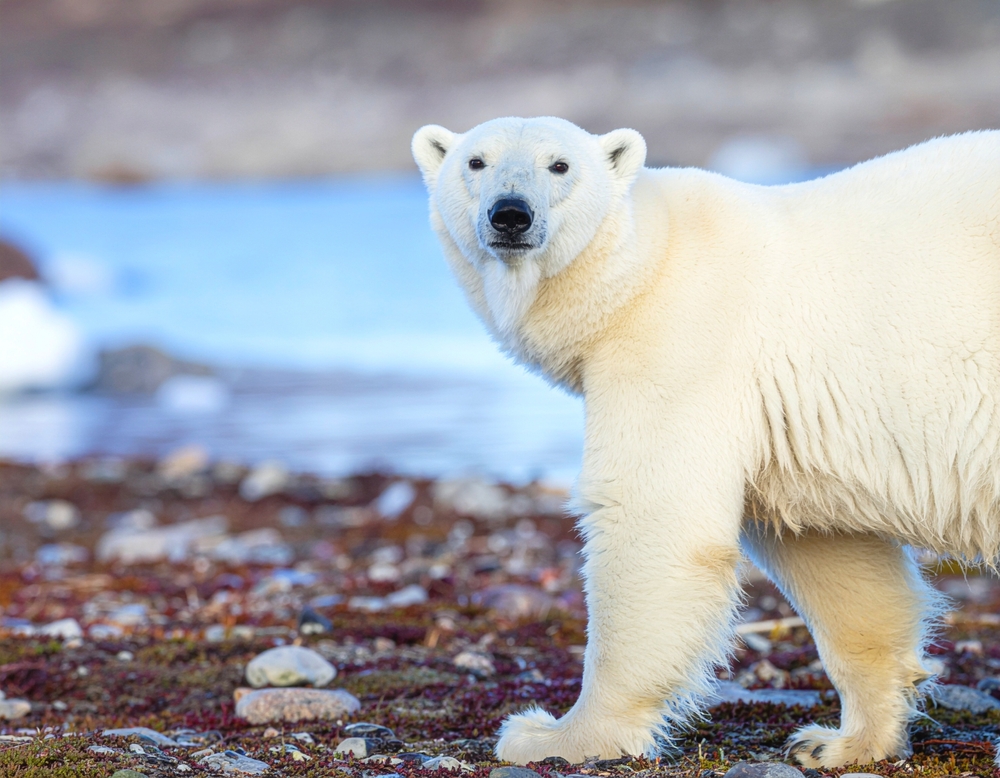
Polar bears are one of the few animals that will actively stalk and hunt humans as prey, and sightings in human settlements are rising dramatically as sea ice disappears. Churchill, Manitoba, known as the “Polar Bear Capital of the World,” has seen increasing bear encounters as animals spend more time on land due to shorter ice seasons. Alaska’s northern coast, Svalbard, and northern Russia are all reporting more frequent and more aggressive polar bear encounters.
Climate change is forcing bears to spend longer periods on land where food is scarce, making them desperate and more willing to approach human settlements. Unlike grizzlies that can survive on varied diets, polar bears are specialized seal hunters losing their hunting platform as ice melts. Several fatal attacks have occurred in recent years, and Arctic communities now require armed guards for children walking to school—a precaution that wasn’t necessary a generation ago.
12. Saltwater Crocodiles in Australia and Southeast Asia
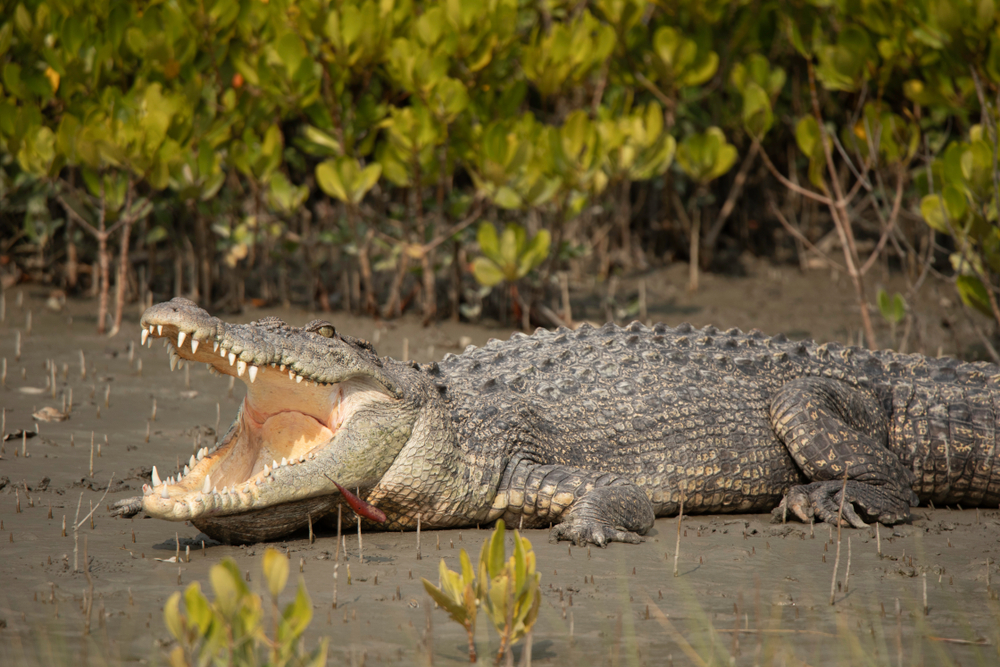
Saltwater crocodiles are the world’s largest living reptiles and responsible for dozens of human deaths annually across their range in Australia, Indonesia, Malaysia, and the Philippines. These massive predators can exceed 20 feet in length and actively prey on humans who enter their territory. Northern Australia has seen a significant increase in dangerous encounters as crocodile populations recover from historical overhunting and expand into areas where humans recreate.
Darwin and Cairns regions report increasing numbers of large crocodiles in areas popular with tourists and residents. Indonesia’s coastal regions have experienced rising fatal attacks as human development encroaches on mangrove habitats. These animals view humans as legitimate prey items, and their stealth and power make them extraordinarily effective hunters—victims often disappear without witnesses or any chance of survival.
13. Hyenas in East and Southern Africa
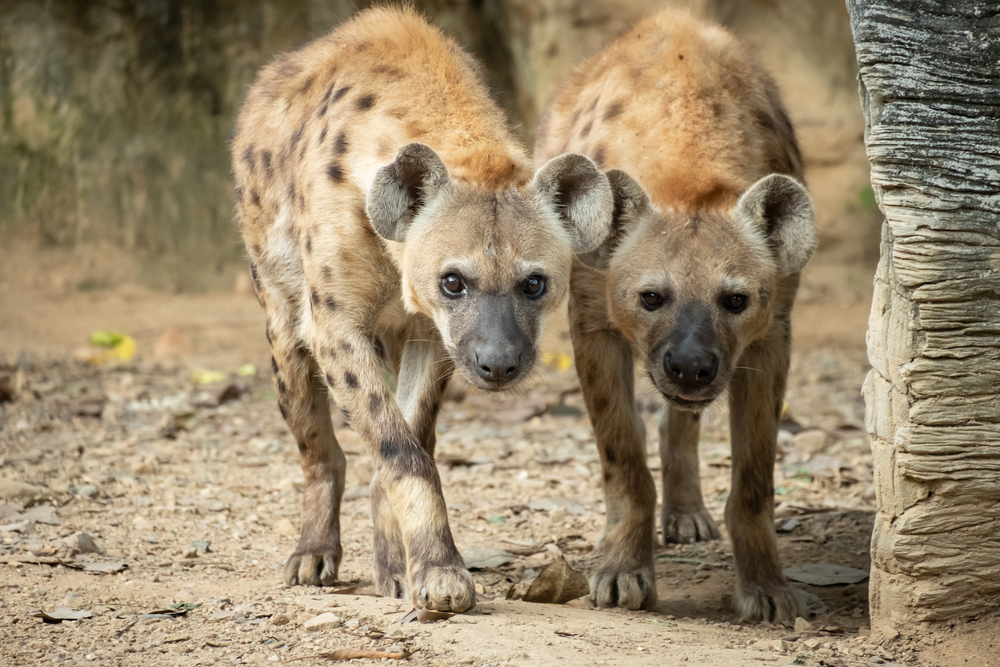
Spotted hyenas kill an estimated 10-20 people annually in Ethiopia, Tanzania, and other parts of East Africa, with attacks increasing in areas where humans and hyenas compete for space. These powerful predators have bone-crushing jaws and hunt in coordinated packs, occasionally targeting humans—particularly children and sleeping individuals. Ethiopia has seen a notable increase in hyena attacks, particularly in areas around Harar where hyenas enter the city at night.
Tanzania and parts of Mozambique report regular hyena attacks on people sleeping in rural homesteads. Unlike many predators that avoid human settlements, hyenas are highly adaptable scavengers that thrive near villages where they feed on garbage and livestock. Some hyenas have learned to pull sleeping people from their homes through windows or doors, creating terror in communities that lack adequate protection from nighttime raids.