
Most wild animals flee when humans shout or make noise, following their natural instinct to avoid potential threats. But certain species have either lost their fear of humans, never had it to begin with, or are simply too confident in their own abilities to be intimidated by yelling. Understanding which animals won’t be deterred by noise can prevent dangerous encounters where your voice becomes useless.
1. Honey Badgers
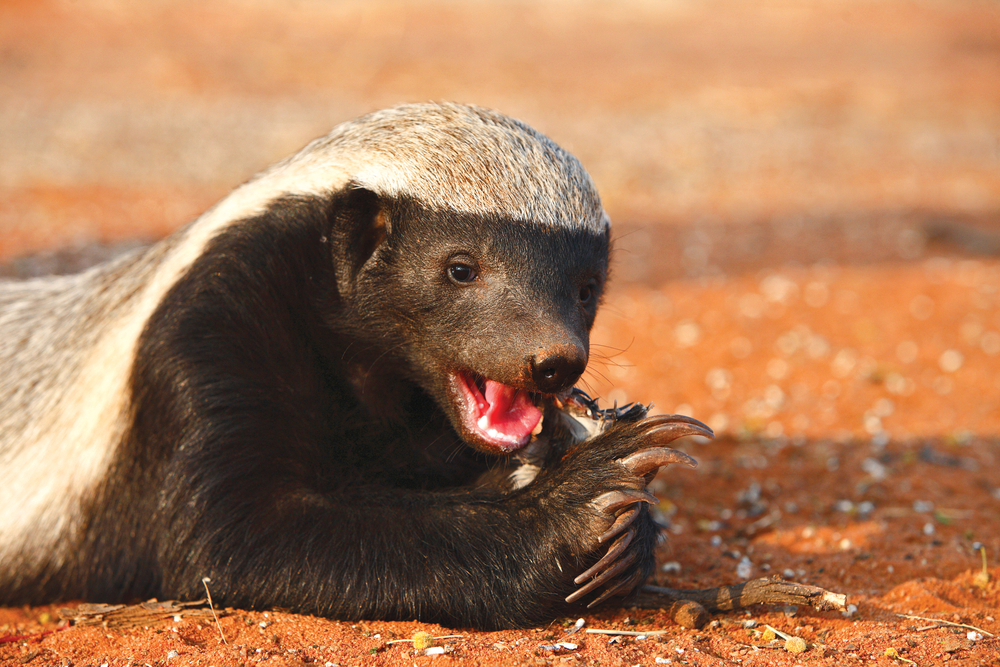
Honey badgers are famous for their fearlessness and aggression, traits that extend to complete disregard for human yelling. These small but ferocious animals will attack much larger creatures, including humans, if they feel threatened or annoyed. Yelling at a honey badger is pointless—they’re known for taking on lions and coming back for more.
Their reputation for fearlessness is well-earned through encounters with humans, livestock, and predators across Africa and Asia. Honey badgers have extremely tough skin and a pain tolerance that makes them nearly unstoppable once they’re committed to a confrontation. Wildlife researchers have documented honey badgers completely ignoring human attempts at intimidation and continuing their activities or advancing aggressively.
2. Moose
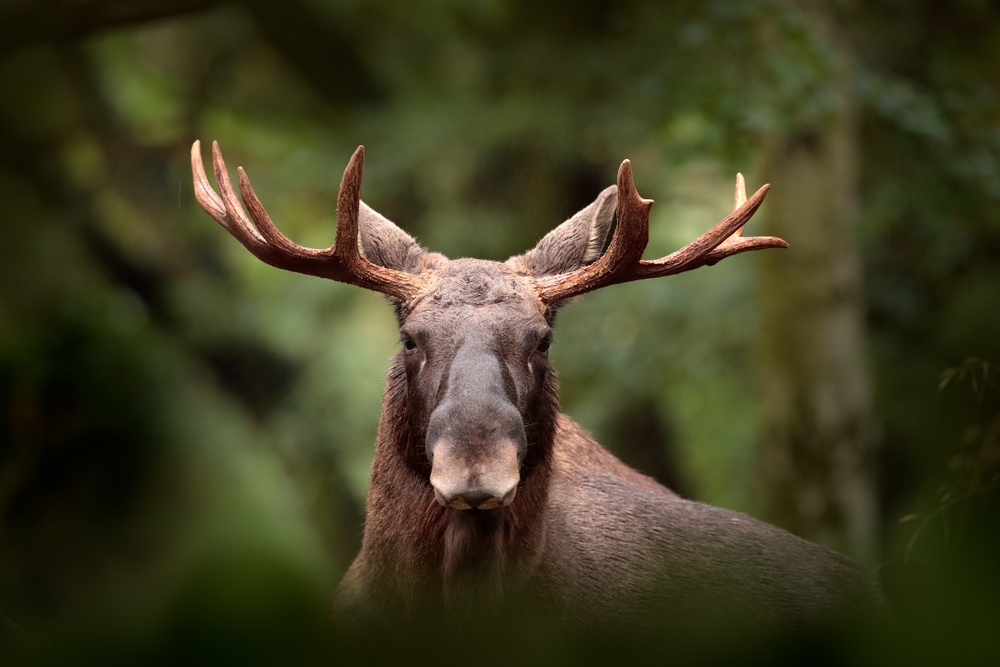
Moose are surprisingly aggressive and completely unimpressed by human yelling, particularly during rutting season or when cows have calves. These massive animals don’t view humans as threats worth fleeing from and will charge if they feel challenged or annoyed. Yelling at a moose often makes the situation worse, as they interpret loud noises as aggression they need to respond to.
Wildlife officers report that moose injure more people than bears in many regions, and most attacks involve people who tried to scare them off with noise. Unlike deer who bolt at shouting, moose stand their ground and assess whether they need to neutralize the threat. Their size and power mean that even a warning charge can result in serious injury or death.
3. Bison
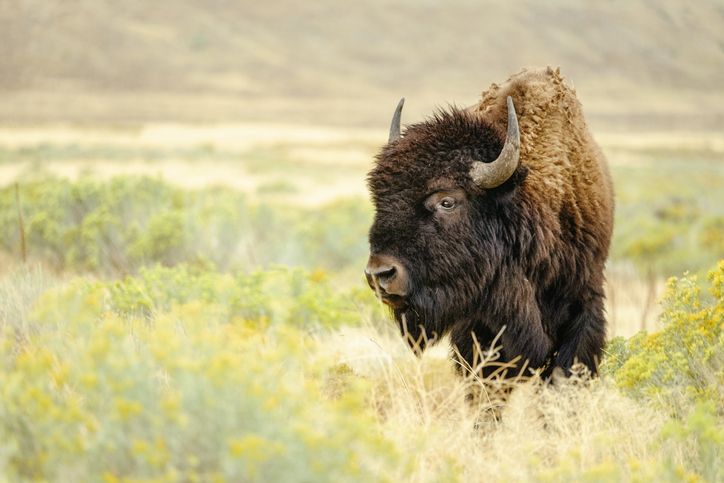
Bison in national parks have become so habituated to humans that they ignore yelling, warnings, and even approaching people. These animals weigh up to 2,000 pounds and can run 35 mph—they have no natural predators and no reason to fear human voices. Multiple goring incidents occur annually in Yellowstone alone, often involving tourists who yelled at or tried to shoo away bison blocking roads.
Park rangers repeatedly emphasize that bison are not domesticated and won’t move just because you’re loud or impatient. The animals’ calm demeanor misleads people into thinking they’re docile, but they’re actually just unafraid. Shouting at a bison can trigger a charge, especially during rutting season when bulls are aggressive and unpredictable.
4. Grizzly Bears
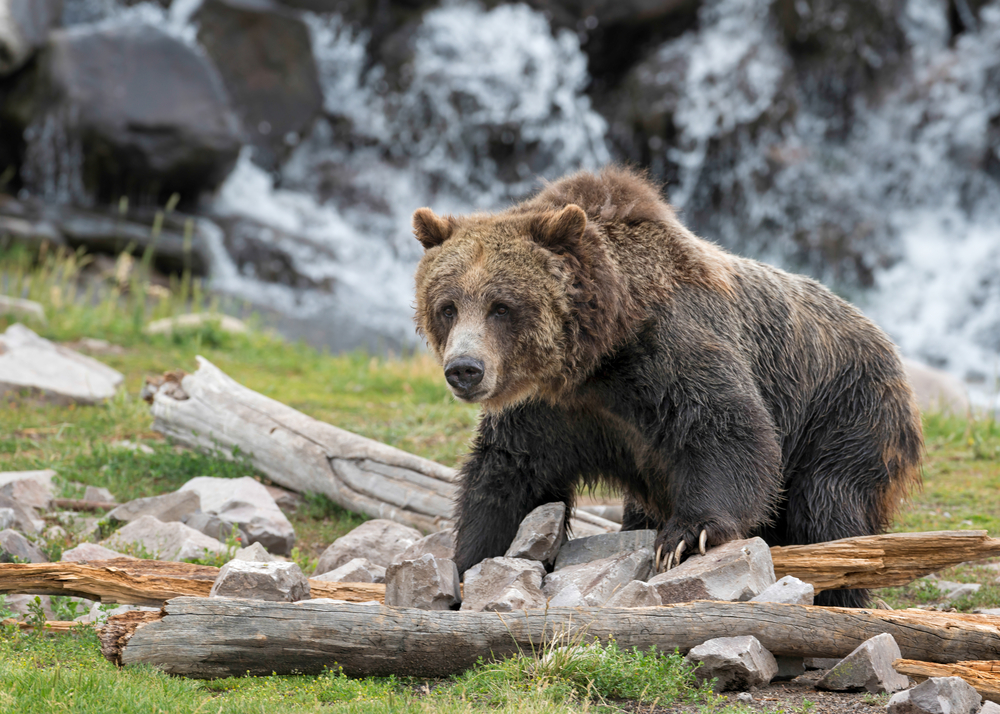
Grizzly bears often don’t run from human yelling, particularly if they’re protecting cubs, feeding, or surprised at close range. While making noise while hiking can prevent surprise encounters, yelling directly at a grizzly you’ve already encountered often escalates the situation. Bears interpret loud, aggressive sounds as challenges, especially from a standing human who appears confrontational.
Wildlife biologists emphasize that bear behavior is context-dependent—a bear on a carcass or a mother with cubs won’t be deterred by any amount of noise. Grizzlies are apex predators with nothing to fear from humans in terms of physical confrontation. The recommended response during a close encounter is calm, quiet talking and slow backward movement, not aggressive yelling.
5. Feral Hogs
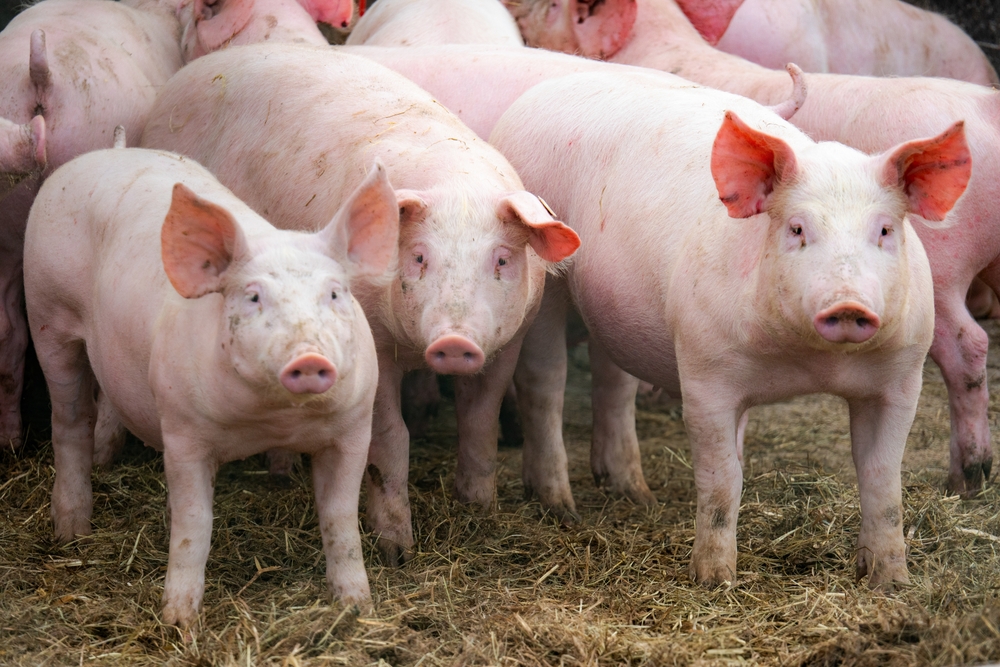
Feral hogs in the southern United States have become a major problem partly because they’re not afraid of human presence or noise. These aggressive animals travel in groups and will stand their ground or even charge when confronted. Yelling at a sounder of feral hogs accomplishes nothing except potentially triggering a coordinated attack.
Wild hogs have tusks that can inflict serious injuries, and their fearlessness makes them particularly dangerous. They’ve learned that humans typically don’t pose immediate threats, so vocal intimidation doesn’t work. Hunters report that even gunfire often doesn’t scatter hogs the way it would other game animals—they’re simply not programmed to flee from noise.
6. Alligators
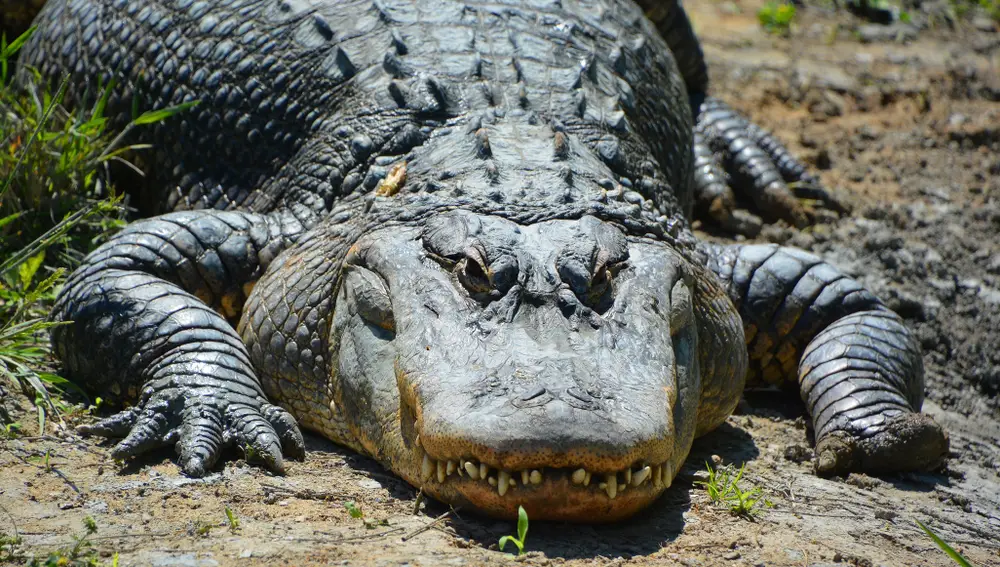
Alligators that have been fed by humans or live in populated areas have lost their natural wariness and won’t flee from yelling. These ancient predators operate largely on instinct and opportunity—loud noises don’t register as danger signals. Alligators in places like Florida golf courses or retention ponds completely ignore human shouting and go about their business.
Wildlife officers report that people often yell at alligators to try to move them away from areas, but the alligators simply don’t care. If an alligator has identified you as potential prey or if you’re near a nest site, yelling may actually draw attention rather than provide safety. These reptiles have survived millions of years as apex predators and have no evolutionary reason to fear primate vocalizations.
7. Swans
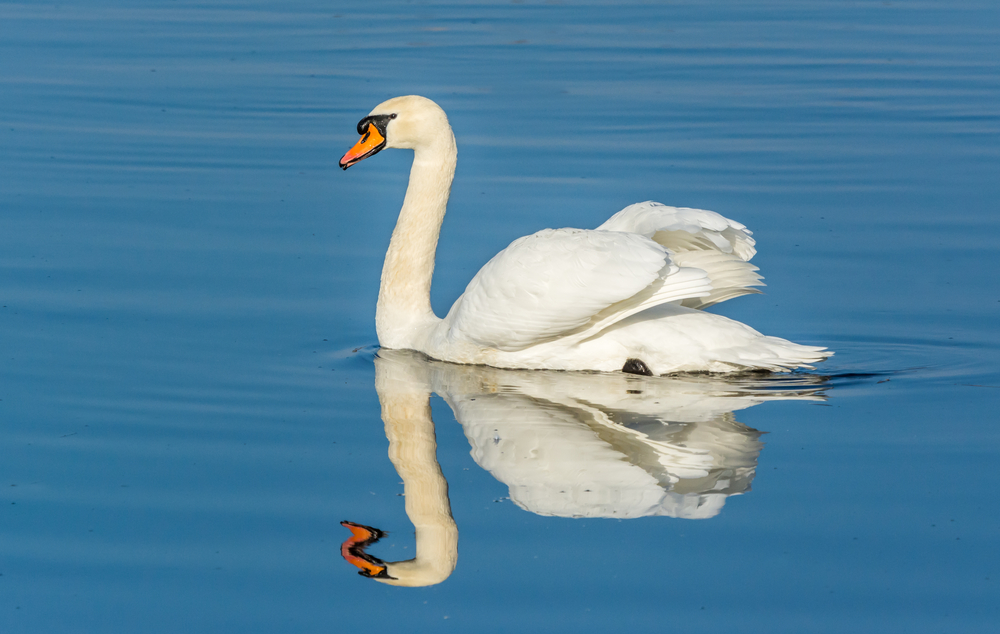
Swans are among the most aggressive waterfowl and completely ignore human attempts to scare them off through yelling. During nesting season, territorial swans will attack anyone who comes near, and shouting only seems to make them angrier. Their powerful wings can break human bones, and they’ll chase people considerable distances while attacking.
These birds have been attacking humans at parks and waterways for generations with no negative consequences to themselves, so they’ve learned that humans aren’t actually threats. Yelling at a protective swan is like challenging it to a fight—the bird will accept. Wildlife experts recommend silence and retreat as the only effective response to an aggressive swan.
8. Mountain Gorillas
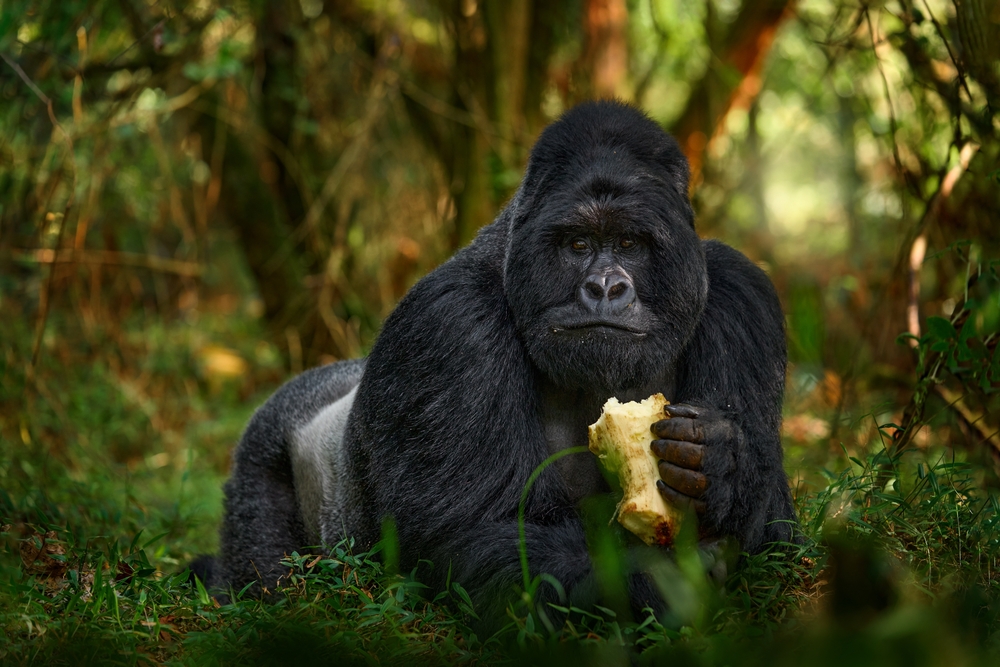
Mountain gorillas don’t flee from human voices because they’re not naturally afraid of humans and are used to tourist presence in protected areas. While they’re generally peaceful, a silverback protecting his group won’t be deterred by yelling if he feels threatened. In fact, loud noises and direct confrontation can trigger a defensive charge that’s meant to intimidate—and if that doesn’t work, an actual attack.
Wildlife guides specifically train tourists to remain quiet and submissive around gorillas because vocalizations can be misinterpreted as threats. Gorillas communicate through vocalizations themselves, and human yelling may come across as aggressive posturing. These incredibly strong primates have no need to run from humans and will stand their ground or advance if they feel their family is threatened.
9. Cassowaries
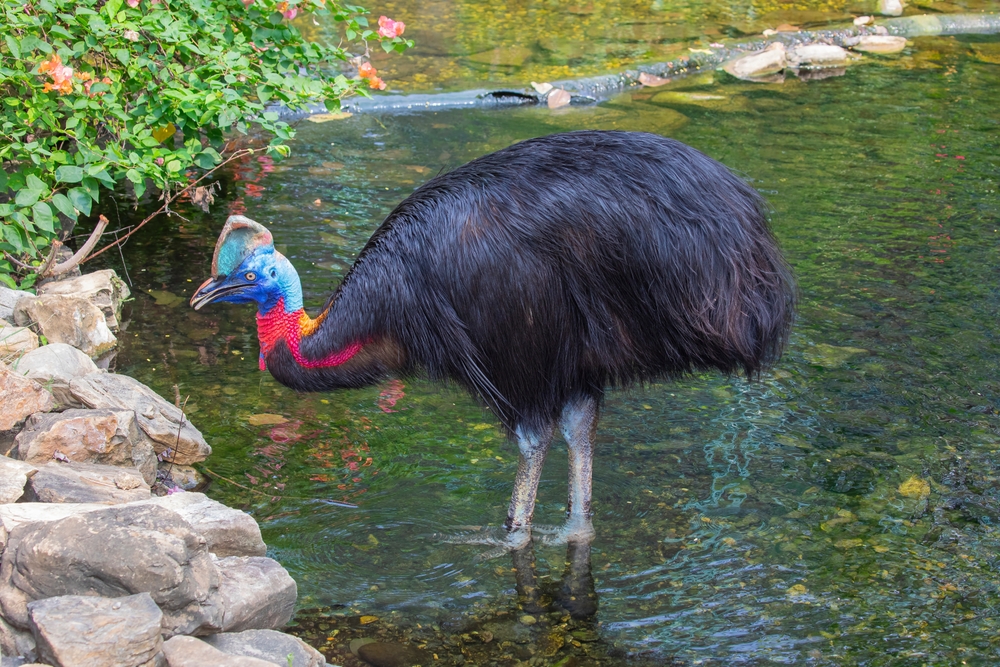
Cassowaries in Australia and New Guinea are considered the world’s most dangerous birds and are utterly fearless of human presence. Yelling at a cassowary is more likely to trigger an attack than cause retreat—these birds can disembowel humans with their dagger-like claws. They’re territorial and aggressive, particularly during breeding season, and they’ve killed people who tried to intimidate them with noise.
These large, flightless birds have no natural predators as adults and have never learned to fear humans. Their kicks are powerful enough to break bones and cause fatal injuries. Wildlife experts in cassowary territory emphasize that silence and avoidance are the only safe strategies—attempting to scare them off with yelling is dangerously ineffective.
10. Cape Buffalo
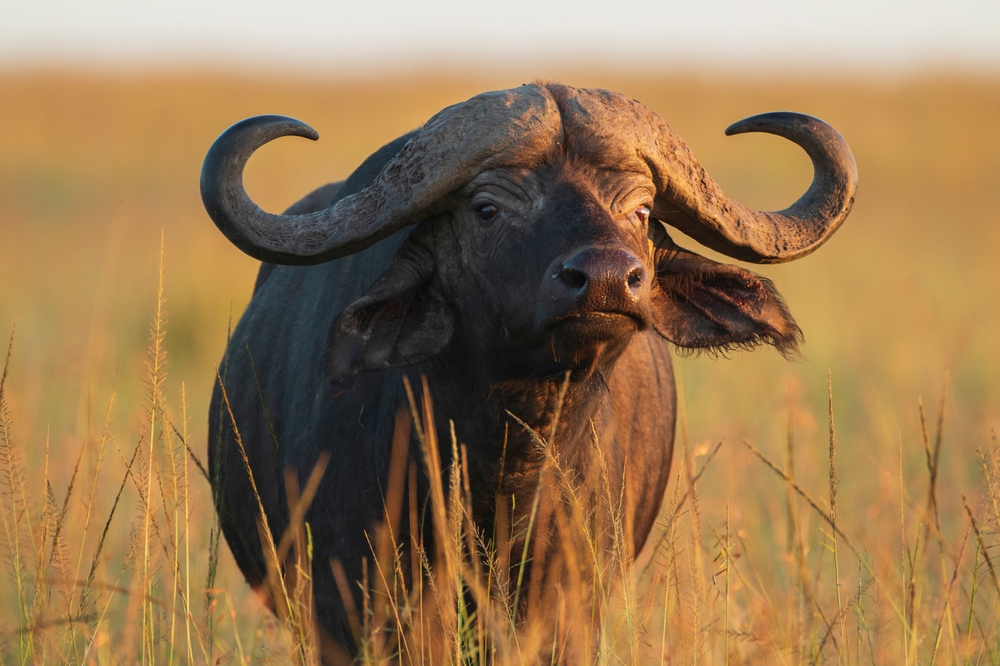
Cape buffalo in Africa are notorious for their unpredictable aggression and complete lack of fear toward humans. These animals are responsible for killing hundreds of people annually and won’t retreat from human voices. Yelling at a buffalo often triggers a charge rather than retreat, as they perceive the noise as a threat they need to eliminate.
Hunters and wildlife guides consider cape buffalo among the most dangerous animals in Africa specifically because they refuse to back down. Wounded buffalo are especially deadly, circling back to ambush pursuers. Their herd mentality means that threatening one can result in multiple buffalo charging, and no amount of shouting will deter them once they’ve decided to attack.
11. Hippos
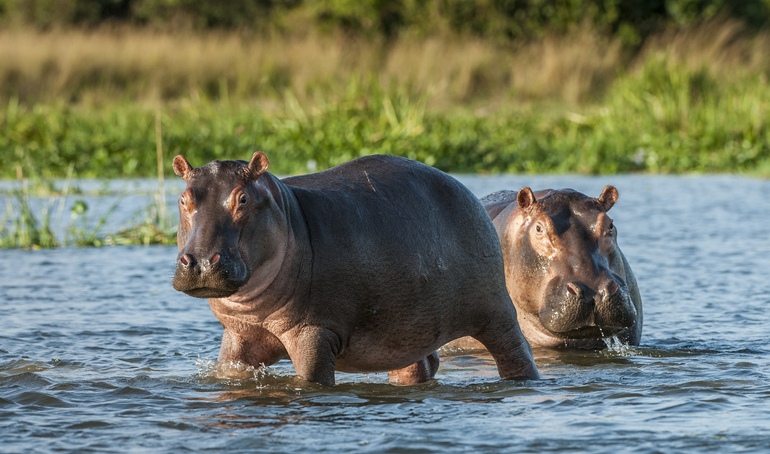
Hippos are responsible for more human deaths in Africa than any other large animal, and they’re completely unfazed by human shouting. These massive animals are aggressively territorial and will charge anything they perceive as a threat, regardless of noise. Yelling at a hippo doesn’t signal danger to them—it signals that you’re challenging their space, which triggers their attack response.
Their confidence comes from being essentially invulnerable to most predators due to their size and aggression. Hippos can run up to 30 mph and have a crushing bite force that can cut a human in half. Wildlife guides in Africa emphasize that if you encounter a hippo on land, silence and slow retreat are your only options—making noise only draws attention and accelerates an attack.
12. Komodo Dragons
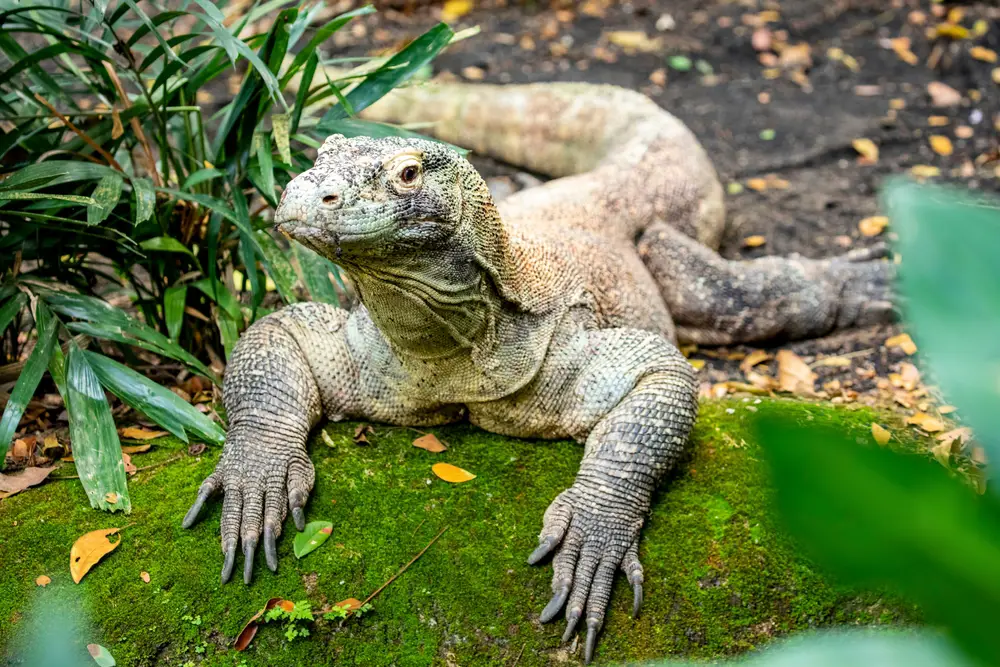
Komodo dragons are apex predators on their Indonesian islands and show no fear of humans whatsoever. These massive lizards have attacked and killed people, and yelling provides zero deterrent to a dragon that’s decided you’re prey or a threat. They’re faster than they look and surprisingly aggressive, particularly around food sources.
Park rangers on Komodo Island emphasize that dragons must be given wide berth because they simply won’t move for human convenience. Their toxic saliva and powerful bite mean any confrontation is potentially fatal. The dragons’ lack of natural predators and successful hunting history means they view humans as just another potential meal, not as creatures to be feared.
13. Mute Swans
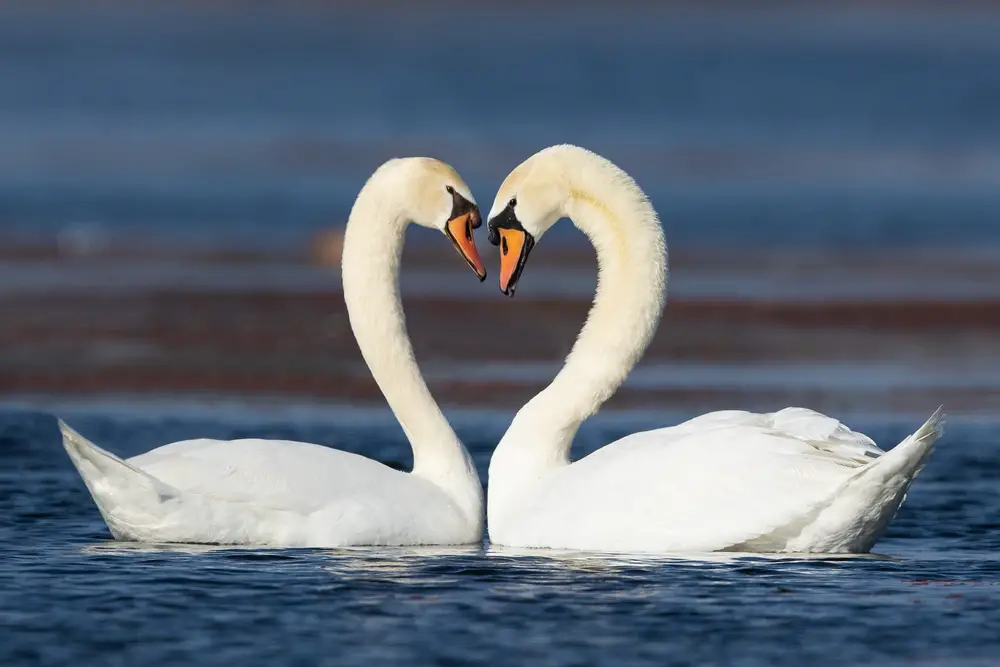
Despite their name suggesting gentleness, mute swans are among the most aggressive waterfowl and are completely undeterred by human yelling. They’ll attack people, dogs, and other animals that come near their nesting areas, and noise only escalates their aggression. These large swans can be intimidating when approaching with wings raised, and they back up their displays with genuine attacks.
Multiple injuries occur each year from swans who’ve attacked people trying to scare them away from public areas. The birds have learned through repeated interactions that humans typically back down, reinforcing their confidence. Wildlife control officers often need to physically relocate problem swans because no amount of human presence or noise will convince them to leave voluntarily.