
National parks offer some of America’s most stunning landscapes, but beauty often comes with danger. Certain parks consistently report higher injury rates than others due to challenging terrain, extreme weather, or visitor behavior that doesn’t match the environment. Understanding these risks doesn’t mean avoiding these incredible places—it means approaching them with appropriate preparation and respect.
1. Grand Canyon National Park, Arizona
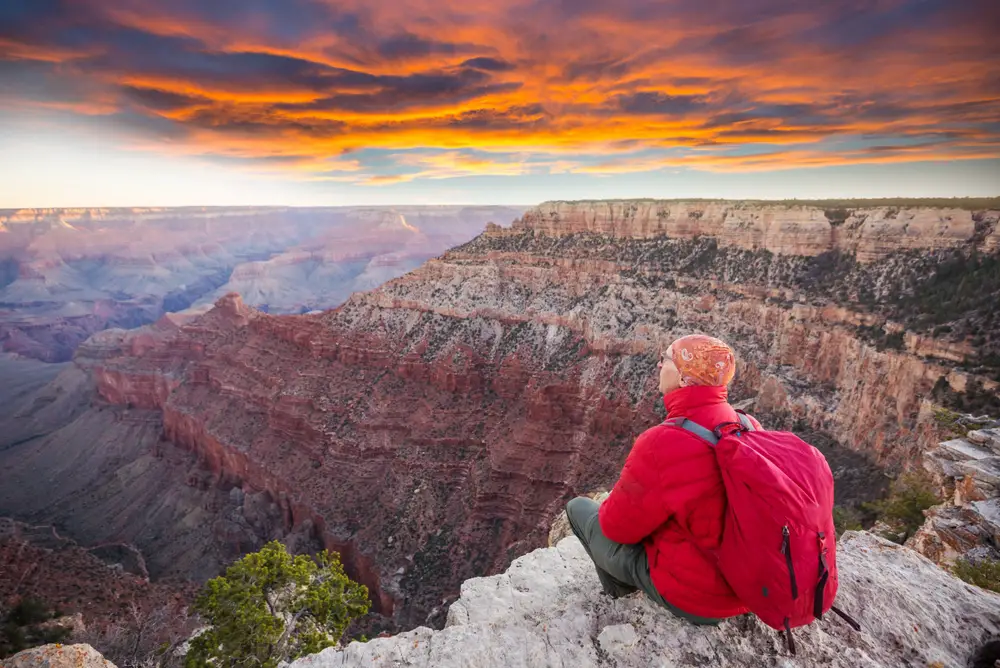
The Grand Canyon’s combination of extreme elevation changes, heat, and challenging trails creates a perfect storm for injuries. Over 250 people require rescue annually, and the park reports hundreds of injuries ranging from sprained ankles to life-threatening heat exhaustion. The most dangerous misconception is that hiking down is the easy part—the return climb in temperatures that can exceed 120°F has killed even experienced hikers.
Falls from overlooks account for numerous deaths each year as visitors climb barriers for photos or lean too far over edges. Dehydration and heat-related illness send dozens to the hospital each month during summer. The canyon’s scale makes rescue operations difficult and time-consuming, meaning relatively minor injuries can become serious before help arrives.
2. Yosemite National Park, California
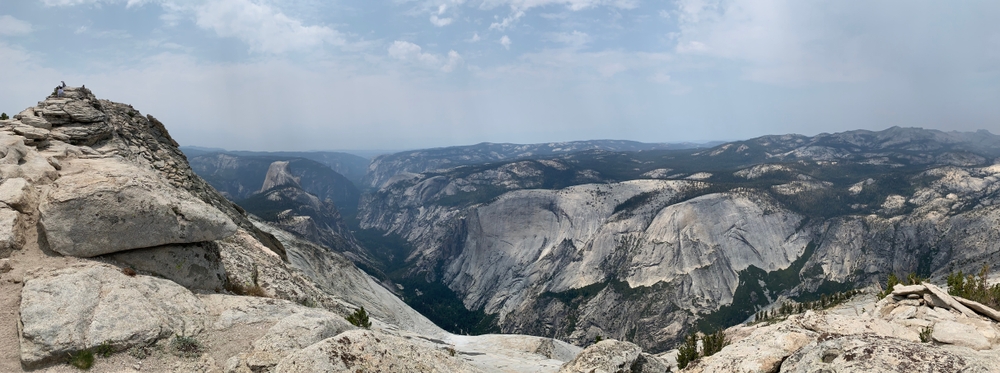
Yosemite reports over 200 search and rescue operations annually, with injuries ranging from minor trail accidents to fatal falls from cliffs. The park’s granite domes and waterfalls attract climbers and hikers who sometimes overestimate their abilities. Falls from cliffs and waterfalls are tragically common, often involving visitors who ignored barriers or took risks for photographs.
Ankle and knee injuries on steep trails send dozens of hikers to medical facilities each week during peak season. The Merced and Tuolumne rivers cause numerous drowning deaths and near-drownings when visitors underestimate current strength. Rock climbing accidents, though less frequent, tend to be severe and require complex technical rescues from sheer cliff faces.
3. Rocky Mountain National Park, Colorado
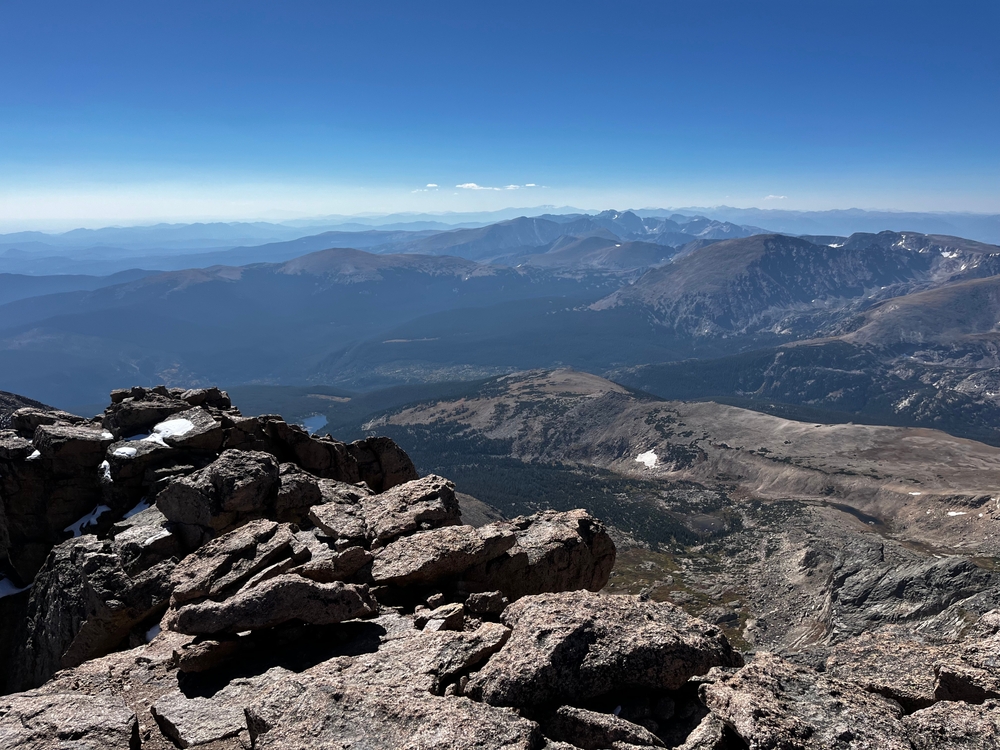
Rocky Mountain’s high elevation causes altitude sickness in hundreds of visitors annually, many of whom require medical intervention. The park sits at elevations where oxygen levels are significantly lower than sea level, affecting even healthy adults who aren’t properly acclimated. Trail injuries are common as visitors attempt difficult hikes in thin air, leading to exhaustion, falls, and cardiac events.
Lightning strikes injure or kill hikers each year who get caught above treeline during afternoon thunderstorms. Hypothermia is a year-round risk as weather can shift from pleasant to life-threatening within an hour. The combination of altitude, rapidly changing weather, and challenging terrain makes this park particularly dangerous for inexperienced mountain visitors.
4. Zion National Park, Utah
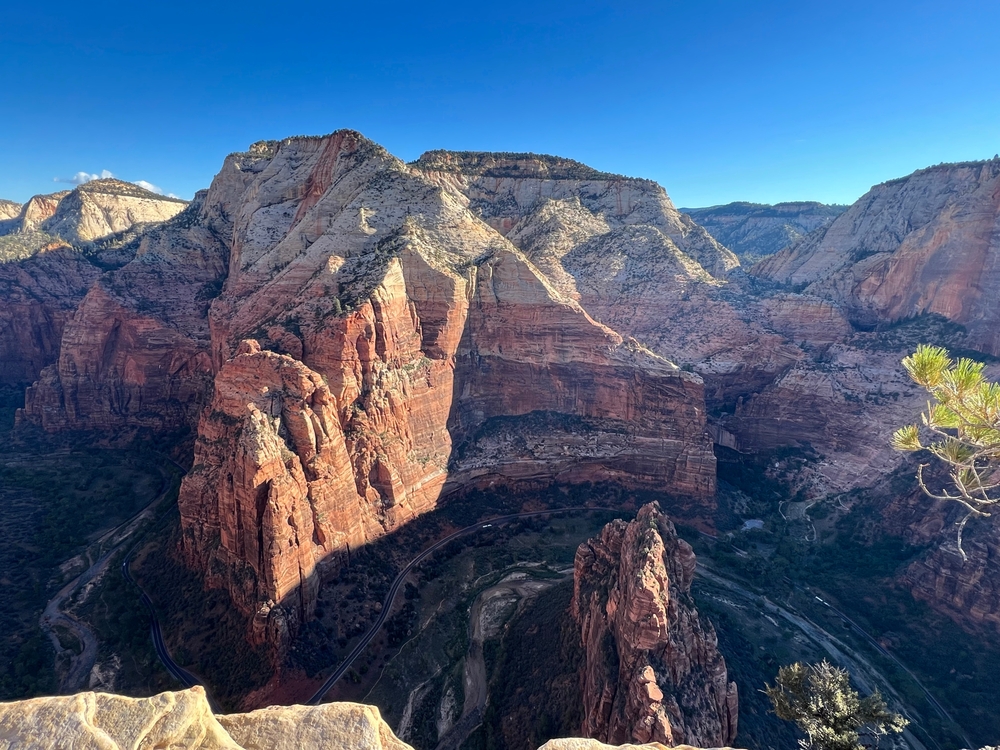
Zion’s dramatic slot canyons and exposed trails create unique hazards that result in dozens of serious injuries annually. Angels Landing alone accounts for multiple deaths and numerous serious injuries each year from falls off the narrow, exposed ridge. The park’s flash flood danger in The Narrows and other canyons creates life-threatening situations with little warning.
Heat exhaustion and dehydration are common during summer when temperatures in the canyon bottom exceed 100°F. Falls from slickrock surfaces account for many injuries, especially when surfaces are wet or sandy. The technical nature of many trails means that even minor missteps can result in long falls with serious consequences.
5. Great Smoky Mountains National Park, Tennessee/North Carolina
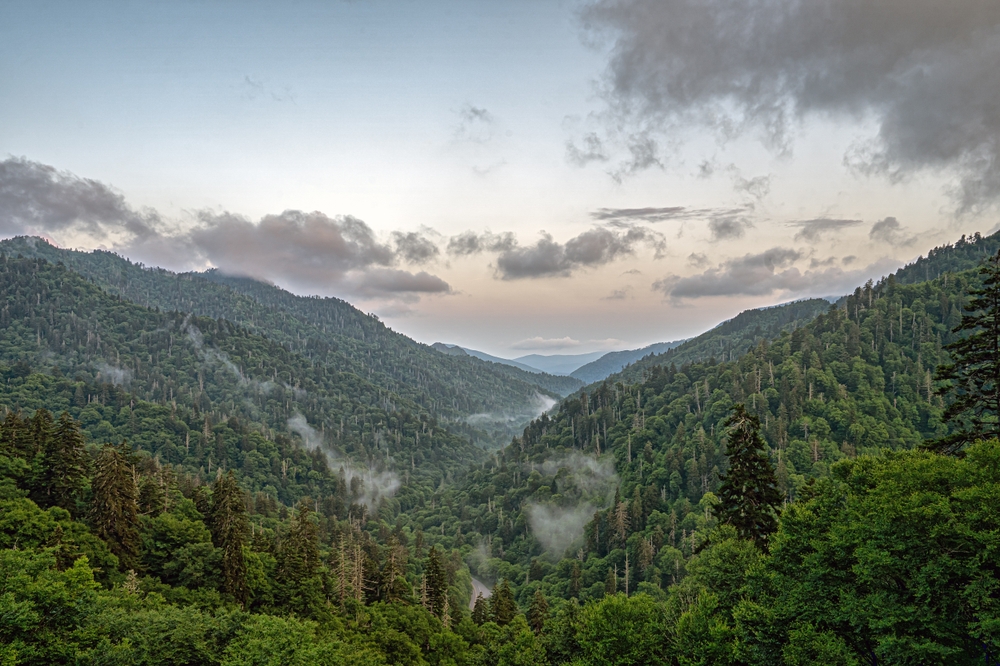
As the most-visited national park, the Smokies see high absolute numbers of injuries despite relatively moderate terrain. The park reports over 100 search and rescue operations annually, many involving lost hikers who underestimated the dense forest and rugged topography. Stream crossing accidents are common when hikers attempt to cross swollen creeks after rain.
Motor vehicle accidents account for numerous injuries as visitors navigate winding mountain roads with wildlife hazards. Falls on wet rocks and roots are the most common injury, especially on heavily used trails near waterfalls. The park’s popularity means that even a low injury rate per visitor translates to hundreds of incidents requiring medical attention each year.
6. Glacier National Park, Montana
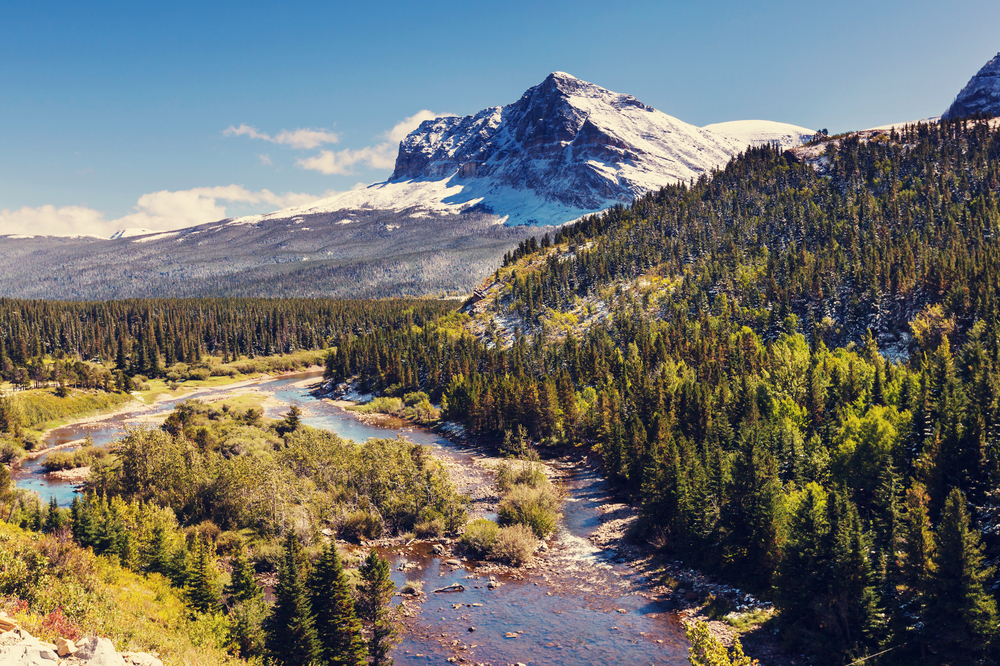
Glacier’s combination of wildlife encounters, challenging terrain, and unpredictable weather creates multiple injury risks. The park’s grizzly bear population poses a real danger, with several serious maulings occurring most years. Falls from trails and scrambling routes are common, often occurring when visitors attempt to access scenic viewpoints without proper routes.
Hypothermia injuries happen regularly, even in summer, when hikers are caught in sudden weather changes at high elevation. Swift water crossings cause injuries and occasional drownings when snowmelt swells streams beyond safe passage. The remote nature of many trails means that even moderate injuries become serious when evacuation takes hours or days.
7. Yellowstone National Park, Wyoming/Montana/Idaho
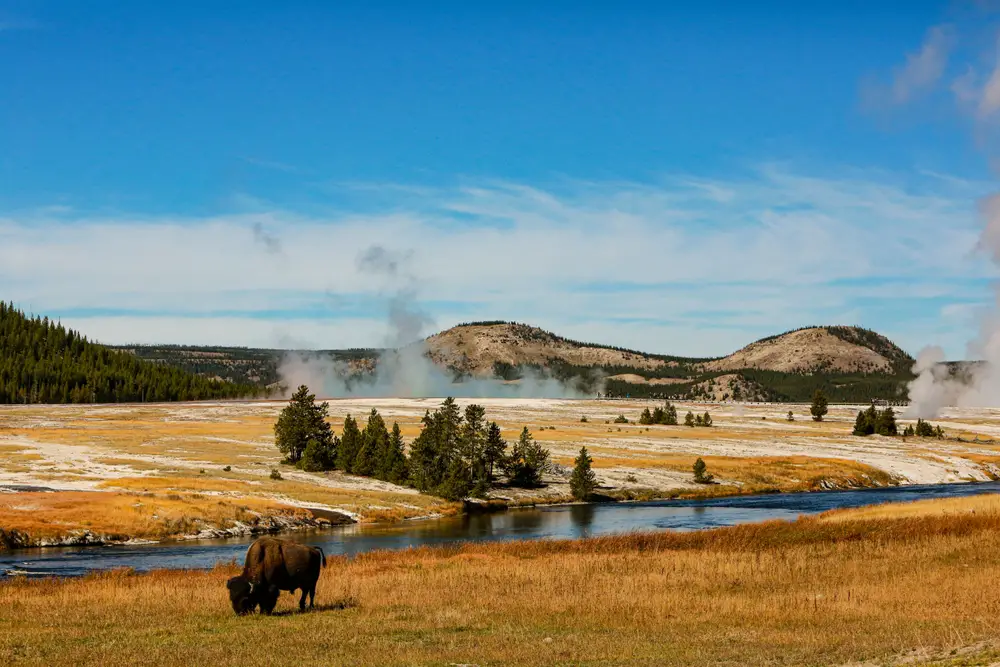
Yellowstone’s unique dangers stem from its geothermal features, which have caused over 20 deaths and hundreds of serious burns. Visitors who leave boardwalks or ignore warnings regularly suffer severe thermal burns from hot springs and geysers. Bison and bear encounters result in multiple serious injuries each year as tourists approach wildlife far too closely.
The park’s rivers and waterfalls account for numerous drownings, particularly at the base of Lower Falls where people climb down despite warnings. Winter brings additional risks as visitors attempt to navigate icy conditions on boardwalks over boiling features. The combination of thermal dangers, wildlife, and difficult terrain makes Yellowstone’s injury rate consistently high.
8. Mount Rainier National Park, Washington
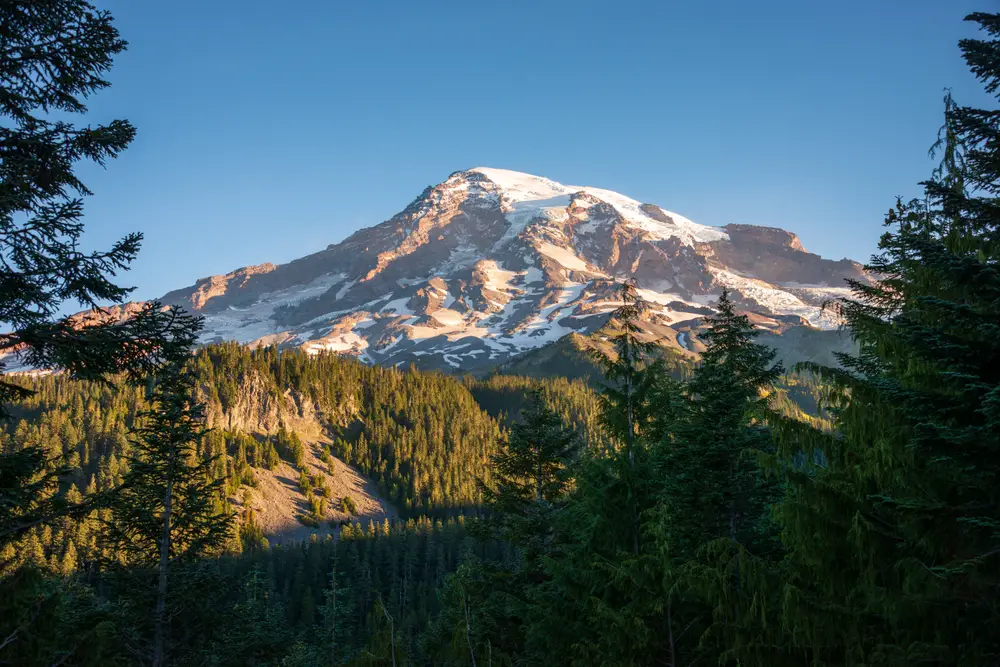
Mount Rainier’s glaciated volcano creates extreme hazards for both climbers and day hikers. Climbing accidents account for several deaths most years, with crevasse falls being particularly deadly. Even hiking trails can be dangerous when snow bridges collapse or when hikers are caught in sudden whiteout conditions.
Avalanches pose serious risks during winter and spring, killing experienced mountaineers and backcountry travelers. River crossings become treacherous during warm afternoons when glacial melt peaks. The park’s extreme weather—which can bring snow any month of the year—catches unprepared visitors regularly, leading to hypothermia and injuries from falls on icy trails.
9. Acadia National Park, Maine
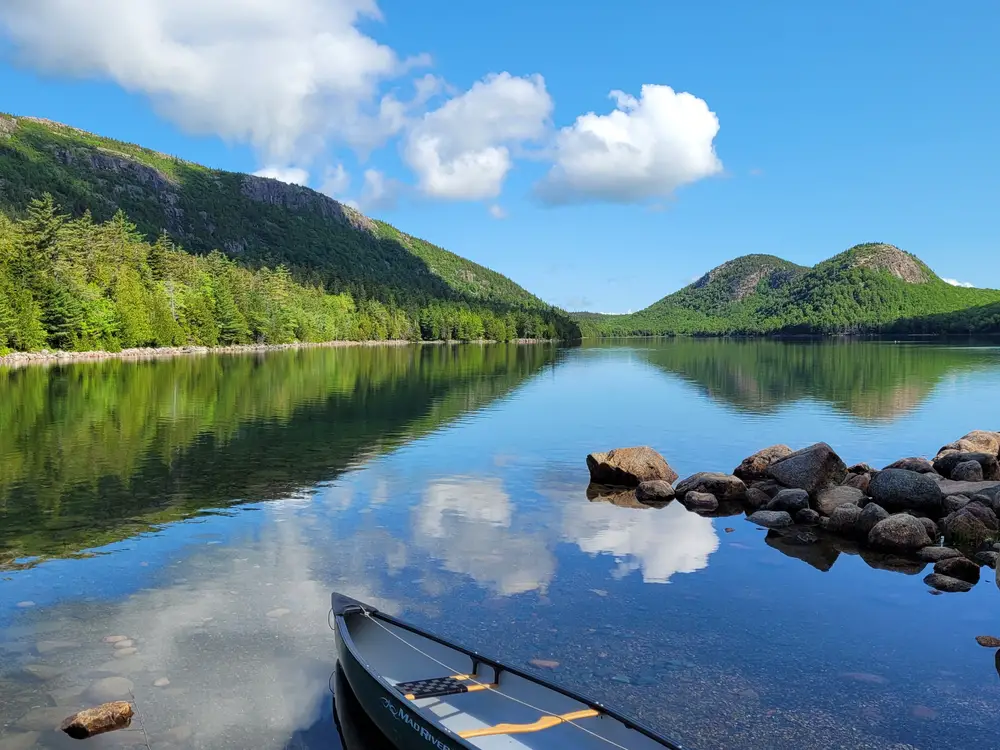
Acadia’s granite peaks and coastal cliffs create fall hazards that result in numerous serious injuries annually. Precipice Trail is frequently closed for rescue operations when hikers freeze on exposed iron rungs or become too frightened to continue. The park’s coastal location means fog can descend rapidly, disorienting hikers on what seemed like straightforward trails.
Wave-related injuries occur regularly when visitors are swept off rocks by Atlantic swells they didn’t see coming. The park’s popularity with families means many injuries involve children who slip on wet granite or fall from scrambling routes. Bicycle accidents on the carriage roads account for dozens of injuries each year as riders exceed safe speeds on the gravel paths.
10. Joshua Tree National Park, California
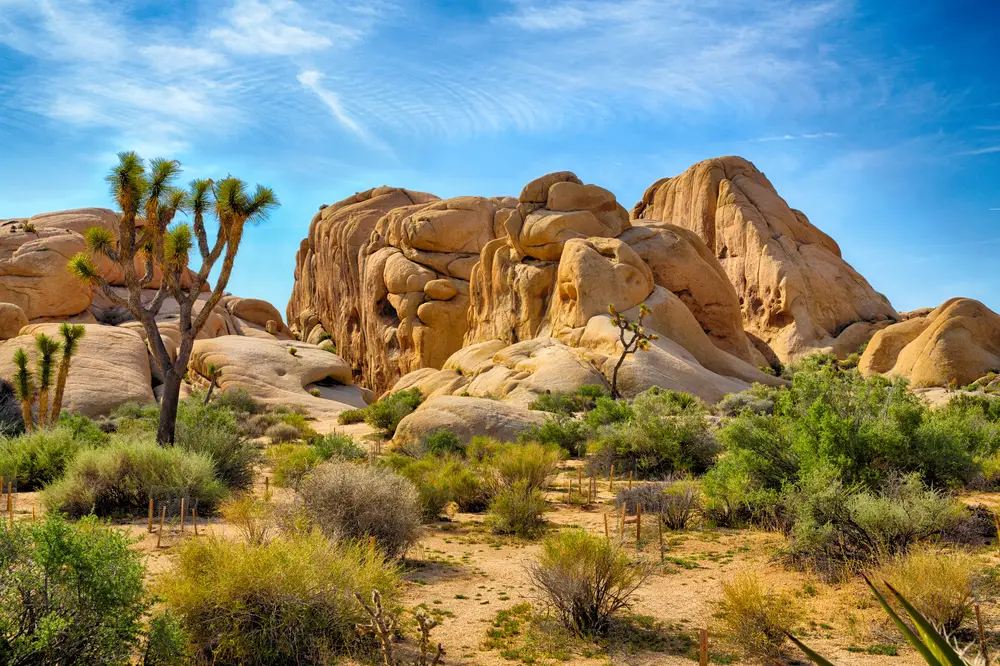
Joshua Tree’s rock climbing draws thousands of climbers, and accidents are common enough to keep rescue teams constantly busy. The park reports 75-100 search and rescue operations yearly, with climbing falls accounting for many serious injuries. Heat-related emergencies dominate summer months as visitors underestimate water needs in the desert environment.
Ankle injuries from walking on uneven desert terrain are extremely common, often requiring helicopter evacuation from remote areas. Visitors regularly become lost in the park’s maze of similar-looking rock formations. The extreme temperature swings—from scorching days to near-freezing nights—mean that someone injured during the day faces hypothermia risk by nightfall.
11. Grand Teton National Park, Wyoming
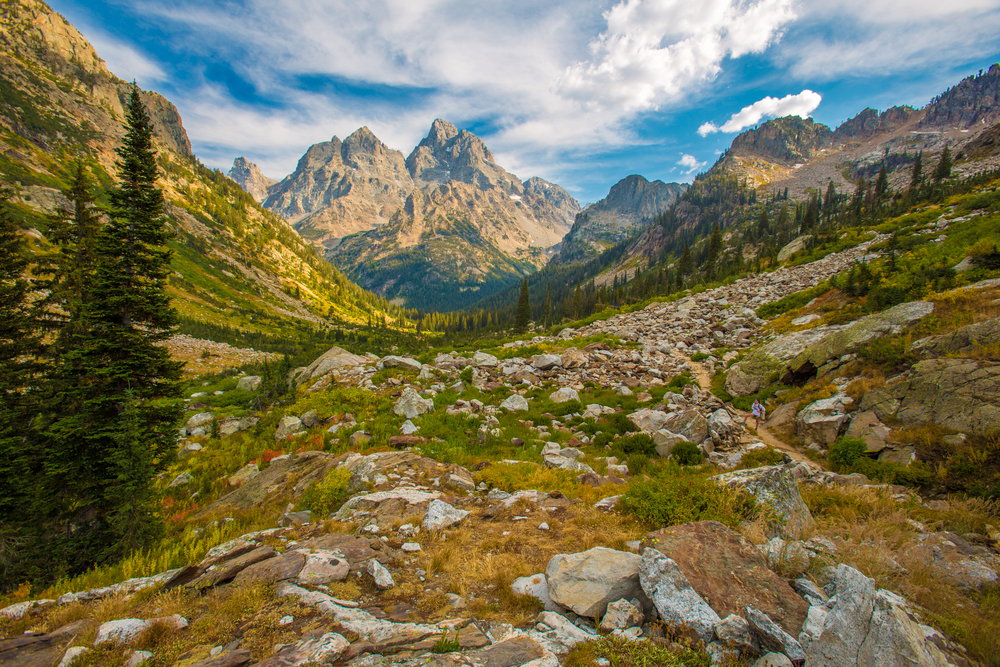
The Tetons attract serious climbers and mountaineers, making the injury rate high due to the technical nature of the terrain. Climbing accidents account for multiple deaths most years, with falls being the primary cause. Even hiking trails become dangerous when afternoon thunderstorms bring lightning to exposed ridges.
The park’s bear population creates serious mauling risk, particularly in backcountry areas where grizzlies are common. River crossings claim lives when snowmelt creates powerful currents that sweep hikers away. The combination of technical terrain, wildlife, and unpredictable mountain weather makes the Tetons one of the more dangerous parks for serious outdoor enthusiasts.
12. Canyonlands National Park, Utah
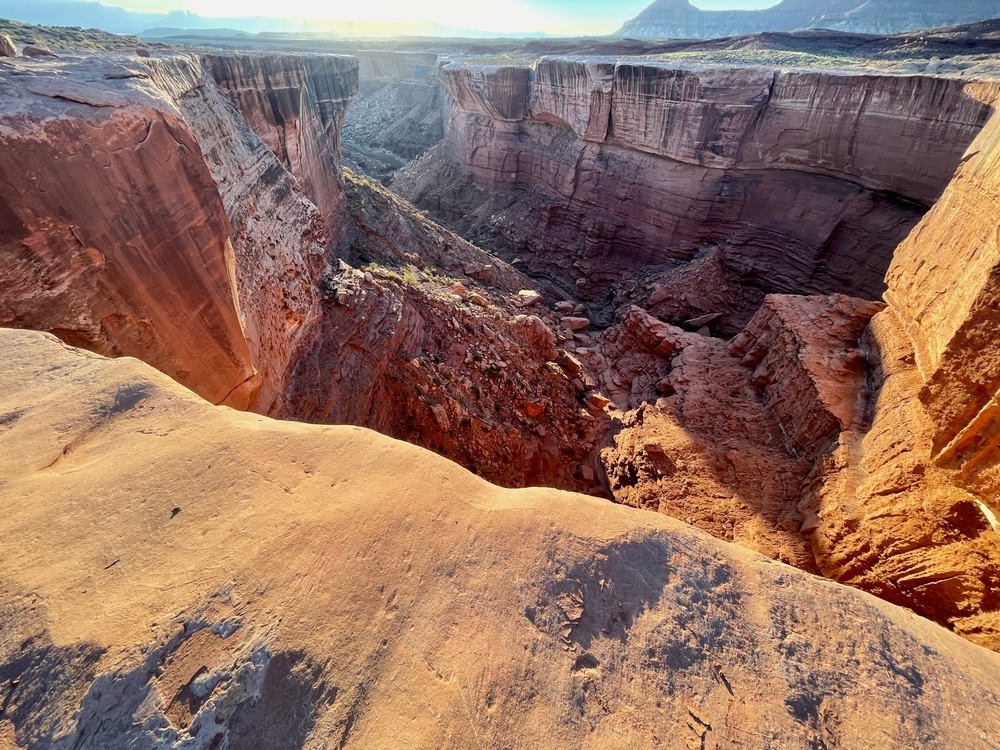
Canyonlands’ remote backcountry and extreme desert environment create high injury risk with limited rescue capability. Heat exhaustion and dehydration account for numerous emergencies as visitors underestimate water needs in the shadeless canyons. Four-wheel-drive accidents are common when visitors attempt challenging roads beyond their skill level or vehicle capability.
Falls from cliff edges occur regularly, often involving photographers backing up for better angles. The park’s vastness means that even minor injuries become serious when help is hours away. Flash floods trap hikers in canyons with fatal results, particularly during monsoon season when distant storms send walls of water through narrow passages.
13. Arches National Park, Utah
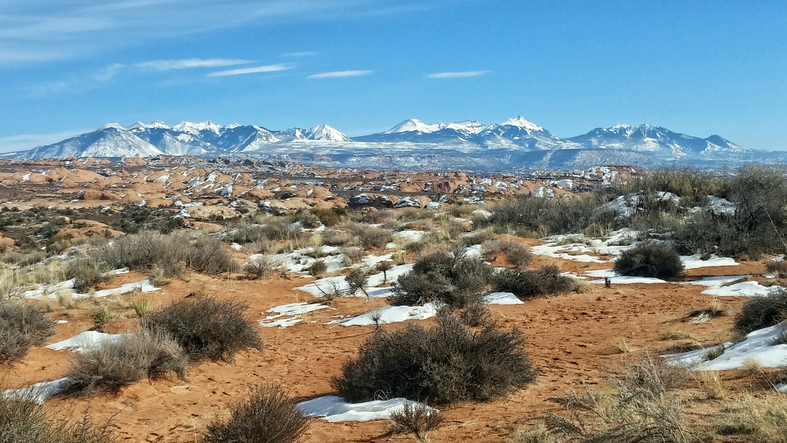
Arches sees high injury rates relative to its size, with heat-related emergencies being the leading cause. The Delicate Arch trail accounts for multiple rescues each summer as people collapse from heat exhaustion on the exposed slickrock. Falls from arches and cliff edges happen when visitors ignore barriers or attempt dangerous positions for photographs.
The park’s slickrock surfaces become lethally slippery when wet, leading to falls during and after rainstorms. Ankle and knee injuries are common as visitors walk on uneven surfaces in inappropriate footwear. The desert heat combined with sun reflection off rock surfaces creates conditions where heat illness develops rapidly, even in visitors who thought they were adequately prepared.
14. Shenandoah National Park, Virginia
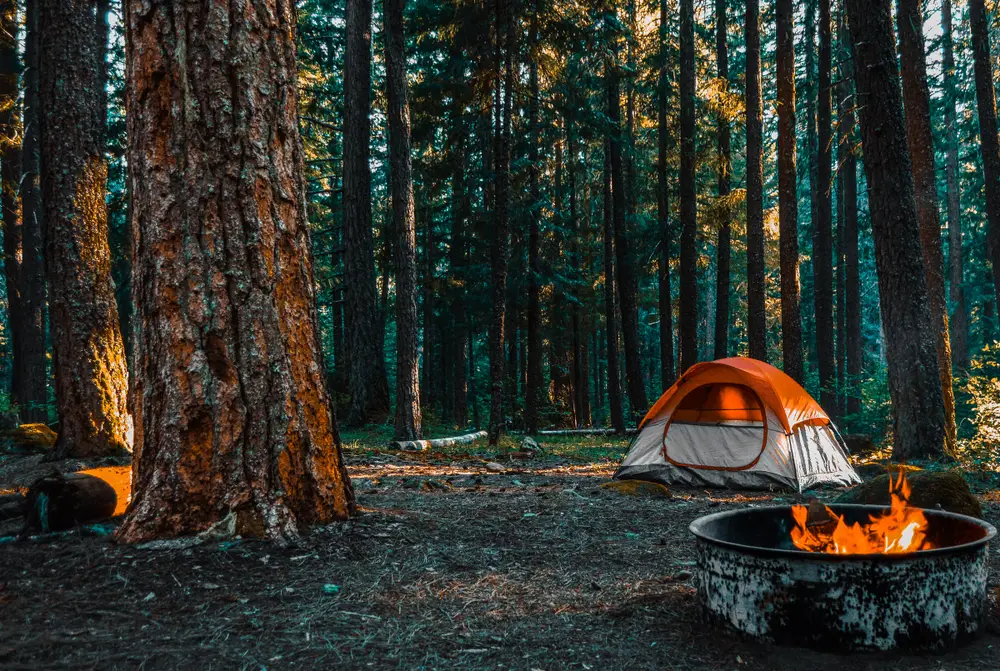
Shenandoah’s accessibility and proximity to major East Coast cities means it sees many inexperienced hikers, contributing to its injury rate. Falls from waterfalls and overlooks account for several deaths annually, often involving visitors who climbed barriers. The park’s Appalachian Trail section sees numerous injuries from hikers attempting distances beyond their fitness level.
Bear encounters occasionally result in injuries, particularly when visitors surprise bears or fail to store food properly. Weather-related injuries increase in winter when ice and snow make familiar trails treacherous. The park’s popularity means that even a moderate per-capita injury rate translates to dozens of serious incidents requiring emergency response each year.
15. Hawaii Volcanoes National Park, Hawaii
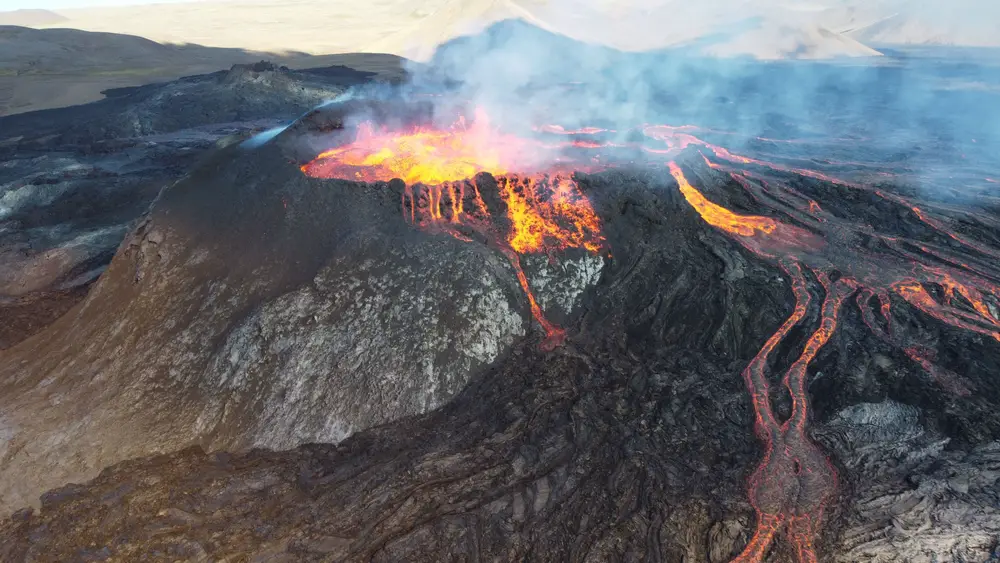
Hawaii Volcanoes presents unique dangers from active lava flows, volcanic gases, and unstable ground. Visitors have died from falls through thin lava crusts into underground tubes or from being overcome by volcanic gases. The park’s coastal cliffs are unstable and have collapsed beneath visitors, sending them falling into the ocean.
Lava viewing draws people into dangerous proximity to flows, resulting in burns and injuries from explosive interactions between lava and water. The park’s remote sections mean rescue operations face significant challenges. Respiratory problems from volcanic smog (vog) affect dozens of visitors annually, particularly those with pre-existing conditions who didn’t realize the air quality risk.