
America’s national and state parks offer some of the most spectacular outdoor experiences in the world. But certain parks consistently rack up rescue statistics that would shock most visitors planning what they assume will be a safe family vacation. These aren’t necessarily the most dangerous parks—they’re often the most popular ones where crowds, difficult terrain, and visitor overconfidence create a perfect storm for emergencies.
1. Grand Canyon National Park, Arizona
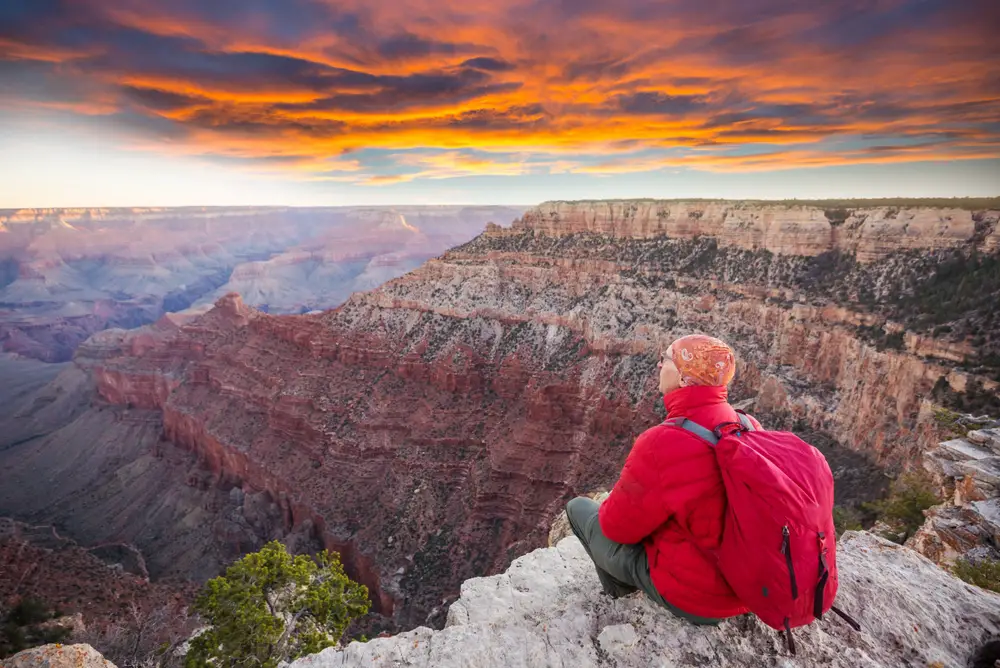
The Grand Canyon sees over 400 search and rescue operations annually, more than almost any other national park. Most rescues involve hikers who descended into the canyon without adequate preparation and became stranded, dehydrated, or injured trying to get back out. The park’s deceptive topography makes going down feel easy while the ascent becomes a brutal endurance test in extreme heat.
Heat exhaustion and hyponatremia account for numerous rescues, with many victims requiring helicopter evacuation from deep in the canyon. Rangers regularly encounter tourists attempting to hike to the river and back in a single day with just a water bottle, not realizing they’re attempting a near-impossible feat. The combination of altitude, heat, and crowds creates a rescue operation that runs year-round, with some days seeing multiple helicopter evacuations.
2. Yosemite National Park, California
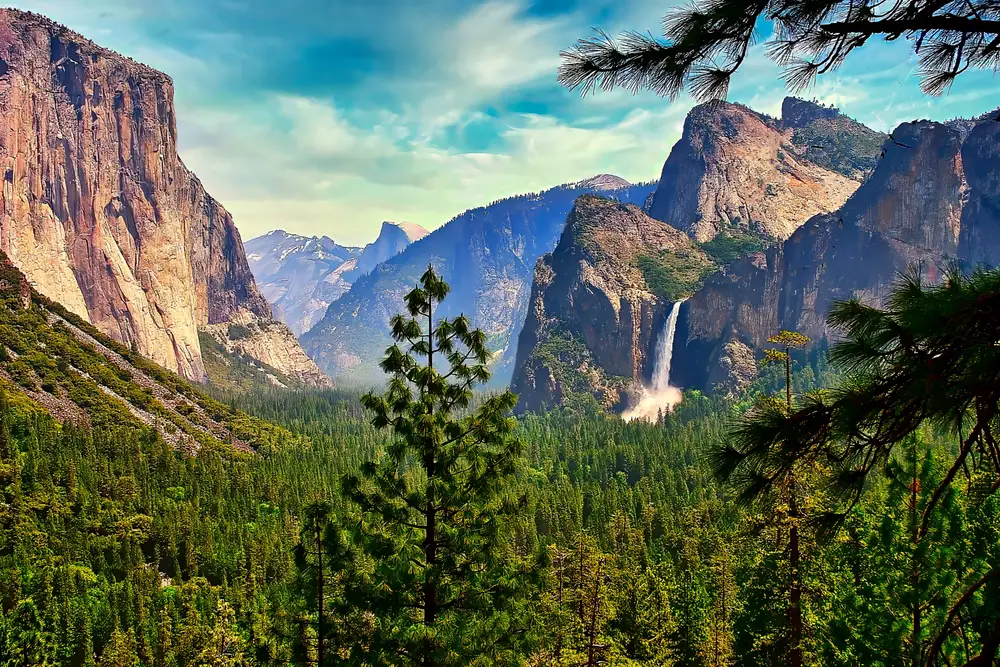
Yosemite conducts approximately 200-250 search and rescue operations each year, ranging from minor injuries to complex technical rescues on sheer cliff faces. The park’s iconic attractions like Half Dome and El Capitan draw climbers and hikers who sometimes overestimate their abilities. Falls from cliffs and waterfalls are tragically common, along with injuries from attempting dangerous selfies at scenic overlooks.
The park’s popularity means rescue teams are constantly responding to everything from twisted ankles to life-threatening falls. Yosemite’s rescue operation includes specialized climbing teams who conduct some of the most technically difficult rescues in the park system. The Merced River alone accounts for dozens of rescues and several drownings each summer when visitors underestimate the current’s power.
3. Rocky Mountain National Park, Colorado
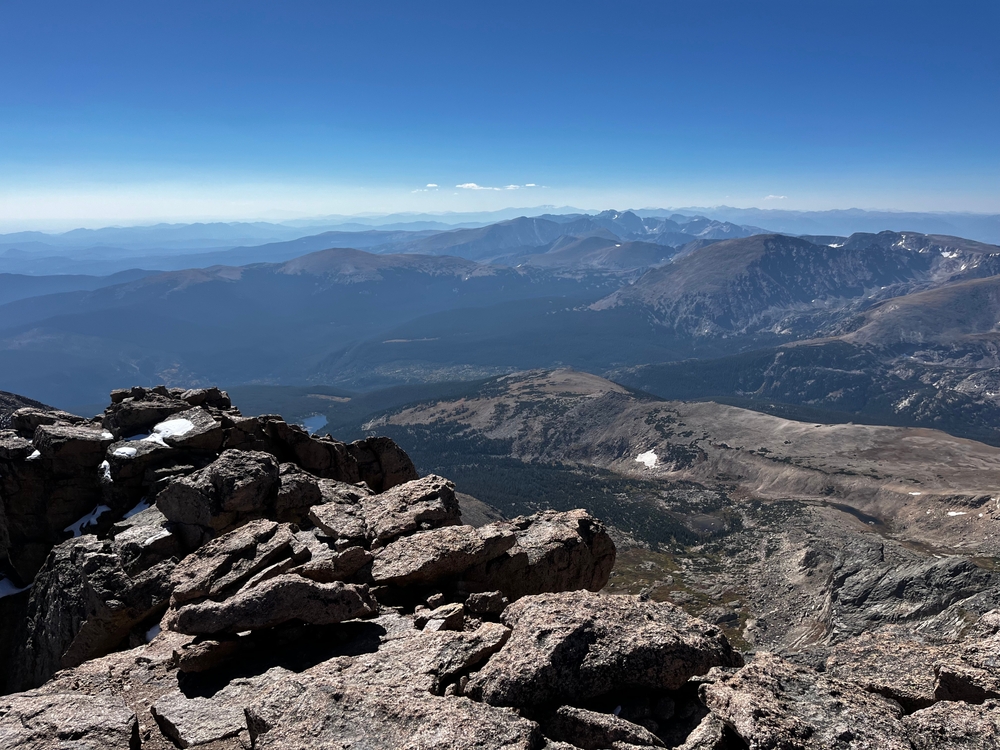
Rocky Mountain National Park tallies over 100 search and rescue incidents annually, with many involving altitude sickness and weather-related emergencies. Visitors from lower elevations often don’t realize how the thin air will affect them until they’re miles into a hike. Afternoon thunderstorms roll in with little warning, trapping hikers above treeline where lightning strikes are a serious threat.
Trail-related injuries are common as visitors attempt difficult hikes in regular sneakers or without adequate preparation for rapidly changing mountain weather. The park’s high elevation means that even minor injuries can become serious when combined with altitude and cold temperatures. Rescues often require helicopter operations in challenging weather conditions, and some injured hikers must wait hours or overnight for safe extraction.
4. Zion National Park, Utah
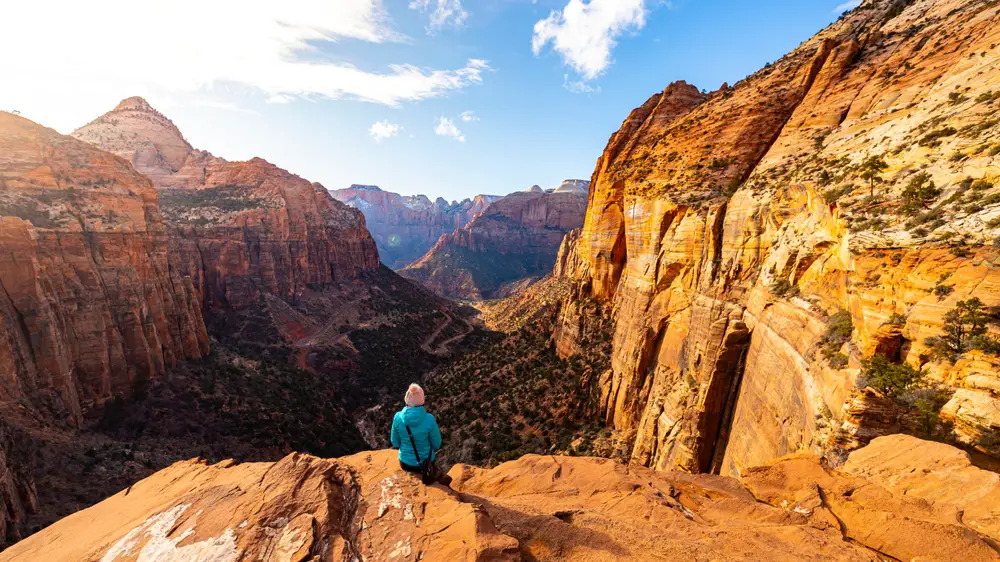
Zion’s search and rescue team responds to approximately 100-150 incidents each year, many involving flash floods and falls from exposed trails. Angels Landing alone accounts for numerous rescues and several deaths annually despite park efforts to control access. The Narrows sees regular emergencies when hikers get caught in flash floods or succumb to hypothermia in the cold water.
The park’s slot canyons and exposed trails create rescue scenarios that require specialized technical teams and often helicopter support. Many rescues involve tourists who ignored weather warnings or attempted hikes beyond their skill level. Zion’s combination of technical terrain and unpredictable weather creates rescue demands that strain park resources, especially during peak summer visitation.
5. Mount Rainier National Park, Washington
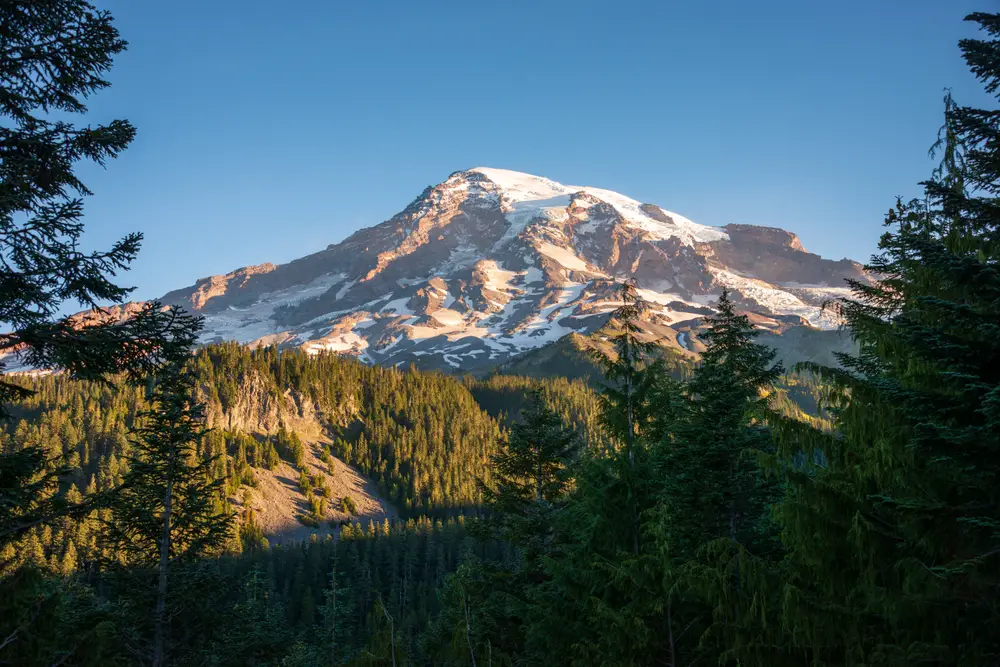
Mount Rainier sees 50-75 search and rescue operations in an average year, but the technical difficulty and danger of these rescues set them apart. Many involve climbers attempting to summit the 14,411-foot volcano who become stranded by weather, altitude sickness, or injuries. Crevasse falls on the mountain’s glaciers require complex rope rescues, and severe weather can prevent evacuation for days.
The mountain’s unpredictable weather kills even experienced climbers, and rescue operations are often recovery missions rather than live rescues. Day hikers also require rescue when they become lost in dense fog or injured on trails they assumed would be easy. The combination of extreme altitude, glaciers, and weather makes rescues here among the most dangerous for park rangers to conduct.
6. Great Smoky Mountains National Park, Tennessee/North Carolina
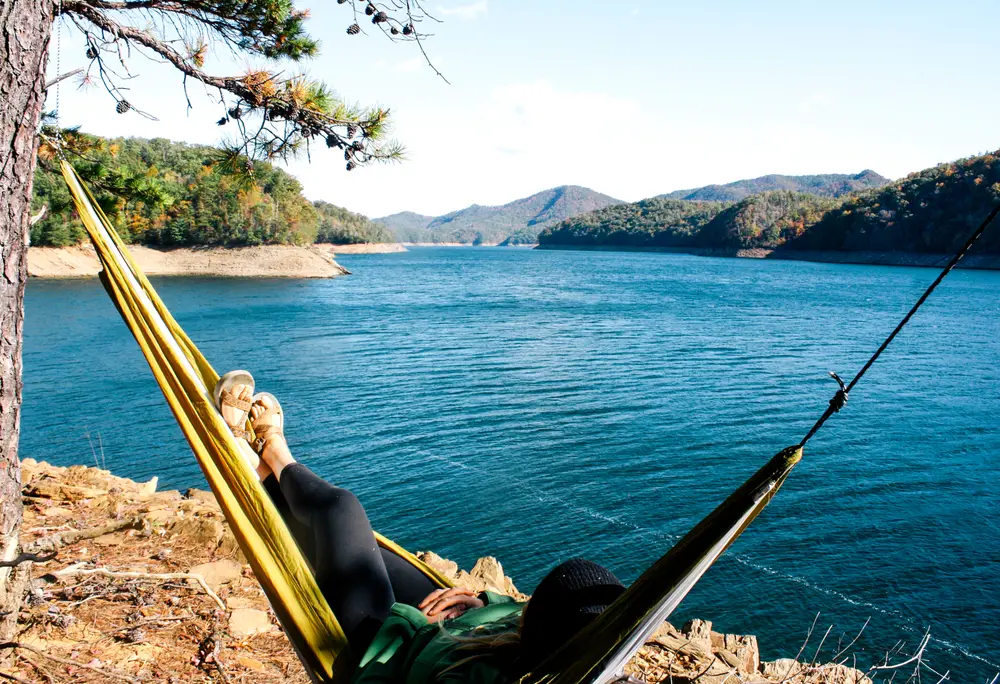
The Smokies conduct approximately 100 search and rescue operations annually, making it one of the busiest rescue operations in the eastern United States. The park’s vast size and dense forest make it easy for hikers to become disoriented and lost. Many rescues involve ill-prepared day hikers who became separated from their group or ventured off-trail and couldn’t find their way back.
The park’s weather can change rapidly, and hypothermia is a risk even in summer when temperatures drop at higher elevations. Stream crossings become dangerous during rain events, and multiple drownings occur each year when hikers attempt to cross swollen creeks. The park’s popularity means rescue teams are constantly searching for missing hikers, some of whom aren’t found for days despite extensive operations.
7. Glacier National Park, Montana
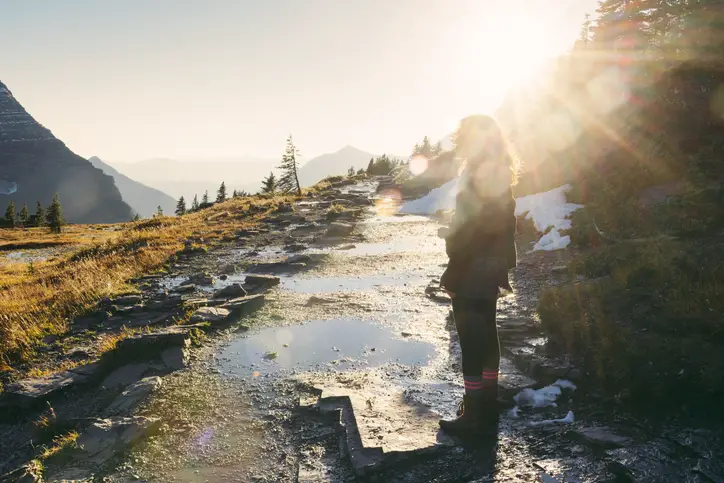
Glacier National Park averages 50-100 search and rescue incidents annually, many involving bear encounters, falls, and hypothermia. The park’s remote backcountry means rescues often require helicopter operations and multi-day efforts. Grizzly bear attacks, while rare, require immediate medical evacuation when they occur, and the park’s terrain makes these rescues especially challenging.
Hikers regularly become stranded by rapidly changing weather that can bring snow even in August. The Going-to-the-Sun Road area sees numerous rescues when visitors attempt to scramble on steep slopes and get stuck or injured. Many rescues involve international tourists unfamiliar with the American wilderness, and underestimated the park’s scale and dangers.
8. Joshua Tree National Park, California
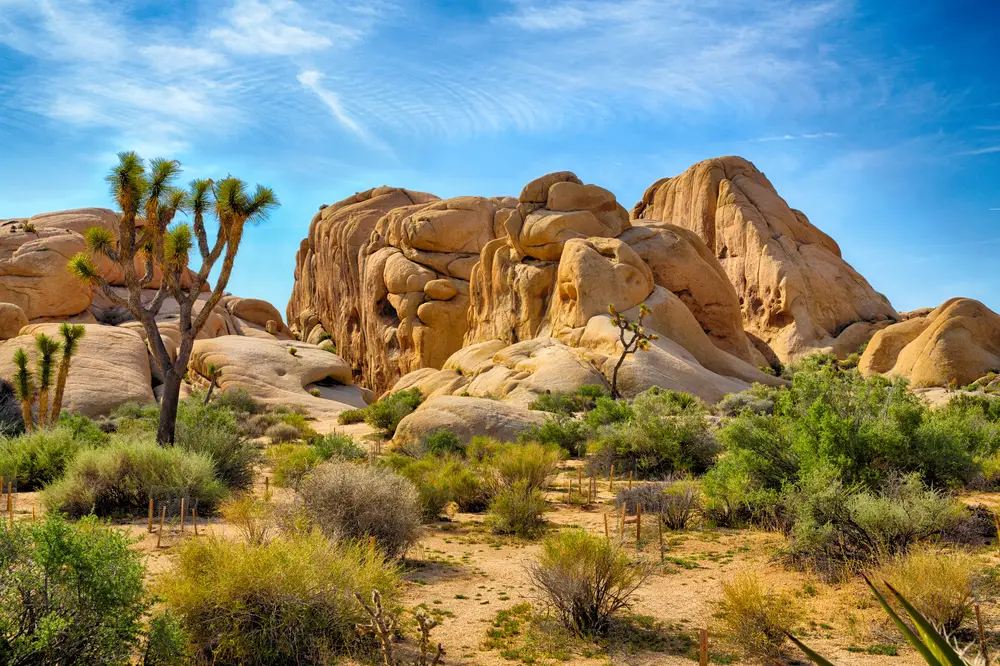
Joshua Tree conducts 75-100 search and rescue operations yearly, with rock climbing accidents being the leading cause. The park’s world-class climbing attracts both experts and beginners, and falls from climbs account for numerous serious injuries. Heat-related emergencies are common year-round as visitors underestimate the desert’s severity and attempt hikes without adequate water.
People regularly become lost in the park’s maze-like rock formations, and some aren’t found for days. Car accidents on remote park roads also require rescue operations, especially when visitors attempt dirt roads in vehicles that can’t handle the terrain. The desert’s extreme temperatures mean that rescue operations must happen quickly, as survival time for someone injured in the heat is measured in hours.
9. Shenandoah National Park, Virginia
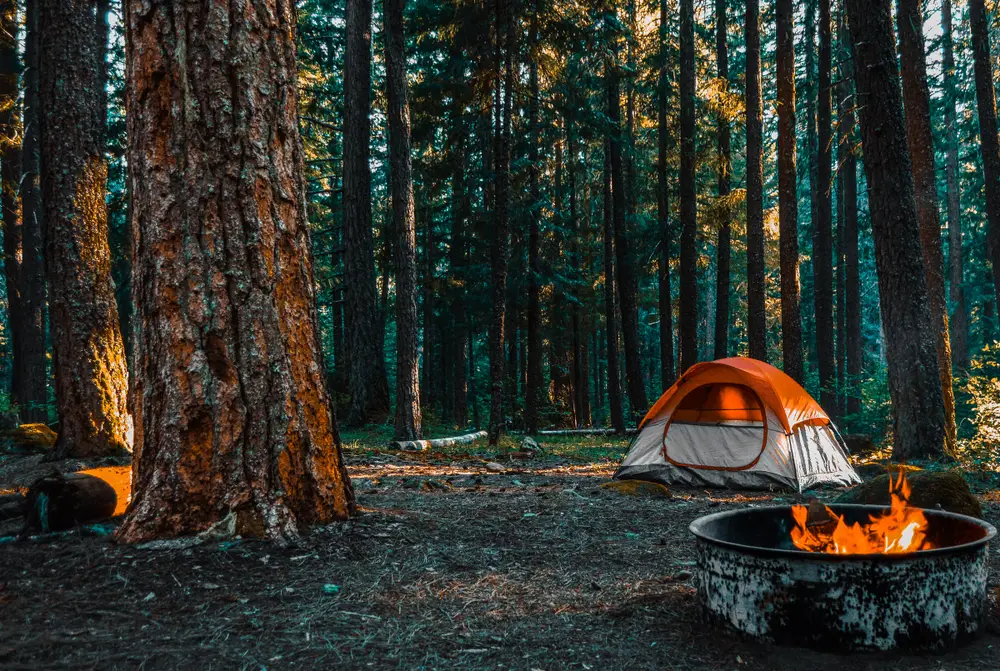
Shenandoah sees approximately 50-75 search and rescue operations each year, despite being relatively accessible and less extreme than western parks. Many rescues involve day hikers who became lost after dark or injured on trails they assumed would be easy. The park’s Appalachian Trail section accounts for numerous rescues of through-hikers dealing with injuries or medical emergencies.
Falls from waterfalls and overlooks happen regularly, often involving visitors who climbed barriers for photos. The park’s proximity to major East Coast cities means it attracts many inexperienced hikers who aren’t prepared for genuine wilderness. Weather-related rescues increase in winter when ice and snow turn familiar trails treacherous.
10. Arches National Park, Utah
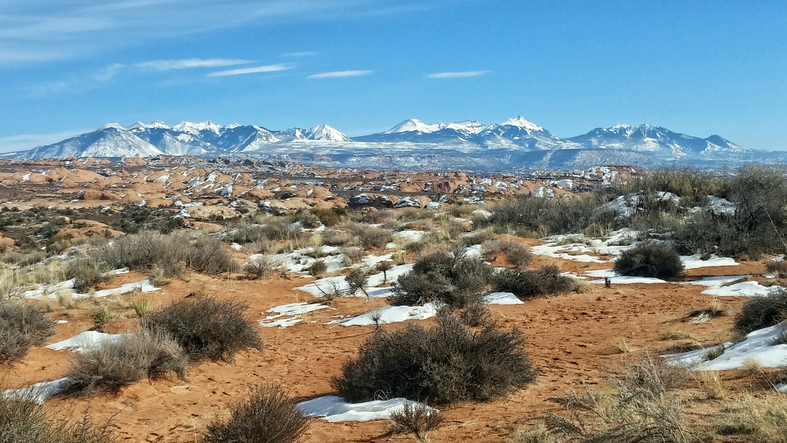
Arches conducts 40-60 search and rescue operations annually, with heat exhaustion being the primary cause. The park’s iconic arches lure visitors into attempting hikes in extreme heat without sufficient water. Delicate Arch trail alone accounts for multiple rescues each summer as people collapse from heat and dehydration on the exposed rock approach.
Falls from arches and cliff edges occur when visitors ignore barriers or attempt dangerous positions for photographs. The park’s slickrock surfaces become treacherously slippery when wet, leading to falls and injuries during storms. Many rescues involve elderly visitors or those with health conditions who didn’t realize how demanding the hikes would be in desert heat.
11. Acadia National Park, Maine
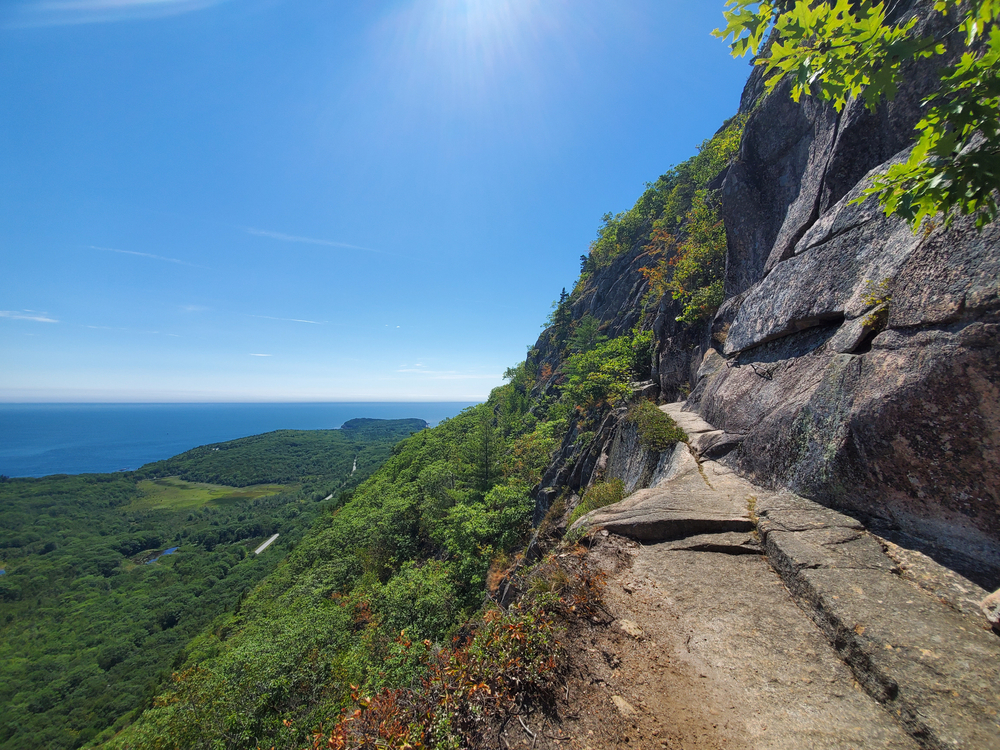
Acadia averages 40-50 search and rescue operations per year, many involving falls from the park’s granite peaks and coastal cliffs. Precipice Trail is frequently closed due to rescue operations when hikers freeze partway up the exposed iron rungs. The park’s coastal location means fog can roll in suddenly, disorienting hikers who become lost on what seemed like straightforward trails.
Drowning and near-drowning incidents occur when visitors underestimate the power of Atlantic waves and currents. The park’s popularity and accessibility mean rescue teams regularly assist inexperienced hikers wearing inappropriate footwear on technical scrambles. Ocean Path and Thunder Hole areas see regular rescues when large waves sweep people off rocks.
12. Canyonlands National Park, Utah
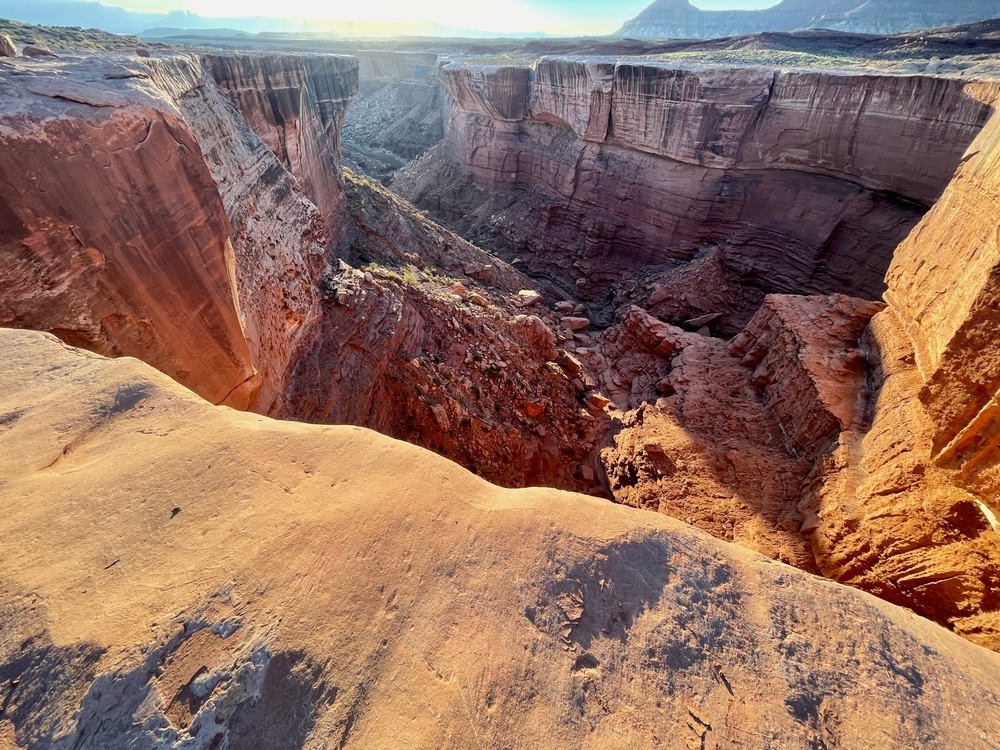
Canyonlands conducts 30-50 search and rescue operations yearly despite relatively low visitation compared to other Utah parks. The park’s remote backcountry and extreme terrain mean rescues are often multi-day operations requiring helicopter support. Heat-related emergencies dominate summer rescues as visitors underestimate water needs in the desert environment.
Four-wheel-drive accidents account for numerous rescues when visitors attempt challenging roads beyond their vehicle’s or their own capabilities. The park’s vastness means people can become seriously lost, and some missing hikers aren’t found for days. Flash floods in canyons create deadly situations that require swift water rescue capabilities rarely available in remote areas.
13. North Cascades National Park, Washington
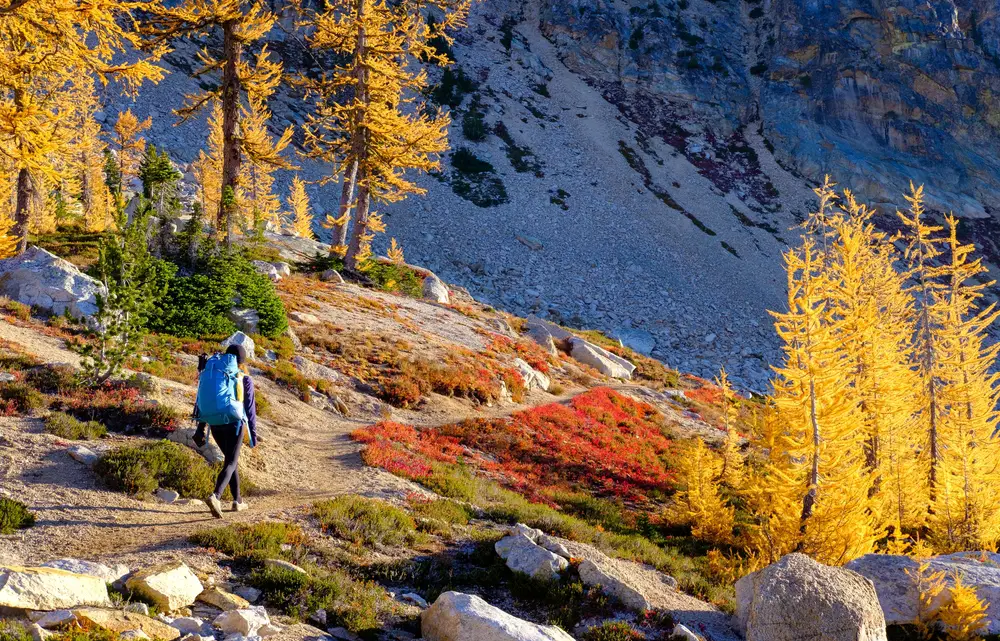
North Cascades sees 30-40 search and rescue operations annually, but these tend to be among the most technically challenging in the park system. The park’s rugged terrain, unpredictable weather, and glaciated peaks create rescue scenarios that test even experienced teams. Mountaineering accidents require technical climbing rescues, often conducted in deteriorating weather conditions.
The park’s remoteness means helicopter support is essential for most rescues, but weather often prevents flying for extended periods. Hikers become lost in the vast wilderness, and searches can last weeks, with some people never found. The combination of extremely difficult terrain and low visitation means people can be in serious trouble for days before anyone realizes they’re missing.