
Your pets aren’t just passively accepting whatever household hierarchy you think exists. They’re constantly evaluating who holds real authority, who enforces the rules, and who they can get away with ignoring. This assessment process is surprisingly sophisticated and based on consistent behaviors rather than who claims to be in charge.
1. Who Controls the Food Schedule
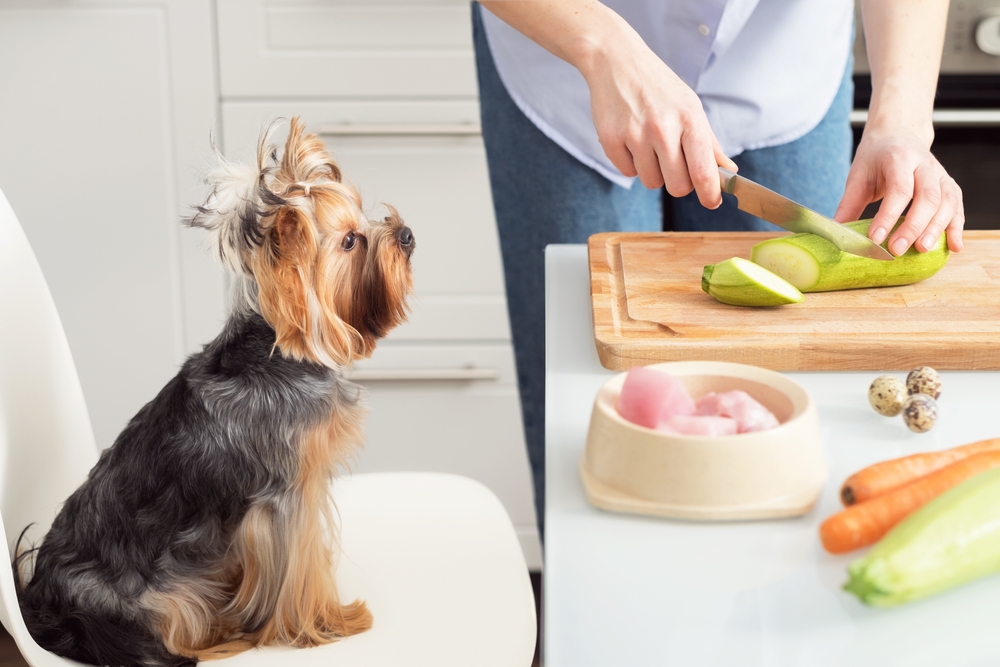
Pets pay close attention to who actually fills the food bowl versus who just talks about feeding time. The person who consistently controls access to food holds significant authority in your pet’s eyes, regardless of who bought the food or claims responsibility. This is one of the most fundamental power dynamics in the animal world, and your pet knows exactly who the real food provider is.
Dogs and cats also notice who enforces food rules—like making them sit before eating or not allowing begging at the table. If one person consistently gives in to begging while another holds firm, your pet knows who actually has control. That inconsistency tells them who the real authority figure is and who’s a soft touch they can manipulate.
2. Who They Can Successfully Ignore
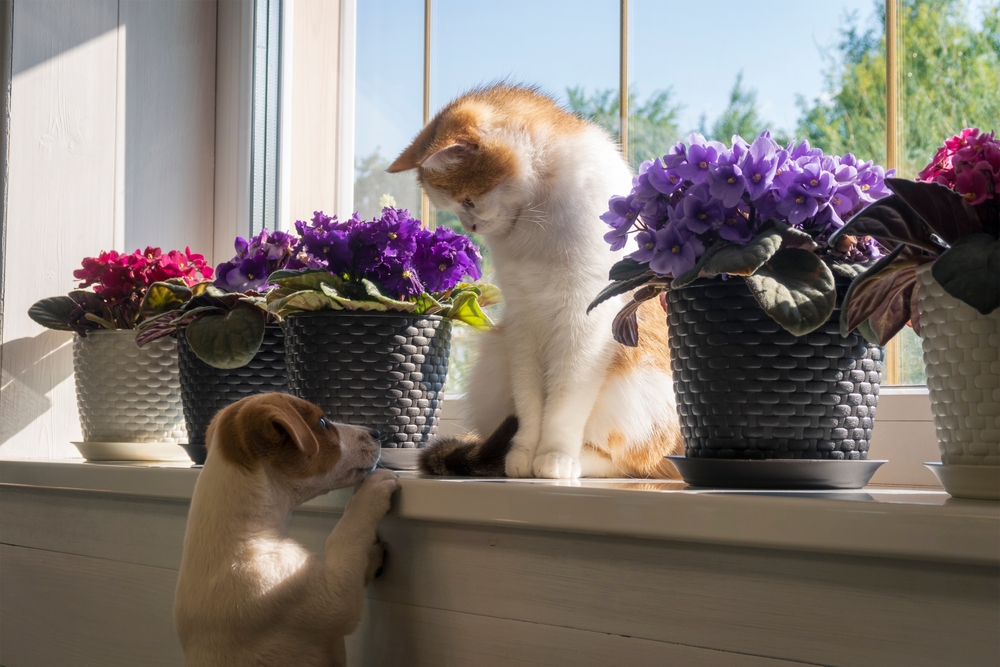
Pets quickly learn whose commands they can safely disregard without consequences. If you tell your dog to get off the couch and nothing happens when they don’t comply, they’ve just learned you’re not really in charge. Cats are especially skilled at this evaluation, testing whether they actually have to listen to each household member.
The person whose rules get enforced consistently is the one pets recognize as having genuine authority. This isn’t about being mean—it’s about follow-through and consistency. Your pet knows the difference between someone who makes empty threats and someone whose boundaries actually matter.
3. Who Maintains Calm Energy During Chaos

When something stressful happens—a thunderstorm, a stranger at the door, or a scary noise—pets watch to see who stays calm and in control. The household member who remains composed and confident during these moments earns respect and trust. Dogs especially look for this kind of steady leadership when they’re feeling uncertain or afraid.
Pets lose respect for people who panic, become frantic, or let situations spiral out of control. They need someone who can hold it together when things get chaotic. The person who provides that stable presence naturally becomes a authority figure, while those who contribute to the chaos get mentally demoted.
4. Who Controls Their Movement and Space
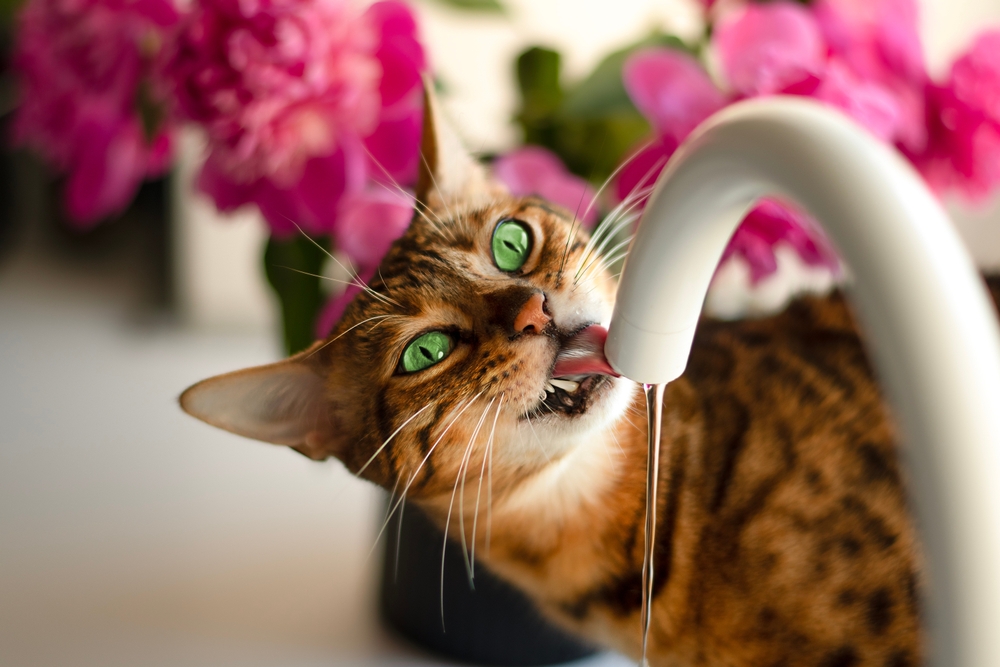
Pets notice who can actually make them move when they’re in the way or occupying a space they shouldn’t be. If your cat is sleeping on the kitchen counter and one person can get them down while another gets ignored, the hierarchy is clear. The ability to control where a pet goes and when they move is a fundamental expression of authority.
This extends to things like getting pets off furniture, out of rooms, or away from things they’re not supposed to have. Pets quickly categorize household members into those who can actually make them comply and those who can’t. That evaluation shapes their entire understanding of who’s really running the household.
5. Who Sets and Enforces Bedtime Routines
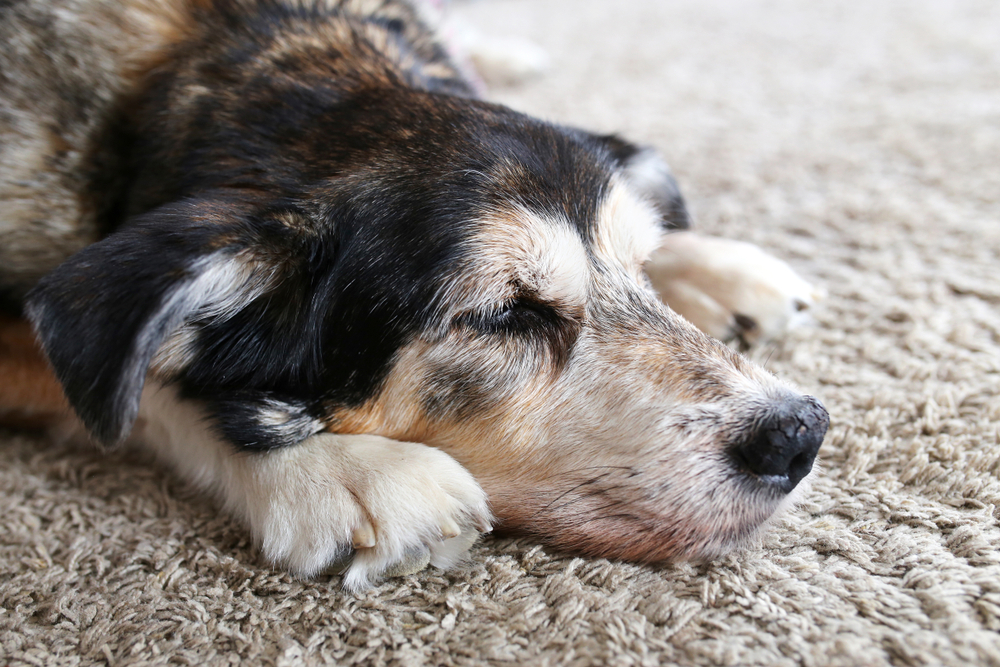
The person who can actually get pets to settle down for the night and stay in their designated sleeping spots holds real authority. Pets test these boundaries constantly, trying to see who they can manipulate into letting them sleep in forbidden spots. If one person consistently makes them go to their bed while another caves to sad eyes, the pet knows who’s in charge.
Dogs and cats also recognize who controls the nighttime routine—when doors close, when lights go out, when playtime definitively ends. The household member who can enforce these transitions without negotiation earns respect. Pets may love the person who lets them break the rules, but they don’t see that person as an authority figure.
6. Who They Approach When They Want Something
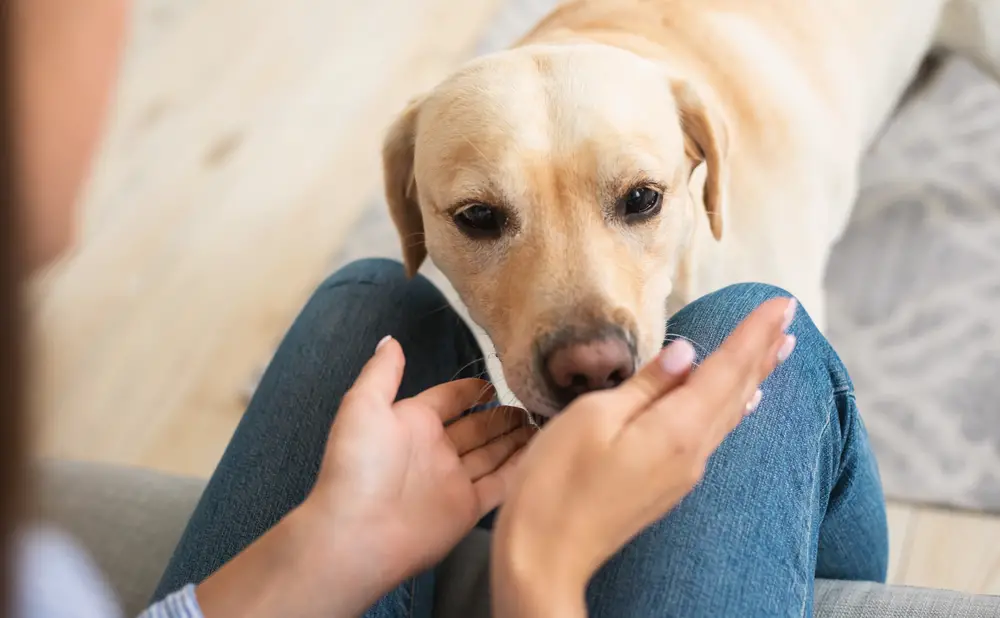
Pay attention to which household member your pet goes to when they want something specific. The person they approach for walks, treats, playtime, or comfort is the one they’ve identified as having control over those resources. This reveals your pet’s mental map of who actually provides what in the household.
Interestingly, pets often approach different people for different needs, showing they understand each person’s role and authority in specific domains. Your dog might go to one person for food and another for play, demonstrating their sophisticated understanding of household hierarchy. Who they approach first when they’re scared or sick tells you who they see as their primary protector.
7. Who Can Actually End Playtime

Pets quickly learn which household members can genuinely stop a play session and which ones can be convinced to continue. The person who can call an end to play and make it stick—even when the pet wants to keep going—demonstrates real authority. This is especially obvious with dogs who will keep bringing toys to some people while respecting when others say they’re done.
Cats show this too, continuing to paw at or pester some people while accepting when others are truly finished playing. The ability to set boundaries around play and attention is a major authority marker. Pets respect people who can say “enough” and mean it more than those who give in to relentless pestering.
8. Who Makes Vet Visits and Grooming Happen

The household member who can get a reluctant pet into the car for the vet or successfully complete grooming tasks holds significant authority. These are often unpleasant experiences that pets resist, and being able to make them happen requires real leadership. Pets know which person can catch them when it’s nail-trimming time and which person they can successfully evade.
This extends to other care tasks like giving medication, cleaning ears, or checking wounds. The person who can accomplish these necessary but unwelcome tasks without it becoming a drawn-out battle is clearly in charge. Pets may not enjoy these interactions, but they recognize and respect the authority it takes to complete them.
9. Who They Test Most Frequently
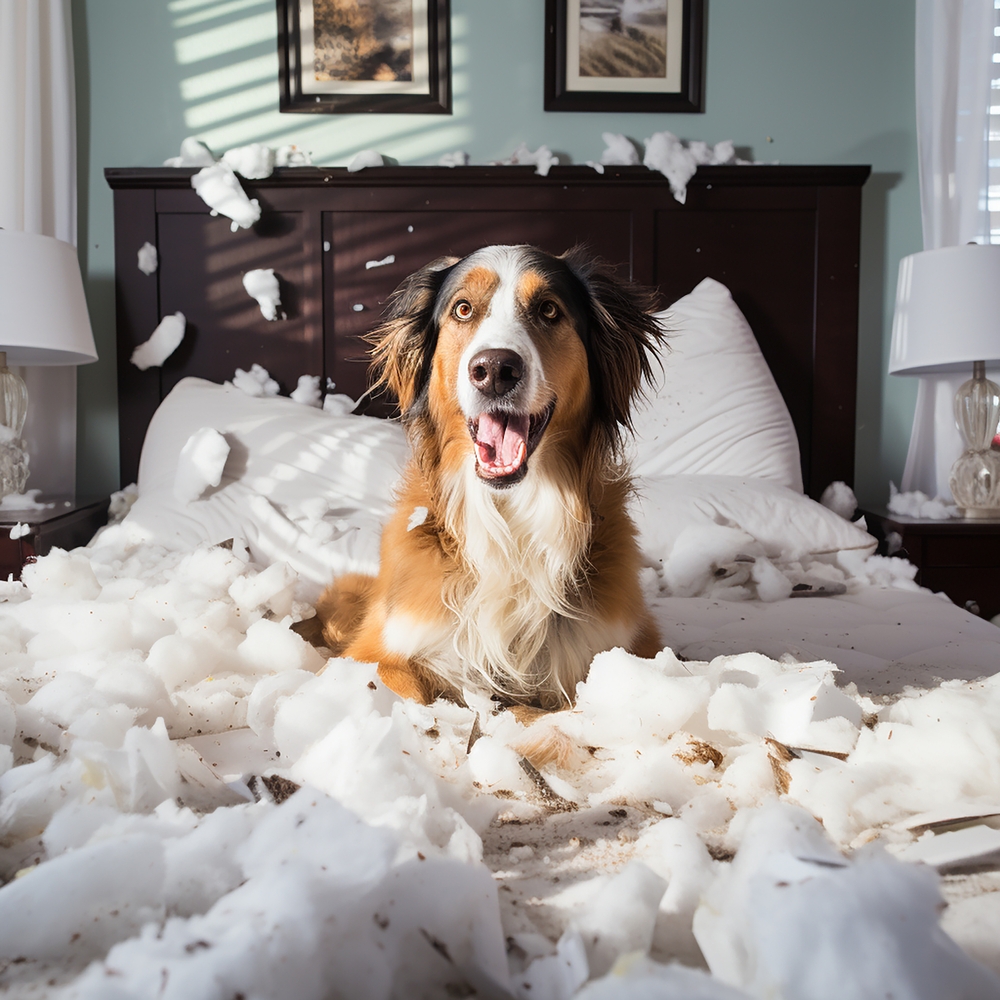
Interestingly, pets often test the person they see as the actual authority figure more than others. They’re checking whether the rules still apply and whether that person’s authority remains solid. A dog who constantly pushes boundaries with one person while being perfectly behaved for another isn’t confused—they know exactly who’s really in charge and they’re testing that leadership.
This testing behavior is actually a sign of respect in a way—they care about that person’s opinion and want to know where the boundaries are. People who never get tested often aren’t seen as authority figures at all. The pet has already written them off as someone whose rules don’t matter, so there’s nothing to test.
10. Who Can Change Their Emotional State

The household member who can calm an anxious pet, redirect an aggressive response, or settle an overexcited animal demonstrates real leadership. Pets recognize when someone has the ability to shift their emotional state through presence and energy alone. This is different from distraction—it’s about genuinely influencing how the pet feels.
Dogs especially notice who can bring them down from heightened arousal or provide comfort during stress. The person who has this calming influence naturally becomes an authority figure because they’re demonstrating emotional leadership. Pets trust and follow people who can help them regulate their own emotions.
11. Who Maintains Consistency Across Situations

Pets are constantly evaluating whether household members enforce the same rules in different contexts. If you don’t allow begging at dinner but give treats freely during movie time, your pet notices the inconsistency. The person who maintains the same standards whether they’re alone with the pet, in front of guests, or in different locations earns genuine respect.
This consistency is more important than strictness—a pet can understand and respect clear, consistent boundaries even if they’re more relaxed than what another household member enforces. What confuses and undermines authority is when the same person has different rules depending on their mood or the situation. Pets quickly learn they can’t rely on inconsistent people to provide clear leadership.
12. Who They Position Themselves Near During Uncertainty
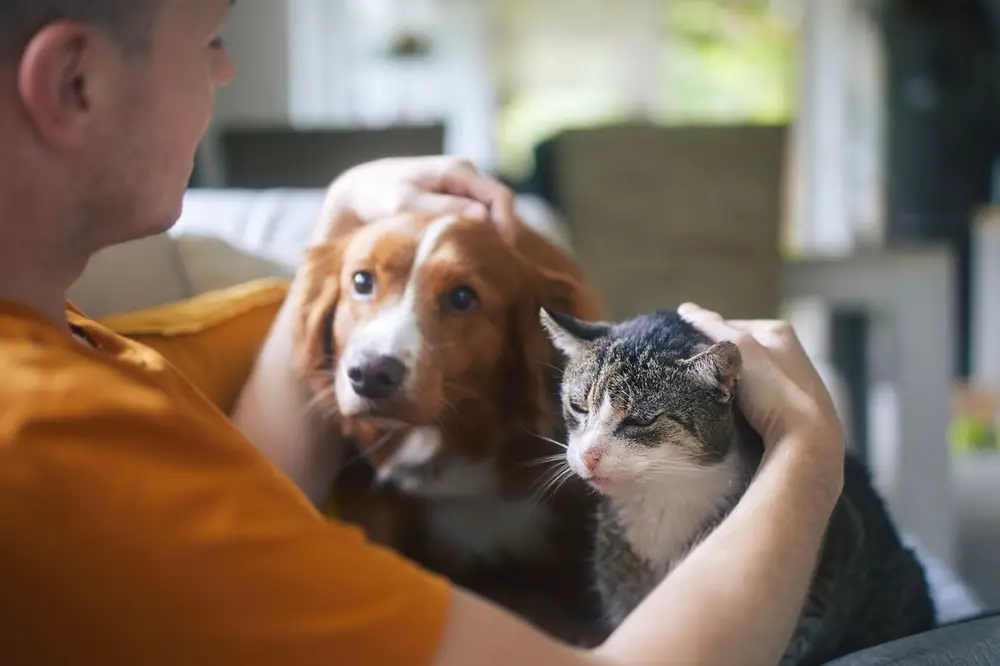
When something unusual happens—a strange noise, an unfamiliar visitor, or an unexpected situation—watch which household member your pet moves toward. They’re revealing who they see as their protector and leader in that moment. This is often different from who the pet seeks out for affection or play, showing they understand the difference between a friend and a leader.
Dogs especially demonstrate this by positioning themselves between their chosen authority figure and perceived threats. Cats might hide near or behind the person they trust most during stressful situations. This protective positioning and trust during vulnerability reveals who your pet has designated as their real pack leader, regardless of who thinks they’re in charge.