
Your dog is constantly gathering information about you that flies completely under your radar. While you’re going about your daily routine, your canine companion is reading signals, detecting changes, and filing away details you’d never consciously share. The result is that your dog probably knows you better than most of the people in your life, picking up on truths about your health, emotions, and habits that you might not even recognize yourself.
1. When You’re About to Get Sick
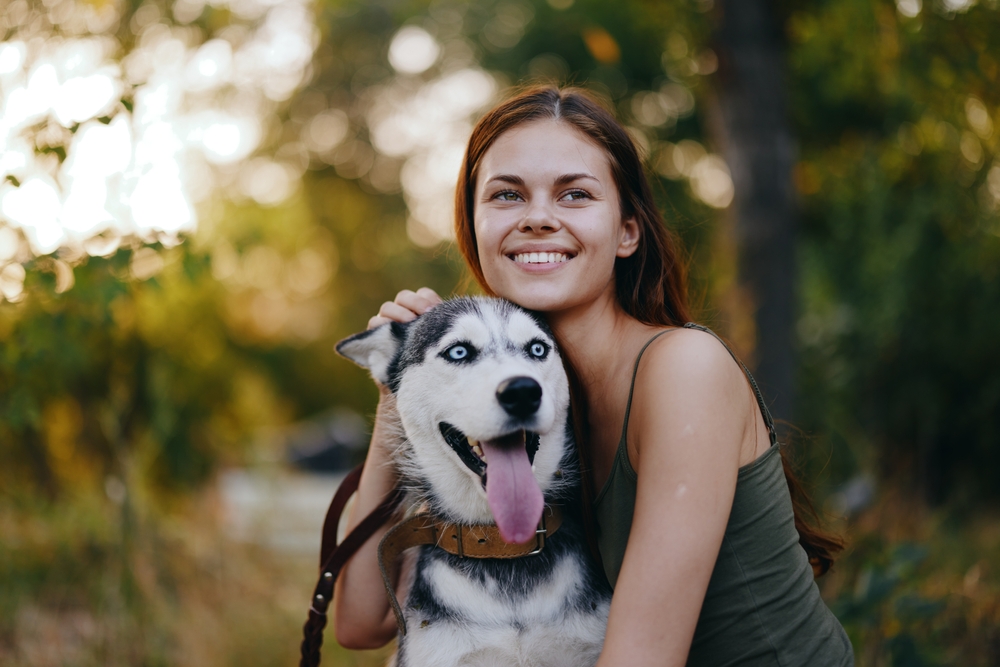
Dogs can detect illness in humans before any symptoms appear, likely through changes in your scent and body chemistry. When you’re fighting off an infection or about to come down with something, your body releases different compounds that your dog’s sensitive nose picks up immediately. Many dog owners report their pets acting unusually clingy or protective in the day or two before they realize they’re getting sick.
This early warning system isn’t just folklore—studies have shown dogs can detect cancers, drops in blood sugar, and impending seizures through scent alone. Your dog knows something is off with your health before you feel the first sniffle or ache. That extra attention and reluctance to leave your side might be their way of standing guard while you’re vulnerable.
2. Your Actual Emotional State Behind the Mask
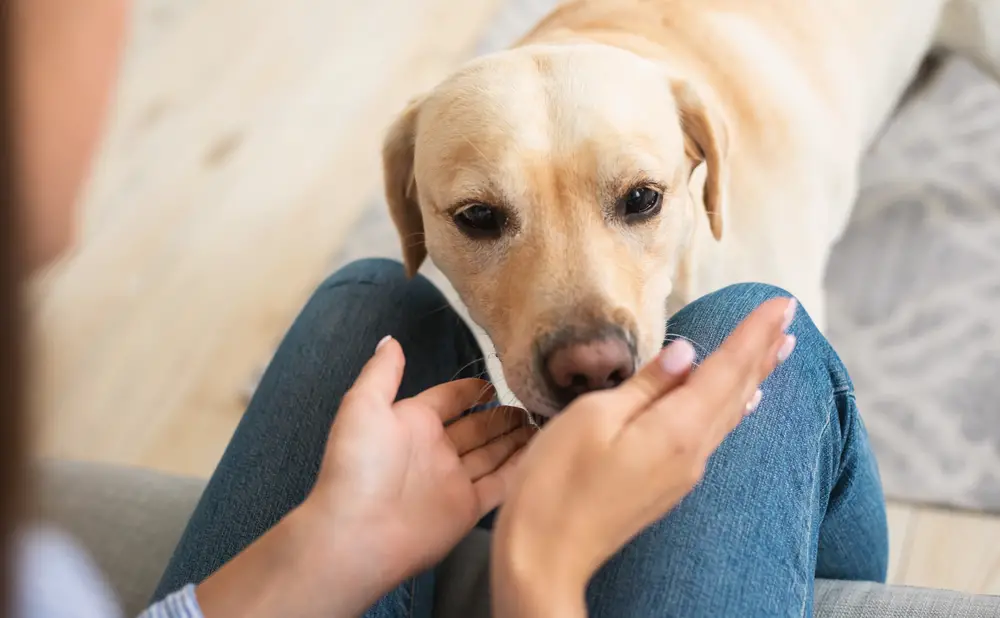
You might be smiling and acting cheerful, but your dog knows when you’re actually sad, anxious, or upset. Dogs read micro-expressions, body language, and chemical signals that reveal your true emotional state regardless of what face you’re putting on. They can smell the cortisol and adrenaline your body produces when you’re stressed, even if you’re pretending everything is fine.
This is why dogs often approach you for comfort when you’re trying hardest to seem okay. Your emotional masking might fool other people, but it doesn’t fool your dog. They’re responding to the authentic you, not the performance you’re giving the world.
3. Where You’ve Been and Who You’ve Touched
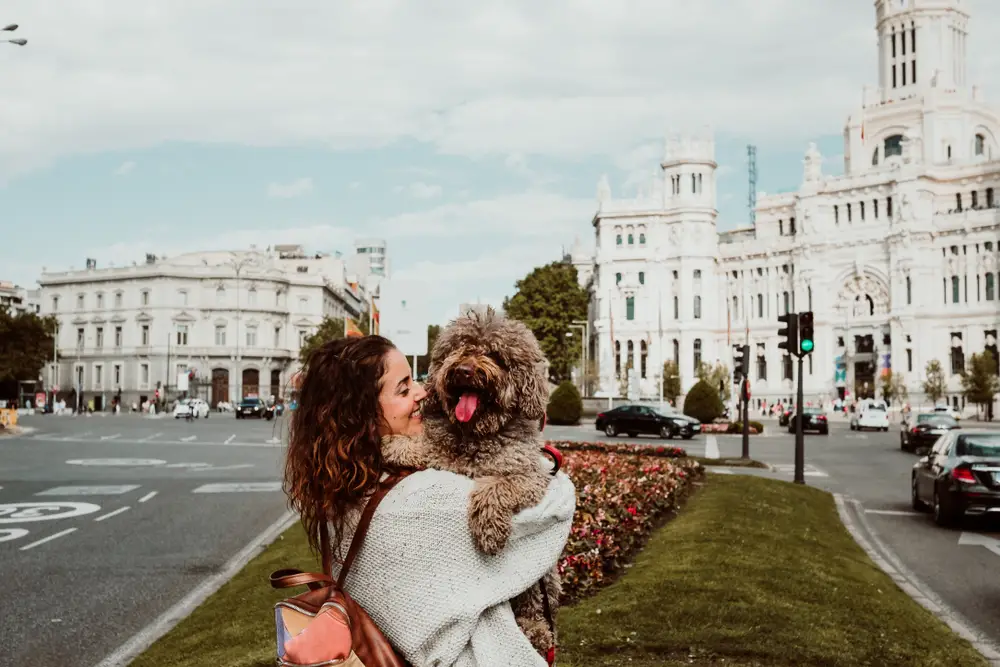
Every time you come home, your dog is reading a detailed story of your day through the scents clinging to your clothes and skin. They know if you stopped at a coffee shop, visited a friend with cats, or walked through a park. If you petted another dog, your dog knows the breed, approximate age, and probably the other dog’s emotional state when you touched them.
This scent journal is incredibly specific and can include people you hugged, surfaces you sat on, and foods you ate. Your dog essentially has a GPS tracker and activity log running through their nose. That intense sniffing when you walk in the door isn’t just a greeting—it’s them catching up on everything you did without them.
4. When You’re Pregnant Before You Know It
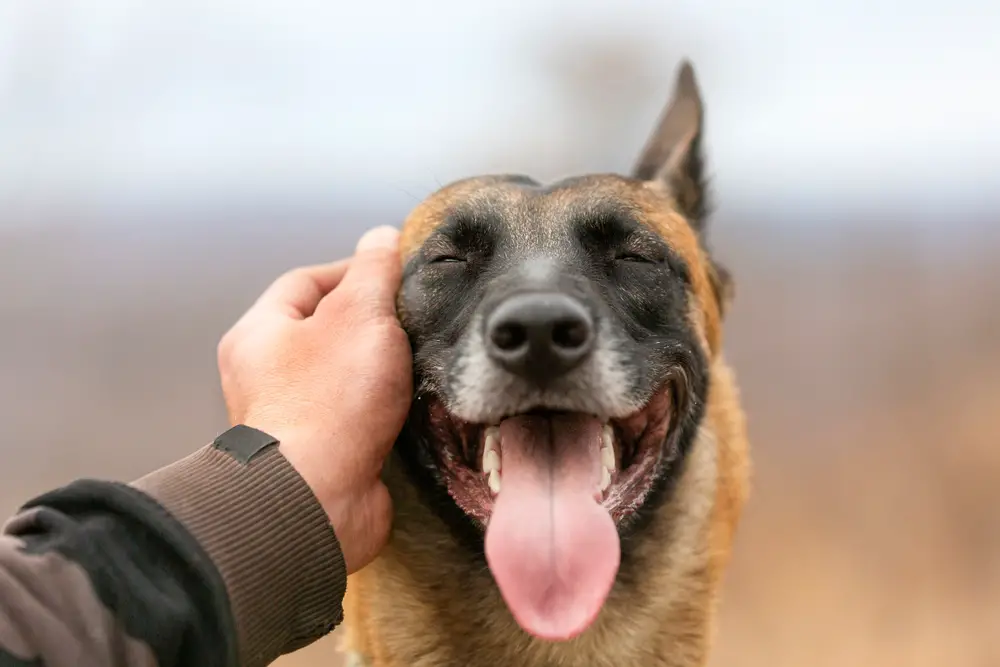
Dogs often detect pregnancy before a home test would show positive, responding to hormonal changes that happen in very early pregnancy. Many women report their dogs becoming protective, clingy, or behaving strangely weeks before they discovered they were pregnant themselves. The shift in hormones creates a different scent signature that dogs recognize as significant even if they don’t understand what it means.
Some dogs also seem to sense pregnancy in visitors or strangers, acting unusually gentle or interested in women who turn out to be newly pregnant. Your dog’s sudden behavior change might not be random—they might know about your pregnancy before you do. This same sensitivity extends to hormonal changes during your menstrual cycle, which your dog definitely notices even if they don’t react visibly.
5. Your Daily Routine Down to the Minute

Your dog has memorized your schedule with precision that would impress a personal assistant. They know what time you usually wake up, when you typically come home, and even the difference between workdays and weekends. This internal clock is so accurate that dogs often start anticipating your arrival 10-15 minutes before you actually get home, positioning themselves by the door or window.
They also know your pre-departure routine and can predict when you’re about to leave based on subtle cues like which shoes you put on or whether you pick up certain bags. Your dog recognizes the patterns you don’t even know you follow. That anxiety when you grab your work bag isn’t random—they know exactly what that action means and what comes next.
6. When You’re Lying or Being Dishonest
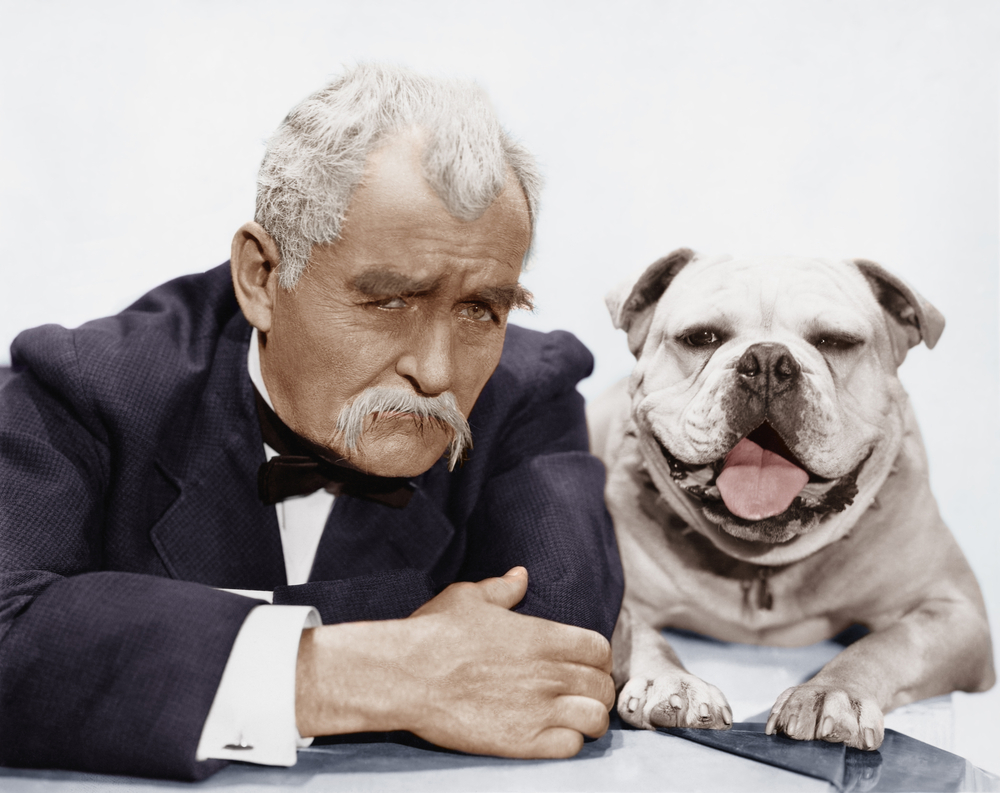
Dogs appear to have an ability to detect dishonesty through changes in your voice, scent, and body language. When you lie, you often experience subtle stress responses—elevated heart rate, changes in breathing, micro-expressions—that your dog picks up on. Studies suggest dogs can tell the difference between genuine praise and hollow words, responding more enthusiastically to authentic emotion.
This doesn’t mean your dog judges you morally for lying, but they definitely notice when something feels off. They’re less likely to trust commands or promises from people who frequently say things that don’t match their emotional state. Your dog’s skepticism might be rooted in their accurate detection of your dishonesty.
7. Your Health Issues You Haven’t Diagnosed Yet
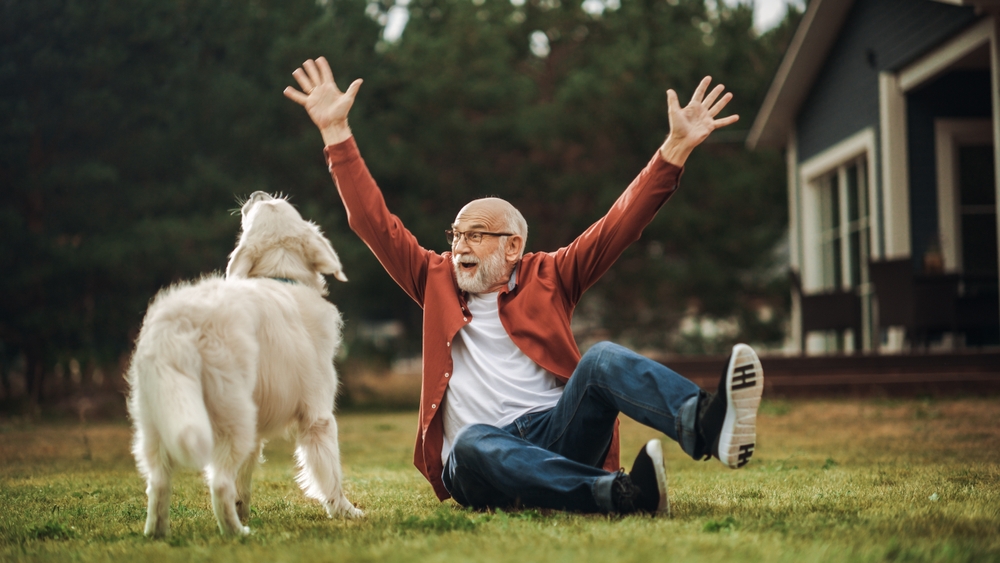
Beyond acute illnesses, dogs often detect chronic health conditions their owners don’t know they have. There are countless stories of dogs obsessively sniffing or pawing at specific body parts where cancerous tumors are later discovered. Dogs have also alerted owners to dangerous blood pressure spikes, irregular heartbeats, and blood sugar problems before any medical diagnosis.
This detection ability is so reliable that some dogs are specifically trained as medical alert animals. Your dog’s persistent interest in a particular part of your body shouldn’t be dismissed as quirky behavior. They might be trying to tell you something important about your health that warrants a doctor’s visit.
8. Which Family Members You Prefer
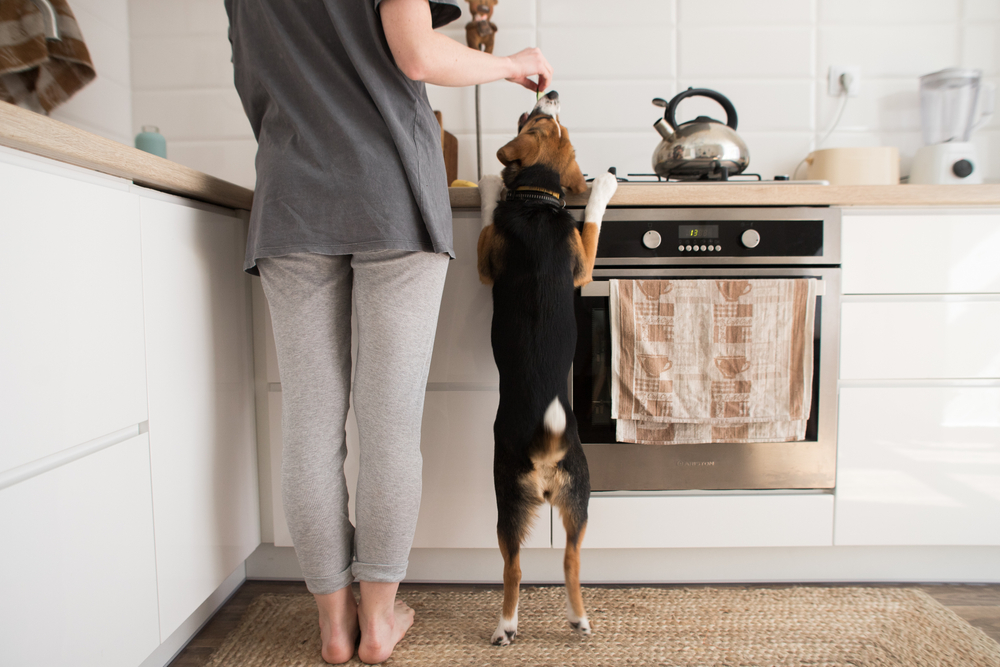
Dogs pick up on the subtle ways you interact differently with various family members, noticing who gets genuine warmth versus polite tolerance. They can tell who you’re happiest to see, who stresses you out, and which relationships are authentic versus obligatory. Your tone of voice, body language, and even scent change around different people in ways that reveal your true feelings.
This is why dogs often mirror your preferences, being more suspicious of family members you’re tense around. They’re not making independent judgments—they’re reading your genuine reactions and responding accordingly. Your dog knows which in-laws you actually like and which ones you’re just being polite to.
9. When You’re Planning to Leave Them
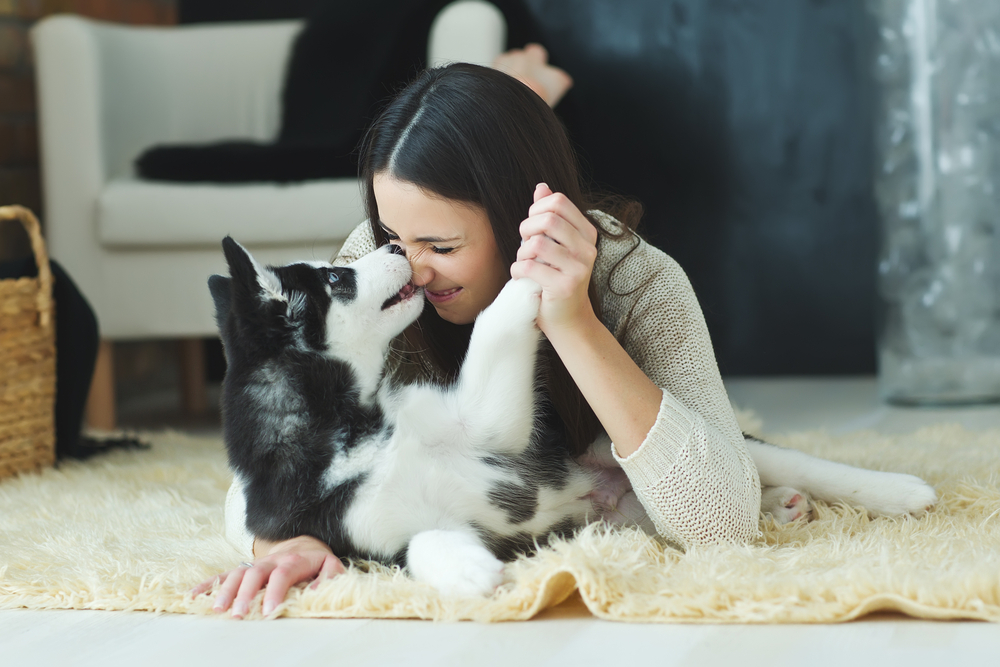
Dogs pick up on the subtle changes in your behavior that happen when you’re preparing for a trip or planning to be away. Even before you start packing, they notice shifts in your energy, routine, and stress levels. The anxiety many dogs display when owners are planning travel often starts days before suitcases come out.
They recognize the difference between your normal departure routine and the one that precedes longer absences. Your dog knows when you’re just going to work versus when you’re leaving for an extended period. This anticipatory anxiety proves they’re tracking patterns and making predictions about your behavior that you don’t realize are so obvious.
10. Your Fear and Confidence Levels
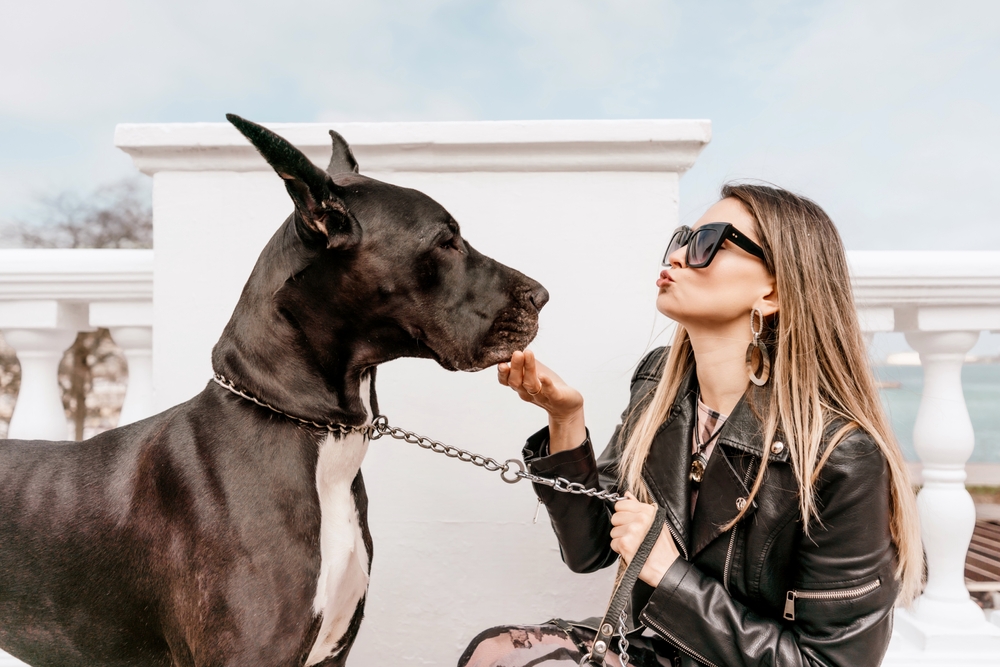
Dogs are experts at reading human confidence, and they know when you’re genuinely self-assured versus when you’re faking it. When you’re afraid or uncertain, your body language becomes tentative, your breathing changes, and you emit stress chemicals. Your dog picks up on all of these signals and adjusts their own behavior accordingly—often becoming more protective or anxious themselves.
This is particularly relevant when encountering other dogs or new situations. Your dog knows if you’re actually calm or just pretending to be, and they’re more likely to react based on your true emotional state. Trying to project confidence while feeling terrified rarely fools your dog.
11. When You’re About to Have a Seizure or Medical Emergency
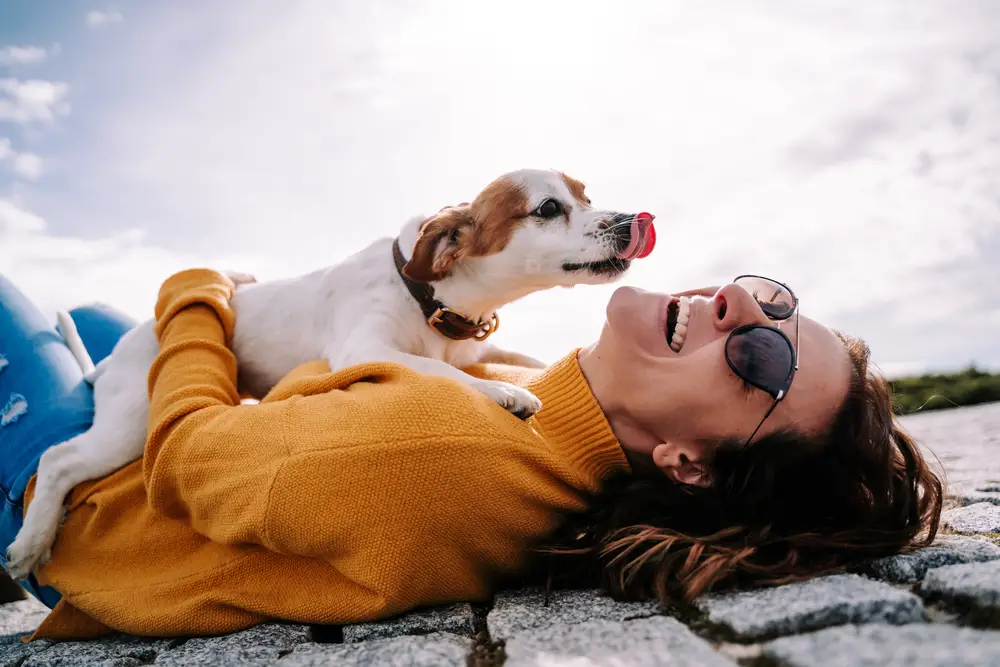
Some dogs can detect seizures up to 45 minutes before they occur, though scientists don’t fully understand the mechanism. Dogs also alert to heart attacks, strokes, and diabetic emergencies before obvious symptoms appear. This predictive ability saves lives, with dogs waking sleeping owners or refusing to let them engage in dangerous activities when a medical event is imminent.
Even untrained dogs sometimes display this ability, becoming agitated or refusing to leave their owner’s side before a medical crisis. Your dog’s unusual behavior or refusal to let you do something might be a warning you should take seriously. They’re detecting physiological changes that precede the emergency you’re about to experience.
12. Your Changing Relationships and Conflicts

Dogs notice when relationships in your household are deteriorating, picking up on increased tension, changes in communication patterns, and emotional distance. They can tell when you’ve had an argument with someone even if you’re hiding it, detecting the stress hormones and subtle avoidance behaviors. Many dogs become anxious or start misbehaving when their owners’ relationship is under strain.
They also know when you’ve made new friends or started a new romantic relationship based on changes in your scent and routine. Your dog is tracking the social dynamics of your life with surprising accuracy. Their behavior problems might actually be reactions to relationship stress they’re sensing from you.
13. Your Age-Related Changes Before You Notice Them
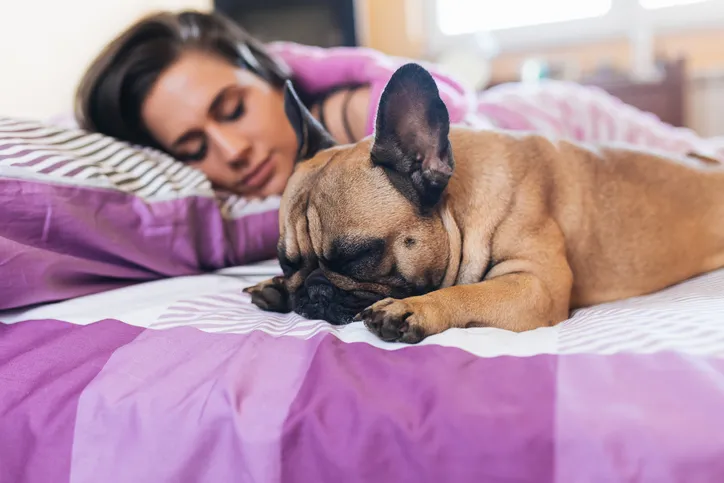
As you age, subtle changes in your mobility, energy levels, and health occur gradually enough that you might not consciously notice them. Your dog, however, picks up on these shifts and often adjusts their behavior accordingly. They might slow down on walks to match your reduced pace, become more gentle in their play, or start staying closer when you move around.
This isn’t just the dog aging alongside you—they’re actively responding to your changing capabilities. Dogs often become more protective and attentive as their owners grow older, seemingly understanding increased vulnerability. Your dog might know you’re not as steady on your feet before you’re willing to admit it yourself.
14. When You’re Making Important Decisions

Dogs can sense the stress and mental energy that comes with making significant life decisions, even if you’re not discussing them out loud. When you’re preoccupied with major choices, your behavior, sleep patterns, and stress levels change in ways your dog notices. They often become more attentive or clingy during these periods, responding to your mental state.
That extra comfort your dog provides during tough times isn’t coincidental—they know you’re going through something. Your cognitive and emotional load is apparently detectable to them through multiple signals. Dogs often provide support exactly when you need it most because they can sense when you’re struggling with something big.
15. Your Distinct Scent From Hundreds of Feet Away

Your dog can identify your unique scent from at least several hundred feet away, distinguishing you from every other human they’ve ever met. This scent signature is so specific that they’d know you even if you were in a crowd of people. Trained tracking dogs can follow a person’s scent trail that’s days old, and your pet has this same ability focused on you.
They also know how your scent changes throughout the day, after exercise, when you’re stressed, or when you’re sick. To your dog, you’re essentially broadcasting your identity and current state constantly through smell. That immediate recognition when you’re still far from home isn’t magic—they literally smell you coming from farther away than you’d think possible.