
Some of America’s most treacherous trails don’t look intimidating from the trailhead. They start with gentle slopes, well-marked paths, and stunning views that lure hikers into a false sense of security. But conditions can change rapidly, terrain gets surprisingly technical, and what seemed like a casual afternoon walk can quickly become a life-threatening situation.
1. Angels Landing, Zion National Park, Utah
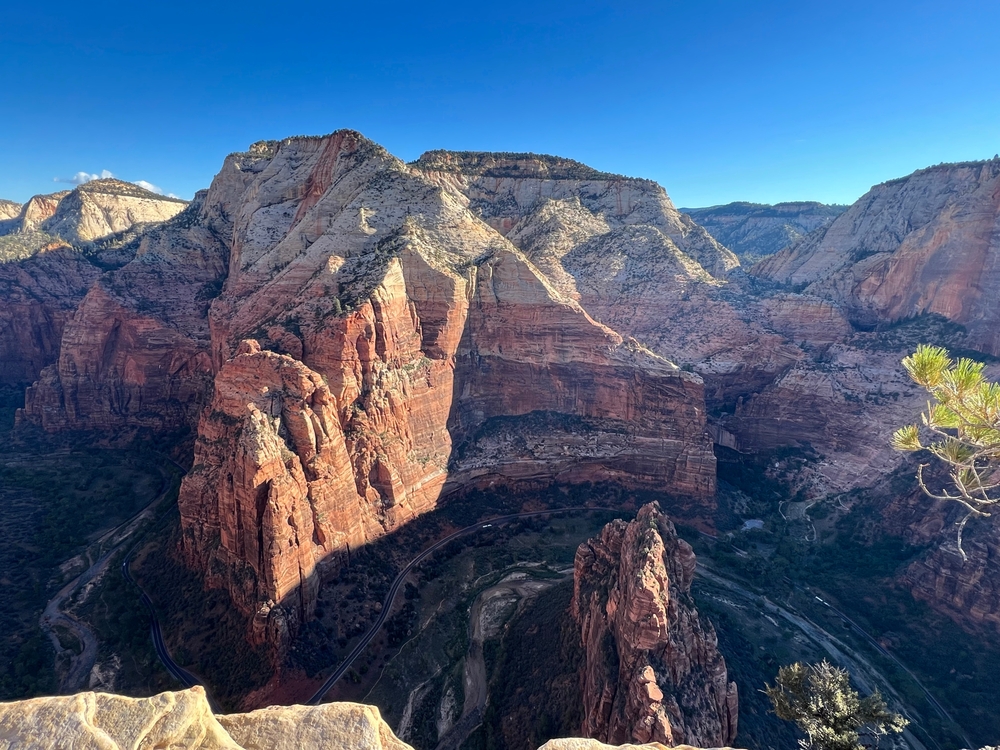
The first two miles of Angels Landing are a pleasant, paved walk along the Virgin River that thousands of families complete without issue. The trail seems manageable and the crowds give it a safe, tourist-friendly vibe that masks what’s coming. Then you hit Walter’s Wiggles—a series of steep switchbacks—and suddenly you’re facing a narrow spine of rock with 1,000-foot drops on both sides.
The final half-mile requires scrambling along chains bolted into the cliff face while wind gusts threaten your balance. At least 17 people have died on this trail, most from falls during the chain section or from being blown off the exposed ridge. What starts as an easy family hike transforms into one of America’s most dangerous trails, and many hikers don’t realize this until they’re already committed.
2. Half Dome Cables, Yosemite National Park, California
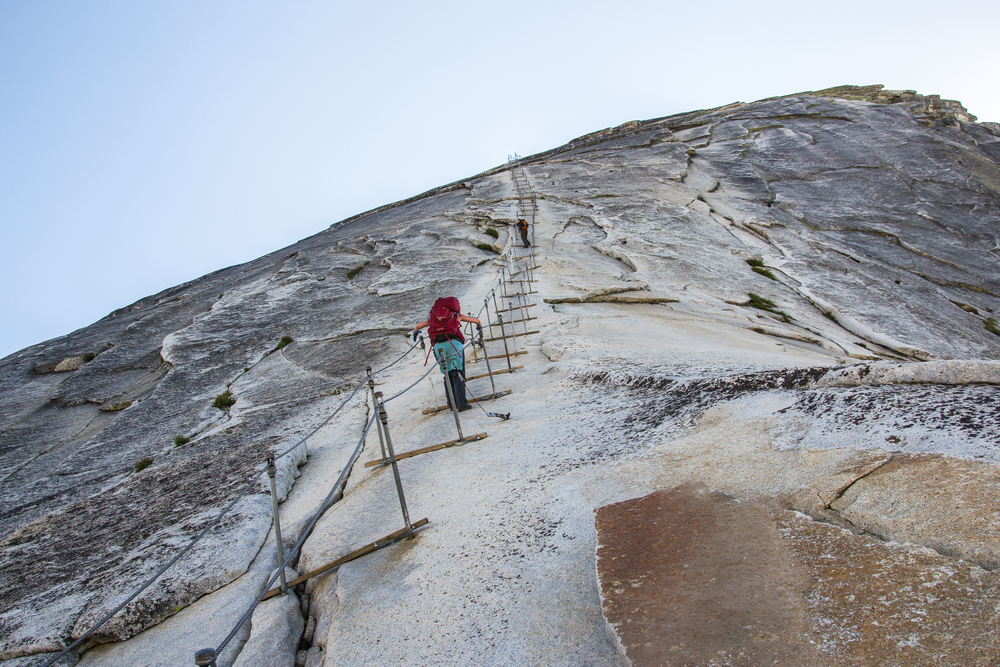
The approach to Half Dome is a long but straightforward 8-mile hike through beautiful forest and past waterfalls. Most of the elevation gain happens gradually, and the trail is well-maintained with clear signage that makes it feel safe and accessible. The deceptively easy beginning causes many unprepared hikers to continue when they should turn back.
The final 400 feet require pulling yourself up a 45-degree granite slope using cables, and this is where people die—at least 20 deaths have occurred here. When the granite is wet or when afternoon thunderstorms roll in, the rock becomes lethally slippery. Exhausted hikers who handled the approach fine suddenly find themselves clinging to cables in deteriorating weather, too tired to safely descend.
3. Bright Angel Trail to the Colorado River, Grand Canyon, Arizona
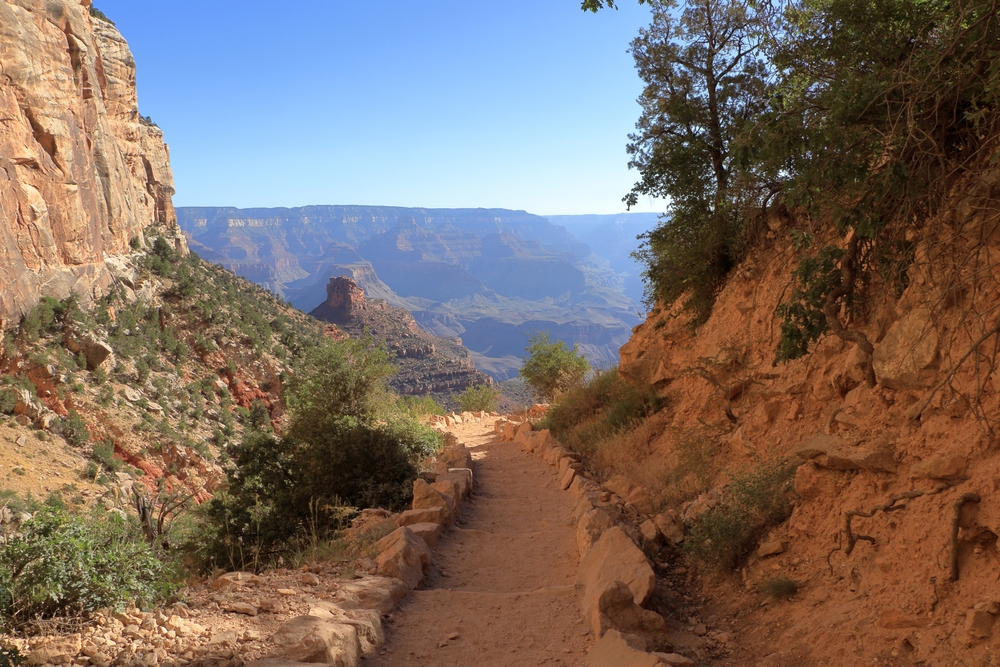
The top portion of Bright Angel Trail is incredibly well-maintained, with rest houses, water stations, and what feels like a highway of hikers coming and going. The downhill journey feels easy and pleasant, with stunning canyon views that make it seem like a leisurely tourist stroll. The problem is that going down is the easy part, and the Grand Canyon’s deceptive topography hides the brutal reality of the return climb.
Over 250 people require rescue from this trail annually, and several die each year from heat exhaustion and dehydration. The temperature at the river can be 20-30 degrees hotter than at the rim, and the 10-mile climb back up gains 4,380 feet of elevation. What felt like an easy downhill walk becomes a survival march in extreme heat, and many hikers simply don’t have the fitness or supplies to make it back.
4. Mount Washington via Tuckerman Ravine, New Hampshire
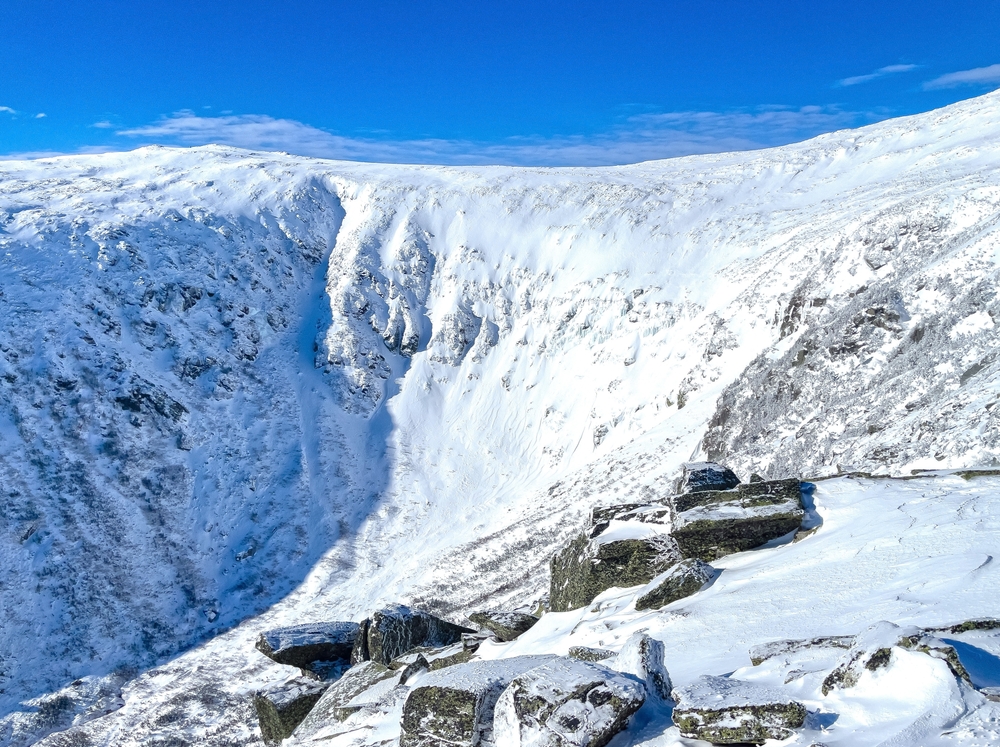
Mount Washington’s lower trails wind through pleasant New England forest that wouldn’t look out of place on an easy day hike. The Tuckerman Ravine route starts gently enough that people often hike it in sneakers with minimal supplies. But Mount Washington has the worst weather in America, with recorded wind speeds over 230 mph and conditions that can shift from sunny to life-threatening in minutes.
Over 160 people have died on Mount Washington, many of them experienced hikers who underestimated how quickly conditions deteriorate. The temperature can drop 50 degrees in an hour, and the exposed summit cone offers no shelter from hurricane-force winds. Hikers in t-shirts and shorts have frozen to death here in summer, caught off guard by the mountain’s notorious weather.
5. The Narrows, Zion National Park, Utah
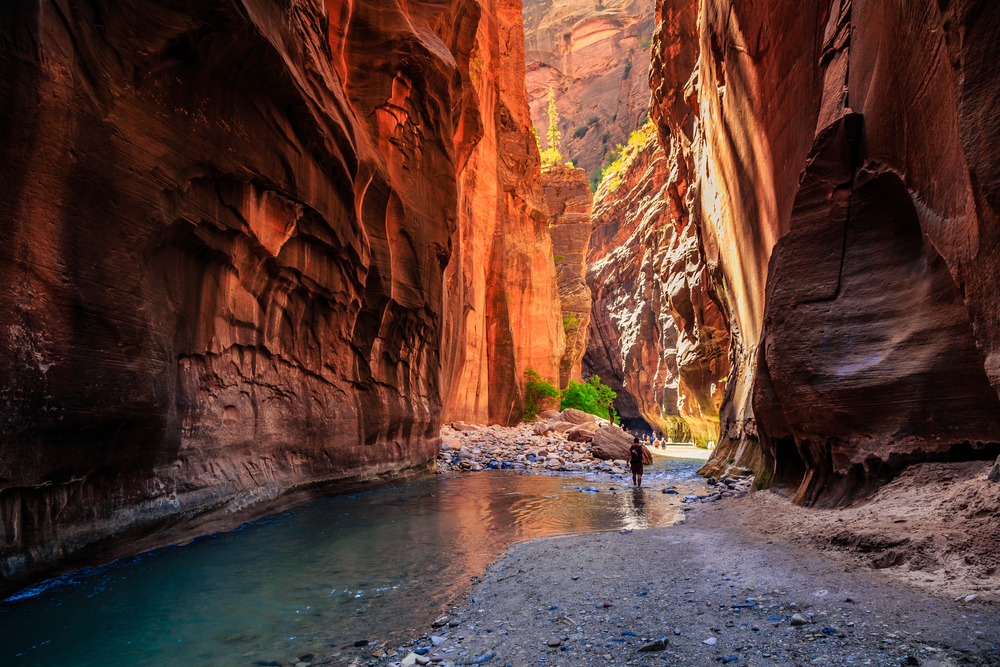
Walking upstream through a gorgeous slot canyon with water rarely deeper than knee-level feels more like an adventure tour than a dangerous hike. The Narrows is incredibly popular, with hundreds of people splashing through on any given summer day, which creates a false sense of safety. The easy access and family-friendly reputation mask the serious flash flood danger that makes this one of the deadliest hikes in the park system.
Flash floods can occur even when it’s sunny in the canyon, triggered by storms miles away that hikers never see. The narrow walls funnel water into a deadly torrent that can rise 10 feet in minutes, with no escape routes. Multiple hikers have drowned here when calm, ankle-deep water transformed into a raging river that swept them away.
6. Precipice Trail, Acadia National Park, Maine
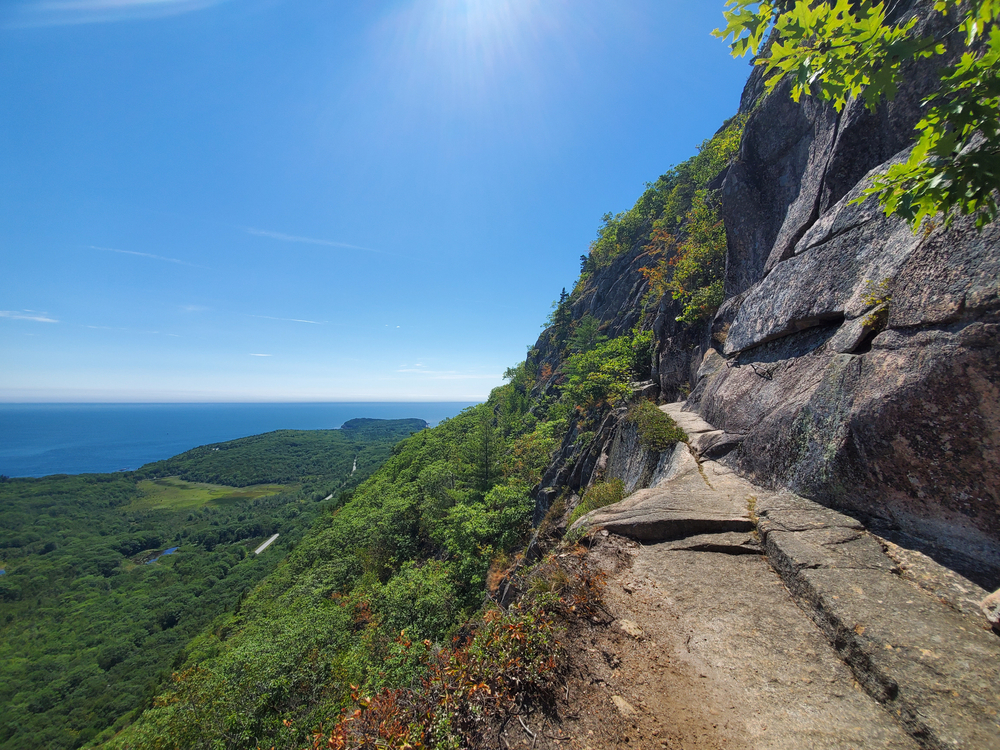
Precipice Trail starts innocuously in a coastal Maine forest that feels more like a nature walk than a climb. The first section is so gentle that families with young children often start up before realizing what they’ve gotten into. Within a mile, the trail becomes a nearly vertical scramble up iron rungs and narrow ledges with fatal exposure.
The climbing sections require legitimate rock scrambling skills, and mistakes result in falls of several hundred feet onto rocks below. Several deaths have occurred here, and countless hikers freeze partway up, too scared to continue or descend. The trail’s easy beginning lures people past the point of no return before they realize they lack the skills or courage to safely complete it.
7. Longs Peak Keyhole Route, Rocky Mountain National Park, Colorado
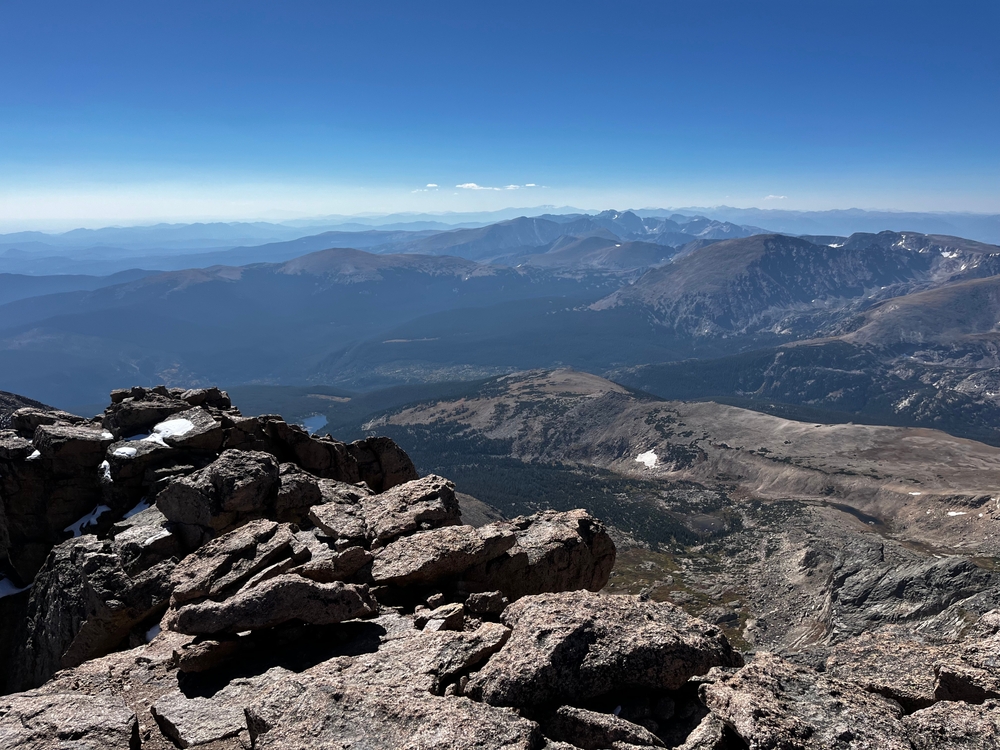
The first six miles to the Keyhole on Longs Peak are challenging but straightforward hiking that gives no hint of the technical terrain ahead. Many hikers reach the Keyhole feeling accomplished and continue on, not realizing they’re about to enter a much more dangerous environment. The Boulder Field approach is tiring but walkable, creating a false sense that the entire route is just a long hike.
Beyond the Keyhole, the route requires scrambling across narrow ledges, navigating steep couloirs, and crossing areas where a slip means a fatal fall. Afternoon thunderstorms are nearly guaranteed in summer, and lightning strikes have killed multiple hikers on the exposed summit. Over 60 people have died on Longs Peak, many of them inexperienced hikers who thought the approachable beginning meant the whole route was within their abilities.
8. Mist Trail to the Top of Vernal Fall, Yosemite National Park, California
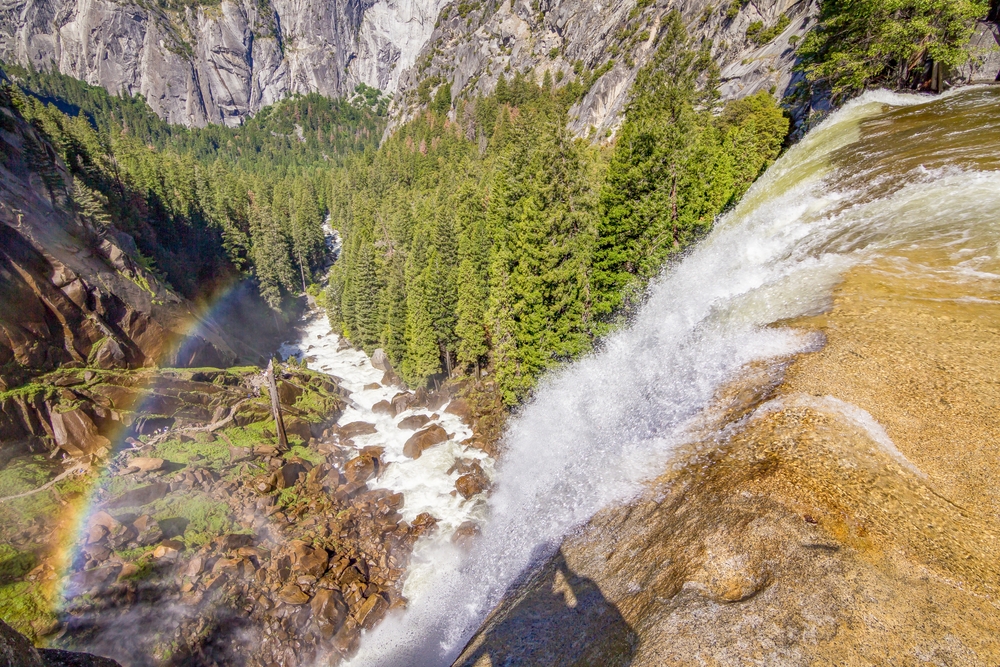
The Mist Trail is one of Yosemite’s most popular hikes, starting on a paved path that feels completely safe and accessible. Families with children regularly hike to the footbridge for waterfall views, and the well-maintained stone steps seem to promise an easy journey. The wet granite steps alongside the waterfall look scenic and adventurous rather than dangerous.
At least a dozen people have slipped on the wet rocks and been swept over Vernal Fall to their deaths. The constant mist makes the granite stairs treacherously slick, and there are sections with minimal railings where a fall means going over the edge. What appears to be a tourist-friendly trail becomes a death trap when the rocks are wet, yet the easy beginning convinces people to continue despite dangerous conditions.
9. Enchanted Valley via the Quinault River, Olympic National Park, Washington
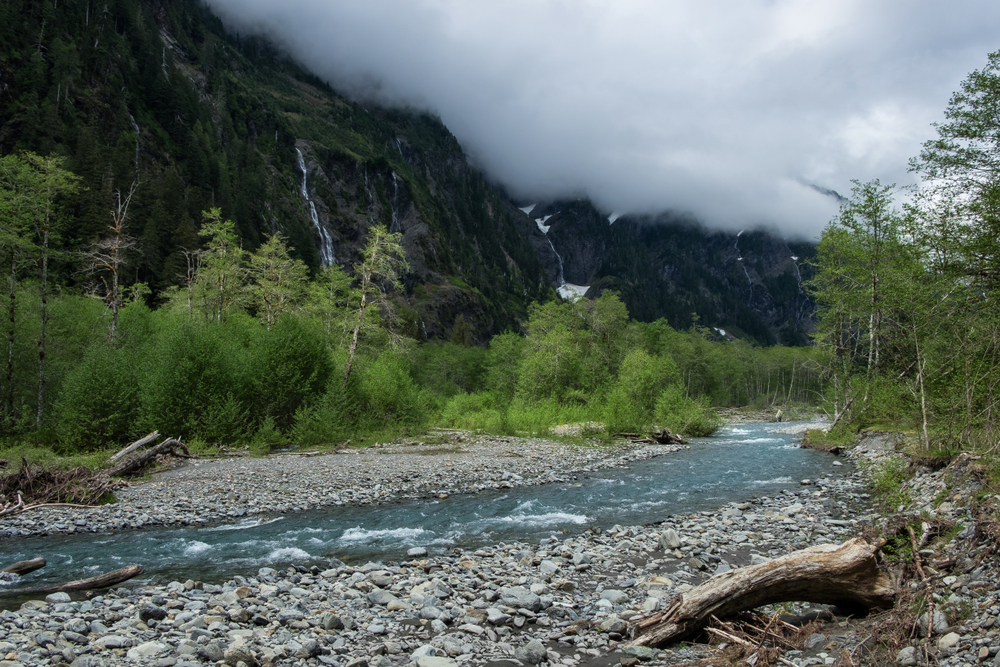
This trail through temperate rainforest starts as one of the most beautiful and gentle wilderness hikes in Washington State. The path is wide, well-maintained, and mostly flat for the first several miles along the Quinault River. The ease of the approach and stunning old-growth forest creates an atmosphere more like a peaceful nature walk than a backcountry expedition.
The real danger comes from river crossings that can become impassable or deadly when water levels rise unexpectedly. Hikers have drowned attempting crossings that looked safe in the morning but became raging torrents by afternoon due to snowmelt or rain. The trail’s benign beginning gives no warning that you might become trapped on the wrong side of an uncrossable river miles from help.
10. Breakneck Ridge, Hudson Highlands State Park, New York
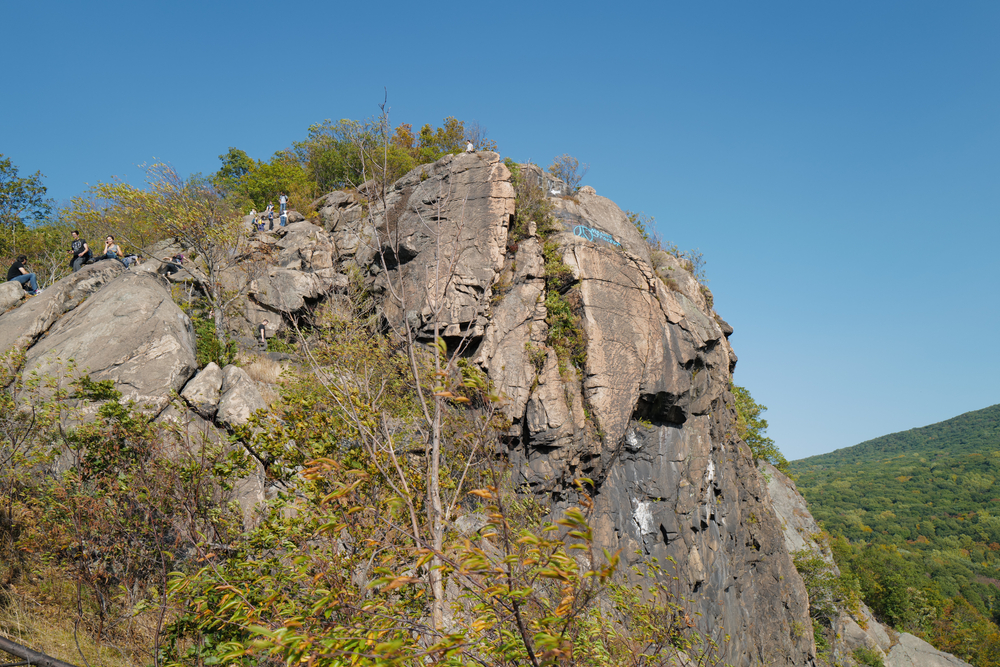
Breakneck Ridge sits just an hour from New York City and starts right off a Metro-North train station, making it feel like an accessible day trip. The trailhead offers no significant warnings, and the popularity of the trail—with hundreds of hikers on weekends—makes it seem safe and beginner-friendly. Within minutes, however, the trail becomes a near-vertical rock scramble that’s caused numerous serious injuries and several deaths.
Inexperienced hikers in inappropriate footwear regularly attempt this trail, leading to frequent rescues and accidents. The exposure is significant, with steep drops and loose rock that can send people tumbling down the cliff face. The combination of easy access and immediate technical difficulty creates a perfect storm where unprepared urban hikers get in over their heads before they realize what they’ve started.
11. Clouds Rest, Yosemite National Park, California
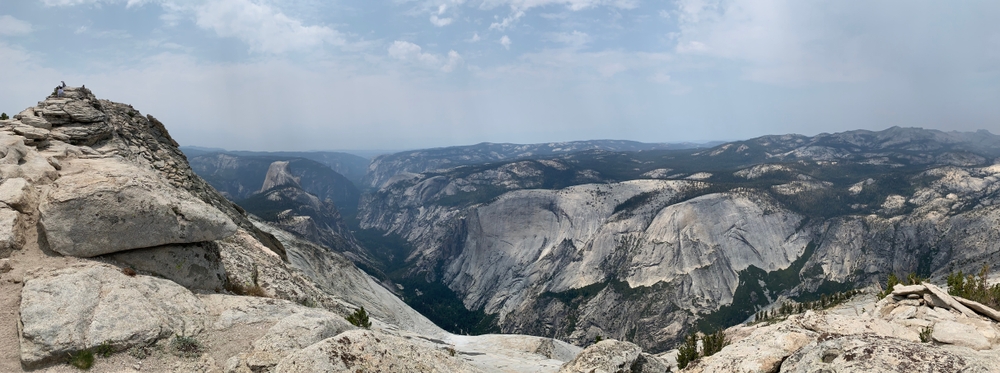
The approach to Clouds Rest is a long but manageable forested hike that doesn’t prepare you for the exposed granite ridge at the summit. The trail is well-marked and the steady climb feels challenging but safe, similar to dozens of other Sierra Nevada hikes. Most hikers are focused on the distance and elevation gain, not realizing the psychological challenge waiting at the top.
The final approach follows a narrow granite spine with 1,000-foot drops on both sides and no railings or safety features. People with undiagnosed fear of heights often don’t discover their acrophobia until they’re stranded on this exposed ridge, unable to move forward or back. The relatively easy approach means hikers arrive at this terrifying section without any mental preparation for the exposure they’re about to face.
12. Cascade Canyon to Lake Solitude, Grand Teton National Park, Wyoming
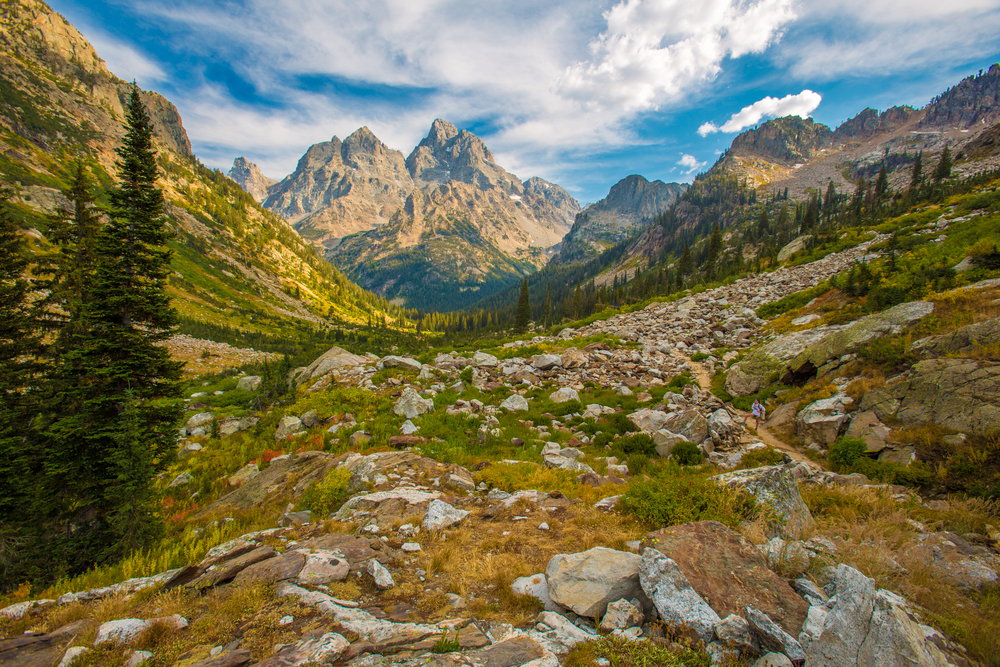
Cascade Canyon starts as one of the most pleasant hikes in the Tetons, following a gentle stream through wildflower meadows with stunning mountain views. The trail is wide and well-maintained, popular with families and casual hikers who often turn around at Inspiration Point. The beauty and ease of the lower canyon disguises the serious grizzly bear danger and afternoon storm risk in the upper reaches.
Multiple fatal bear attacks have occurred in this area, and afternoon thunderstorms in the exposed upper canyon can be deadly. Hikers who start early in perfect weather often find themselves trapped above treeline in lightning storms with nowhere to hide. The benign beginning causes people to underestimate both the wildlife risks and the weather volatility that make this a genuinely dangerous backcountry route.