
Dogs seem to have an uncanny ability to judge people within moments of meeting them. Whether it’s a tail wag or a wary growl, your dog is constantly reading signals you might not even realize you’re sending. Understanding how they make these split-second trust decisions can help you become the kind of person every dog wants to befriend.
1. They Read Your Body Language Before You Even Speak
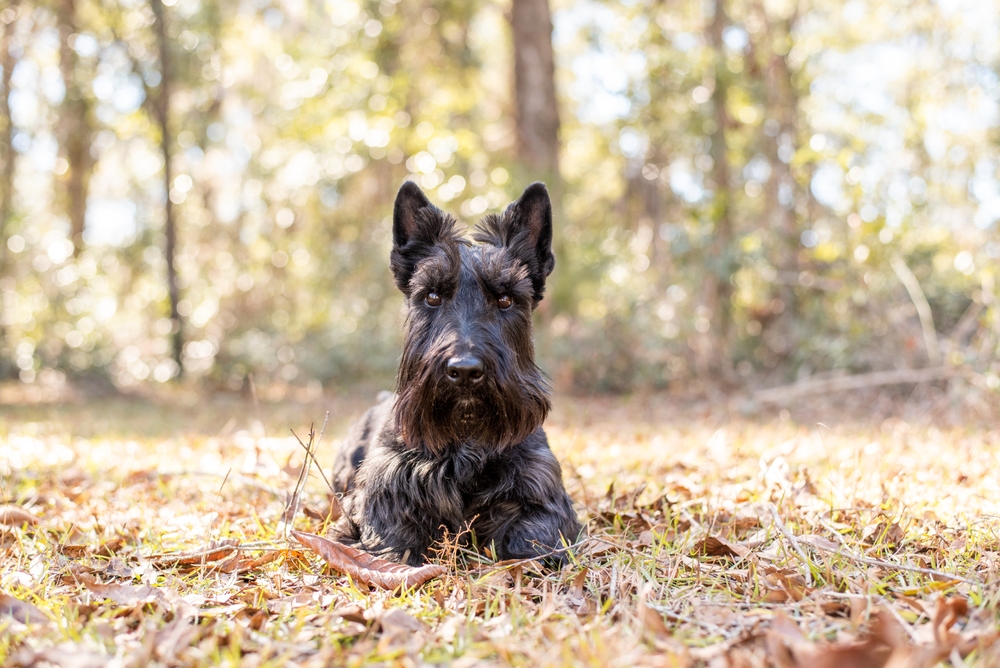
Dogs are masters at interpreting human body language, often noticing subtle movements before you’re consciously aware of making them. Stiff posture, direct staring, or sudden movements can all signal potential danger to a dog, triggering their wariness. Conversely, relaxed shoulders, a slight sideways stance, and smooth movements tell them you’re not a threat.
Your hands are particularly important in this assessment—dogs notice if you’re reaching toward them too quickly or keeping your hands hidden. They’ve evolved alongside humans for thousands of years, making them incredibly attuned to our physical cues. Even the way you walk into a room can determine whether a dog sees you as friend or foe.
2. Your Scent Tells Them Your Emotional State

A dog’s nose is up to 100,000 times more sensitive than yours, and they use it to detect the chemical changes that happen when you’re stressed, afraid, or anxious. When you’re nervous, your body releases cortisol and adrenaline, which dogs can literally smell. If you’re radiating fear or tension, they’ll pick up on it immediately and may decide you’re not trustworthy.
Dogs can also smell if you’ve recently interacted with other animals, which might make them curious or cautious. People who are calm and confident tend to have a chemical signature that puts dogs at ease. Your emotional state is essentially broadcasting information through your scent, and dogs are reading it like a book.
3. They Notice How You Treat Their Owner
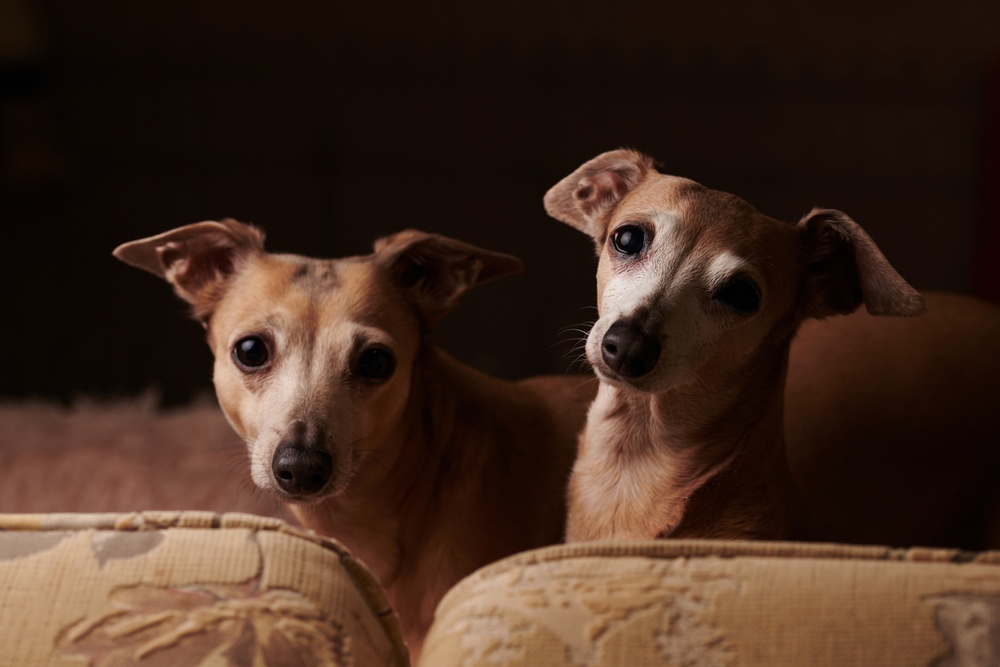
Dogs are incredibly observant of how you interact with the people they love. If you raise your voice, make aggressive gestures, or seem to upset their owner, most dogs will immediately categorize you as a potential threat. They’re watching facial expressions and tone of voice during your conversations with their human family.
This protective instinct means dogs often warm up to people their owners clearly trust and welcome. Even subtle cues like a friendly hug or laugh can signal to a dog that you’re safe. Dogs essentially use their owner’s reaction as a reference point for their own trust assessment.
4. Your Voice Tone Matters More Than Your Words
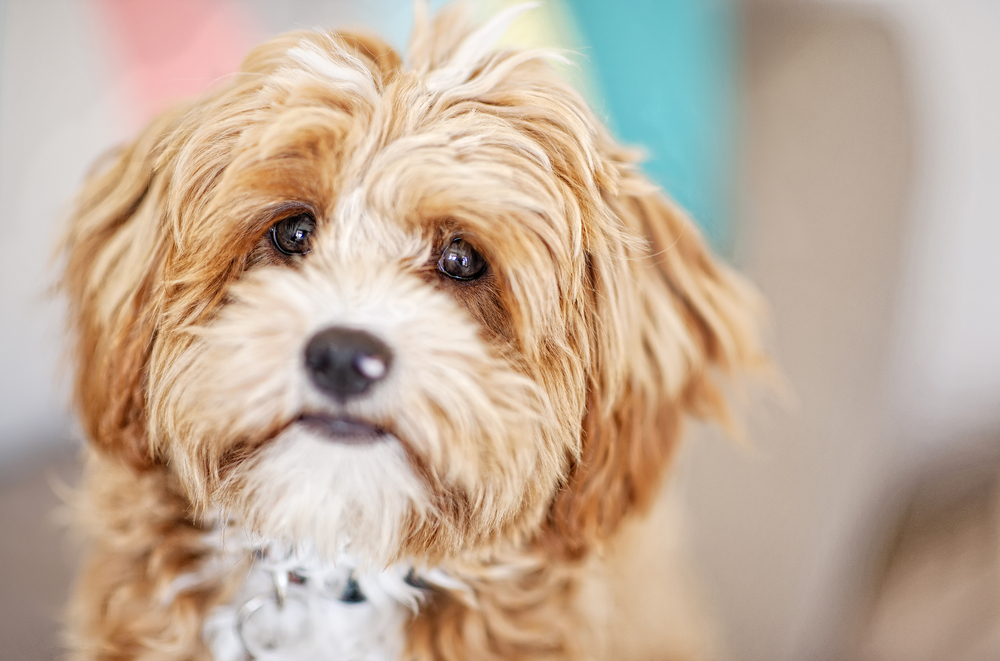
Dogs respond far more to how you say something than what you actually say. A high-pitched, gentle voice typically signals friendliness and non-aggression, which is why baby talk often works well with dogs. Sharp, loud, or deep aggressive tones trigger their threat response, regardless of whether you’re saying something friendly.
The consistency of your tone also matters—sudden changes in pitch or volume can make dogs uncertain about your intentions. Dogs have learned to associate certain vocal patterns with positive experiences like treats and play versus negative ones like scolding. Your vocal delivery is essentially your first introduction, and it carries enormous weight in their trust calculation.
5. They Test Your Reaction to Their Initial Approach
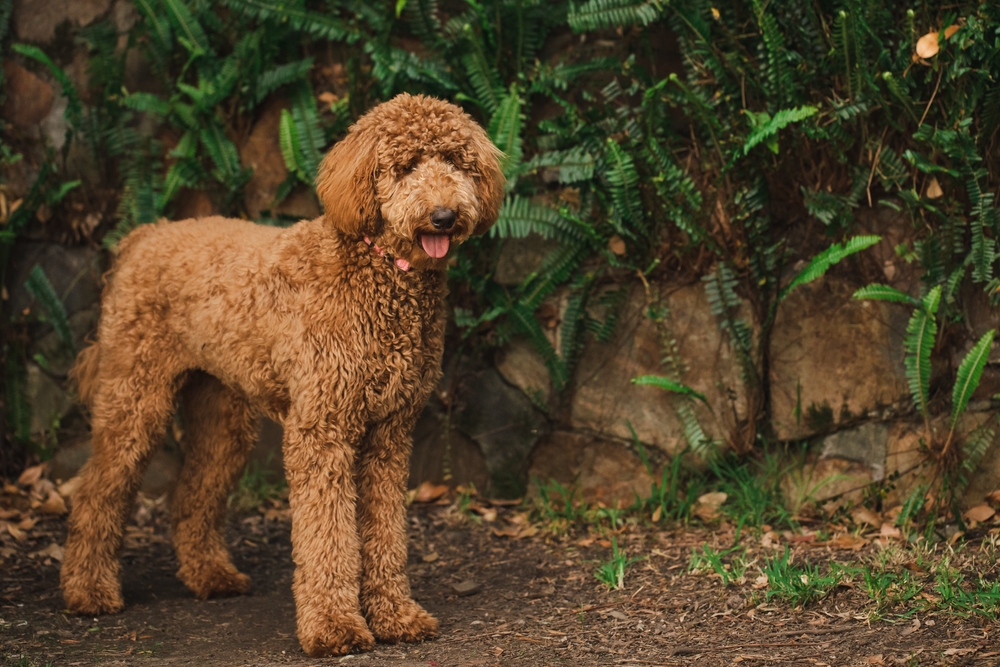
When a dog approaches you cautiously, they’re running a test to see how you respond. If you stay calm, avoid direct eye contact, and let them sniff you on their terms, you pass the test. Rushing toward them, reaching out too quickly, or trying to pet them before they’re ready will fail you immediately.
Dogs often use a tentative approach to gauge whether you respect their boundaries. The best response is usually to ignore them initially and let them come to you when they’re comfortable. How you handle this first interaction sets the tone for the entire relationship.
6. They Watch How You Move Around Their Territory
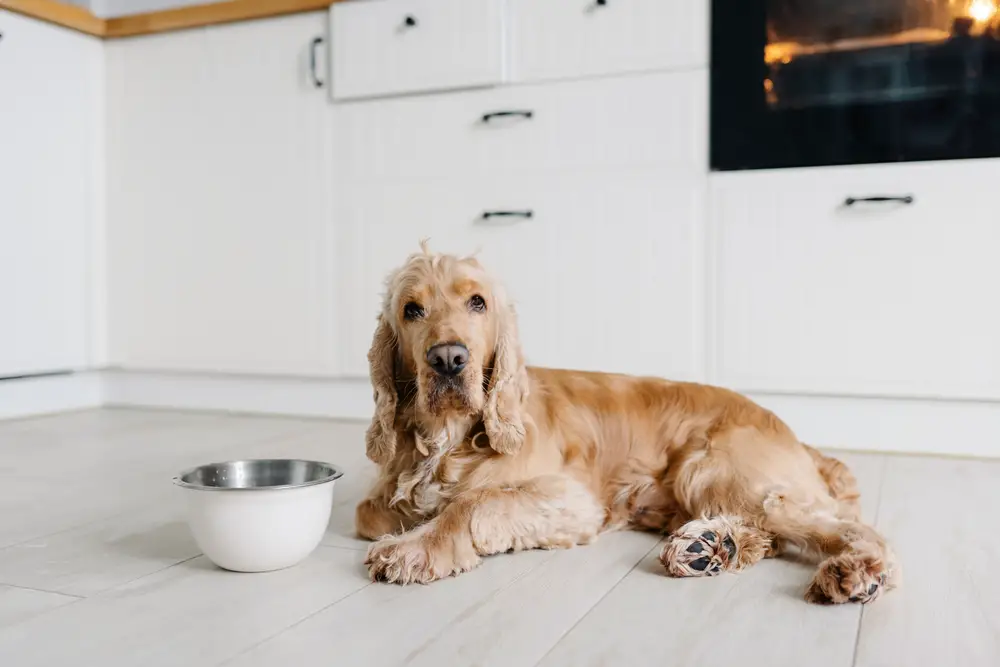
Dogs are territorial creatures, and how you enter and move through their space speaks volumes about your intentions. Barging in confidently or moving quickly through their home can trigger protective instincts, while entering calmly and respecting their space earns trust. They notice if you’re checking escape routes or seeming furtive versus moving naturally and openly.
Your respect for boundaries extends to their belongings too—reaching for their toys, food bowl, or bed without permission can instantly destroy any trust you’ve built. Dogs feel more secure with people who move predictably and don’t invade their claimed spaces. Territorial assessment often happens within the first few minutes of your arrival.
7. They Pick Up on How Other Dogs React to You
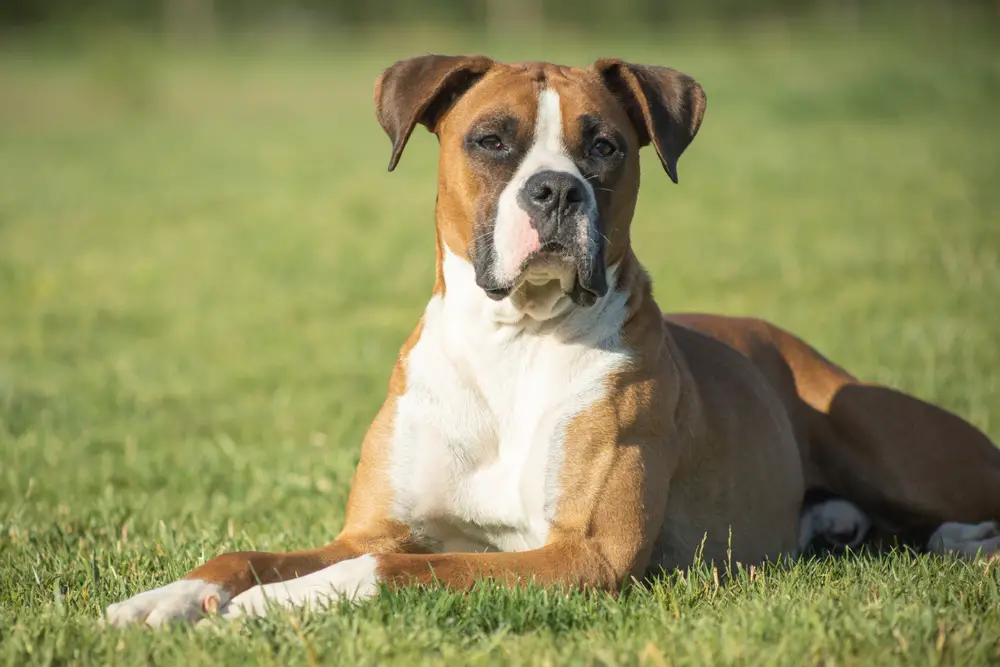
If a dog sees their canine friends acting comfortable and friendly around you, they’re much more likely to trust you themselves. Dogs engage in social referencing, taking cues from other dogs about whether a person is safe. A nervous or aggressive reaction from another dog can make them suspicious even if they had no initial concerns.
This is why dog parks and multi-dog households can be tricky—one dog’s fear can spread to others. Dogs also remember patterns, so if they consistently see other dogs enjoying your presence, their trust builds over time. The social proof from their own species often carries more weight than human reassurances.
8. They Evaluate Your Energy Level Against Theirs
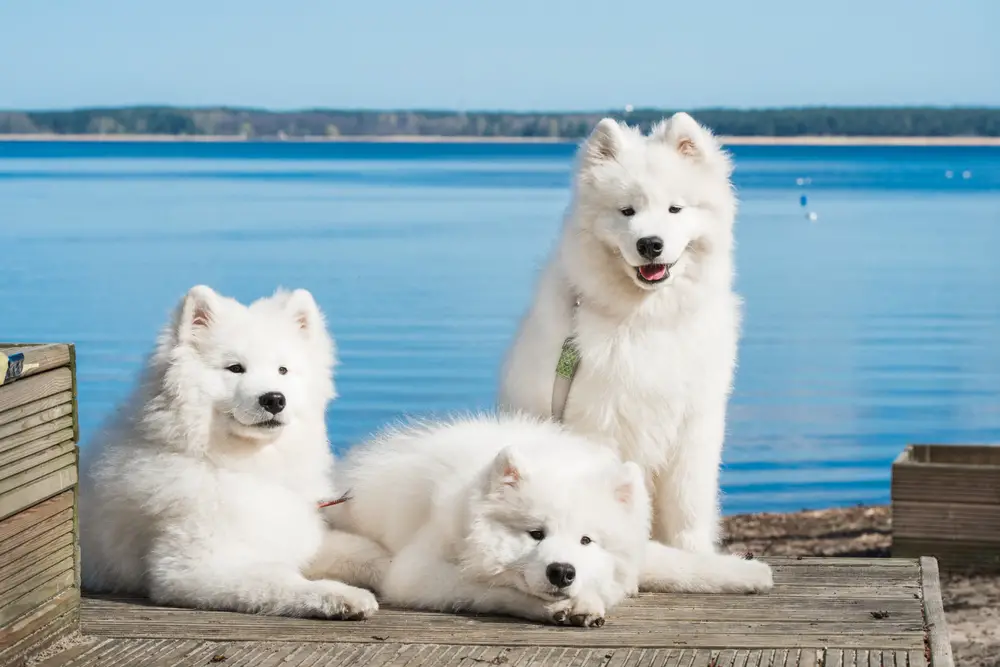
Dogs prefer people whose energy somewhat matches their own or who can appropriately adjust to the dog’s state. An overly excitable person might overwhelm a calm, elderly dog, triggering distrust and avoidance. Similarly, a low-energy person might seem boring or off to a high-strung, playful puppy, though this rarely triggers fear.
Dogs feel most comfortable with people who can read the room and adjust accordingly. If a dog is resting and you respect that by staying calm, you earn trust points. Your ability to match or complement their energy level shows emotional intelligence that dogs recognize and appreciate.
9. They Remember Previous Experiences with People Like You
Dogs categorize people based on past experiences, and if you remind them of someone who hurt or scared them, you start at a disadvantage. This might be your gender, height, clothing style, or even something as specific as a hat or facial hair. A dog who was abused by a tall man might never fully trust tall men, regardless of their actual character.
These associations can be incredibly specific and aren’t always obvious to humans. Trauma-based distrust is particularly hard to overcome because it’s rooted in survival instinct, not rational assessment. Understanding that a dog’s wariness might have nothing to do with you personally can help you approach the situation with patience.
10. They Notice Your Consistency Over Time
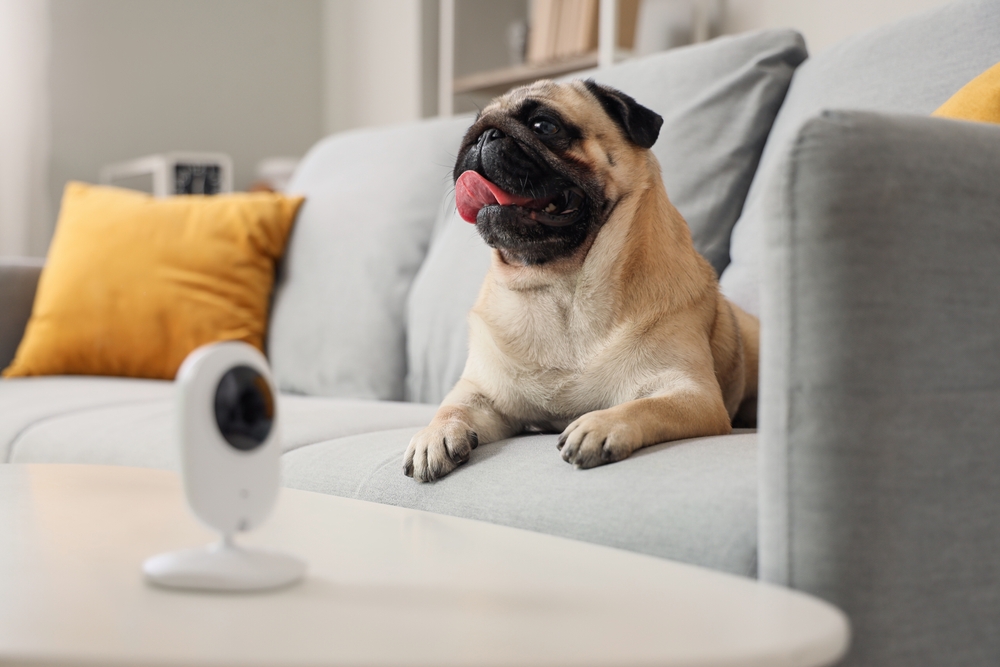
Dogs trust people who behave predictably and keep their promises. If you say you’re going to give a treat and then don’t, or if you’re friendly one day and distant the next, dogs notice these inconsistencies. Reliability matters enormously to them because unpredictable behavior signals potential danger.
This is why regular visitors who maintain consistent behavior often become trusted faster than family members who are erratic. Dogs feel safer when they can predict your actions and responses. Your consistency essentially proves that you’re a known quantity rather than a variable threat.
11. They Test Whether You Respect Their Warning Signals
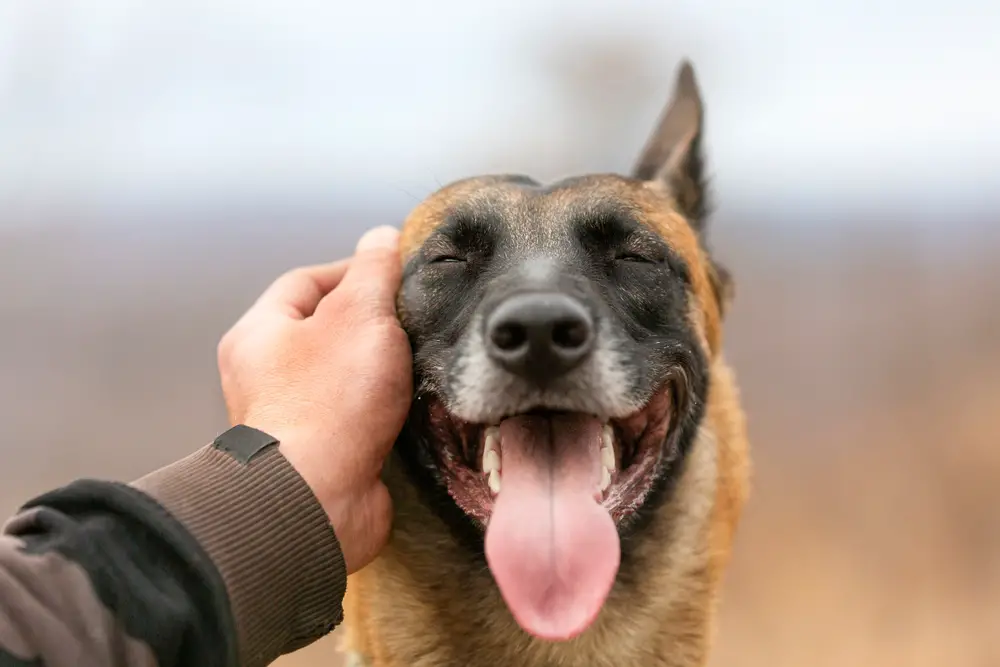
When a dog growls, backs away, or shows other signs of discomfort, they’re watching carefully to see if you respect those boundaries. People who push past these warnings immediately lose trust and may get bitten. Those who back off and give space demonstrate that they understand and respect canine communication.
This respect for warning signals is crucial for building long-term trust with cautious or fearful dogs. Dogs remember who listened to their “no” and who didn’t, filing that information away for future encounters. Respecting their boundaries is essentially respecting their autonomy, which earns deep trust.
12. They Sense Your Genuine Intentions Toward Them
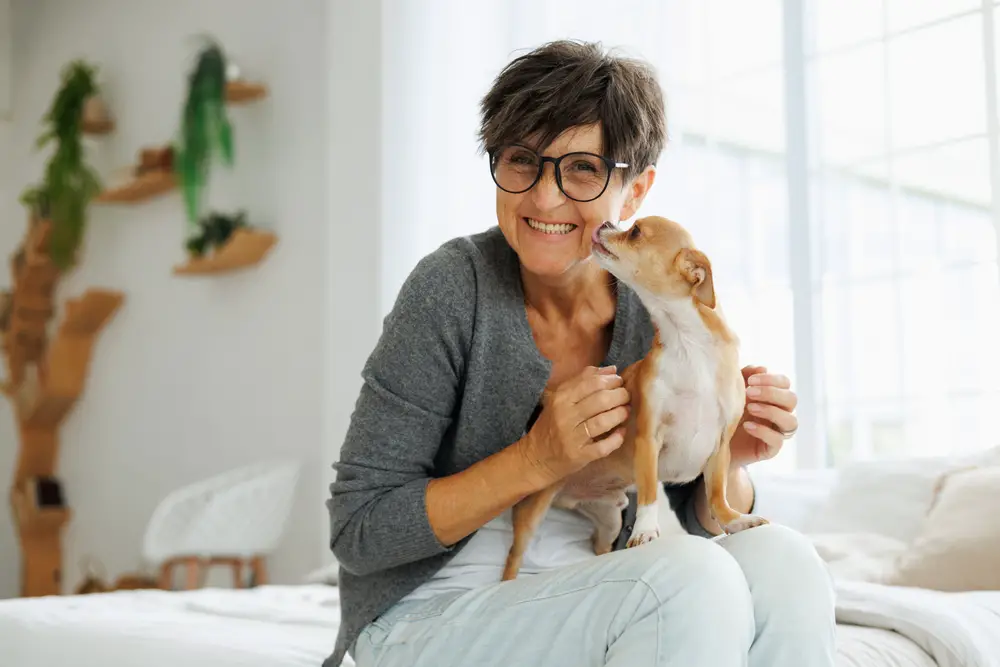
While it sounds mystical, dogs appear remarkably good at sensing whether someone genuinely likes them or is just tolerating their presence. This might come down to micro-expressions, pheromones, or subtle body language cues that reveal true feelings. Dogs often gravitate toward people who authentically enjoy their company and avoid those who are just being polite.
Your genuine enthusiasm—or lack thereof—comes through in countless tiny ways that dogs pick up on. People who are faking friendliness might fool other humans, but dogs tend to see through the performance. Authentic positive regard creates a foundation of trust that can’t be manufactured through treats or forced interactions alone.