
When we think of dangerous animals, our minds usually jump to sharks, bears, or venomous snakes. But some of the creatures causing the most emergency room visits look completely harmless—the kind you’d see in your backyard or at a petting zoo. These deceptively dangerous animals send thousands of Americans to the hospital each year, often catching people completely off guard.
1. White-Tailed Deer

Those gentle-looking deer grazing in your suburban neighborhood are actually responsible for more human deaths than almost any other animal in North America. While deer themselves rarely attack people, they cause over 200 fatalities annually through vehicle collisions, plus thousands of serious injuries. During mating season, bucks can become territorial and aggressive, occasionally charging at people who get too close while hiking or in their yards.
Beyond car accidents, deer can deliver powerful kicks when cornered or protecting fawns, and their sharp hooves can cause serious lacerations. They’re also carriers of ticks infected with Lyme disease and other illnesses that send countless people to doctors each year. What looks like a peaceful woodland creature is statistically one of the deadliest animals you’ll encounter in America.
2. Domestic Cats

Your cuddly house cat might seem like the picture of innocence (and light-hearted mischief), but cat-related injuries account for tens of thousands of ER visits annually in the United States. Cat bites are particularly dangerous because their long, thin teeth create deep puncture wounds that easily become infected with bacteria from their mouths. Studies show that up to 80% of cat bites become infected, often requiring hospitalization and intravenous antibiotics.
Cat scratch disease, caused by bacteria called Bartonella henselae, sends approximately 12,000 Americans to the hospital each year with symptoms ranging from swollen lymph nodes to serious complications in immunocompromised individuals. Even minor scratches can lead to serious infections if not properly cleaned and treated. The combination of sharp claws, quick reflexes, and bacteria-laden mouths makes cats surprisingly hazardous housemates.
3. Squirrels
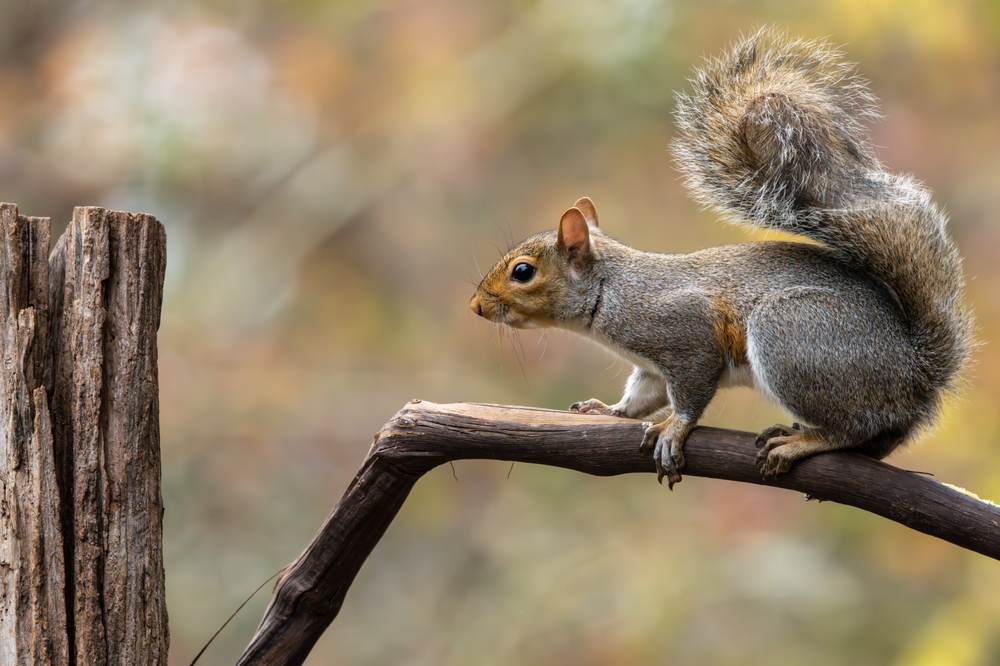
Those bushy-tailed acrobats raiding your bird feeder might look adorable, but squirrels are responsible for thousands of emergency room visits each year. When cornered, threatened, or defending their young, squirrels can deliver surprisingly vicious bites with their sharp incisors designed for cracking nuts. These bites often cause deep wounds that require medical attention, and in some cases, victims need rabies post-exposure prophylaxis since squirrels can carry the virus.
Beyond direct attacks, squirrels cause numerous injuries when people fall from ladders or roofs while trying to remove them from attics and chimneys. Their tendency to chew through electrical wires also leads to house fires and electrocutions during DIY removal attempts. What seems like a harmless backyard visitor is actually a surprisingly common source of home-related injuries.
4. Rabbits

Bunnies have a reputation as gentle, kid-friendly pets, but they send more people to the ER than you’d expect. Domestic rabbits have extremely powerful hind legs that can deliver kicks strong enough to break their own backs—and cause serious scratches and bruises to human handlers. Their sharp claws can cause deep lacerations, especially when the rabbit is frightened and struggling to escape.
Rabbit bites, while less common than scratches, can be severe because their front teeth are incredibly sharp and designed for shearing through tough vegetation. Wild rabbits carry tularemia, a bacterial disease that can infect humans through bites, scratches, or even handling infected animals. Even domesticated rabbits can trigger severe allergic reactions in some people, leading to respiratory distress that requires emergency treatment.
5. Chipmunks

These tiny striped critters look like something out of a children’s cartoon, but chipmunks are increasingly common culprits in animal-related ER visits. When people try to hand-feed chipmunks at parks or in their yards, these rodents can deliver surprisingly painful bites that penetrate deep into fingers and hands. Their small size makes people underestimate them, but chipmunks are wild animals with sharp teeth and quick defensive reflexes.
Chipmunk bites frequently become infected and may require antibiotics or even surgery if tendon damage occurs. They’re known carriers of various diseases including plague, rabies, and Rocky Mountain spotted fever through the ticks they carry. The growing trend of people trying to interact closely with “friendly” chipmunks at tourist destinations has led to a steady increase in bite incidents requiring medical attention.
6. Swans

Swans glide across ponds looking like the epitome of grace and beauty, but they’re among the most aggressive waterfowl in North America. During nesting season, territorial swans will attack anyone who comes near their young, using their powerful wings to deliver blows that can break human bones. These attacks happen regularly at public parks where people unknowingly get too close while feeding ducks or walking along lakeshores.
A swan’s wing can generate tremendous force, and combined with their sharp beaks and surprising speed, they can cause serious injuries including broken arms, facial lacerations, and even drowning when they attack people in the water. Cases of children being knocked unconscious by aggressive swans are documented each year. Their beautiful appearance lulls people into a false sense of security that can end with a trip to the emergency room.
7. Raccoons
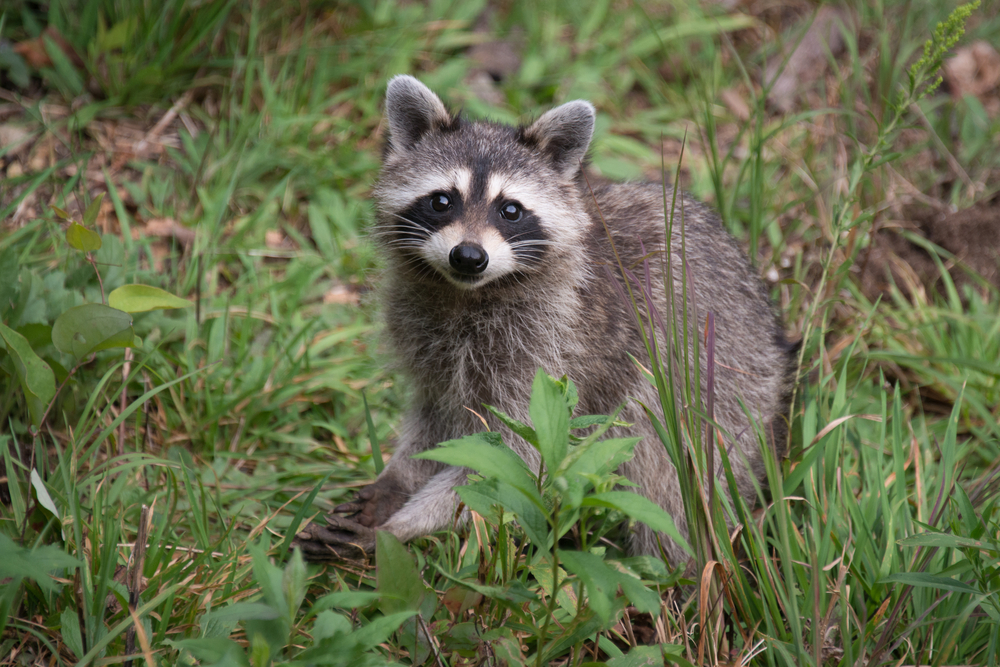
Those masked bandits digging through your trash look like mischievous little bandits, but raccoons account for thousands of ER visits annually. Raccoons carry rabies more frequently than almost any other animal in North America, making any bite or scratch a serious medical emergency requiring immediate treatment. Their hands are remarkably dexterous and strong, and when cornered, they’ll use their sharp claws and teeth aggressively.
Beyond rabies, raccoons carry raccoon roundworm, a parasite that can cause severe neurological damage in humans if the eggs are accidentally ingested. People often get too close when they find raccoons in attics, garages, or acting “friendly” during daylight hours—which is actually a warning sign of rabies. What looks like a curious animal is often a genuinely dangerous situation that requires professional wildlife removal, not a DIY approach.
8. Porcupines
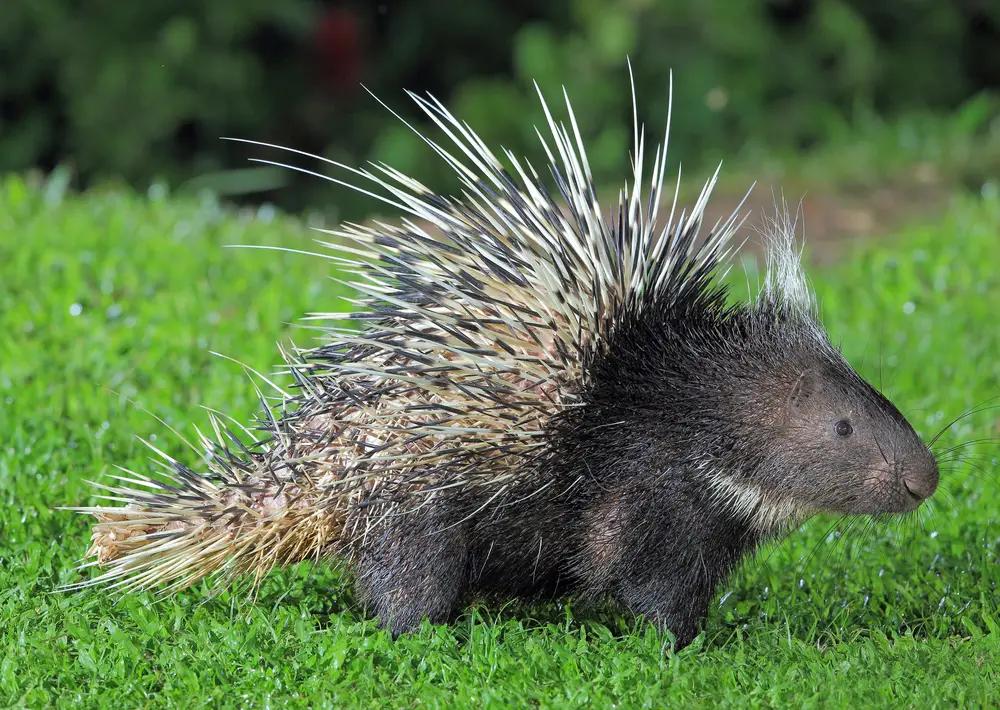
Porcupines waddle slowly and seem harmless until you or your dog get too close to one. While these animals don’t actually “shoot” their quills, they can release them on contact, and a single encounter can embed hundreds of barbed quills into skin. Each quill is designed with microscopic backward-facing scales that make them migrate deeper into tissue over time, requiring emergency extraction to prevent serious complications.
People most often end up in the ER after trying to remove porcupine quills from their pets at home, only to get quilled themselves or realize the extraction is beyond their ability. Quills that aren’t removed completely can cause severe infections, abscess formation, and even death if they migrate into vital organs. The pain from quill penetration is intense and immediate, and proper removal usually requires sedation and medical instruments.
9. Canada Geese

These common park residents seem about as threatening as a duck, but Canada geese are responsible for numerous injuries every year. During nesting season, geese become fiercely territorial and will aggressively chase, bite, and beat people with their wings if they perceive a threat to their goslings. Their bites can cause serious bruising and lacerations, while their wing strikes have enough force to knock down children and elderly adults.
Geese attacks often result in injuries from people falling while trying to flee, leading to broken bones, sprains, and head trauma. Their droppings also create slipping hazards in parks and public spaces, causing fall-related injuries. The sheer boldness of geese means they’ll attack people in crowded public areas, unlike most wild animals that avoid human contact.
10. Iguanas
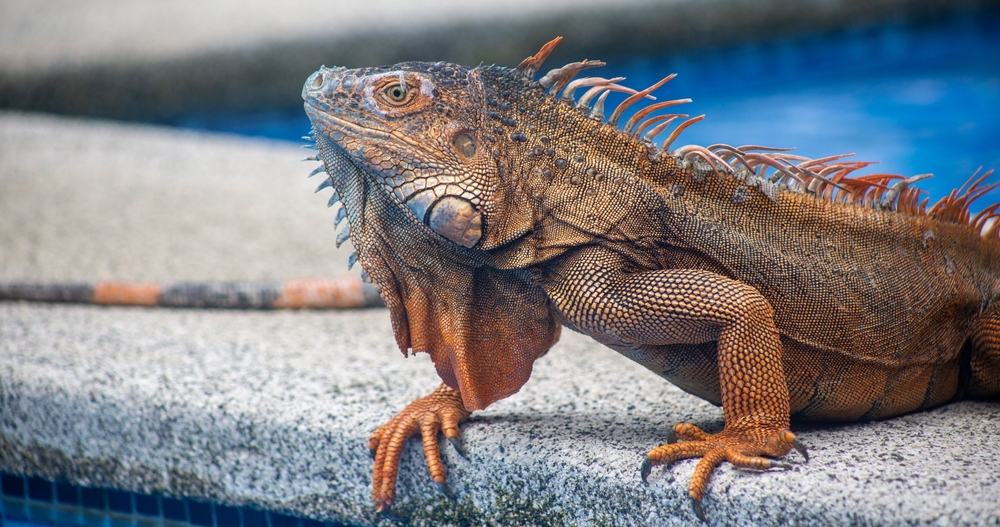
In Florida and other warm states, iguanas have become a common sight in yards and parks, and their docile appearance leads to a false sense of security. These large lizards possess incredibly strong jaws and mouths full of small, sharp teeth that can deliver bites requiring stitches and sometimes causing permanent scarring. When threatened, iguanas will also whip their thick, muscular tails with surprising force, causing painful welts and bruising.
The real danger comes from bacteria in iguana saliva, particularly Salmonella, which can cause serious infections requiring hospitalization. Falling iguanas are an actual phenomenon in Florida during cold snaps, and people have been injured by large iguanas dropping from trees onto them. What tourists and new residents think is a cool exotic pet to approach is actually a wild animal capable of inflicting serious harm.
11. Groundhogs

Groundhogs might predict spring in Punxsutawney, but these seemingly harmless rodents send people to the ER with surprising regularity. When cornered or protecting their burrows, groundhogs can become extremely aggressive, delivering powerful bites with their large front teeth. These bites often cause deep puncture wounds and lacerations that become infected, particularly because groundhogs carry various bacteria in their mouths.
People frequently encounter aggressive groundhogs when trying to remove them from under sheds, decks, or garden areas, underestimating how fierce they can be when threatened. Groundhogs can carry rabies, and any bite requires immediate medical evaluation for potential exposure. Their burrows also cause indirect injuries when people or livestock step into hidden holes, resulting in broken ankles and leg fractures.
12. Opossums
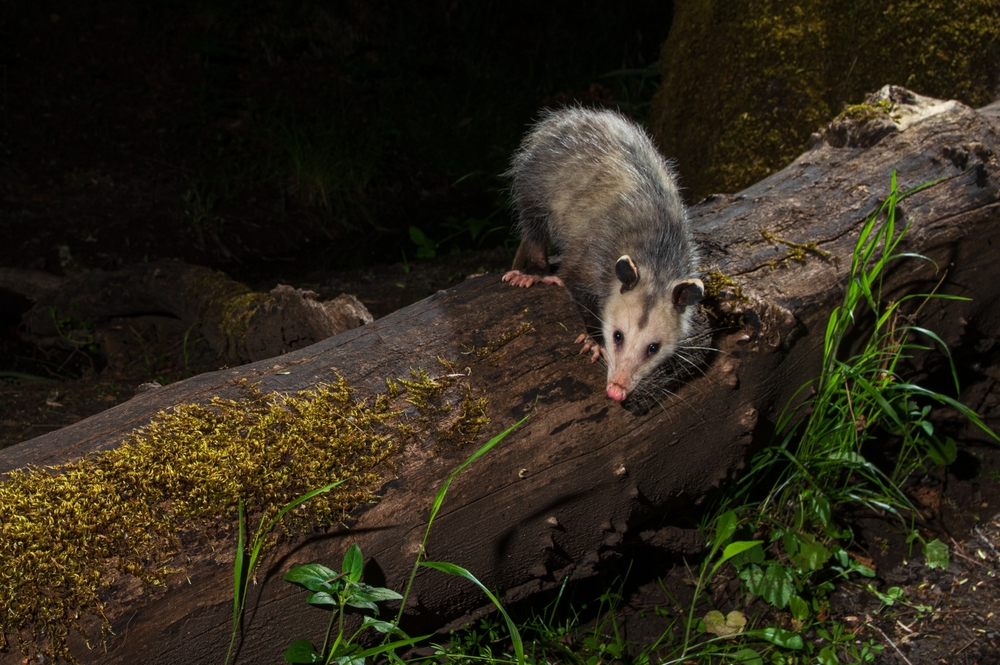
Despite their reputation for “playing dead,” opossums have fifty teeth—more than any other North American land mammal—and they’re not afraid to use them when threatened. While opossums are generally non-aggressive, they will bite defensively when cornered, picked up, or when people try to “rescue” them thinking they’re sick or injured. These bites can be severe given the number and sharpness of their teeth, often requiring medical attention.
Opossums carry various diseases and parasites, though they’re remarkably resistant to rabies due to their low body temperature. People most commonly end up in the ER after being bitten while trying to move an opossum from their property or after their dog corners one and they try to intervene. The hissing, drooling display opossums put on when threatened should be taken seriously—it’s not just for show.