
Dogs don’t experience touch the way humans do. For them, physical contact isn’t just affection—it’s communication, reassurance, and information all at once. The way you touch your dog can calm their nervous system, reinforce trust, or unintentionally overwhelm them, depending on how it’s done. Here are the kinds of touch that actually mean something to dogs.
1. Slow Chest Rubs Instead Of Head Pats
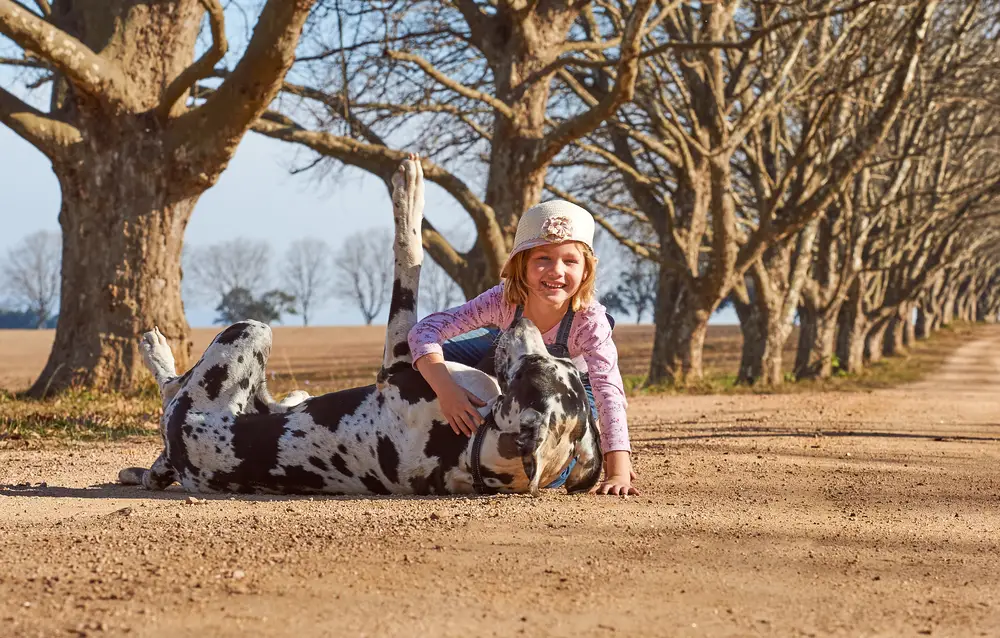
Most dogs tolerate head pats because they’ve learned to, not because they love them. Hands coming down over the head can feel intrusive or startling, especially from above.
Slow rubbing on the chest or upper shoulders mimics the calming social contact that dogs naturally give each other. It keeps your hand in their field of vision and signals friendliness rather than dominance.
2. Gentle Pressure Along The Shoulders
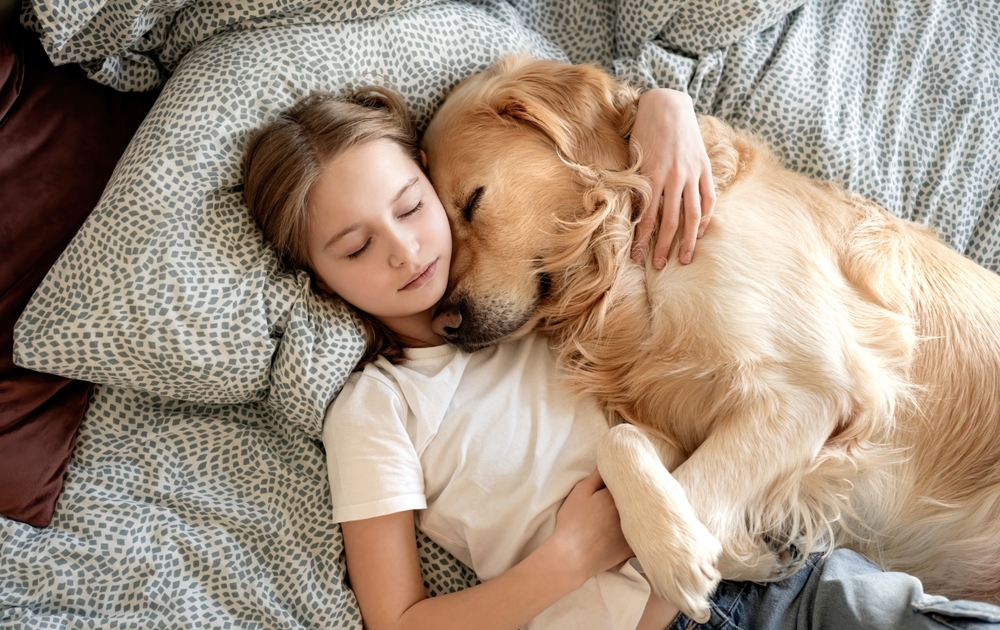
Dogs often lean into shoulder contact when they feel safe. Applying steady, gentle pressure there can feel grounding, especially for anxious or high-energy dogs.
This kind of touch activates relaxation rather than excitement. It’s reassuring without being stimulating, which is why many dogs settle visibly when you do it.
3. Calm Ear Holds Or Soft Ear Rubs
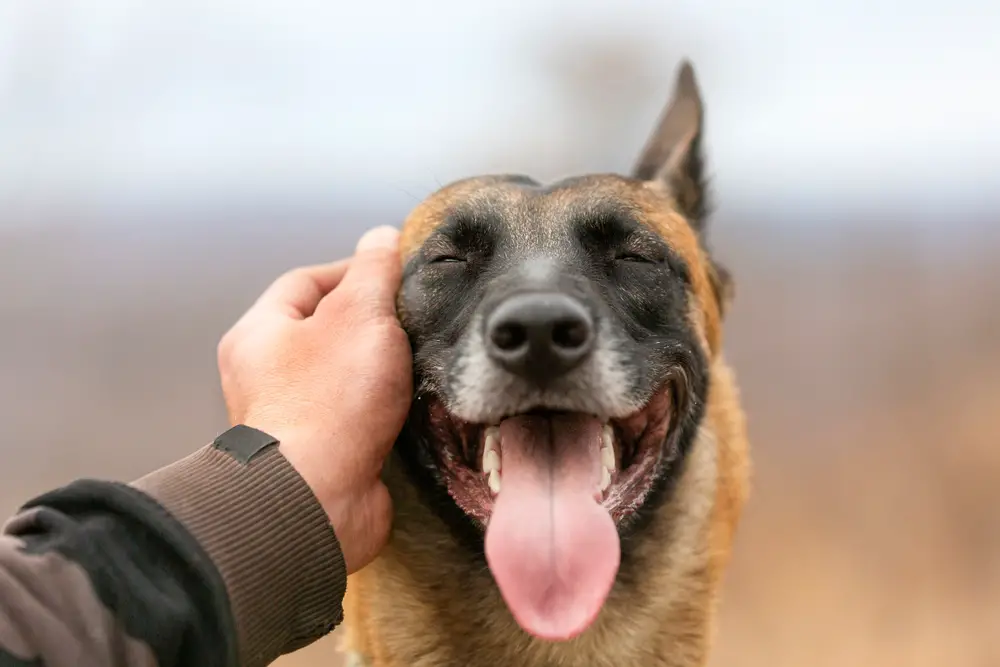
Ears are packed with nerve endings, making them incredibly sensitive. When touched gently and slowly, ear contact can be deeply soothing.
Many dogs associate ear rubbing with care and attention, especially if it’s paired with calm energy. Fast or rough ear handling, though, can flip that comfort into overstimulation quickly.
4. Long Strokes Along The Side Of The Body
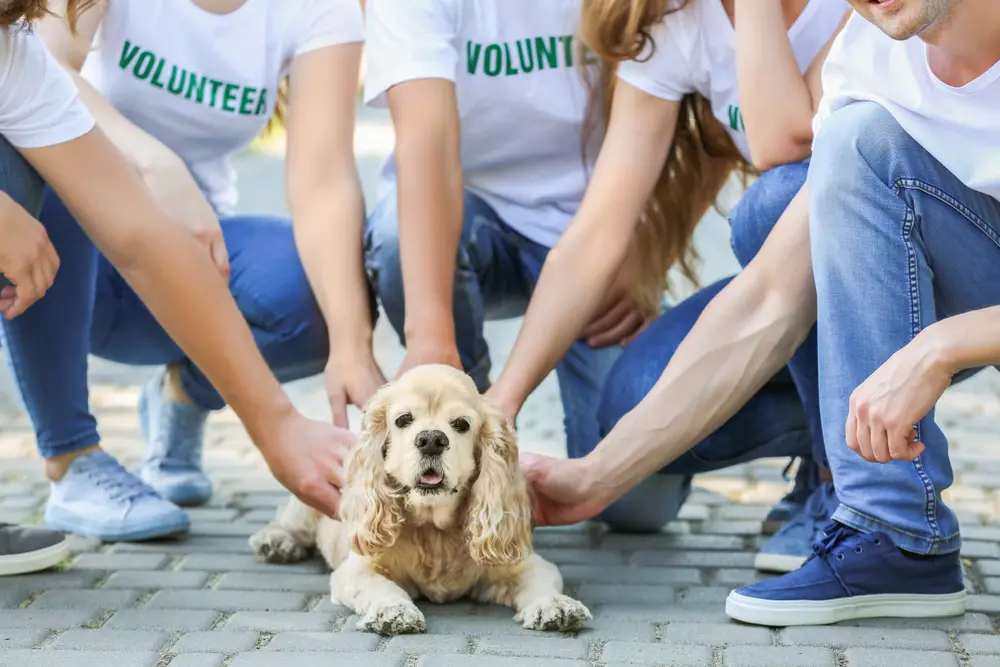
Running your hand slowly from shoulder to hip follows the natural length of a dog’s body. It’s predictable, rhythmic, and easy for them to process.
This type of touch often lowers heart rate and signals safety. Dogs who enjoy this will relax their muscles or shift closer without prompting.
5. Still Hands During Emotional Moments
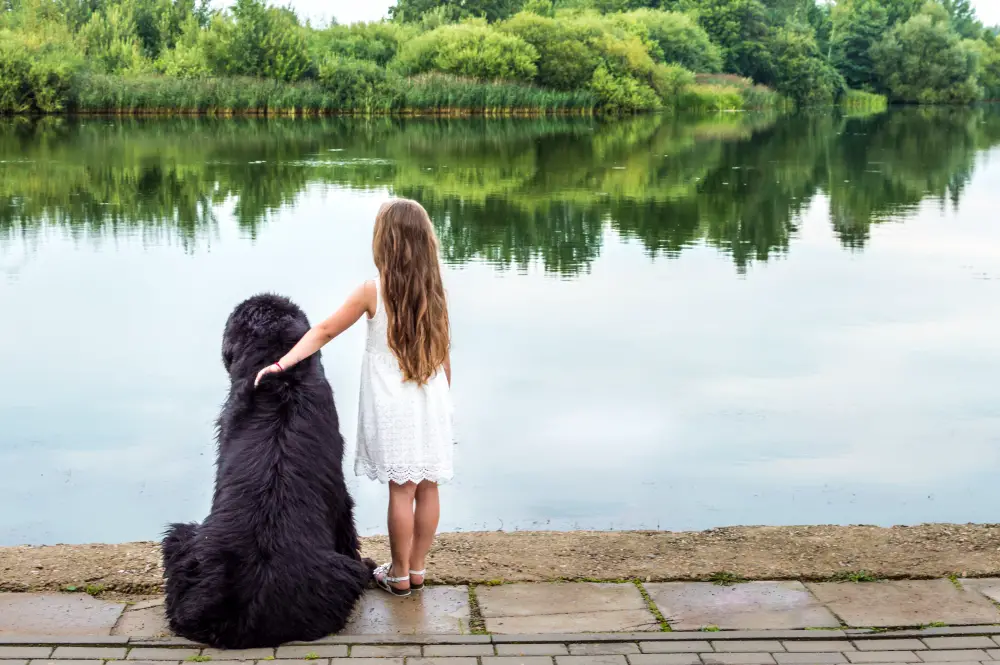
When dogs are scared, overstimulated, or unsure, constant petting can actually increase anxiety. In those moments, a still hand resting gently on their body communicates presence without pressure.
This kind of touch says, “I’m here, nothing else is required.” Many dogs will choose to stay close or press into that steady contact on their own.
6. Letting Them Initiate Contact
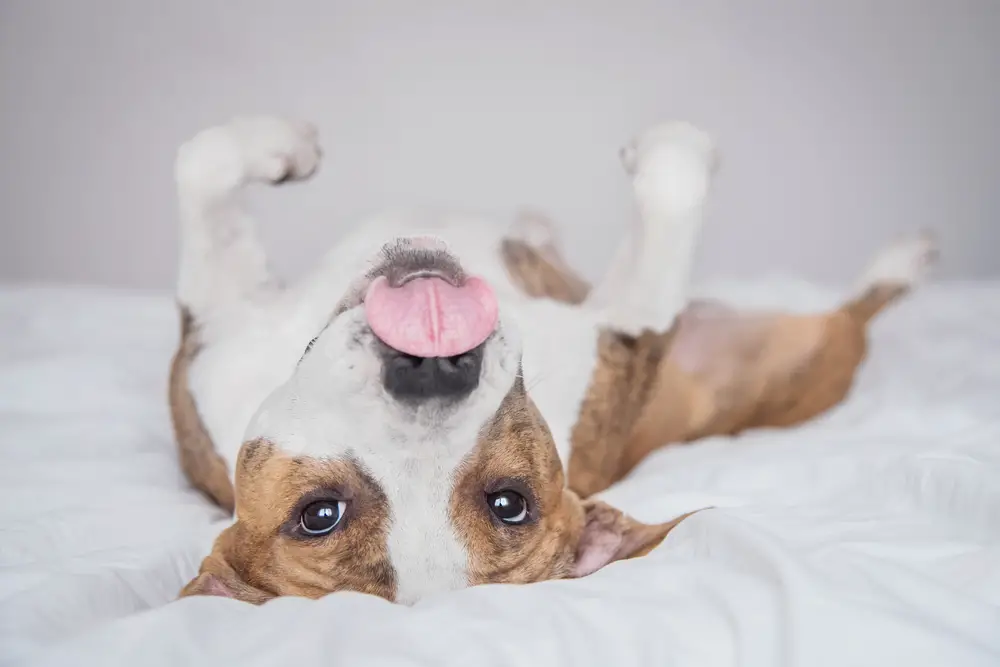
One of the most meaningful “touches” is restraint—waiting for your dog to come to you. When dogs initiate contact, they’re choosing connection rather than enduring it.
Responding calmly when they do reinforces trust. Over time, dogs who feel respected this way tend to seek out closeness more often.
7. Soft Touch At The Base Of The Neck
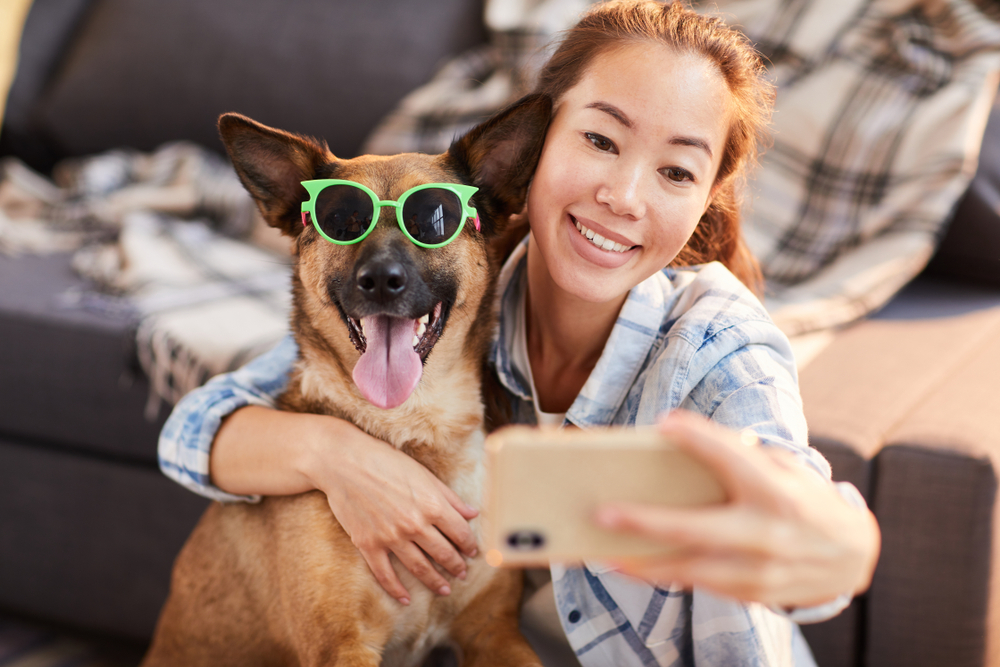
The area where the neck meets the shoulders is a comfort zone for many dogs. It’s far enough from the face to feel non-threatening but close enough to feel intimate.
Slow rubbing here often results in sighs, lowered heads, or relaxed posture—all signs your dog feels safe and understood.
8. Matching Your Energy To The Moment
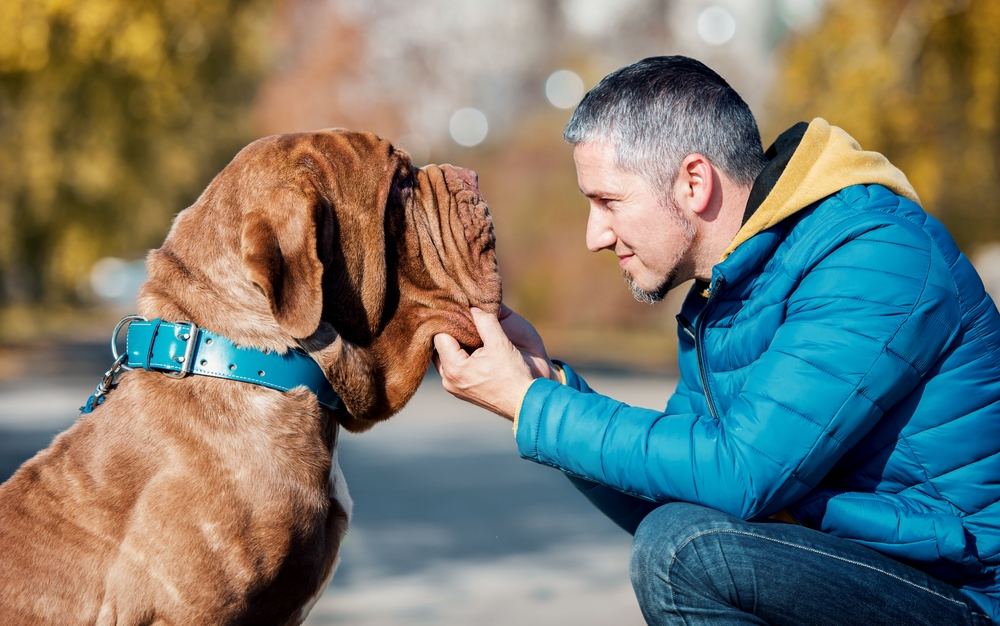
Dogs are incredibly sensitive to the way you touch them, not just where. Fast movements and excited energy communicate play or alertness.
Slower movements and a relaxed posture communicate calm. Touch means the most when your energy aligns with what your dog needs in that moment.
9. Respecting Sensitive Areas Without Forcing Access
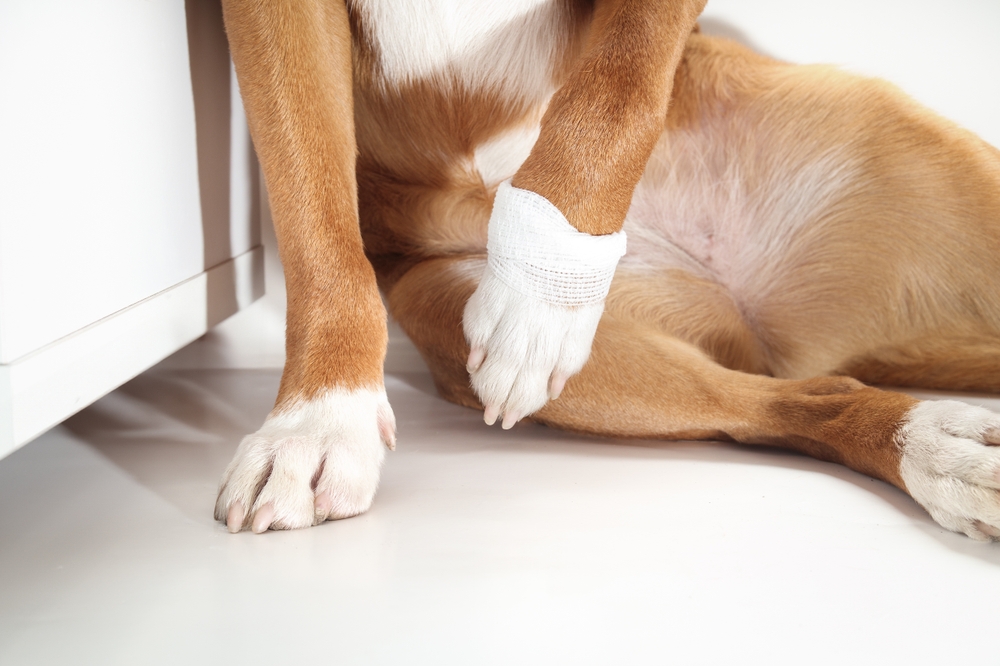
Paws, tails, and bellies can be meaningful touch points—but only when invited. Forcing contact there can ruin trust quickly.
When dogs offer these areas willingly, gentle handling reinforces safety. When they don’t, backing off tells them you’re listening.
10. Quiet Touch During Routine Moments
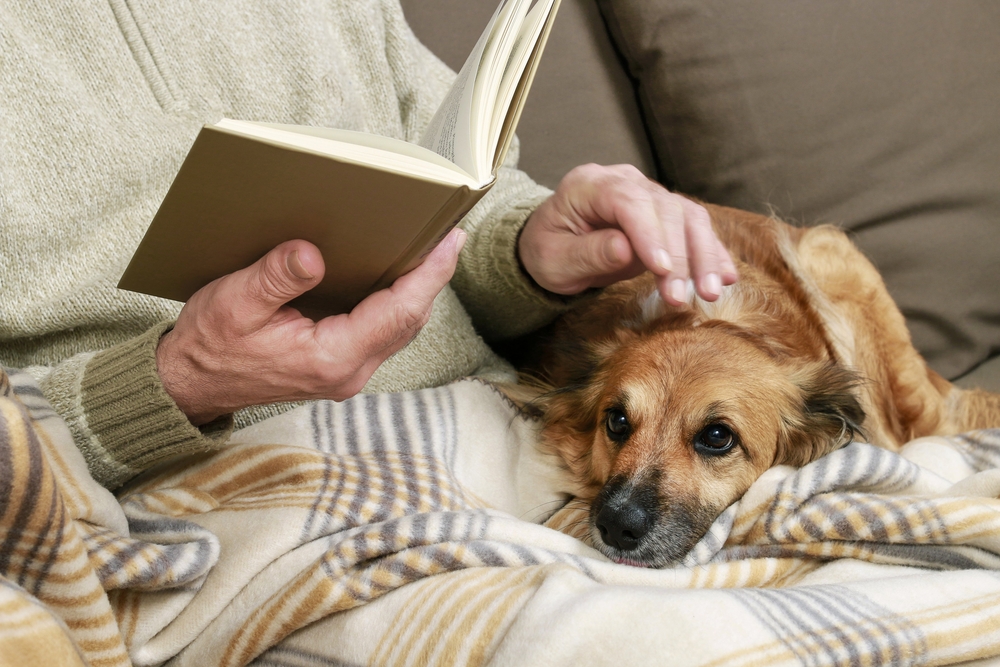
Touch doesn’t need to be dramatic to matter. Light contact while passing by, resting a hand briefly on their back, or gentle contact during everyday routines builds familiarity.
These small, consistent touches create a baseline of safety. Over time, they teach your dog that connection doesn’t always come with demands.
11. Reassuring Contact After Stressful Events
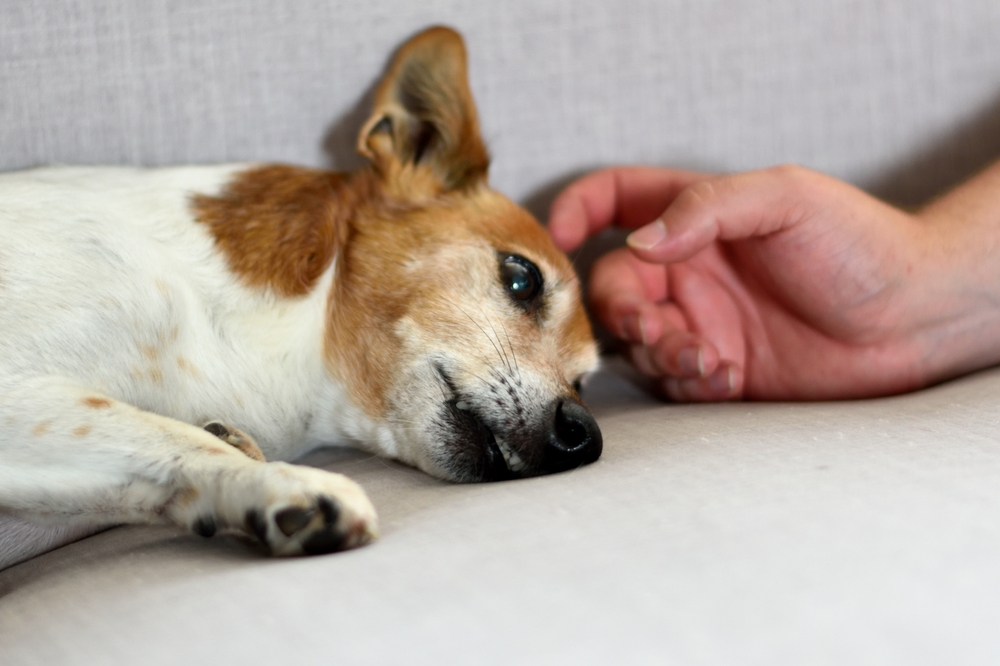
After loud noises, vet visits, or unfamiliar encounters, dogs often seek grounding. Calm, predictable touch helps their nervous system return to baseline.
This isn’t about distraction—it’s about reassurance. Your presence and touch help them process what just happened.
12. Knowing When Not To Touch At All
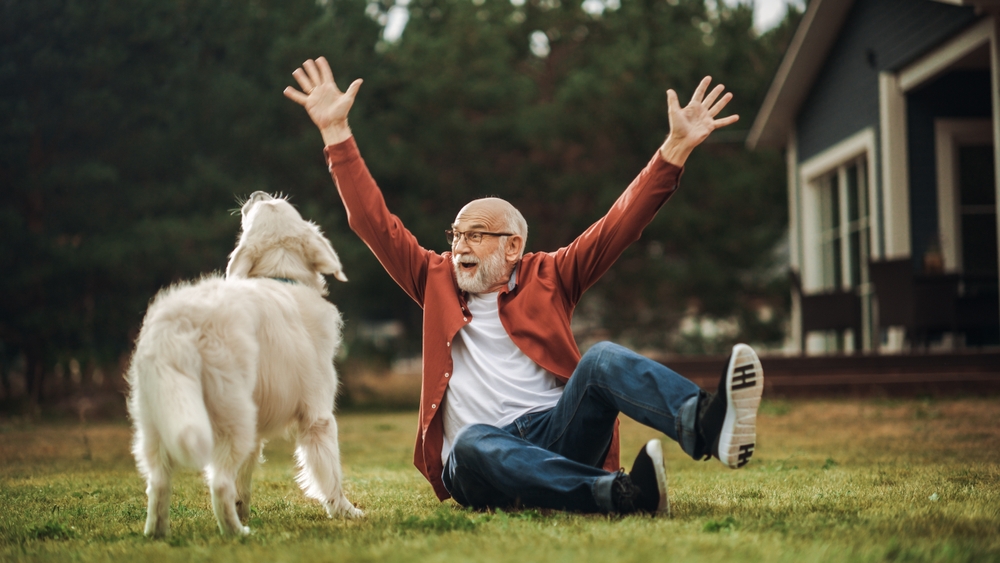
Sometimes the most meaningful choice is giving space. Dogs, like people, need moments to decompress without interaction.
Respecting that boundary strengthens trust. It shows your dog that connection is always available—but never forced.
13. Slow Breathing Paired With Touch
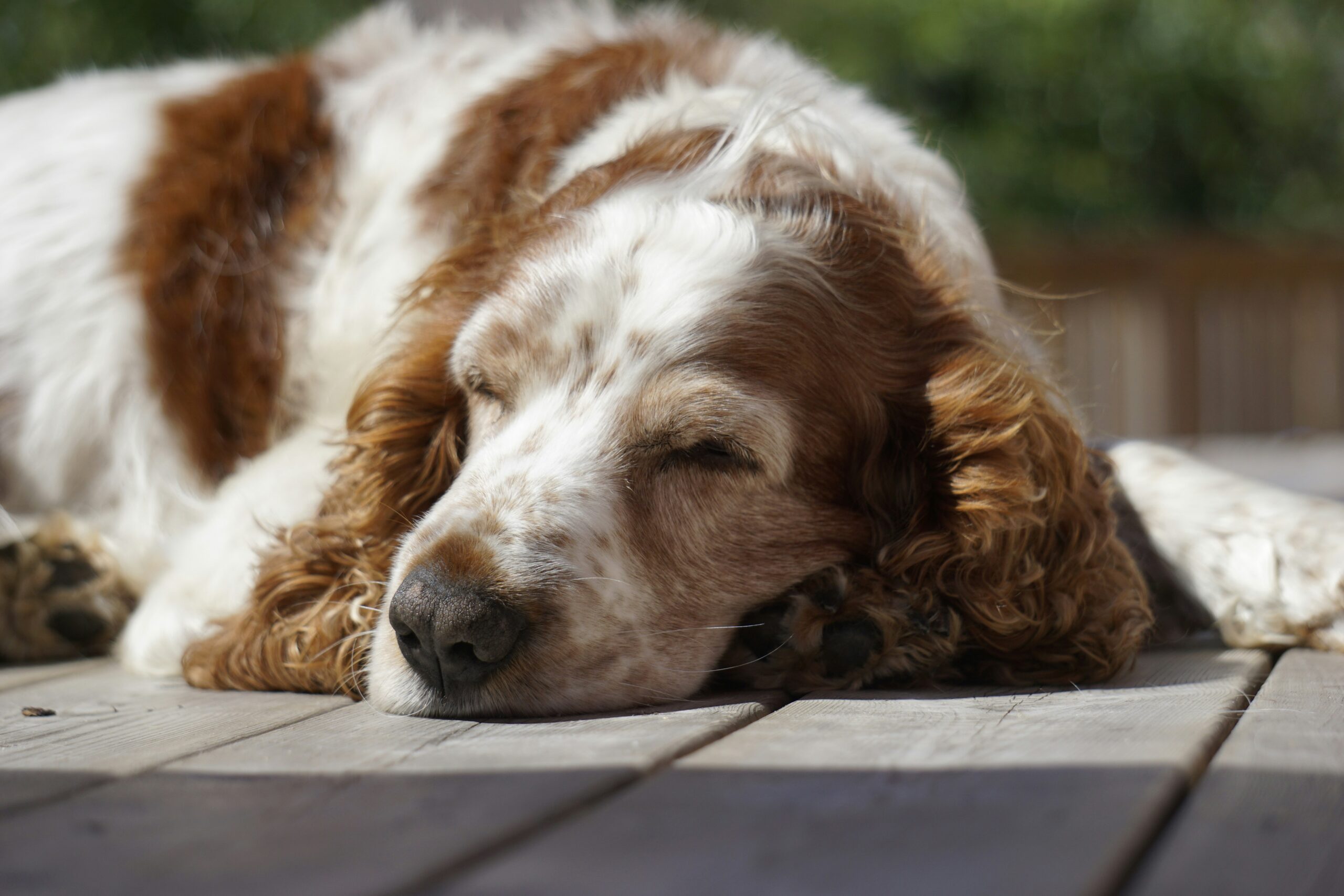
Dogs are highly attuned to respiratory cues. When you touch a dog while breathing slowly and evenly, your nervous system cues influence theirs.
This combination can lower arousal more effectively than touch alone. Dogs often mirror the calm state by settling their body or lowering their head, especially in quiet environments.
14. Touch That Stops When They Move Away
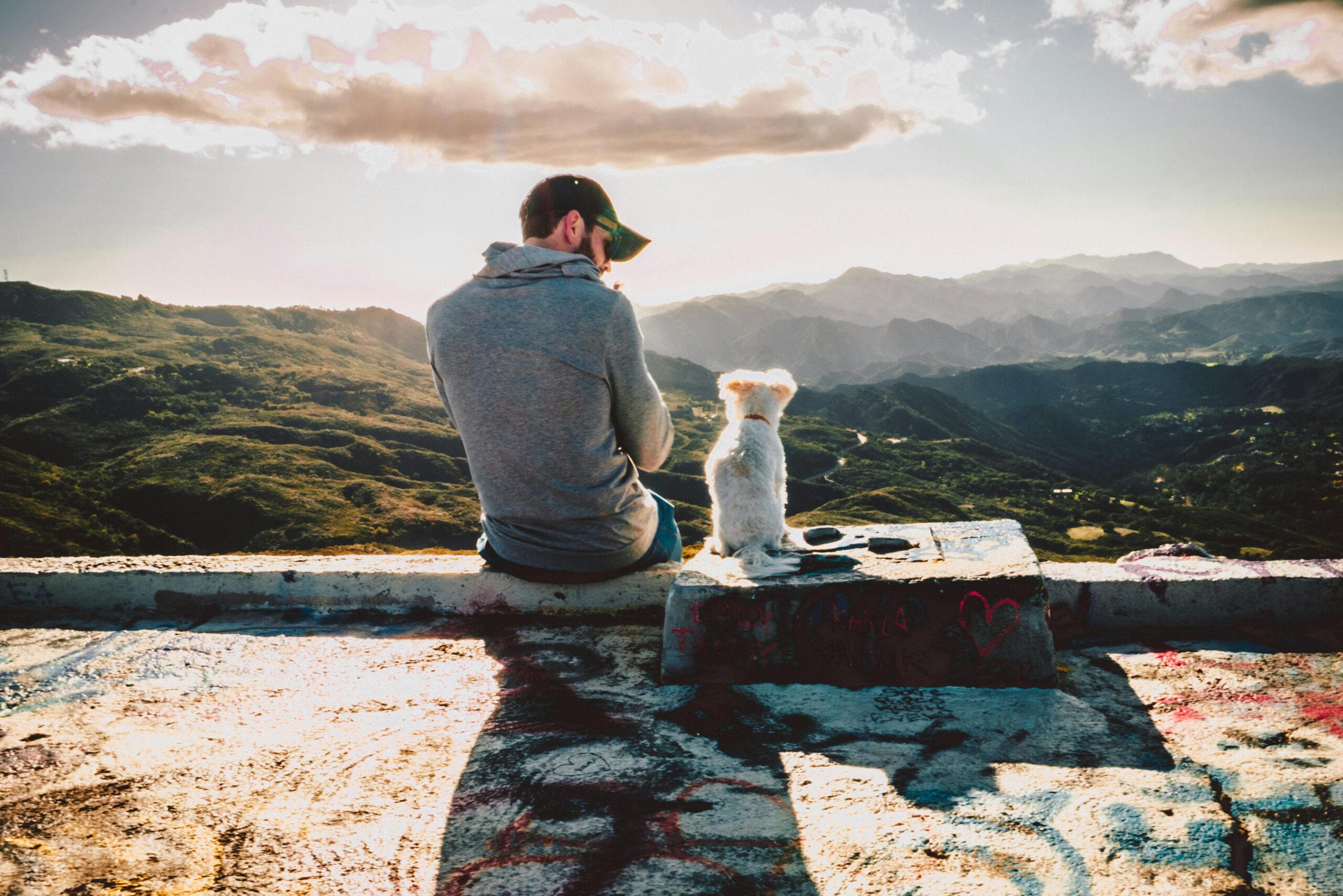
One of the most meaningful forms of touch is knowing when to stop. When a dog shifts away, freezes, or disengages, removing your hand immediately communicates respect.
This teaches dogs they control access to their bodies. Over time, dogs who feel this autonomy tend to approach more frequently and stay engaged longer.
15. Grounding Contact Along The Ribcage
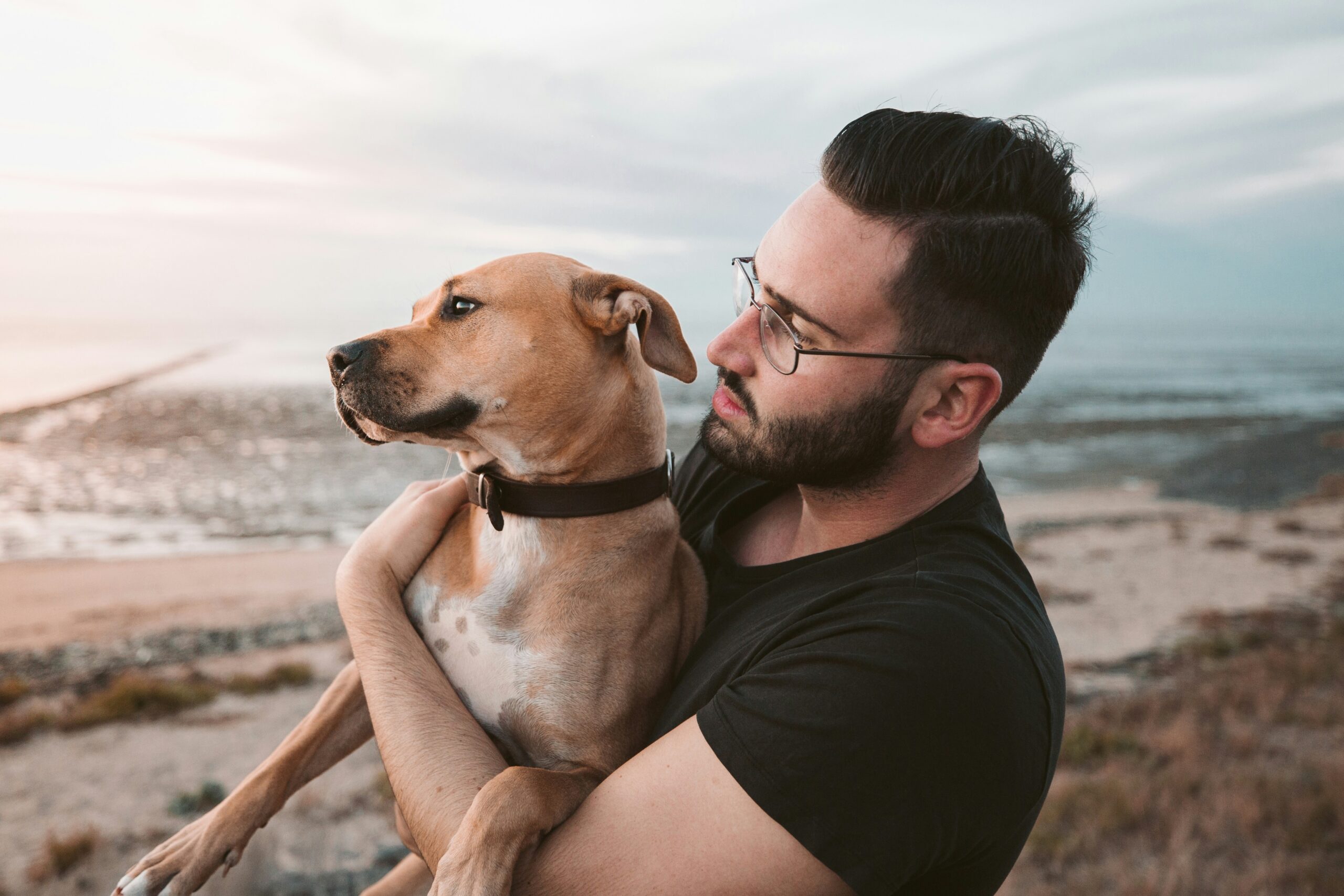
The ribcage is a stable, non-invasive area that many dogs find calming when touched gently. Slow contact here avoids sensitive joints, face, and extremities.
This area is often used by trainers and veterinarians when helping dogs remain calm. Dogs who accept ribcage contact typically show relaxed breathing and softened posture.
16. Predictable Touch In Familiar Patterns
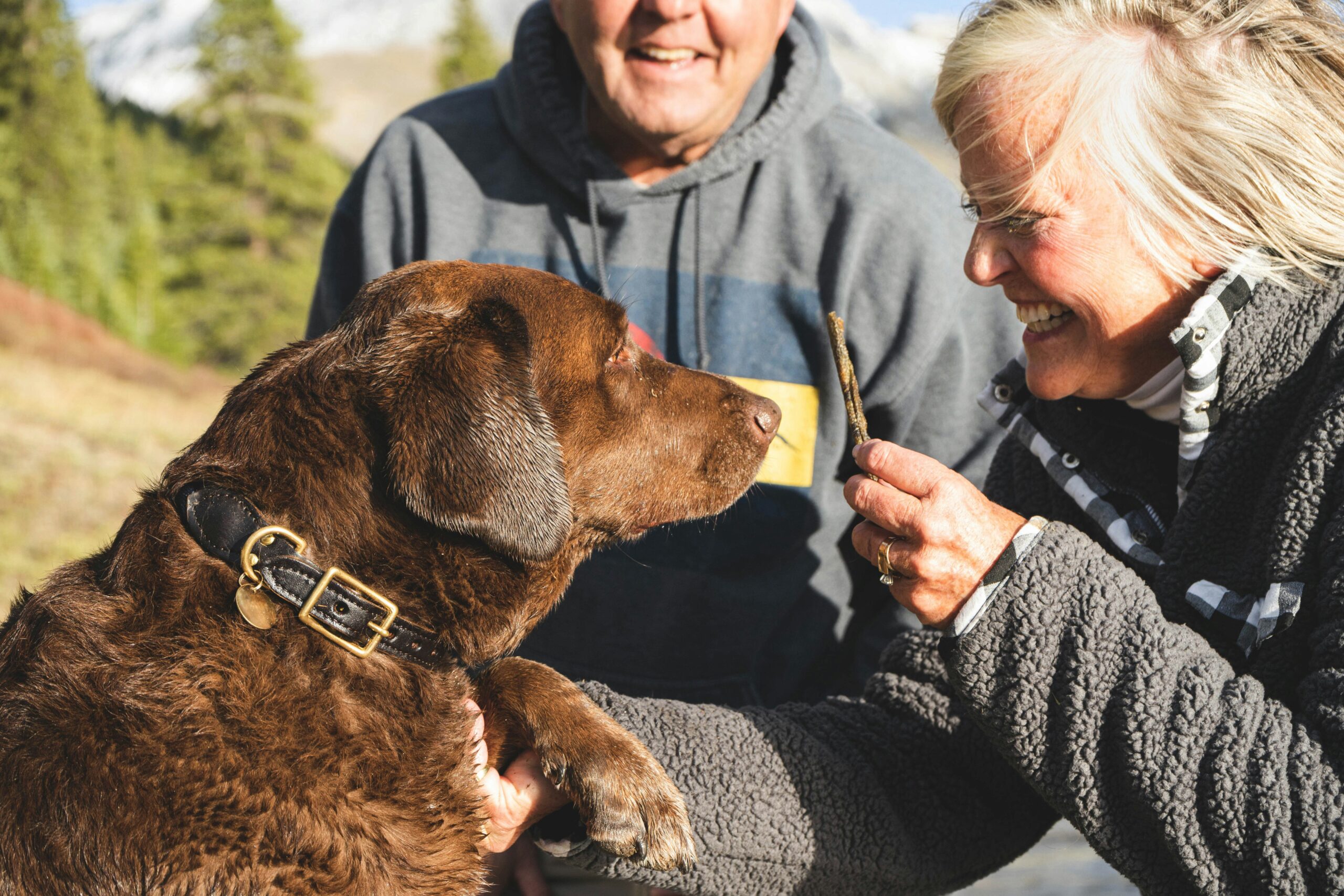
Dogs process predictability better than novelty when it comes to physical contact. Repeating the same type of touch in the same location builds trust.
Unpredictable switching between rubbing, patting, squeezing, or scratching can create uncertainty. Familiar patterns help dogs understand what to expect and remain relaxed.
17. Brief Touch Followed By Space
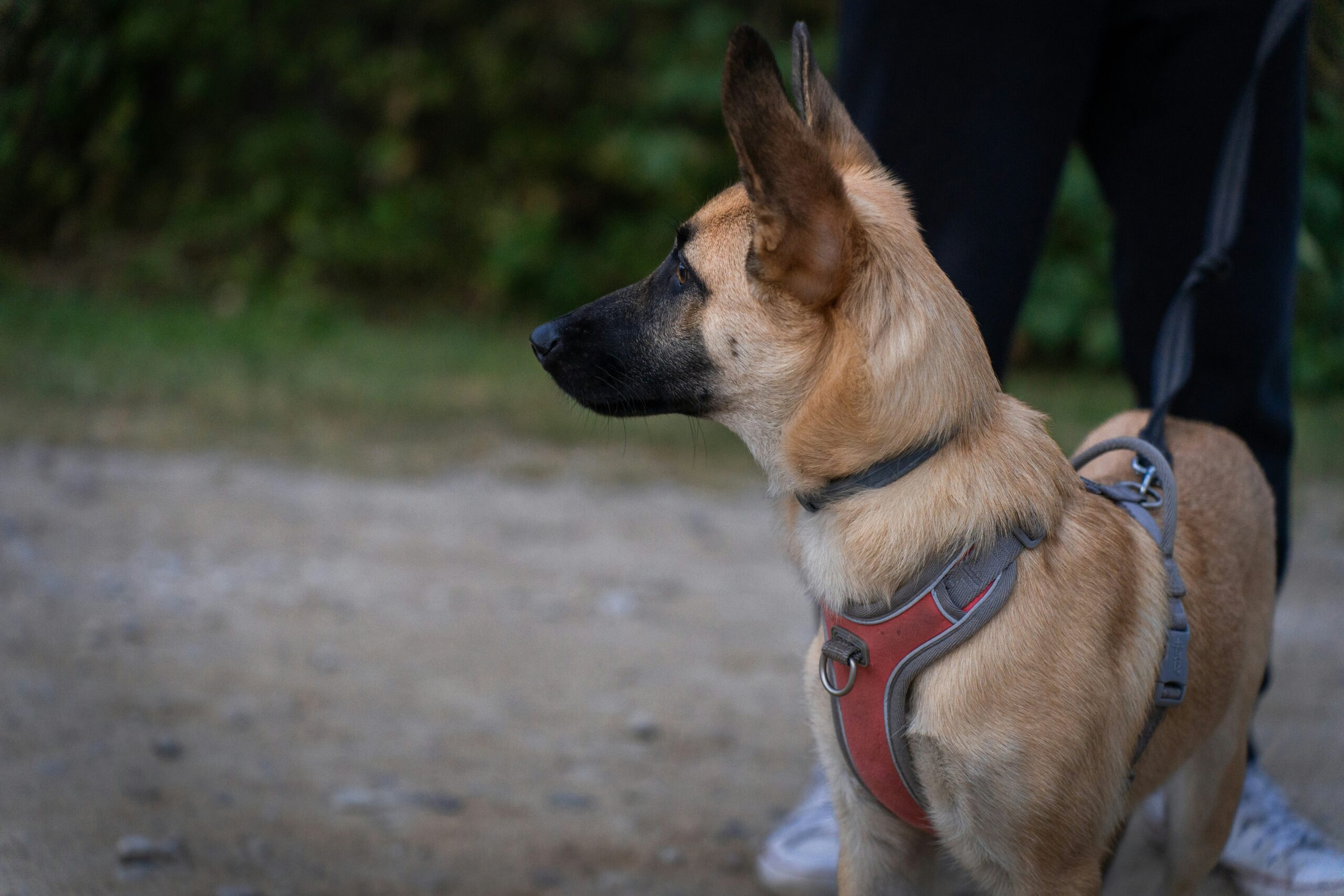
Short, gentle contact followed by a pause allows dogs to decide whether they want more. This mirrors natural canine social behavior, where contact is often brief and optional.
Dogs who want continued interaction will re-approach or lean back in. Dogs who do not are free to disengage without pressure.
18. Touch That Supports Rest Instead Of Play
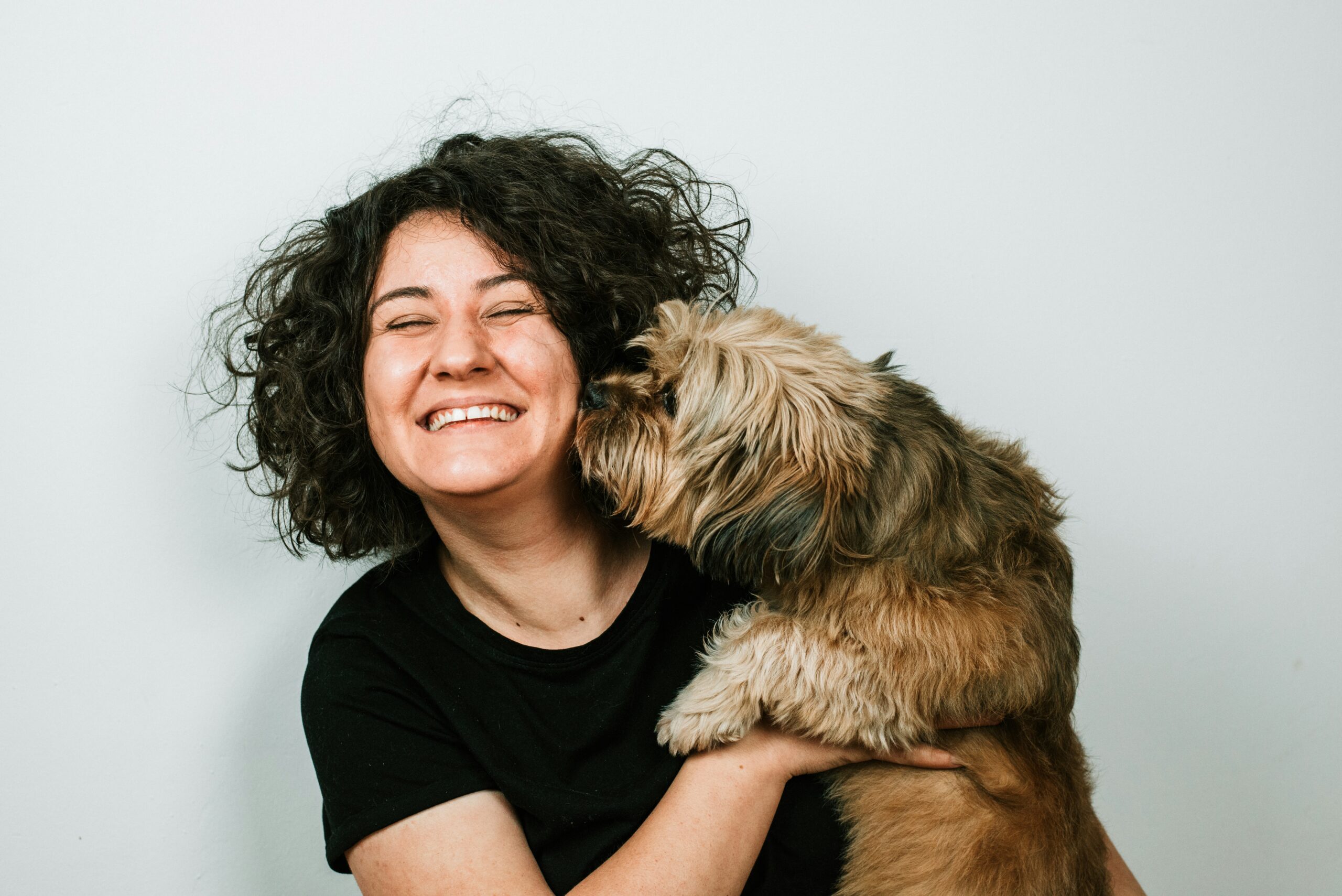
Some dogs associate touch with excitement because it often leads to play. Calm, slow contact delivered when a dog is already resting reinforces relaxation instead.
Over time, this helps dogs associate human touch with safety and rest rather than stimulation. This distinction is especially helpful for high-energy or easily aroused dogs.