
Dogs don’t store memories the way humans do, as tidy narratives with timelines and details. Instead, they remember through emotional intensity, scent associations, bodily sensations, and repetition. Experiences that trigger strong fear, comfort, joy, or pain are encoded deeply and revisited unconsciously. Over time, these memories shape behavior, expectations, and how safe the world feels to them.
1. The First Time They Felt Truly Safe

The first moment a dog feels genuinely safe leaves a powerful imprint. This could be the first night they slept without fear or the first time they relaxed fully around a human. Their nervous system registers calm as something real and attainable. That sense of safety becomes a reference point.
Veterinary behavior research shows that early experiences of safety influence long-term confidence and resilience. Dogs who learn that calm is possible tend to recover faster from stress later. Safety teaches the body what “normal” feels like. That baseline shapes how they approach the world.
2. A Traumatic Veterinary Visit

When pain and fear collide, dogs form strong associative memories. A single frightening veterinary visit can permanently alter how a dog responds to clinics, exam tables, or even car rides. Smells, sounds, and restraint all get stored together. The memory doesn’t fade easily.
Studies show dogs strongly link physical spaces with emotional experiences. Without positive counterconditioning, fear becomes the default response. That’s why some dogs panic before even entering the building. Gentle handling and gradual exposure can rewrite that memory, but it takes time.
3. Being Left Behind
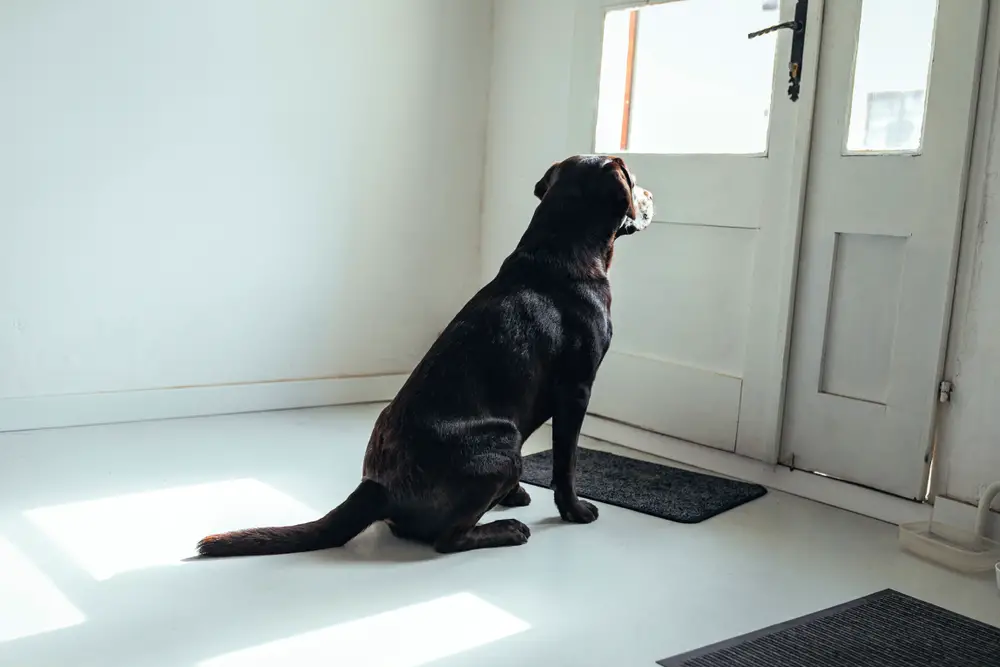
Dogs experience separation emotionally, not logically. They don’t understand whether absence is temporary or permanent. Being left behind, even briefly, can register as abandonment. Fear gets encoded quickly.
Behaviorists note that perceived abandonment increases anxiety-related behaviors. Dogs may become clingy, withdrawn, or hypervigilant afterward. Even short separations can leave an imprint if the emotional intensity is high. Rebuilding reassurance requires consistency, not explanation.
4. A Major Injury

Injury combines pain, vulnerability, and loss of control. Dogs remember not just the pain, but where it happened and how it felt to move afterward. They often adjust their behavior long after healing. Caution becomes instinctive.
Pain research shows memory reinforces avoidance behaviors. Dogs may hesitate near stairs, slippery floors, or specific locations. These changes aren’t stubbornness; they’re protective adaptations. The body remembers danger before the mind forgets it.
5. Hearing A Loud Sudden Noise

Sudden, overwhelming sounds like fireworks or gunshots can leave lasting imprints. The combination of noise and helplessness triggers fear memory quickly. Dogs don’t forget the sensation. They anticipate its return.
Studies on noise phobia show dogs often generalize fear beyond the original sound. Thunder, sirens, or even dropped objects can trigger the same response. One event can shape long-term reactions. Gradual desensitization helps, but prevention matters.
6. Being Punished

Harsh punishment teaches fear, not understanding. Dogs remember tone, posture, and emotional energy more than the specific behavior. Trust erodes faster than compliance forms. The memory lingers.
Behavior science consistently shows fear-based punishment increases anxiety and avoidance. Dogs may obey temporarily but internalize stress. The emotional memory lasts longer than the lesson. Gentle methods preserve trust while still teaching boundaries.
7. A Positive Training Breakthrough
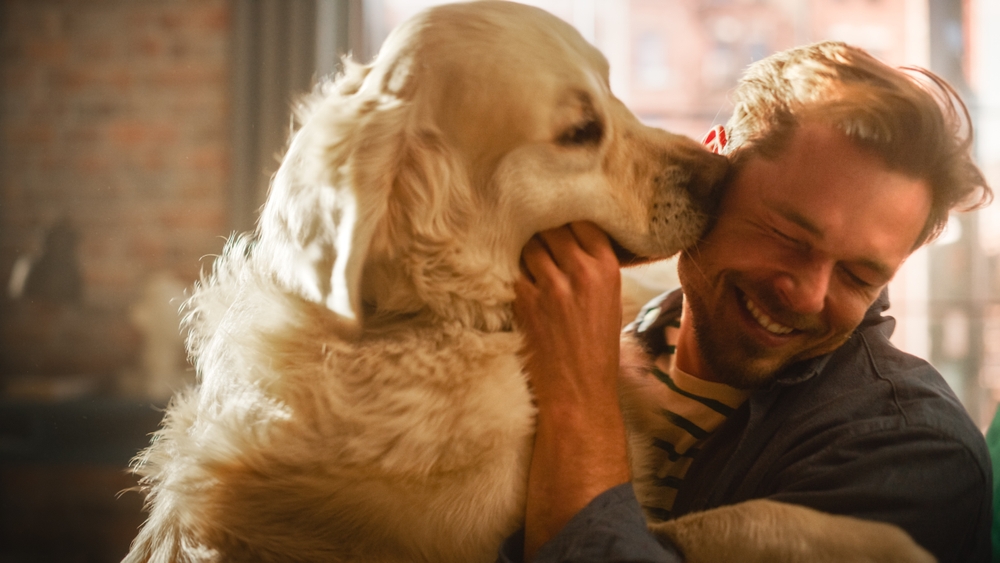
Success paired with encouragement creates a powerful memory. When a dog understands what’s being asked and feels rewarded, confidence builds. These moments stand out emotionally. They want to repeat them.
Learning studies show that reward-based training strengthens memory retention. Dogs remember how success feels, not just the command. That joy becomes motivating. Training becomes a shared language instead of pressure.
8. Losing A Friend

Dogs notice an absence immediately. Changes in routine, scent, and sound disrupt their world. Grief shows up behaviorally rather than verbally. Eating, sleeping, and engagement can shift.
Research on animal grief shows that dogs experience measurable behavioral changes after loss. They may search, withdraw, or become anxious. Memory includes absence as much as presence. Support and routine help stabilize them.
9. Getting Really Sick

Illness disrupts bodily confidence. Dogs remember weakness, discomfort, and unfamiliar sensations. Even after recovery, behavior may change. Energy levels and caution adjust.
Veterinary studies show illness can alter long-term behavior patterns. Dogs may move more carefully or avoid exertion. The body remembers vulnerability. Recovery is emotional as well as physical.
10. A Place Where They Felt Trapped
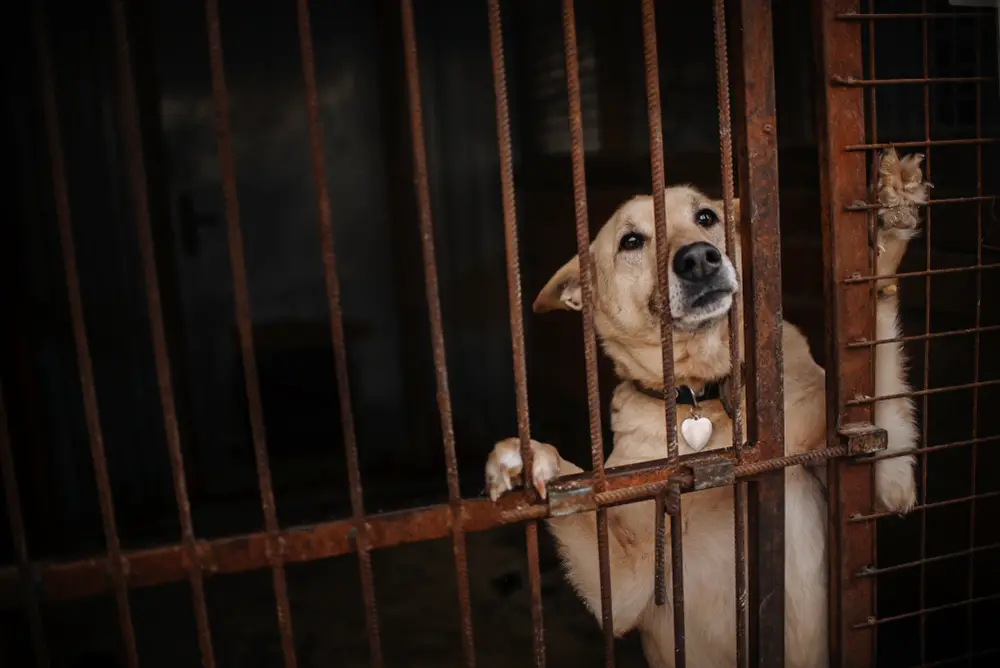
Confinement paired with fear creates strong spatial memory. Dogs remember locations where they couldn’t escape. Avoidance follows instinctively. The place itself becomes threatening.
Canine behaviorists note spatial memory is especially durable. One negative experience can permanently mark a location. Dogs may refuse entry or show stress signals. Gentle, gradual reintroduction is essential.
11. Being Comforted When Scared
Comfort changes how fear is stored. When distress is met with calm presence, the memory softens. Dogs remember who helped them regulate. Trust deepens.
Studies on co-regulation show emotional support reduces trauma impact. Dogs don’t just remember the fear, they remember the relief. That association matters. Presence can rewrite memory.
12. A Major Change At Home
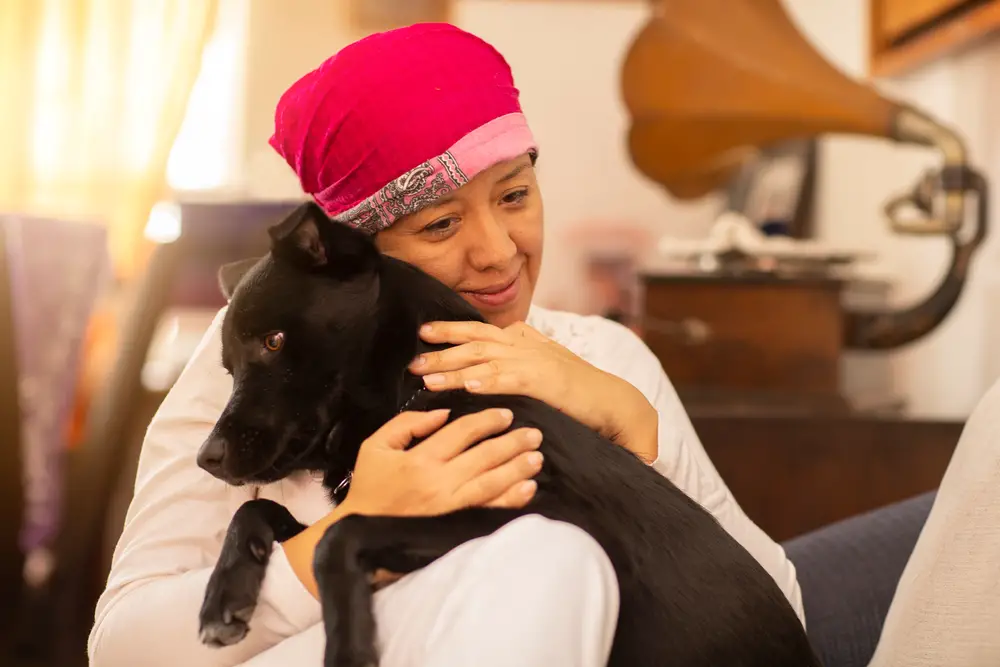
Moving homes disrupts a dog’s entire scent map. Familiar cues vanish overnight. Dogs notice immediately. Adjustment takes time and patience.
Canine cognition research shows spatial disruption affects behavior and stress levels. Familiarity rebuilds gradually through routine and scent. Stability returns slowly. Consistency accelerates adjustment.
13. Consistent Daily Rituals

Rituals create predictability. Dogs rely on repeated patterns to feel secure. Memory forms through repetition. Routine becomes comforting.
Behavior studies show predictability reduces stress hormones. Dogs anticipate what comes next. That anticipation is calming. Small rituals carry big emotional weight.
14. Moments Of Pure Joy
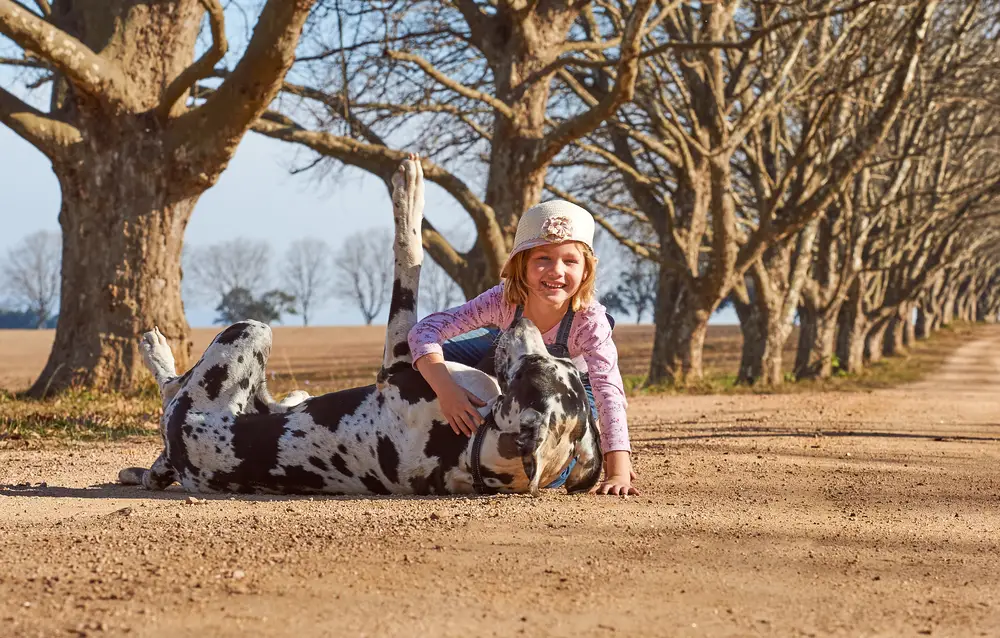
Joyful experiences imprint strongly. Dogs remember emotional highs vividly. Happiness reinforces trust and optimism. These memories motivate future behavior.
Positive emotion strengthens memory encoding. Dogs seek to recreate joyful experiences. Joy builds resilience against stress. Good moments last longer than we realize.