
Dogs don’t experience the world the way humans do. What feels boring or ordinary to us can be deeply enriching to them. Their brains prioritize scent, pattern recognition, and environmental information over novelty or spectacle. Some of the most meaningful outings for dogs are also the simplest.
1. Slow Meandering Walks
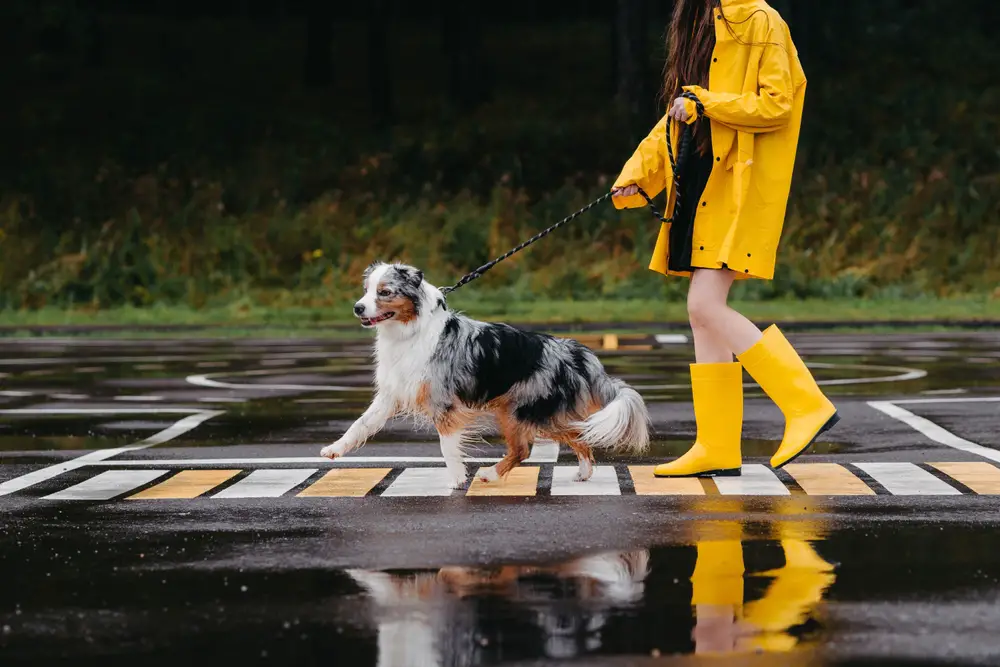
Dogs process the world through smell first. A slow walk allows full sensory engagement. Rushing limits information intake.
Veterinary behaviorists note sniffing reduces stress and increases satisfaction. Dogs remember scent maps. Time matters more than distance. This outing feels rich to them.
2. People Watching In The Park
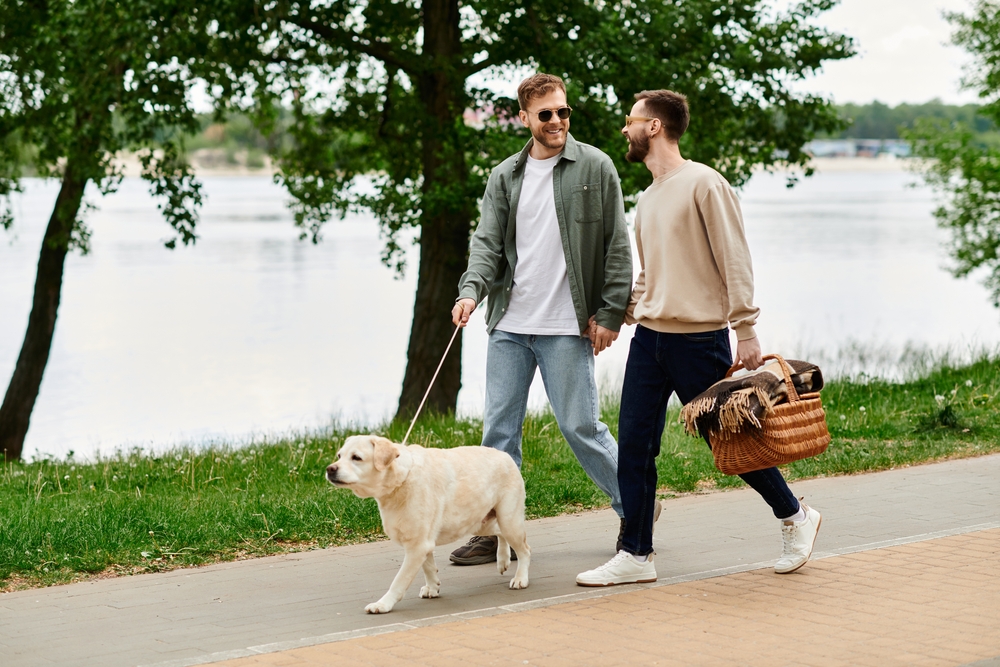
Dogs observe movement patterns closely. Watching humans pass provides mental stimulation. No interaction is required.
Behavior research shows observation alone can be enriching. Dogs process social information passively. It mimics natural vigilance. Calm environments are meaningful.
3. Riding In The Car
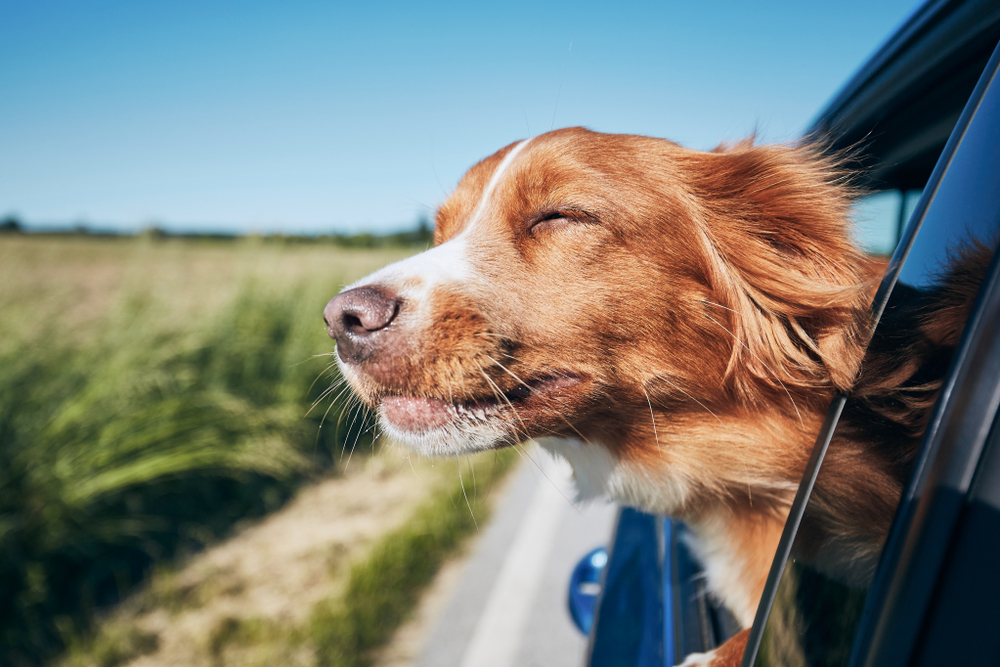
Moving air carries layered scent information. Dogs read this like a story. The ride itself matters more than the destination.
Studies on canine olfaction show that airflow increases scent complexity. This engages memory and curiosity. It’s mentally tiring in a good way. Simple rides are powerful.
4. Exploring A New Sidewalk
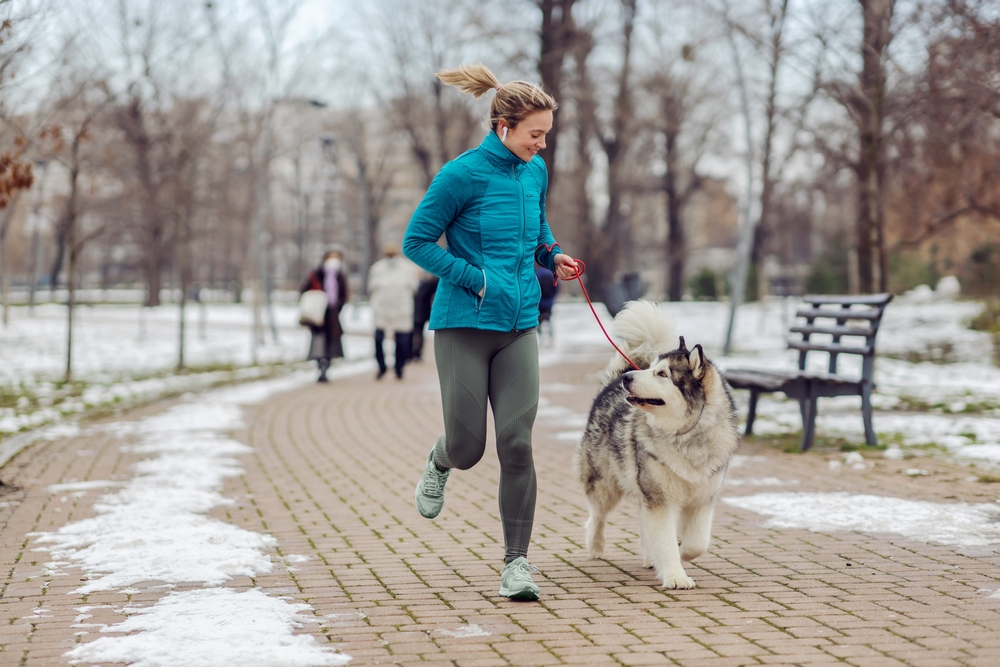
New ground equals new data. Even familiar neighborhoods change daily. Dogs notice what humans miss.
Environmental novelty stimulates cognitive processing. Dogs catalog scent changes. It’s enriching without being overwhelming. Small changes matter.
5. Visiting A Store
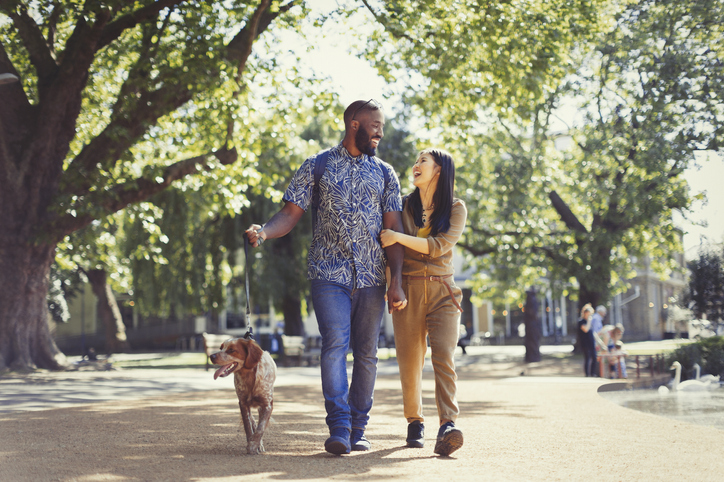
Hardware stores are full of novel smells. They’re predictable and structured. Dogs feel safe exploring.
Canine trainers often recommend low-stimulation indoor outings. Dogs learn confidence through exposure. Calm novelty builds resilience. Simple spaces work best.
6. Watching Kids At School
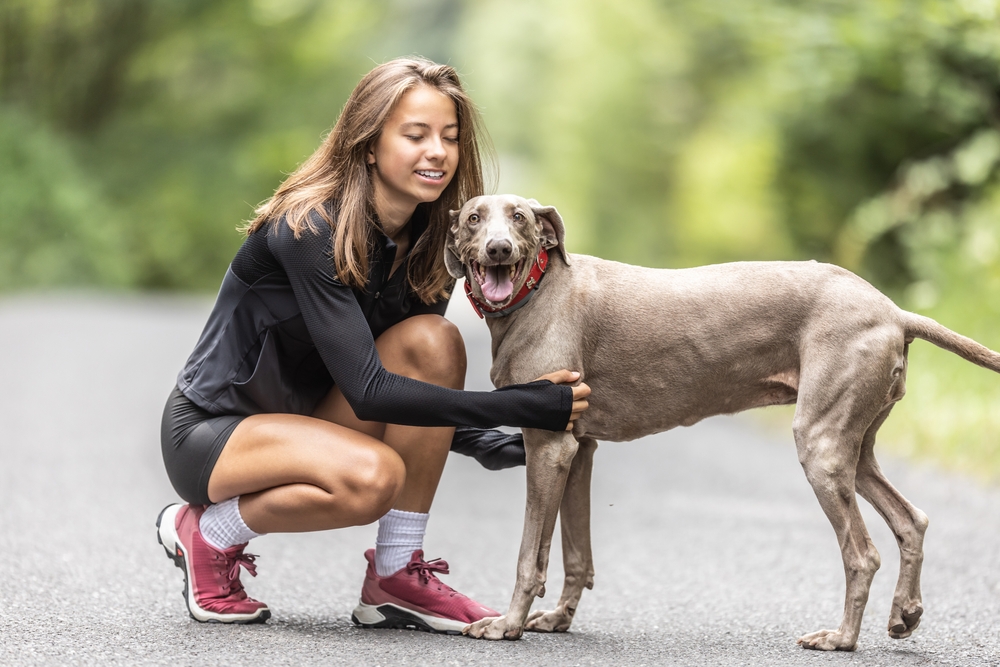
Children create dynamic sound and movement. Dogs observe without participating. It’s mentally stimulating.
Behaviorists note that dogs enjoy predictable chaos. It activates curiosity without threat. Dogs process group behavior instinctively. Observation satisfies that instinct.
7. Walking On Different Surfaces
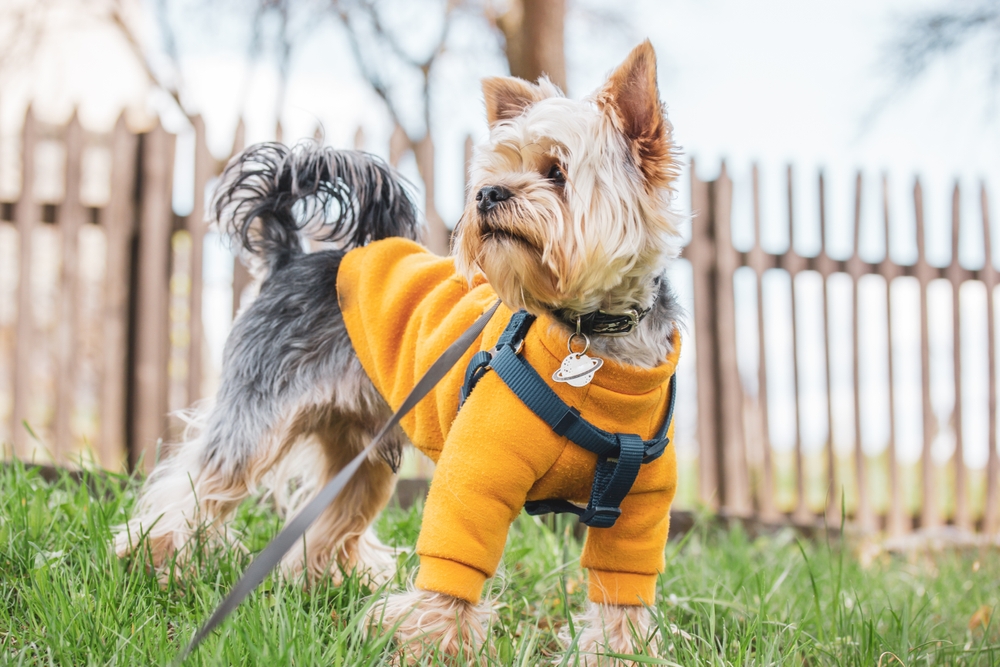
Grass, gravel, sand, and pavement feel different. Dogs register texture through their paws. This enriches sensory input.
Veterinary neurologists note that varied surfaces stimulate proprioception. It strengthens brain-body awareness. Simple terrain changes matter. Dogs enjoy the variety.
8. Bird And Squirrel Watching
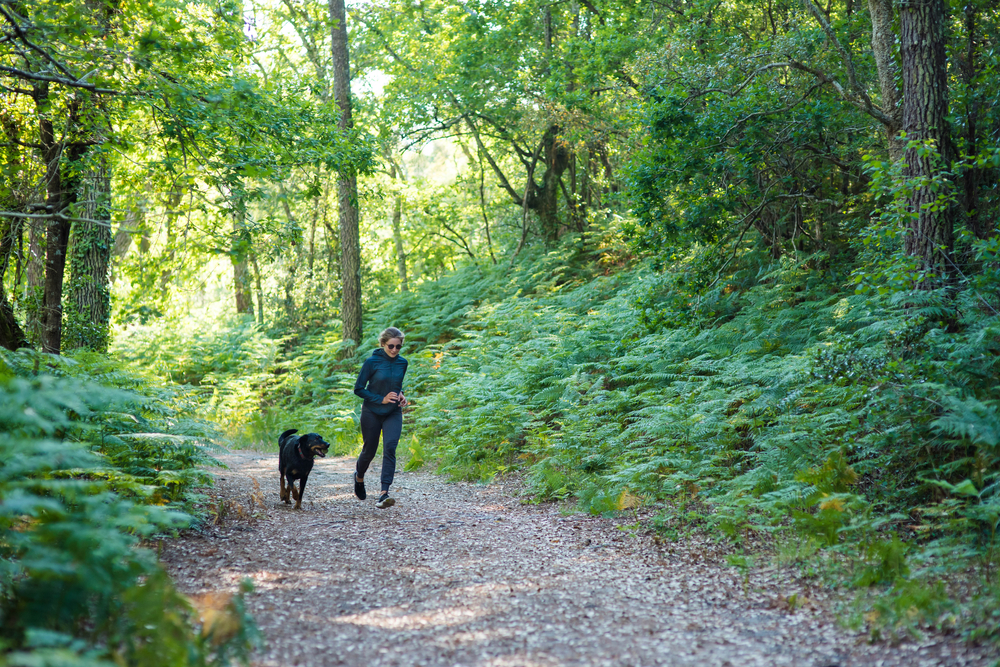
Visual tracking engages prey instincts safely. Distance prevents frustration. Dogs stay calm but alert.
Canine cognition research shows controlled prey observation satisfies instinct. It prevents obsessive behavior. Distance matters. Calm watching is enriching.
9. Sitting Outside A Café

Smells, sounds, and movement converge. Dogs observe calmly. No direct interaction is required.
Trainer’s note: This builds neutrality. Dogs learn to exist without engagement. It’s mentally tiring. Simple outings teach patience.
10. Visiting A Friend
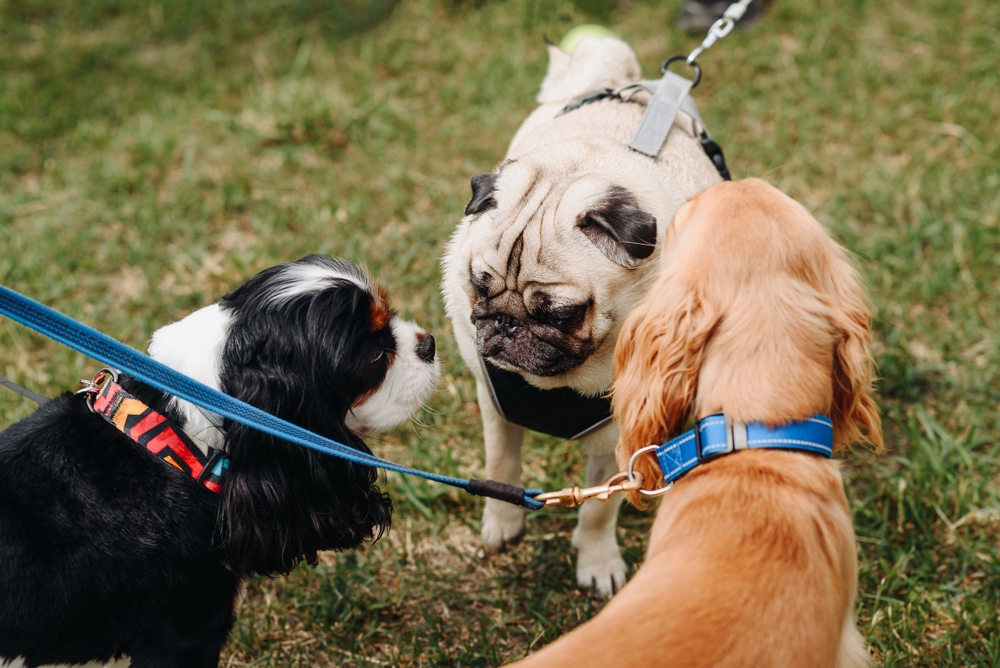
New scent territory feels exciting. Dogs explore methodically. Familiar humans increase safety.
Dogs remember scent locations strongly. New yards provide information. It’s mentally rewarding. Exploration matters.
11. Walking At A Different Time
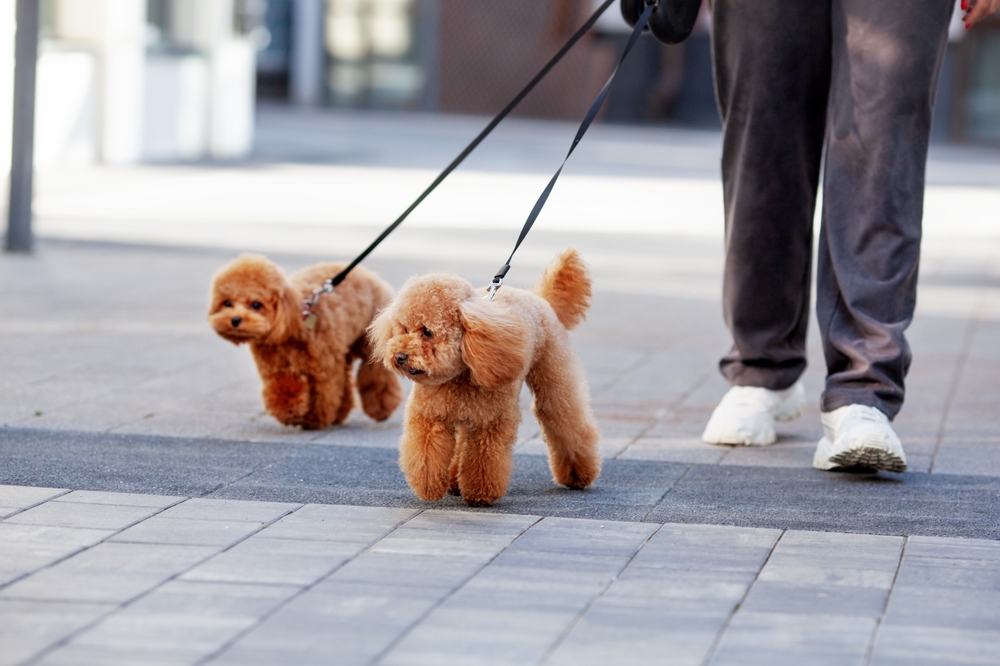
Scents change by hour. Dogs notice these differences immediately. Morning and night feel distinct.
Canine sensory studies show that temporal variation in scent matters. Dogs process time through smell. Routine changes feel exciting. Same route, new experience.
12. Hanging In The Yard
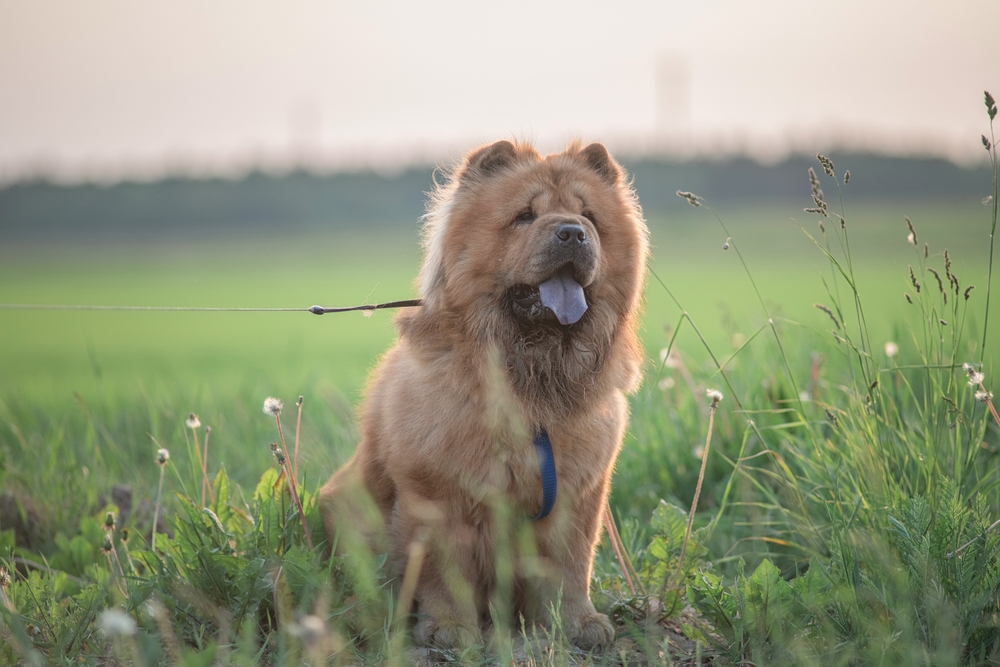
Dogs observe territory boundaries. Passing movement activates awareness. No walking required.
Behaviorists note that territory observation reduces anxiety. Dogs feel purposeful. Stillness doesn’t equal boredom. Presence matters.
13. Quiet Time By The Water
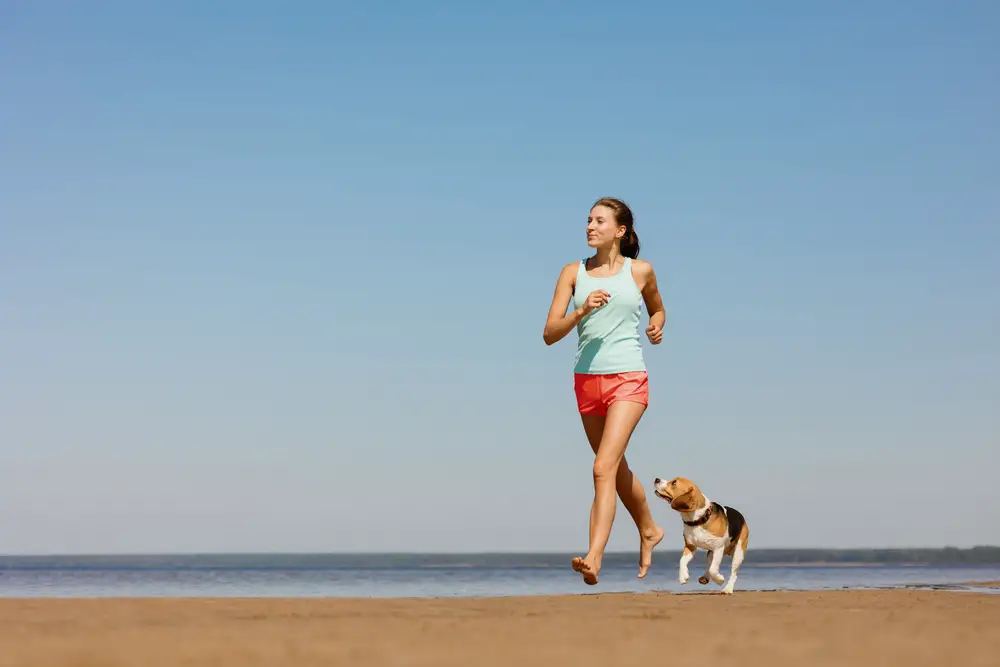
Water carries layered scent signals. Wildlife movement adds interest. Calm environments soothe dogs.
Studies show that exposure to nature reduces canine stress hormone levels. Observation fulfills instinct. Quiet doesn’t mean dull. It means rich input.