Wild animals don’t rummage through trash out of curiosity — they do it because the scent signals calories, safety, or territory. Modern waste is especially confusing to wildlife because it combines food smells with unfamiliar materials. Once animals learn a trash source is reliable, they return repeatedly and bring others with them. Preventing those encounters starts with understanding what attracts them in the first place.
1. Meat Scraps
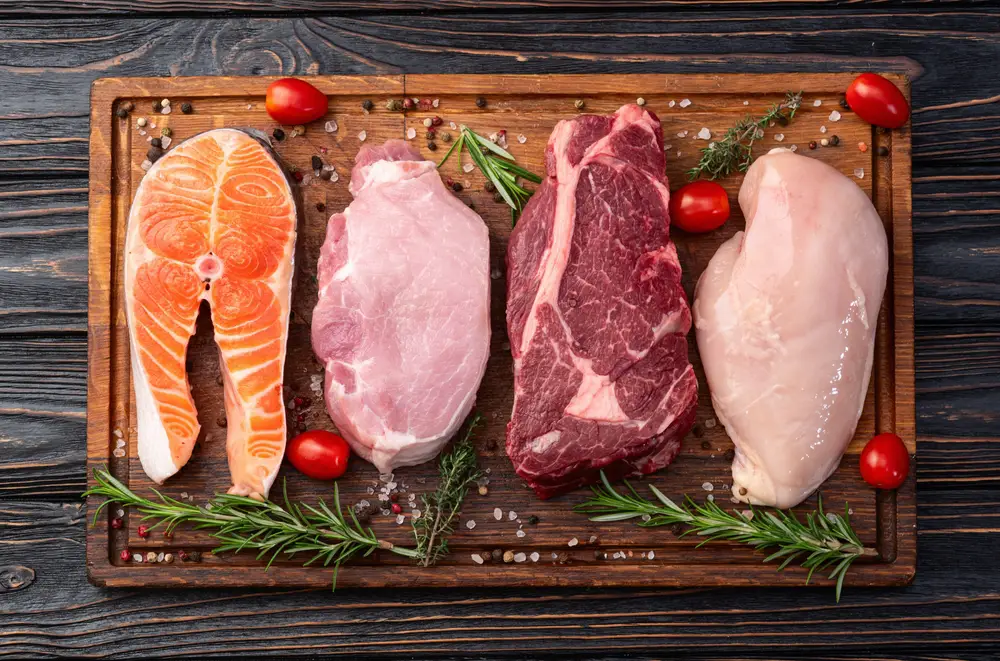
Raw or cooked meat releases strong odors that travel far, especially at night. Carnivores and omnivores can detect these scents from impressive distances. Even small scraps can signal a full food source.
Wildlife biologists consistently warn that meat waste is a primary attractant for bears, coyotes, and raccoons. Once animals associate trash with protein, they become persistent. Removing access is far easier than breaking that learned behavior. Meat should never sit exposed in household trash.
2. Fish Remains
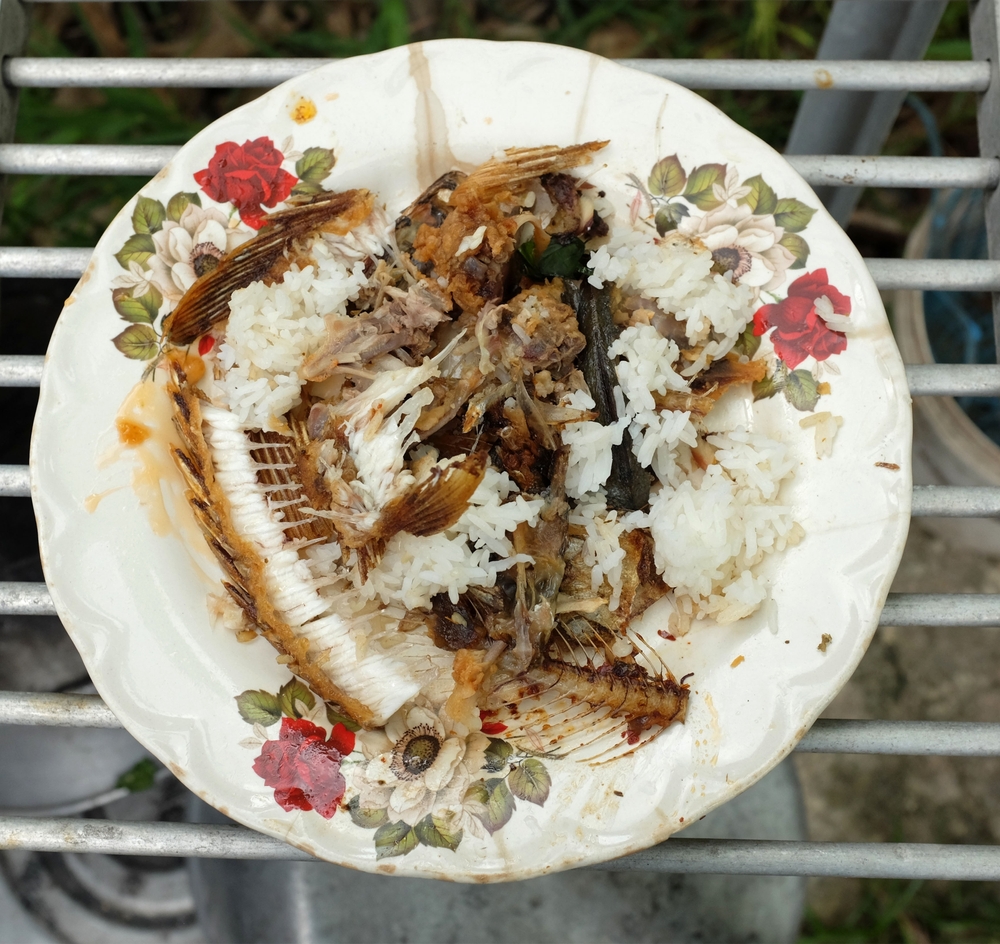
Fish scraps produce especially potent smells as they decompose. These odors linger longer than most food waste. Aquatic protein signals easy calories to many species.
Bears, feral cats, and scavengers are particularly drawn to fish waste. Wildlife agencies often issue seasonal warnings during fishing months. Even sealed bags can leak scent. Proper disposal is essential.
3. Cooking Grease
Grease absorbs food odors and releases them slowly. Pouring it into trash containers coats surfaces animals can smell. Even cooled grease remains highly attractive.
Research on urban wildlife behavior shows fats are among the strongest scent triggers. Animals associate grease with dense energy sources. This increases repeat visits. Grease should always be sealed or disposed of properly.
4. Bones
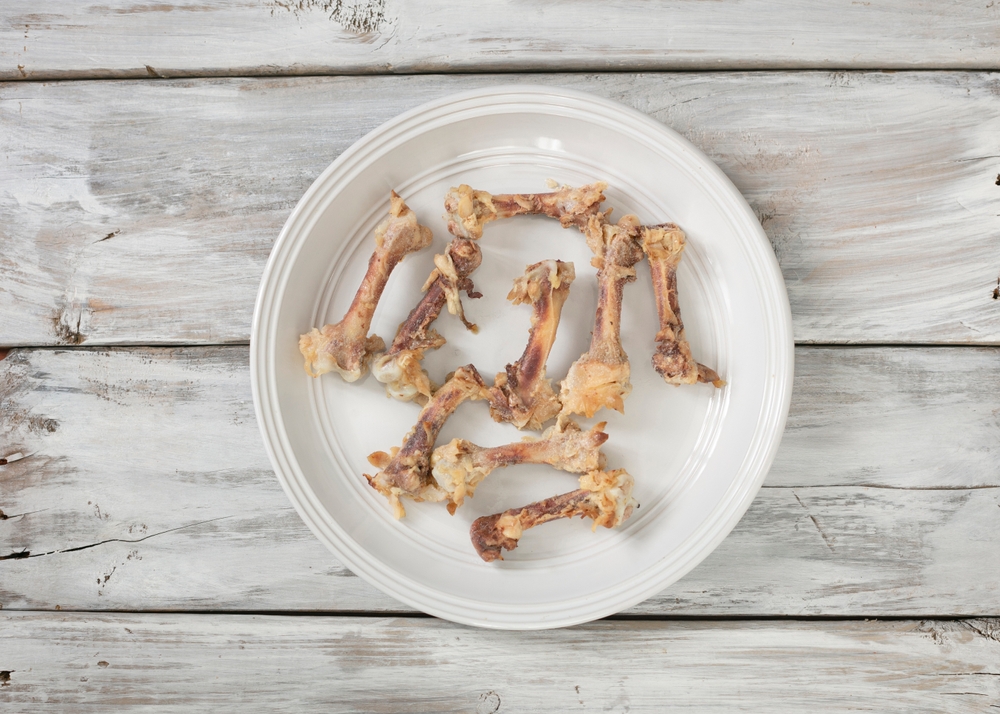
Bones retain marrow and fat long after meals. Animals can smell those remnants through packaging. Bones also invite gnawing behavior.
Chewing bones can keep animals engaged at trash sites longer. This increases the chance of property damage. Wildlife specialists note bones reinforce scavenging patterns. They should never be casually discarded.
5. Pet Food Bags
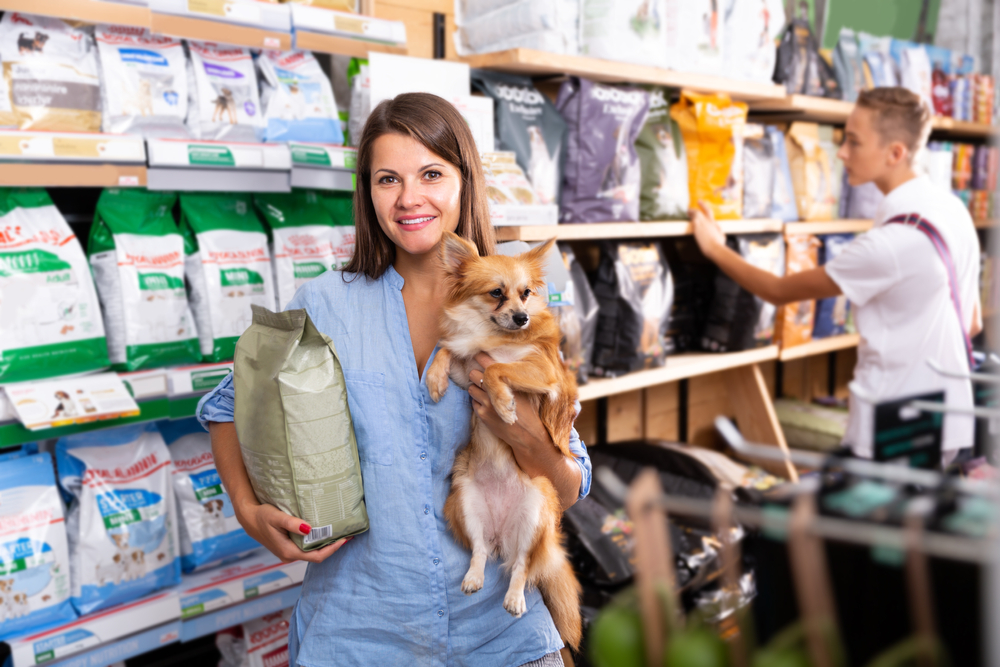
Empty bags still carry concentrated food odors. Animals recognize these scents immediately. Even “empty” containers smell edible.
Studies on urban raccoon behavior show pet food packaging is a top attractant. Animals associate the smell with consistent feeding. Leaving bags in open trash trains wildlife quickly. Storage matters.
6. Eggshells
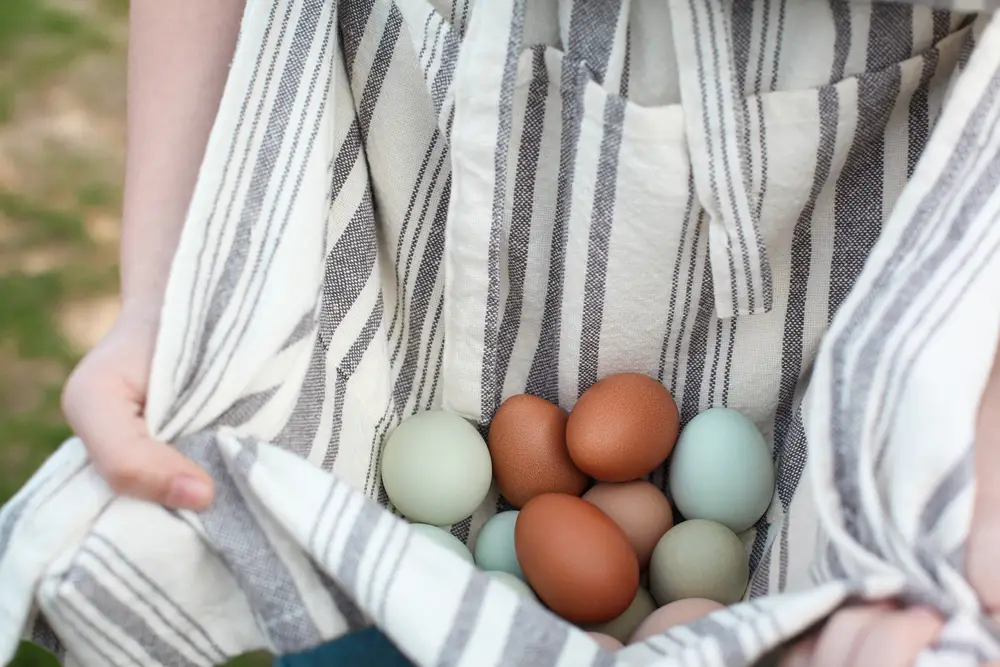
Egg residue smells like protein to scavengers. The scent intensifies as shells dry. Birds and mammals are drawn to it.
Eggshells also resemble natural food sources. Wildlife ecologists note that familiar smells increase confidence. Trash with eggs invites investigation. It’s an easy mistake.
7. Fruit Peels
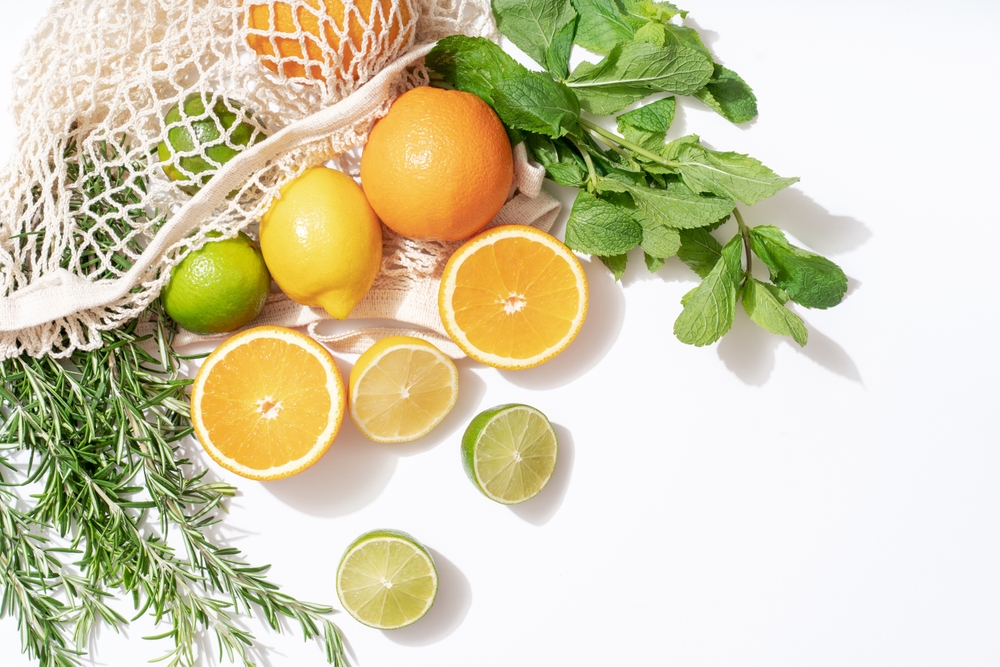
Fruit ferments rapidly in trash. That fermentation releases sweet, alcoholic scents. Many animals are drawn to sugar.
Bears, deer, and rodents all respond to fruit waste. Research shows fruit scents mimic seasonal foraging cues. Trash becomes a food signal. Peels should be sealed tightly.
8. Bakery Items

Bread and pastries smell strongly of yeast and sugar. These smells travel easily through containers. Wildlife recognizes them instantly.
Urban wildlife studies show baked goods are frequent attractants. Animals associate them with human food access. This reinforces bold behavior. Even stale bread draws attention.
9. Dirty Plates

Biodegradable doesn’t mean scent-free. Food residue clings to fibers. Animals don’t distinguish materials.
Wildlife responds to smell, not labels. Compostables still smell edible. Leaving them exposed creates confusion. Disposal needs care.
10. Coffee Grounds

Coffee grounds retain strong organic odors. They mask other smells but don’t eliminate attraction. Some animals investigate unfamiliar scents.
Research on wildlife olfactory curiosity shows novel smells invite exploration. Coffee doesn’t repel animals reliably. It can actually draw them in. Grounds should be sealed.
11. Diapers
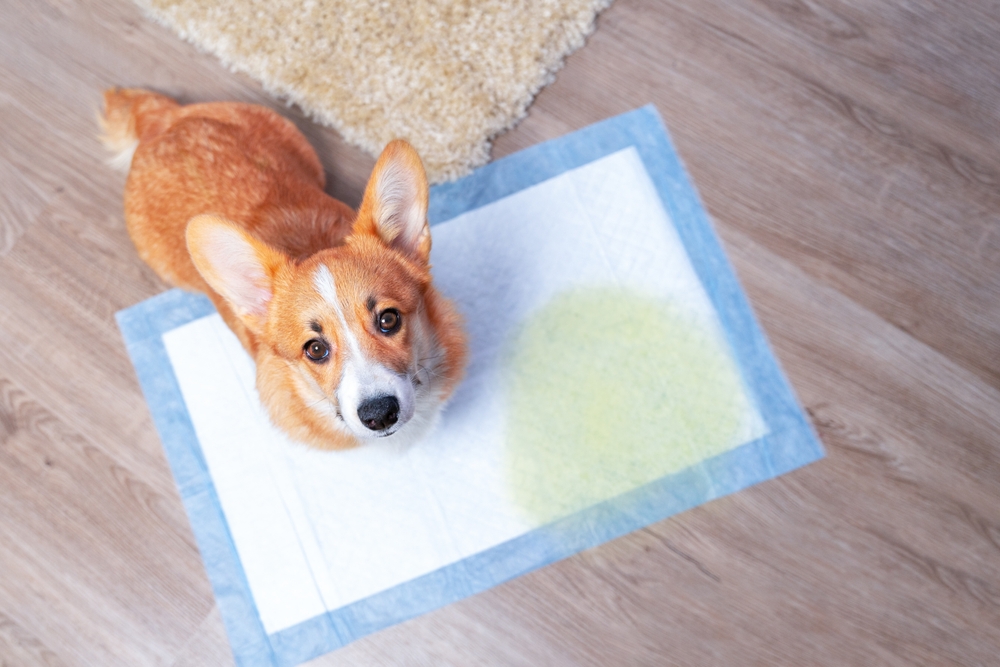
Used diapers contain organic waste. That smell attracts scavengers quickly. Animals don’t differentiate human waste.
Raccoons and coyotes are especially drawn to diapers. Wildlife control reports cite them frequently. They also tear bags apart. Secure containment matters.
12. Fast Food Packaging
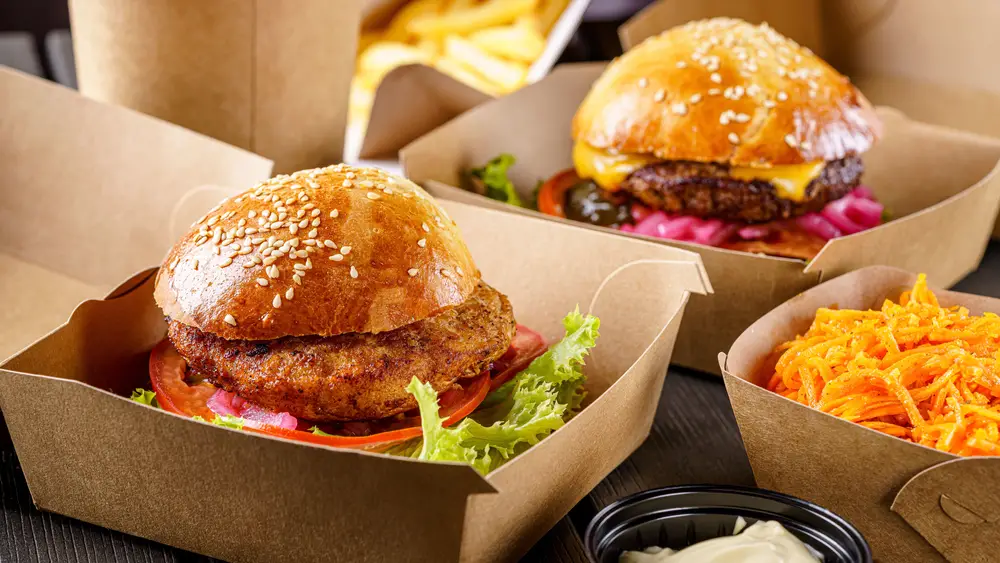
Wrappers absorb grease and salt. Even empty containers smell edible. Salt is a strong attractant.
Roadside wildlife studies show animals investigate fast food litter disproportionately. Trash mimics roadside foraging. The habit transfers to homes. Packaging should be sealed.
13. Birdseed Bags
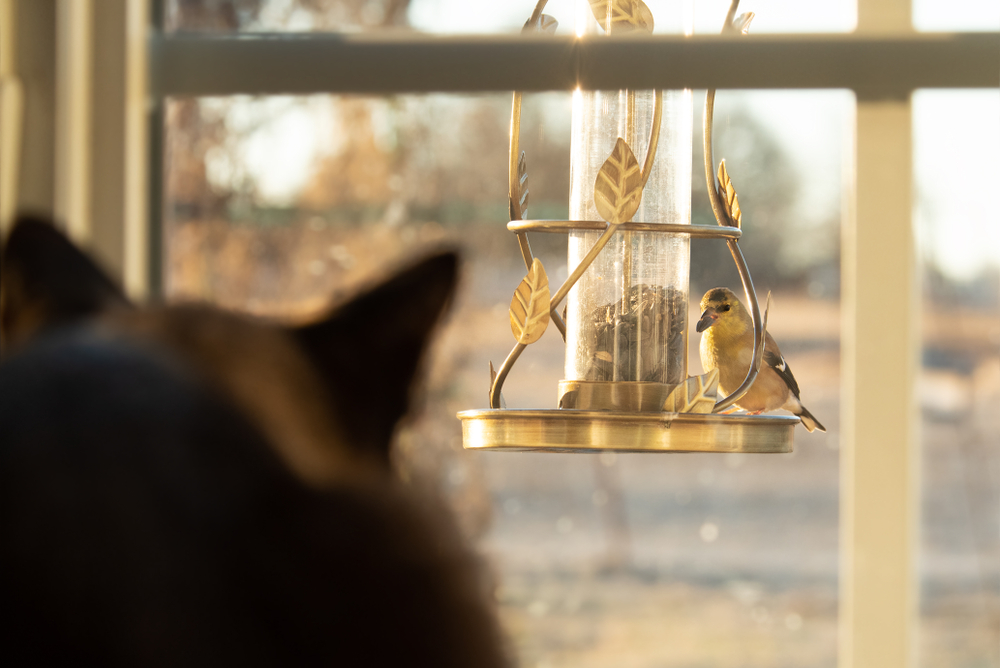
Seed smells like food because it is. Animals recognize it immediately. Even trace amounts attract rodents.
Wildlife biologists warn birdseed often draws larger predators. Small prey brings bigger animals. Trash containing seed increases risk. Storage is key.
14. Garden Produce

Overripe vegetables ferment quickly. The smell spreads easily. Animals treat gardens as food zones.
Studies on human-wildlife conflict show garden waste escalates visits. Animals return repeatedly once rewarded. Trash disposal affects yard safety. Don’t toss produce loosely.
15. Food-Soiled Paper Towels

Paper absorbs scent efficiently. Food residue lingers longer than expected. Animals detect it easily.
Scavengers don’t need full meals to investigate. Even traces invite tearing. Wildlife behavior research shows persistence increases with reward frequency. Small mistakes add up.