
When the temperature drops into the deep negatives, the world stops behaving according to the rules we know. We are currently seeing “Arctic Shocks” in 2026 that are turning everyday landscapes into volatile, alien environments where even the air can become a hazard. Extreme cold isn’t just a physical discomfort; it is a powerful force of physics that can shatter steel and make the earth itself scream. From “ice quakes” to trees that detonate like grenades, the deep freeze is full of bizarre and dangerous phenomena. Here are 13 crazy things extreme cold can make happen.
1. Trees Can Literally Explode
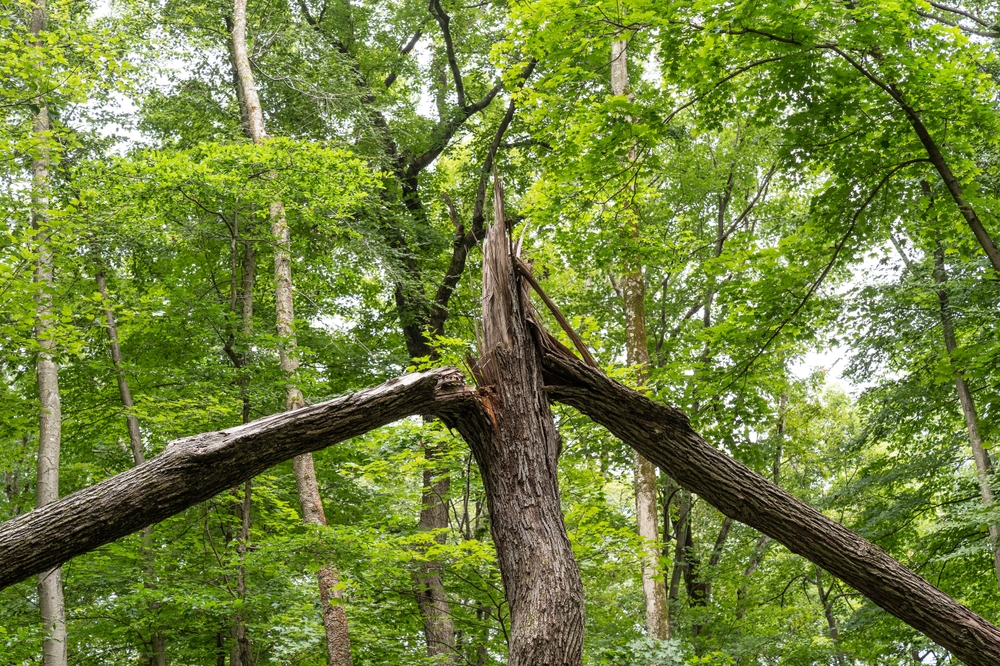
When the sap inside a tree freezes rapidly, it expands so forcefully that the bark cannot withstand the pressure. This leads to a violent “explosion” that sounds like a gunshot echoing through the frozen forest. The internal expansion creates a structural failure that can send large wooden shards flying in every direction. A 2025 analysis by the Global Forestry Institute found that “thermal wood-shattering” occurs most frequently in hardwoods during sudden polar vortex shifts.
2. The Ground Starts Quaking

“Cryoseisms,” or ice quakes, happen when water underground freezes so quickly that it cracks the surrounding soil and rock. These events can create a loud booming sound and cause the ground to shake with enough intensity to be mistaken for a real earthquake. People often wake up in the middle of the night thinking a car has hit their house or a transformer has blown. It is a localized, percussive event that only occurs when the frost line moves at a specific, rapid velocity.
3. Your Eyelashes Can Freeze Shut
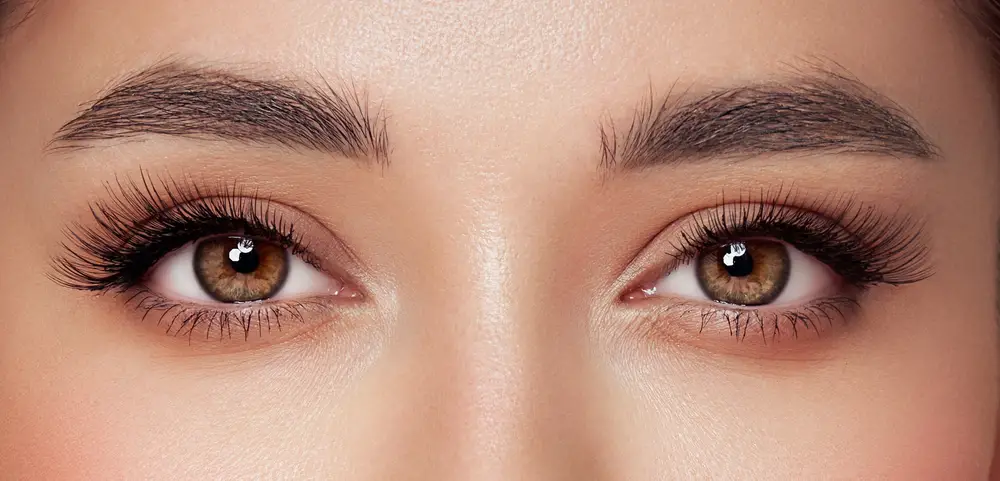
The moisture in your breath and the natural lubrication on your eyes can turn into ice crystals in a matter of seconds. When you blink in extreme cold, these crystals act like tiny Velcro strips, threatening to seal your eyelids together. This is a common hazard for explorers and residents of the world’s coldest cities who spend more than a few minutes outside. It creates a disorienting sensation where the world becomes blurred by a literal veil of frost.
4. Metal Becomes As Brittle As Glass
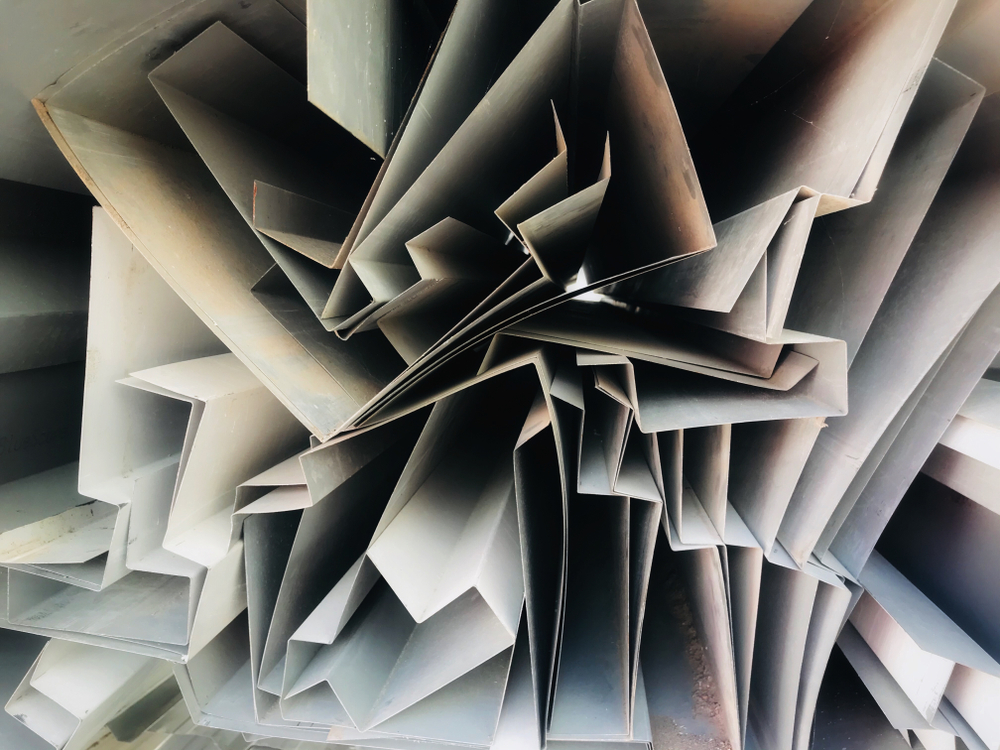
Under extreme thermal stress, the molecules in steel and iron lose their ability to bend and instead become incredibly fragile. Bridges, train tracks, and even handrails can snap or shatter upon impact if the temperature is low enough. This “ductile-to-brittle transition” is why engineers have to use special alloys in Arctic regions to prevent catastrophic infrastructure failure. A 2025 structural brief from the Northern Engineering Society revealed that standard steel loses 60% of its impact resistance at -40°C. Researchers found that many urban structures built in the mid-20th century are not rated for the “New Arctic” extremes hitting the US today.
5. Bubbles Freeze In Mid-Air
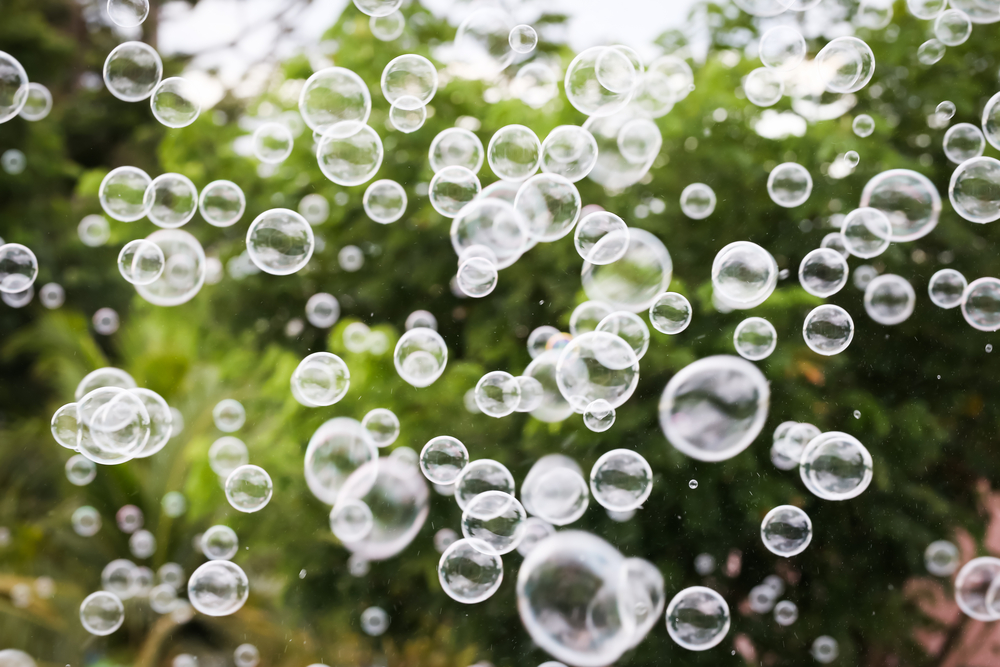
If you blow soap bubbles when it is significantly below zero, they won’t pop into a liquid spray. Instead, they crystallize into delicate, translucent spheres that can roll across the ground or shatter like ornaments. This happens because the water layer between the soap films freezes before the air inside can escape or the surface tension breaks. It creates a beautiful, surreal landscape of frozen orbs that look like they belong in a fantasy movie.
6. Hot Water Becomes Snow Instantly

The “Mpemba effect” describes the bizarre phenomenon where boiling water freezes faster than cold water when thrown into the air. When you toss a cup of hot water into a sub-zero environment, it turns into a cloud of white vapor and ice crystals immediately. This happens because the hot water evaporates so quickly it turns into a fine mist that has a massive surface area. While it looks like a fun science trick, it can cause severe burns if the wind blows the water back toward you.
7. Boiling Pipes Can Create Ice Spikes
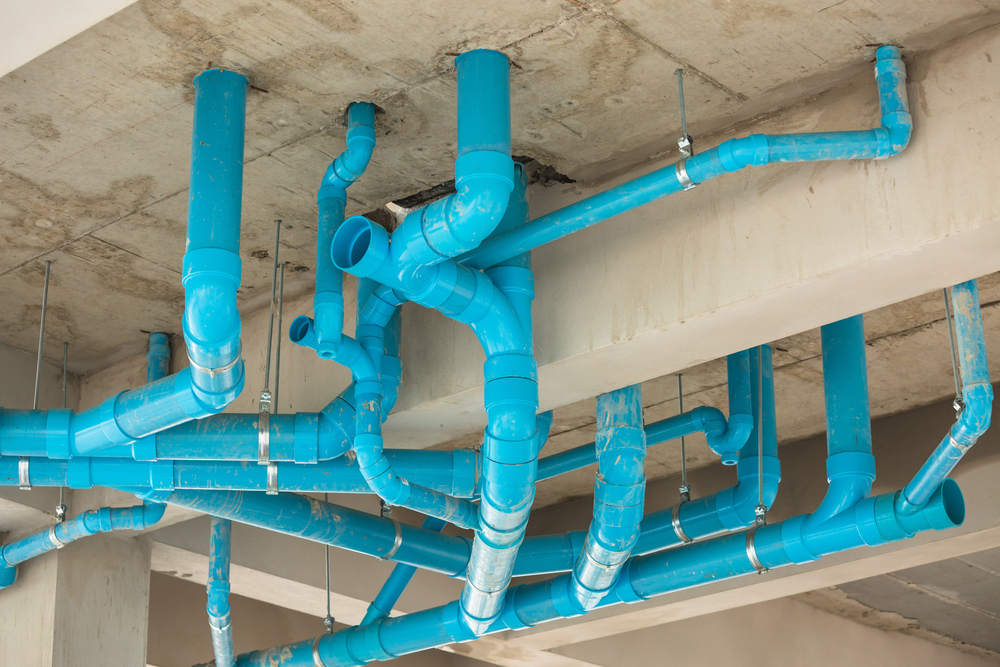
In poorly insulated homes, a small leak in a pressurized pipe can create strange, vertical “ice needles” that grow toward the ceiling. The freezing air catches the dripping water so fast that it stacks up into a sharp, stalagmite-like structure over several hours. These spikes can grow several feet tall, blocking doorways or damaging sensitive equipment in basements and garages. It is a silent, growing indicator that your home’s thermal envelope has been compromised.
8. Snow Can Start To Scream

A 2026 report on “Acoustic Cryology” from the Arctic Research Center explained that the “pitch” of snow changes based on the exact temperature. Experts noted that at -30°C, the snow’s frequency hits a level that is actually painful for some animals to hear. When you walk on snow in extreme cold, it doesn’t crunch; it produces a high-pitched, metallic squeak that sounds like a scream. This happens because the ice crystals are so cold that they cannot melt under the pressure of your boot to provide lubrication. Instead, the dry crystals rub against each other with intense friction, creating a sound that can be heard from blocks away.
9. Your Breath Becomes A Solid Cloud

In the deep freeze, the vapor you exhale doesn’t just dissipate; it hangs in the air as a thick, lingering “ice fog.” If you are walking with a group, you can actually follow the trail of “breath clouds” left behind by people who passed by minutes earlier. This happens because the air is so cold it cannot hold any additional moisture, forcing your breath to crystallize instantly. It makes tracking and visibility difficult in densely populated areas during a cold wave.
10. Sea Smoke Rises From the Water

When the air is significantly colder than the water below, it creates a ghostly fog known as “sea smoke” that dances over the surface. This looks like the ocean is literally boiling or steaming, even though the water is near the freezing point. It is caused by the cold air stripping moisture from the relatively warm water, which then condenses into a low-hanging fog. This phenomenon can make coastal navigation extremely dangerous by creating a total whiteout at sea level.
11. Gasoline Can Stop Flowing
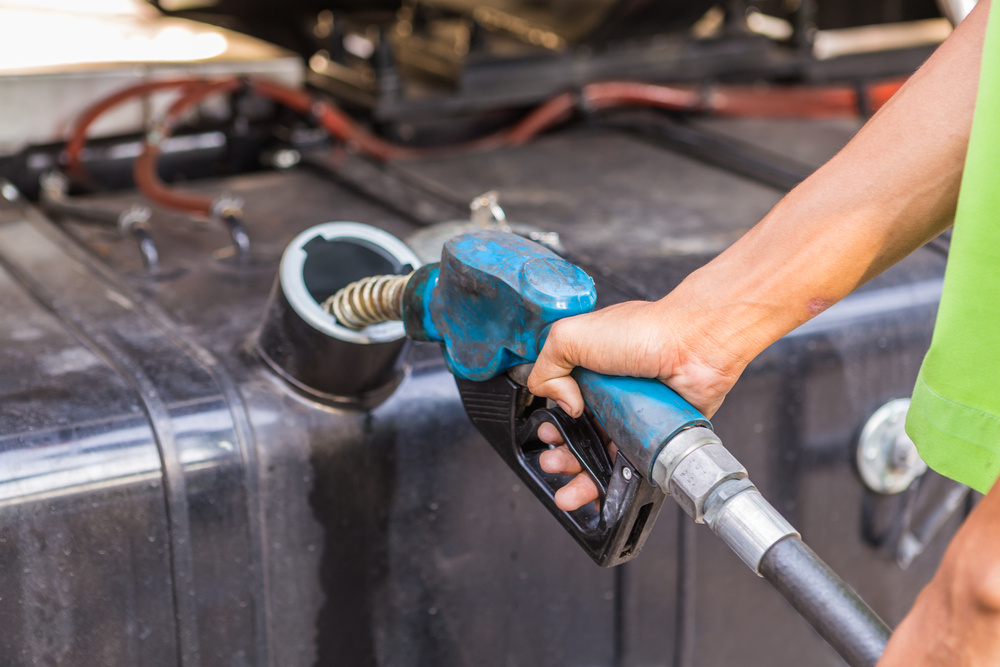
While gasoline has a very low freezing point, the additives and moisture trapped in fuel lines can turn into a thick “slush” in extreme cold. This prevents your car from starting or causes it to stall out as the fuel pump struggles to move the viscous liquid. Mechanics in the coldest regions often have to use “engine block heaters” just to keep the fluids moving. If the temperature drops low enough, even the most powerful engines become useless blocks of cold metal.
12. Snow Rollers Form On Their Own
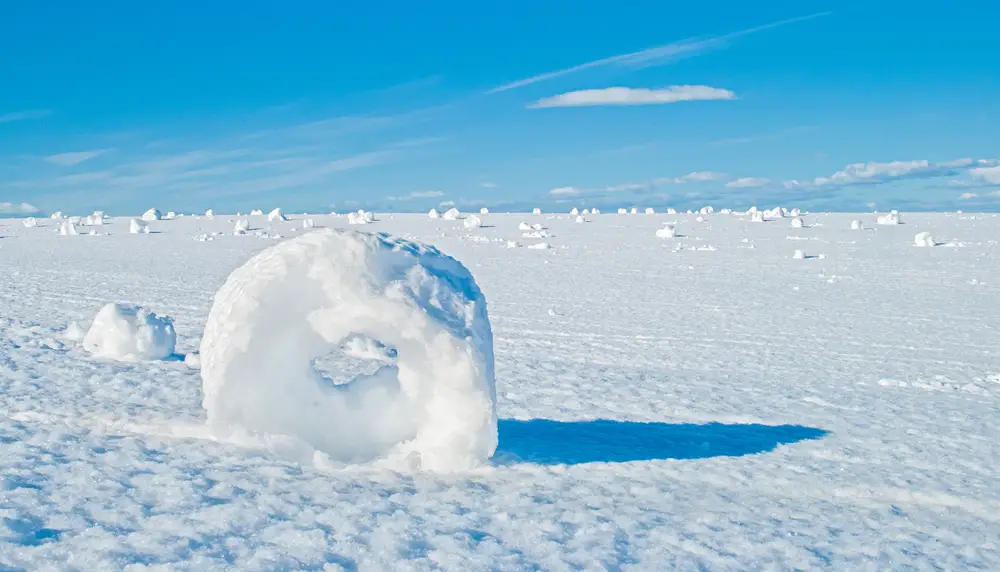
If the wind is strong enough and the snow is at the right consistency, it can roll itself into giant “snow donuts.” These rare natural sculptures look like they were made by invisible children rolling giant snowballs across a field. They usually have a hollow center because the inner layers are the first to blow away or collapse. It is a rare “glitch” in the weather that requires a specific combination of wind speed, temperature, and moisture.
13. Your Body Shifts Its Blood Flow
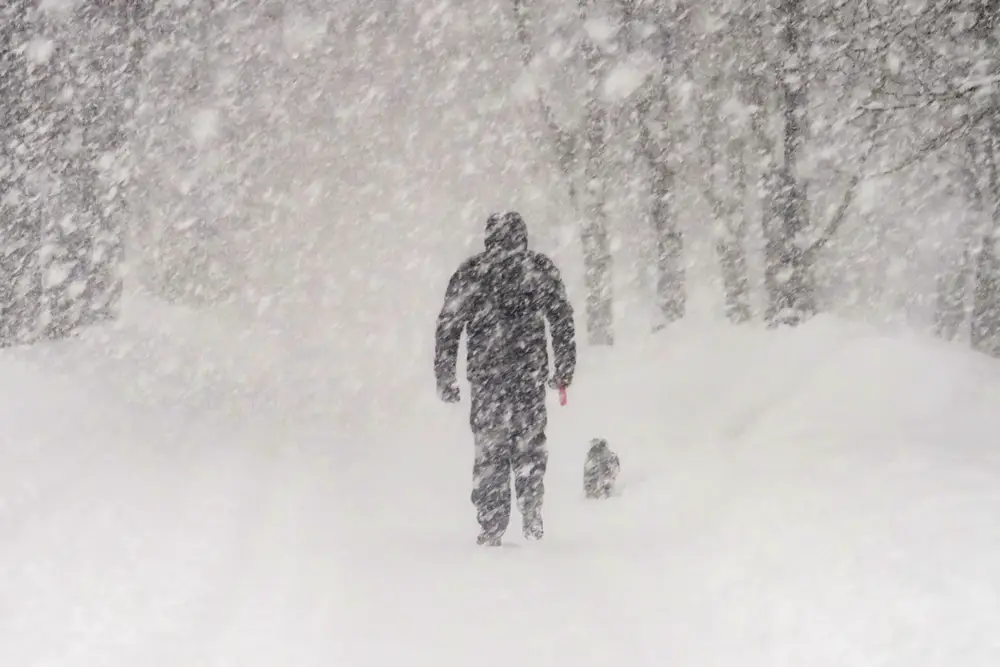
The moment you hit extreme cold, your brain makes the executive decision to pull blood away from your hands and feet to protect your organs. This “vasoconstriction” is why your fingers go numb and white almost instantly when you step outside without gloves. Your body is essentially sacrificing your extremities to keep your heart and brain at the correct operating temperature. It is a primal survival tactic. The 2025 “Human Limits” study published by the International Health Brief found that the body can begin this “shunting” process in as little as 30 seconds at -20°C. Researchers found that individuals who grew up in warm climates have a slower “thermal response,” making them 30% more likely to suffer frostbite.