
For centuries, terrified communities explained unexplained violence by inventing monsters. What they were often witnessing, however, were real animals pushed into abnormal behavior by injury, human interference, or ecological disruption. Now, thanks to advances in forensic archaeology, genetic analysis, and historical ecology, folklore is finally separating from biology. The result is unsettling: many legendary monsters weren’t imaginary at all — they were real predators operating outside normal boundaries.
1. The Beast of Gévaudan
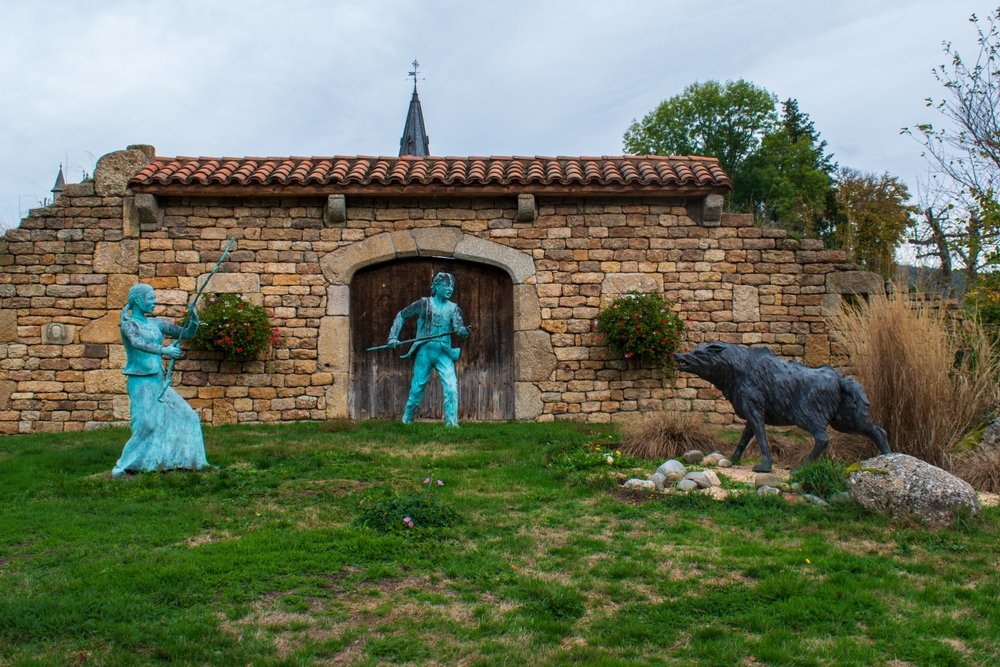
Between 1764 and 1767, a mysterious predator killed more than 100 people in rural France, often attacking in daylight and ignoring livestock. Witnesses consistently described a massive canine with reddish fur, a dark dorsal stripe, and unusual aggression toward humans. The attacks were so destabilizing that King Louis XV deployed royal hunters and military resources to stop it. Fear spread across the region, shaping folklore that framed the animal as something supernatural.
Modern genetic reconstruction suggests the beast was likely a wolf–mastiff hybrid bred for size and aggression. Researchers believe it may have been raised in captivity, which would explain its lack of fear around humans. Injuries found on preserved remains point to abnormal jaw strength and endurance. The “monster” was likely not mythical, but the product of human breeding gone wrong.
2. The Kraken of the North Atlantic
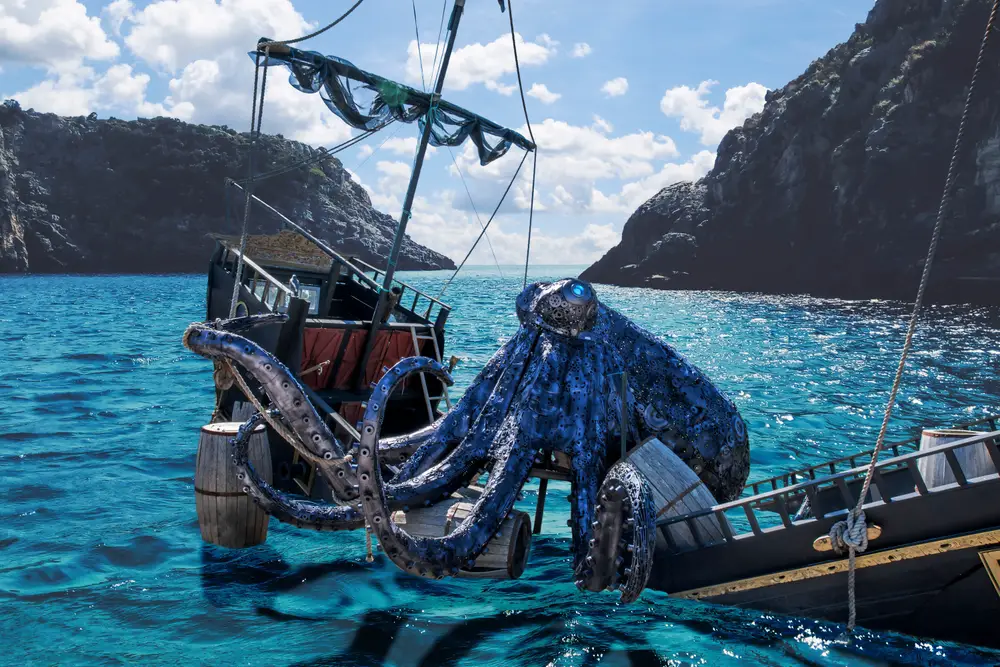
For centuries, sailors reported enormous tentacled creatures rising from the sea to attack ships. These stories were dismissed as exaggerations fueled by isolation and fear. That changed when the giant squid was formally documented in the 19th century. Some specimens measure over 40 feet long and possess eyes designed to detect light in near-total darkness.
Historical ship logs describing tentacles wrapping around hulls closely match known giant squid behavior. Modern marine biologists believe early encounters occurred when squids surfaced due to illness or injury. Entanglement with wooden ships would have felt like an attack to sailors. The Kraken legend likely emerged from rare but real encounters with deep-sea giants.
3. The Tsavo Maneaters
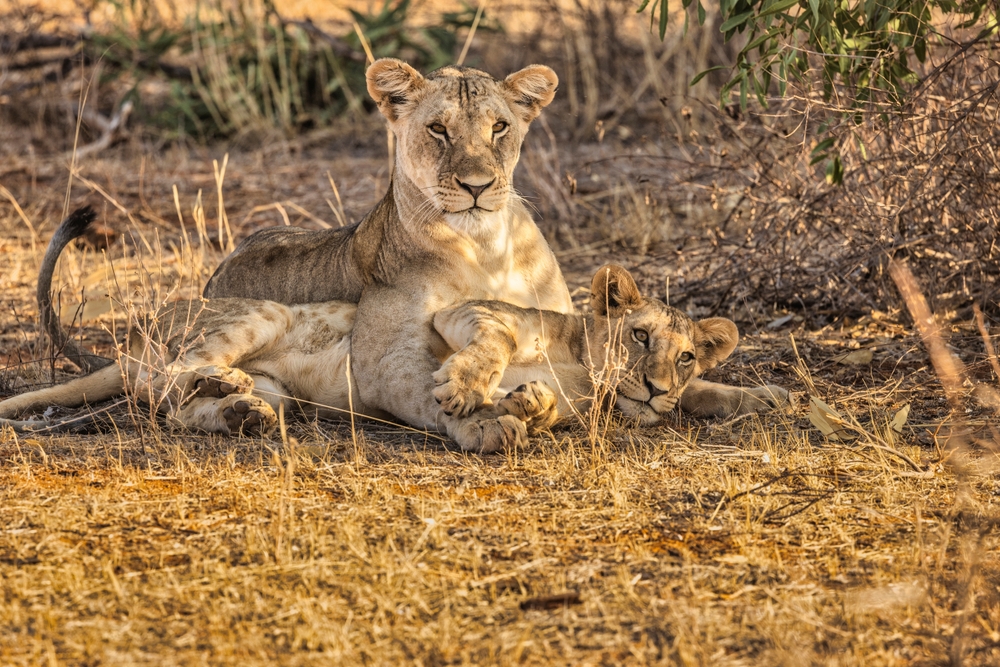
In 1898, two lions halted construction of a railway bridge in Kenya by killing dozens of workers. These lions hunted humans almost exclusively and evaded traps with alarming intelligence. Workers believed the animals were demons or spirits sent to punish them. Panic spread rapidly through the camps, delaying the project for months.
Later analysis of the lions’ skulls revealed severe dental damage that made hunting traditional prey painful. Humans, comparatively soft and slow, became the only viable food source. The lions adapted quickly and efficiently to this new hunting strategy. Their behavior was extreme, but entirely biological.
4. The Champawat Tiger
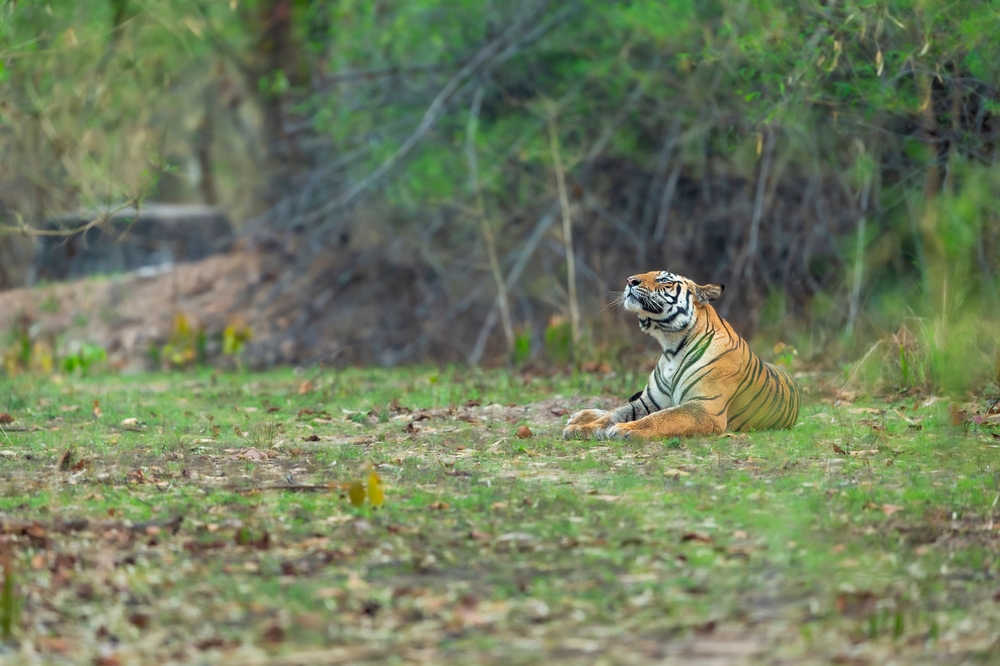
This Bengal tigress killed an estimated 436 people across India and Nepal before being stopped in 1907. Villagers believed she was an invisible spirit capable of moving between settlements undetected. Entire communities were abandoned in fear of her presence. Her attacks were precise, fast, and terrifyingly consistent.
Autopsy findings later showed her canine teeth were shattered by a gunshot wound. This injury made killing large prey impossible and forced her to target humans. She relied on stealth and terrain familiarity to hunt successfully. The “monster” was a disabled predator pushed into human territory.
5. The Gigantopithecus And Yeti Myth
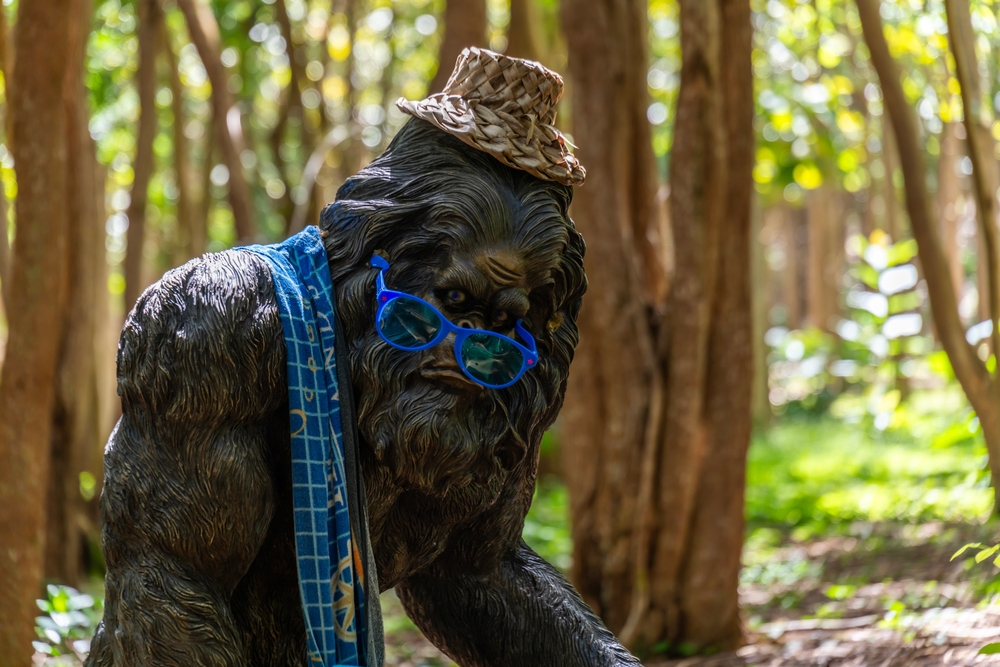
Legends of a massive, ape-like creature roaming the Himalayas appear across cultures. For centuries, these stories were dismissed as superstition. Paleontologists later confirmed the existence of Gigantopithecus blacki, a giant primate that lived alongside early humans. It stood nearly ten feet tall and weighed over 1,000 pounds.
While extinct today, its presence would have left a powerful impression on early populations. Fossil evidence places it in regions later associated with Yeti sightings. Oral traditions likely preserved fragmented memories of real encounters. Over time, biology transformed into myth.
6. The New Jersey Devil
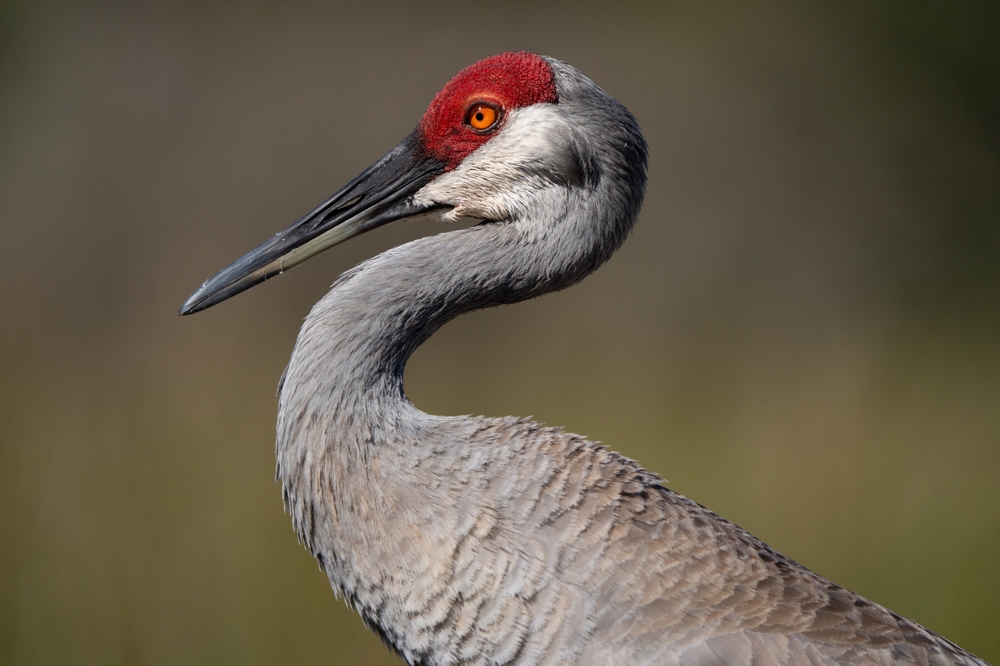
The Pine Barrens of New Jersey have hosted stories of a winged, hoofed creature since the 1700s. Reports surged during periods of isolation, war, and economic stress. Witnesses described piercing screams and enormous wingspans. Panic was amplified by the dense, unfamiliar forest terrain.
Many descriptions align closely with the sandhill crane, a massive migratory bird. Its scream is loud, prehistoric, and deeply unsettling at night. When silhouetted against moonlight, its form appears unnatural. The “devil” was likely an ecological misunderstanding amplified by fear.
7. The Bunyip of Australia

Indigenous Australian lore describes a large, aggressive water-dwelling creature haunting rivers and swamps. European settlers later echoed these stories, describing disappearances near waterways. The creature was said to roar loudly and attack without warning. Fear of the Bunyip kept people away from certain regions.
Scientists now believe these accounts may stem from encounters with extinct megafauna or aggressive seals moving inland. Fossil evidence shows giant marsupials once inhabited those wetlands. Unfamiliar animal behavior combined with dangerous terrain likely fueled the legend. The monster was a warning encoded as myth.
8. The Nandi Bear
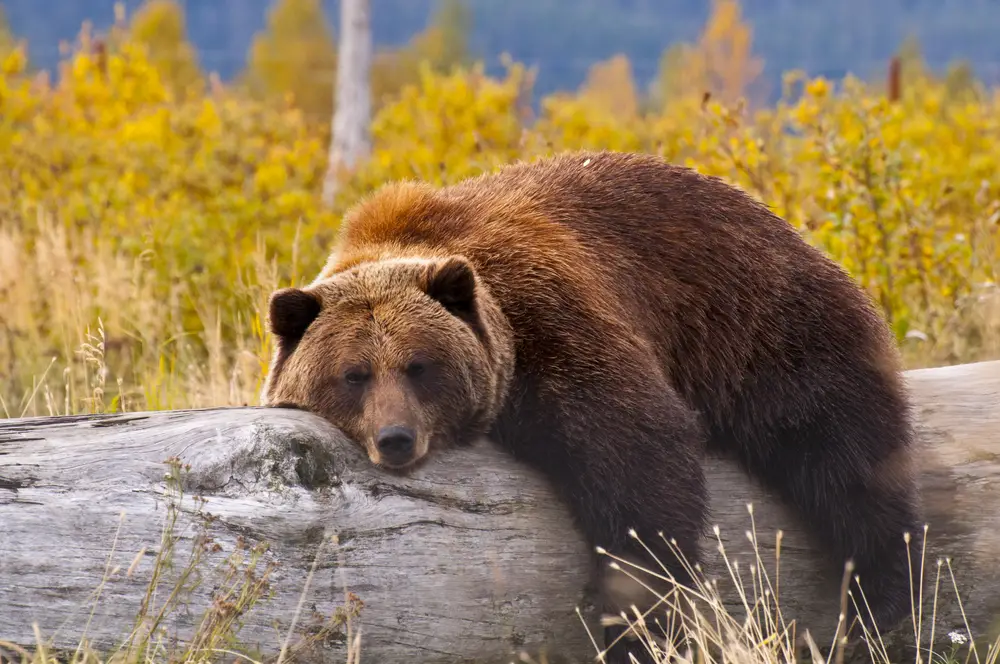
In Kenya, villagers reported a massive, nocturnal predator attacking livestock and occasionally people. Descriptions varied but emphasized size, strength, and a bear-like posture. Colonial records show settlers also feared the creature. The Nandi Bear became synonymous with unexplained rural deaths.
Many zoologists believe sightings were misidentified hyenas or surviving populations of prehistoric short-faced bears. Hyenas can stand upright briefly and possess bone-crushing jaws. At night, their silhouettes appear much larger than expected. Fear filled in the rest.
9. The Beast of Bray Road
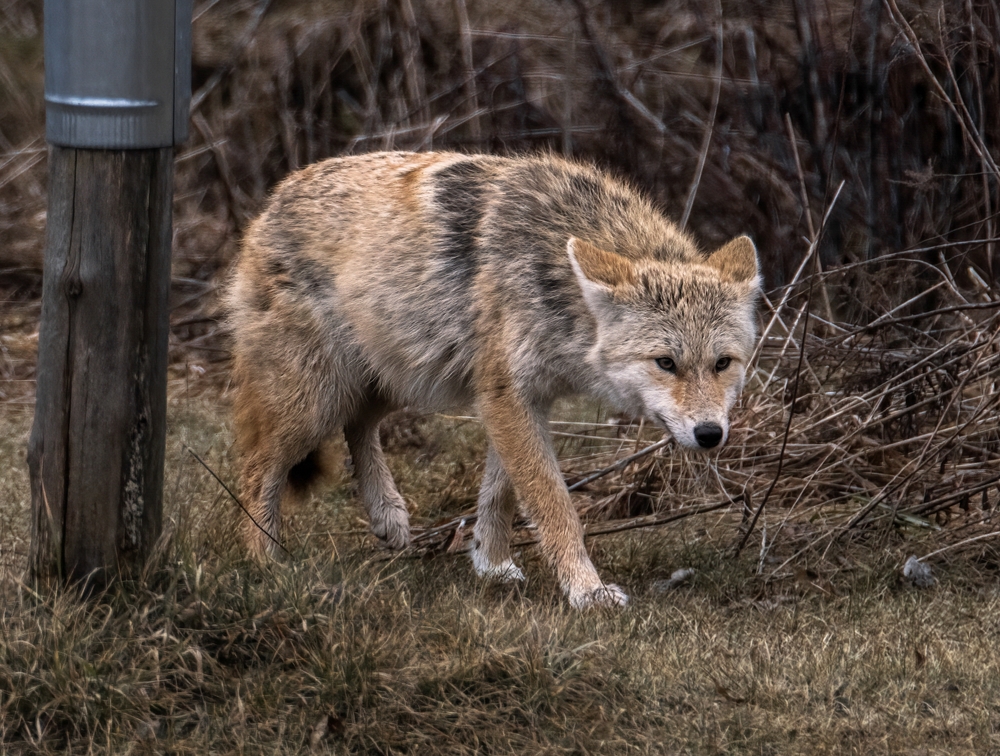
Residents of rural Wisconsin reported a wolf-like creature walking on two legs during the late 20th century. Witnesses described human-like hands and unnatural movement. The sightings clustered near farmland and forest edges. Media attention quickly framed it as a werewolf legend.
Genetic studies later confirmed the presence of coywolf hybrids in the region. These animals display unusual size, limb proportions, and problem-solving behavior. Standing upright briefly in deep snow or tall grass is not uncommon. Biology again proved stranger than folklore.
10. The Mapinguari of the Amazon
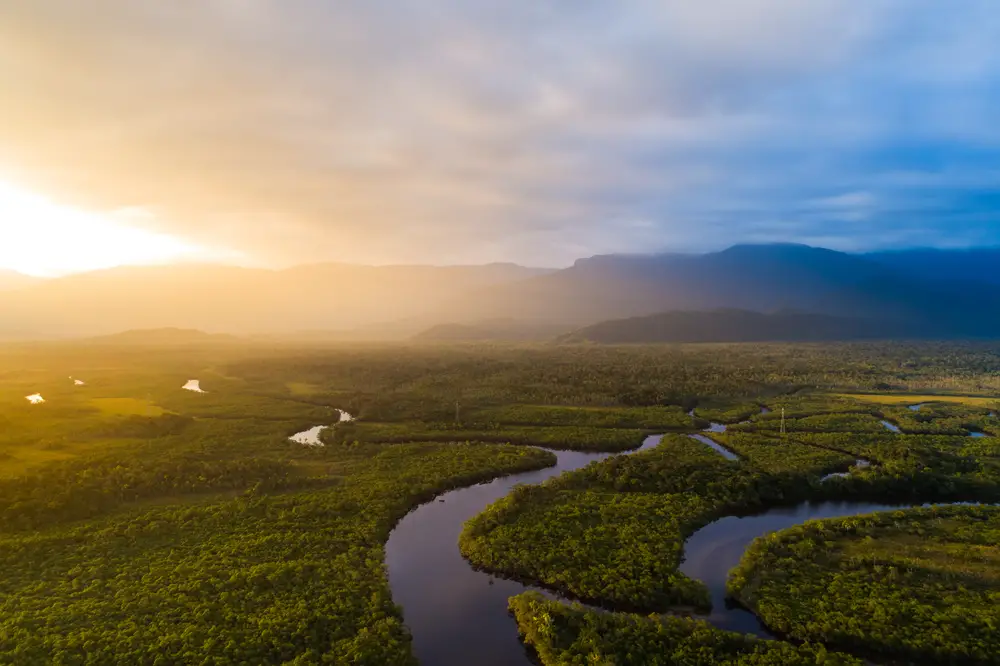
Amazonian tribes speak of a massive, foul-smelling creature that attacks humans and destroys villages. Descriptions include thick hide, immense strength, and a terrifying roar. Early explorers dismissed the stories as superstition. Yet the details remained remarkably consistent across regions.
Some researchers believe the Mapinguari legend reflects encounters with giant ground sloths that survived longer than previously thought. Fossil evidence suggests overlap between humans and megafauna in the Amazon. Memory, fear, and oral tradition preserved the encounters. What sounded impossible may have been rare — but real.