To humans, a walk is exercise or fresh air. To a dog, it is a full sensory intelligence briefing. A dog’s brain is dominated by olfactory processing, with scent data feeding directly into memory, emotion, and decision-making centers. What looks like obsessive sniffing is actually high-speed environmental analysis—tracking who has been there, what happened, how long ago, and whether it matters. Every stop is purposeful. Here are the strange things your dog is desperate to sniff, and what those smells are telling them.
1. Other Dogs’ Pee
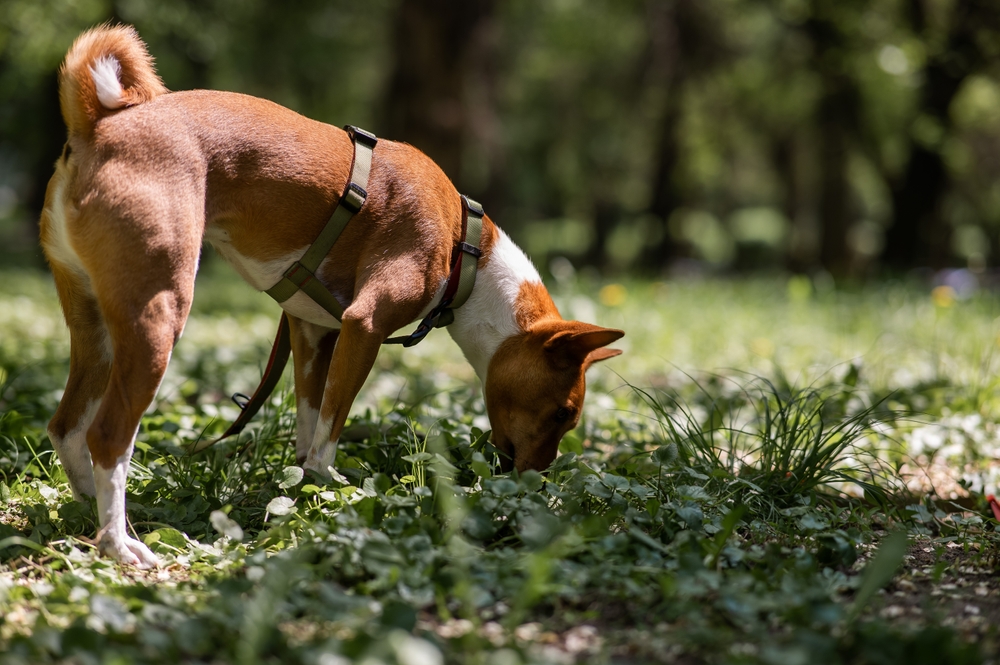
Urine is one of the most information-dense substances in a dog’s world. It contains data about sex, reproductive status, stress hormones, diet, health, and even emotional state. When your dog lingers, they are decoding chemical signatures, not being stubborn. The longer the sniff, the more complex the message.
A 2024 study in Chemical Senses confirmed that dogs can detect cortisol and adrenaline levels in urine, allowing them to identify whether another dog was anxious, dominant, or relaxed. This makes urine sniffing a form of social intelligence gathering. To your dog, it’s not gross—it’s a profile.
2. Fire Hydrants
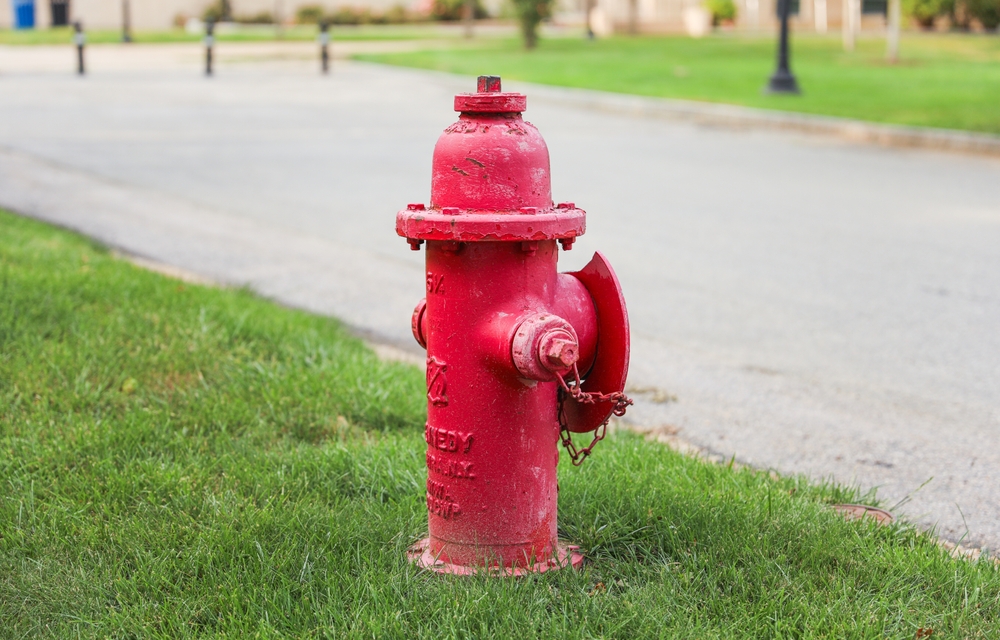
Fire hydrants function as urban scent hubs. Because many dogs mark the same vertical object, layers of chemical information accumulate at that spot. Height also allows scent to disperse farther, making hydrants ideal message boards.
Canine spatial studies show that dogs prefer vertical markers because they efficiently broadcast information. Hydrants are not random stops—they are data centers.
3. Sidewalk Grass
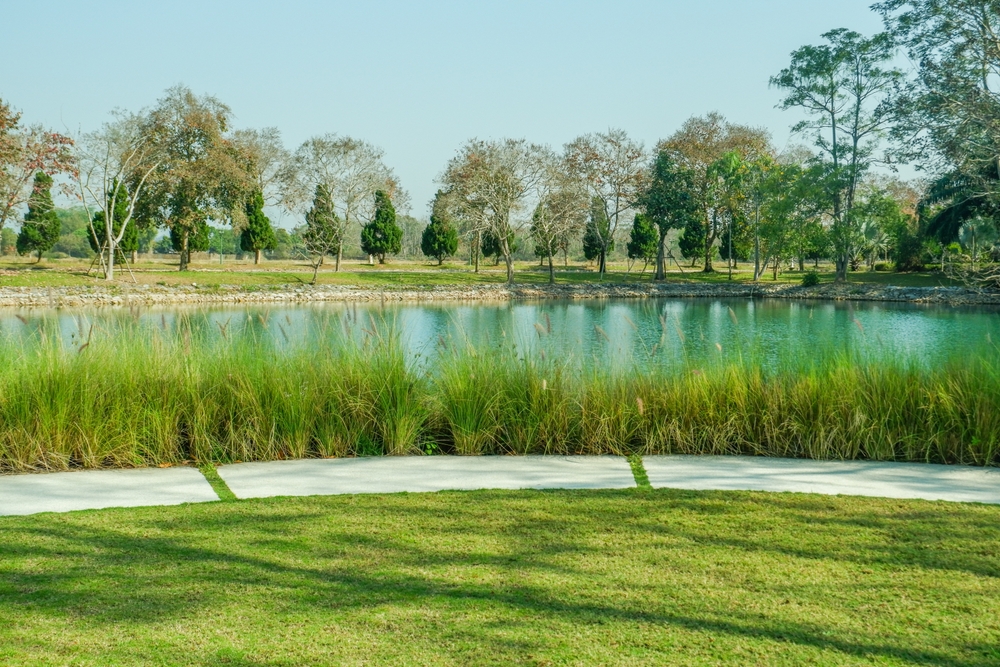
Grass traps scent particles far better than pavement. Tiny plant structures hold odor molecules, preserving them longer and allowing dogs to reconstruct recent activity. Your dog is reading who passed through, in what order, and how recently.
Environmental scent-retention research confirms vegetation preserves volatile compounds up to 10 times longer than concrete. Grass is a historical record.
4. Trash Cans
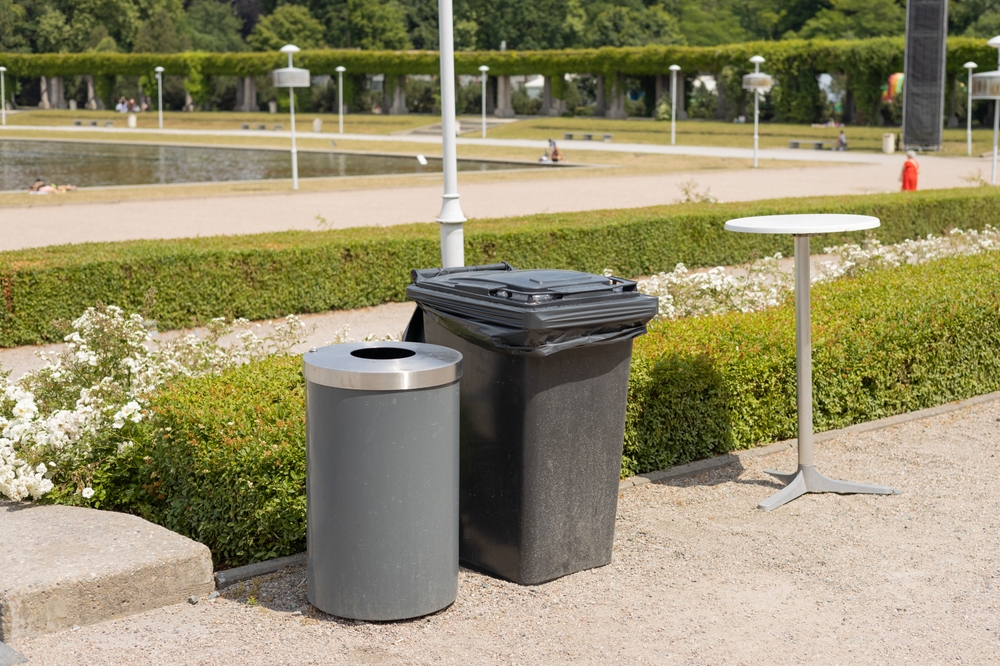
Trash combines food residue, human scent, packaging chemicals, and environmental exposure. Dogs analyze trash to understand human activity patterns and food availability. This behavior is rooted in scavenger evolution.
Anthropological canine studies show that early domesticated dogs survived by tracking human waste streams. Trash still signals opportunity and information, not temptation alone.
5. Other Dogs’ Paw Prints
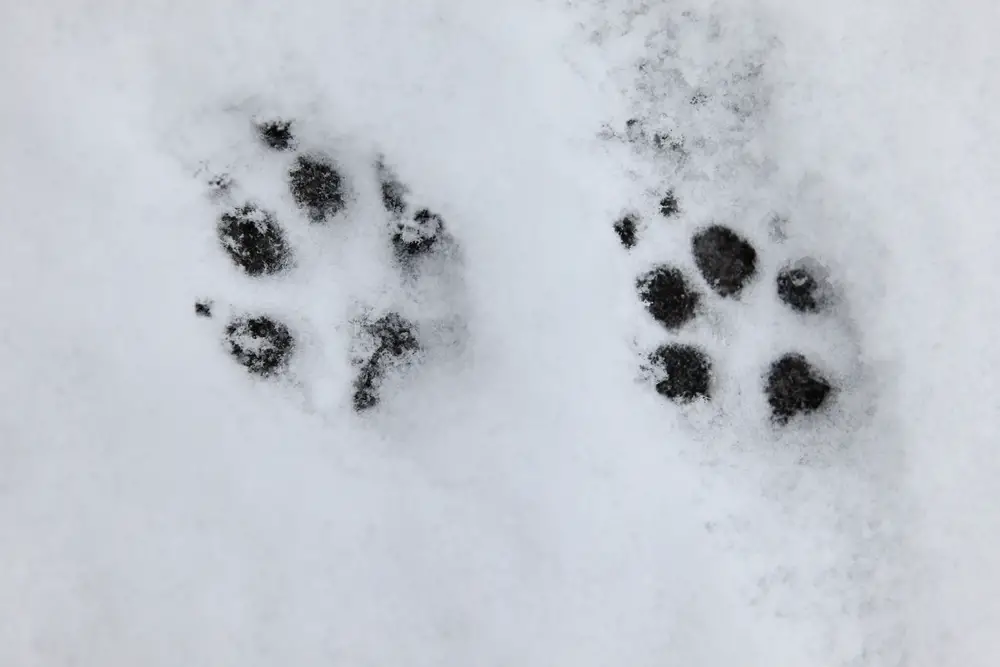
Dogs sweat through their paw pads, leaving behind unique scent trails with each step. Paw prints reveal identity, movement speed, emotional arousal, and direction of travel. Sniffing the ground is spatial tracking.
A 2023 tracking study found that dogs could identify individual animals based solely on footprint scent trails. The ground tells a story your dog knows how to read.
6. Sewer Grates
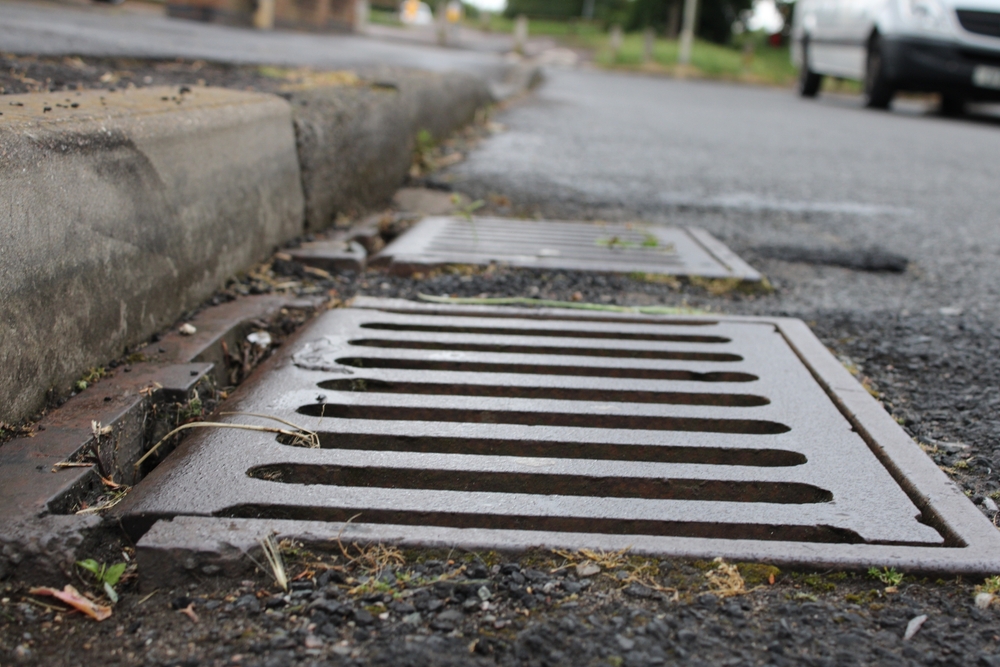
Sewer systems push scent upward through airflow. This creates scent plumes carrying information from underground—rodents, moisture changes, waste movement. Dogs sniff grates to sample invisible activity.
Olfactory physics research shows dogs can track airborne scent gradients humans cannot detect. Sewer grates act as scent vents.
7. Tree Trunks
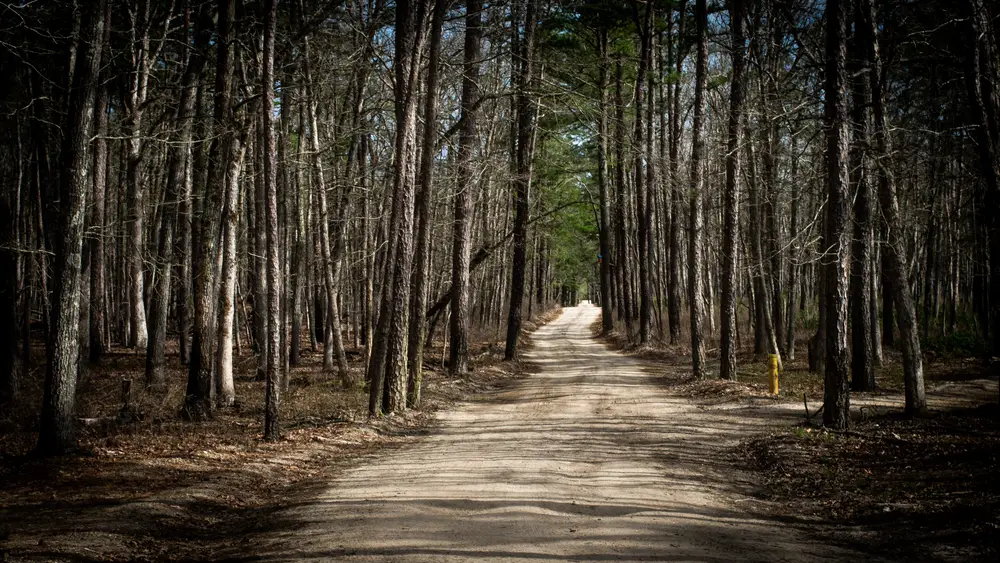
Trees absorb scent near their roots and bark. Wild canids use trees as territorial markers because they preserve scent over time. Dogs inherited this behavior.
Ethological field studies confirm that trees function as scent anchors in natural territories. Dogs check them instinctively.
8. Dead Insects
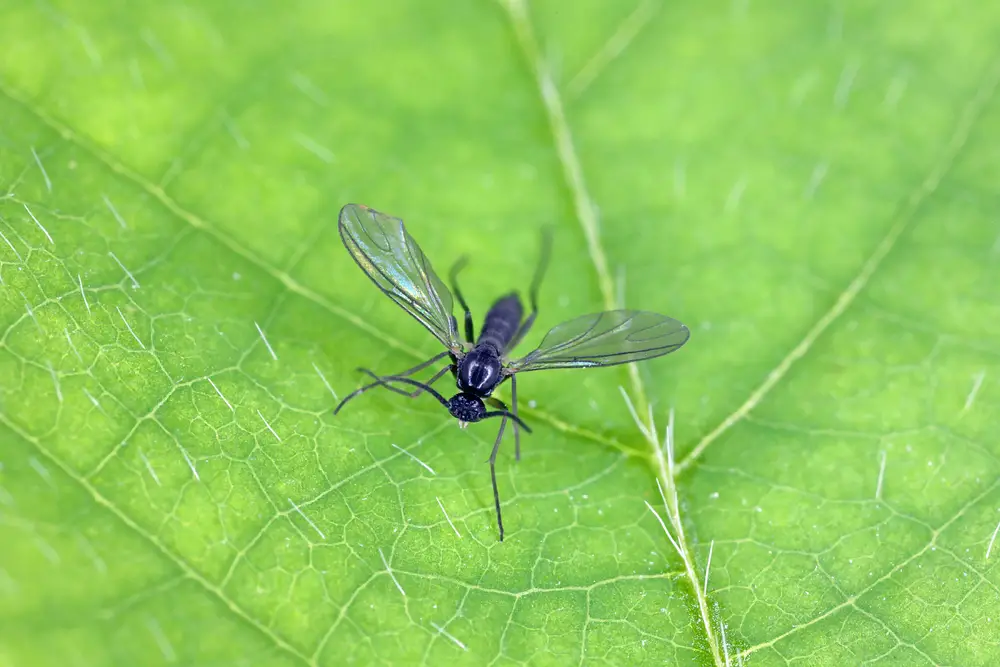
Decomposition releases powerful biochemical signals. Dogs detect these immediately because decay indicates ecosystem changes. It is information-rich, not curiosity-driven.
Veterinary olfactory research shows that dogs can distinguish stages of decomposition. This ability evolved for survival, not play.
9. Disturbed Soil
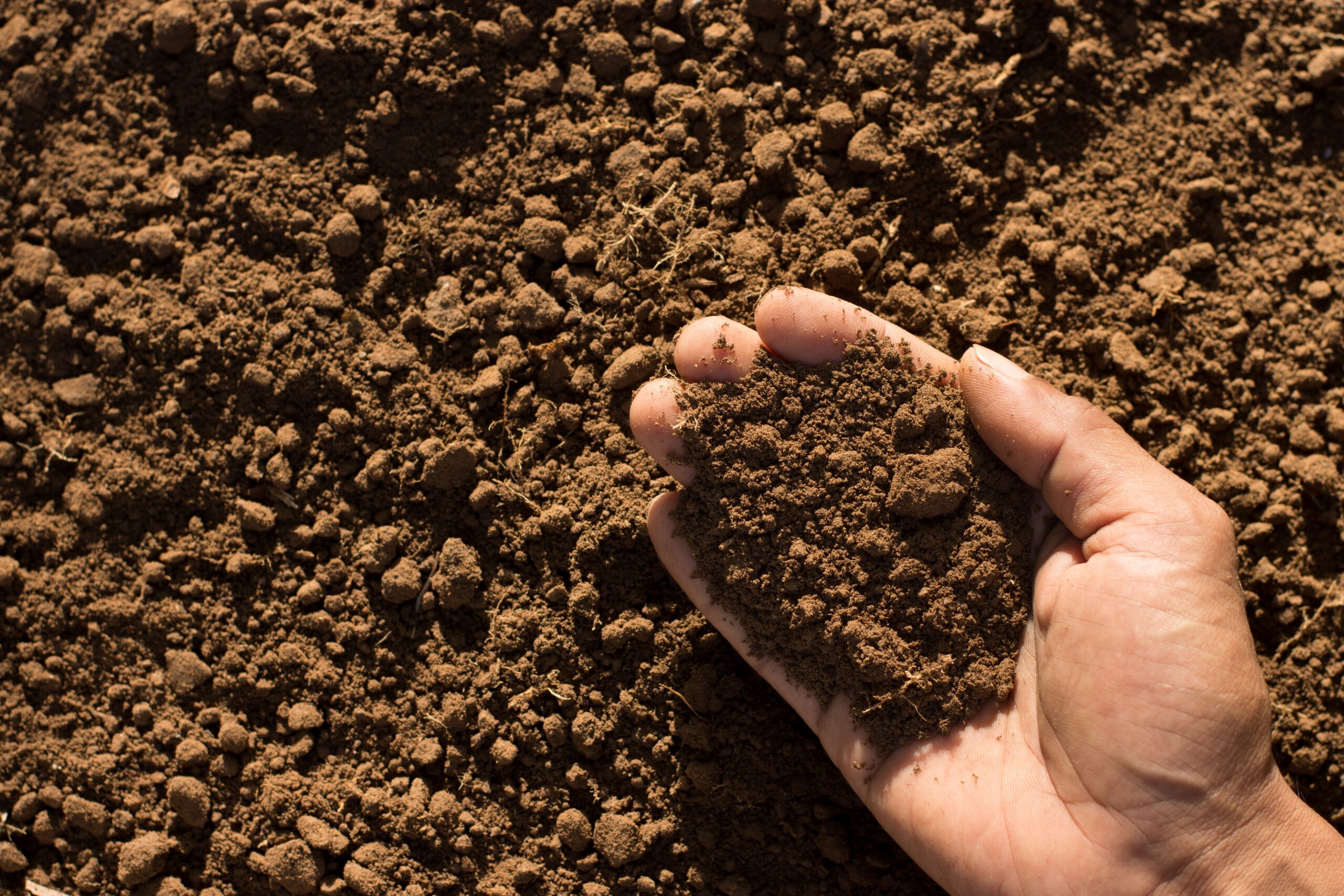
Soil holds layered scent histories. When disturbed, it releases trapped chemical information. Dogs investigate to determine whether digging, burrowing, or movement occurred.
Environmental scent-diffusion studies show that soil disruption drastically alters odor profiles. Dogs notice instantly.
10. Bushes
Corners concentrate marking behavior because animals pass through repeatedly. Dogs expect dense scent layering here. It’s strategic sniffing, not a habit.
Territorial mapping research confirms dogs prioritize junction points. Corners equal high data density.
11. Food Wrappers
Packaging amplifies scent molecules and preserves food residue. Dogs sniff wrappers to analyze what was eaten, by whom, and how recently. It’s nutritional intelligence.
Olfactory amplification explains why dogs fixate on wrappers long after food is gone. The smell lingers.
12. Wind

Dogs sniff into the wind to maximize scent intake. Airflow carries distant chemical signals, expanding their sensory range far beyond sight. Wind equals information delivery.
Canine scent plume studies show dogs actively reposition to intercept airborne data. They’re sampling the invisible.
13. Other Animals’ Poop
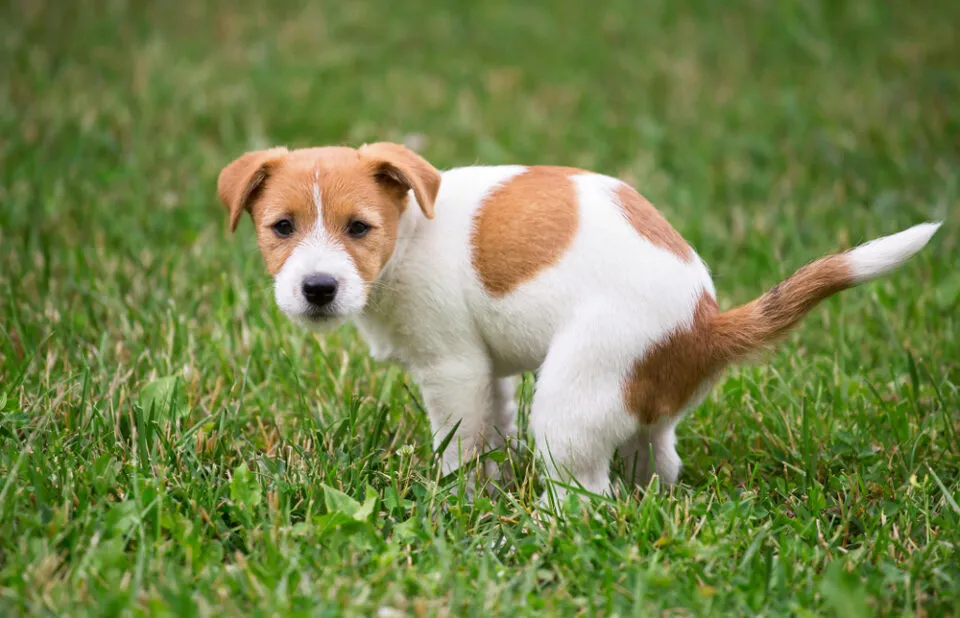
Feces reveal species, health, diet, territory, and population density. Dogs decode this instantly. It’s wildlife surveillance.
Zoological studies confirm feces analysis is common across mammals. Dogs are monitoring their environment.
14. Your Shoes

Your shoes collect scent from every environment you enter. Dogs sniff them to understand where you’ve been and what you encountered. It’s reassurance and reconnaissance.
Attachment research shows dogs track their owner’s scent changes daily. Shoes are movement maps.
15. You
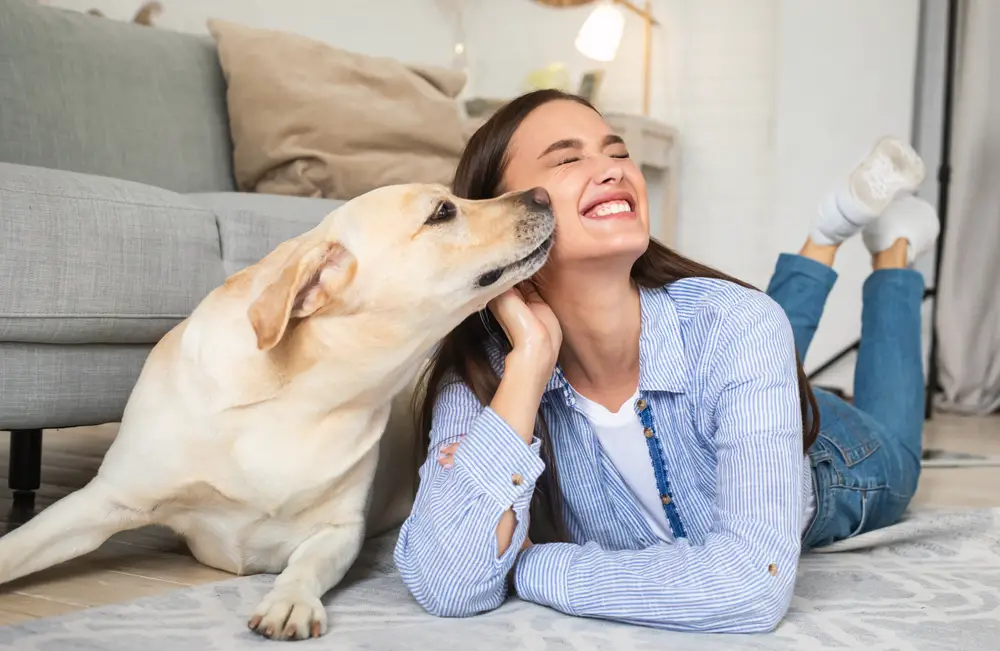
Dogs sniff you to recalibrate their understanding of your physical and emotional state. Stress, illness, and mood alter scent chemistry. You are their baseline.
A 2025 study from the Canine Cognition Center at Duke University found that dogs detect subtle changes in human stress hormones through scent alone. Sniffing you is data confirmation, not affection alone.