
Locking eyes with a wild animal feels electric because, biologically, it is. In the wild, eye contact is not neutral—it is data. Predators, prey, and social animals all interpret a direct gaze as information about threat level, confidence, dominance, or intent. What happens in those seconds isn’t emotion in the human sense, but rapid neurological assessment shaped by millions of years of survival pressure. Here’s what a wild animal is actually processing when your eyes meet.
1. “Are You A Predator?”
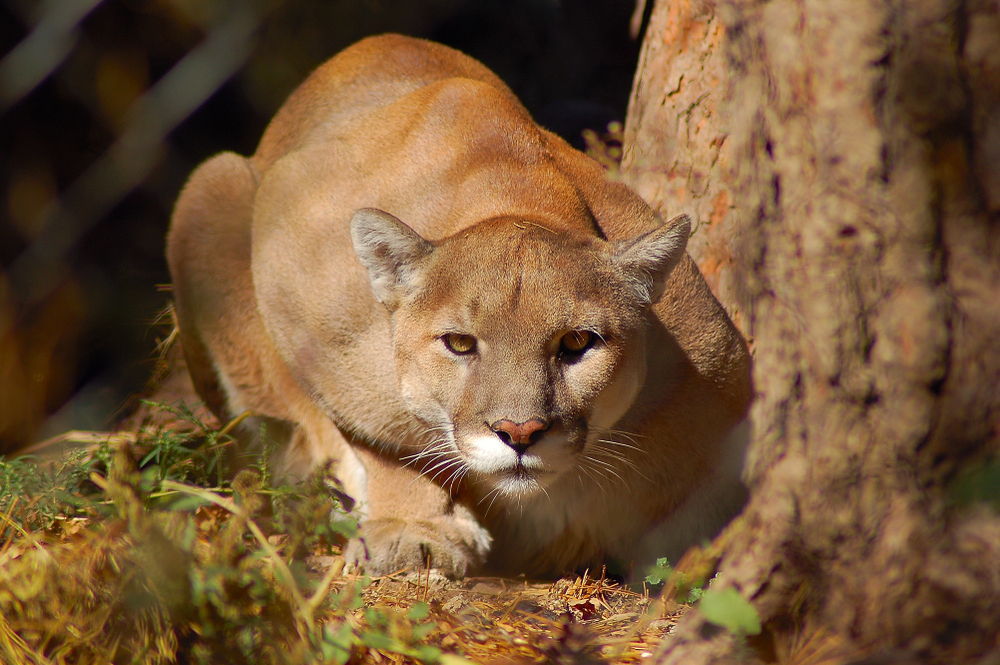
Direct eye contact immediately triggers threat assessment. Many animals evolved to interpret a forward-facing gaze as predatory because predators tend to have binocular vision. When you lock eyes, the animal’s brain prioritizes escape or defense pathways. This isn’t fear—it’s calculation.
Research from the Max Planck Institute for Evolutionary Anthropology shows that prey species react faster to eye-like shapes than to body movement alone. Your gaze activates ancient neural circuits designed to answer one question quickly: hunt or be hunted. The response happens before conscious thought.
2. “Can You See Me Clearly?”
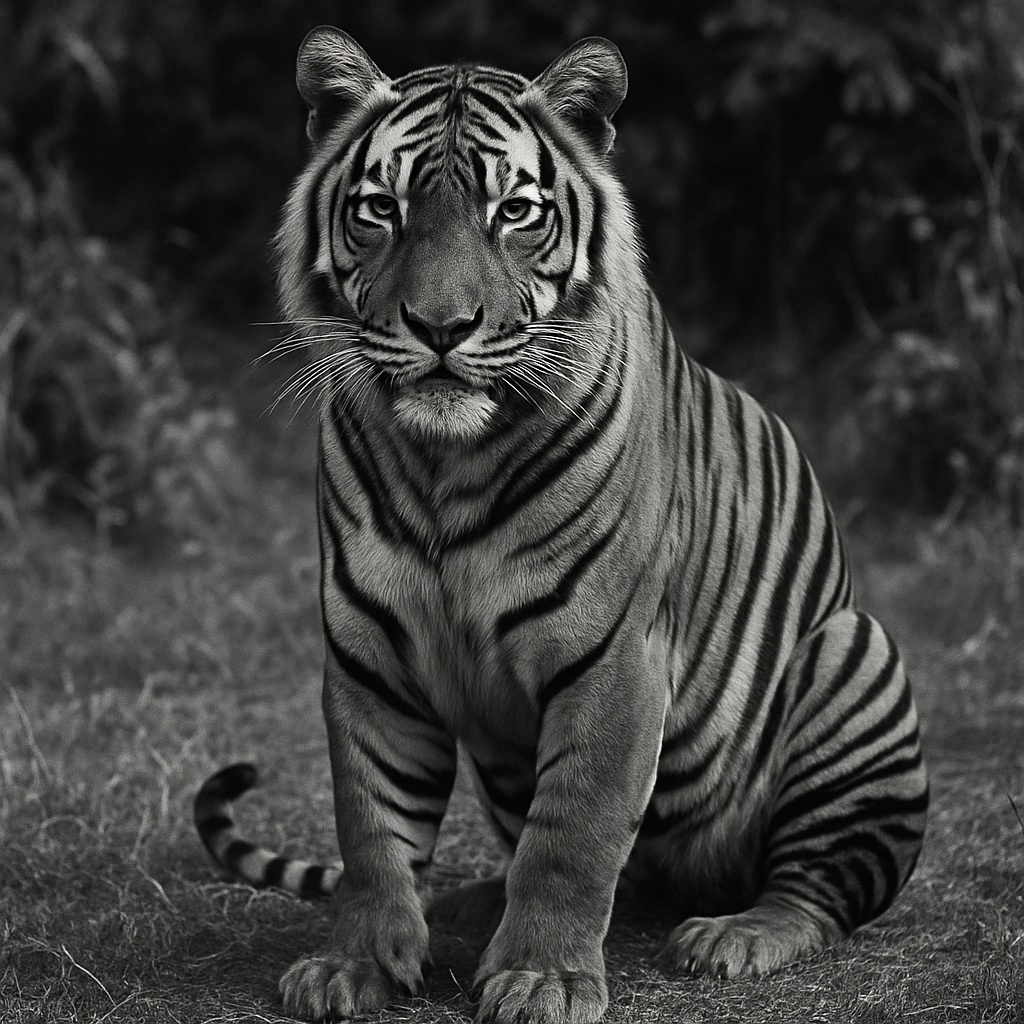
Animals are highly attuned to visual acuity. If you’re staring intently, the animal assumes you’ve already detected it fully. This eliminates camouflage as an option and forces a secondary strategy—freeze, flee, or bluff. Stillness often follows.
Ethologists note that many species remain motionless once visual detection is confirmed. According to a 2024 study in Animal Cognition, animals shift from concealment tactics to distance-management once eye contact occurs. Seeing replaces guessing.
3. “Are You Threatening Me?”
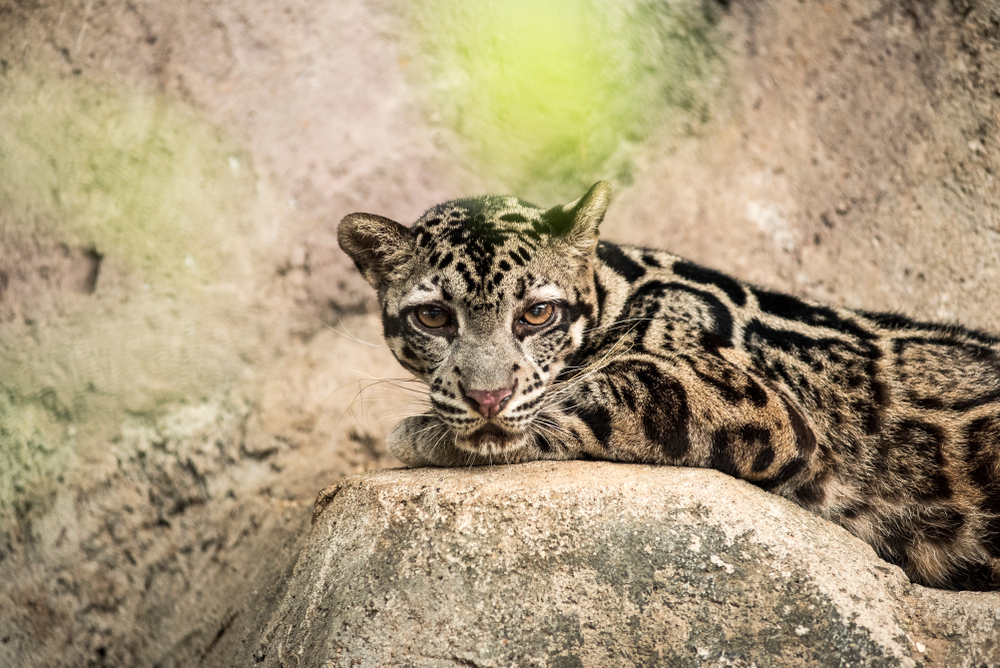
Animals read posture and gaze duration together. A steady, relaxed stare signals confidence, while darting eyes suggest uncertainty. This affects whether an animal holds ground or withdraws. Confidence doesn’t always provoke aggression—it can discourage it.
Wildlife biologist Dr. Temple Grandin notes that animals respond more strongly to calm, direct signals than erratic behavior. A composed gaze may register as dominance without threat escalation. The animal decides whether to engage given the risk.
4. “Will You Move Toward Me?”
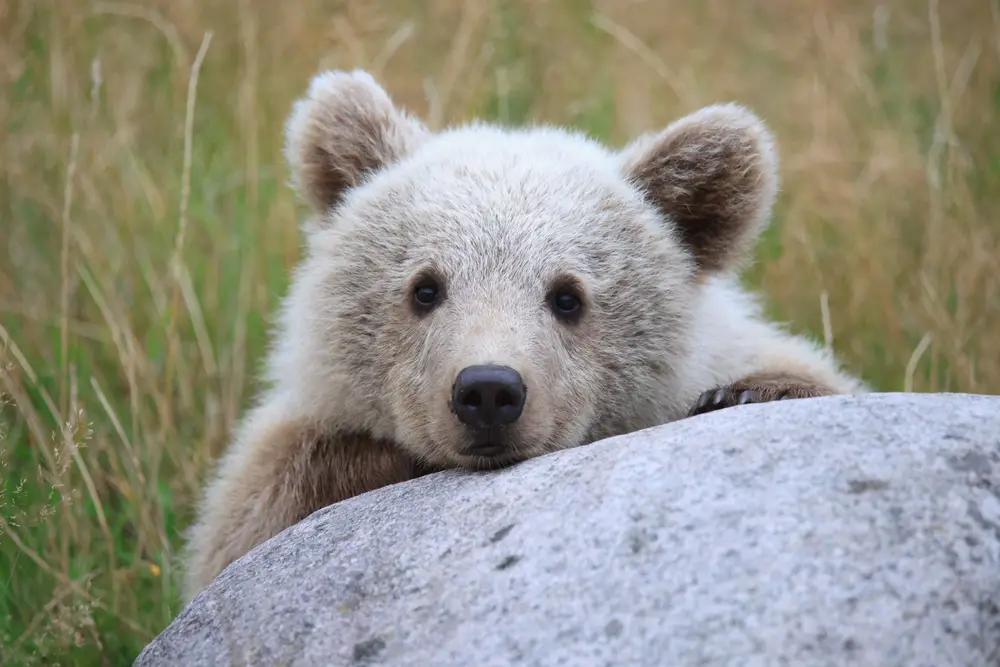
Eye contact is predictive. Animals track whether your gaze aligns with body orientation and foot placement. If your eyes and body are aligned, approach is assumed. That changes everything.
Studies on ungulate behavior show that animals flee sooner when gaze direction matches movement trajectory. According to Behavioral Ecology, animals treat eye contact as a rehearsal for motion. Still eyes plus still body equals pause. Moving eyes plus moving body equals danger.
5. “Are You Alone?”
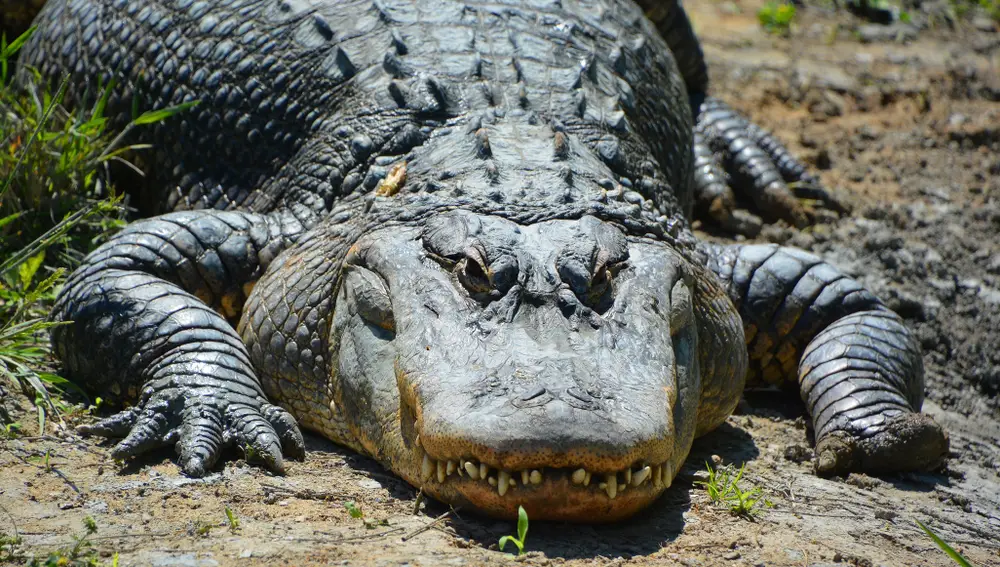
Animals don’t assess you as an individual—they scan for group context. Eye contact buys time while peripheral vision checks for others. Lone humans are categorized differently than groups. The response varies accordingly.
Predators often disengage from groups due to injury risk. According to research from Yellowstone Wolf Project, wolves retreat faster from clustered humans than isolated individuals. The eyes initiate the scan.
6. “Should I Freeze?”
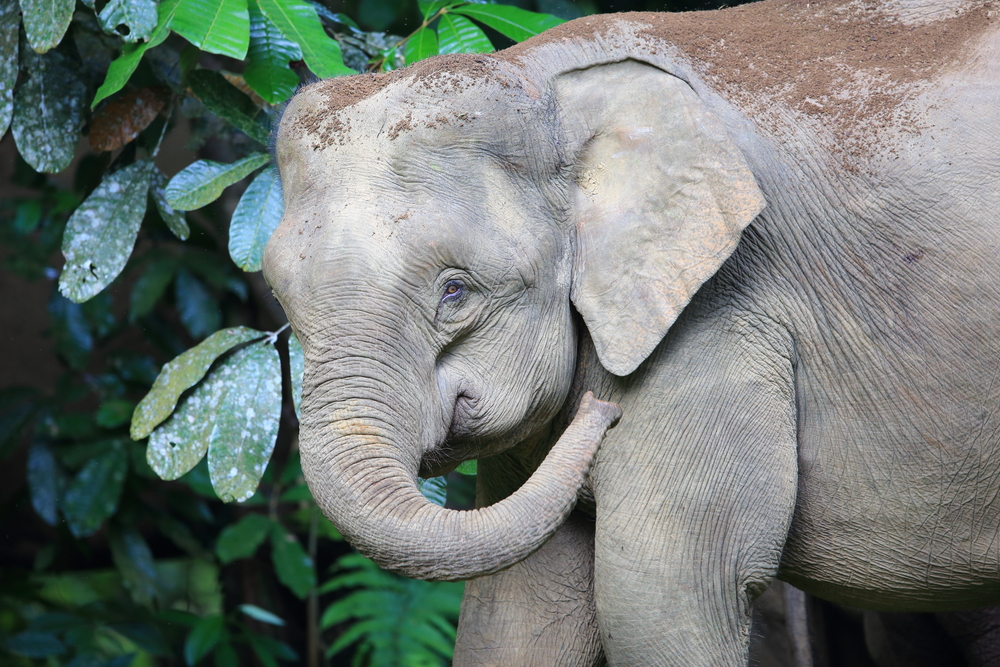
Freezing is one of the most common responses to eye contact. Motionlessness reduces detection and buys time. Many animals will lock eyes and remain still to avoid triggering chase instincts. It’s a defensive pause.
Neuroscience research shows freezing activates parasympathetic pathways, conserving energy. It’s not indecision—it’s strategy. The animal is waiting for more information.
7. “Should I Threaten You?”
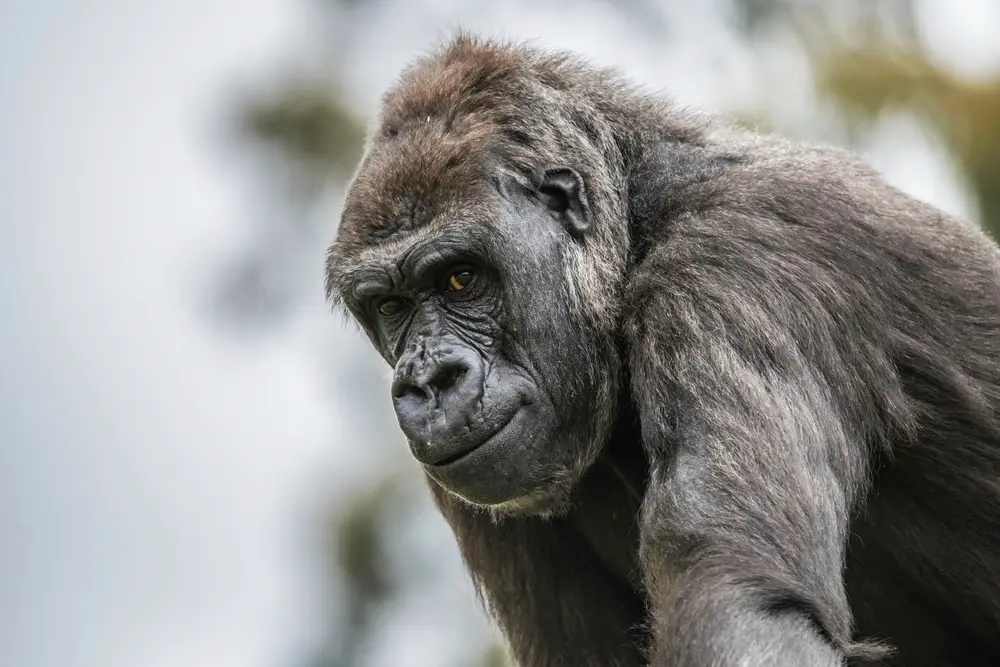
Some animals respond to eye contact with threat displays—raised fur, vocalizations, or false charges. This is a bluff designed to make you back away without physical confrontation. It’s costly but safer than attack.
According to carnivore behavior studies, bluffing reduces injury risk. A 2023 report in Frontiers in Ecology confirms that many animals escalate visually before physically. Eye contact triggers the bluff phase.
8. “Do You Think I’m Dangerous?”
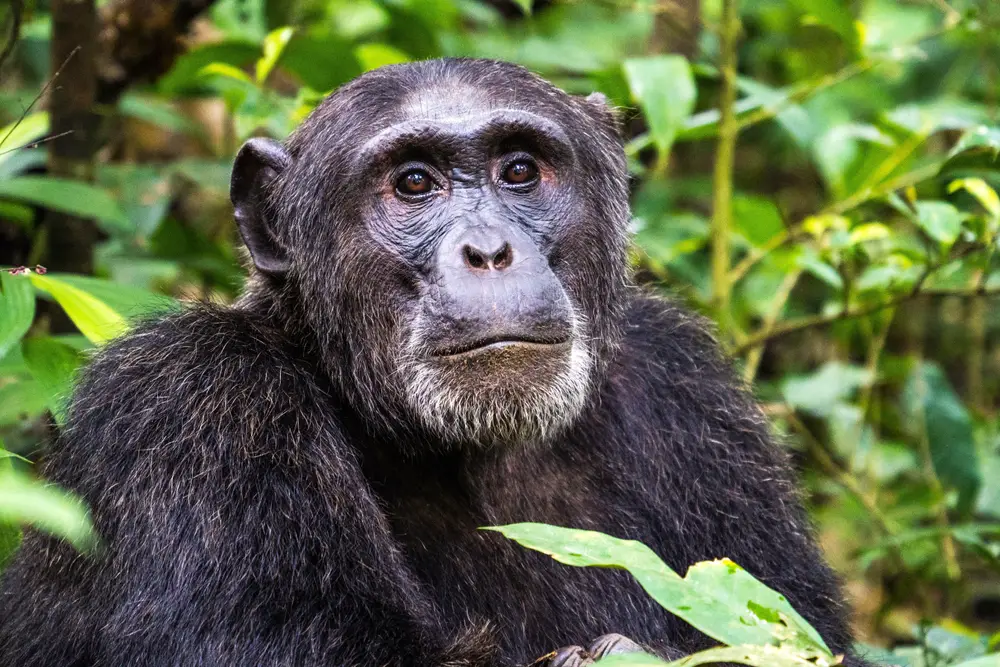
Animals assess whether you recognize their threat potential. Hesitation signals ignorance; steady awareness signals caution. Animals prefer predictable opponents. Uncertainty is risk.
This is why experienced hikers who remain calm are often ignored. Animals read recognition as respect for boundaries. Mutual awareness stabilizes outcomes.
9. “Are You Worth My Energy?”
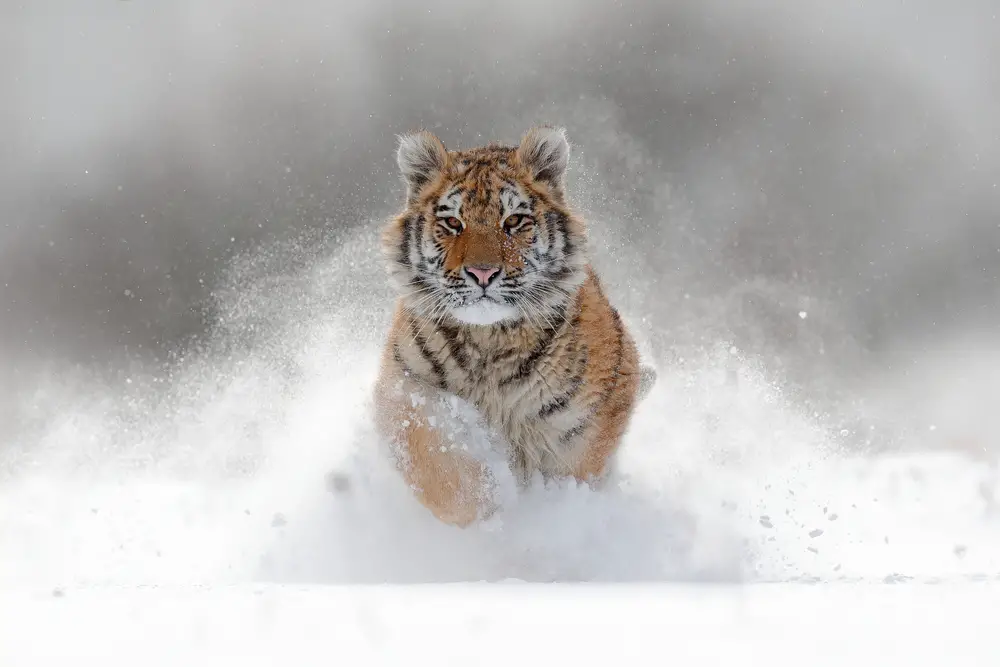
Every response costs calories. Animals calculate whether engagement is energetically justified. Eye contact helps determine size, strength, and resolve. Most animals avoid unnecessary expenditure.
Ecological studies show animals choose avoidance over conflict whenever possible. Energy efficiency governs behavior. The eyes help decide if withdrawal is cheapest.
10. “How Do I Escape?”
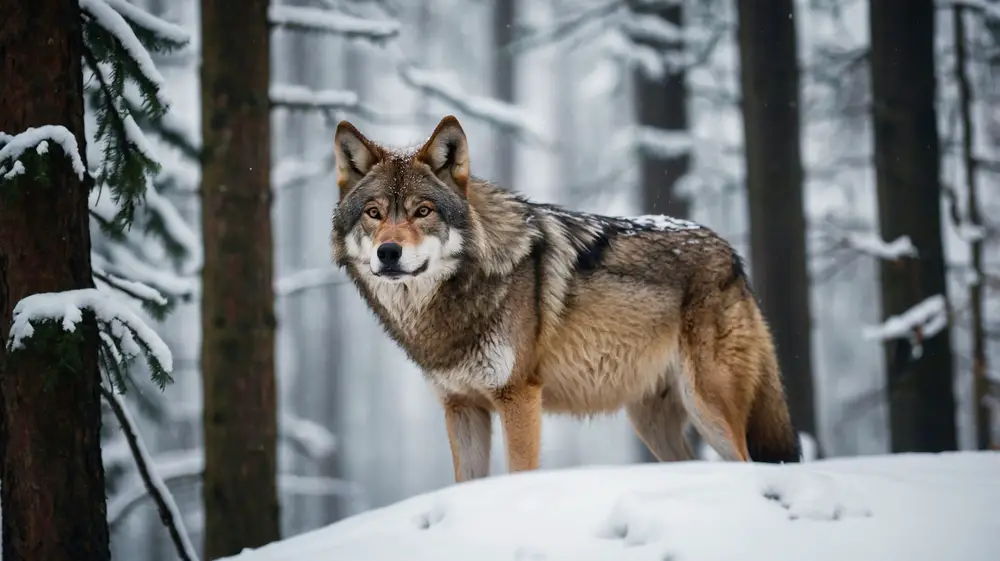
While holding your gaze, animals map exits. Terrain, distance, and obstacles are processed simultaneously. Eye contact delays action just long enough to plan movement. Escape beats confrontation.
This spatial processing is rapid and automatic. According to wildlife neurologists, animals can map exits in under two seconds. The pause isn’t curiosity—it’s plotting.
11. “Should I Attack?”
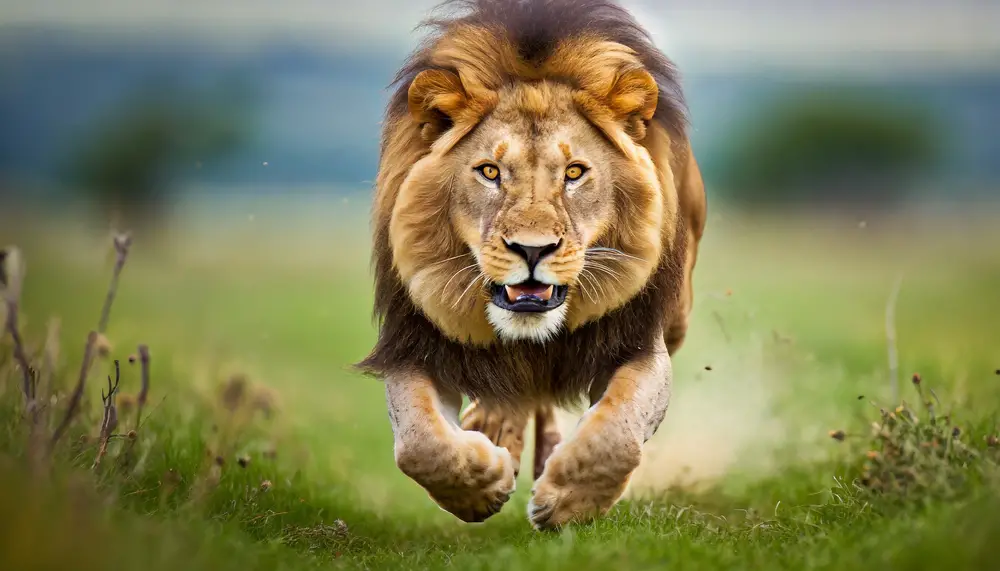
The longer eye contact continues, the more urgency increases. Animals prefer resolution. Eventually, a decision is made: retreat, display, or act. Indecision is rare.
Eye contact accelerates timelines. It compresses assessment into action. That moment is not emotional—it’s evolutionary mathematics.