Penguins have survived ice ages, mass extinctions, and millions of years of planetary change — but the modern world is pushing them to a breaking point. Climate instability, human disruption, and ecological collapse are converging faster than evolution can adapt. Scientists now warn that several penguin species face functional extinction within decades. These are the forces driving one of the most devastating wildlife losses of our lifetime.
1. Ice Is Disappearing Faster Than They Can Adapt
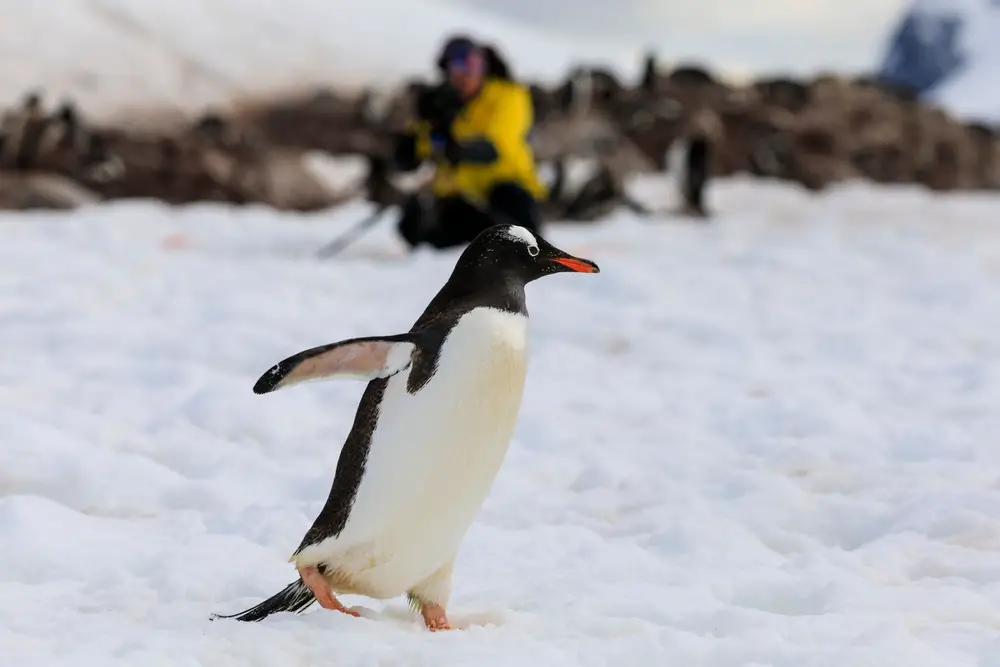
Penguins rely on stable sea ice for breeding and feeding. Rapid ice loss collapses these ecosystems before chicks mature. Without ice, colonies fail. Adaptation cannot keep pace with warming.
NASA climate data confirms Antarctic ice loss has accelerated sharply since 2016. NOAA researchers warn that emperor penguins are especially vulnerable. Ice loss equals reproductive failure. Survival windows are closing.
2. Chicks Are Dying Before They Can Fledge
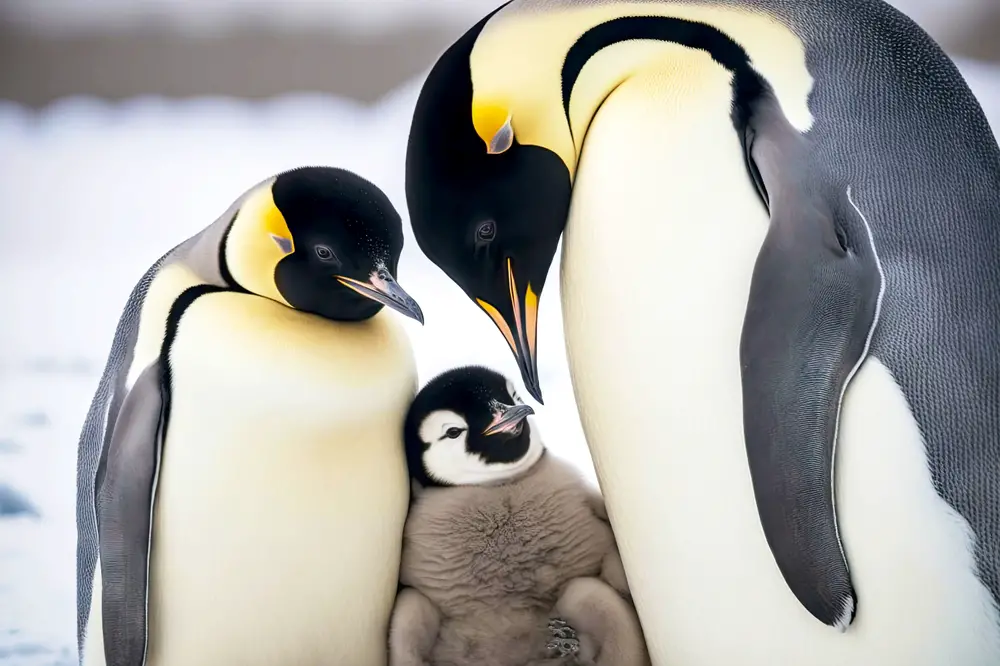
Unseasonal rain and heat kill chicks that evolved for cold, dry conditions. Down feathers provide no waterproofing. Entire breeding seasons are now failing. One bad year can wipe out a colony.
British Antarctic Survey field reports document mass chick mortality events. The IUCN lists climate-driven breeding failure as a critical threat. Chicks have no margin for error. Loss compounds rapidly.
3. Krill Populations Are Collapsing
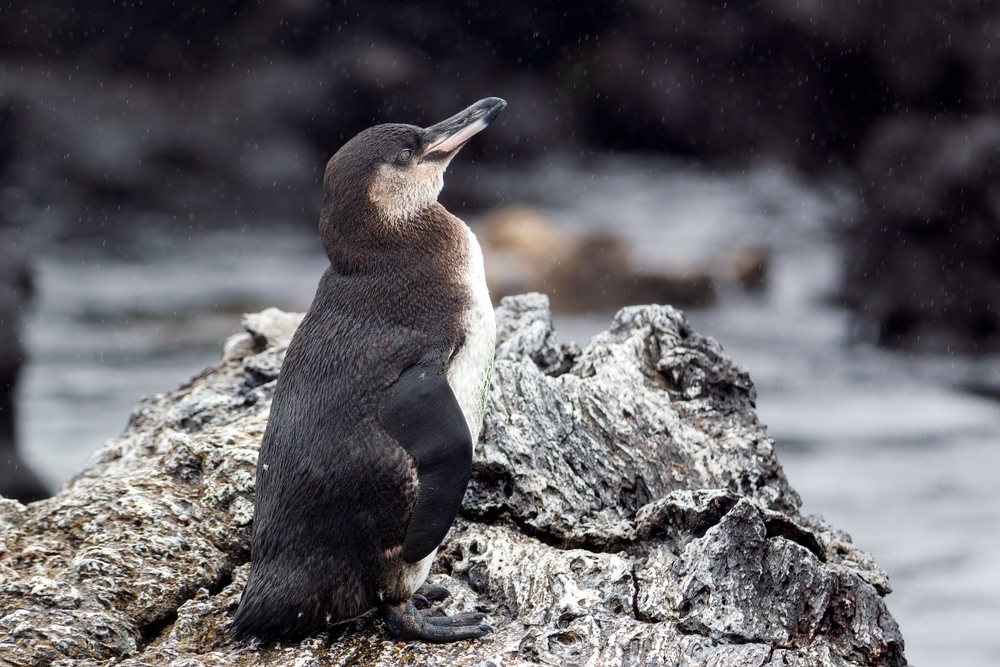
Krill are the foundation of the Antarctic food web. Warming oceans and commercial harvesting are reducing availability. Penguins must travel farther to eat. Energy deficits increase mortality.
The CCAMLR and WWF report steep krill declines in the Southern Ocean. Marine biologists warn food scarcity impacts breeding success. Hunger reshapes ecosystems. Penguins are downstream victims.
4. Overfishing Is Stealing Their Food
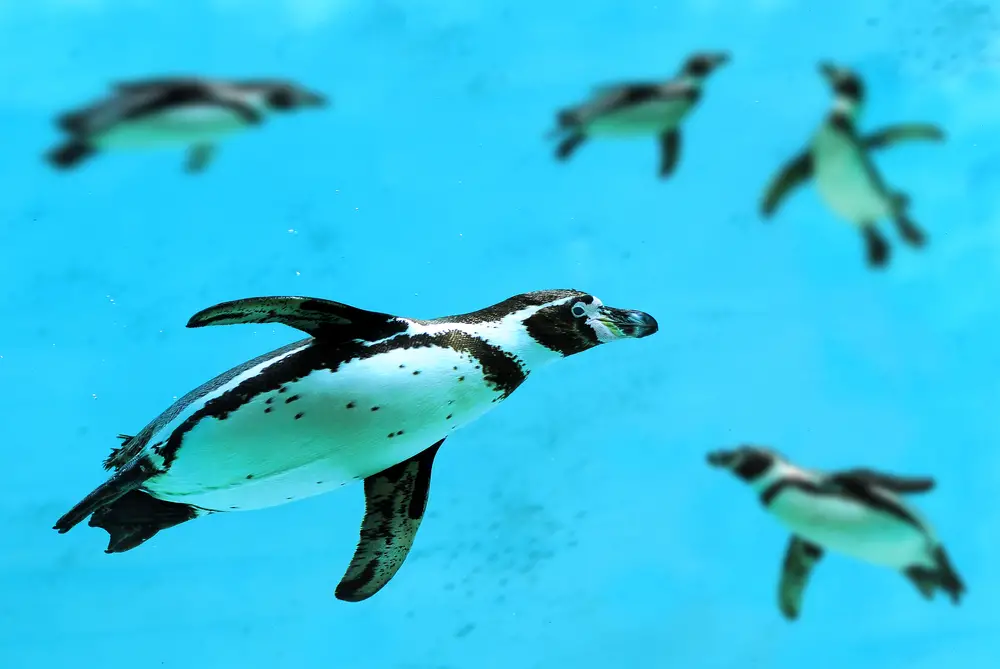
Industrial fishing competes directly with penguins. Overfishing reduces prey density near colonies. Penguins burn more energy to feed. Starvation risk rises.
FAO fisheries data confirms increased pressure in penguin habitats. Conservation biologists from BirdLife International warn of ecological imbalance. Competition isn’t equal. Penguins lose.
5. Oil Spills Are Killing Them
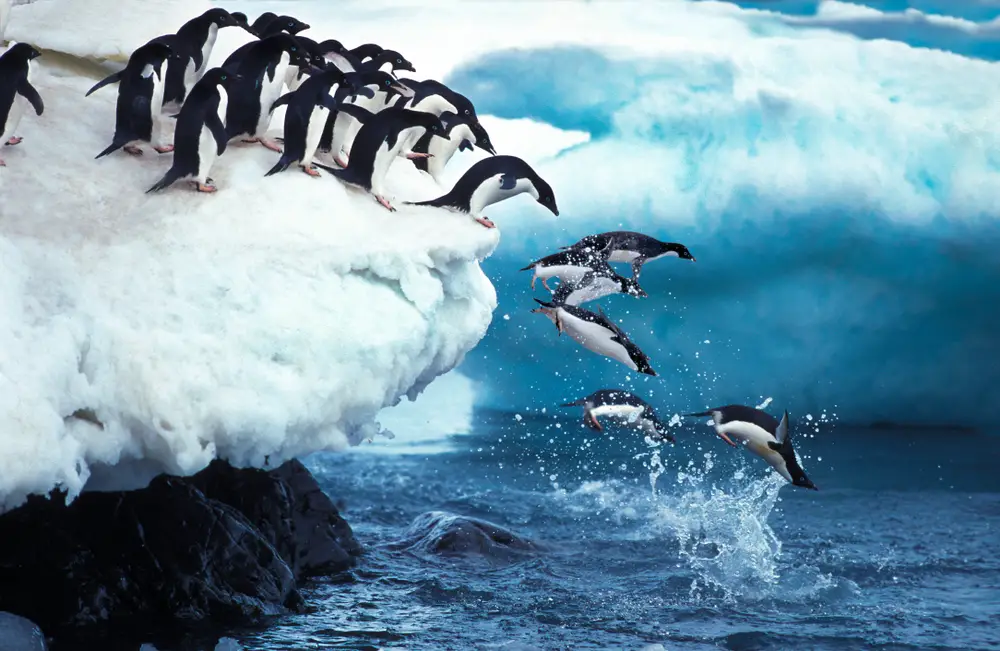
Penguin feathers lose insulation when coated in oil. Hypothermia and poisoning follow quickly. Cleanup is rarely fast enough. Entire populations can be affected at once.
Environmental disaster studies from the University of Cape Town document long-term colony collapse after spills. The International Bird Rescue confirms penguins are among the most vulnerable seabirds. One spill can undo decades. Recovery is slow.
6. Plastic Pollution Is Poisoning Their Food
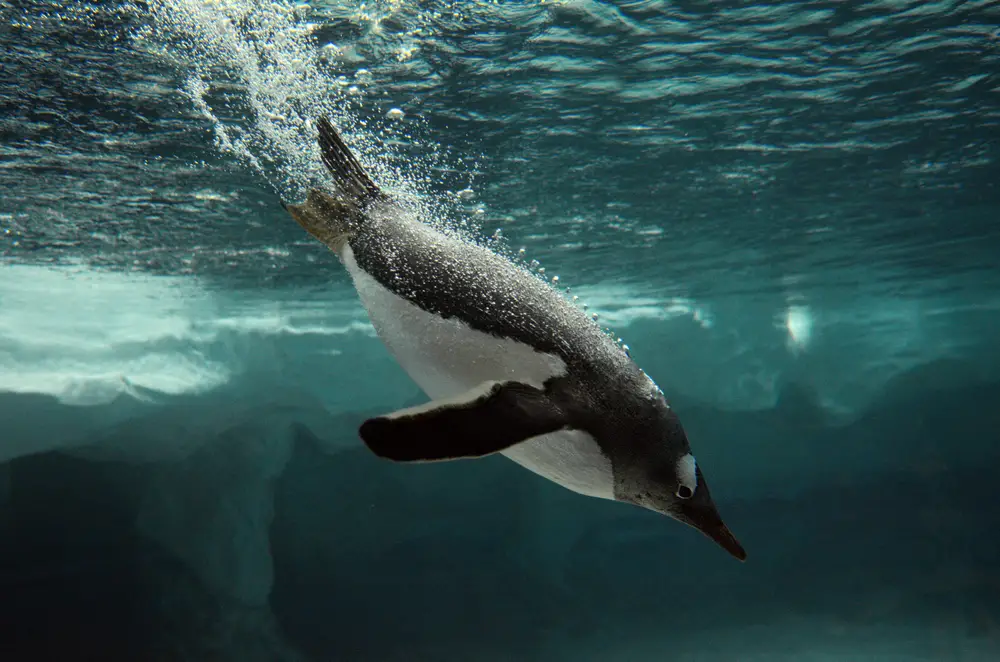
Microplastics contaminate fish and krill. Penguins ingest toxins indirectly. Health effects accumulate silently. Reproductive health suffers.
Marine toxicology research from the University of Tasmania shows microplastics disrupt hormonal systems. The UN Environment Programme confirms polar contamination. Pollution travels everywhere. Penguins can’t escape it.
7. Warming Oceans Disrupt Navigation
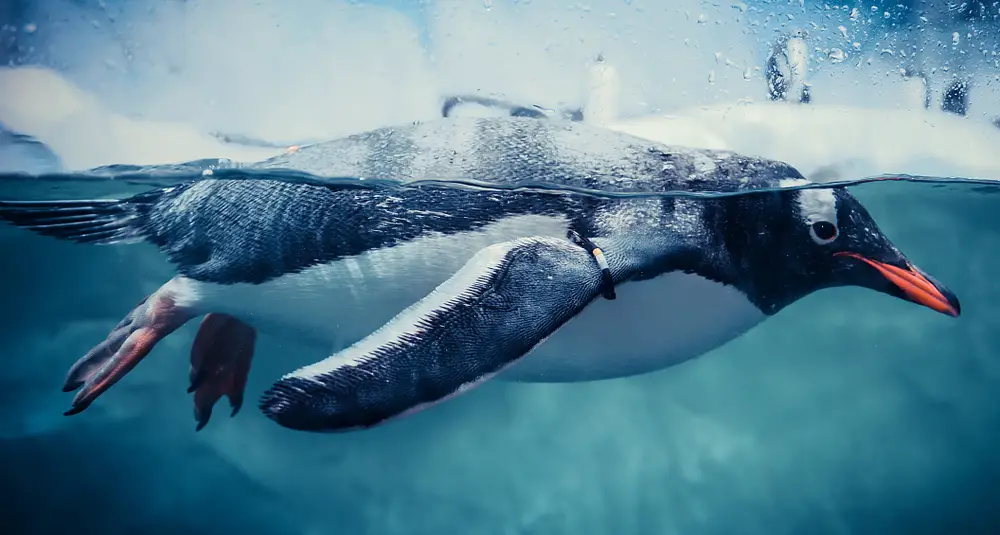
Penguins rely on temperature and current cues. Climate disruption alters migration patterns. Foraging routes become unreliable. Energy costs increase.
Oceanographic studies from the Woods Hole Oceanographic Institution confirm current instability. Marine ecologists warn navigational disruption affects survival. The ocean map is changing. Penguins are lost.
8. Disease Is Spreading To Cold Regions
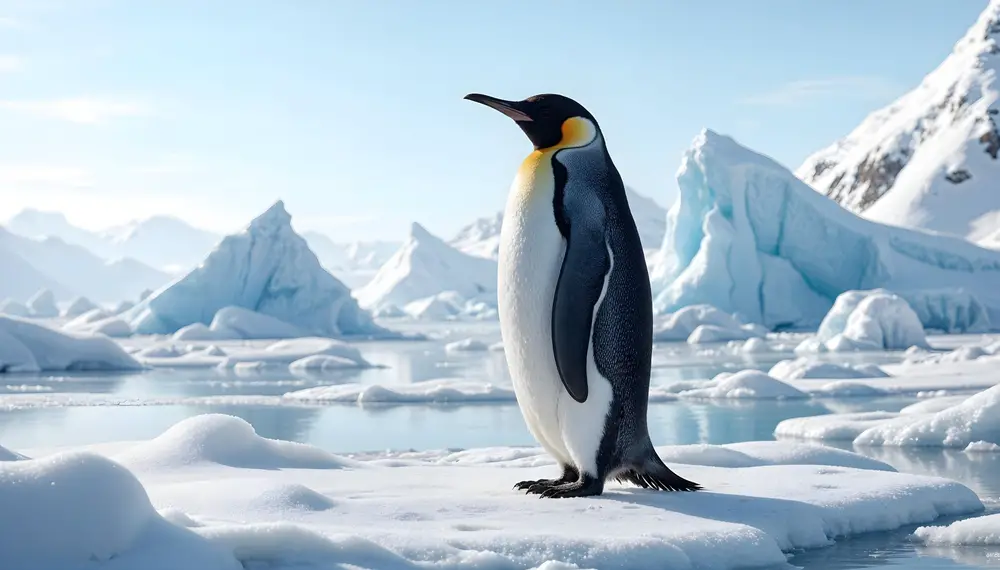
Warming allows pathogens to survive previously lethal environments. Penguins have little immunity. Outbreaks spread quickly in dense colonies. Mortality spikes.
Epidemiological studies from the University of Otago document rising avian disease in Antarctica. The World Organisation for Animal Health flags increased risk. Cold no longer protects. Disease advances.
9. Tourism Disturbs Their Breeding Cycle
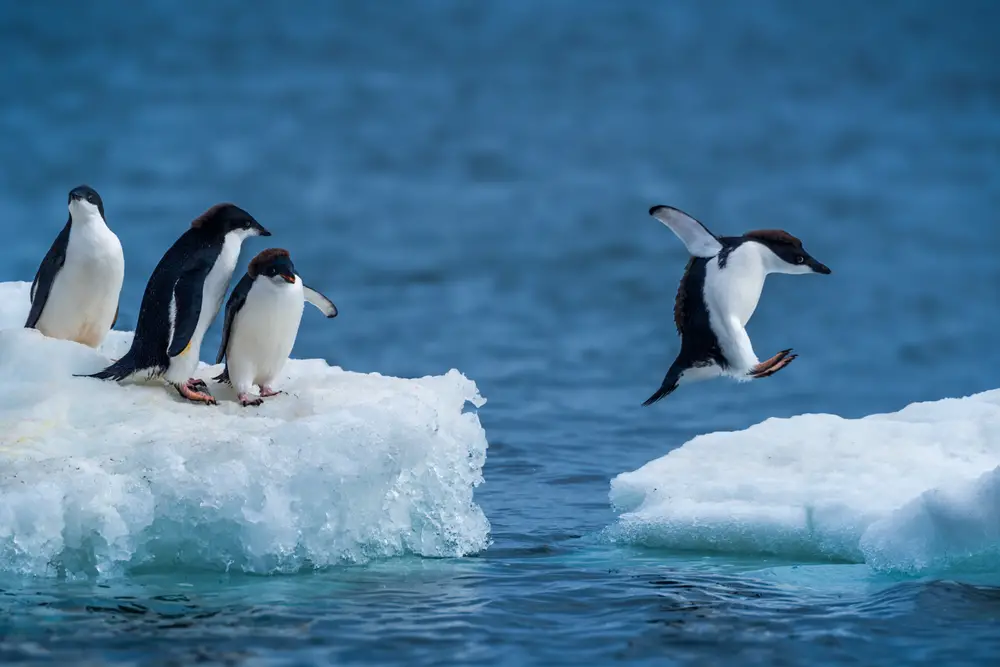
Increased tourism disturbs breeding and feeding. Noise and proximity elevate stress hormones. Chronic stress reduces reproduction. Disturbance accumulates.
Research from the Antarctic Treaty System shows human presence impacts colony behavior. Wildlife psychologists note stress affects chick survival. Even well-meaning visits matter. Stress is cumulative.
10. Rising Sea Levels Flood Nesting Sites
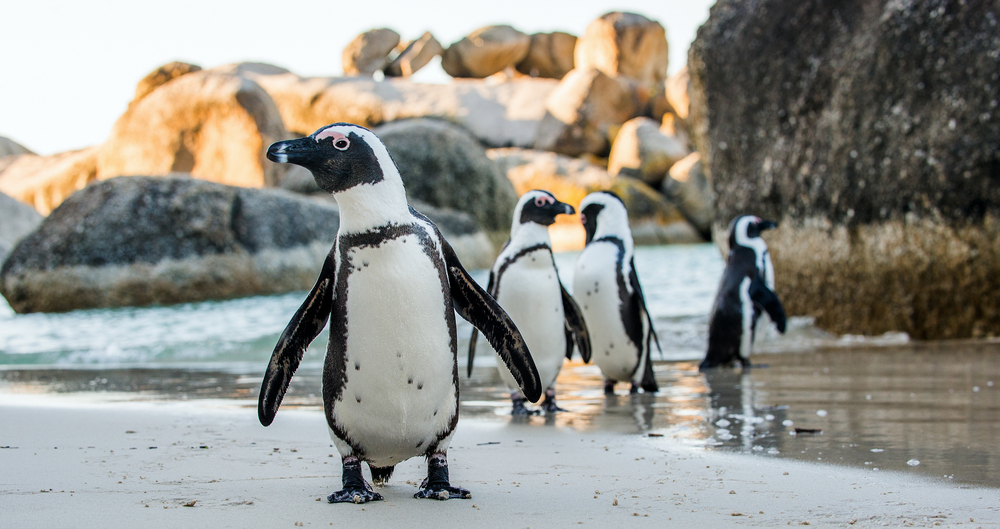
Low-lying colonies are increasingly submerged. Eggs drown before hatching. Nesting success plummets. Suitable land disappears.
Satellite mapping from the European Space Agency confirms rising flood frequency. Coastal ecology studies warn nesting loss is accelerating. Ground is vanishing. Penguins have nowhere to go.
11. Genetic Diversity Is Shrinking
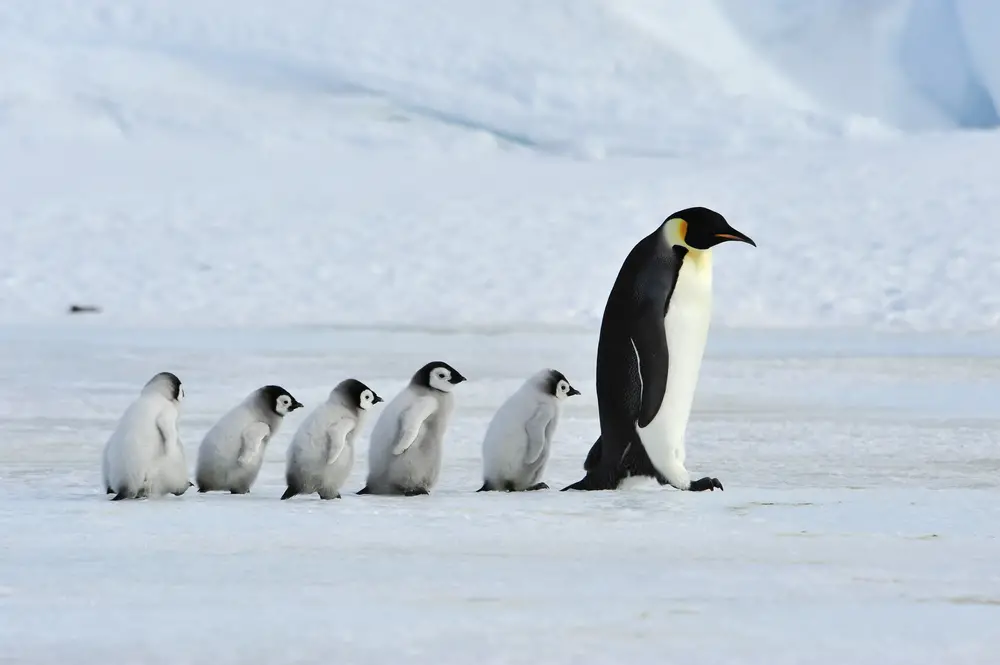
Population declines reduce genetic resilience. Inbreeding increases vulnerability. Adaptation becomes harder. Extinction risk rises exponentially.
Conservation genetics research from the University of Oxford shows reduced diversity in several species. The IUCN flags genetic bottlenecks. Less diversity means less survival. Time is short.
12. Extreme Weather Events Are Increasing
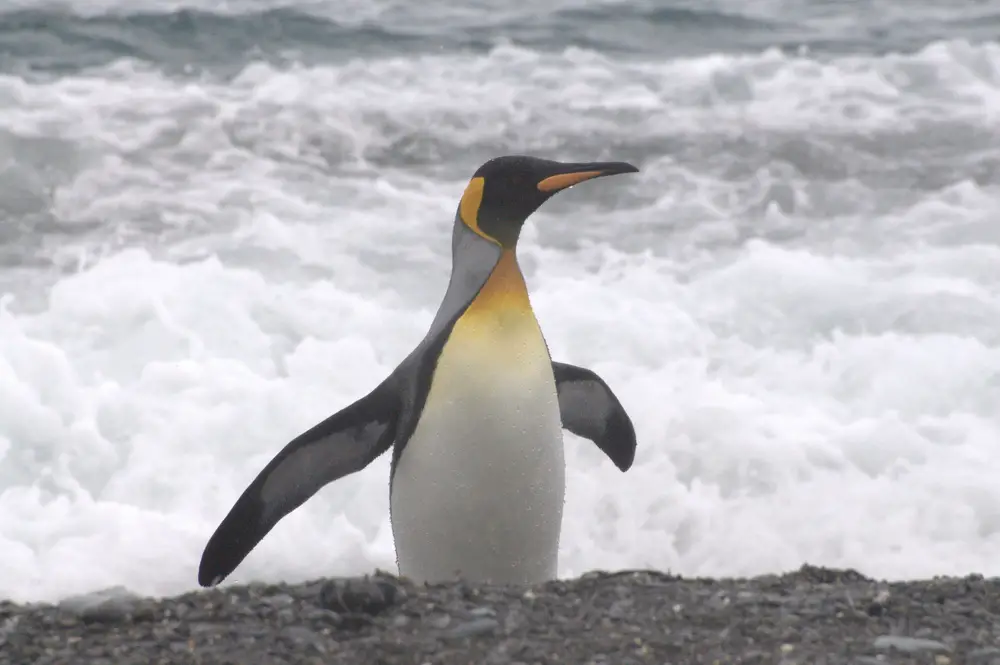
Heat waves and storms now hit with little warning. Penguins can’t shelter easily. Sudden losses are common. Climate volatility kills unpredictably.
Meteorological data from the IPCC confirms increased Antarctic weather extremes. Wildlife climatologists warn that volatility is deadlier than gradual change. Extremes overwhelm adaptation. Stability is gone.
13. Conservation Isn’t Moving Fast Enough
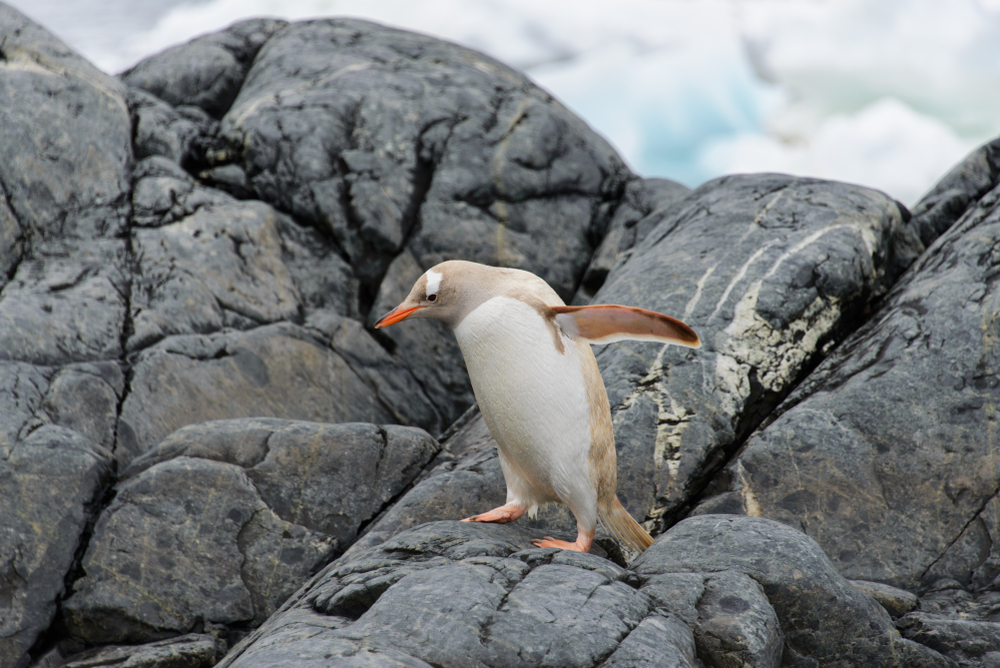
Policy lags behind science. Protections are partial and delayed. Industrial interests dominate. Penguins lose time they don’t have.
Global conservation reviews from Nature Climate Change highlight response gaps. NGOs warn urgency isn’t matched by action. Delay is deadly. Time is the enemy.
14. Animal Extinction Is Speeding Up
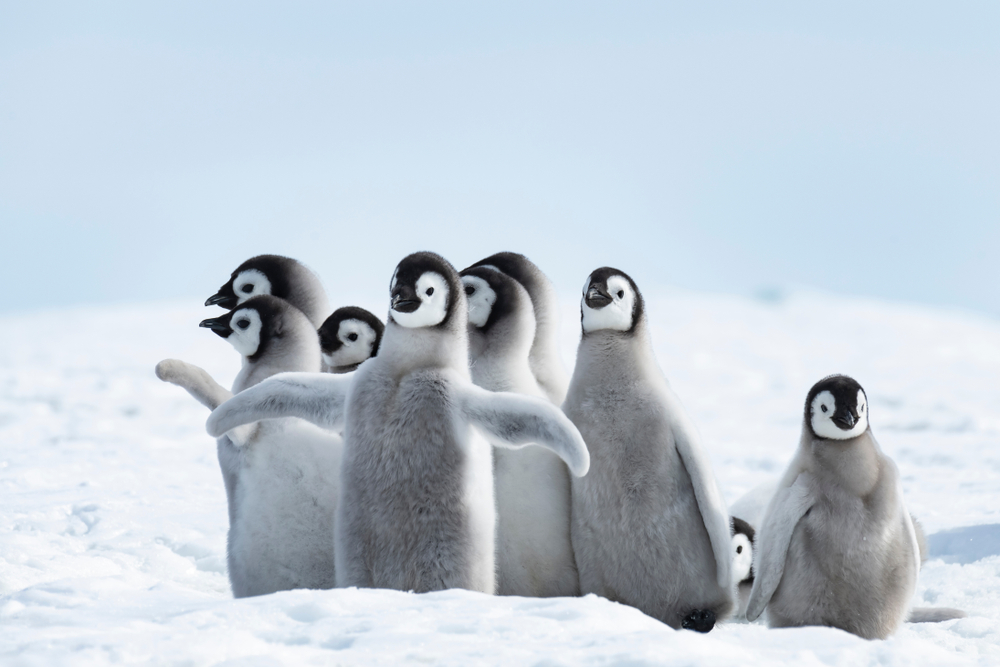
Penguins are indicators, not isolated victims. Their loss signals systemic collapse. Ecosystems unravel in chains. Penguins may be the first, not the last.
Ecological network studies from Stanford University show cascading effects. The IPBES warns of accelerating biodiversity loss. Penguins are warnings. We are listening too late.