
The strongest bonds between humans and animals are often built in quiet, repeatable moments. Pets don’t attach through spectacle — they attach through consistency, safety, and emotional attunement. Science now confirms what pet owners have long felt: everyday interactions shape attachment far more than treats or toys. These are the moments that don’t look dramatic, but deepen trust in ways that last a lifetime.
1. Respecting Their Need For Space
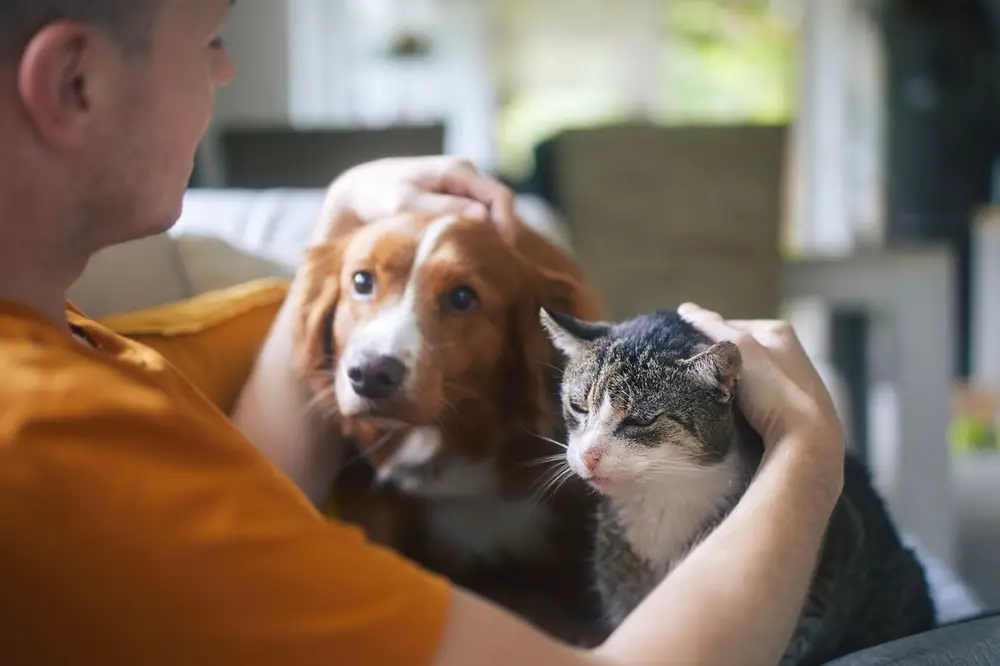
Letting your pet walk away without following or forcing interaction teaches them autonomy and safety. Animals form stronger bonds when they know affection isn’t conditional on compliance. This moment quietly communicates respect, which animals interpret as trustworthiness. Over time, this makes closeness feel like a choice rather than an obligation.
Veterinary behaviorists at the American Veterinary Society of Animal Behavior note that animals allowed to disengage show lower stress markers. Research from the University of Lincoln found that pets approach their owners more frequently when space is honored. This autonomy-based trust mirrors secure attachment in human relationships. Safety, not control, is the foundation of bonding.
2. Responding Calmly To Accidents

How you react when your pet makes a mistake matters more than the mistake itself. Calm responses signal predictability and emotional safety. Animals quickly learn whether you are a source of threat or stability. This moment teaches them whether honesty is safe in your presence.
Studies cited by the Journal of Veterinary Behavior show animals exposed to punishment display increased anxiety and avoidance. Cornell University research confirms calm correction improves learning retention. Pets don’t understand shame — they understand tone and outcome. Your reaction becomes part of their emotional memory.
3. Sitting On The Floor With Them

Lowering yourself physically puts you on their level, both literally and symbolically. It removes dominance cues and communicates openness. Many animals interpret this as an invitation rather than a command. This posture shifts the interaction from authority to companionship.
Ethology research from the Max Planck Institute shows animals initiate more contact during level-based interactions. The ASPCA notes that floor-level engagement reduces fear responses in rescue animals. Proximity without pressure builds relational confidence. It’s one of the fastest ways to be perceived as safe.
4. Learning Their Signals

Every pet has subtle cues that indicate stress, joy, or overstimulation. When you respond correctly to these signals, they feel understood. This reduces the need for escalation, such as barking, scratching, or withdrawal. Being “read” correctly strengthens emotional security.
The University of Bristol’s animal cognition studies show that pets whose signals are consistently respected show fewer behavioral issues. The AKC Canine Health Foundation links misread cues to breakdowns in trust. Animals bond with those who listen to them in their own language. Understanding becomes attachment.
5. Keeping Their Routine
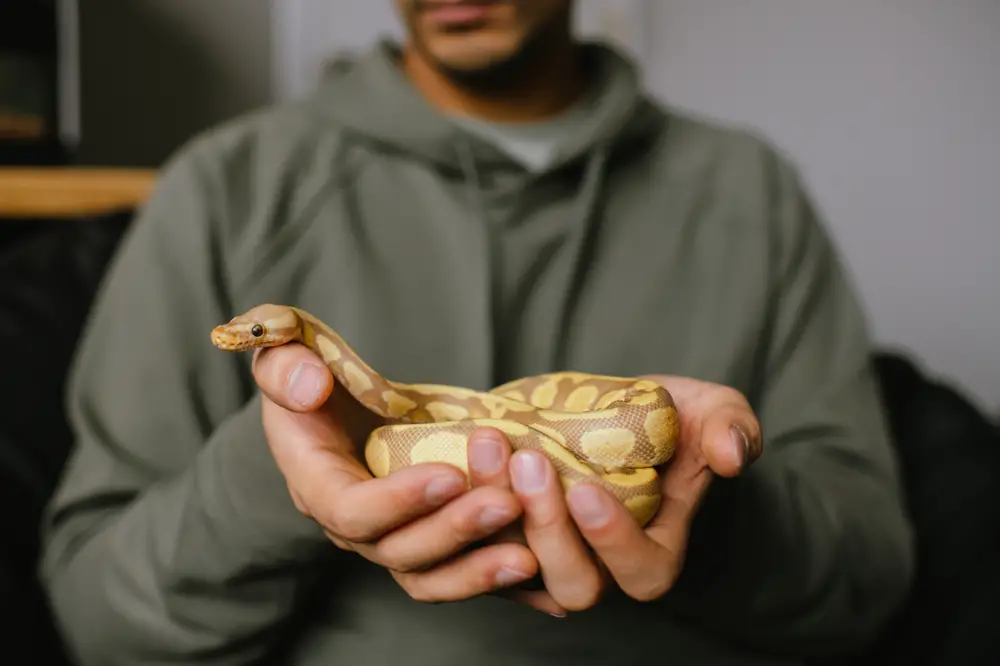
Consistency tells animals the world is stable and survivable. Feeding, walking, and resting at reliable times lowers baseline anxiety. This allows pets to relax rather than remain hypervigilant. Predictability becomes emotional regulation.
Research from Tufts University’s Cummings School of Veterinary Medicine shows routine-based environments reduce cortisol levels. The RSPCA notes routine disruptions increase behavioral regression. Stability strengthens bonds by building nervous-system trust. Your reliability becomes their anchor.
6. Protecting Them From Overstimulation
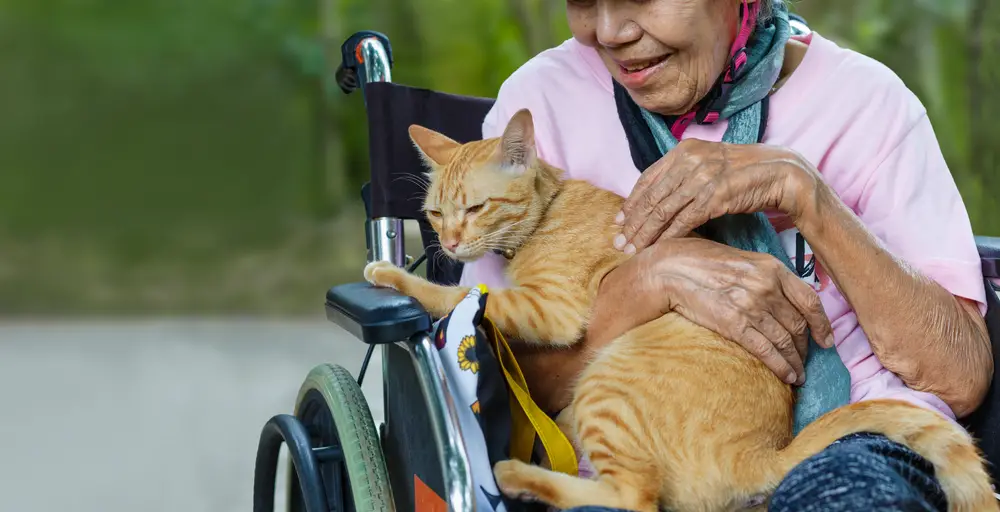
Stepping in when guests overwhelm your pet communicates advocacy. Animals bond deeply with humans who manage their environment for safety. This teaches them to notice discomfort and act on it. Protection is interpreted as care.
Behavioral studies from the University of Queensland show animals attach more strongly to handlers who intervene during stress. The Humane Society emphasizes environmental management as key to trust. Advocacy replaces fear with loyalty. Safety builds connection faster than affection.
7. Apologizing When You Do Something Wrong
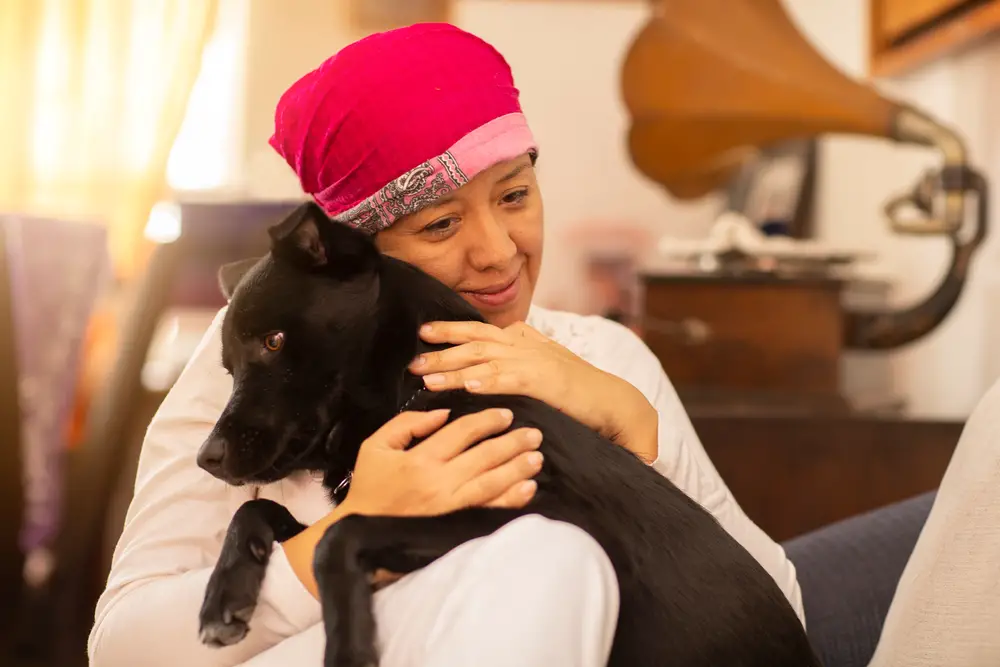
If you accidentally scare or startle your pet, repair matters more than perfection. Calm re-engagement teaches resilience rather than avoidance. Animals learn that ruptures don’t equal abandonment. This builds emotional elasticity.
Attachment research referenced by the Animal Behavior Society shows repair moments deepen trust. Veterinary neurologists note animals remember recovery patterns more than errors. Bonding isn’t about flawlessness. It’s about return.
8. Letting Them Initiate Affection
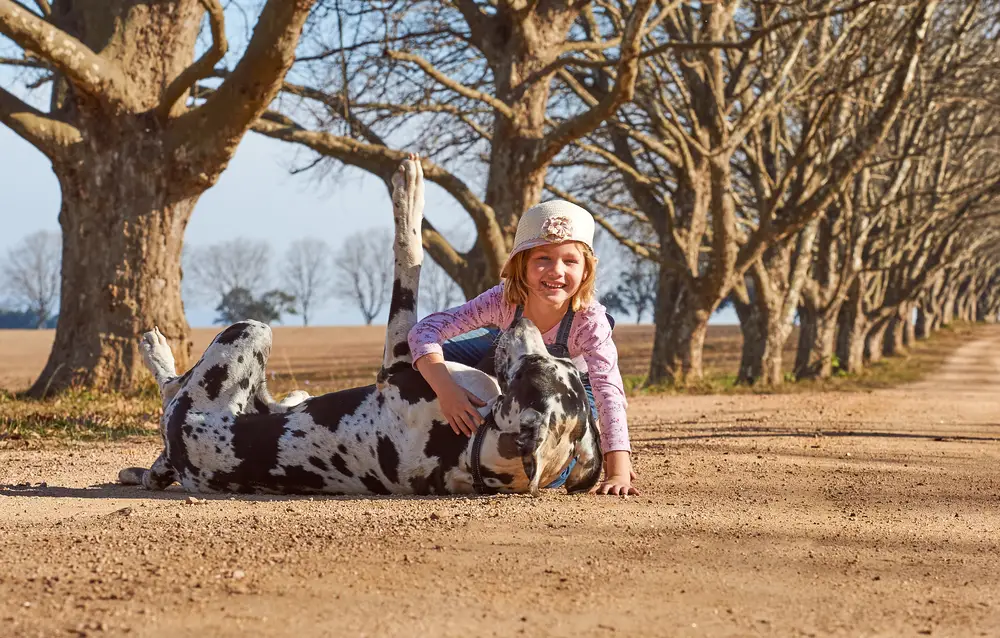
Allowing pets to choose closeness reinforces consent-based bonding. This increases voluntary contact over time. Animals feel safer approaching when they aren’t pressured. Choice builds confidence.
The University of Vienna’s animal cognition lab found that choice-based interaction increases oxytocin release. The AVMA confirms forced affection increases stress responses. Trust grows when affection is mutual. Initiation equals safety.
9. Reassuring Them When They’re Scared

During storms, vet visits, or loud environments, a calm presence matters more than reassurance. Animals regulate your nervous system. Staying steady teaches them fear doesn’t equal abandonment. Presence becomes grounding.
Research from Purdue University shows animals mirror human stress responses. The Fear Free Pets Initiative emphasizes calm companionship over verbal reassurance. You become a stabilizer. That role deepens attachment.
10. Learning Their Play Style

Matching play to your pet’s preferences shows attunement. Some prefer chase, others puzzles, others gentle contact. This customization communicates interest in who they are, not what entertains you. Play becomes relational, not performative.
Animal welfare studies from the University of Guelph show that individualized play increases bonding hormones. The ASPCA links mismatched play to disengagement. Shared joy builds emotional memory. Play is communication.
11. Meeting Them At Their Level

Adjusting expectations as pets age shows emotional maturity. Slower walks, gentler handling, and patience reinforce trust. Animals sense when they’re still valued. Aging safely strengthens bonds.
Veterinary gerontology research from Colorado State University shows senior pets rely heavily on predictable caregivers. The AAHA notes that emotional distress increases when aging pets feel burdensome. Care without resentment deepens loyalty. Love adapts.
12. Staying Present And Consistent
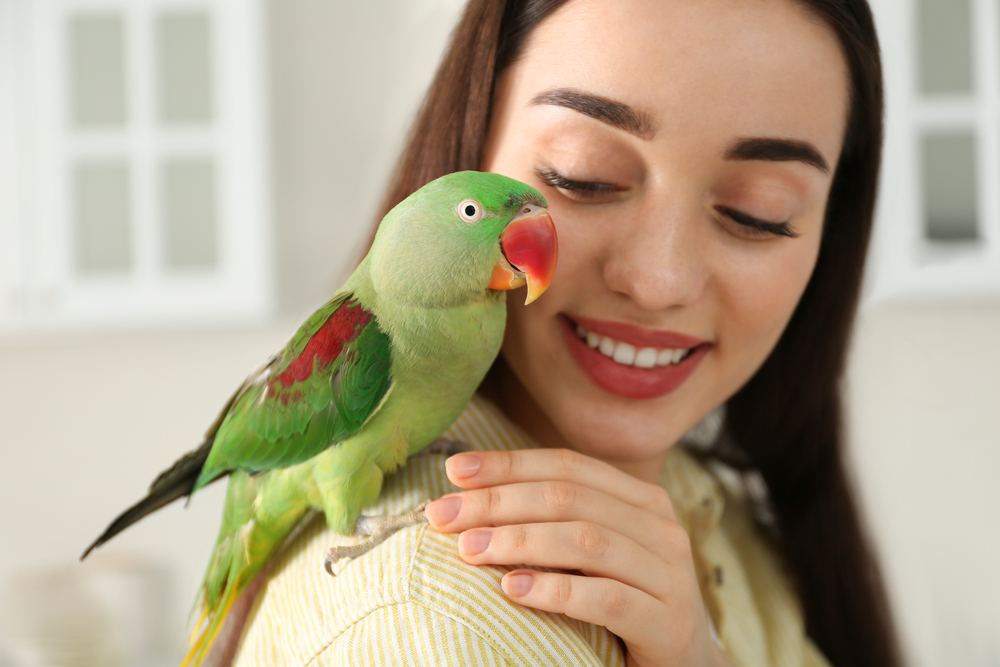
Illness or behavioral shifts can bring grief for owners. Staying emotionally present despite disappointment matters to animals. Withdrawal feels like abandonment. Consistency during loss reinforces attachment.
Studies from the University of Edinburgh show animals detect emotional withdrawal. The International Association of Animal Hospice and Palliative Care emphasizes continuity of affection. Presence matters most when things change. Bonds are tested in grief.
13. Showing Them Love Every Day

Bonding isn’t a single moment — it’s a cumulative choice. Showing up daily builds relational memory. Pets don’t measure love in intensity but reliability. Choosing them consistently creates lifelong trust.
Long-term attachment studies from the University of Tokyo show animals bond most strongly to predictable caregivers. The World Small Animal Veterinary Association emphasizes consistency over novelty. Love is repetition. Bonds are built quietly.