
Getting a puppy isn’t just cute chaos—it’s a full-scale psychological, physical, and emotional overhaul. Puppies don’t ease you into responsibility; they drop you straight into sleep deprivation, constant vigilance, and total routine collapse. What looks like joy on social media often hides exhaustion, regret, and identity shock. Loving a puppy is real—but so is how brutally disruptive it can be.
1. You Won’t Sleep Properly For Months

Puppies wake frequently, cry at night, and need bathroom breaks at hours your body isn’t designed for. Your sleep cycles fragment fast. Chronic sleep deprivation affects mood, memory, and emotional regulation.
Veterinary behavior studies show new puppy owners experience sleep disruption comparable to new parents. Your nervous system stays on alert. Exhaustion becomes the baseline.
2. Training Is Time Consuming And Mentally Draining
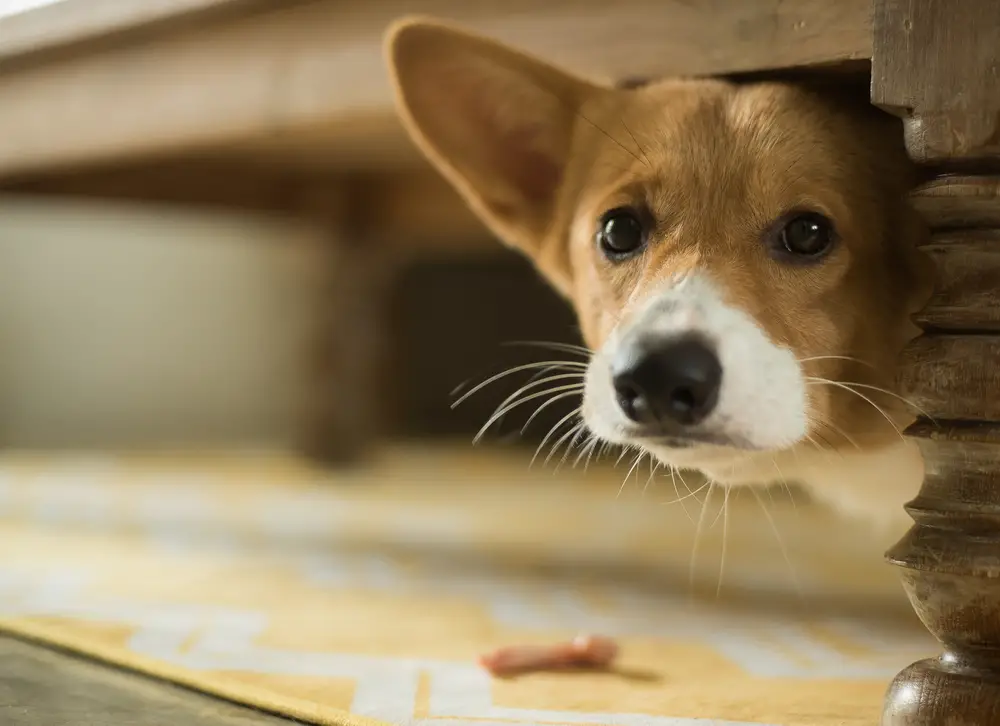
Puppies don’t learn passively. Training requires repetition, patience, and constant emotional regulation. Progress is slow and setbacks are frequent.
Canine cognition research shows puppies learn through consistency, not intensity. That means showing up calm every time. It’s harder than it sounds.
3. Your Schedule Resolves Around Them
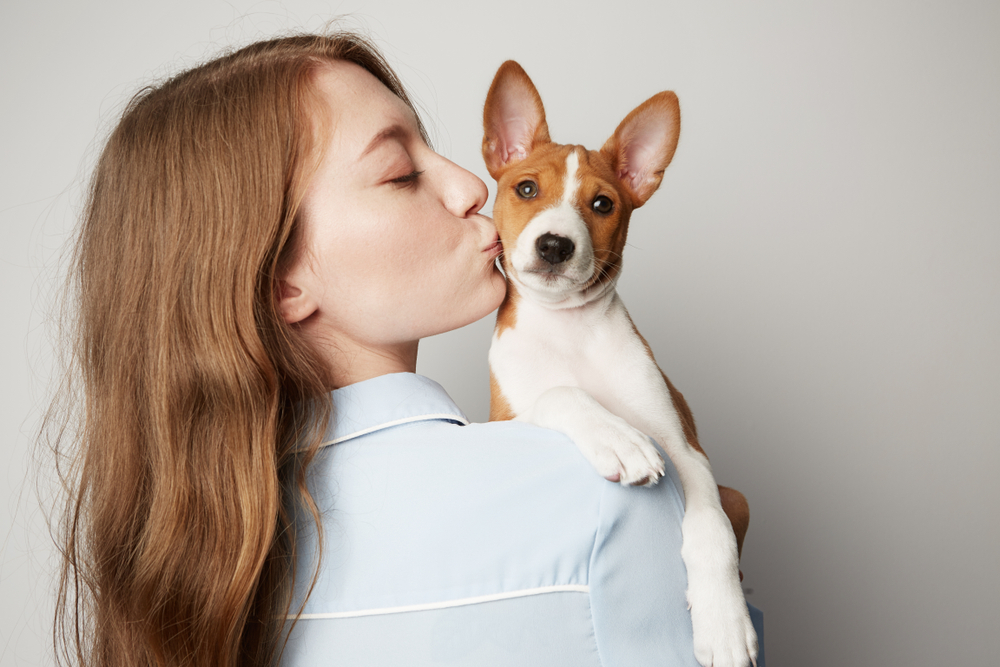
Everything—work, errands, social life—must now orbit feeding, training, and bathroom timing. Spontaneity disappears overnight. Even leaving the house requires planning.
This loss of autonomy triggers stress responses in many first-time owners. Freedom isn’t gone forever, but it’s temporarily revoked. Adjustment is rough.
4. Accidents Will Test Your Sanity

House-training failures feel personal at 3 a.m. Cleaning messes repeatedly wears down patience fast. Progress isn’t linear.
Behaviorists emphasize that setbacks are developmentally normal. Knowing that doesn’t make them less frustrating. Endurance is required.
5. Your Home And Shoes Will Be Destroyed
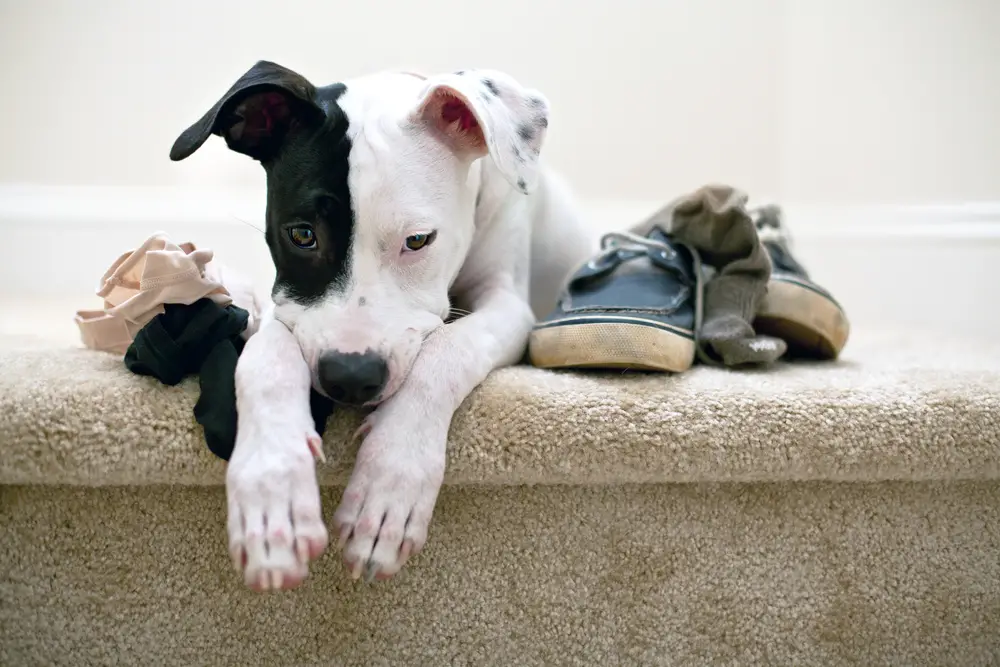
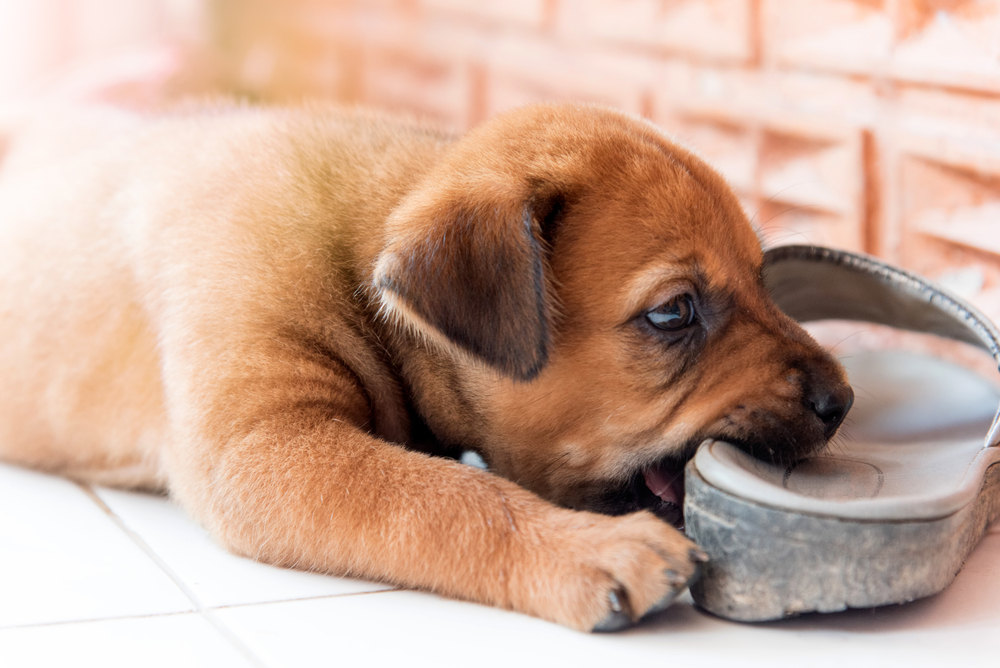
Chewing, scratching, digging, and shredding are developmentally necessary behaviors. Your furniture, shoes, and walls become collateral damage.
Teething studies show puppies chew to relieve discomfort and explore environments. Damage is a phase—but an expensive one.
6. Making Spontaneous Social Plans Is Over

Leaving a puppy alone too long isn’t an option early on. Nights out, weekends away, and spontaneous plans disappear.
Many owners experience temporary social isolation. It passes—but it’s jarring. Your world gets smaller before it gets bigger.
7. You Become Hyper-Vigilant
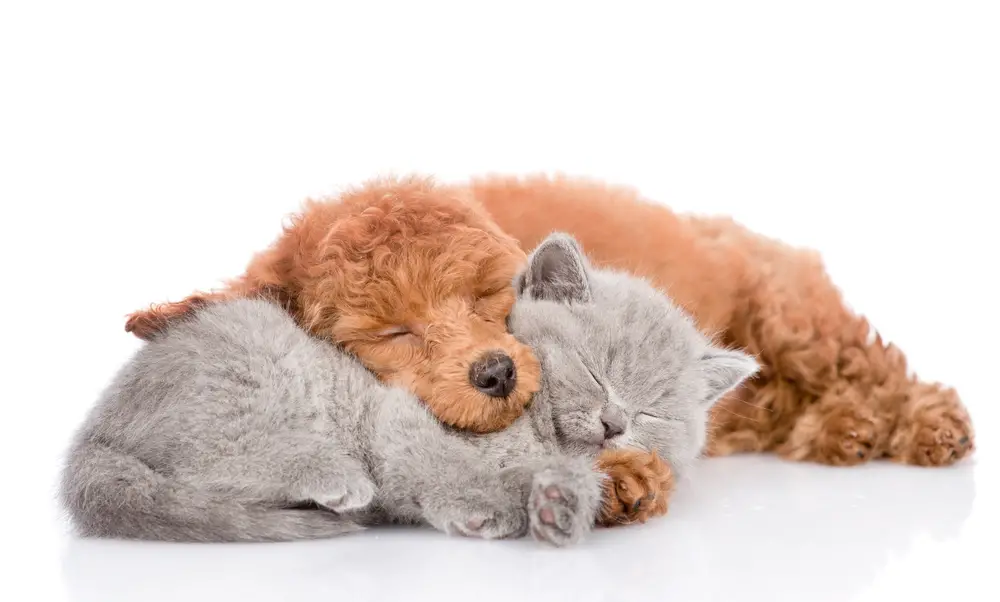
Every sound, movement, or silence feels suspicious. Is the puppy chewing something dangerous? Are they sick? Are they bored?
Your brain stays in monitoring mode. This constant alertness is exhausting. Relaxation becomes unfamiliar.
8. Emotional Whiplash Becomes Part Of Daily Life

You’ll feel joy, regret, guilt, love, resentment, and panic—often in the same hour. This emotional whiplash is common and rarely discussed.
Veterinary mental health surveys show “puppy blues” affect up to 70% of new owners. It doesn’t mean you made a mistake. It means adjustment is real.
9. Your Identity And Priorities Shift
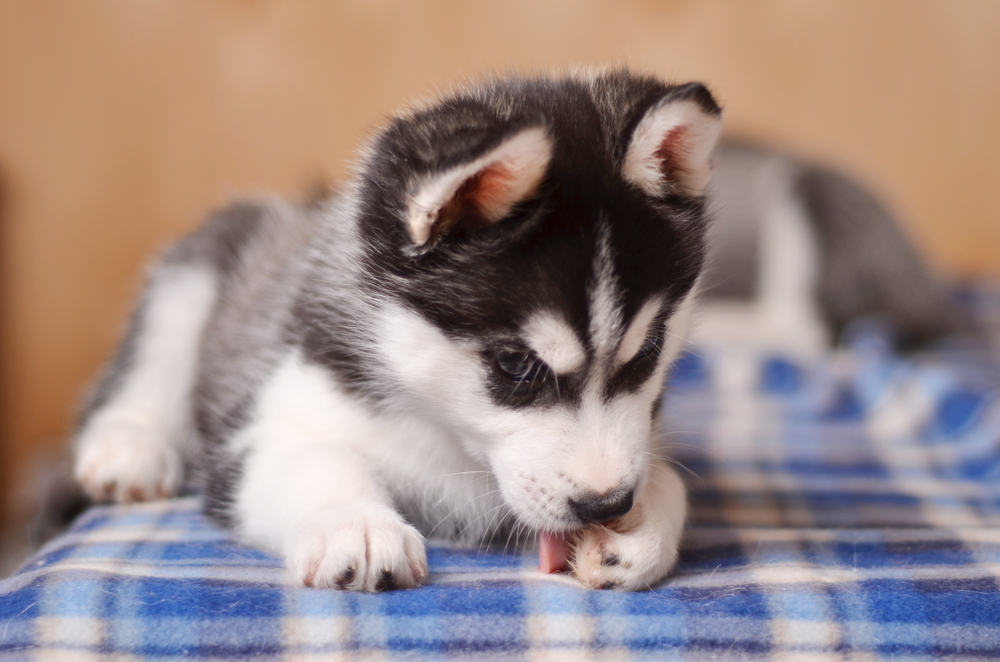
You stop being “you” and become “the person with the puppy.” Your priorities change fast. Your self-concept follows.
This identity shock mirrors major life transitions. It takes time to integrate. Resistance is normal.
10. They Cost Way More Than You Think

Vet visits, food, training, supplies, and emergencies add up quickly. Costs are higher than most people expect.
Consumer pet studies show first-year puppy costs often exceed projections by 40%. Budget shock is common. Planning helps—but surprises happen.
11. You Will Repeatedly Question Your Decision
Regret thoughts appear, even when you love the puppy. This cognitive dissonance is deeply uncomfortable.
Psychologists note that major responsibility changes often trigger doubt. It doesn’t predict long-term satisfaction. It predicts transition stress.
12. Expect To Be Tested Daily

Puppies push boundaries constantly. Staying calm while enforcing limits is harder than reacting emotionally.
Canine trainers emphasize that owner emotional consistency matters more than technique. Growth happens in restraint. That’s hard work.
13. You Lose Control Of Your Home

Noise, mess, unpredictability—your controlled space disappears. Sensory overload becomes common.
This disruption challenges people who rely on routine for stability. Adaptation takes time and support.
14. Bonding Doesn’t Always Happen Overnight
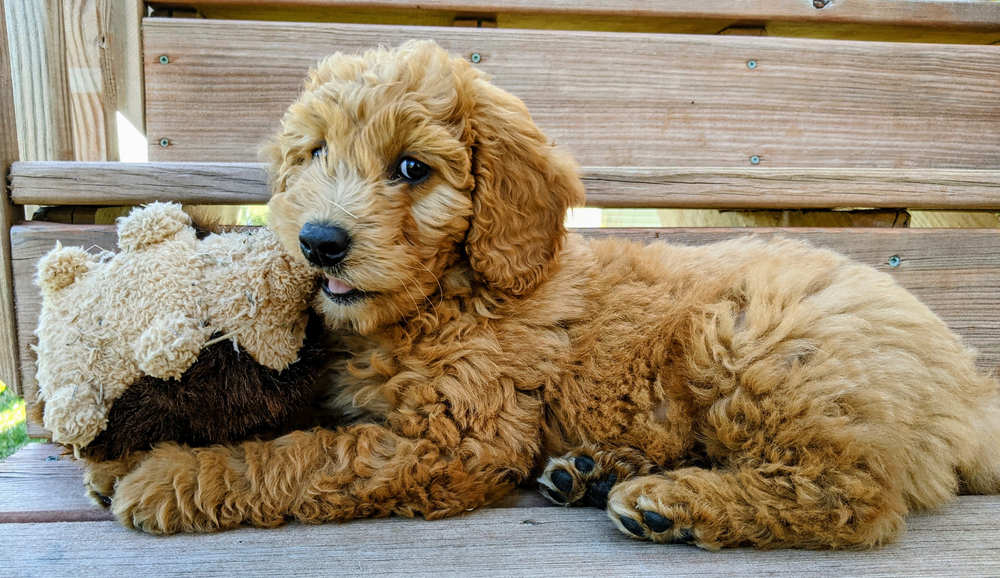
The attachment doesn’t come instantly—it grows through shared hardship. The breaking point often precedes the breakthrough.
Studies on human-animal bonding show stress accelerates attachment. Love forms in survival mode. That’s why it lasts.
15. You Feel An Overwhelming Sense Of Responsibility

Even when the puppy sleeps, your brain doesn’t. Long-term responsibility settles in.
This realization can feel overwhelming. It’s also when commitment solidifies. Acceptance follows panic.