
Wolves don’t operate on chaos or brute force the way pop culture loves to suggest. A wolf pack is closer to a tightly run family enterprise than a wild free-for-all, complete with leadership roles, conflict management, succession planning, and long-term strategy. Every wolf has a job, status is earned through contribution rather than domination, and survival depends on cooperation more than aggression. When you look closely, wolf packs reveal how power, loyalty, and responsibility actually work when the stakes are life and death.
1. Leadership Has To Be Earned
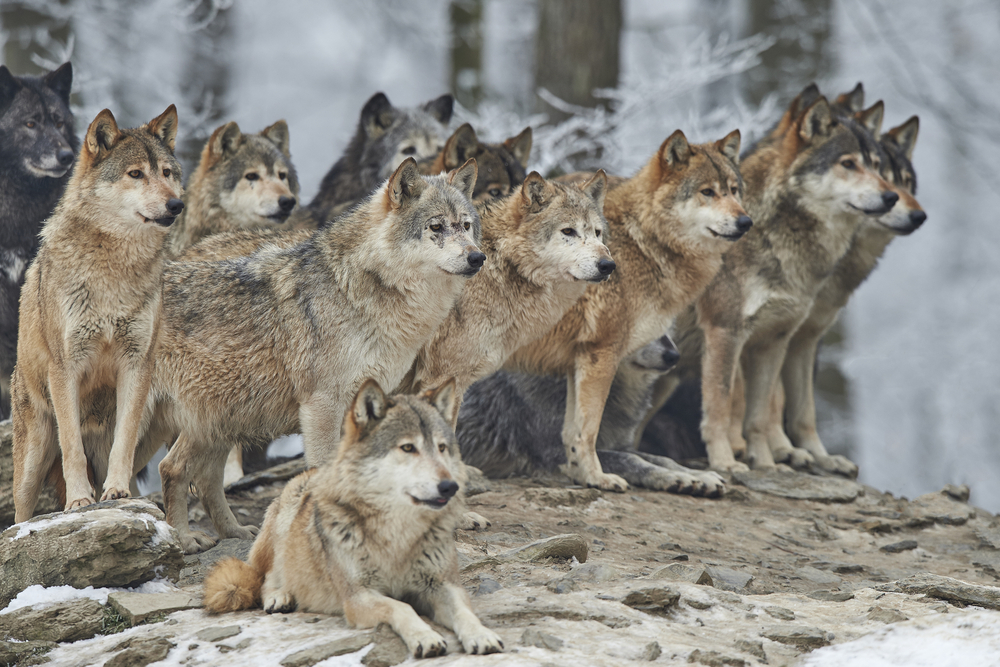
Wolf pack leaders aren’t bullies who seize power through violence. In most documented packs, leaders are simply the parents—older, more experienced wolves who have proven they can hunt, protect, and guide the group. Their authority comes from competence, not intimidation. The pack follows them because it works.
Long-term studies from Yellowstone National Park show that so-called “alpha battles” are rare and often misunderstood. Leadership changes usually occur through aging, injury, or death, not overthrow. It’s less Game of Thrones and more orderly succession planning.
2. Roles Are Assigned Based On Strengths
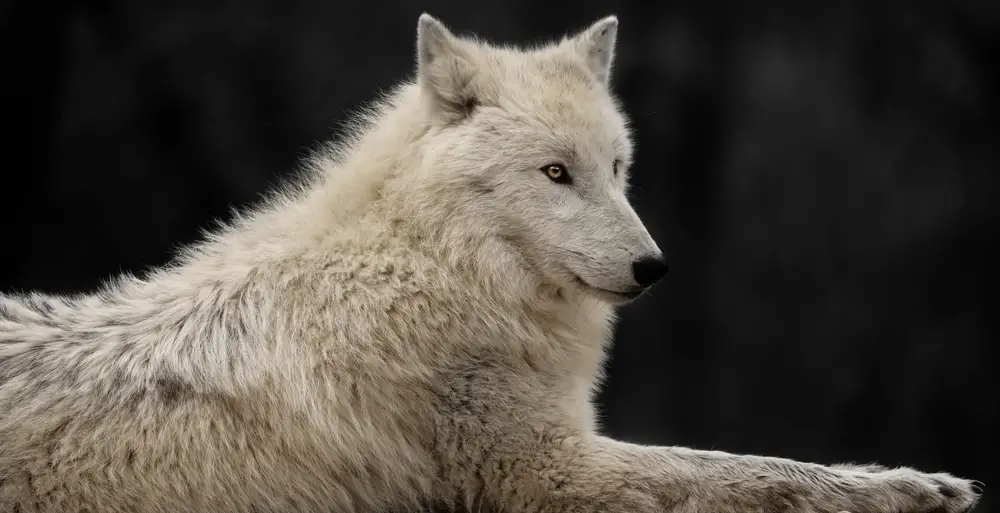
Every wolf has a functional role within the pack, from primary hunters to scouts to caretakers of pups. Wolves that are faster may flank prey, while larger wolves hold positions that require brute strength. Older wolves often shift into mentoring or guarding roles rather than frontline hunting.
Ethologists have observed that packs adapt roles dynamically based on injury, age, and environmental pressure. This flexibility keeps the group efficient and prevents burnout. No one wolf does everything.
3. Packs Won’t Risk Their Long-Term Survival
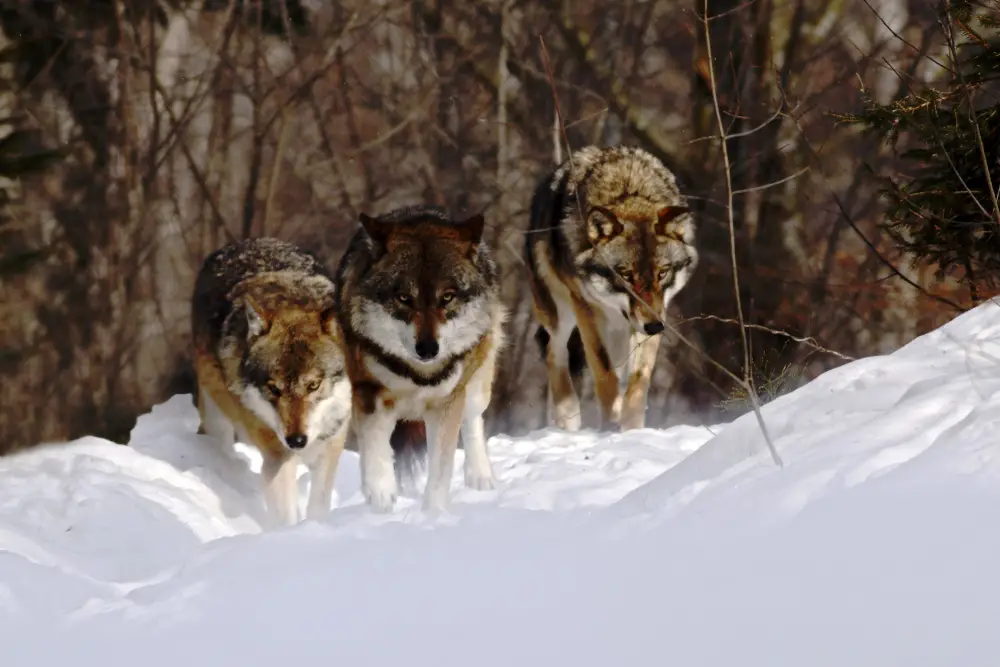
Wolves regularly abandon hunts that are too risky, even when food is scarce. An injured wolf can jeopardize the entire pack’s survival, so restraint is built into decision-making. Success is measured over seasons, not single meals.
Research published in Behavioral Ecology shows wolves calculate risk with surprising sophistication. They avoid prey that could cause injuries capable of ending their hunting careers. It’s strategic thinking, not impulsive aggression.
4. Elders Pass On Their Wisdom
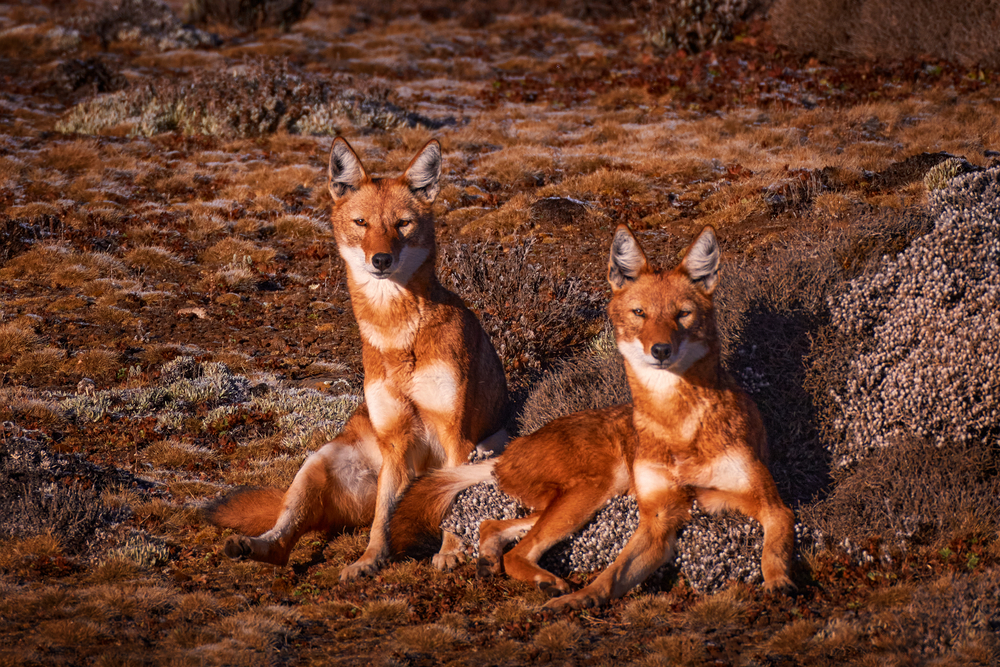
Older wolves remember migration routes, hunting grounds, and seasonal prey patterns. Their memory isn’t sentimental—it’s operational. Packs with experienced elders consistently outperform younger, less experienced groups.
A long-term study in Alberta found packs with older leaders were more resilient during harsh winters. Institutional memory matters, especially when conditions change rapidly. Experience is treated as an asset, not a liability.
5. Conflict Is Managed Quickly
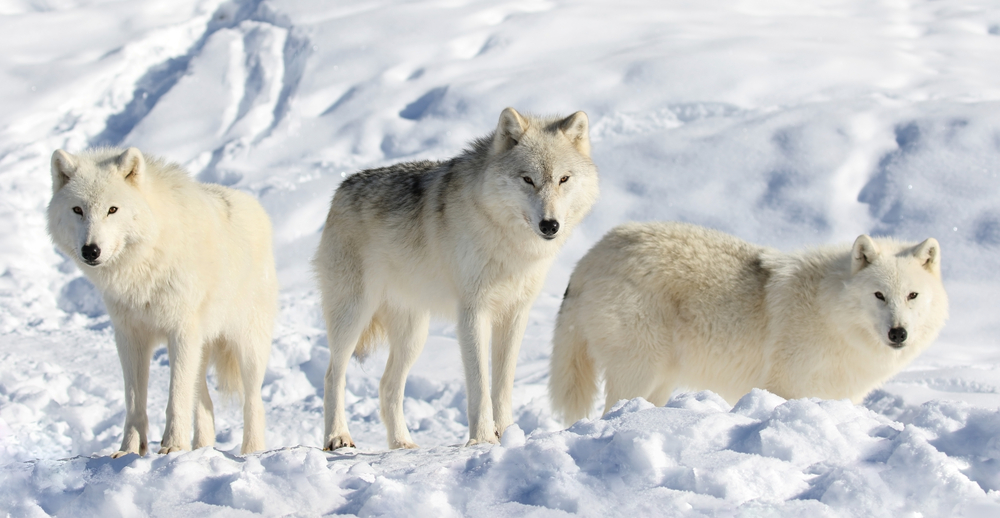
Disagreements within packs rarely escalate into violence. Body language, posture, and brief vocalizations usually resolve disputes before they spiral. Prolonged internal conflict weakens the group, so it’s actively avoided.
Wolf behavior researchers note that ritualized submission prevents injury while maintaining hierarchy. These interactions look dramatic to humans but are actually efficient conflict-resolution tools. Nothing is left to fester.
6. Loyalty Is Enforced
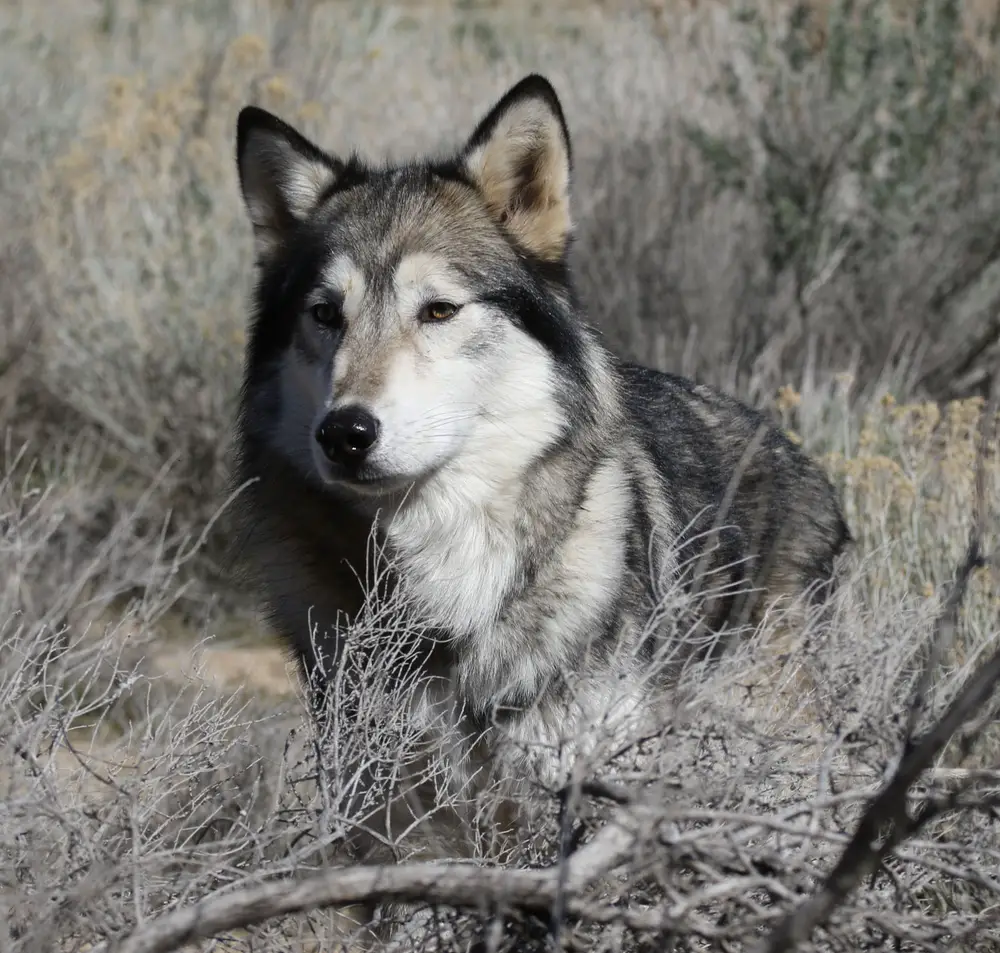
Wolves that consistently refuse to hunt or cooperate don’t remain in the pack long. Loyalty isn’t emotional—it’s practical. If a wolf doesn’t pull its weight, the system corrects itself.
Field observations show that lone wolves often result from repeated non-cooperation rather than exile by force. The pack rewards usefulness, not entitlement. Contribution equals belonging.
7. Parents Act As CEOs
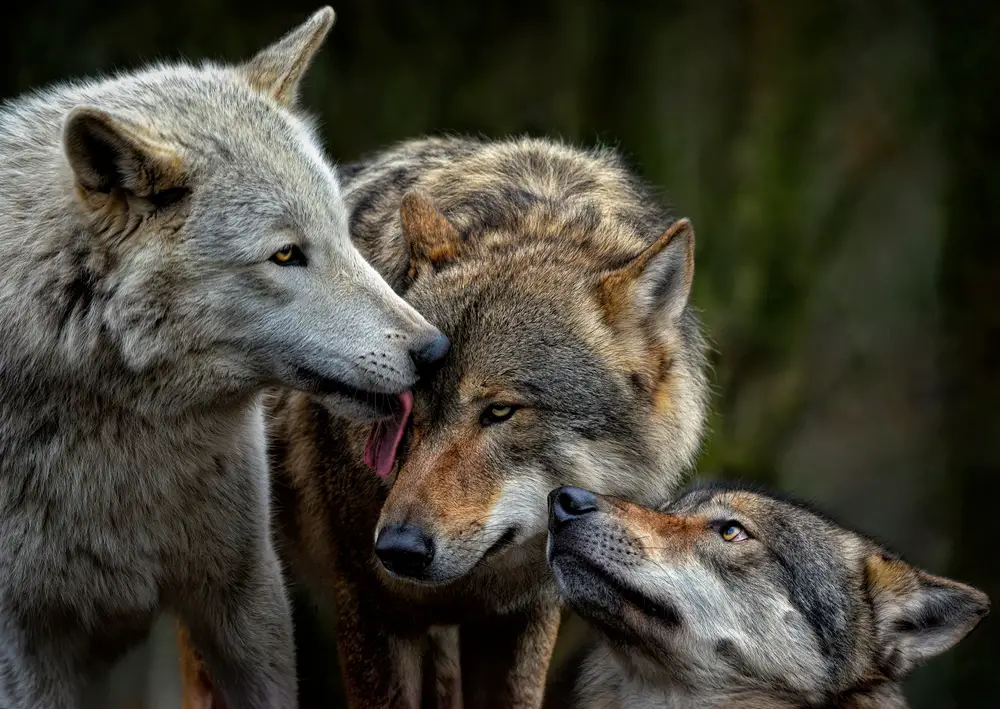
Breeding pairs don’t just reproduce; they manage logistics. They decide when to move dens, when to hunt, and how resources are distributed. Their decisions shape the pack’s success more than any single hunt.
Studies from the International Wolf Center describe breeding pairs as strategic planners. Their choices influence pup survival rates and territorial stability. Parenting and leadership are inseparable roles.
8. Packs Invest In The Next Generation
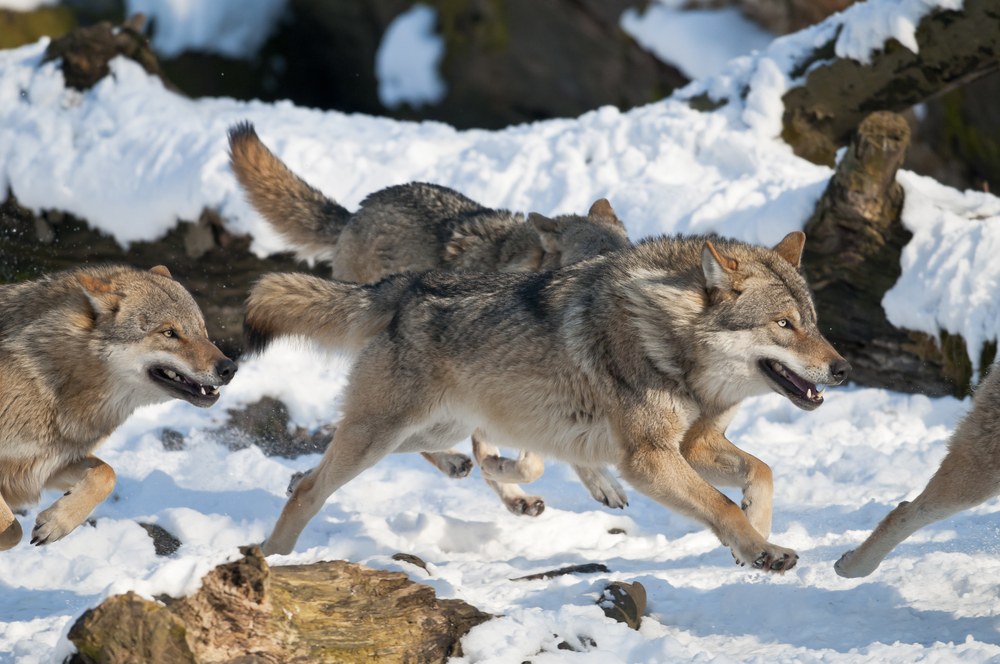
Pups are protected, fed, and taught by the entire pack, not just their parents. Multiple adults regurgitate food, guard dens, and model hunting behaviors. This collective investment increases survival odds dramatically.
Biologists note that cooperative pup-rearing allows parents to recover physically and hunt more effectively. It’s a shared investment model with long-term returns. The future is everyone’s responsibility.
9. Territory Is Considered A Shared Asset
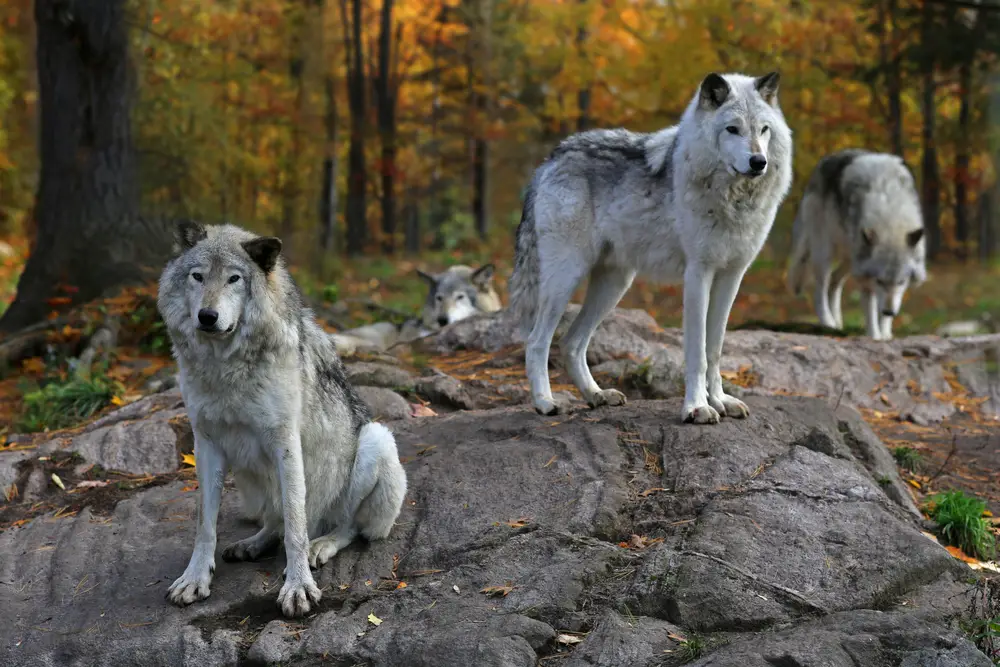
Wolves defend territory aggressively, but it belongs to the pack, not an individual. Boundaries are enforced collectively, and scent marking is a coordinated effort. No single wolf “owns” the land.
Research from Animal Behaviour shows territory size correlates with pack size and prey density. Expansion and contraction are strategic decisions. The land serves the group, not ego.
10. Underperforming Leaders Lose Influence
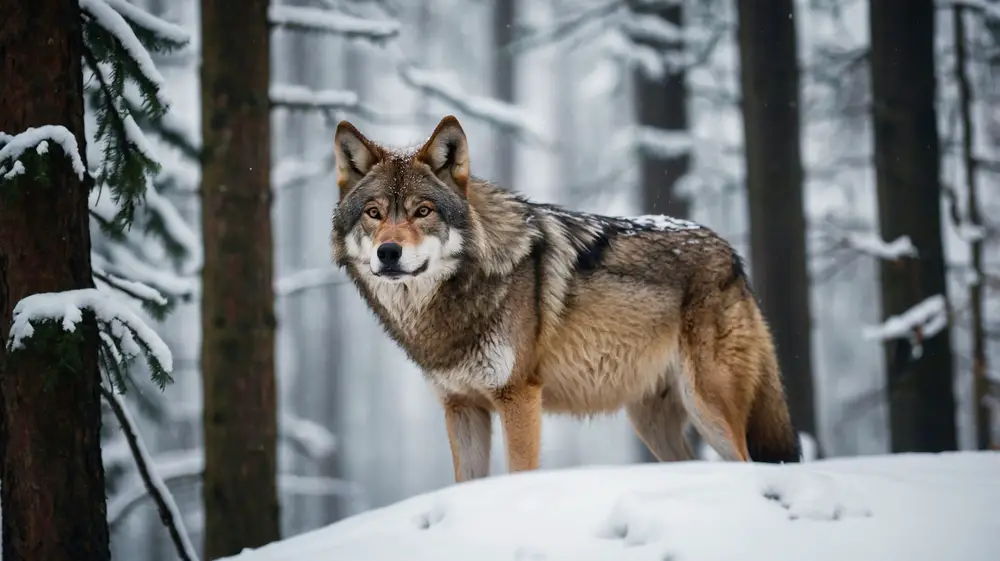
If a leader becomes too weak or ineffective, the pack adjusts without drama. Younger wolves may take on more responsibility while elders step back. Authority shifts gradually rather than collapsing.
This transition mirrors succession planning in stable organizations. Power transfers are smooth because survival depends on continuity. Chaos is a liability wolves can’t afford.
11. Teamwork Is Essential
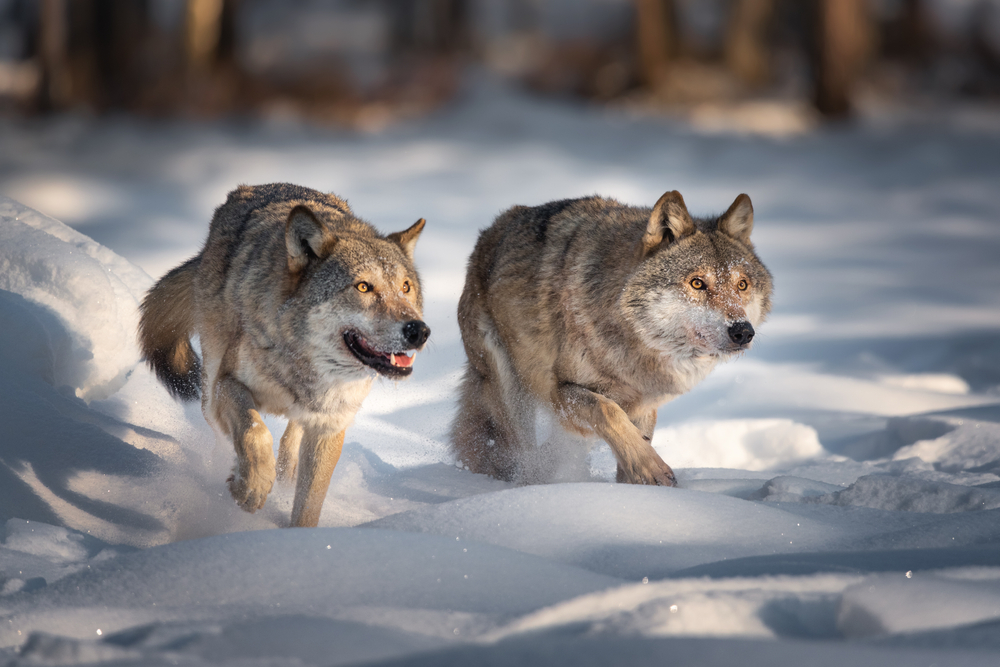
A single wolf cannot take down large prey alone. Coordinated teamwork is essential. Wolves communicate constantly during hunts, adjusting positions and timing with precision.
Biomechanical studies show wolves synchronize movements to exhaust prey efficiently. Cooperation allows smaller individuals to contribute meaningfully. Strength is multiplied through strategy.
12. Strong Social And Emotional Bonds Are Forged
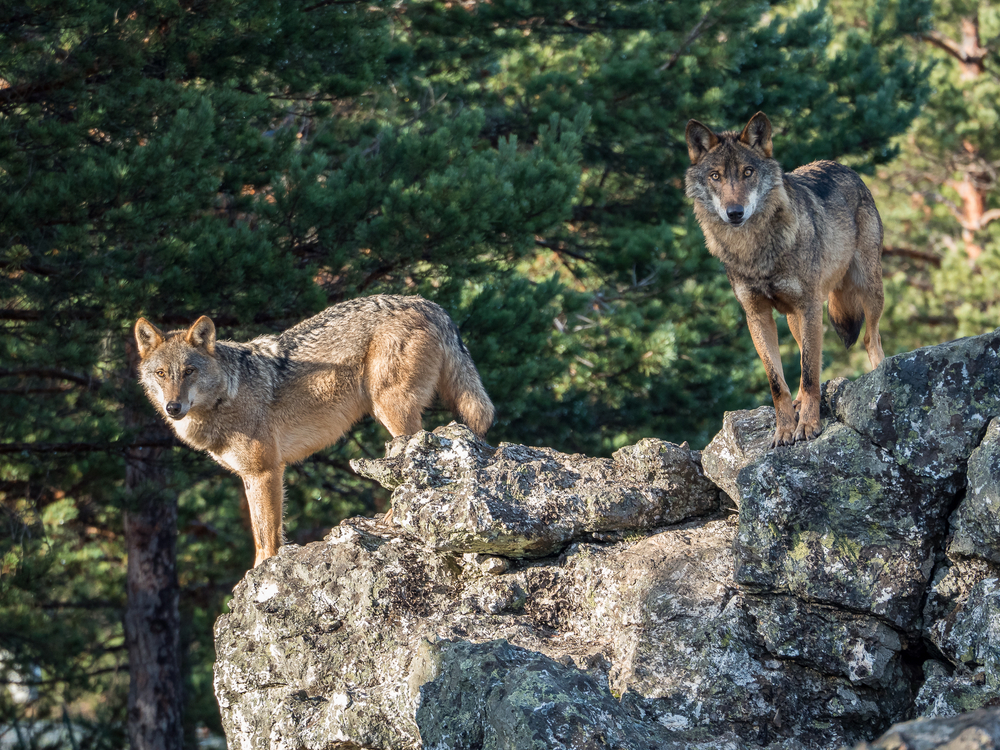
Wolves form strong social bonds, but those bonds exist to support cooperation and trust. Affection reinforces teamwork and reduces internal tension. Bonding isn’t optional—it’s operational.
Neuroscience research on social mammals suggests bonding hormones like oxytocin enhance group cohesion. Wolves evolved to rely on trust because mistrust is deadly in coordinated hunts.
13. Decisions Are Made As A Pack
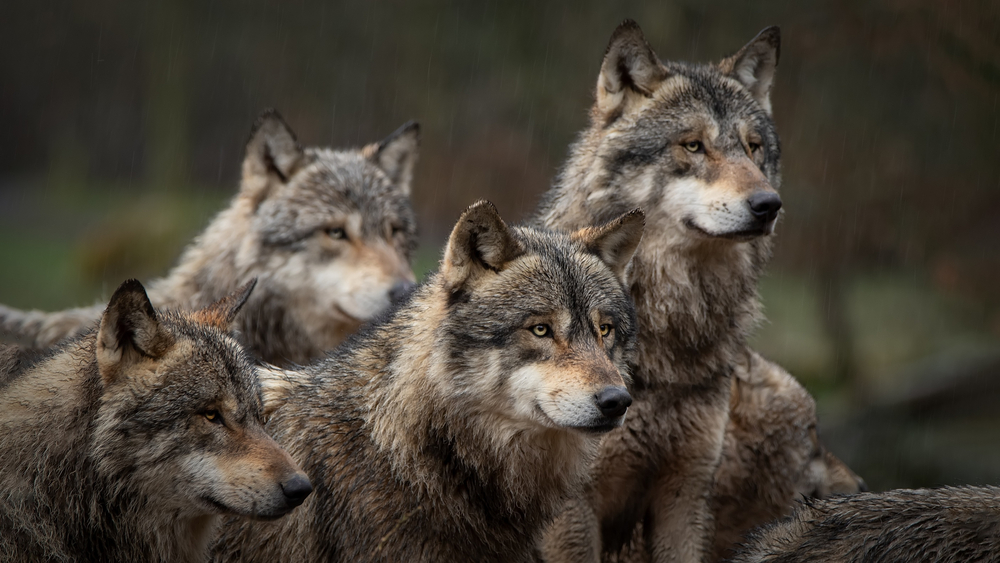
Every decision ultimately serves group survival. Wolves sacrifice personal advantage for collective stability without hesitation. Individual success means nothing if the pack fails.
This is why wolf packs endure across generations. Their “business model” isn’t dominance—it’s interdependence. And it works.