
America’s national parks are sold as pristine escapes, but beneath the postcard views lies real, measurable risk. These landscapes are not curated experiences — they are active ecosystems shaped by weather, wildlife, geology, and human error. Most injuries and deaths don’t come from dramatic encounters, but from subtle miscalculations: underestimating heat, terrain, or animals that look calm until they aren’t. Danger in national parks isn’t random; it’s predictable if you know what to look for. These are the parks where nature has the upper hand.
1. Death Valley National Park
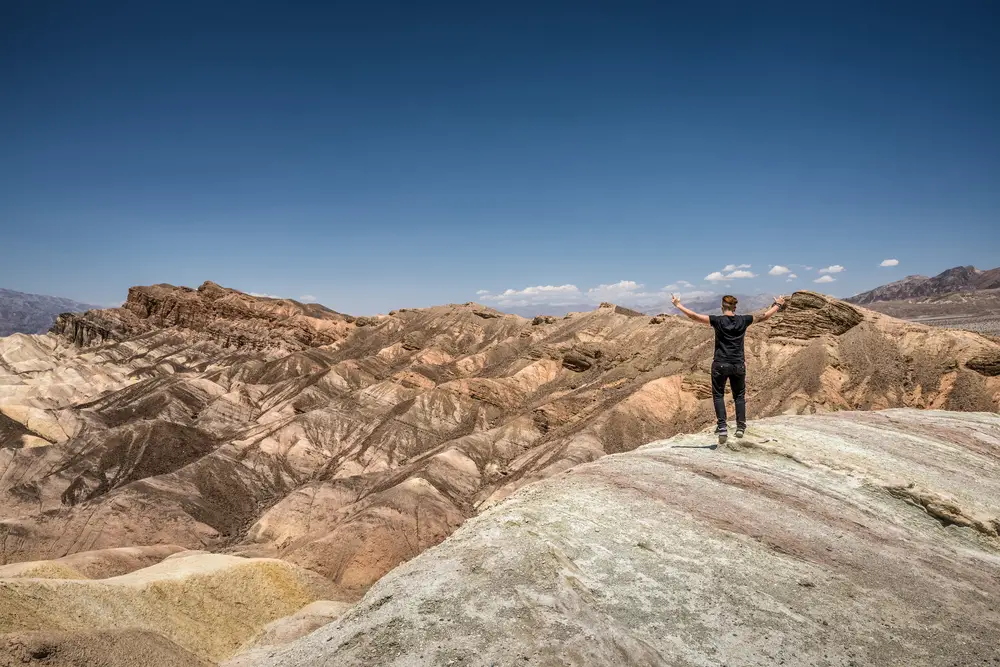
Death Valley holds the record for the hottest temperatures ever recorded on Earth. Summer heat regularly exceeds 120°F, and dehydration can become fatal in under two hours. Cell service is unreliable, distances are vast, and rescue times are long.
Park Service data shows most fatalities are heat-related and involve visitors who underestimate how quickly the body shuts down. Vehicles frequently overheat, stranding people without shade. The danger isn’t dramatic — it’s silent, progressive, and unforgiving.
2. Grand Canyon National Park
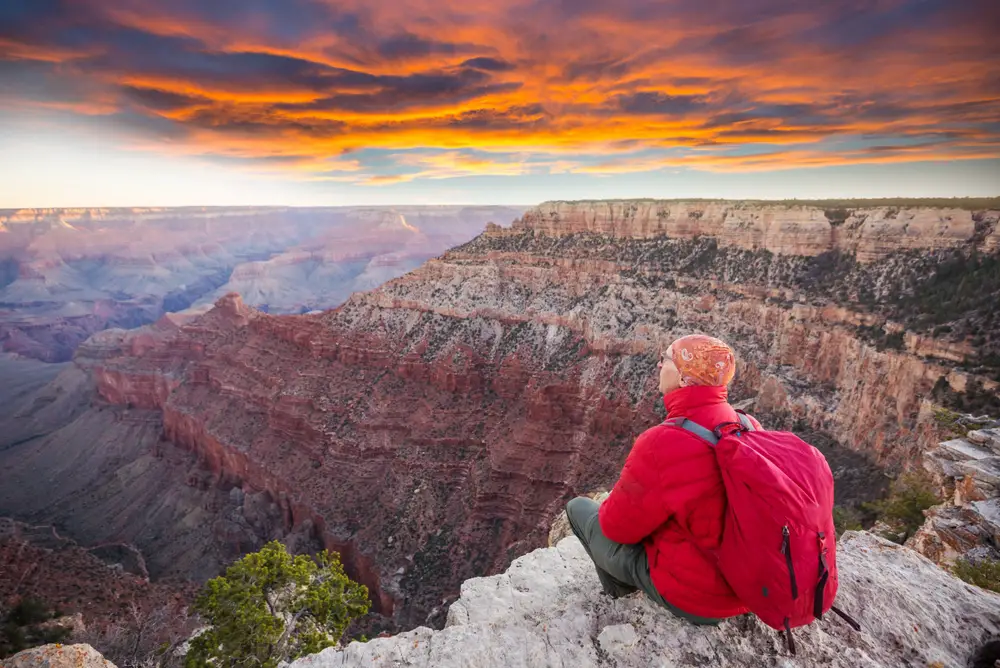
The Grand Canyon’s danger lies in scale and physics. Hikers routinely underestimate elevation change, assuming the hike back up will feel like the hike down. It doesn’t. Heat, dehydration, and cardiac events are common.
Medical studies show that descending stresses the body differently than climbing. Every year, rescues increase as social media encourages unrealistic hiking expectations. Gravity never negotiates.
3. Yellowstone National Park
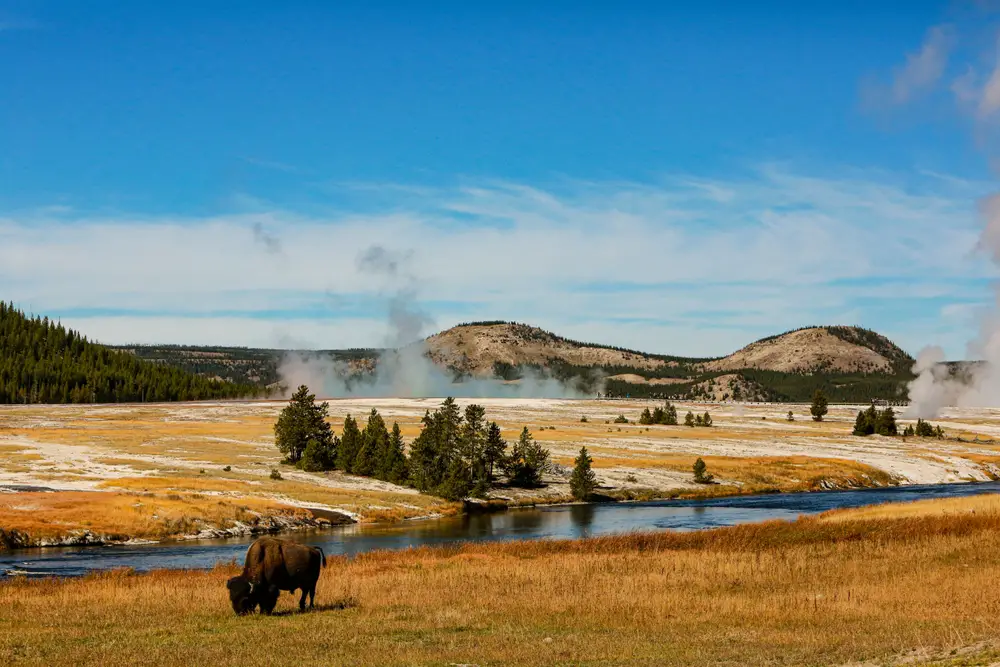
Yellowstone sits atop a supervolcano, but its everyday danger comes from geothermal features and wildlife. Hot springs can reach boiling temperatures beneath thin crusts that look solid. One step off trail can be fatal.
Bison and elk cause more injuries than predators because visitors misread their tolerance. Wildlife attacks here are rarely sudden — they follow ignored warnings. Yellowstone punishes familiarity.
4. Yosemite National Park
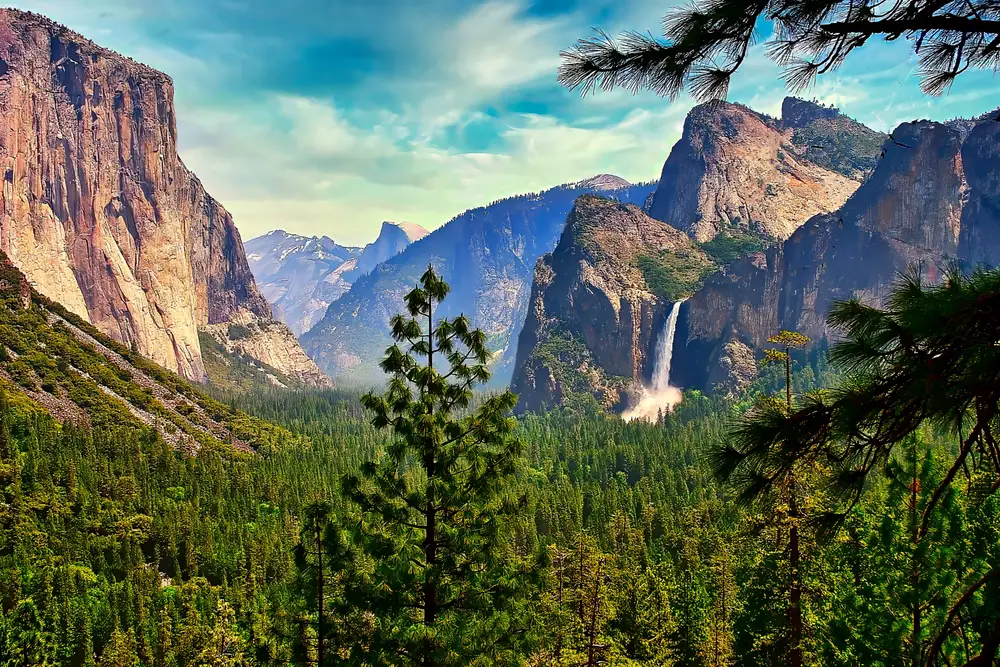
Yosemite’s granite cliffs create one of the highest rates of fatal falls in the park system. Many accidents occur near waterfalls, where wet rock reduces friction to near zero. A single slip becomes a free fall.
Search and rescue reports consistently cite selfies and off-trail exploration as triggers. The danger is gravity combined with overconfidence. Beauty creates false safety.
5. Denali National Park
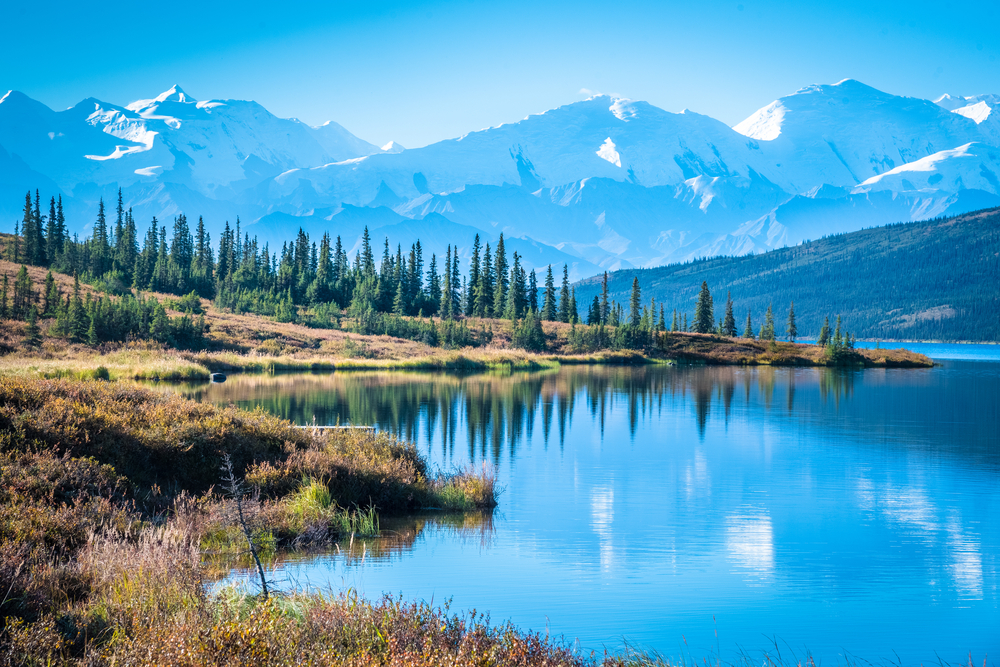
Denali is remote, cold, and indifferent. Weather changes rapidly, visibility collapses without warning, and rescue infrastructure is limited. Hypothermia occurs even in summer.
Climbers face crevasses, avalanches, and altitude sickness. Survival depends on preparation, not optimism. Denali doesn’t forgive shortcuts.
6. Zion National Park
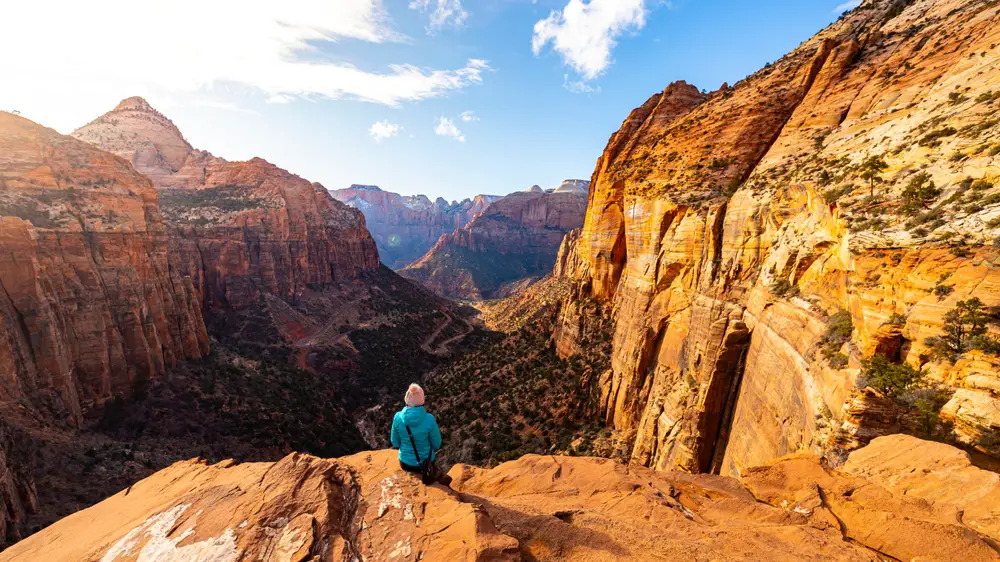
Zion’s slot canyons are deadly during flash floods. Rain miles away can send walls of water through narrow passages with no escape. Floods move faster than humans can react.
Most deaths occur when weather warnings are ignored. The canyon amplifies mistakes. Water always wins.
7. Glacier National Park
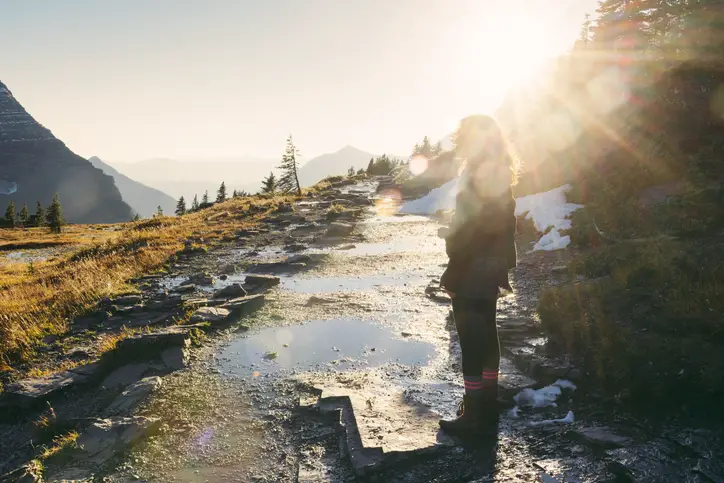
Glacier combines rugged terrain with aggressive wildlife. Grizzly bears roam freely, and sudden weather shifts trap unprepared hikers. Snowfields persist year-round.
Studies show most wildlife incidents occur when people hike alone or ignore bear safety protocols. Glacier demands constant awareness. Complacency is dangerous here.
8. Mount Rainier National Park
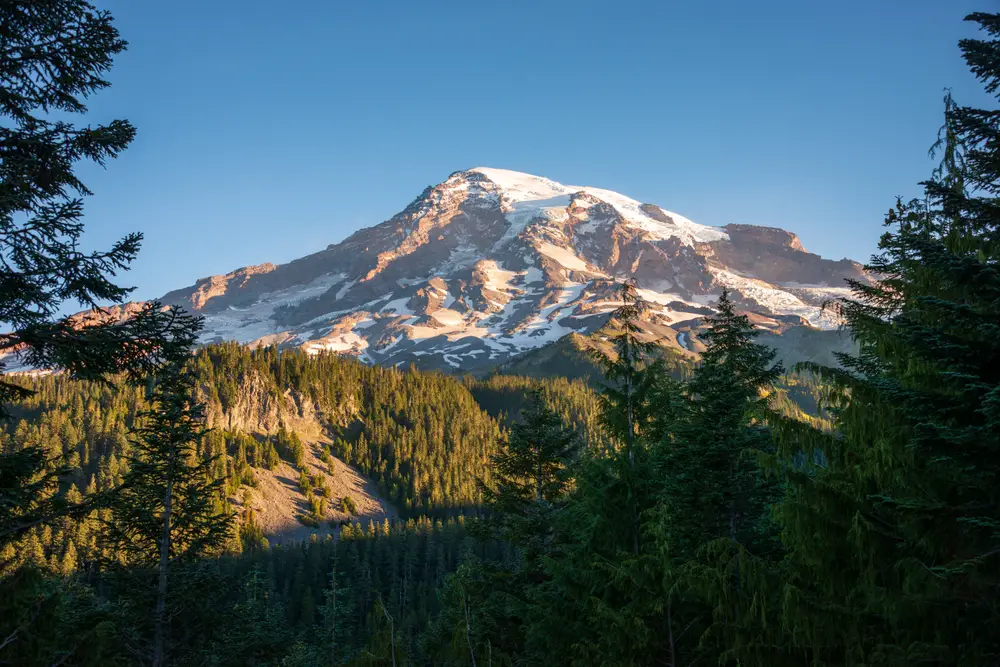
Mount Rainier is one of the most dangerous volcanoes in the U.S. Lahars — fast-moving mudflows — pose real threats even during calm periods. Ice caves collapse without warning.
Climbers face crevasses hidden beneath snow. Rescue missions are frequent and risky. Rainier rewards expertise, not curiosity.
9. Big Bend National Park
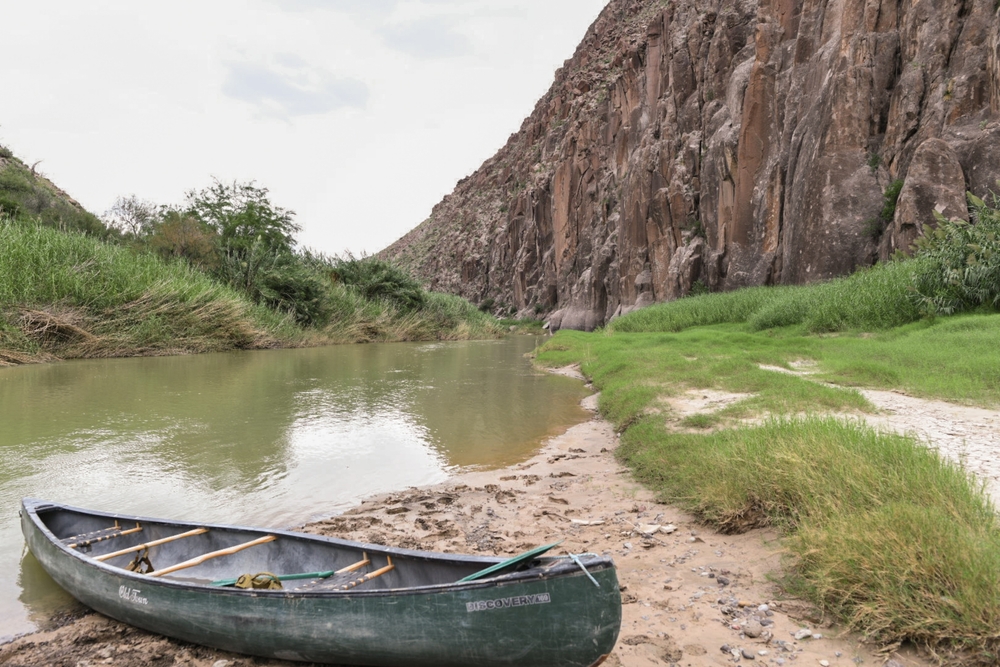
Big Bend’s danger lies in isolation. Extreme heat, desert terrain, and border proximity complicate rescues. Water sources are scarce and unreliable.
Most fatalities involve dehydration or medical emergencies far from help. Distance multiplies risk. The desert doesn’t care how fit you are.
10. Great Smoky Mountains National Park
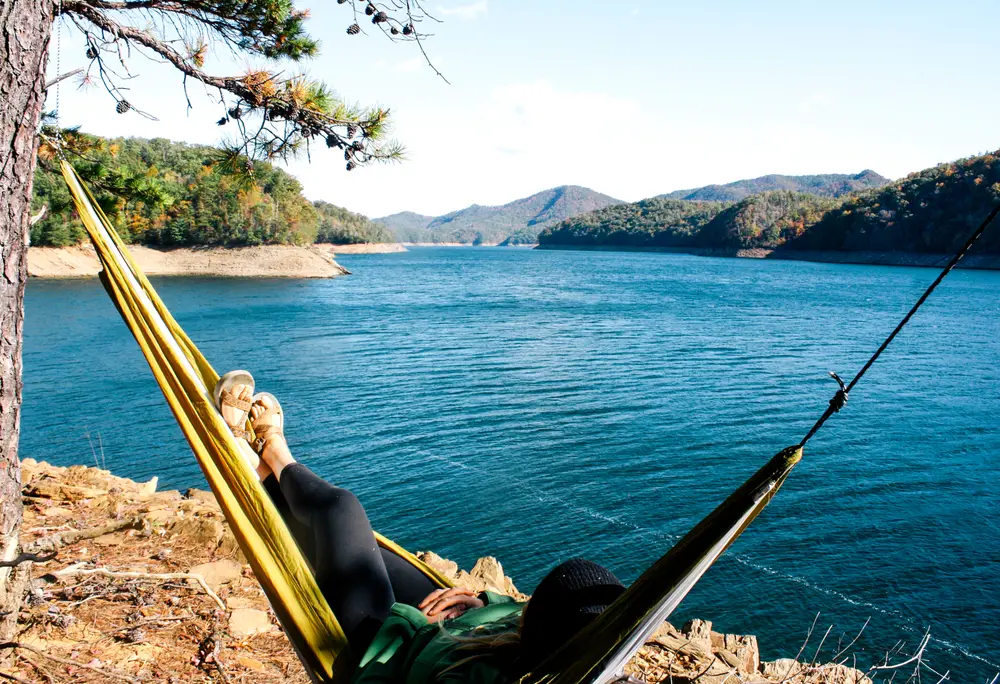
Despite its gentle reputation, the Smokies record high numbers of fatalities due to weather, falls, and wildlife encounters. Dense forests reduce visibility and navigation accuracy.
Black bears here are habituated to humans, increasing risk. Familiar landscapes lower guard. Nature exploits distraction.
11. HaleakalÄ National Park
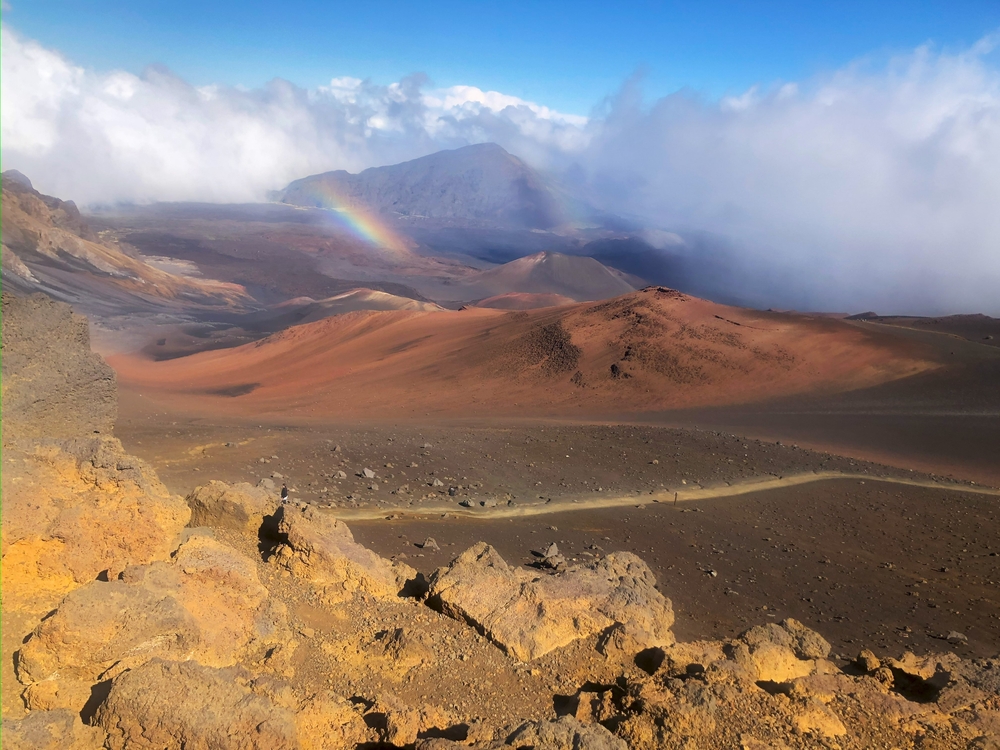
HaleakalÄ’s summit reaches over 10,000 feet, creating altitude sickness risks in tropical surroundings. Weather shifts rapidly from warm to freezing.
Visitors underestimate elevation because of beach proximity. Physiology doesn’t care about climate stereotypes. Thin air still thins oxygen.
12. Olympic National Park
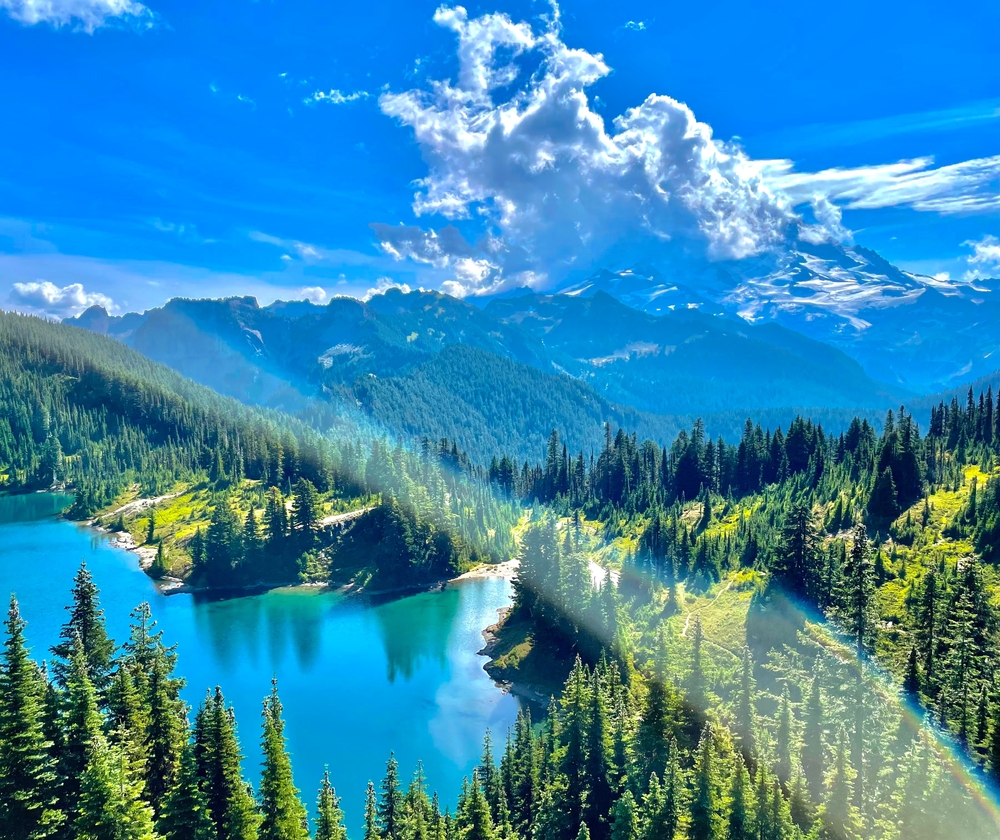
Olympic contains rainforest, coastline, and mountains — each with distinct dangers. Rogue waves kill visitors annually along rocky shores. Weather traps hikers inland.
The park’s diversity multiplies risk profiles. Knowledge must adapt quickly. One mistake in one ecosystem can be fatal.
13. Sequoia & Kings Canyon National Parks
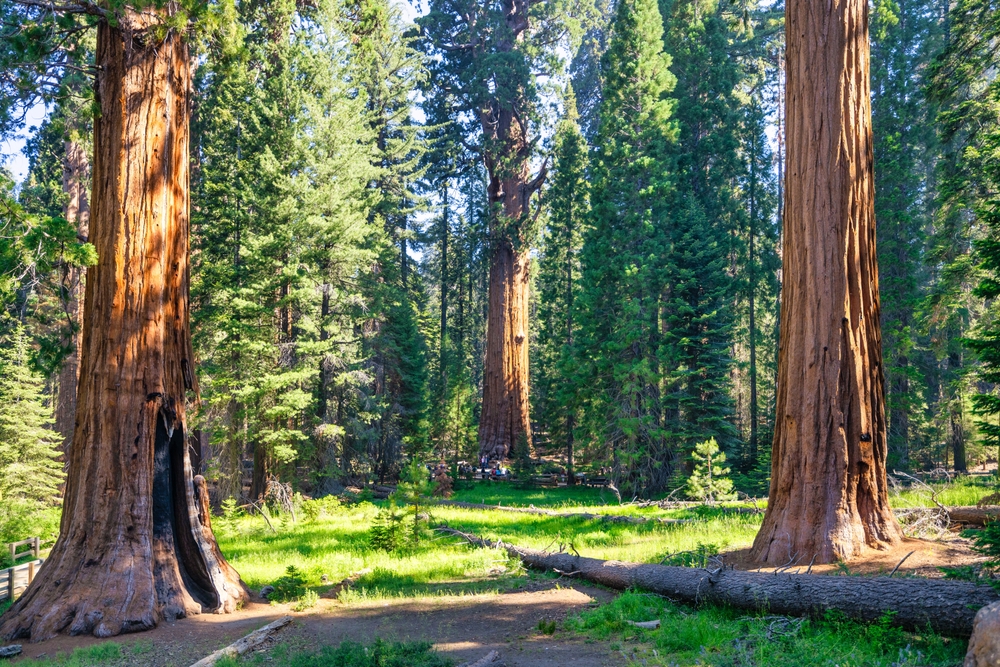
These parks feature steep terrain, rockfalls, and rapidly changing weather. Snowmelt causes dangerous river crossings. Isolation compounds emergencies.
Accidents often occur when visitors chase views off established paths. Scale distorts judgment. Height doesn’t equal safety.
14. Everglades National Park
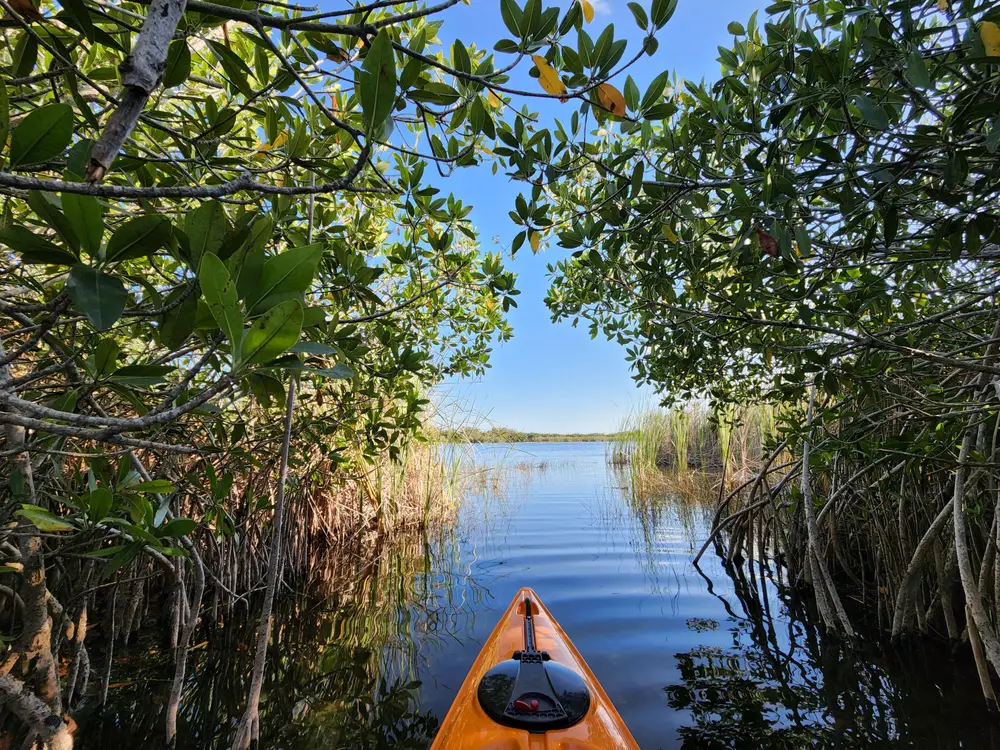
The Everglades hide danger beneath calm water. Alligators, venomous snakes, heat, and mosquitoes create layered risk. Navigation is difficult without landmarks.
Many incidents involve wading or boating miscalculations. The environment is alive and reactive. Stillness is deceptive.
15. Canyonlands National Park
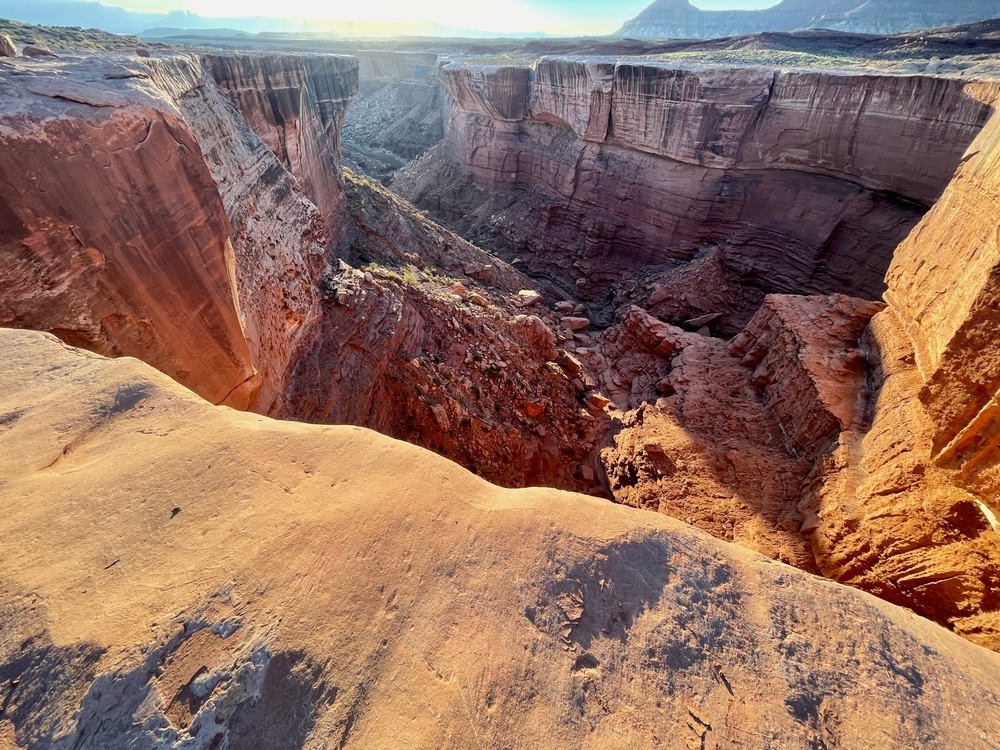
Canyonlands is remote, arid, and physically punishing. Rock falls, dehydration, and navigation errors dominate rescue reports. Shade is rare.
Cell service is minimal, and rescue timelines stretch long. Mistakes compound fast. The land demands respect, not exploration for likes.