
Immortality sounds like mythology, but biology tells a quieter, stranger story. Some creatures don’t age the way humans do — and some don’t age at all. Instead of deteriorating, their cells regenerate indefinitely, resetting biological clocks again and again. These organisms reveal that aging isn’t inevitable — it’s conditional. Here are the animals that have effectively opted out of death by time.
1. The Immortal Jellyfish
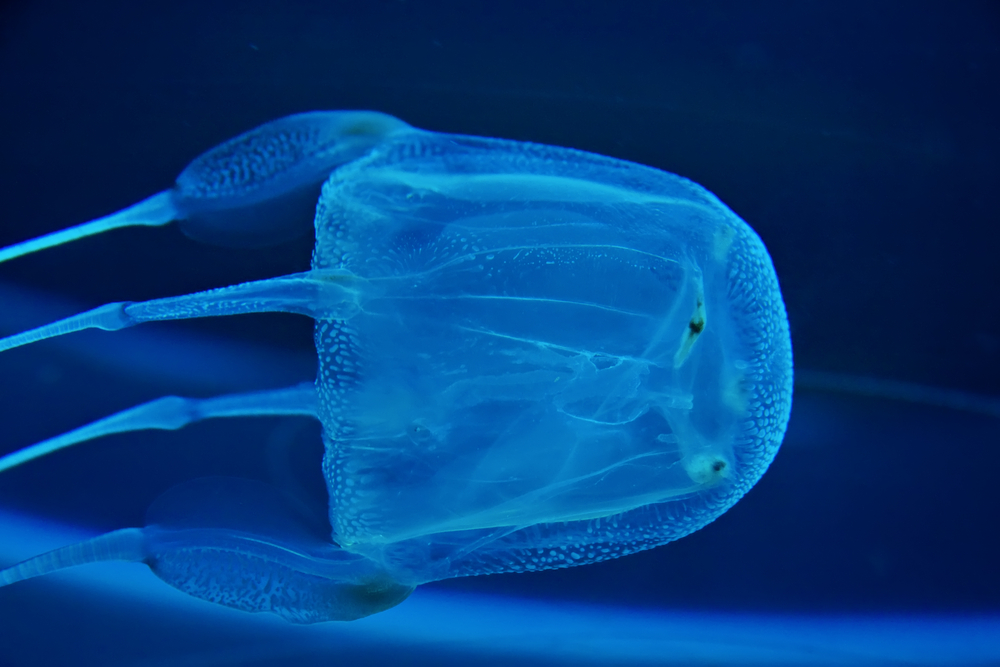
This jellyfish can revert its adult cells back into a juvenile state after injury or stress. Instead of dying, it starts life over. This process, called transdifferentiation, allows it to cycle indefinitely. It doesn’t age — it resets.
Scientists consider it biologically immortal under ideal conditions. Death usually comes from predation, not aging. Time simply doesn’t apply. Immortality here is cellular, not mystical.
2. Hydra
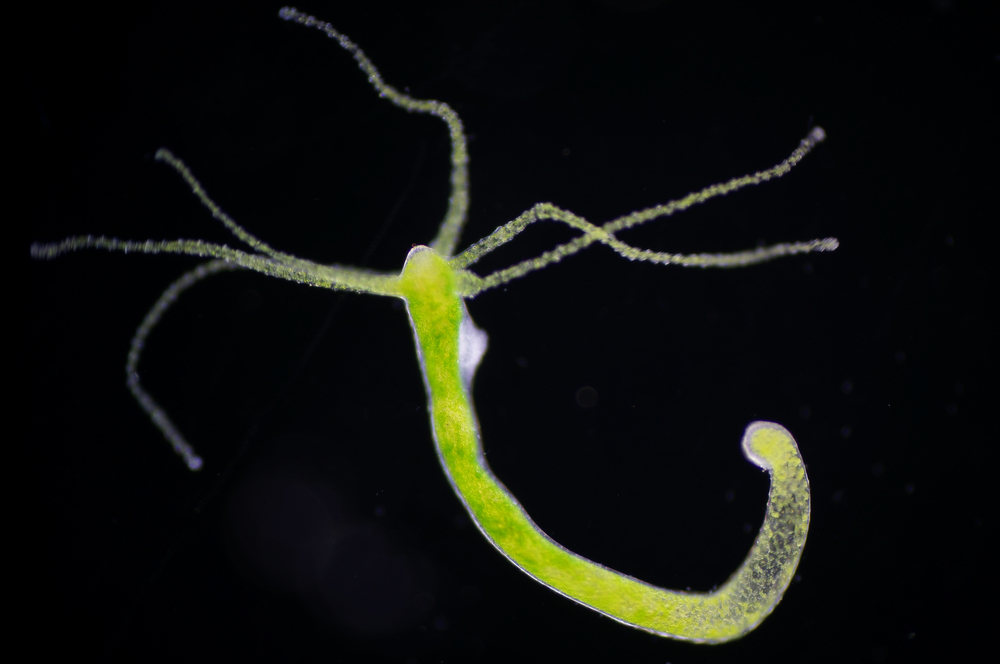
Hydra continuously replaces every cell in its body through stem cell regeneration. There is no detectable decline in function over time. A hydra doesn’t accumulate age-related damage. It remains biologically young.
Laboratory studies show hydra exhibit negligible senescence. They don’t slow down. Aging genes never activate. Time passes — they don’t.
3. Planarian Flatworms
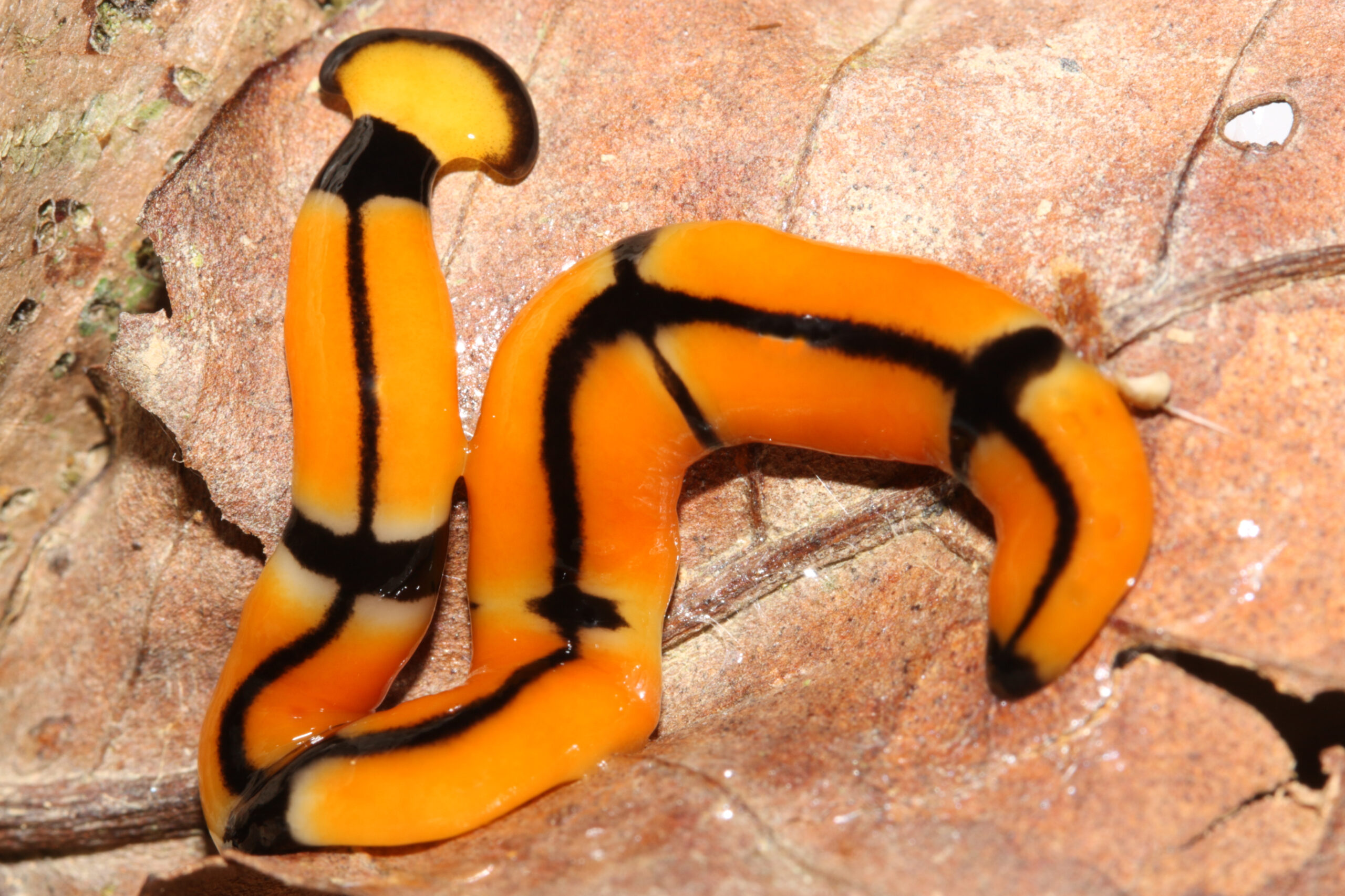
Planarians regenerate entire bodies from fragments. Their stem cells, called neoblasts, never stop dividing. Damage doesn’t accumulate. Aging is effectively erased.
Researchers have kept planarians regenerating for decades with no decline. Cellular renewal is constant. Immortality is modular. The body is optional.
4. Lobsters
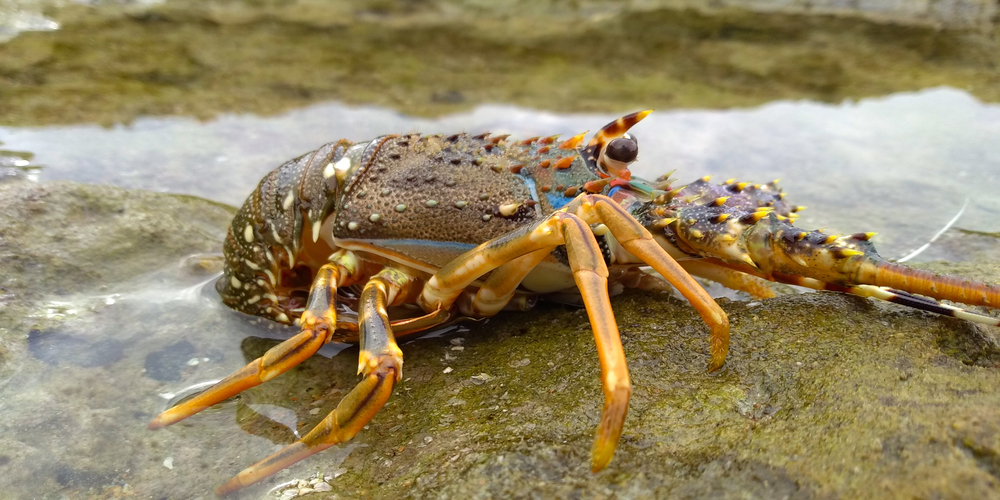
Lobsters produce telomerase throughout their lives, preventing DNA degradation. Their cells don’t lose replication ability. Aging isn’t programmed. Growth continues.
They don’t die of old age — they die from energy exhaustion during molting. Biologically, time doesn’t stop them. Physics does.
5. Greenland Sharks
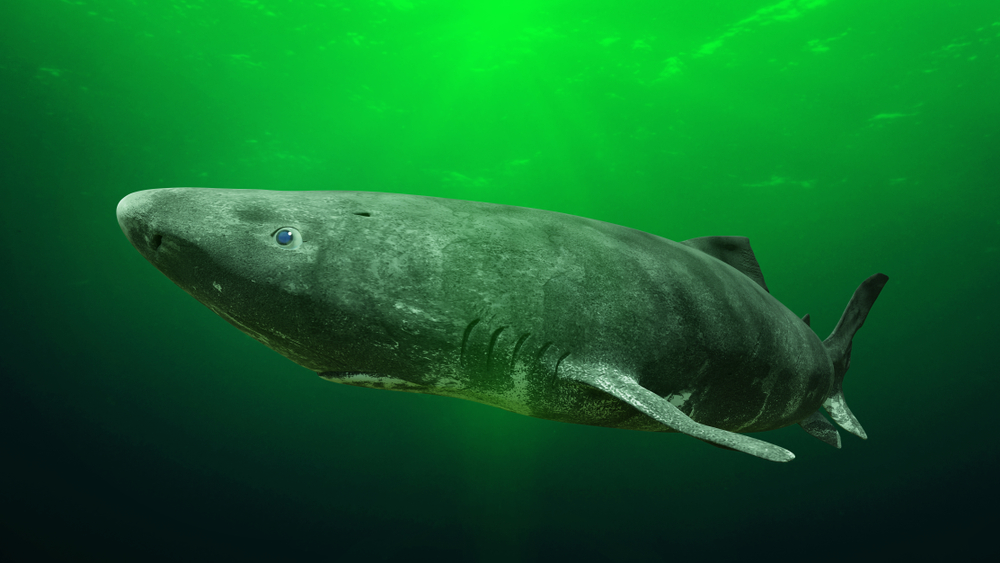
Greenland sharks grow extremely slowly and show no age-related decline. Radiocarbon dating of eye tissue suggests lifespans exceeding 400 years. Their metabolism barely ticks. Aging crawls.
They don’t regenerate — they resist decay. Time moves differently in cold water. Longevity is environmental. Immortality is relative.
6. Sea Sponges
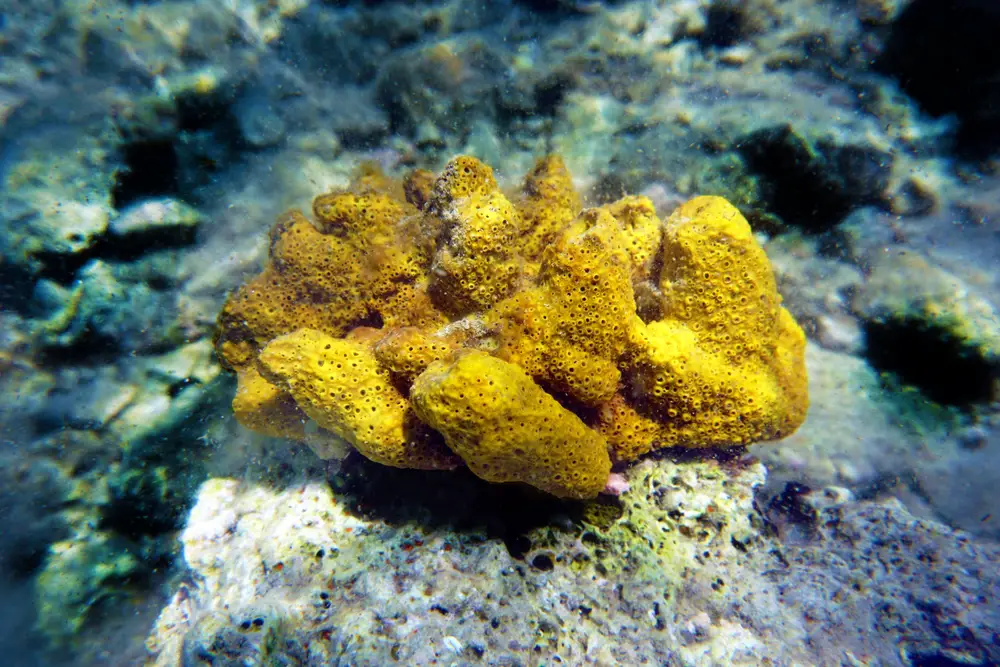
Some sponges regenerate endlessly and reproduce asexually. Individual identity is fluid. Damage doesn’t accumulate. Structure adapts.
Specimens dated over 11,000 years old exist. Aging isn’t linear. Persistence replaces lifespan.
7. Sea Anemones
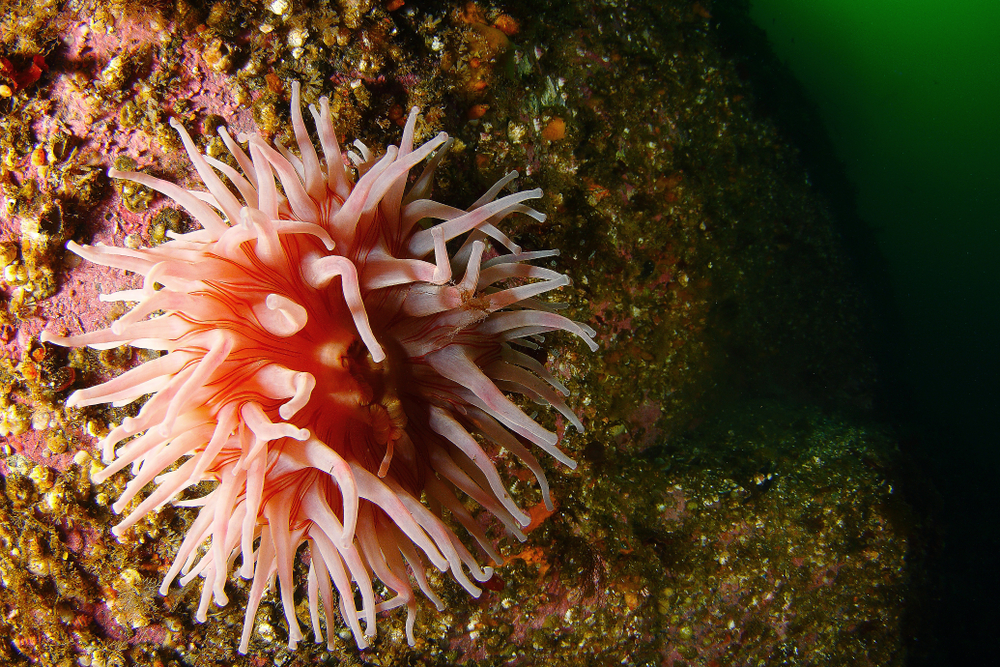
Like hydra, sea anemones regenerate indefinitely. Cells renew continuously. Senescence is absent.
They can clone themselves repeatedly. Time creates copies, not decay. Death is optional.
8. Bristlecone Pines
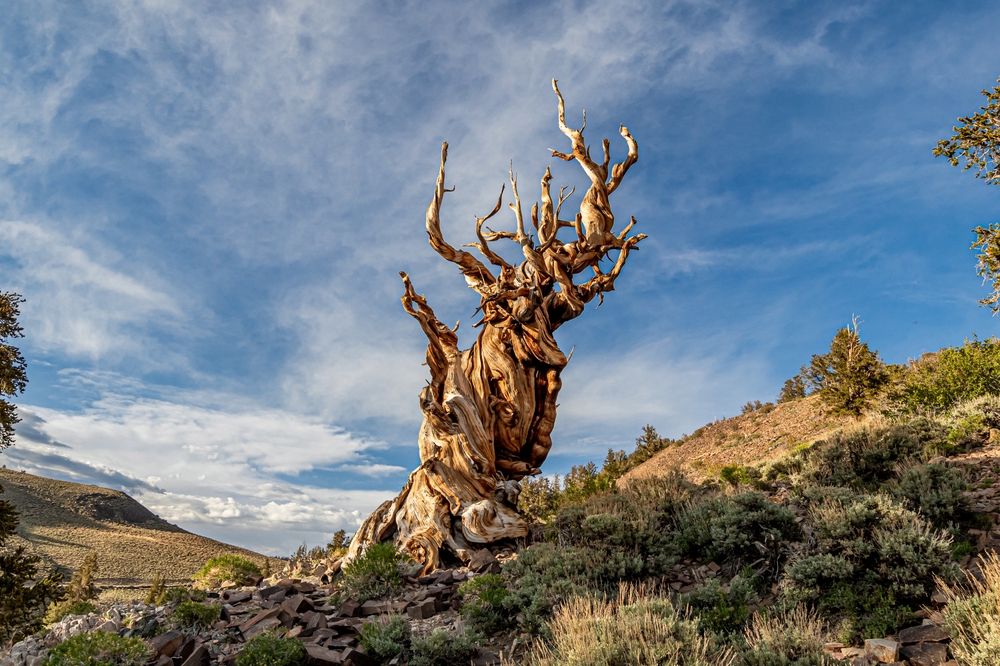
While not animals, they mirror immortal strategies. Cellular damage is isolated. Growth is modular. Longevity exceeds 5,000 years.
Biology doesn’t demand decay. It allows alternatives. Nature experiments freely.
9. Tardigrades
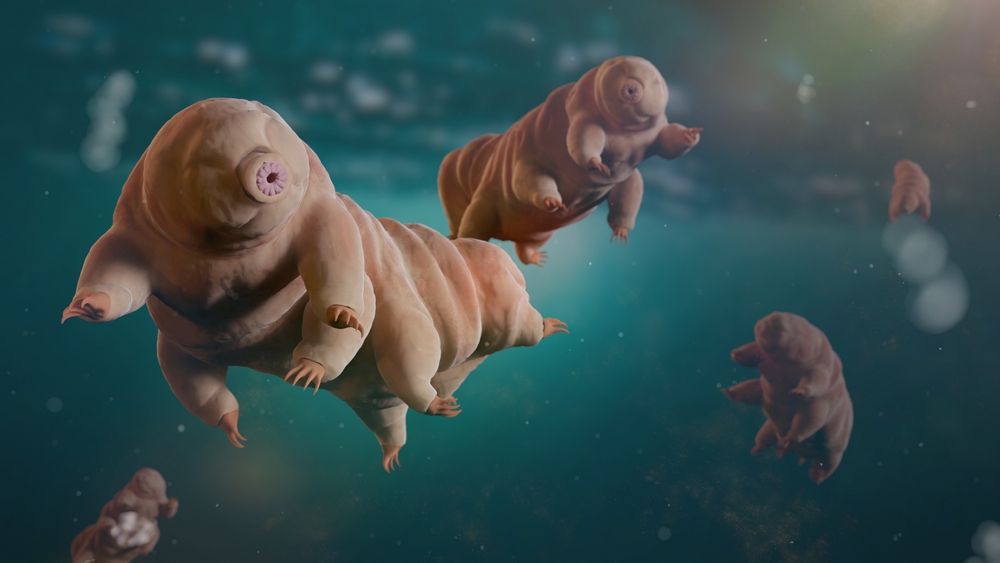
Tardigrades enter cryptobiosis, halting metabolism entirely. Time stops. Damage doesn’t accumulate.
They survive vacuum, radiation, and freezing. Aging pauses. Immortality waits.
10. Box Jellyfish Polyps
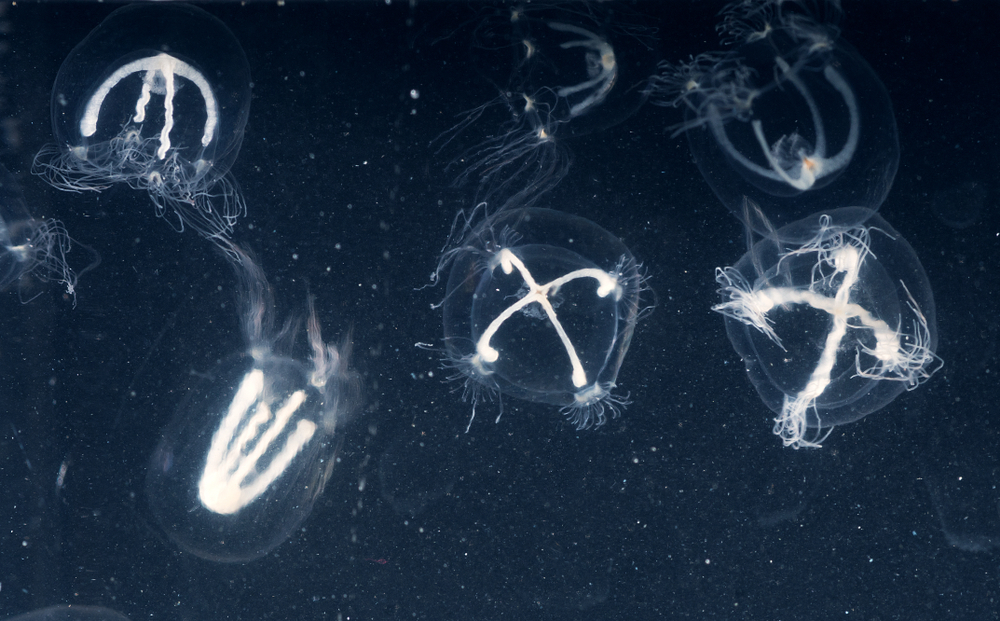
Some box jellyfish revert to polyp stages repeatedly. Life cycles loop. Death is postponed.
The body resets. Time rewinds. Aging fails.
11. Certain Corals
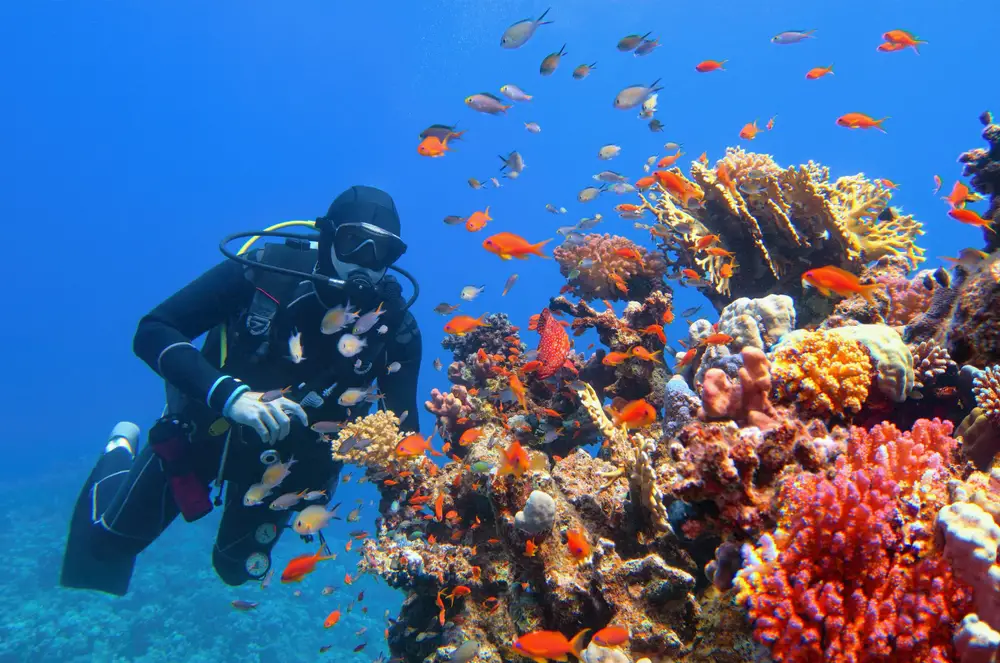
Colonial corals replace damaged parts endlessly. The organism persists though parts die. Identity is collective.
Age becomes meaningless. Time affects pieces, not the whole.
12. Bdelloid Rotifers
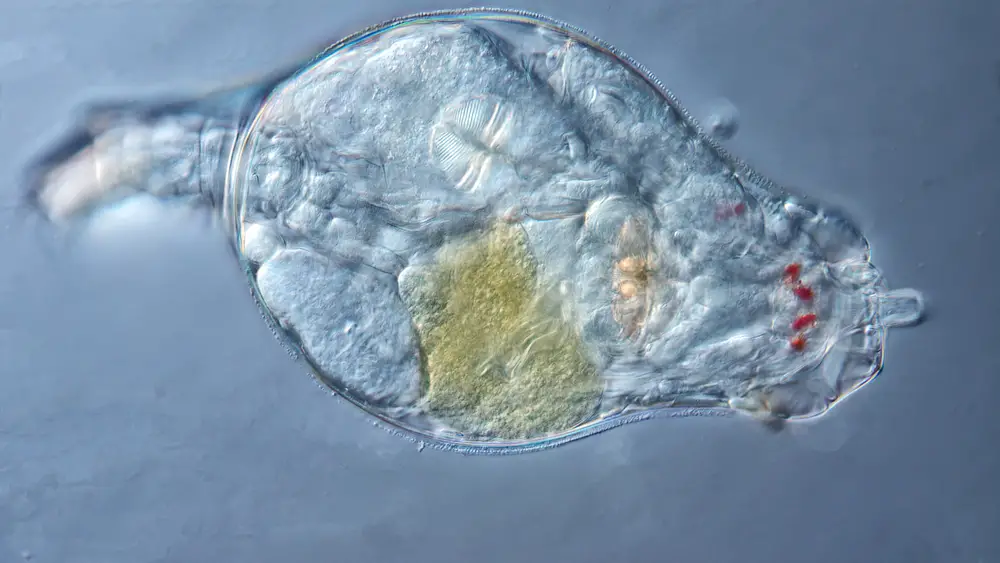
These microscopic animals reproduce without sex and repair DNA damage constantly. Aging stalls. Repair dominates.
They’ve survived millions of years unchanged. Time leaves no mark.
13. Nature Itself
Immortality isn’t rare — it’s selective. Aging evolved for speed, not necessity. Some species opted out.
Death is common, not required. Biology proves it.