
Elephants aren’t just emotionally intelligent — they’re neurologically wired to remember harm, loss, and betrayal with startling precision. In the wild, memory isn’t sentimental; it’s survival data. When an elephant remembers a threat, that information is passed through families and shapes behavior for decades. What humans interpret as “holding a grudge” is actually a sophisticated system of long-term risk management. Here’s why elephants remember — and why forgetting would be dangerous.
1. Their Brains Are Wired For Long-Term Memory
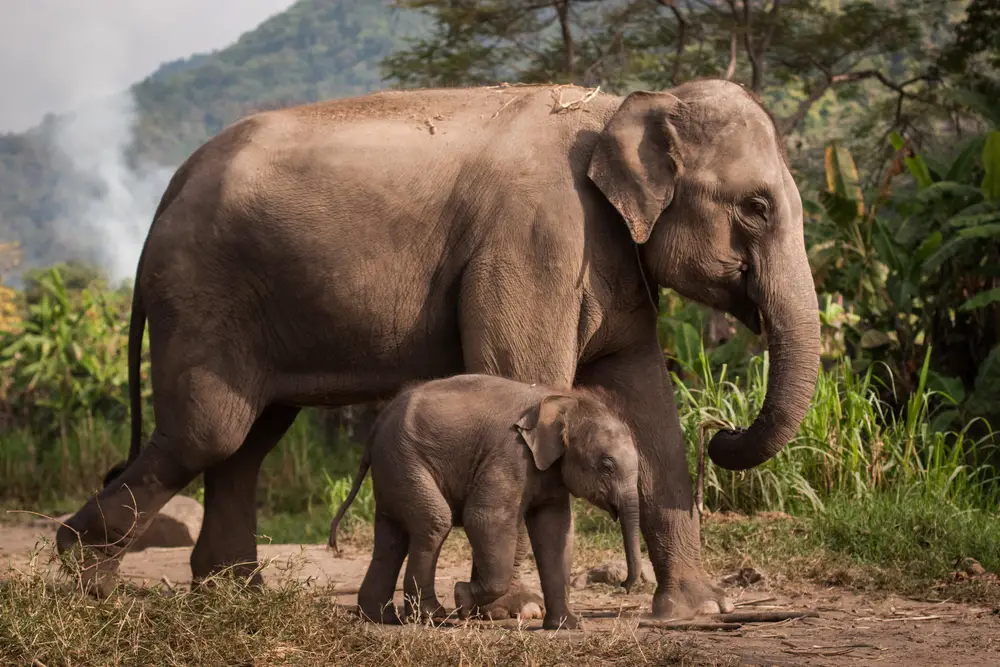
Elephants have one of the largest brains of any land animal, with a highly developed temporal lobe responsible for memory processing. This allows them to store detailed information about locations, individuals, and past events. Memory helps them navigate vast landscapes where water and safety shift over time. Forgetting would be lethal in unpredictable environments.
Neurological studies show elephant brains contain more neurons in areas associated with memory than humans. Researchers have found these structures are especially active during social recognition and threat assessment. Memory isn’t optional — it’s structural. An elephant that forgets doesn’t survive long.
2. If One Is Betrayed, They’re All Betrayed
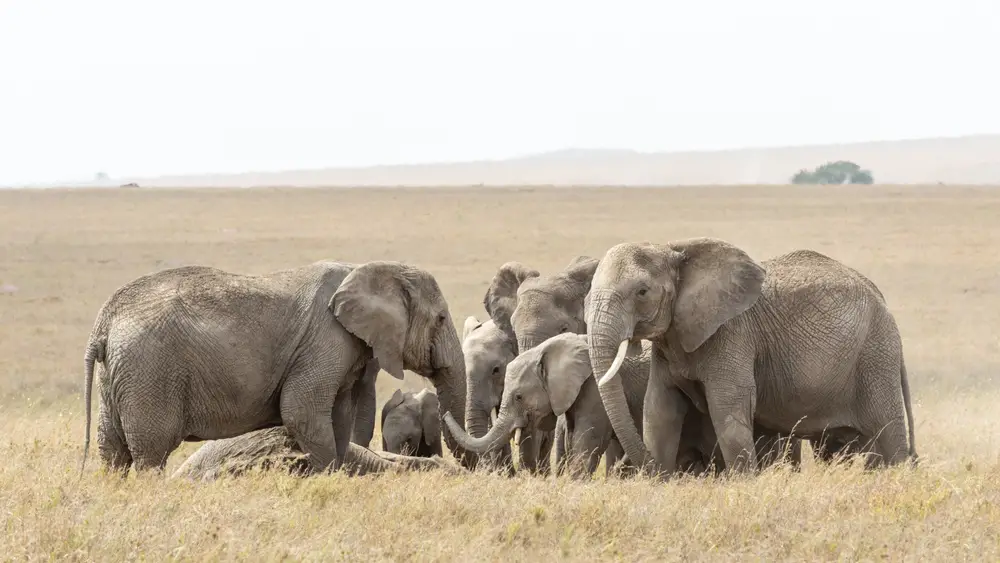
When an elephant is attacked or separated due to human interference, the event is encoded as a survival lesson. The herd learns which environments, paths, or behaviors lead to danger. Those lessons persist across generations. Memory becomes defense.
Conservation researchers note that elephants reroute migrations based on historical threats, even when safer conditions return. The memory outlasts the danger. Safety matters more than optimism. Survival favors caution.
3. Conflicts Are Never Forgotten
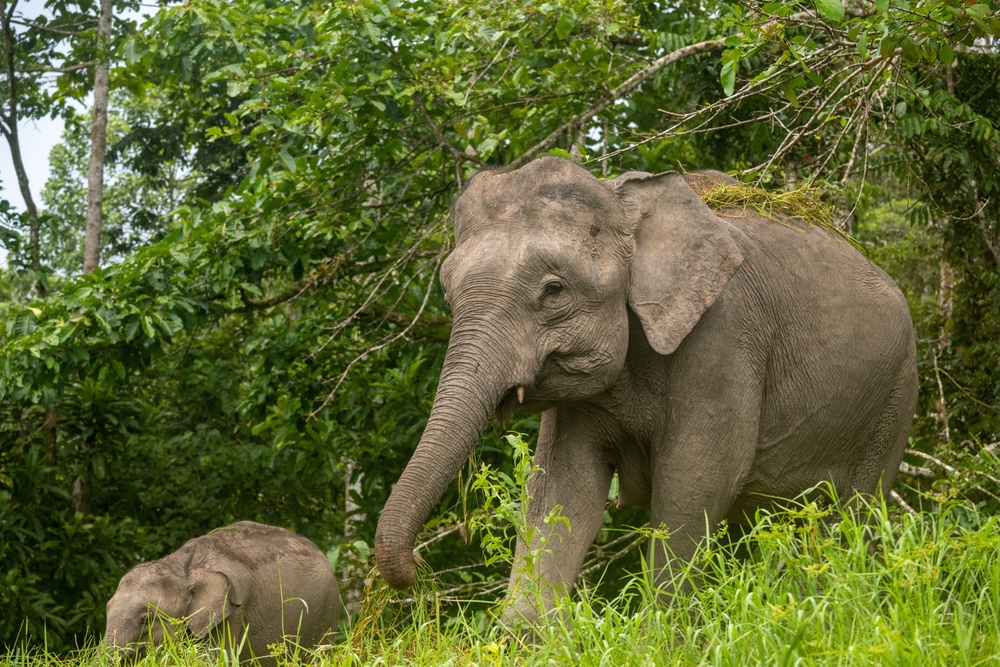
Within elephant society, dominance hierarchies are remembered long-term. Challenges, defeats, and betrayals influence future interactions. An elephant doesn’t need repeated conflict to remember status. One encounter is enough.
This prevents constant fighting and reduces injury. Memory stabilizes social order. Forgetting would destabilize the herd. Grudges maintain peace.
4. They Never Forget A Face
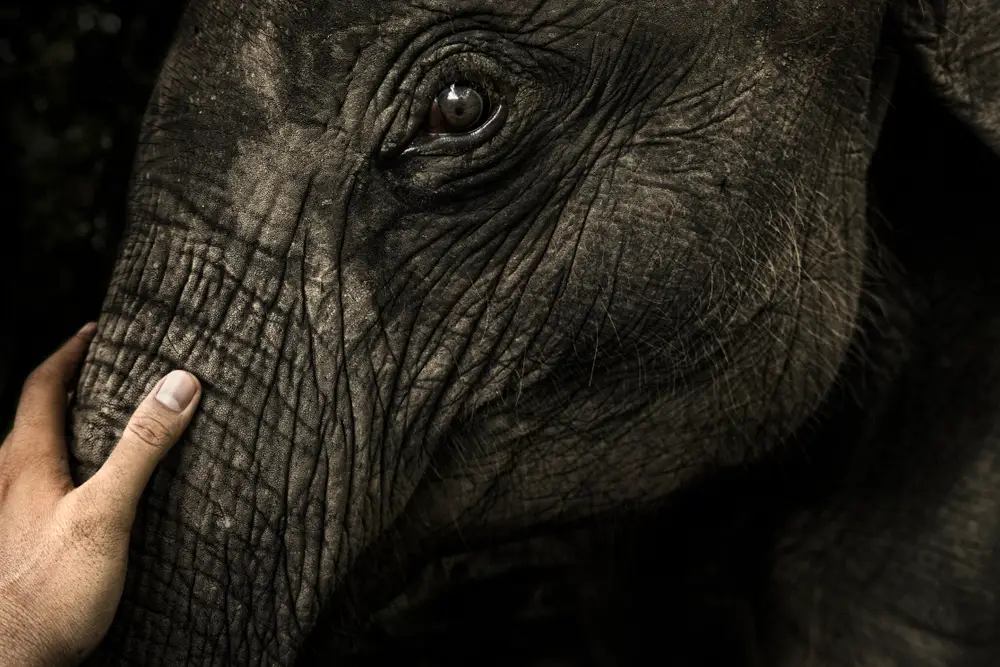
Elephants can distinguish between different human faces, voices, and even scents. They remember which humans posed danger and which did not. This recognition isn’t emotional bias — it’s learned pattern recognition. Past harm informs future avoidance or aggression.
Field studies in Kenya found elephants reacted defensively to the voices of specific ethnic groups associated with historical poaching. The reaction persisted decades after direct contact. That memory protects the herd. What looks like a grudge is actually inherited threat data.
5. Grudges Protect The Group
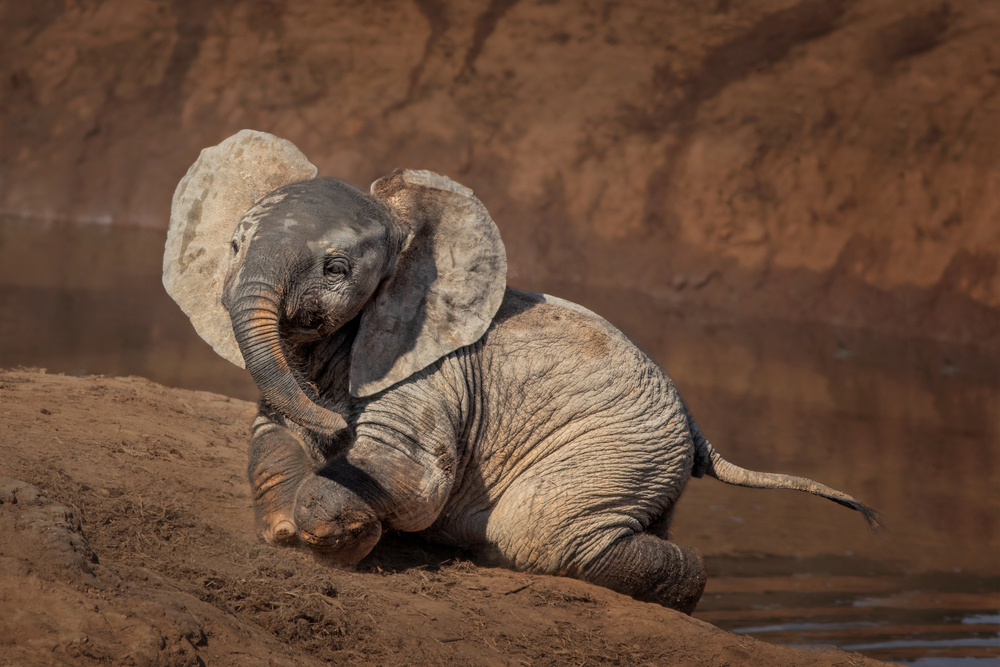
Matriarchs guide herd behavior using accumulated experience. They lead during droughts, danger, and migration. Younger elephants rely on that memory rather than trial and error. Knowledge is inherited.
Research from Amboseli National Park shows herds led by older matriarchs survive crises at higher rates. Memory is leadership. Grudges protect the group. Forgetting weakens authority.
6. Stress Activates Their Exceptional Memory
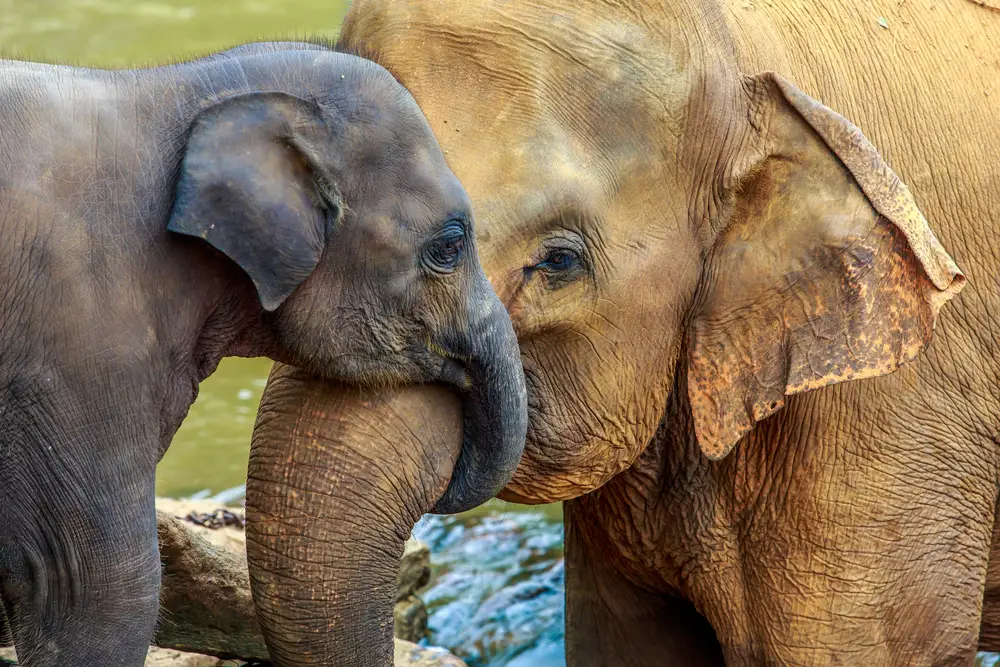
High-stress events activate stronger memory consolidation in elephants. This means dangerous encounters are remembered more vividly. Evolution favors remembering harm over comfort. It’s a bias toward survival.
Physiological studies show that elevated cortisol strengthens memory retention in elephants. Stress doesn’t fade — it sharpens recall. A remembered threat is a neutralized threat. Forgetting invites repetition.
7. They Think Long-Term
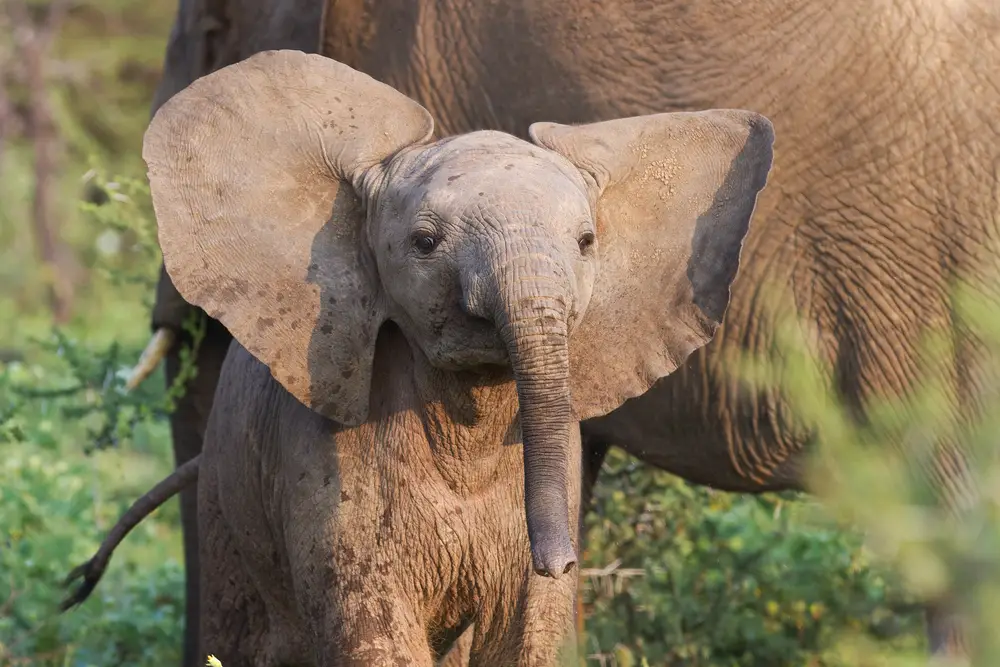
Elephants don’t react impulsively. They integrate multiple experiences over time. A single harmless encounter doesn’t erase a history of danger. Memory is cumulative, not reactive.
This allows elephants to assess risk realistically rather than emotionally. Their “grudges” are statistical. Patterns matter more than apologies. Survival depends on consistency.
8. Revenge Serves As A Deterrent
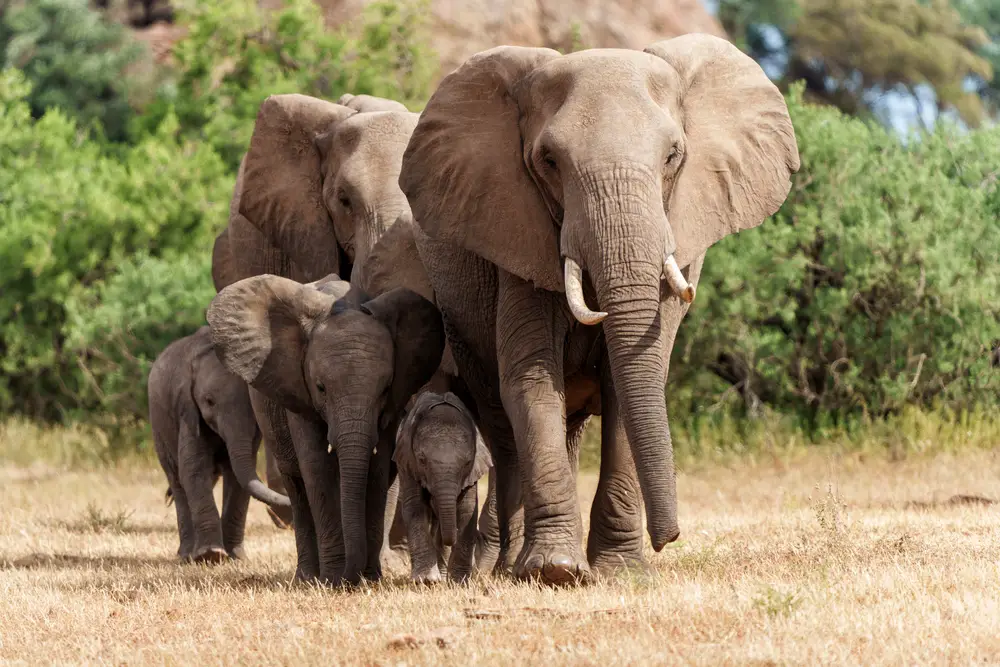
Aggressive responses toward known threats discourage repeat harm. Elephants that retaliate communicate danger clearly. This behavior protects future generations. Memory shapes deterrence.
Ethologists note that predators and humans alike alter behavior after elephant retaliation. The memory works both ways. Grudges reshape ecosystems. Forgetting removes leverage.
9. They Share Their Trauma With The Herd
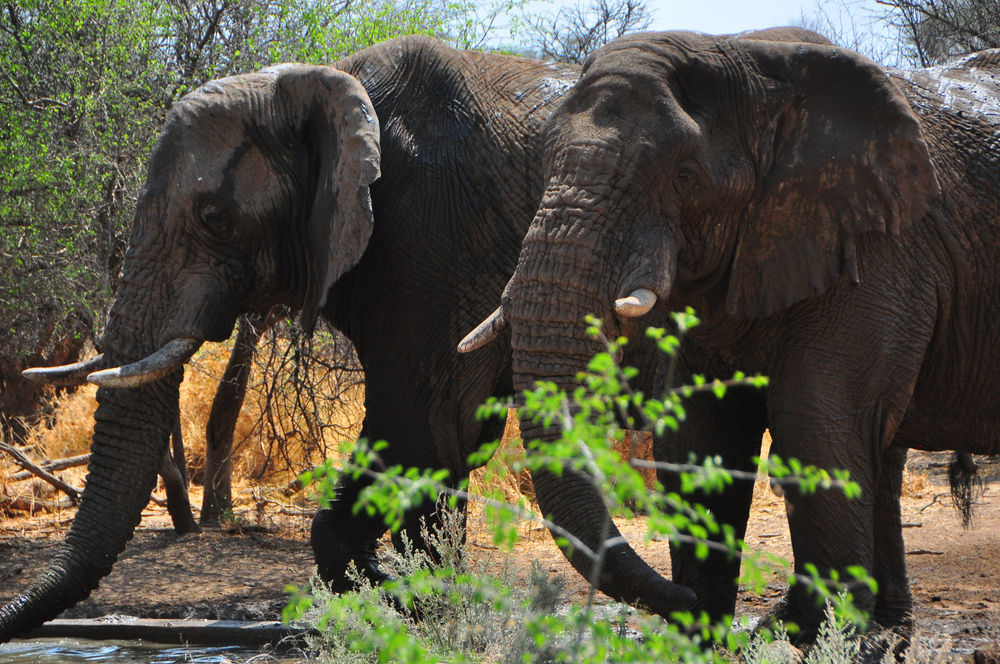
Elephants don’t experience trauma alone. When one elephant is harmed, the entire herd reacts and remembers. Calves observe adult responses and internalize those reactions. Memory becomes communal rather than individual.
Behavioral ecologists note that herds exposed to violence show elevated stress responses years later. These responses are consistent even among elephants born after the event. Memory travels through behavior. The herd remembers together.
10. Forgetting Endangers Their Calves
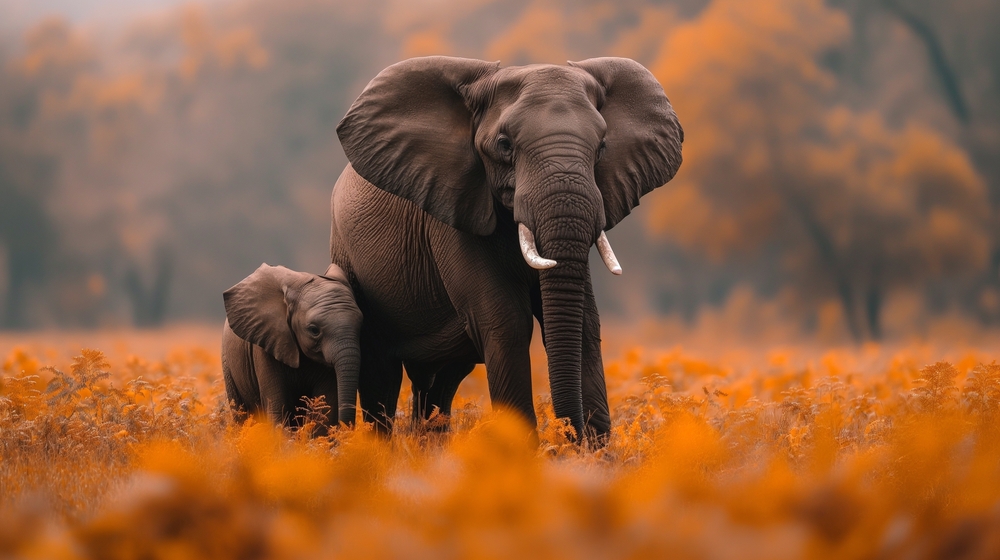
Young elephants rely entirely on adult memory for safety. They don’t recognize danger instinctively. Forgetting past harm would expose calves to repeat threats. Memory shields vulnerability.
Studies show calf mortality rises in destabilized herds where matriarch memory is lost. Knowledge keeps the young alive. Grudges are inherited protection. Forgetting is fatal.
11. They Mourn And Remember The Dead
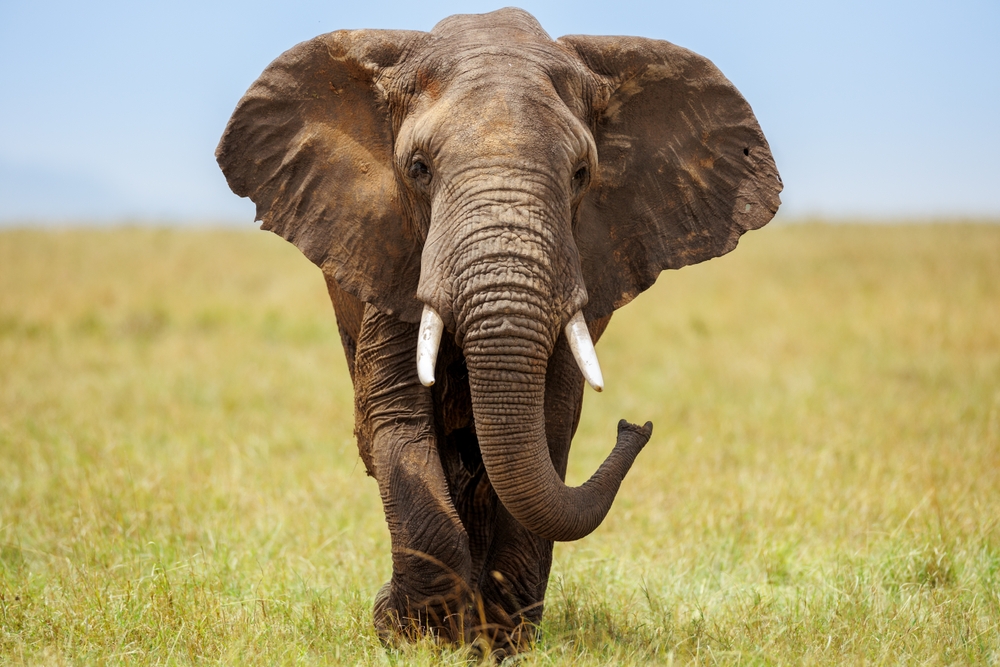
Elephants revisit the bones of deceased herd members, touching and investigating them gently. These encounters aren’t random. Elephants distinguish familiar remains from unknown ones. Memory preserves social bonds beyond death.
Studies published in Animal Behaviour show elephants spend significantly more time with the remains of known individuals. This reinforces social memory and emotional learning. Loss leaves a neurological imprint. Forgetting would fracture herd cohesion.
12. Letting Go Impacts Their Survival
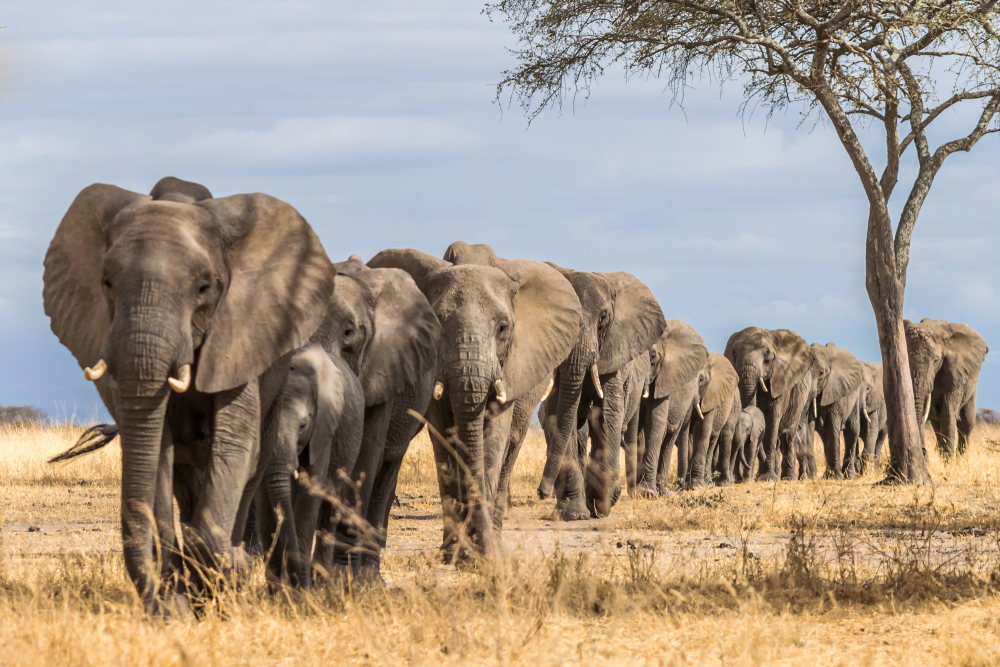
Forgiveness doesn’t improve elephant outcomes. Releasing memory increases risk. Nature rewards retention, not reconciliation. Grudges are adaptive, not emotional baggage.
In the wild, forgetting danger is more costly than remembering it. Elephants don’t carry resentment — they carry data. And data keeps them alive.