
Some animals are beautiful, intelligent, or fascinating—but completely incompatible with human households. These pets don’t fail because they’re “bad.” They fail because their biology, psychology, and environmental needs clash violently with domestic life. These animals don’t bend. They break owners instead.
1. Monkeys
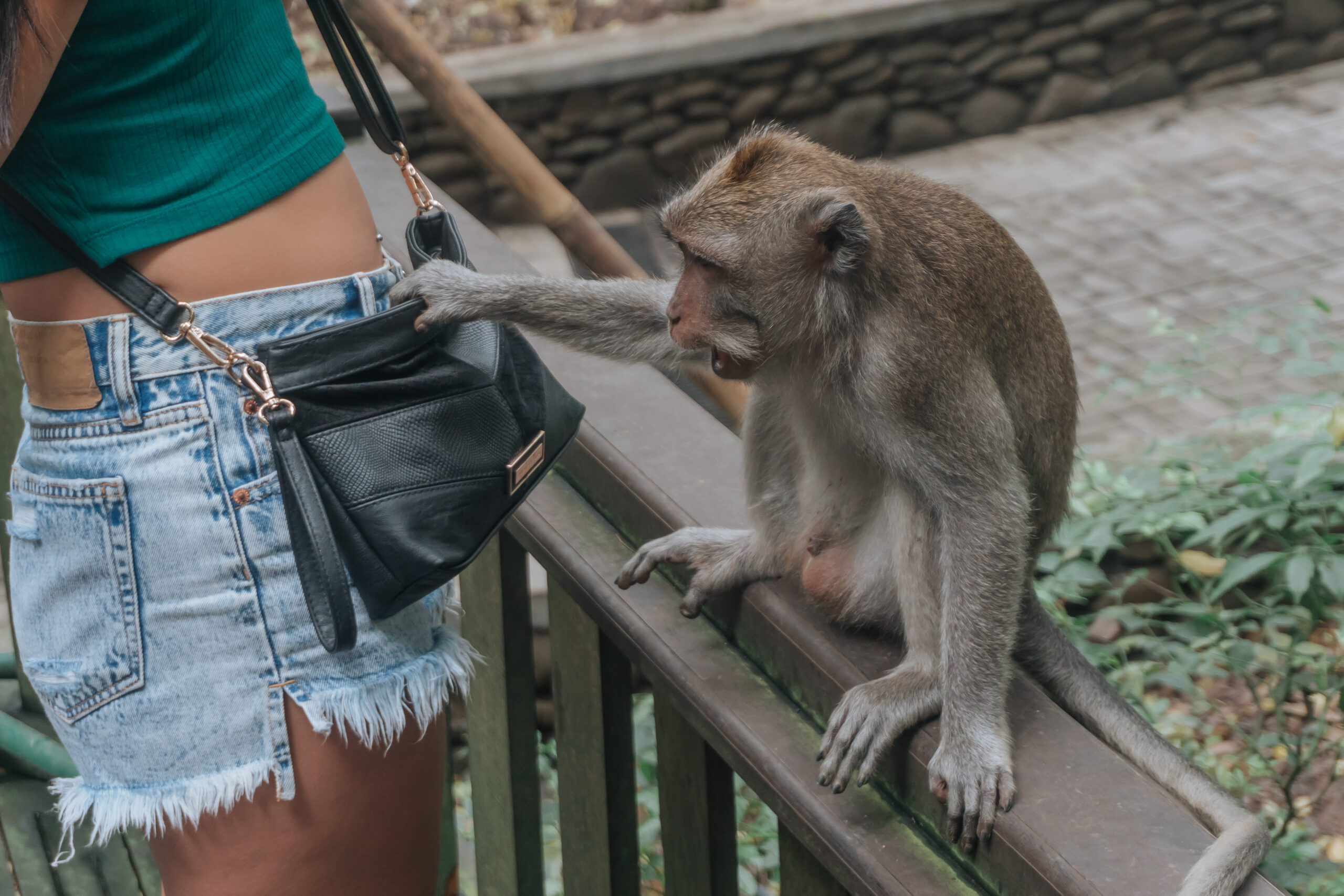
Primates do not stay cute. As they mature, aggression, strength, and dominance behaviors emerge. Bites cause severe injury. Control becomes impossible.
Primate behavior studies show captive monkeys develop chronic stress and violent tendencies. Human homes cannot replicate social hierarchies. Injury risk skyrockets. Laws exist for a reason.
2. Foxes
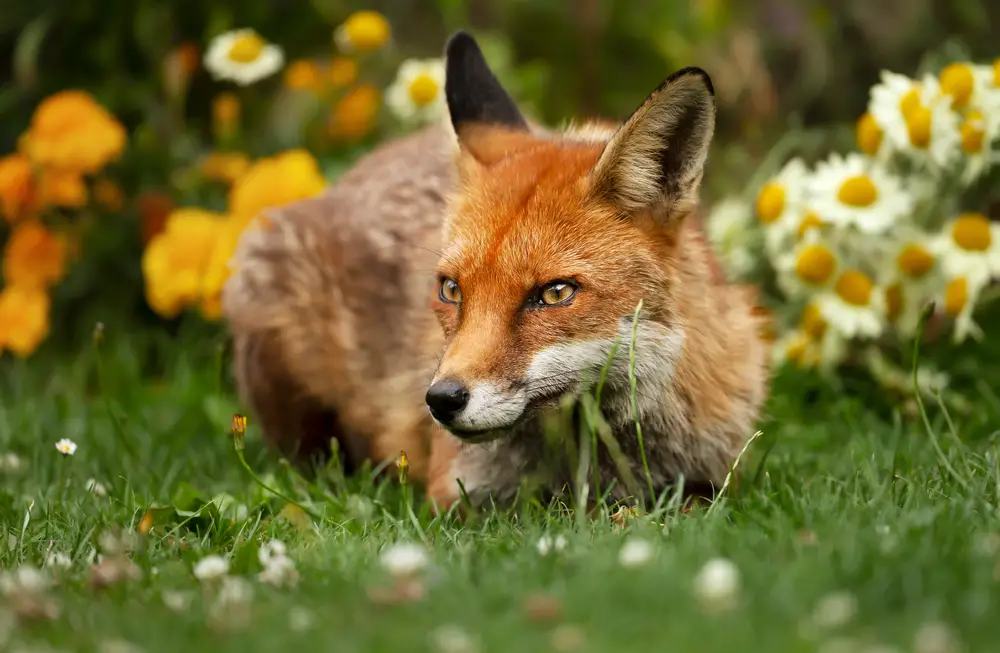
Foxes are not small dogs. They are solitary, territorial, and chemically aggressive. Their urine contains sulfur compounds that permanently saturate living spaces. Odor becomes irreversible.
Zoological housing studies confirm that fox scent marking cannot be trained away. Hormonal cycles intensify marking behaviors. Owners report permanent property damage. Smell ends the experiment.
3. Sugar Gliders

These animals require colony structures and constant nocturnal engagement. Isolation causes severe psychological distress. Bonding demands sleep deprivation from humans. Burnout is inevitable.
Exotic mammal welfare research shows sugar gliders experience self-harm when improperly housed. Their needs exceed typical pet care. Emotional collapse follows neglect. Owners fail fast.
4. Raccoons
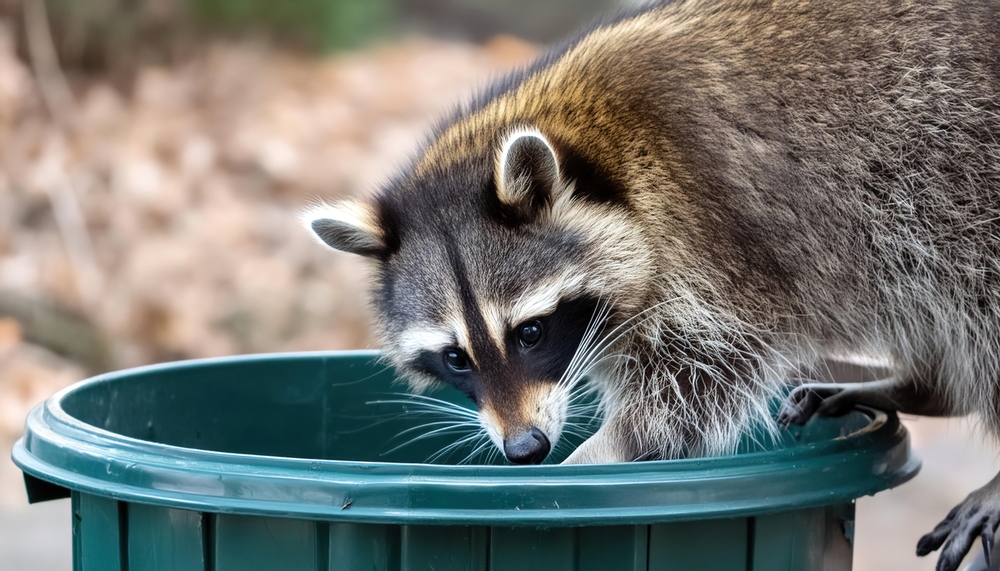
Raccoons possess near-primate intelligence combined with zero domestication. They dismantle homes methodically, opening cabinets, tearing insulation, and flooding rooms. Curiosity does not turn off. Destruction escalates.
Wildlife cognition studies show raccoons outperform cats and dogs in problem-solving tasks. Their intelligence requires constant stimulation. Without it, chaos follows. Homes become obstacle courses.
5. Large Parrots
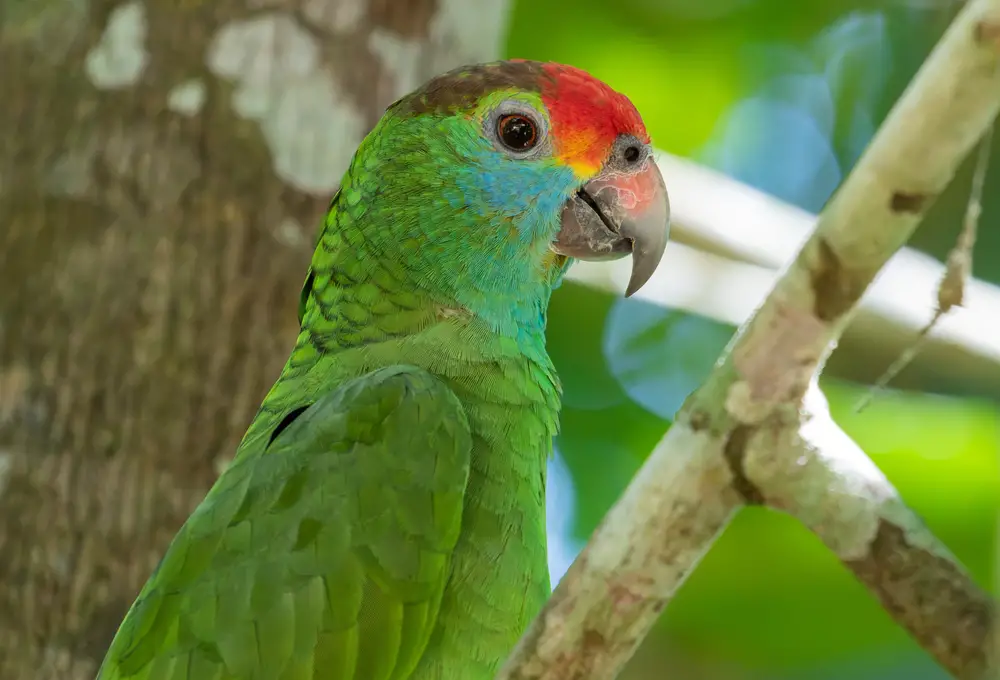
Parrots live decades and require constant cognitive stimulation. When bored, they scream, self-mutilate, or attack. Noise becomes life-altering. Freedom disappears.
Avian cognition research confirms parrots rival toddlers in intelligence. Under-stimulated birds develop neuroses. Owners underestimate longevity. Commitment becomes a trap.
6. Hedgehogs
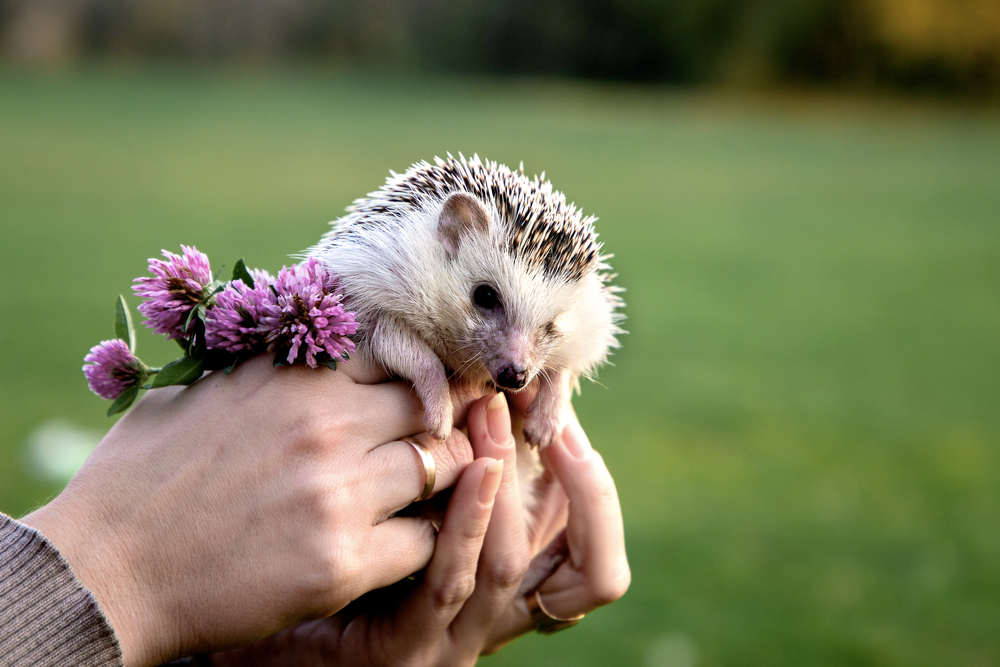
Hedgehogs are nocturnal, solitary, and stress-prone. Handling often causes fear responses. They do not bond like mammals people expect. Disappointment sets in.
Veterinary studies show hedgehogs suffer in high-interaction homes. Stress suppresses immunity. Owners misinterpret withdrawal. Reality conflicts with expectation.
7. Venomous Reptiles
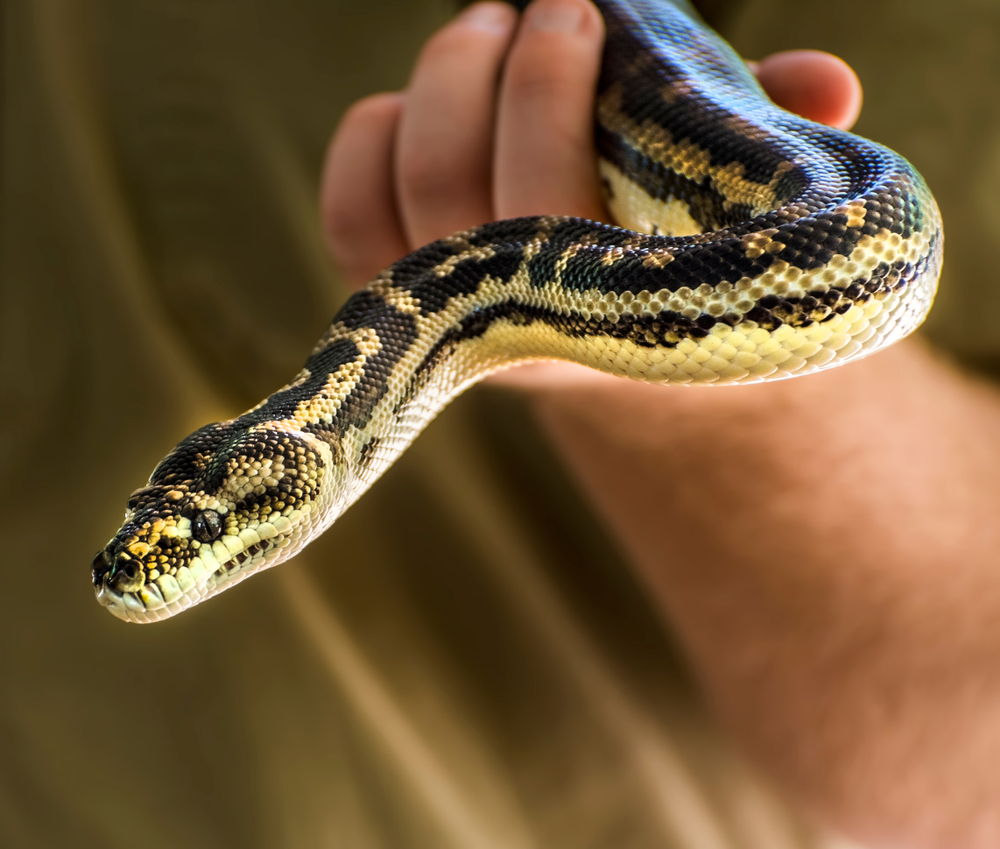
Handling errors results in medical emergencies. Antivenom access is limited. One mistake ends lives. Risk outweighs novelty.
Herpetology safety research documents rising exotic bite incidents. Emergency response delays increase mortality. Ownership requires institutional support. Homes are not equipped.
8. Wolves and Wolfdogs
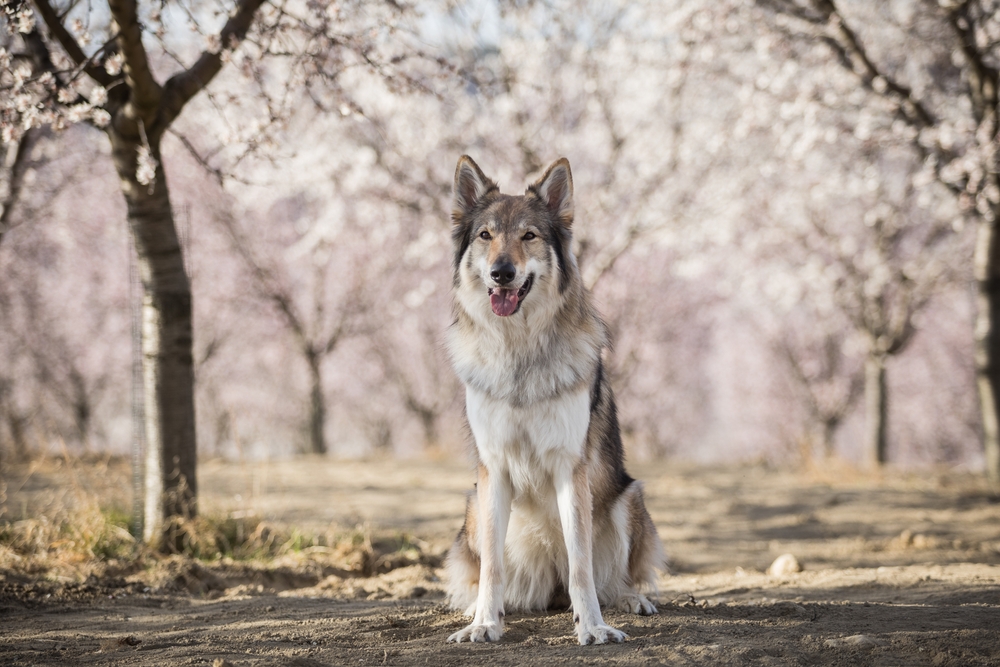
Wolfdogs retain wild instincts that override training. Prey drive remains high. Escape attempts are constant. Liability is severe.
Canine genetic research shows that wolf hybrids resist domestication. Behavioral unpredictability increases with maturity. Shelters overflow with surrendered animals. Reality arrives late.
9. Large Constrictor Snakes
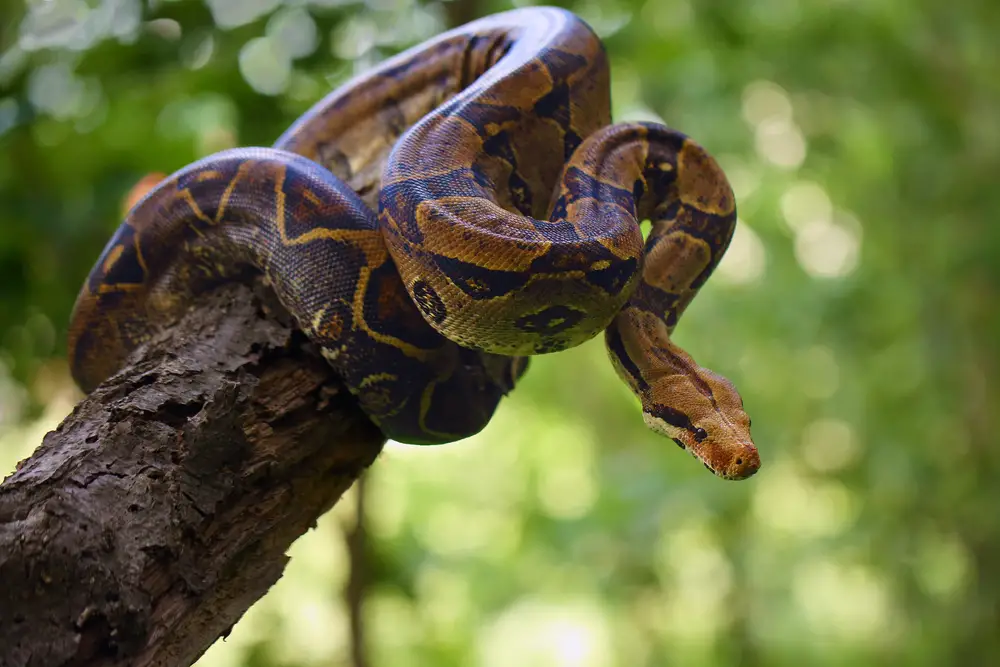
As size increases, feeding and handling become dangerous. Multiple handlers are required. Fatal accidents occur annually. Risk scales rapidly.
Reptile safety data confirms constrictor fatalities disproportionately involve owners. Feeding response is involuntary. Control diminishes over time. Homes become unsafe.
10. Aquatic Predators
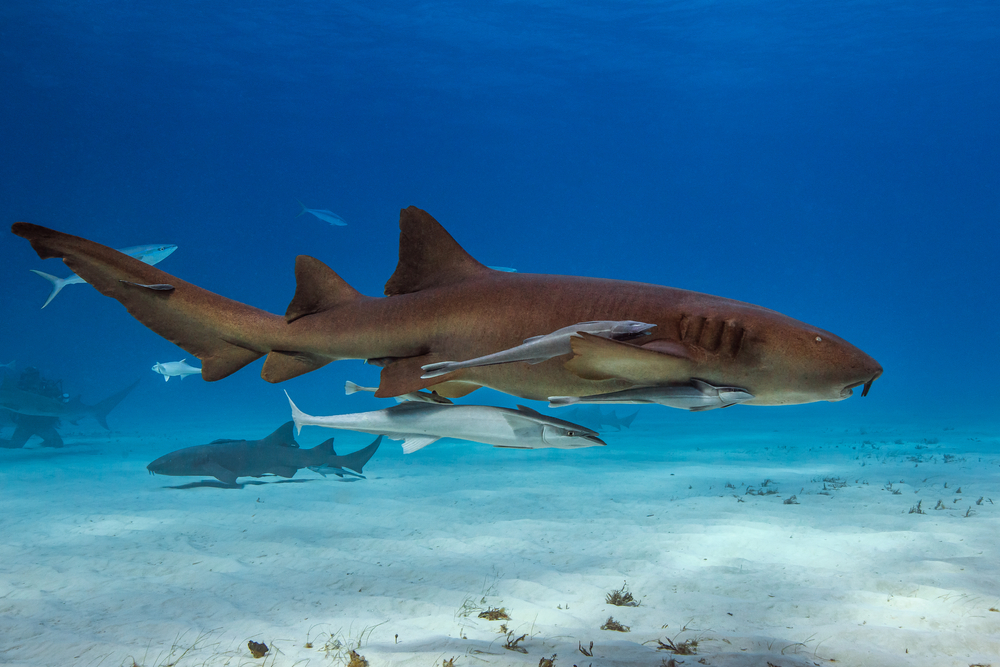
Large fish require massive filtration systems. Water chemistry failures kill ecosystems overnight. Costs spiral. Maintenance dominates life.
Marine husbandry studies show predator fish demand industrial-level care. Owners underestimate system fragility. Failure cascades quickly. Tanks collapse.
11. Hooved Animals
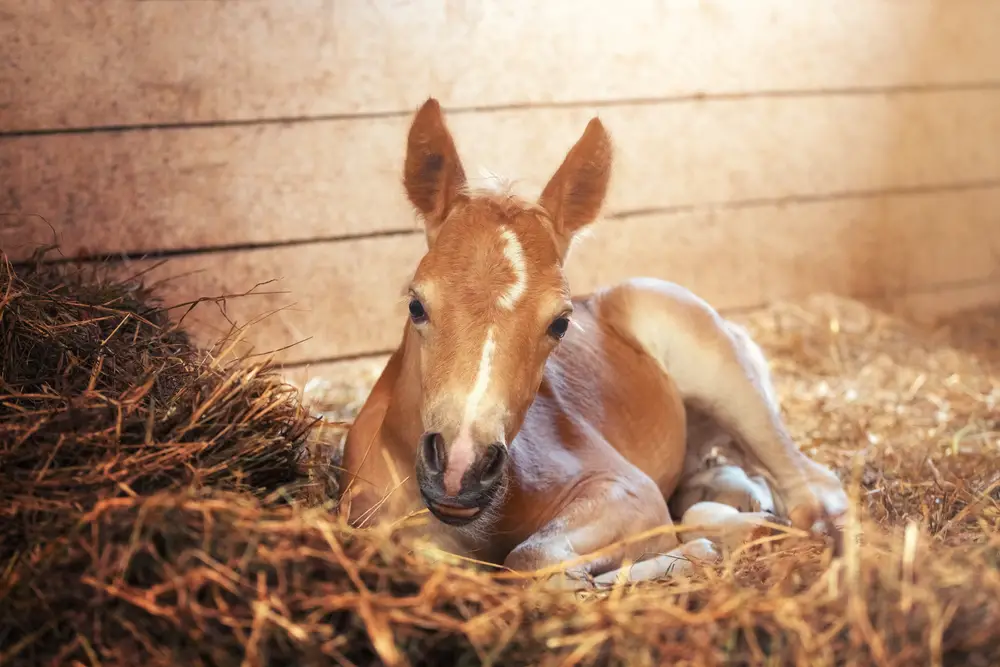
Hoofed animals require acres, not rooms. Stress causes aggression. Injury risk is extreme. Homes fail structurally.
Zoological enclosure research confirms that ungulates deteriorate in confined spaces. Behavioral breakdown follows. Veterinary care is specialized. Ownership collapses.
12. Cute Pets To Make You Look Good
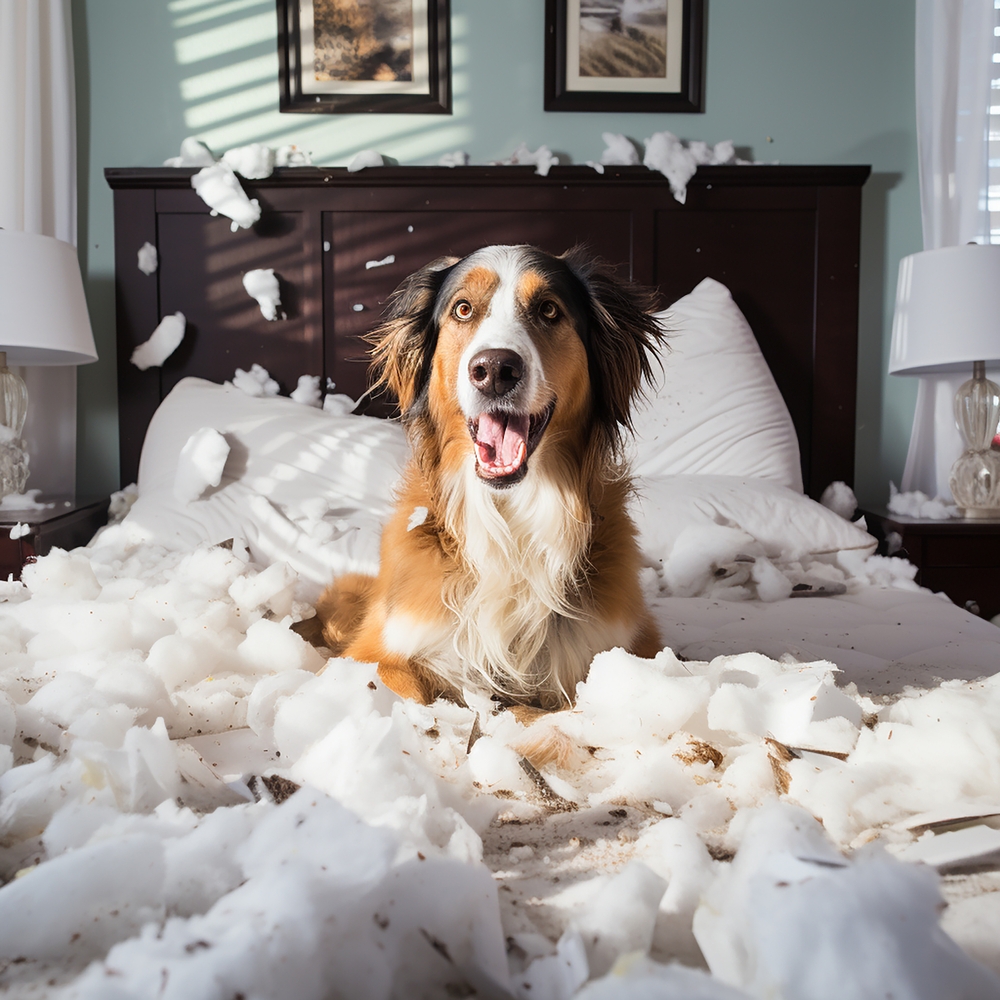
Choosing a pet for appearance ignores biology. Needs go unmet. Stress escalates. Regret follows.
Animal welfare experts consistently warn against trend-driven pet acquisition. Viral appeal fades quickly. Reality persists. Animals pay the price.