
Wild birds don’t attack humans randomly or emotionally. What appears to be aggression is often a strategic defense rooted in territory, nesting cycles, resource protection, or learned behavior. Birds operate on fast threat assessment and decisive response, not hesitation. When conflict happens, it’s because you crossed an invisible biological line.
1. Dive-Bombing From Above
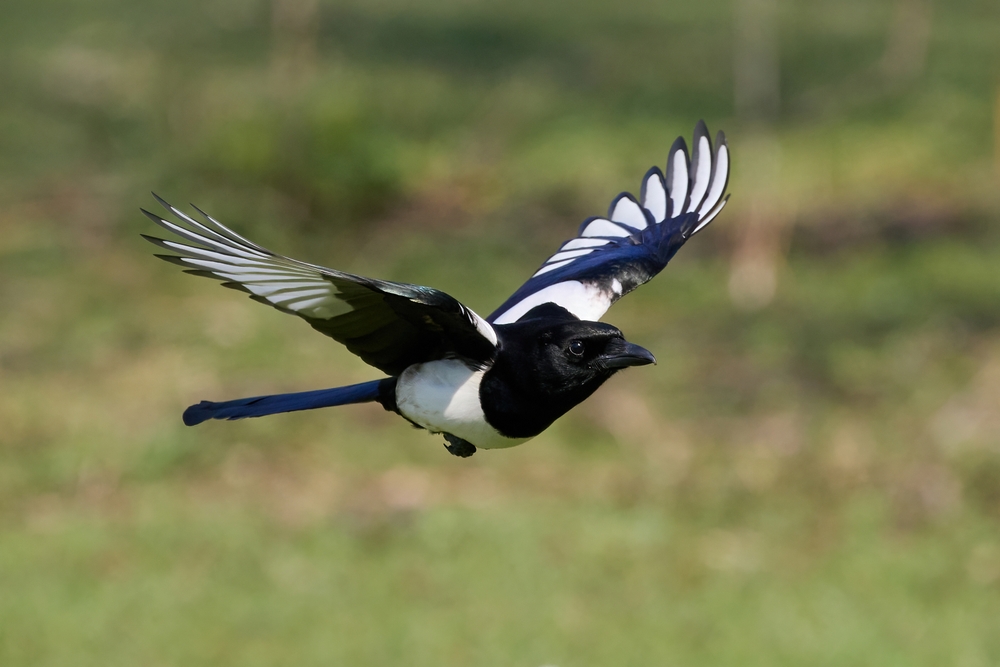
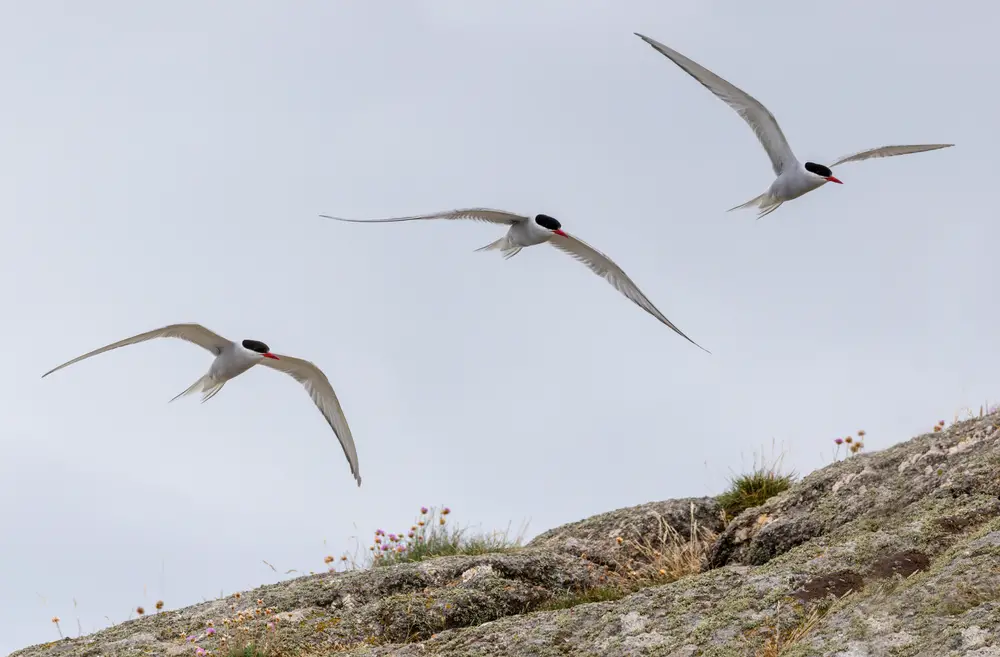
Aerial strikes are one of the most common bird tactics against perceived threats. Species like magpies, gulls, and terns attack from above because gravity amplifies impact and surprise. The goal isn’t injury—it’s deterrence through intimidation and proximity. A near miss often works better than contact.
Ethological studies show dive-bombing exploits human blind spots and reflex delay. Birds attack when heads are lowered or when movement is predictable. This tactic conserves energy while maximizing psychological effect. Humans retreat quickly when they feel targeted from above.
2. Targeting The Head And Eyes
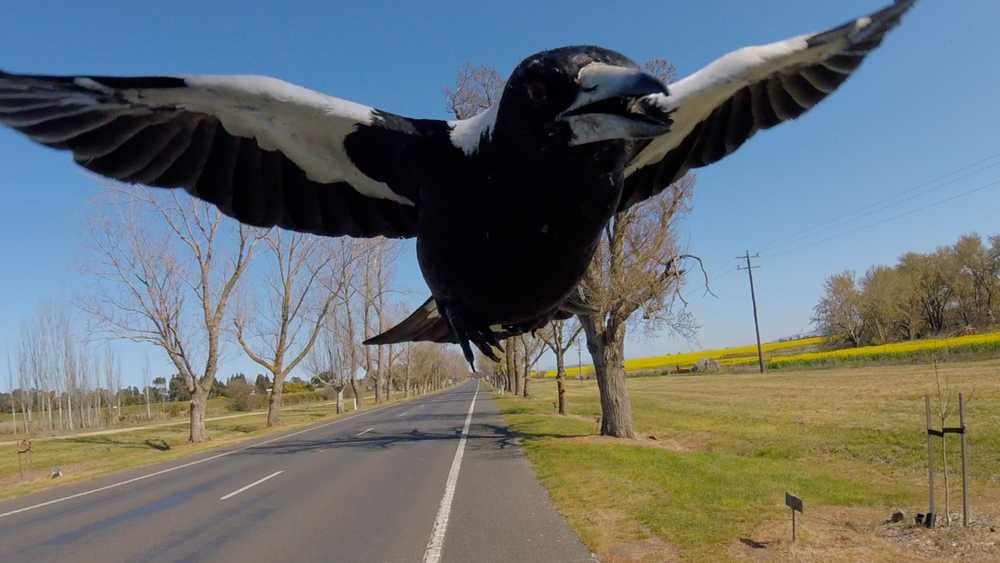
Birds instinctively aim for the head because it neutralizes the threat fastest. Hats, hair, and eye movement attract attention during attacks. Aiming high increases the likelihood of retreat without prolonged engagement. It’s efficient risk management.
Avian aggression research shows that head targeting is not random. Birds identify sensory organs as threat centers. Eye contact increases the likelihood of escalation. Protecting the head disrupts the attack sequence.
3. Coordinated Group Attacks

Some birds escalate conflict by recruiting others. Crows, gulls, and blackbirds use alarm calls to mobilize nearby individuals. What starts as one bird becomes a swarm response. Numbers overwhelm perception.
Social bird species evolved collective defense to deter larger predators. Research shows that mobbing dramatically increases predator retreat rates. Humans trigger the same response when they linger. The strategy works because it creates chaos.
4. Intensive Defence Strategies

During breeding season, birds defend their territory with extreme intensity. Nests override all other priorities. Even previously tolerant birds become aggressive. The attack continues until the perceived threat exits the zone.
Reproductive biology research confirms nesting defense peaks during chick vulnerability windows. Hormonal changes amplify risk tolerance. Birds prioritize offspring survival over self-preservation. Humans are treated as predators by default.
5. Deceptively Faking Injury
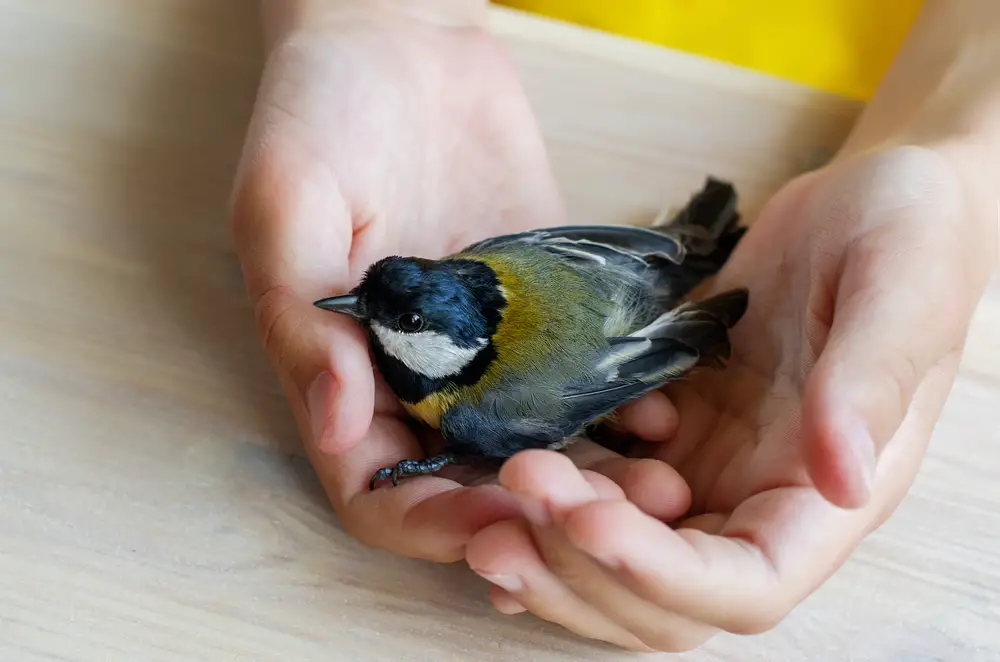
Some birds fake an injury to lure humans away from nests. Broken-wing displays exploit human concern instincts. The bird appears vulnerable while leading threats farther away. Once distance is achieved, the bird recovers instantly.
This behavior is well-documented in plovers and lapwings. It demonstrates advanced threat manipulation. Birds trade temporary exposure for offspring safety. Humans often fall for it repeatedly.
6. Waging Psychological Warfare
Birds weaponize sound aggressively. Screeching, alarm calls, and repetitive cries raise stress levels quickly. Noise disrupts focus and decision-making. It signals dominance and territorial ownership.
Bioacoustic research shows alarm calls trigger instinctive avoidance in mammals. High-pitched repetition elevates heart rate. Birds use sound to control space without physical contact. Noise is cheaper than combat.
7. Ambushing Your Routine

Birds learn human routines quickly. Walking paths, entrances, and feeding areas become ambush zones. Repeated exposure strengthens territorial association. Attacks increase when patterns remain unchanged.
Behavioral learning studies show birds adapt faster to predictable movement than random behavior. They exploit repetition. Changing routes reduces attacks significantly. Consistency invites confrontation.
8. Using Objects As Weapons
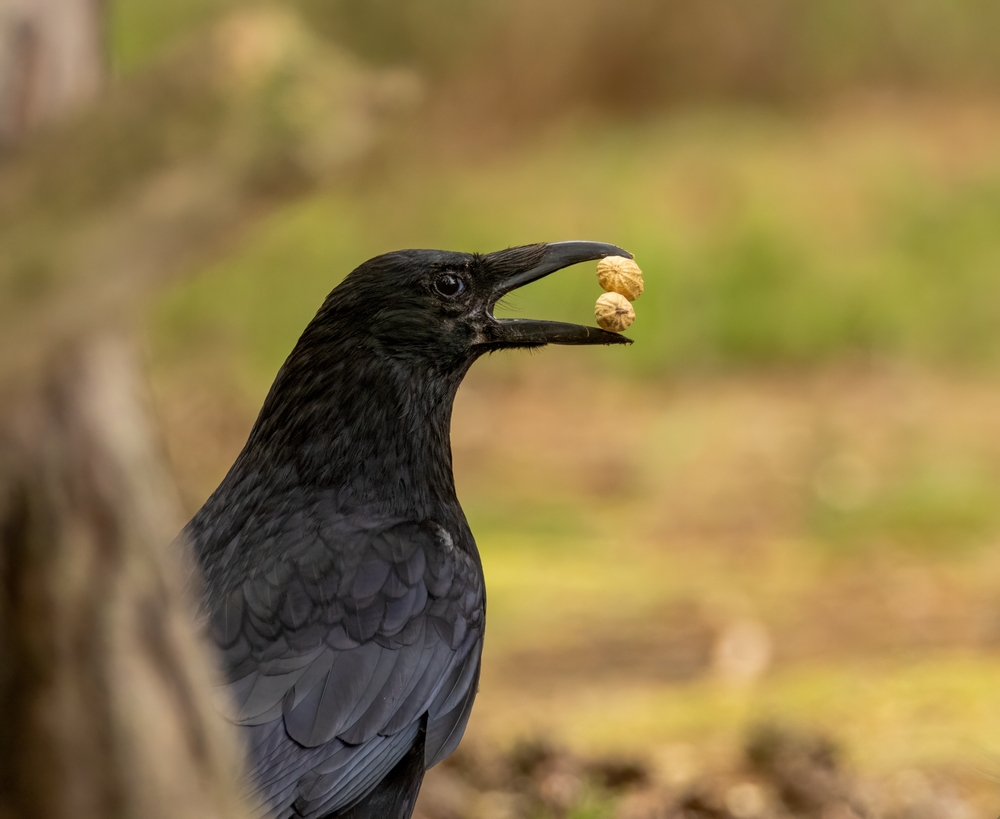
Some birds drop objects intentionally. Stones, shells, or debris are released from height. The goal is disruption, not precision injury. Impact startles and redirects behavior.
Observational studies in urban birds show increased object-dropping near food competition zones. Birds understand gravity’s advantage. Environmental manipulation expands their defensive range. It’s indirect warfare.
9. Blatant Repeated Harassment
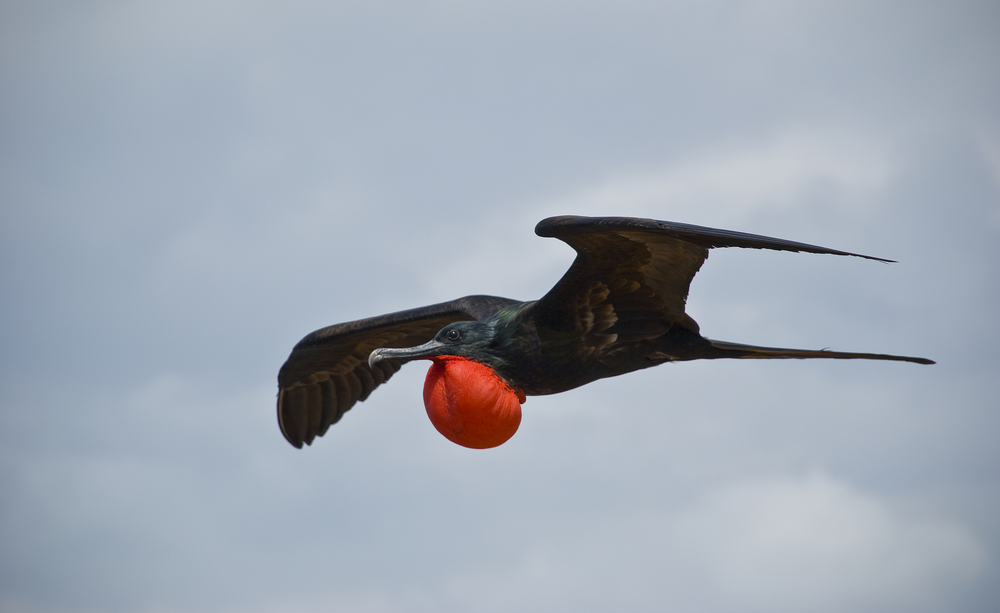
Birds often persist longer than humans expect. They chase, circle, and repeat attacks until boundaries are respected. Endurance is the tactic. Retreat confirms success.
Aggression persistence correlates with territory value. High-resource zones receive sustained defense. Birds measure success by withdrawal. Conflict ends only when distance is restored.
10. Recognizing Their Victims
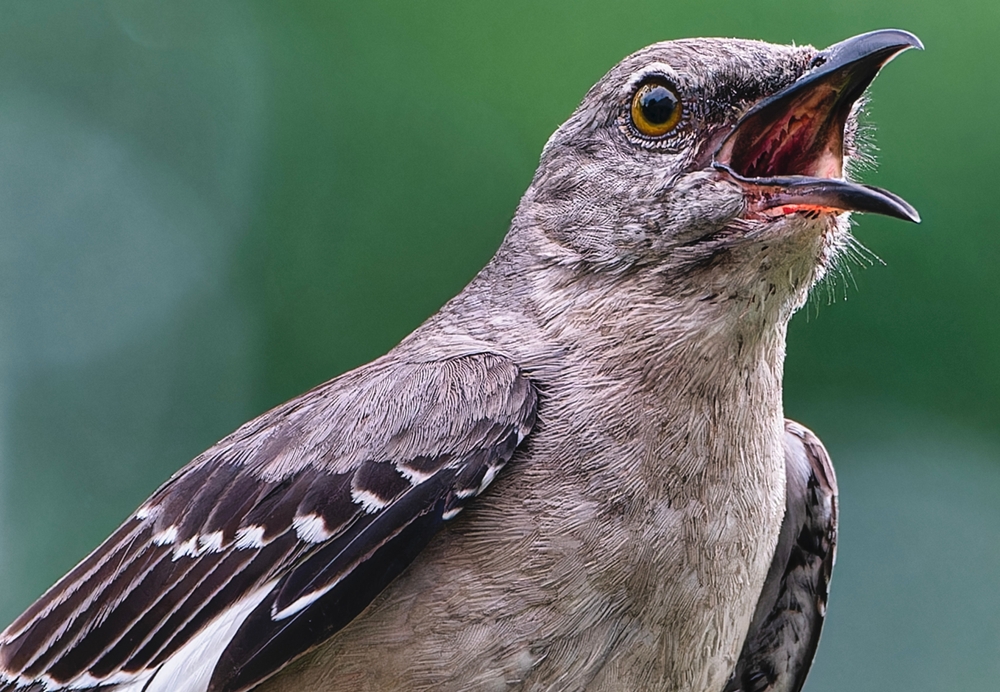
Birds remember faces. Especially corvids. If you’ve triggered aggression once, recognition increases future responses. Neutral humans become specific threats.
Cognitive research confirms that birds have long-term memory for human facial features. Recognition strengthens over time. Repeat exposure escalates aggression. Forgetting is not guaranteed.
11. Exploiting Your Fear
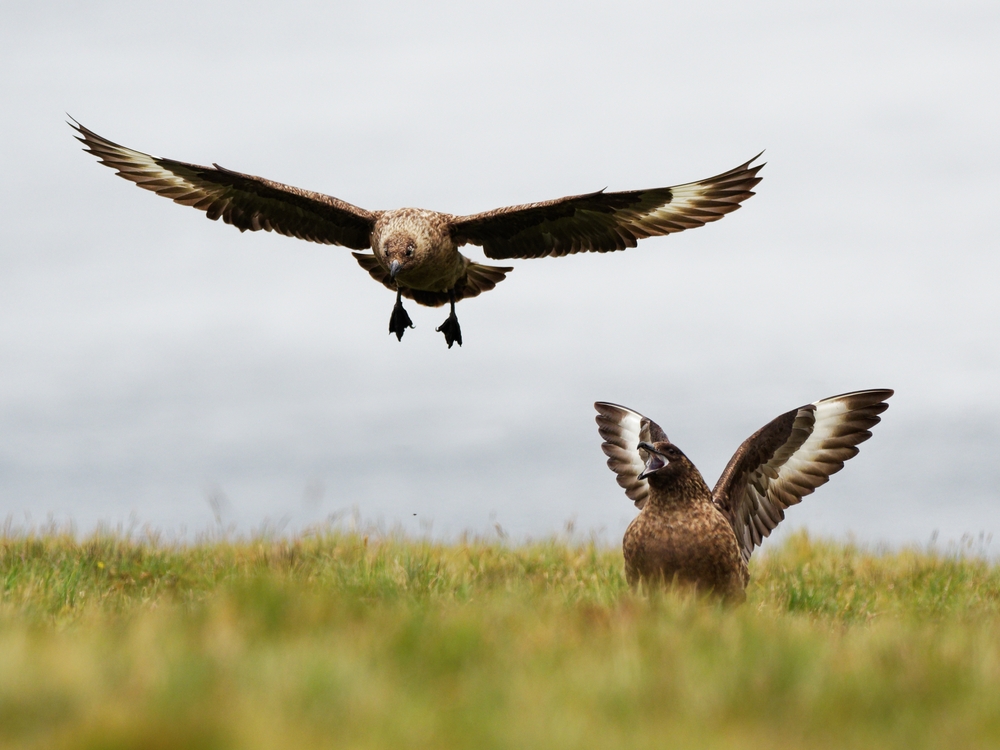
Birds attack when humans hesitate or stop. Pausing invites escalation. Continued movement often reduces risk. Birds exploit indecision.
Predator-prey dynamics show hesitation increases vulnerability. Birds read body language quickly. Confidence reduces pursuit. Movement resolves conflict faster than reaction.
12. Persistent Aggressive Patterns
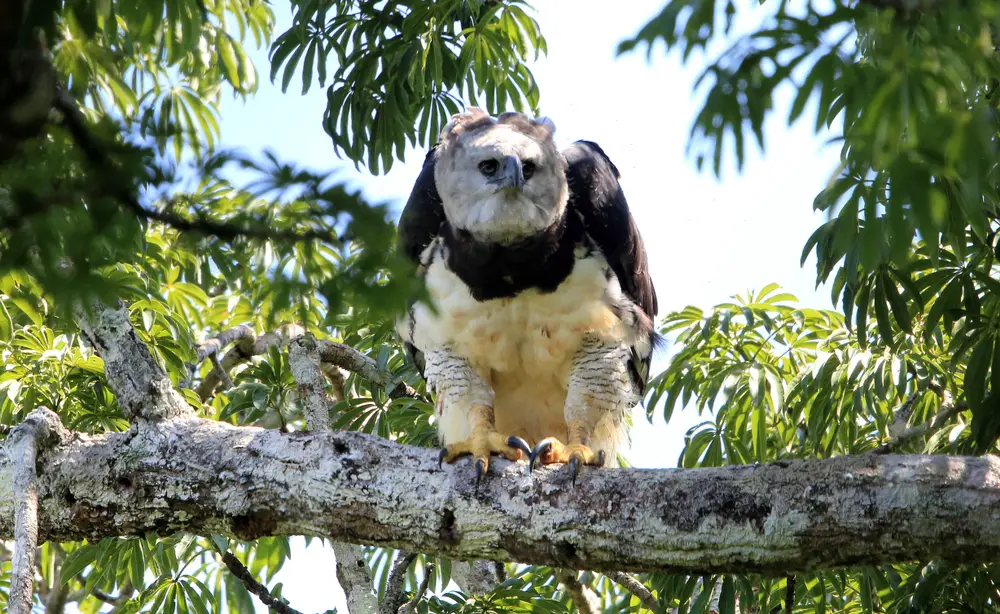
Birds defend territory across generations. Nesting sites are inherited. Past conflicts influence future behavior. Memory shapes aggression.
Long-term ecological studies show that birds exhibit site fidelity. Aggression patterns persist. Humans entering “known threat zones” trigger preemptive defense. History matters.