
Cats don’t interpret human behavior through emotion or intention the way people do. They read bodies, patterns, scent shifts, and micro-changes in behavior that signal safety, threat, or unpredictability. What feels invisible to you is often loud data to a cat. These behaviors are not guesses — they are biologically trained assessments shaped by thousands of years of solitary survival.
1. They Can Interpret Stillness
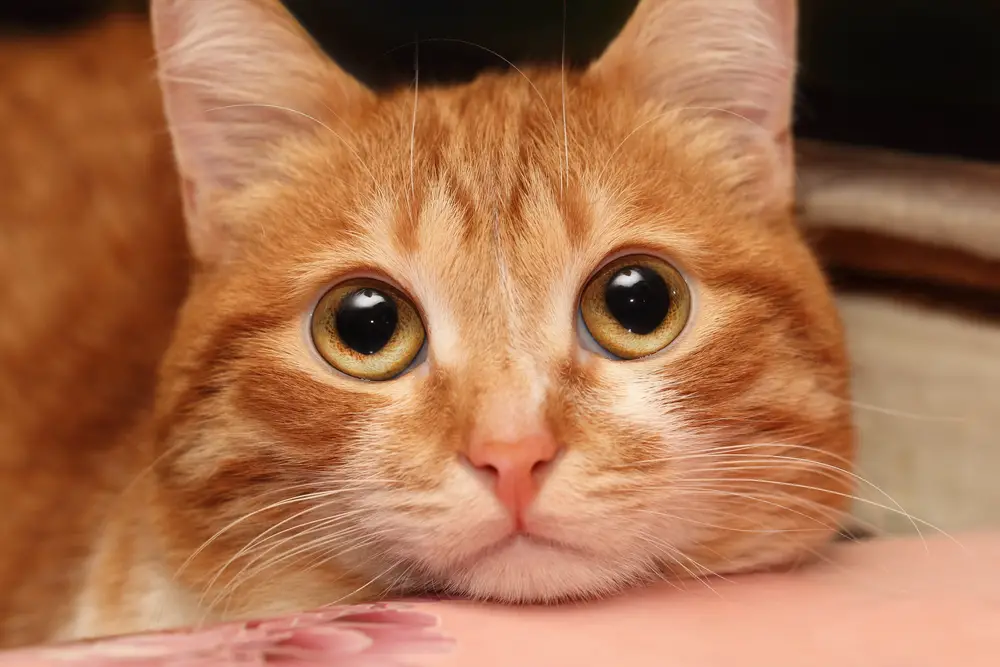
Cats are extremely sensitive to how much space you take up and how still you are within it. A relaxed, grounded posture signals predictability, while sudden movement or restless shifting signals uncertainty. Even subtle changes in how you sit, stand, or walk can change how a cat approaches you. Stillness often reads as non-threatening rather than disinterested.
From an ethological perspective, stillness is a key safety cue in solitary predators. Field observations show that cats assess risk by watching whether another being can hold a consistent physical state. Erratic movement suggests poor impulse control or danger. Calm bodies indicate a stable environment.
2. They Notice If Your Body’s Tense

Cats notice tension long before humans consciously register it. Tight shoulders, clenched hands, or a rigid posture alter how your body occupies space. To a cat, tension signals readiness for sudden action, not emotional distress. That shifts how close they’re willing to get.
Veterinary behavior research shows that cats respond to changes in muscle tone as indicators of threat probability. High tension equals unpredictability. Relaxed musculature equals low-risk presence. Your body broadcasts before your words do.
3. They Pay Attention To Your Breathing

Cats track respiratory rhythm closely. Shallow, rapid breathing suggests agitation or alertness, while slow breathing indicates calm. When your breathing changes, their vigilance often increases. They may reposition, retreat, or observe from a distance.
This response is rooted in predator-prey biology. Irregular breathing often precedes action in mammals. Cats evolved to notice these cues because reacting early increases survival. Your breath becomes environmental data.
4. They Watch Your Eyes

Cats monitor blinking frequency, eye softness, and gaze direction. Hard stares feel confrontational, while slow blinking communicates neutrality or trust. Your eyes can either lower or raise their guard instantly. They are not reading emotion — they are reading intent cues.
Studies of feline social signaling show eye behavior functions as a distance-regulation tool. A direct, unbroken stare mimics predatory focus. Soft gaze reduces perceived threat. This is why cats respond so strongly to eye contact.
5. They Can Detect Voice Changes

Cats don’t process language meaning, but they are highly responsive to pitch, cadence, and volume. A calm, even tone registers differently from sharp or fluctuating speech. Raised pitch or abrupt changes increase alertness. Consistent vocal patterns promote tolerance.
Animal communication research shows cats categorize human voices as environmental signals, not social conversation. The sound quality matters more than content. Tone predicts behavioral outcomes. Your voice shapes their risk map.
6. They Can Smell When You’re Stressed

Stress alters human scent through hormonal changes, particularly cortisol-related compounds. Cats detect these changes easily. Even if your behavior looks the same, your scent may not. That shift can make a familiar human feel unfamiliar.
Olfactory biology studies confirm that cats rely heavily on scent stability for recognition. Sudden scent changes disrupt their sense of environmental continuity. Familiar equals safe. Altered scent equals reassessment.
7. They Track Your Movements

Cats track how predictable your movements are over time. Consistent routines signal environmental reliability. Random pacing, abrupt direction changes, or unusual activity raise suspicion. Predictability lowers cognitive load for animals.
Behavioral ecology research shows animals favor environments that minimize surprise. Predictable humans become background elements. Unpredictable ones require monitoring. Energy is conserved by avoiding uncertain variables.
8. They React To Your Emotional Energy

Cats do not feel human emotions, but they respond to the behaviors and emotions that are created. Anxiety leads to pacing, fidgeting, and inconsistency. Calm leads to slow movement and steady presence. Cats read the output, not the feeling.
This distinction matters in animal behavior science. Cats respond to environmental stability, not emotional intent. What you feel internally only matters if it changes your behavior externally. Energy becomes visible through action.
9. They Observe How You Enter A Room

How you cross thresholds matters to cats. Fast entries, heavy footsteps, or abrupt door movements trigger alertness. Slow, deliberate entry signals control and awareness. The first three seconds often set the tone.
Territorial species track entry behavior carefully. Studies on domestic cats show heightened vigilance around doorways and transitions. Controlled movement reduces perceived intrusion risk. Entry style shapes trust.
10. They Notice How You Sit Near Them
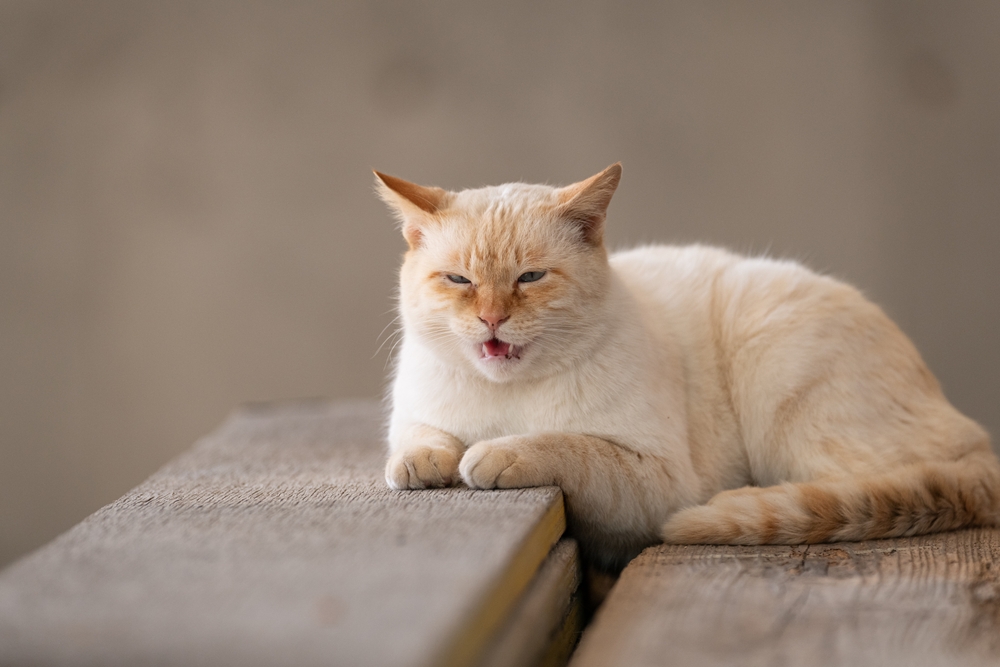
Where and how you sit communicates intention. Sitting sideways, lowering yourself slowly, or settling at a distance feels safer than looming directly overhead. Cats read spatial geometry instinctively. Angles matter.
Predatory animals evolved to assess attack vectors quickly. Direct frontal positioning increases threat perception. Oblique positioning reduces it. Your seating choice affects their nervous system response.
11. They Sense When The Routine Changes
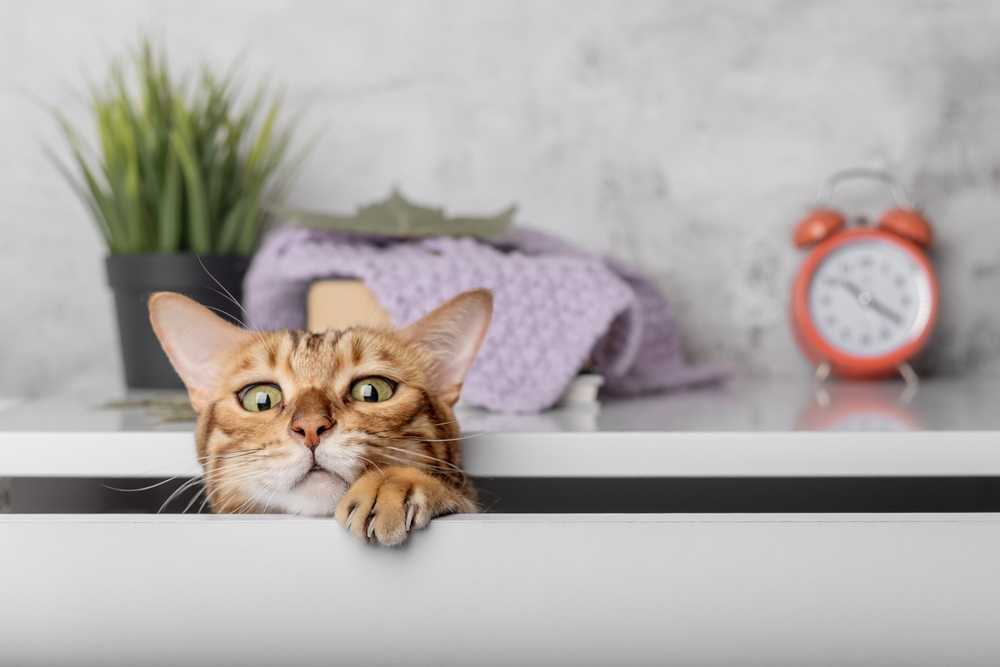
Cats are time-sensitive animals. They notice deviations in feeding times, sleep schedules, and movement patterns. When your rhythm changes, their environment becomes less predictable. That increases monitoring behavior.
Chronobiology research shows cats synchronize with human routines. Stability allows relaxation. Disruption triggers vigilance. Your schedule becomes part of their survival map.
12. They Pick Up On How You Handle Objects
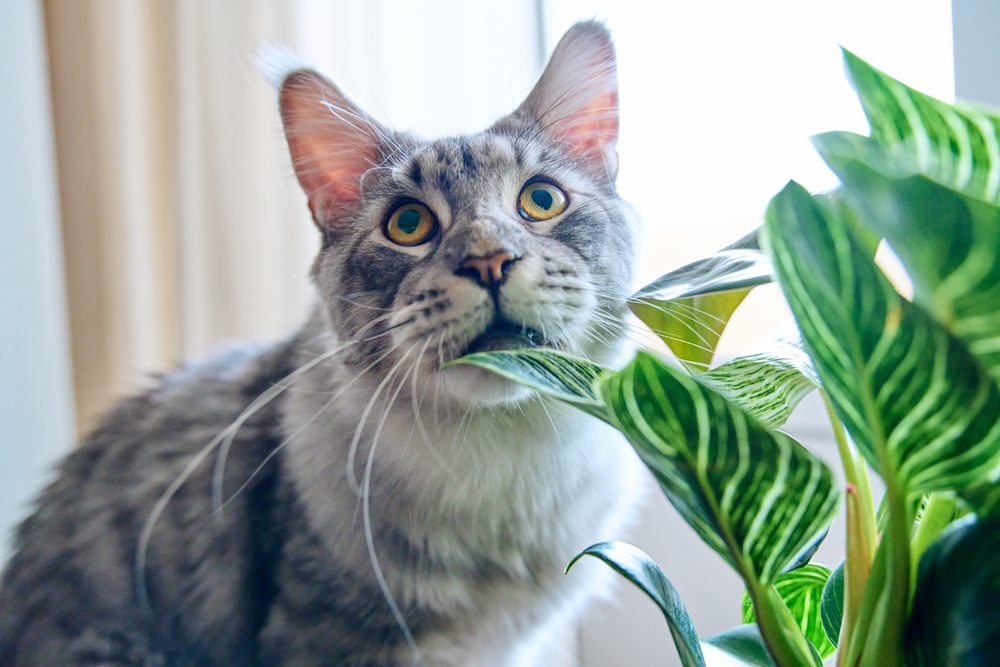
Cats observe how you interact with shared objects. Slamming, dropping, or forceful handling increases perceived environmental volatility. Gentle, consistent object interaction signals safety. Even non-contact actions matter.
Environmental psychology applied to animals shows indirect cues influence threat assessment. Objects are extensions of agents. Rough interaction suggests unstable surroundings. Calm handling lowers stress.
13. They Monitor How You Self-Regulate

Cats track not just stress, but how quickly you return to baseline. Prolonged agitation keeps them on alert. Rapid regulation restores predictability. Recovery time matters more than the stress itself.
Behavioral resilience studies indicate animals prioritize environments that self-correct. A human who settles quickly becomes reliable again. Regulation restores trust. Dysregulation prolongs distance.