
A face-to-face bear encounter is not a test of bravery or dominance—it’s a split-second negotiation between two species operating on very different rules. Bears don’t attack out of malice, curiosity, or hunger alone; they react based on threat perception, distance, surprise, and learned outcomes. Most dangerous encounters escalate because humans misread bear behavior or respond in ways that trigger defensive or predatory instincts. Survival depends on understanding how bears assess risk and how your movements, posture, and timing alter that assessment.
1. Try To Identify What Type Of Bear It Is
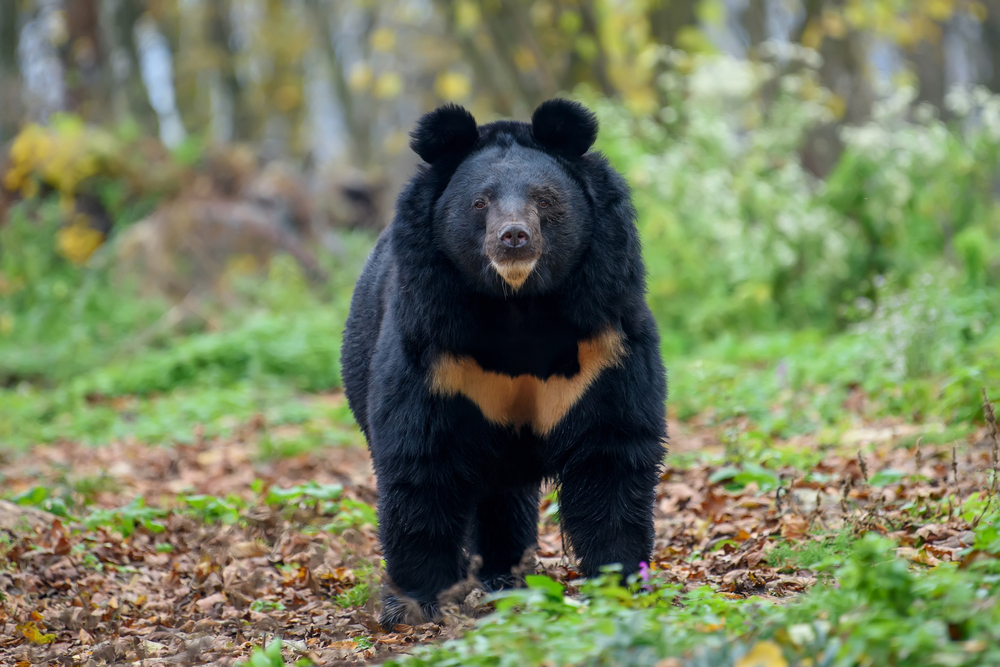
Black bears and brown bears interpret threats differently, and misinterpreting them can escalate danger quickly. Black bears are more likely to retreat when confronted confidently, while brown bears are more likely to respond defensively if they feel surprised or cornered. Coat color is unreliable, so size, shoulder hump, facial profile, and behavior matter more. Correct identification shapes every decision that follows.
Wildlife research consistently shows that brown bears react most aggressively when startled at close range, especially near cubs or food sources. Black bears, by contrast, are more likely to test boundaries through bluff charges or hesitation. Treating a brown bear like a black bear can provoke an attack. Species recognition is not optional—it’s foundational.
2. Stop Moving Forward Immediately
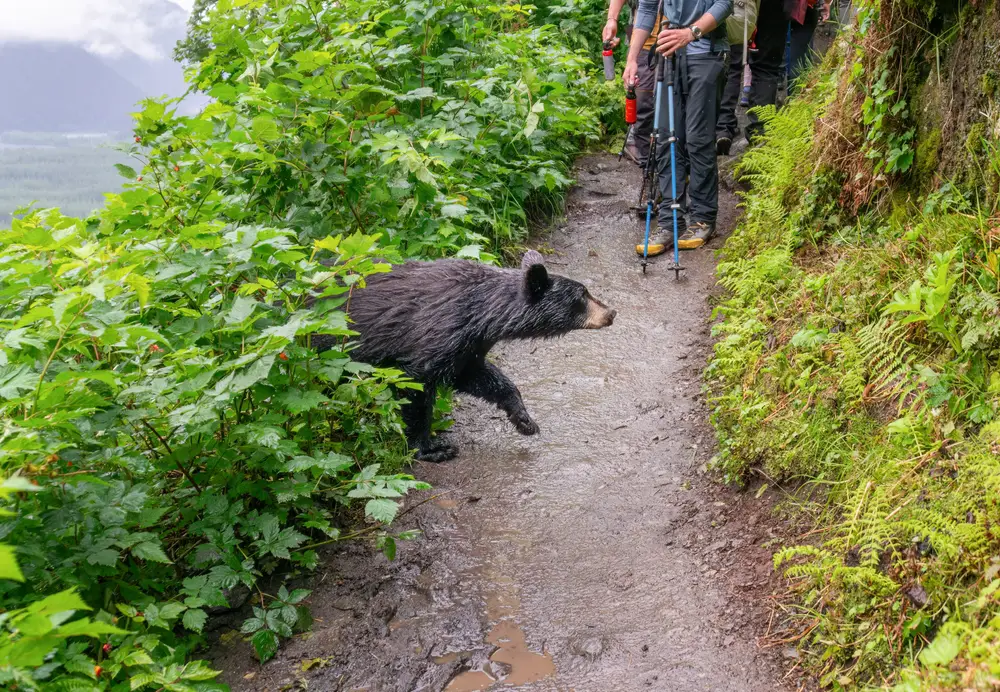
Forward movement signals intent, whether you mean it or not. Bears interpret an approach as a challenge or pursuit, especially within their personal safety radius. Continuing forward reduces the bear’s options and increases defensive pressure. The moment you realize the encounter, your forward motion must end.
Studies on large mammal encounters show that perceived approach distance strongly predicts escalation. Bears tolerate space violations poorly, particularly in dense terrain. Even slow forward steps can push the situation past a reversible threshold. Stopping movement restores choice to the bear.
3. Avoid Direct Eye Contact
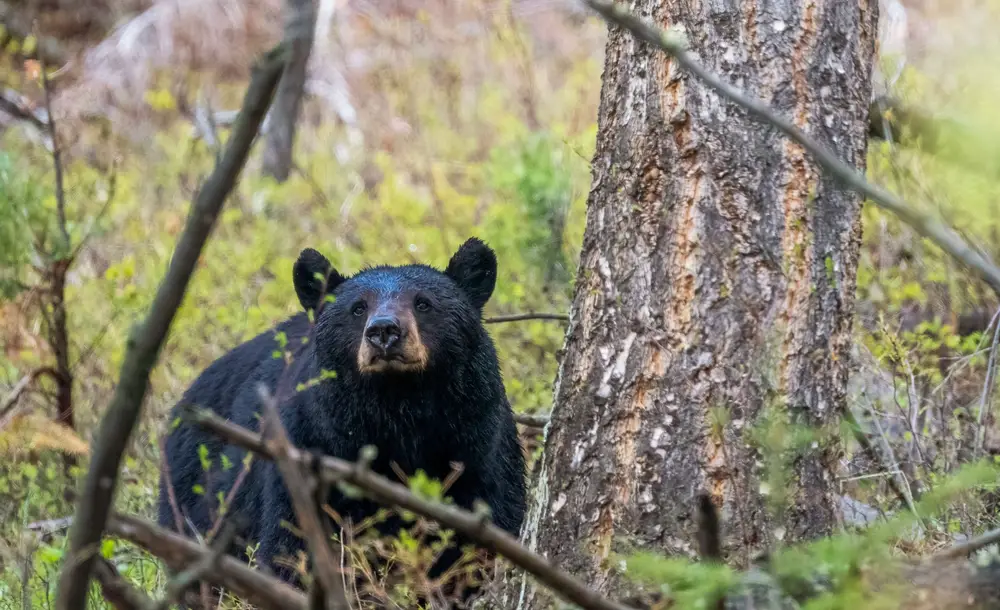
Sustained eye contact is interpreted by bears as a dominance signal. Unlike humans, bears don’t use eye contact for reassurance or curiosity during close encounters. Staring can elevate the bear’s stress response and trigger defensive behavior. Your gaze should remain soft and indirect.
Behavioral observations show that bears often escalate when eye contact is prolonged at close range. Peripheral awareness allows you to monitor movement without issuing a challenge. Looking slightly downward or to the side reduces perceived threat. Calm visibility without fixation is the goal.
4. Stand Up Straight Slowly
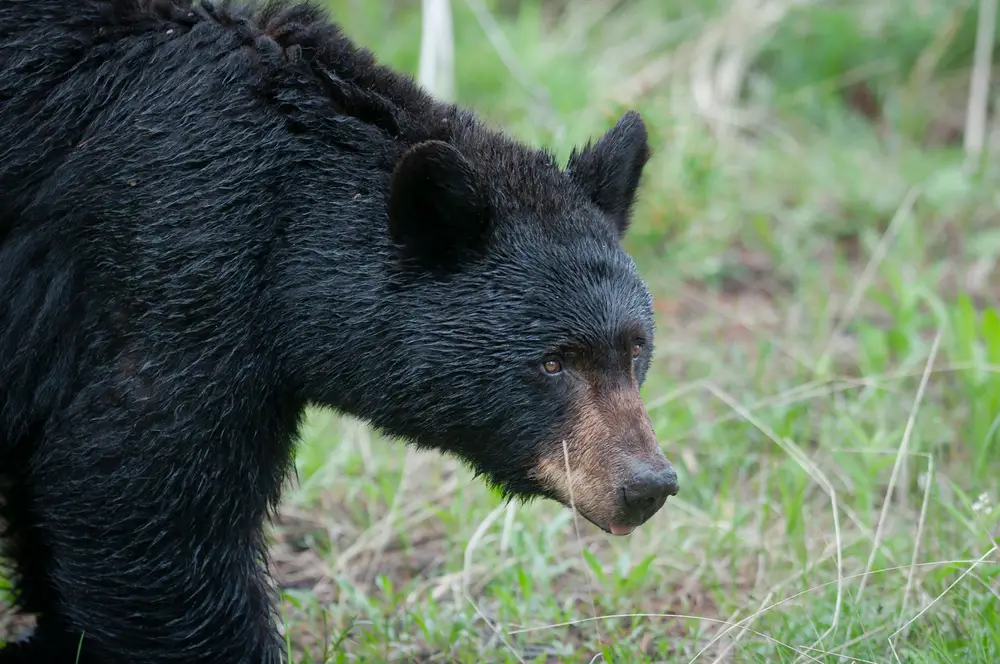
Bears assess unfamiliar shapes quickly to determine risk versus reward. Standing upright and slowly raising your arms helps distinguish you from prey animals. This visual clarity reduces the chance of a predatory response. Sudden or jerky movements undermine this signal.
Wildlife experts note that bears are less likely to attack when they clearly identify a human early. Confusion increases danger, especially at dusk or in low visibility. Human posture communicates unpredictability, not vulnerability. Clarity buys time.
5. Speak Calmly and Consistently
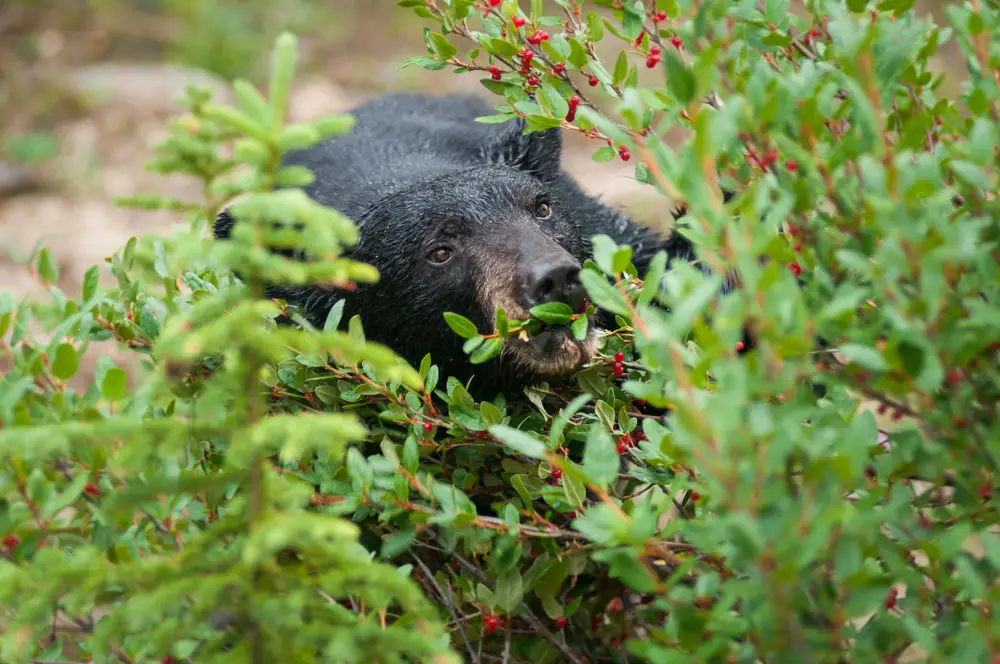
Sound plays a critical role in how bears categorize threats. A low, steady human voice helps signal presence without triggering an alarm. High-pitched yelling or sudden noise can mimic distress signals associated with prey. Your voice should remain controlled and even.
Acoustic studies of animal threat assessment show that tonal consistency reduces startle responses. Bears rely on sound to gauge distance, size, and intent. Calm vocalization anchors the interaction. Silence can be misread as concealment.
6. Do Not Run
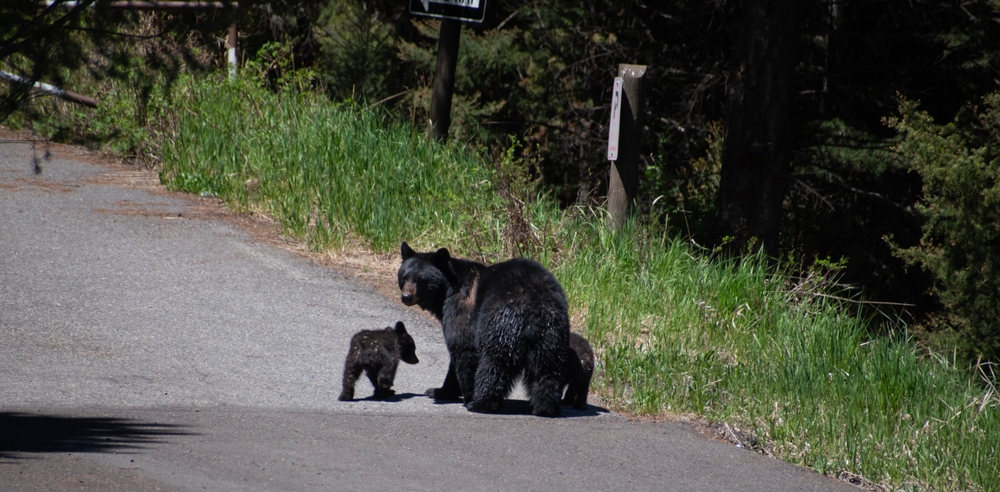
Running activates a bear’s chase reflex instantly. Bears can sprint faster than any human, even uphill or through dense terrain. Flight signals prey behavior regardless of your intent. Once a chase begins, options disappear.
Field data shows that many fatal encounters escalate after humans attempt to flee. Bears are neurologically wired to pursue rapid movement. Standing your ground reduces predatory framing. Distance matters, but direction matters more.
7. Back Away Slowly And Diagonally
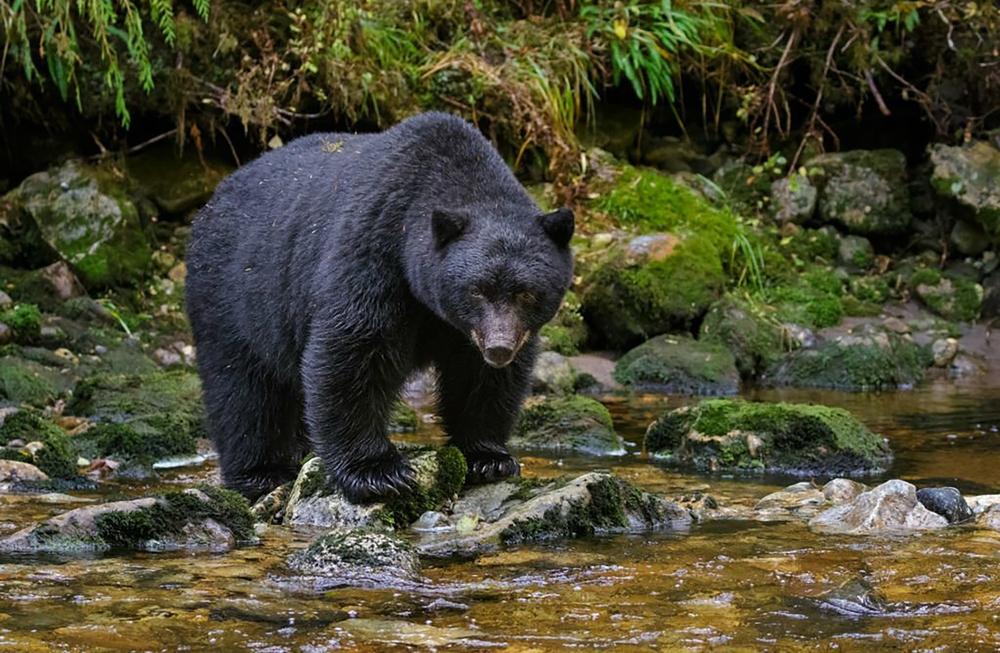
If the bear allows movement, retreat must be gradual and non-linear. Moving diagonally reduces the appearance of direct escape while increasing distance. Sudden backward motion can still trigger pursuit. Each step should be deliberate and visible.
Experts emphasize that controlled withdrawal preserves de-escalation pathways. Bears often disengage once distance increases without panic cues. Diagonal retreat communicates respect for territory without surrender. This balance lowers perceived risk.
8. Look For Defensive Warning Signals
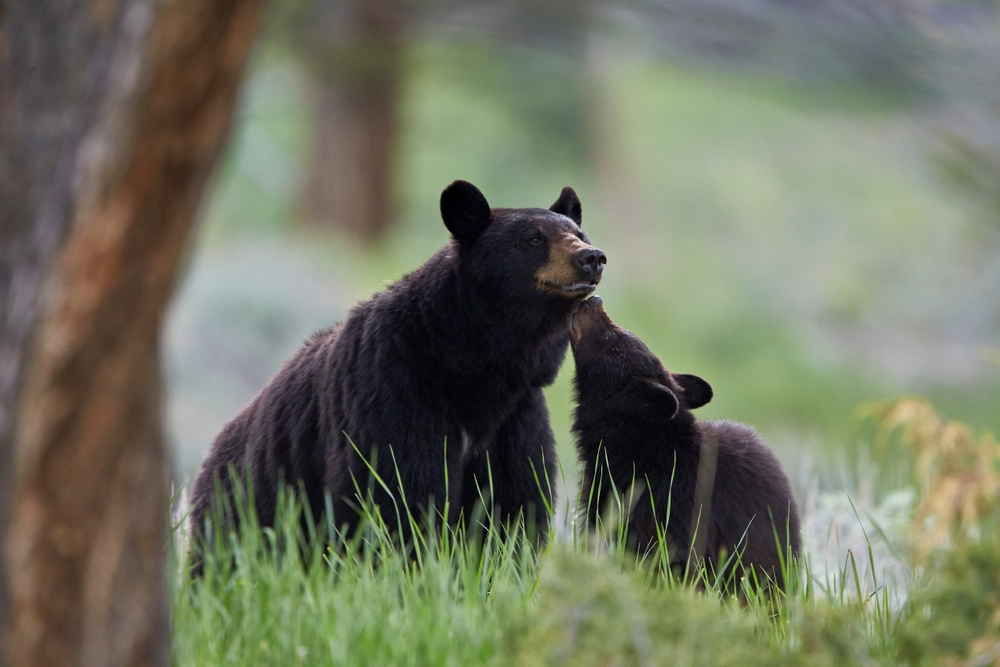
Huffing, jaw-popping, ground slapping, and bluff charges are signs of stress, not immediate attack. These behaviors are attempts to increase distance without physical contact. Misinterpreting them as aggression often leads humans to overreact. Overreaction escalates danger.
Ethological research shows that bears use graded warnings before committing energy to an attack. These signals mean the bear wants space, not conflict. Standing your ground calmly while avoiding provocation is critical. Panic responses override this opportunity.
9. Use Bear Spray Only At Close Range
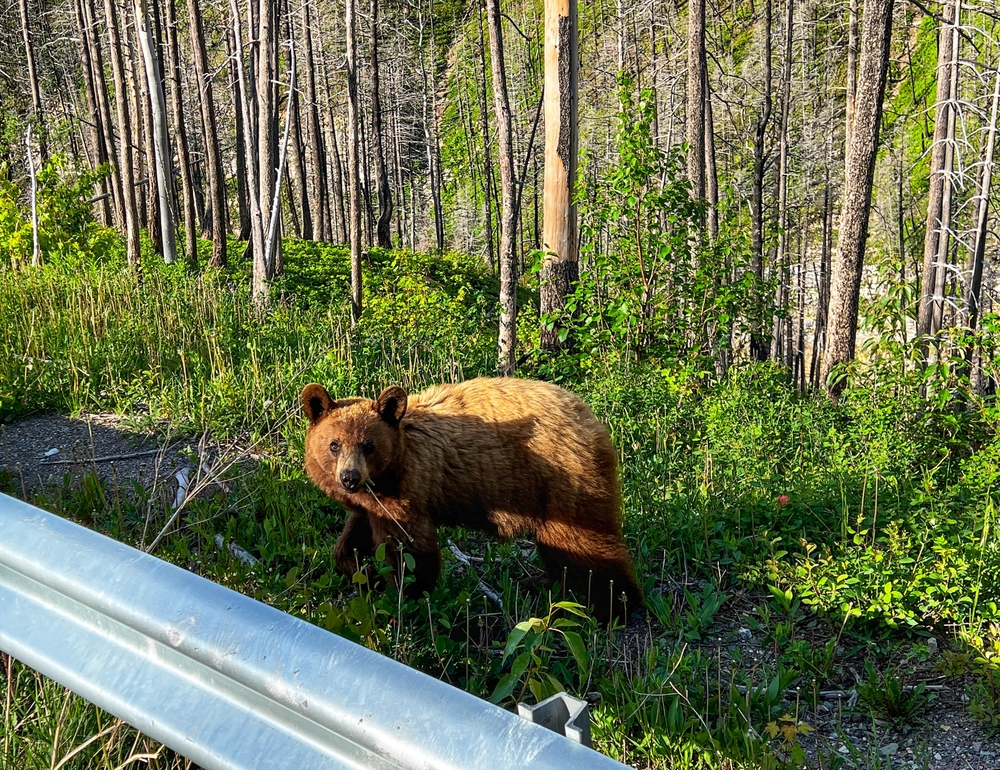
Bear spray is most effective at close range when a bear commits to forward movement. Deploying it too early can be wasted or blow back on you. Used correctly, it overwhelms the bear’s sensory processing and halts momentum. Timing is everything.
Multiple studies confirm bear spray is more effective than firearms in preventing injury. Capsaicin disrupts vision and breathing without causing lasting harm. Proper aim and controlled deployment are essential. Spray is a last barrier, not a warning tool.
10. Play Dead, Don’t Fight Back
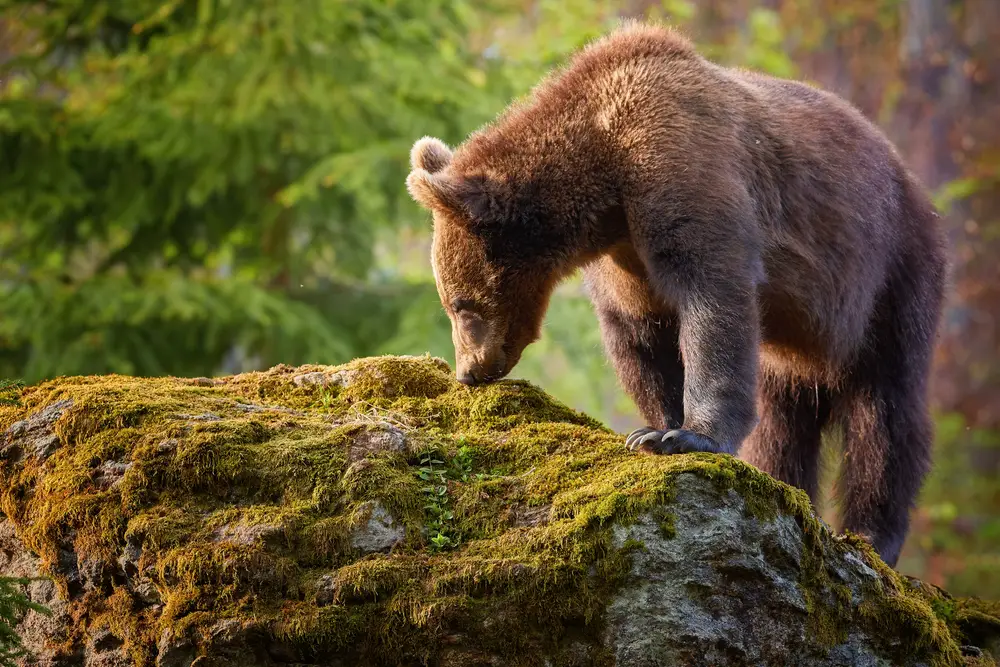
If a brown bear makes contact during a defensive encounter, playing dead can reduce further aggression. Protecting the neck and face while remaining still signals no threat. Fighting back during a defensive attack often prolongs injury. Context determines response.
With black bears, especially in predatory attacks, fighting back may be necessary. Wildlife incident analyses show black bears retreat more often when resistance is strong. Understanding intent mid-attack is difficult but critical. Survival depends on adapting fast.
11. Curl Into A Ball If Knocked Down
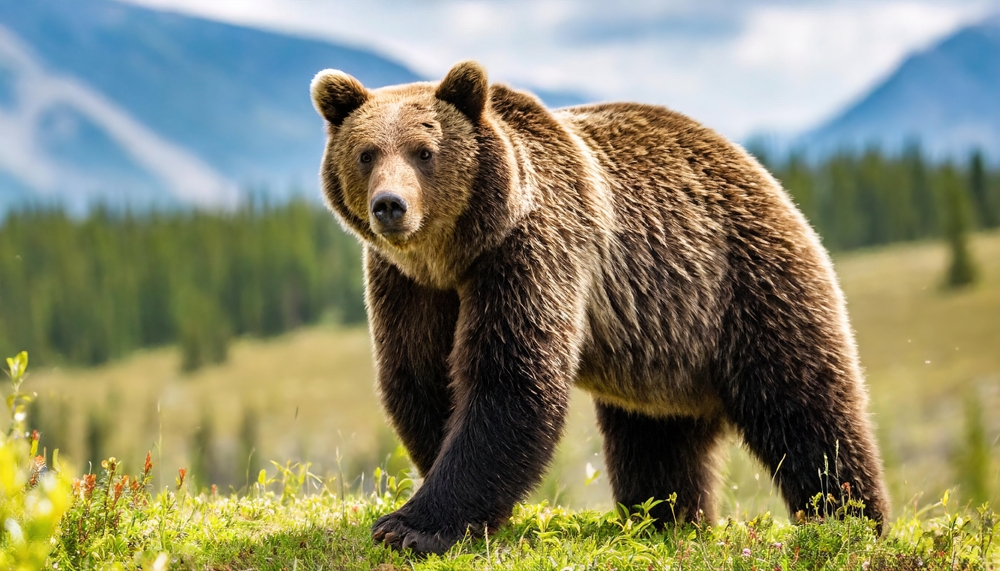
If you fall, curl into a ball with your hands over your neck and your elbows protecting your face. Keeping the backpack on can shield the spine. Minimize movement even if the bear paws or bites briefly. Stillness reduces continued interest.
Injury data shows that most fatal damage occurs to the head, neck, and torso. Defensive positioning limits access to these areas. Bears often disengage once they no longer perceive a threat. Movement can re-trigger attention.
12. Remain Still After the Bear Leaves
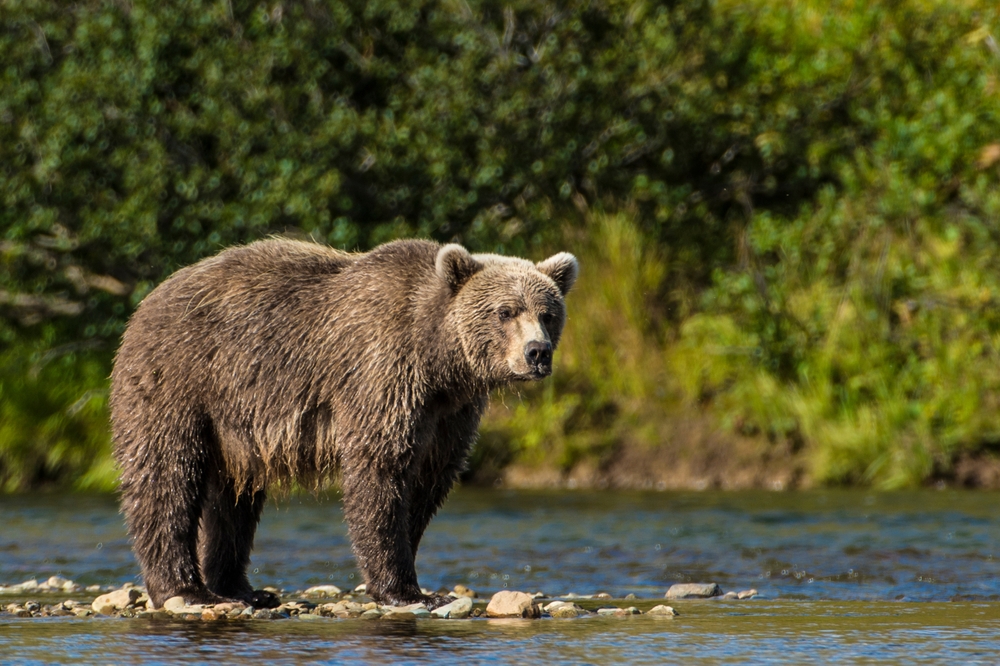
Bears sometimes retreat short distances before reassessing. Standing too soon can reinitiate engagement. Wait until the bear is clearly out of sight and sound. Patience matters more than speed.
Post-encounter analysis shows secondary charges often occur when humans move prematurely. Bears need confirmation that the threat is gone. Silence and stillness complete de-escalation. Survival doesn’t end when the bear turns away.