Dogs don’t choose favorites randomly or emotionally the way humans assume. Their preferences are built through repeated patterns of safety, predictability, sensory cues, and reinforcement. What feels like “love” to you is often your dog making a calculated assessment of who best meets their biological and emotional needs. Here’s what’s really happening when a dog consistently gravitates toward one person.
1. They Gravitate Toward The Calm One
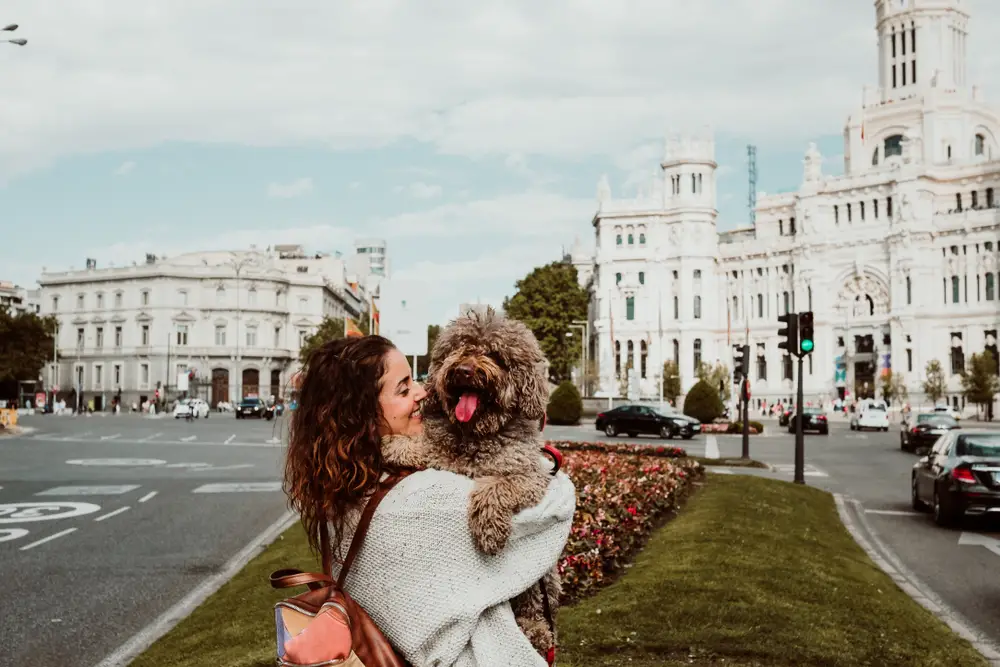
Dogs are exquisitely sensitive to human stress signals, including muscle tension, breathing patterns, and cortisol-linked scent changes. When one person consistently moves calmly, speaks evenly, and reacts predictably, the dog’s nervous system downshifts around them. That calm becomes biologically reinforcing.
Over time, dogs seek out the person whose presence reduces vigilance rather than increases it. This isn’t affection in the abstract; it’s survival logic. Calm equals safety, and safety determines proximity.
2. They Choose The Routine Keeper
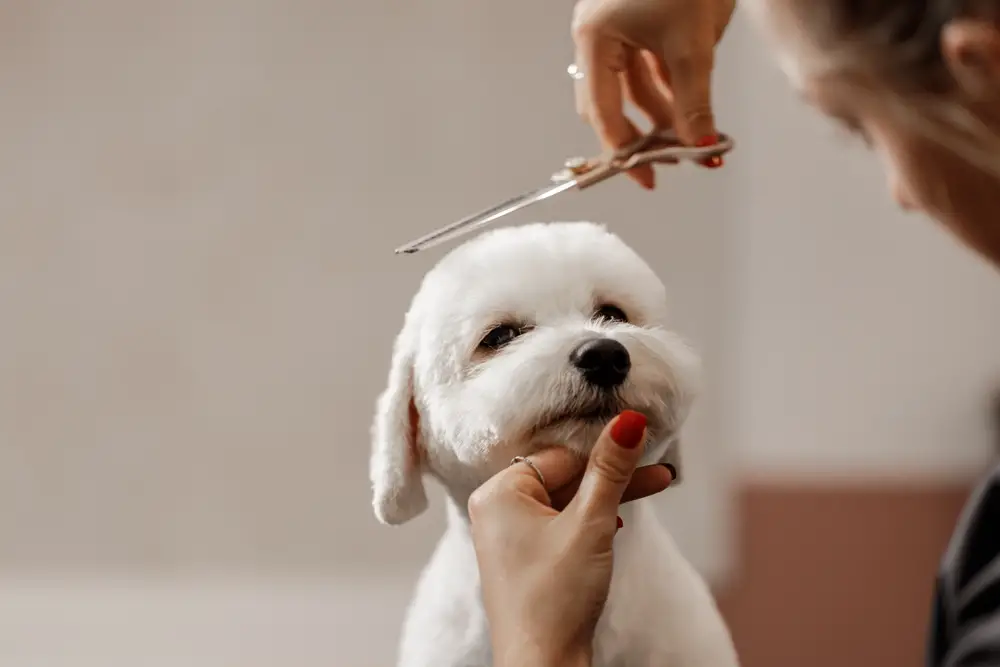
Dogs bond strongly with whoever manages food, walks, play, and rest in a consistent, non-threatening way. It’s not just who feeds them, but how. Predictable delivery without tension builds trust.
Dogs avoid people who make resources feel uncertain or emotionally charged. A calm hand that delivers food at reliable times becomes more valuable than excitement or affection alone.
3. They Like Body Language They Can Easily Read
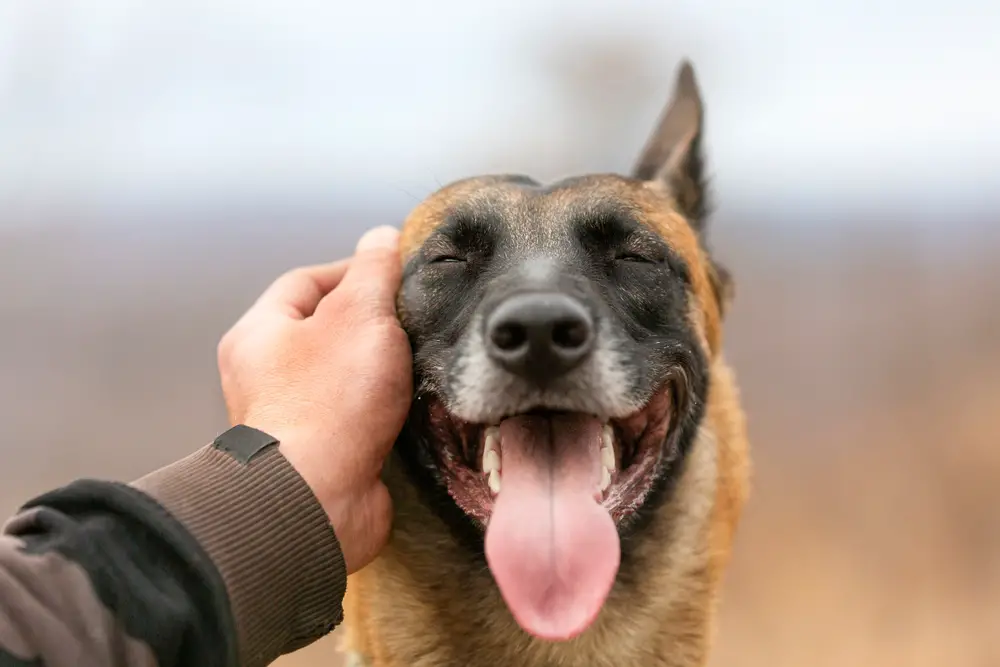
Dogs interpret posture, gait, and gesture more readily than facial expressions. Some humans move in ways that are smoother, slower, and less erratic. That readability reduces the dog’s cognitive load.
When a person’s movements are easy to anticipate, dogs feel less need to monitor or brace. Preference forms with the lowest interpretation costs.
4. They Want A Master Who Gives Them Space
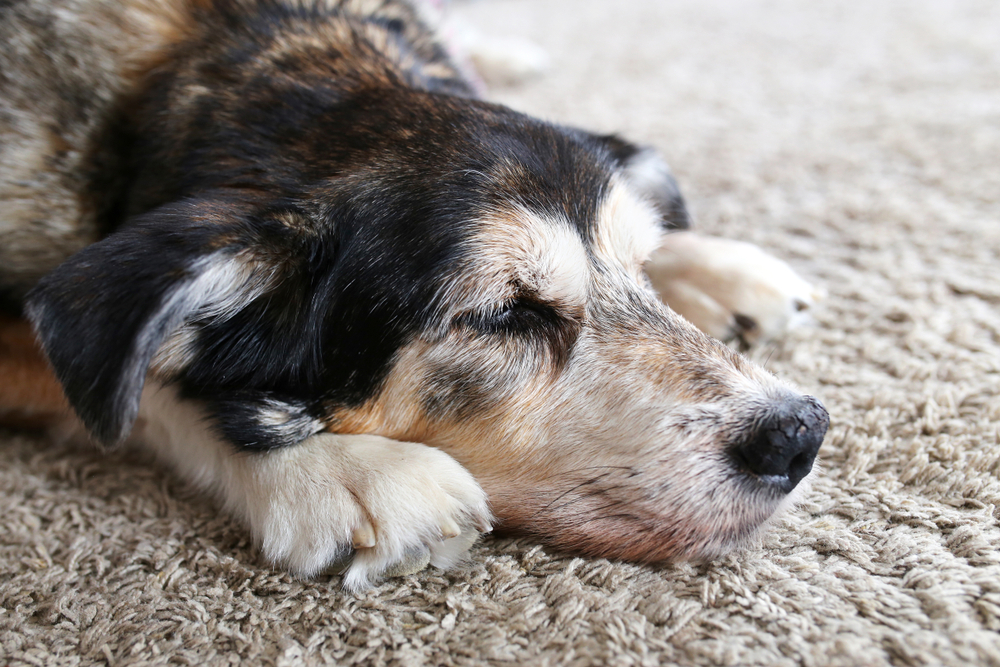
Dogs constantly assess personal space boundaries. People who crowd, loom, or initiate contact unpredictably trigger low-level stress—even if intentions are kind.
A person who allows an approach rather than forcing it becomes safer over time. Dogs choose autonomy over affection when forced to pick.
5. They’re Guided By Voice
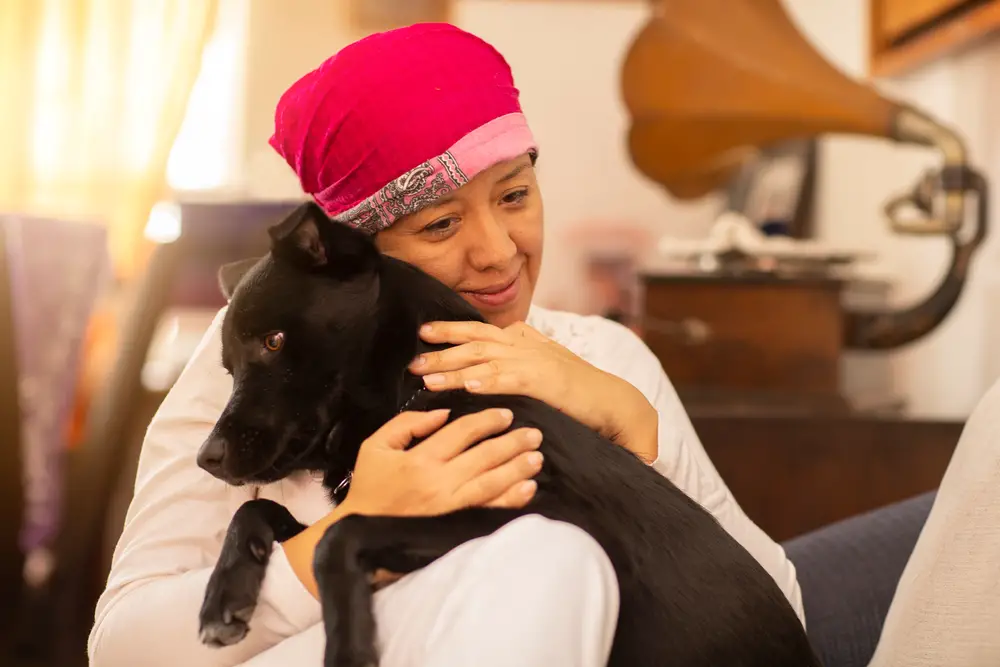
Dogs are sensitive to pitch and rhythm, not words. Lower, steady tones are easier to process than sharp, fluctuating vocal patterns.
If one person consistently speaks in a range that doesn’t spike arousal, dogs will gravitate toward that voice. Sound becomes a regulating cue.
6. They Prefer Predictable People
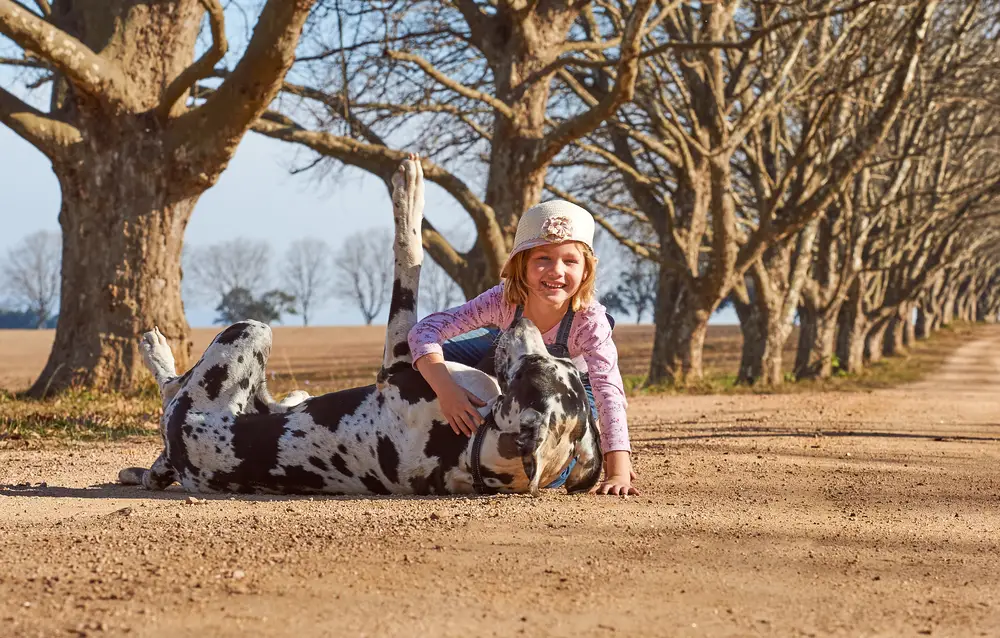
Dogs build spatial maps of shared environments. A person whose daily movements follow recognizable patterns becomes easier to track and trust.
Erratic pacing, sudden movements, or unpredictable entrances keep dogs in monitoring mode. Predictability wins.
7. They Let Their Nose Choose
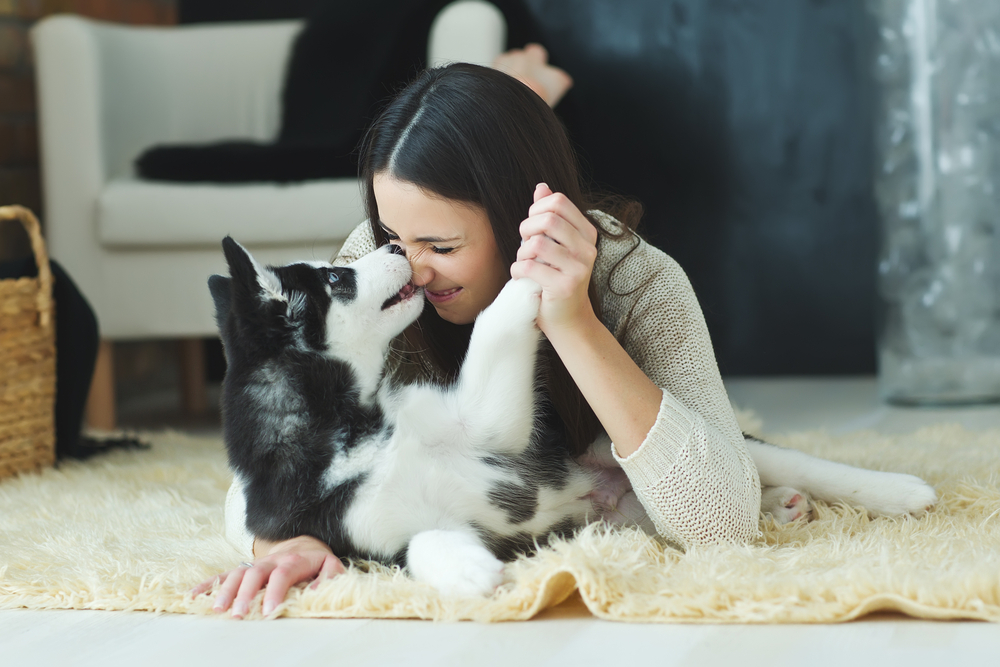
Dogs rely heavily on olfaction to identify individuals. Hormonal shifts, stress, illness, or inconsistent routines alter scent profiles.
The person whose scent remains stable becomes a reliable anchor. Dogs don’t analyze this consciously—it’s automatic pattern recognition.
8. They Judge Who Responds Best
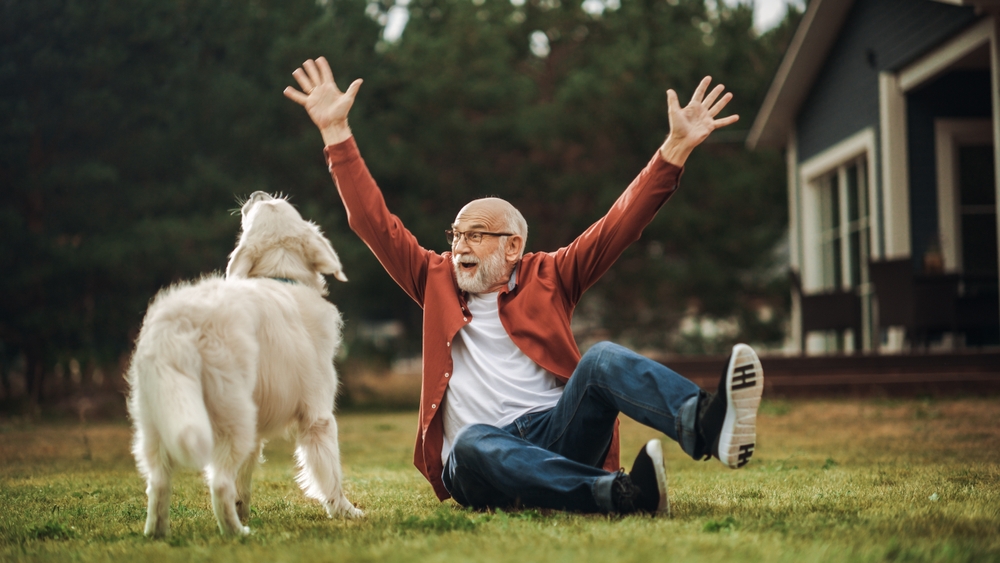
Dogs communicate discomfort subtly: turning away, freezing, lip-licking, yawning. People who notice and adjust reinforce trust.
Ignoring or punishing these signals teaches dogs to disengage. Preference forms where communication works.
9. They Like Non-Competitive Types
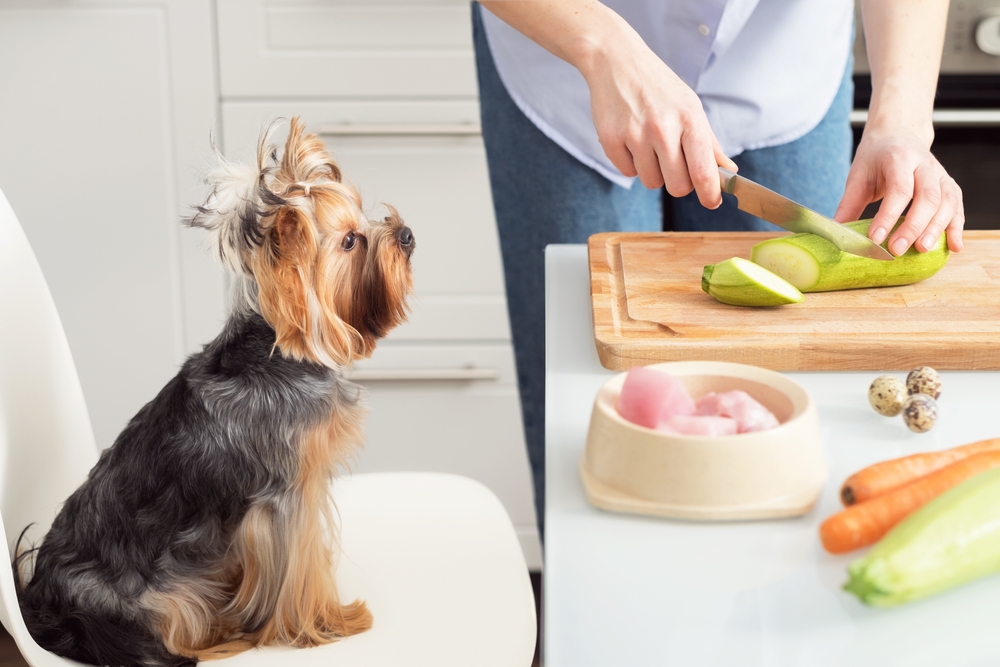
Direct staring can feel confrontational to dogs, especially in close quarters. Humans who soften their gaze or look away during interactions reduce perceived threat.
Dogs gravitate toward people who visually signal non-competition. Eye behavior matters more than smiles.
10. They Watch The Way You Play
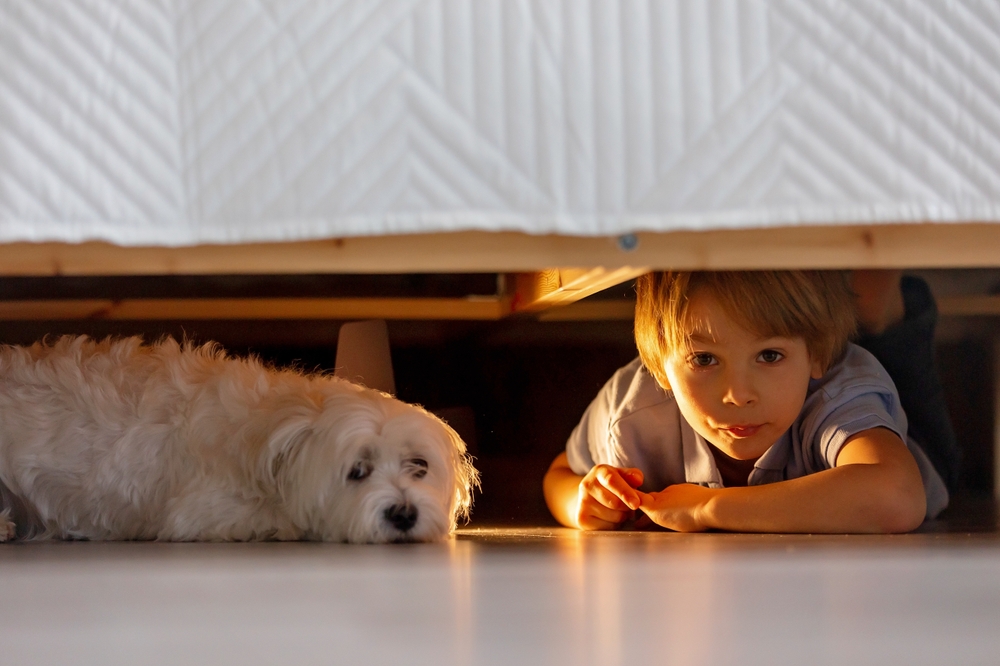
Some dogs prefer chase, others tug, others quiet companionship. People who misread play preferences create friction.
Dogs choose partners who “get the rules” of their play language. Matching style builds rapport faster than intensity.
11. They Need Someone Who Gets Their Needs
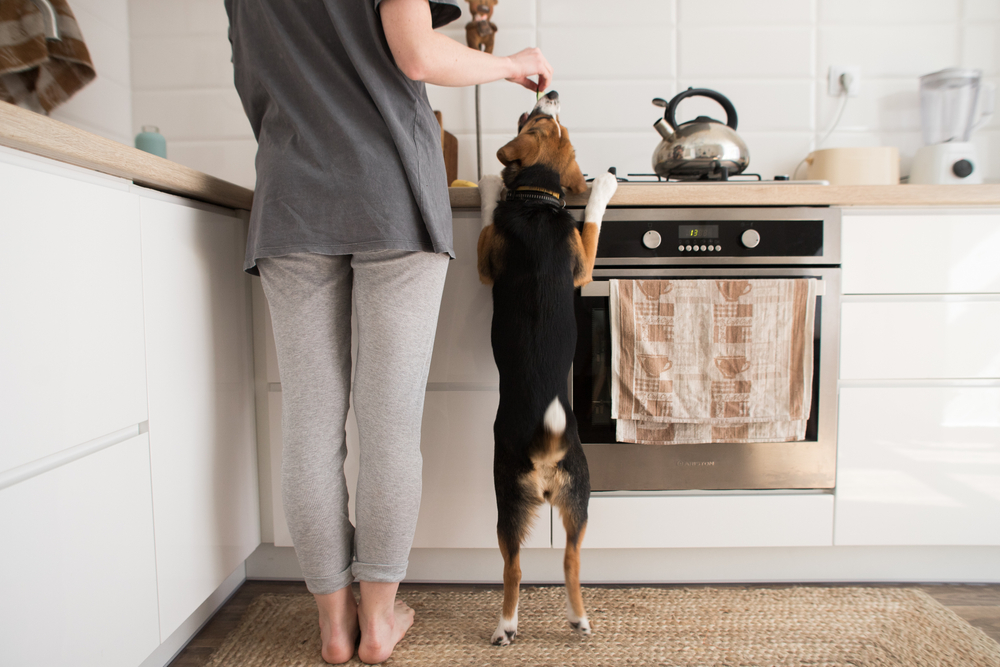
Dogs need decompression after stimulation. People who respect rest periods help regulate stress hormones.
Constant engagement, even positive, can exhaust dogs. Preference forms around balance, not excitement.
12. They Go For The One Who Keeps Them Safe
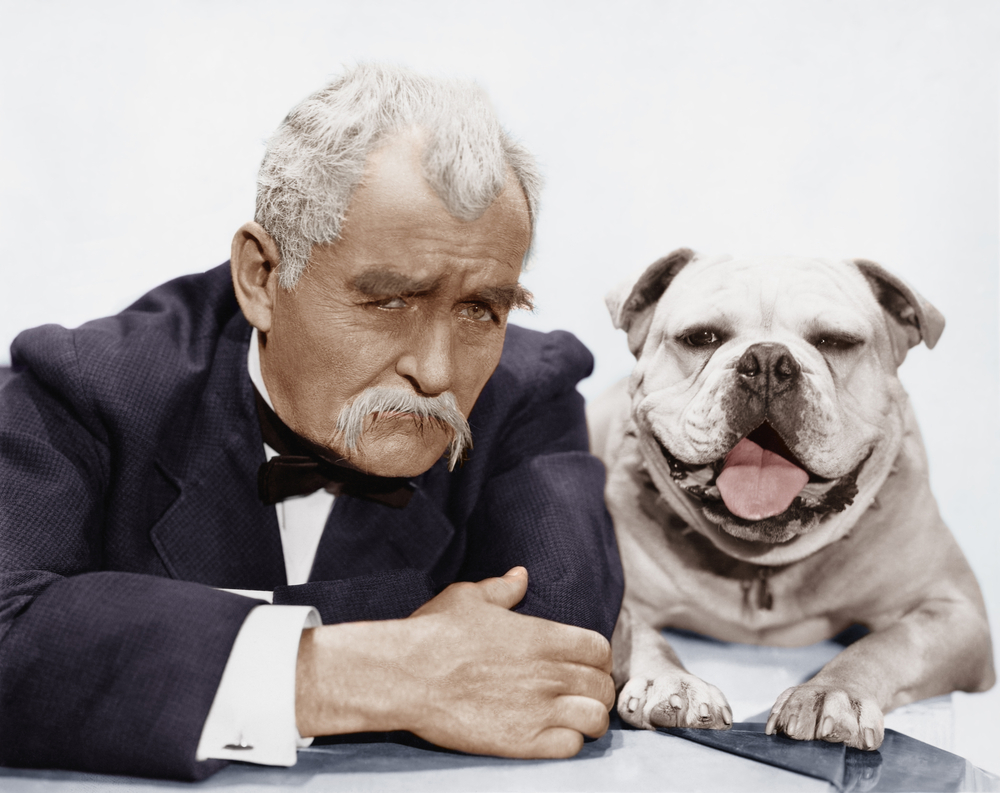
During storms, visitors, or routine disruptions, dogs watch humans closely. The person who stays regulated becomes a reference point.
Dogs remember who helped them feel safe when it mattered. Those moments shape long-term preference.
13. They Look For Loyalty, Not Personality
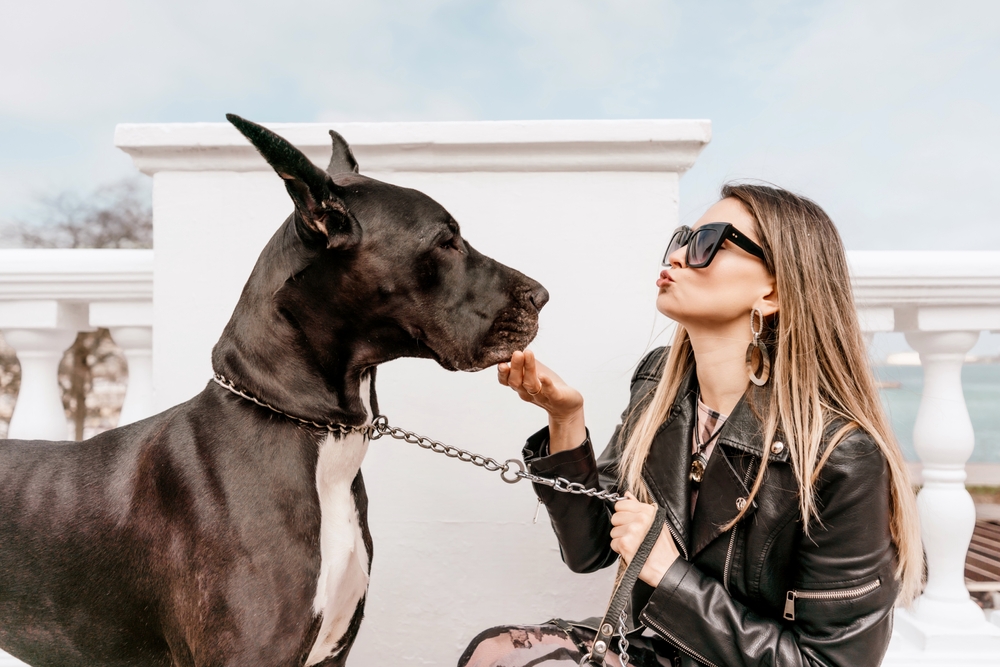
Ultimately, dogs choose patterns, not personalities. The person who repeatedly meets expectations without surprise becomes the safest option.
Preference isn’t emotional favoritism—it’s learned security.