
If you think surviving on blood sounds extreme, it is, but nature doesn’t do things halfway. When an animal evolves to rely on blood alone, every part of its body, behavior, and timing has been optimized for that single goal. You’re not looking at horror villains so much as biological specialists. And once you understand how intentional these systems are, it becomes unsettling in a very precise way.
1. Vampire Bats
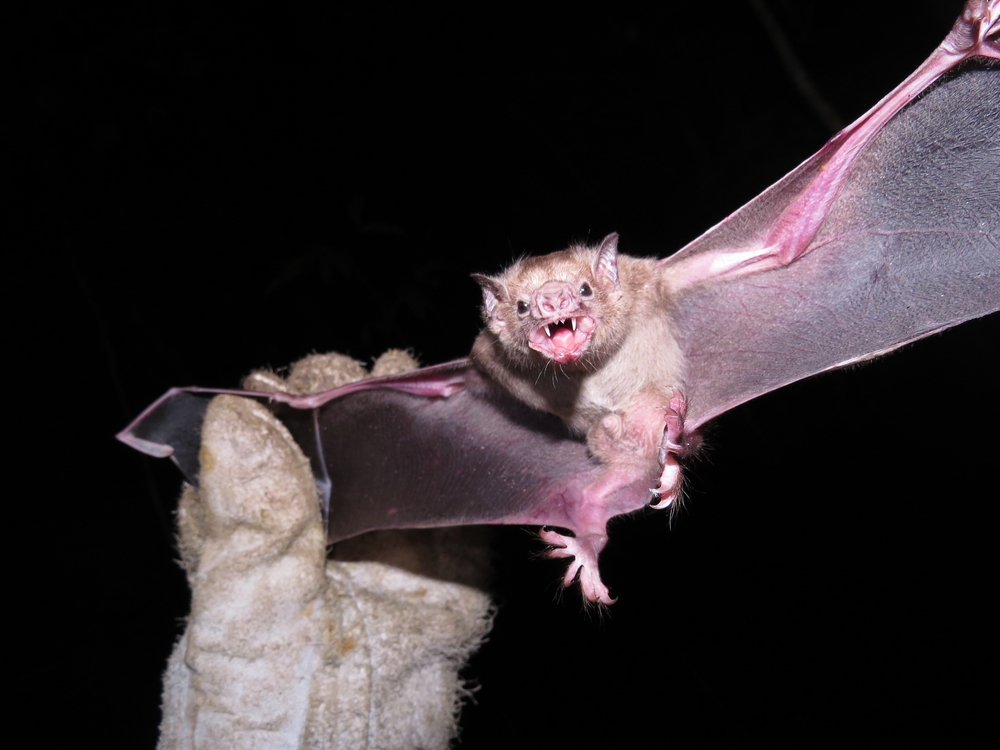
When you picture vampire bats, you might imagine chaos or aggression, but the reality is far quieter. They make tiny incisions that rarely wake their hosts, then lap blood carefully rather than draining it. Their feeding is calculated, repeatable, and surprisingly gentle. Blood is accessed with efficiency, not force.
Research published in Proceedings of the National Academy of Sciences shows vampire bats also share blood meals socially, regurgitating food for bats that failed to feed. That means blood isn’t just nourishment—it’s social glue. Survival depends on cooperation and memory. These bats track who helped whom and repay it later.
2. Lampreys
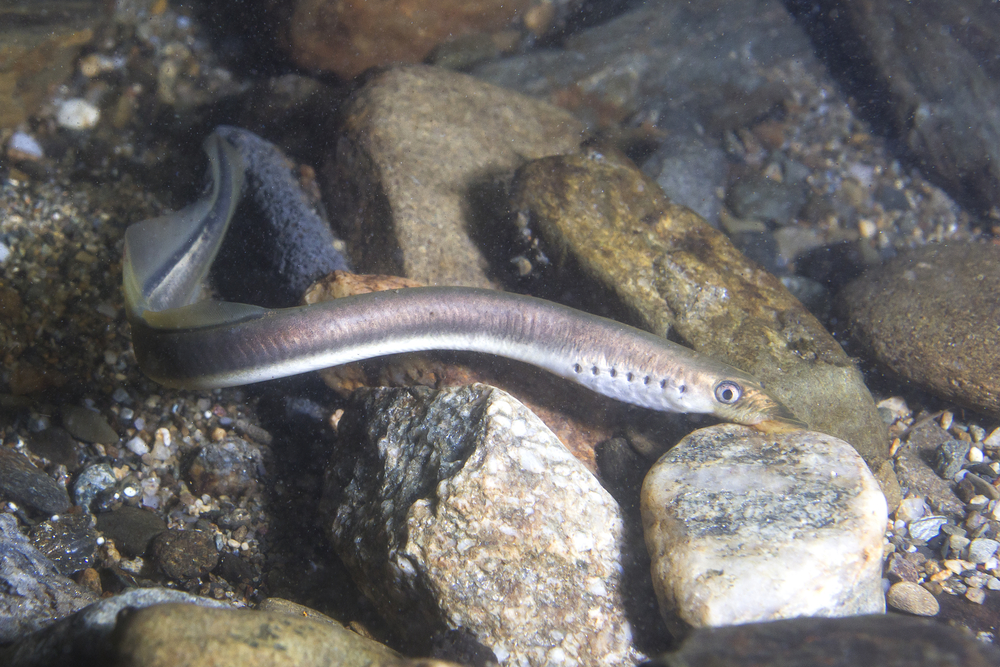
Lampreys attach themselves to fish using circular mouths filled with teeth and rasping tongues. Once attached, they feed slowly over extended periods. The host often survives, but weakened. This isn’t a kill—it’s a long extraction.
Marine biologists note lampreys evolved before jaws existed, making their blood-feeding strategy one of the oldest on Earth. Their anatomy didn’t adapt around hunting—it adapted around attachment. Blood shaped their evolution from the start. They are living proof that parasitism can be ancient and stable.
3. Leeches
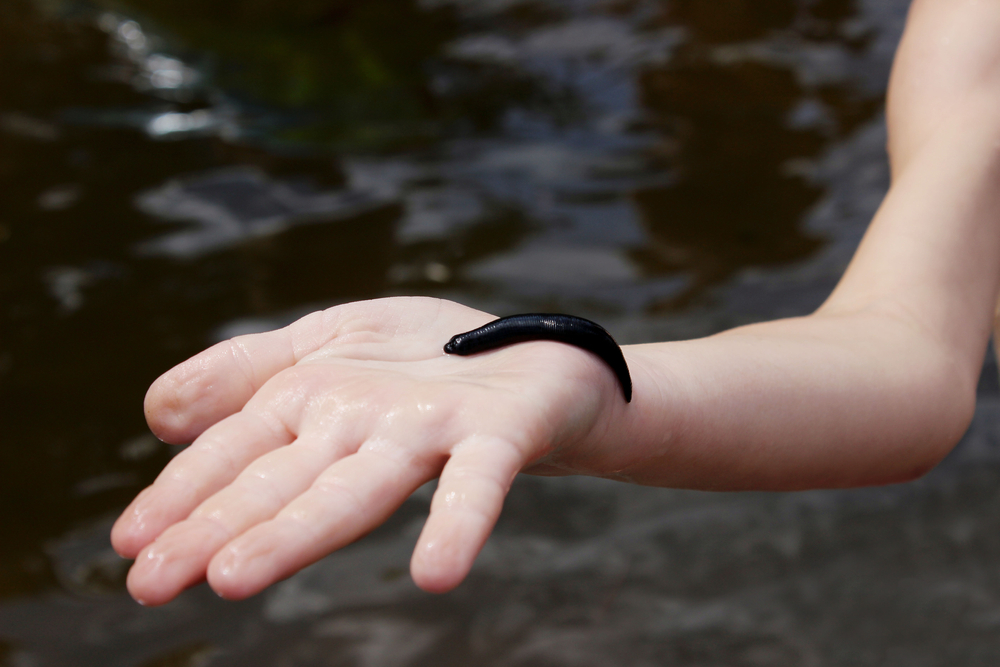
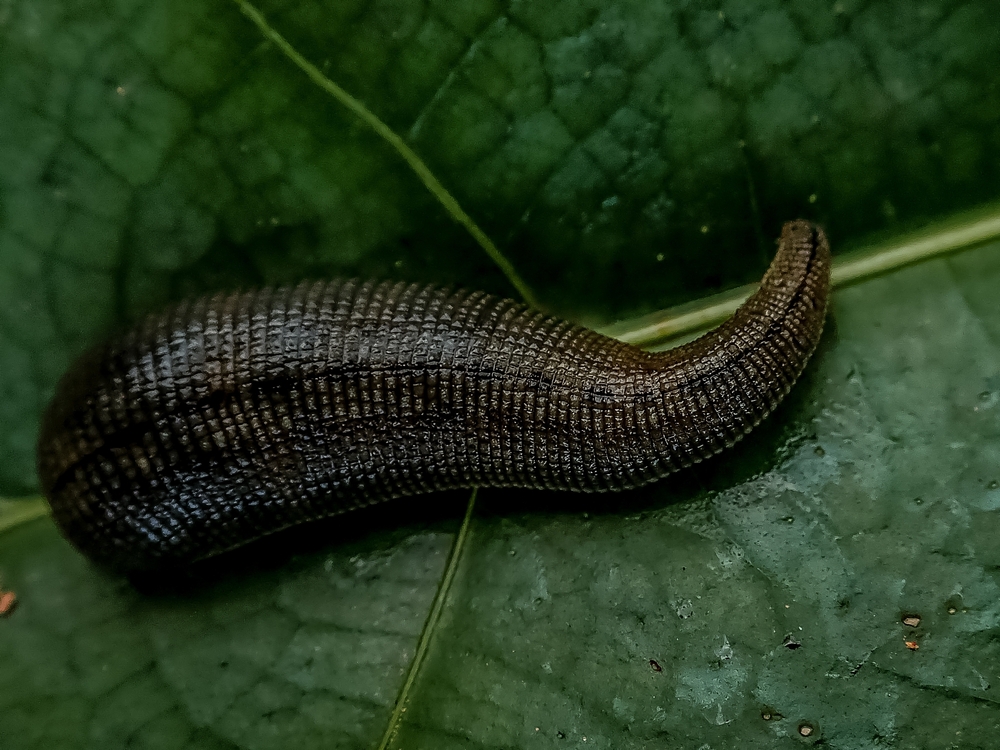
Leeches don’t feed often, but when they do, they feed thoroughly. Their bodies stretch to store large volumes of blood, which they digest over months. One feeding can sustain them through long periods of scarcity. Patience is built into their biology.
Medical research shows that leech saliva contains anticoagulants and anesthetics, which is why leeches are still used in reconstructive surgery today. These compounds evolved for feeding but were later used as medical tools. Blood isn’t just fuel—it’s chemistry. Their survival depends on molecular-level precision.
4. Mosquitoes
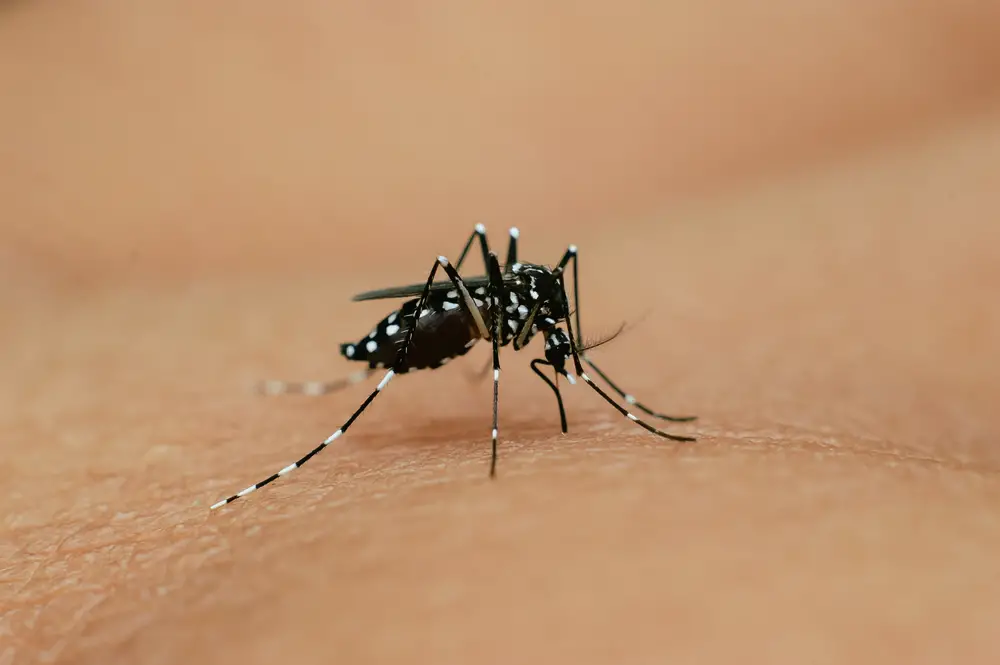
Female mosquitoes feed on blood not for energy, but for reproduction. The nutrients in the blood allow them to produce eggs. Their feeding is brief, targeted, and biologically necessary. They don’t linger because speed is survival.
According to the World Health Organization, mosquitoes cause more human deaths annually than any other animal due to disease transmission. Blood feeding isn’t their danger—the pathogens are. Their evolutionary success comes from efficiency and invisibility. You rarely notice until it’s done.
5. Ticks
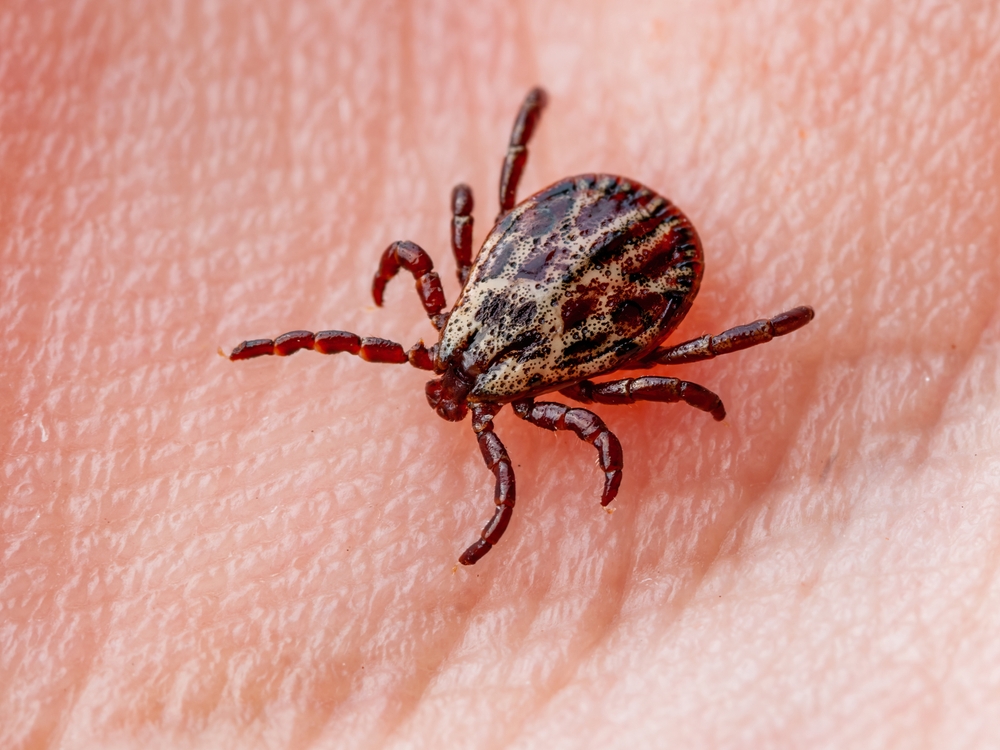
Ticks attach for days, sometimes weeks, feeding slowly and steadily. Their saliva suppresses pain and immune response, allowing them to remain unnoticed. Hosts often discover them long after attachment. The feeding process is quiet and sustained.
CDC research shows ticks are highly effective disease vectors precisely because of prolonged feeding. Their entire life cycle depends on blood at multiple stages. This isn’t opportunistic feeding—it’s structural dependency. Blood is the backbone of their existence.
6. Bed Bugs
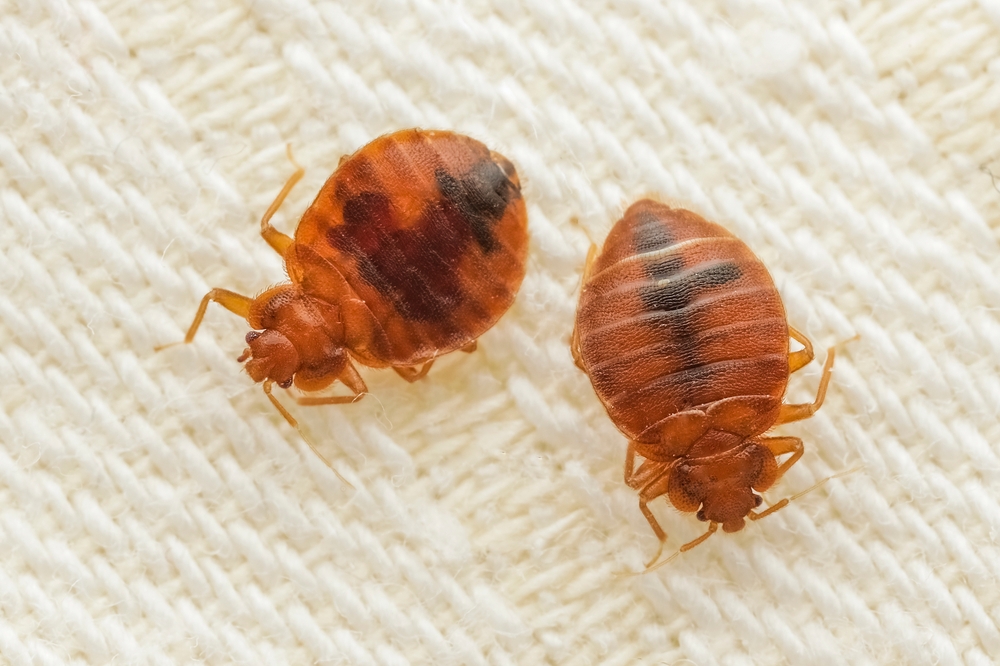
Bed bugs feed exclusively on blood, usually while you sleep. They locate hosts using heat and carbon dioxide, then retreat quickly after feeding. Their bites often go unnoticed until later. The feeding itself is stealth-based.
Urban entomology studies show bed bugs can survive months without feeding, making them difficult to eradicate. Blood isn’t constant—it’s stored and rationed. Their survival strategy relies on patience and concealment. They wait longer than you think.
7. Fleas
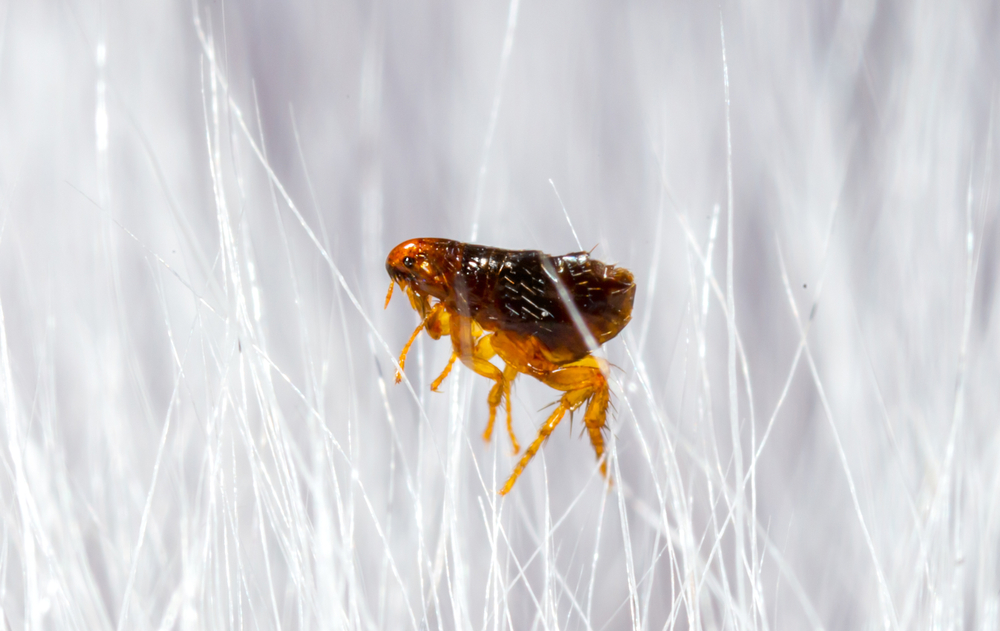
Fleas feed frequently and require blood to reproduce. Their bodies are built for rapid jumping and persistence. Once established, they feed multiple times per day. Blood fuels both survival and population growth.
Veterinary parasitology research shows fleas can consume many times their body weight in blood daily. Their feeding isn’t dramatic—it’s relentless. Small volume, high frequency keeps them alive. Blood is routine, not rare.
8. Kissing Bugs
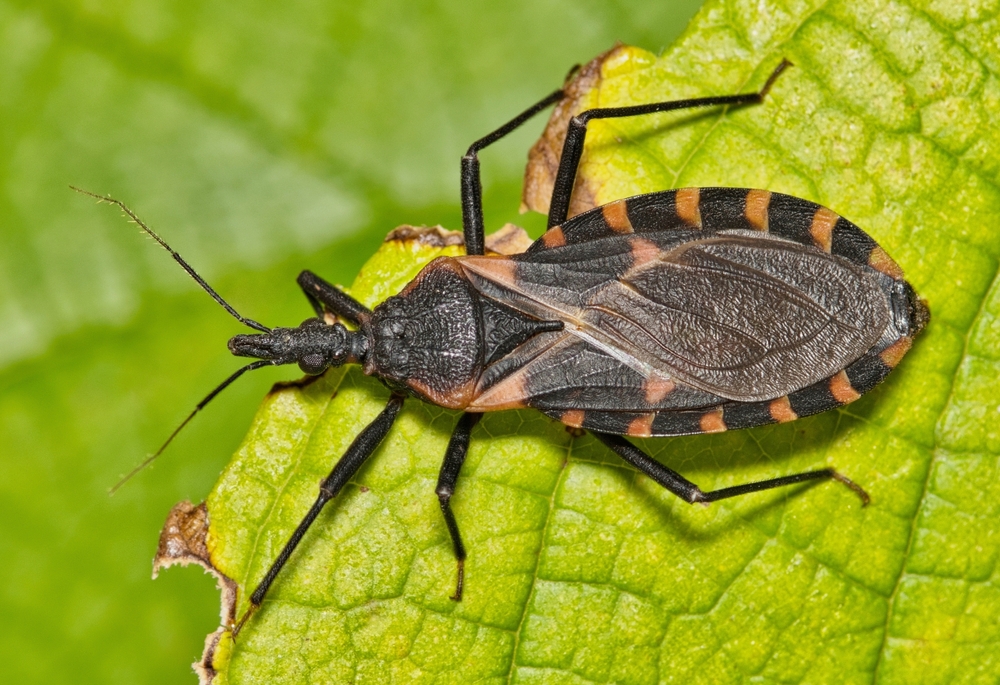
Kissing bugs feed on blood near the mouth or eyes while hosts sleep. Their bites are painless, and feeding often goes unnoticed. The danger comes later, through disease transmission. Timing is everything.
Epidemiological research links kissing bugs to Chagas disease, affecting millions worldwide. Their feeding strategy relies on sleep vulnerability. Blood access is behavioral, not aggressive. They exploit human rhythms, not strength.
9. Candiru Fish
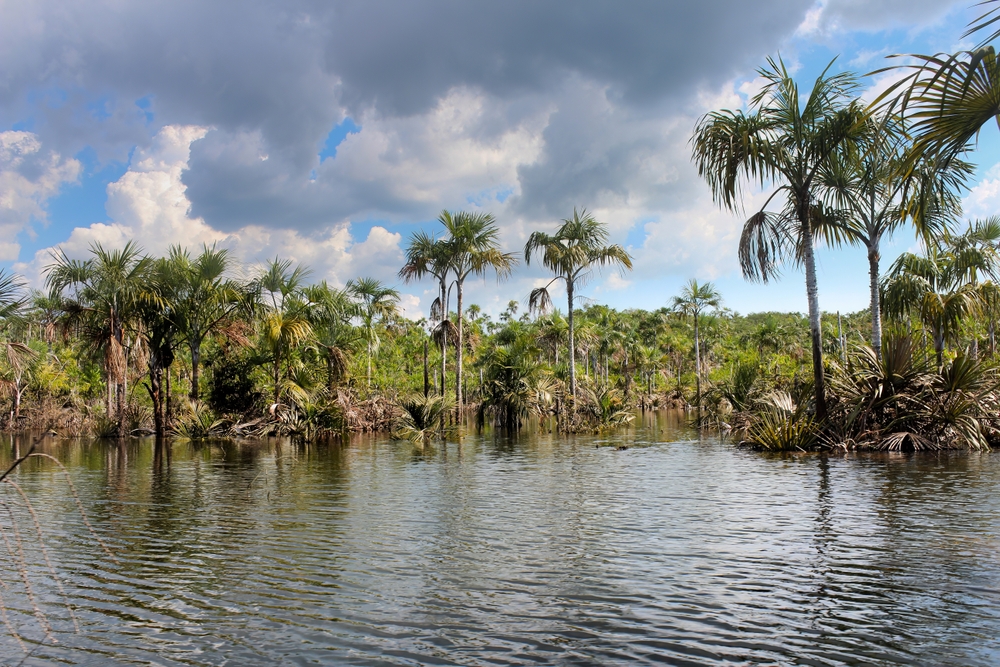
Candiru are tiny Amazonian fish that enter the gills of larger fish to drink blood. They remain hidden during feeding. Hosts often don’t realize immediately. The entire interaction happens internally.
Ichthyology studies describe candiru behavior as highly specialized and opportunistic. They don’t chase or fight—they infiltrate. Blood access depends on placement, not pursuit. Survival comes from invisibility.
10. Oxpeckers
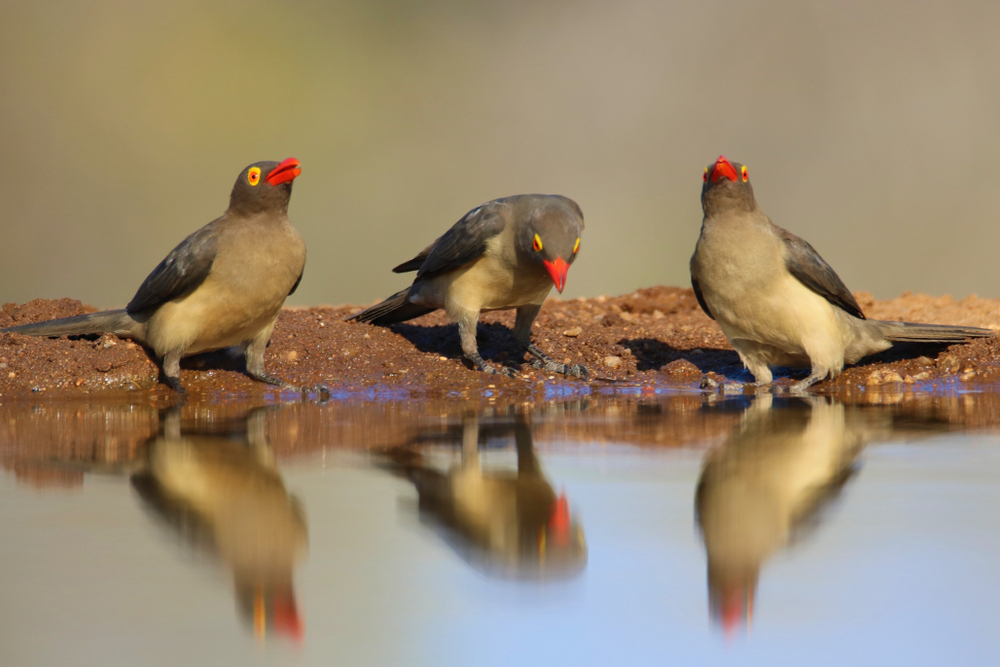
Oxpeckers are often portrayed as helpful, but they also feed on blood from open wounds on large mammals. Sometimes they prevent wounds from healing to maintain access. This relationship isn’t always mutual. It’s conditional.
Behavioral ecology research shows oxpeckers benefit more than their hosts in many cases. Blood is supplemental but intentional. The line between symbiosis and parasitism blurs. Survival often lives in that gray area.
11. Bat Flies
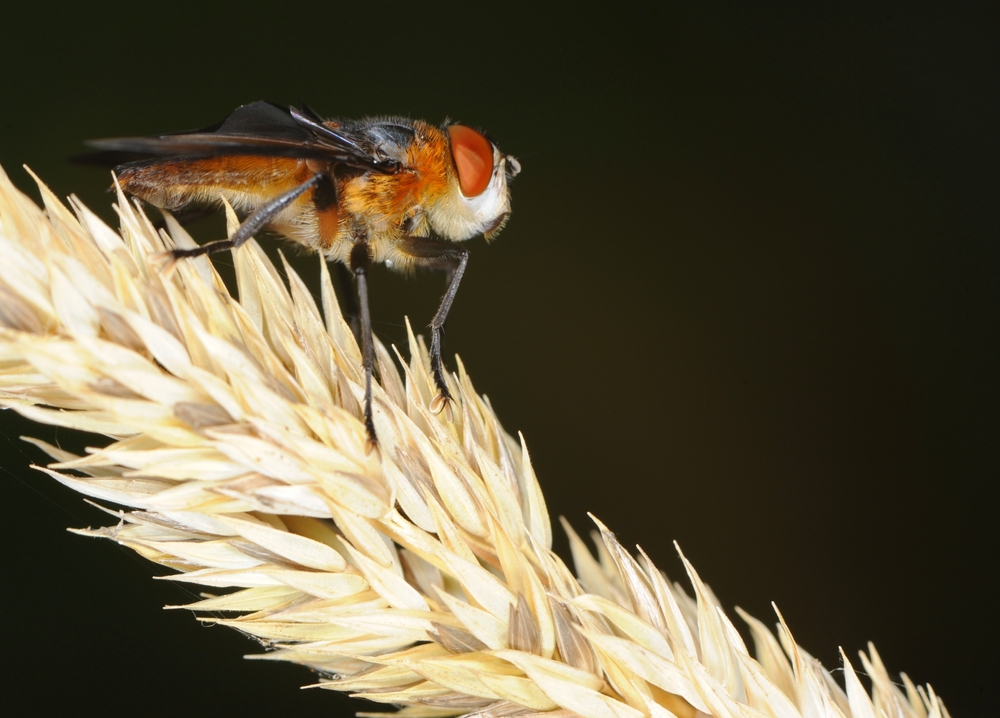
Bat flies live permanently on bats and feed exclusively on blood. They give birth to live larvae internally rather than laying eggs. Their entire lifecycle occurs on one host species. Mobility is minimal.
Zoological studies show bat flies evolved alongside bats in tight co-dependence. Blood isn’t just food—it’s habitat. Their survival is tied to one organism’s success. If the bat disappears, so do they.
12. Tongue-Eating Lice
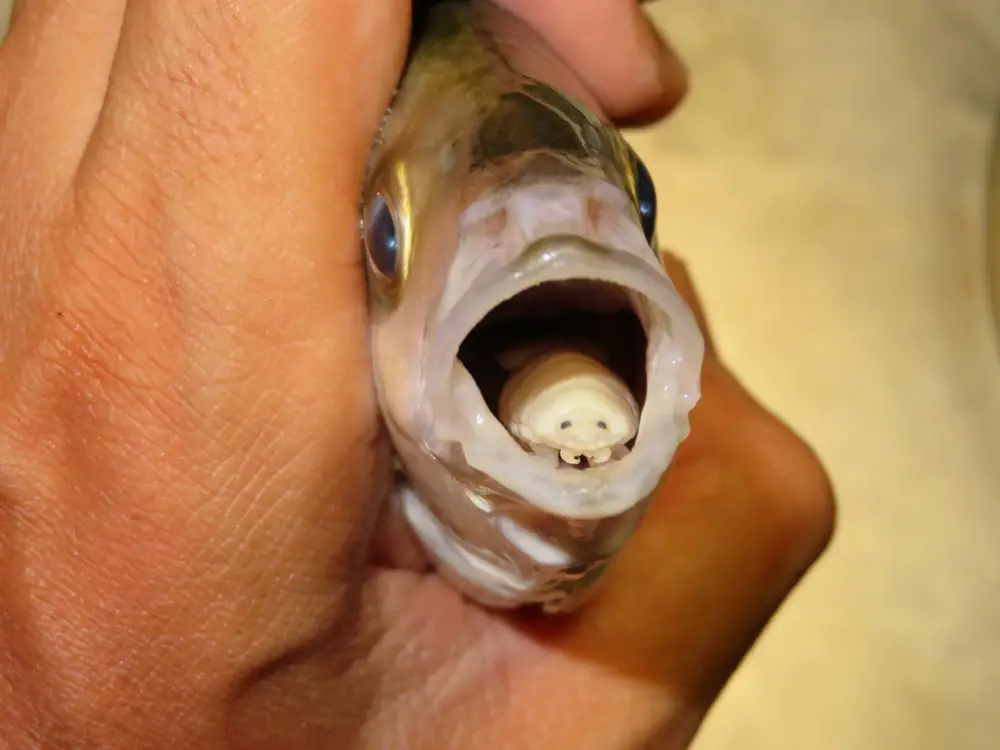
These parasites enter a fish’s mouth and replace its tongue, feeding on blood vessels. The fish continues living with the parasite functioning as a replacement organ. The integration is extreme. Survival becomes anatomical.
Marine parasitology research describes this as one of the most invasive feeding adaptations known. Blood access becomes structural. Host and parasite coexist in a disturbing balance. It’s not feeding—it’s fusion.
13. Rare Blood-Feeding Caterpillars
Some caterpillars pierce insects and feed on hemolymph instead of plants. This behavior is rare but documented. It represents a complete dietary shift within a species typically seen as harmless. Evolution isn’t sentimental.
Entomology research confirms that blood-feeding evolved independently in some larval stages. This isn’t accidental—it’s adaptive. Even early life stages can specialize in blood dependency. Nature experiments relentlessly.