When you think about danger in the wild, your brain probably jumps to massive animals with teeth, claws, and sheer physical dominance. But if you look at actual injury and fatality data, size is one of the least reliable indicators of risk. The animals most likely to seriously harm or kill you are often small, easy to underestimate, and capable of doing damage before you even realize you’re in trouble. These are the creatures that prove survival isn’t about strength—it’s about biology, proximity, and bad timing.
1. Assassin Bug
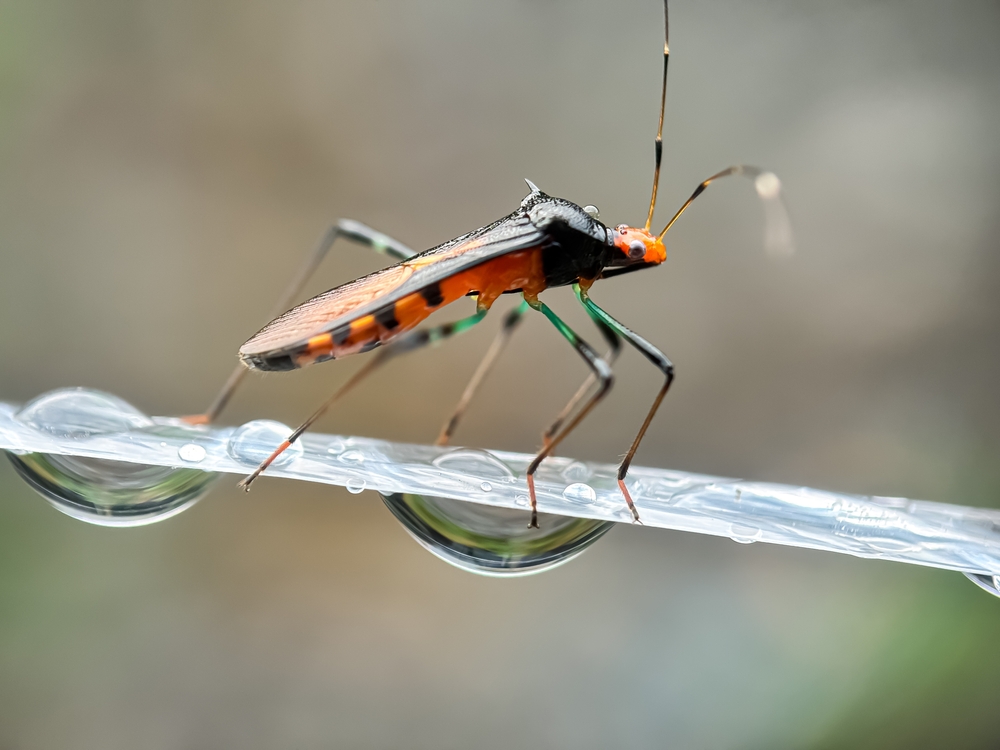
Assassin bugs transmit Chagas disease, which can cause heart failure years after infection. The bite itself is usually painless. Symptoms develop slowly. Many people don’t connect the illness to the original exposure.
Epidemiological studies show Chagas disease often goes undiagnosed until serious complications occur. The bug looks harmless and avoids attention. Like many deadly animals, it relies on time rather than force. That delay is the real weapon.
2. Box Jellyfish
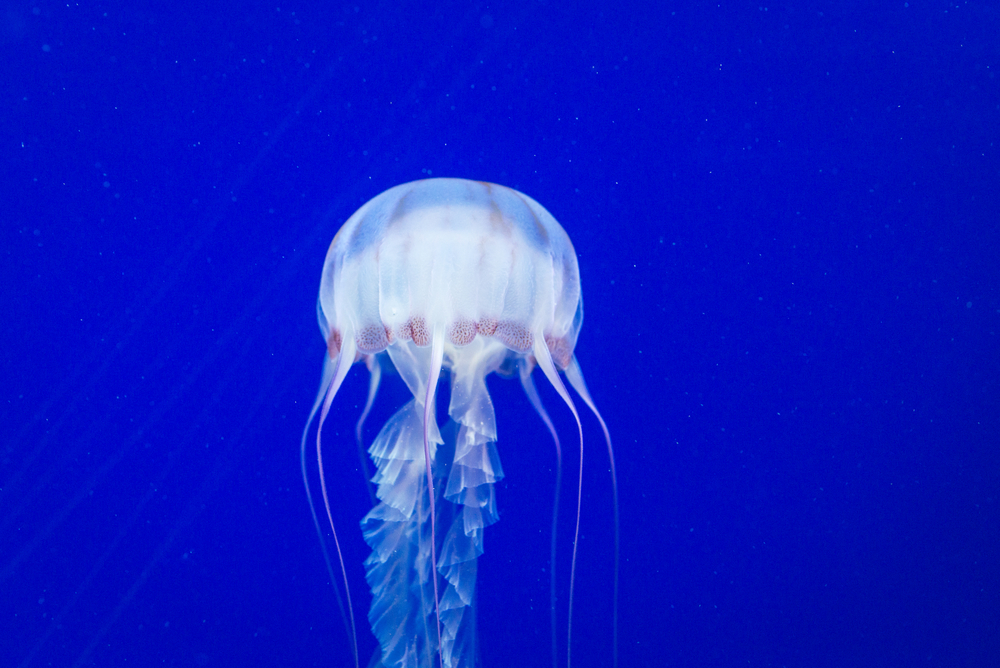
You could swim right past one of these without noticing a thing until it’s too late. Box jellyfish tentacles deliver venom that attacks the heart, nervous system, and skin simultaneously, often causing collapse within minutes. The pain alone can trigger shock before venom fully circulates. Many victims don’t make it to shore.
Marine toxin research consistently ranks box jellyfish venom among the most lethal known to science. According to Australian medical data, fatalities often occur faster than emergency response times allow. Unlike a grizzly, this animal doesn’t chase or threaten—it just exists where you do. That passive danger is what makes it deadly.
3. Mosquito
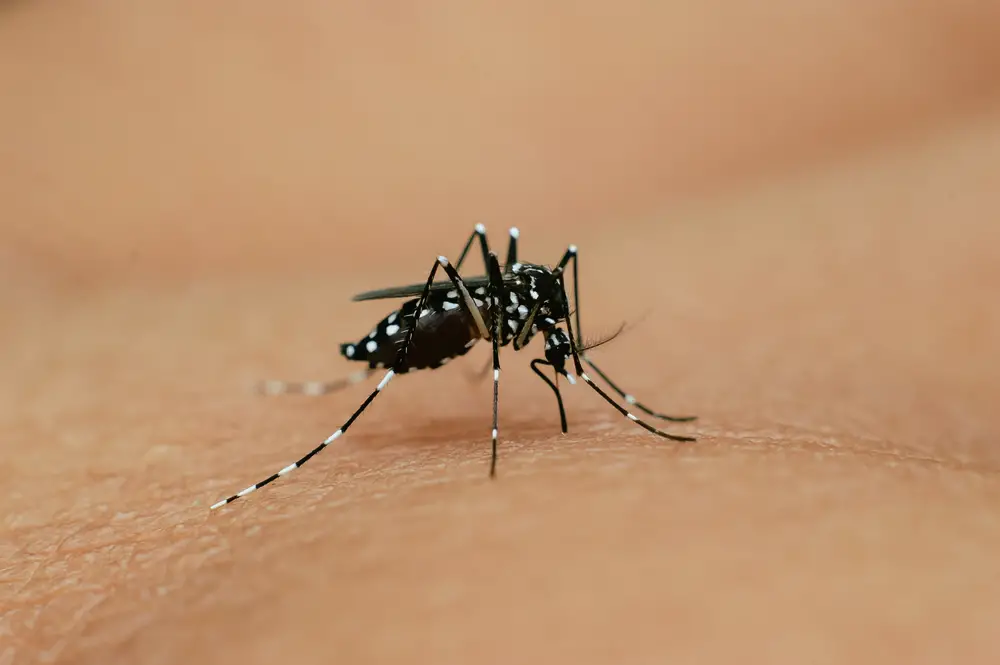
A mosquito doesn’t look like a killer, but it’s responsible for more human deaths than any other animal on Earth. Through diseases like malaria, dengue, Zika, and West Nile virus, mosquitoes quietly infect millions every year. You often don’t feel the bite at all. The consequences come much later.
The World Health Organization reports that mosquito-borne diseases kill hundreds of thousands annually. Unlike large predators, mosquitoes thrive near humans and adapt quickly. You don’t need to provoke one or enter the wilderness to be at risk. It finds you where you live.
4. Cone Snail
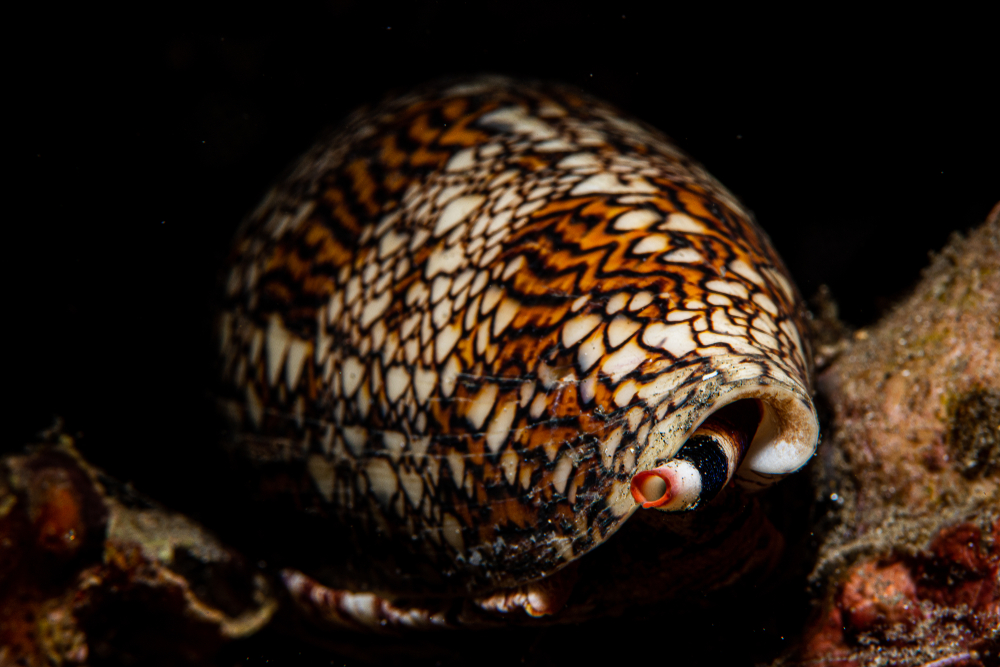
This small, beautifully patterned sea snail carries a venom so powerful it can cause paralysis or respiratory failure. The sting feels mild at first, which delays response and treatment. Victims often underestimate the seriousness until symptoms escalate. There is no antivenom.
Toxinologists have documented cone snail venom as fast-acting and neurologically complex. Even experienced divers have been hospitalized after casual contact. Unlike a bear encounter, there’s no warning behavior or visual intimidation. One touch is enough.
5. Pufferfish
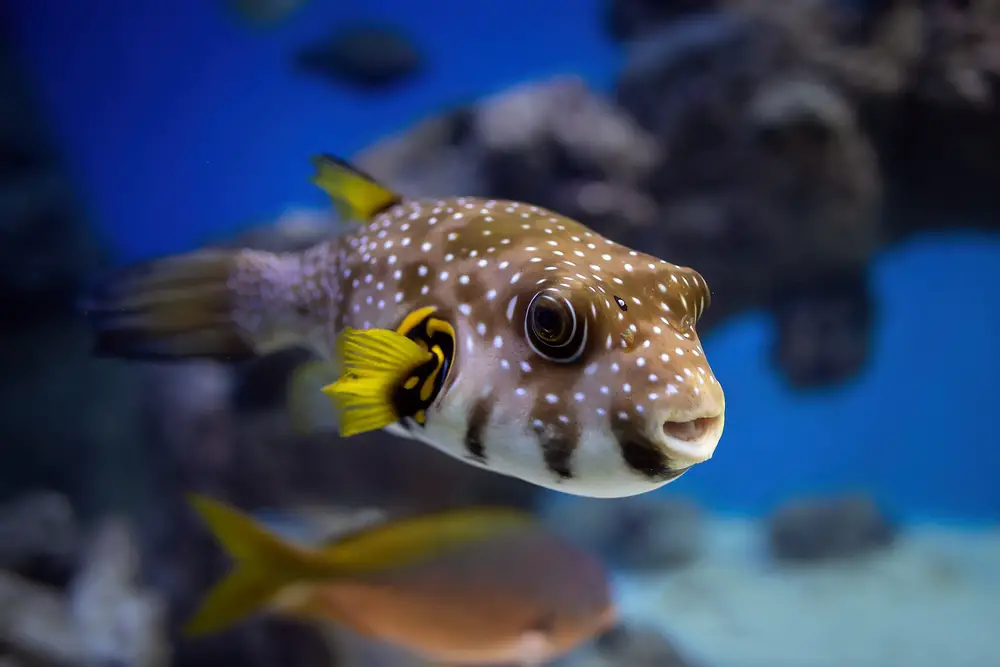
Pufferfish contain tetrodotoxin, a poison that shuts down muscles while leaving the victim conscious. Ingestion causes paralysis, respiratory failure, and death if untreated. Even trained chefs sometimes make fatal mistakes preparing it. The danger isn’t theoretical.
Medical toxicology journals describe tetrodotoxin as up to 1,200 times more lethal than cyanide. There’s no antidote, only supportive care. The fish itself looks slow and almost cartoonish. That contrast is what makes it dangerous.
6. Golden Poison Dart Frog
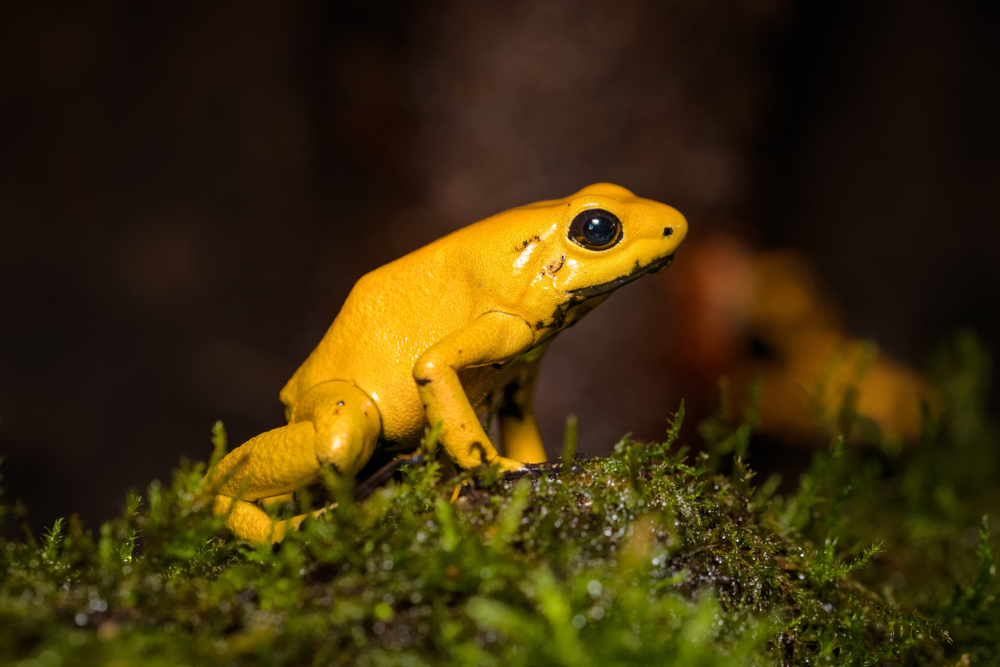
This frog is small enough to sit on a coin, yet carries enough toxin to kill multiple adults. Indigenous cultures historically used their poison for hunting weapons. You don’t need to be bitten—the toxin absorbs through the skin. Handling alone can be lethal.
Herpetology studies confirm batrachotoxin interferes with nerve signaling at microscopic doses. In the wild, predators instinctively avoid these frogs. Humans don’t get that built-in warning system. Curiosity becomes the risk factor.
7. Scorpion
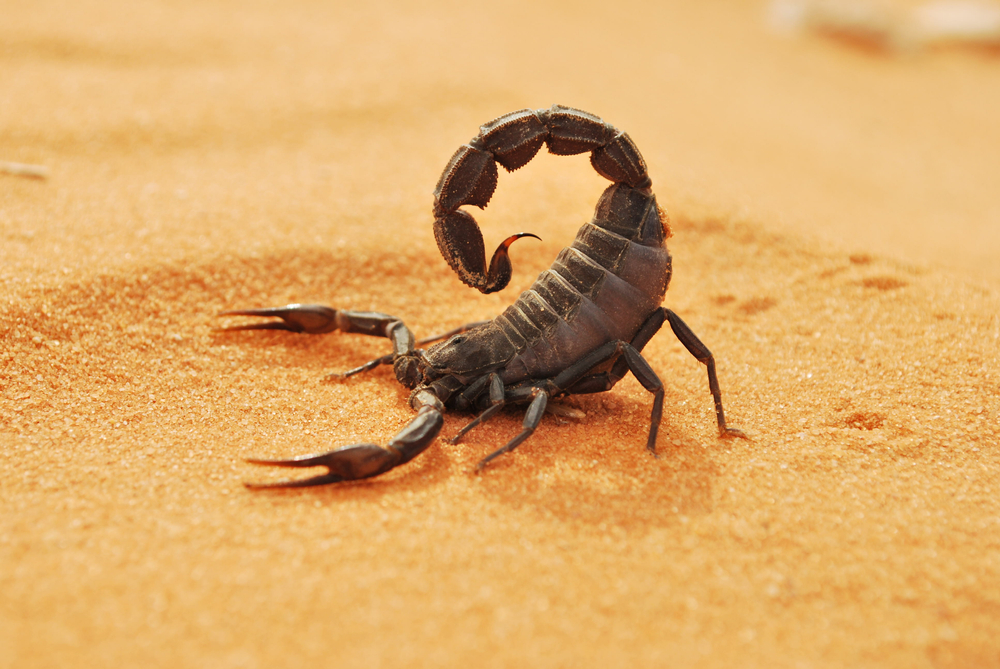
Most scorpion stings are painful but survivable, which is why people underestimate them. Certain species, however, deliver neurotoxic venom that can cause respiratory failure, especially in children or older adults. Symptoms escalate quickly. Delayed treatment increases mortality.
Clinical toxicology reports show scorpion stings remain a significant cause of emergency hospitalizations globally. Unlike large animals, scorpions hide in homes, shoes, and bedding. You don’t encounter them—you surprise each other. That’s when stings happen.
8. Freshwater Snail
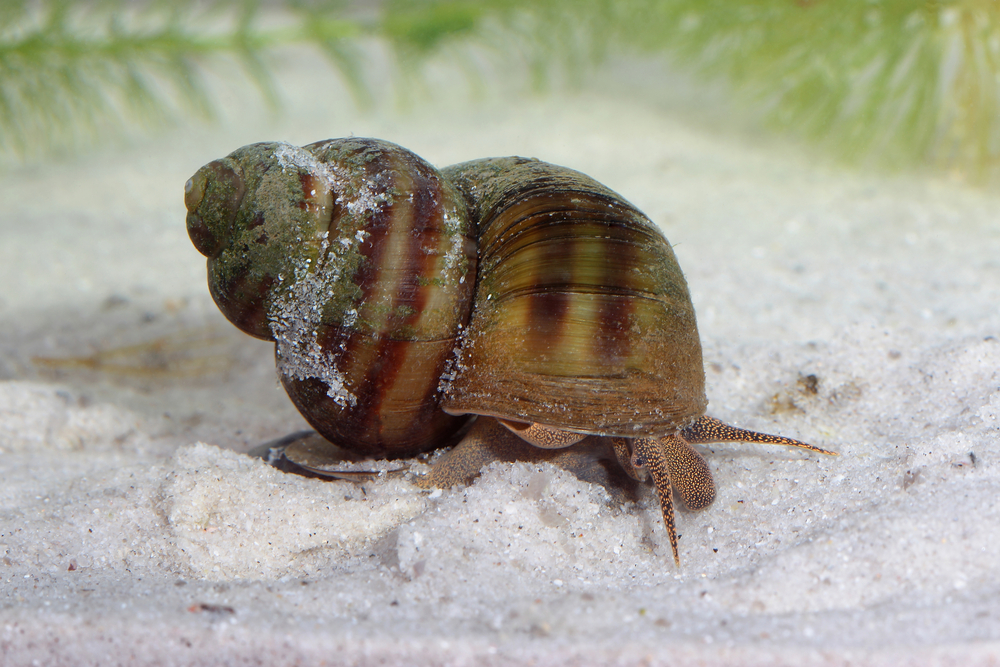
Certain freshwater snails carry parasites that cause schistosomiasis, a disease affecting organs and blood vessels. Infection happens through skin contact with contaminated water. Symptoms may not appear for weeks or months. Long-term damage is common.
Public health studies link snail-borne parasites to chronic illness affecting millions worldwide. This isn’t a dramatic attack—it’s environmental exposure. The danger hides in ordinary activities like swimming or wading. That subtlety makes it persistent.
9. Centipede
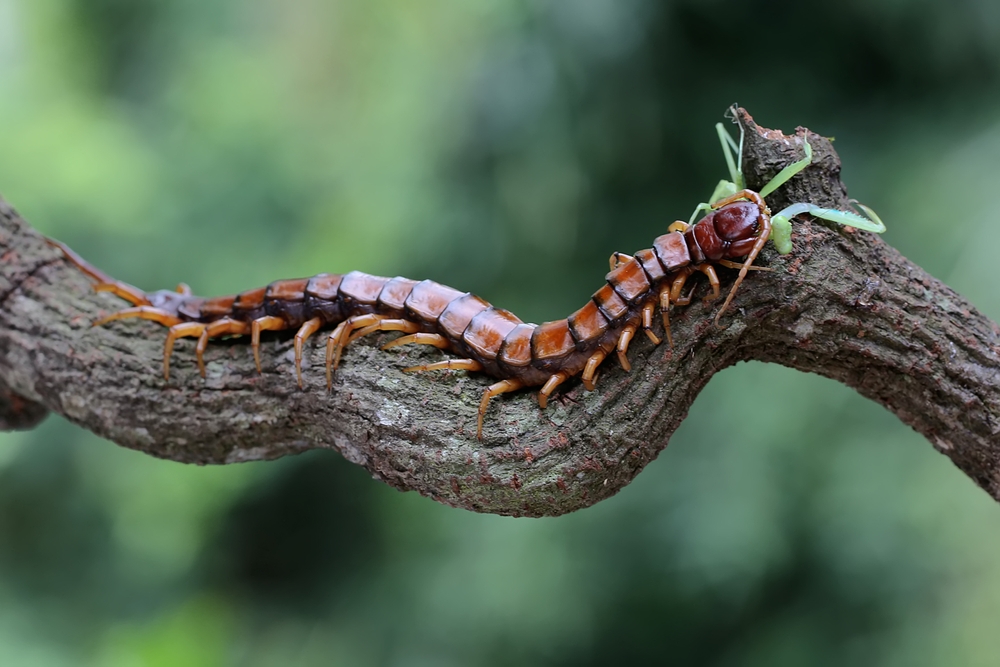
Large centipedes deliver venomous bites that cause intense pain, swelling, and tissue damage. In rare cases, reactions can be severe or life-threatening. Their speed and aggression surprise people. They don’t retreat easily.
Entomology research shows centipede venom affects the nervous system and can trigger systemic reactions. They often live indoors in warm climates. You don’t seek them out—they appear where you sleep. Proximity increases risk.
10. Tsetse Fly
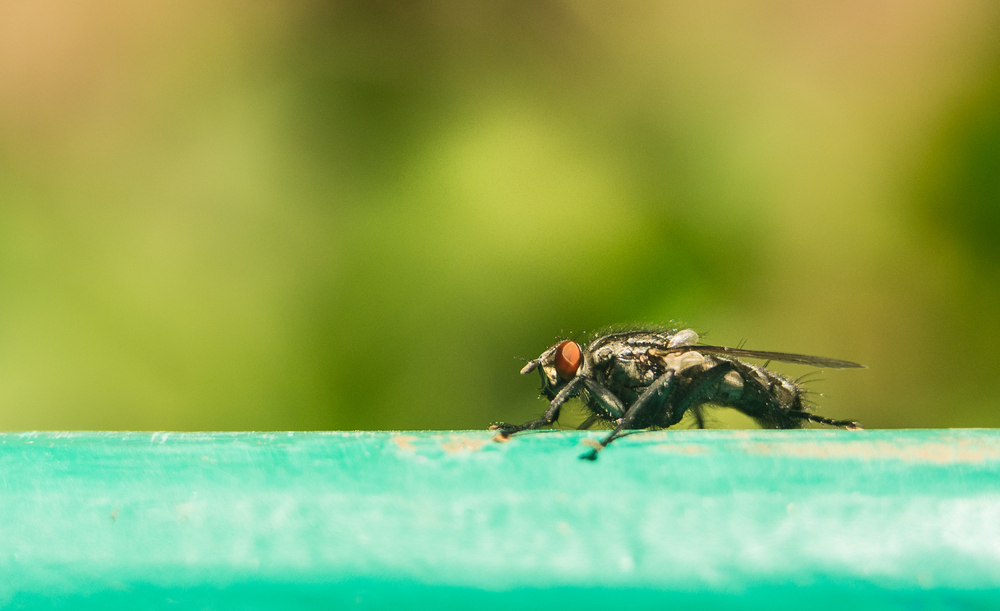
The tsetse fly transmits African sleeping sickness, a disease that attacks the nervous system and is fatal if untreated. Early symptoms are mild and easily ignored. By the time neurological signs appear, damage is advanced. Treatment becomes difficult.
According to infectious disease research, early detection is critical but often missed. The fly itself is unremarkable and quiet. Unlike large predators, it doesn’t register as a threat. That invisibility makes it lethal.
11. Inland Taipan
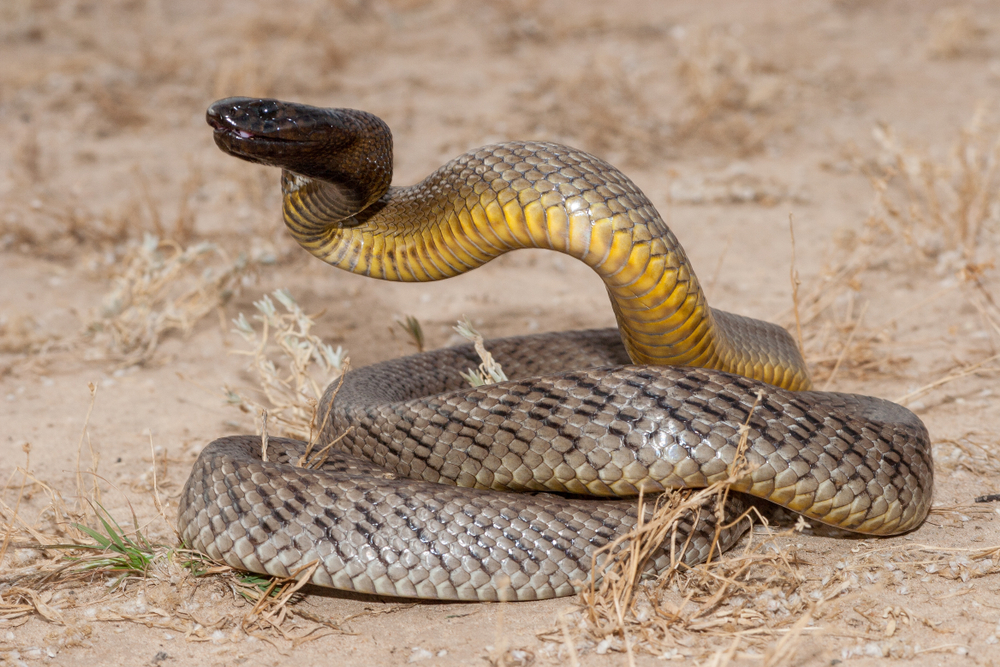
This snake is relatively small compared to large predators but carries the most potent venom of any snake. One bite contains enough toxin to kill dozens of adults. Fortunately, it’s reclusive. Unfortunately, venom potency leaves no margin for error.
Australian venom studies document its neurotoxic and hemotoxic effects. Without immediate treatment, survival chances drop rapidly. Size offers false reassurance here. Chemistry does the damage.
12. Tick
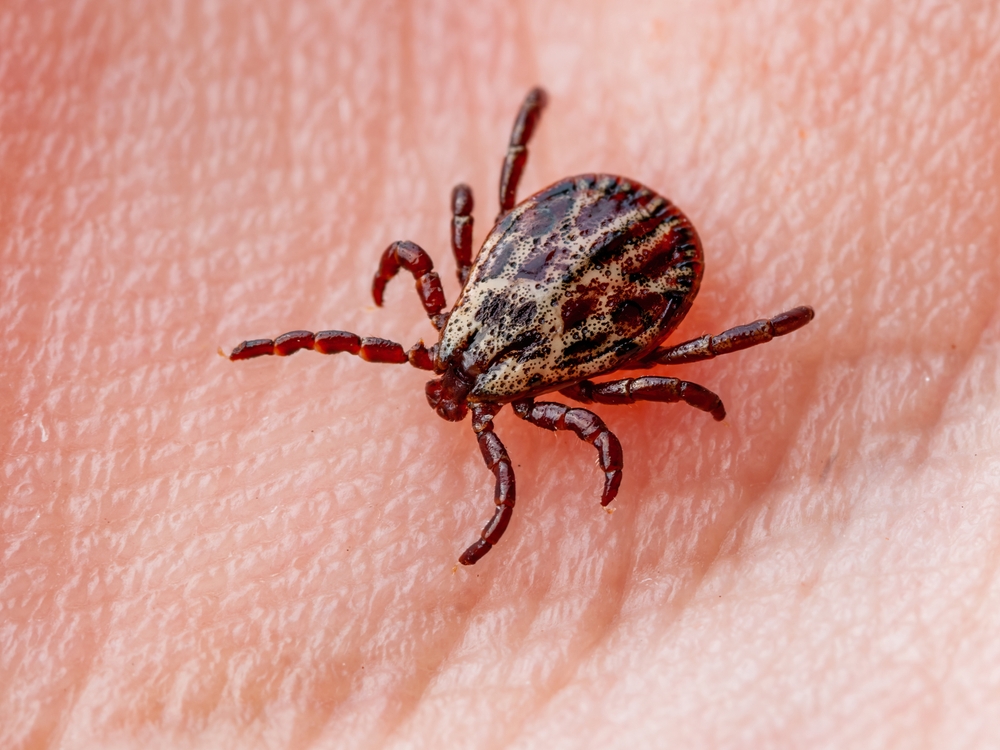
Ticks transmit diseases like Lyme, Rocky Mountain spotted fever, and babesiosis. Bites often go unnoticed due to numbing agents in their saliva. Symptoms appear days or weeks later. Chronic illness is common.
CDC data shows tick-borne diseases rising sharply in recent years. Unlike bears, ticks don’t intimidate or warn. They attach quietly and leave lasting damage. That delayed threat changes lives.
13. Fire Ant
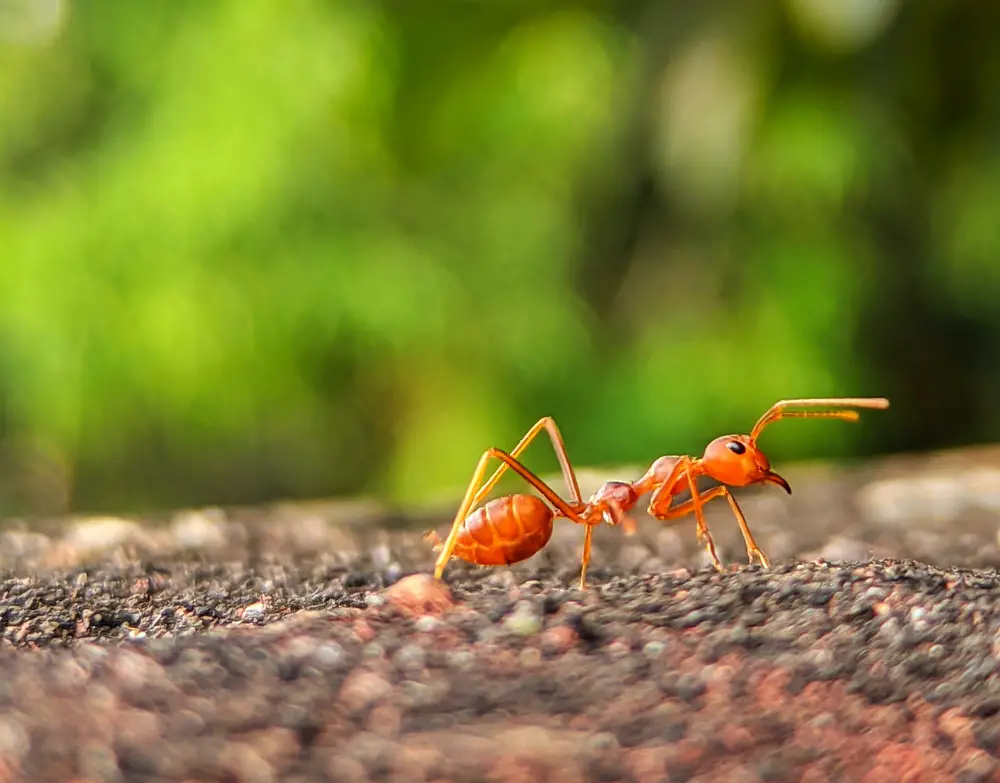
Fire ants attack in swarms, delivering venomous stings that cause allergic reactions, infections, and, in rare cases, death. Each sting compounds the effect. Victims often panic, worsening outcomes. The threat escalates fast.
Medical literature documents severe reactions even in healthy adults. Fire ants thrive in urban and suburban environments. You don’t need wilderness to encounter them. That accessibility increases danger.
14. Blue-Ringed Octopus
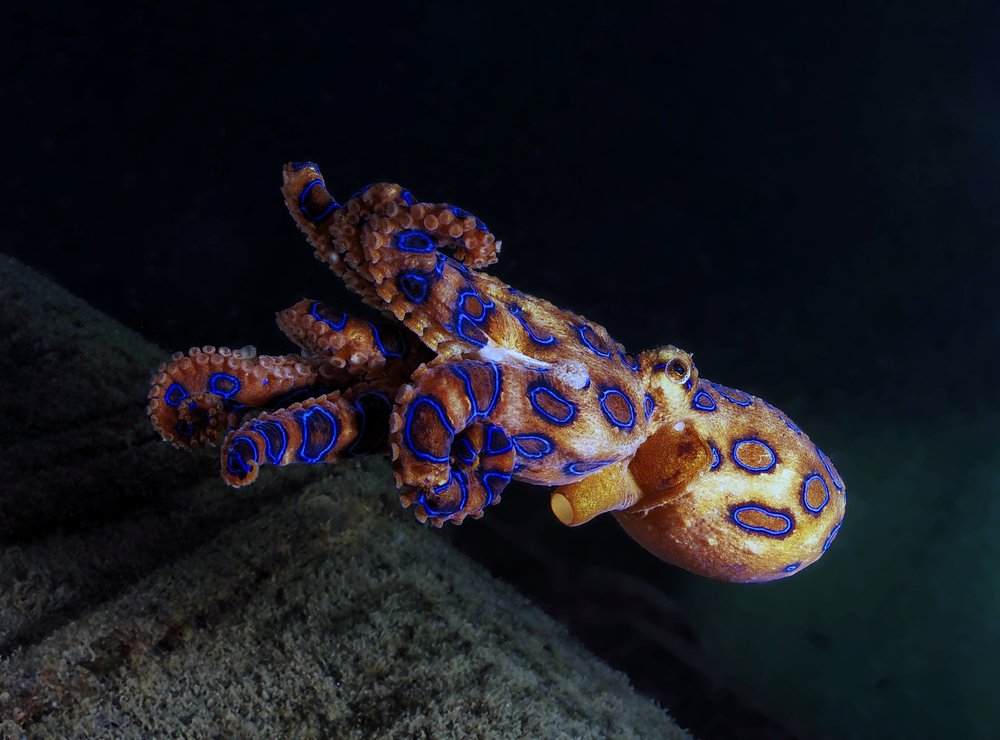
This octopus fits in your palm and flashes bright blue rings as a warning sign that most people don’t recognize. Its venom causes near-instant paralysis, including respiratory muscles. Victims remain conscious but unable to move or breathe. Survival depends on immediate ventilation.
Marine biology research notes that there is no antivenom for blue-ringed octopus venom. Encounters often happen in shallow tide pools, not deep ocean settings. You don’t expect danger there. That assumption is deadly.