
If you share your bed with your dog, you probably tell yourself it’s comforting, bonding, and totally worth it. And emotionally, that might be true. But physically and hygienically, the reality is a lot messier than most people like to admit. If you’ve ever woken up itchy, sore, or oddly exhausted and blamed stress instead of your furry roommate, this list might hit uncomfortably close to home.
1. You’re Sleeping With Bacteria
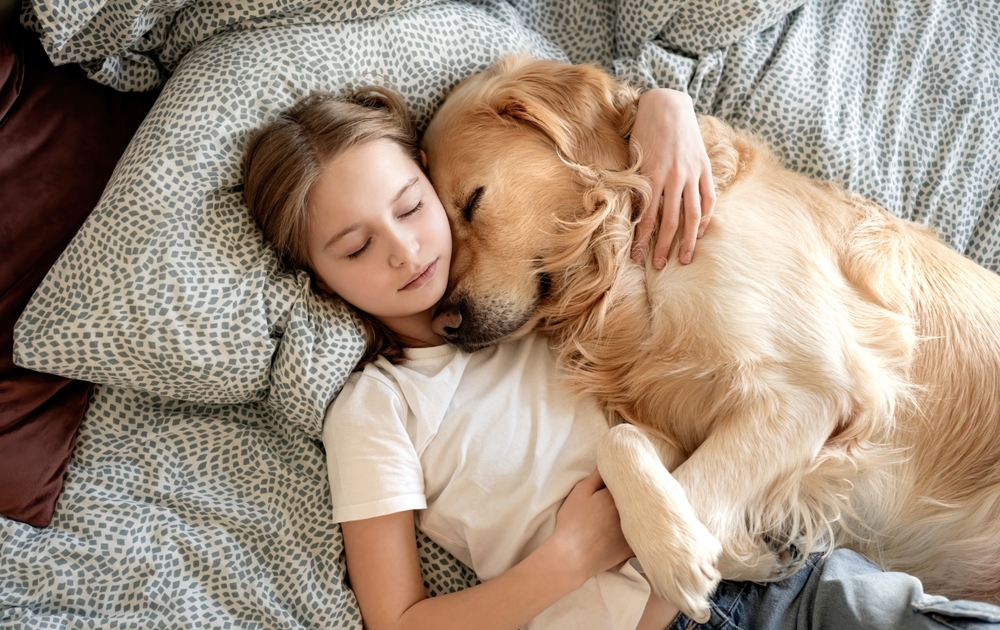
Your dog brings in bacteria from sidewalks, parks, and public spaces every single day. Even if their paws look clean, microbes transfer easily to bedding. Once they’re in your sheets, they don’t magically disappear. You’re sleeping in it for hours.
Research published in Clinical Microbiology Reviews confirms that dogs can carry bacteria transferable to humans without obvious symptoms. Most exposures are harmless, but the accumulation matters over time. You don’t feel it immediately. That’s what makes it easy to ignore.
2. Their Paws Have Poop On Them
Dogs step in places you’d never willingly touch. Even after wiping paws, microscopic residue remains. That residue transfers to bedding easily. The thought alone is uncomfortable.
Microbial studies confirm that trace fecal bacteria are commonly found on dog paws. You don’t see it. That doesn’t mean it isn’t there. Awareness changes the comfort equation quickly.
3. You’re Also Sleeping With Parasites

Even well-treated dogs can temporarily carry flea eggs or mites. Your bed offers warmth and fabric — ideal conditions. Once introduced, these pests don’t stay localized. They spread quietly.
The CDC has documented increased household transmission of parasites in pet-sleeping environments. You may never see the culprit directly. The discomfort appears first. That delay makes the connection easy to miss.
4. Their Body Heat Disrupts Yours
Dogs run warmer than humans. Sharing a bed traps heat unevenly. That imbalance affects your ability to cool down naturally. Sleep quality drops as a result.
Thermoregulation research shows temperature consistency is critical for deep sleep. You may wake sweating or restless. It feels random. It isn’t.
5. Your Sleep Cycle Goes Haywire
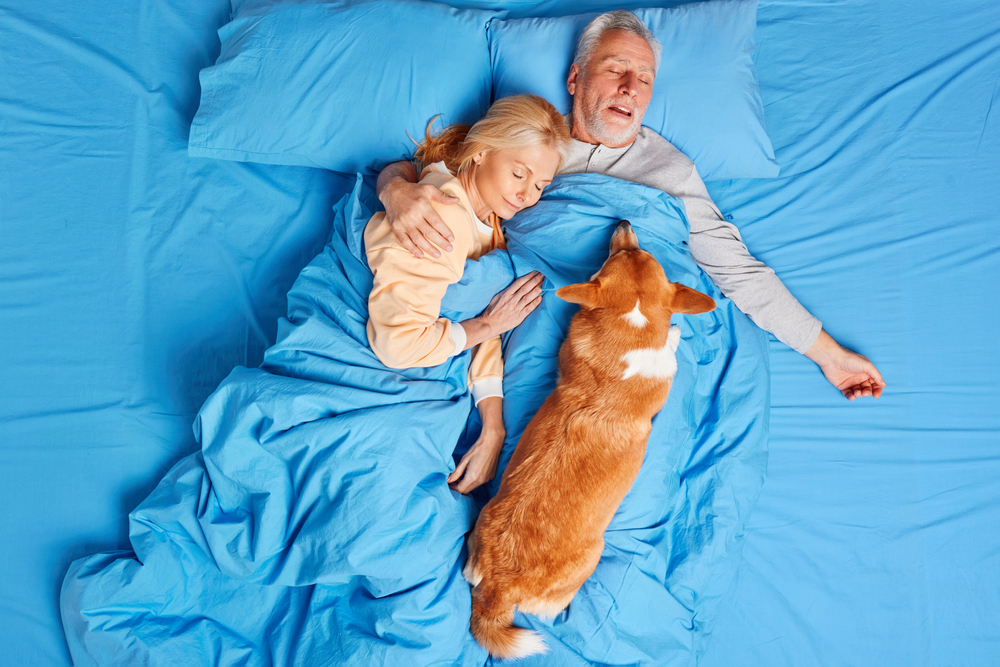
Dogs move, twitch, stretch, and reposition far more than humans during sleep. Even if you don’t fully wake up, your body registers the disturbance. That fragmentation adds up. You wake feeling tired without knowing why.
Sleep research from the Mayo Clinic shows co-sleeping with pets reduces REM quality even when people report feeling emotionally comforted. Your brain doesn’t rest as deeply. The tradeoff is subtle but real. You pay for comfort with recovery.
6. Their Fur Traps Allergens All Night
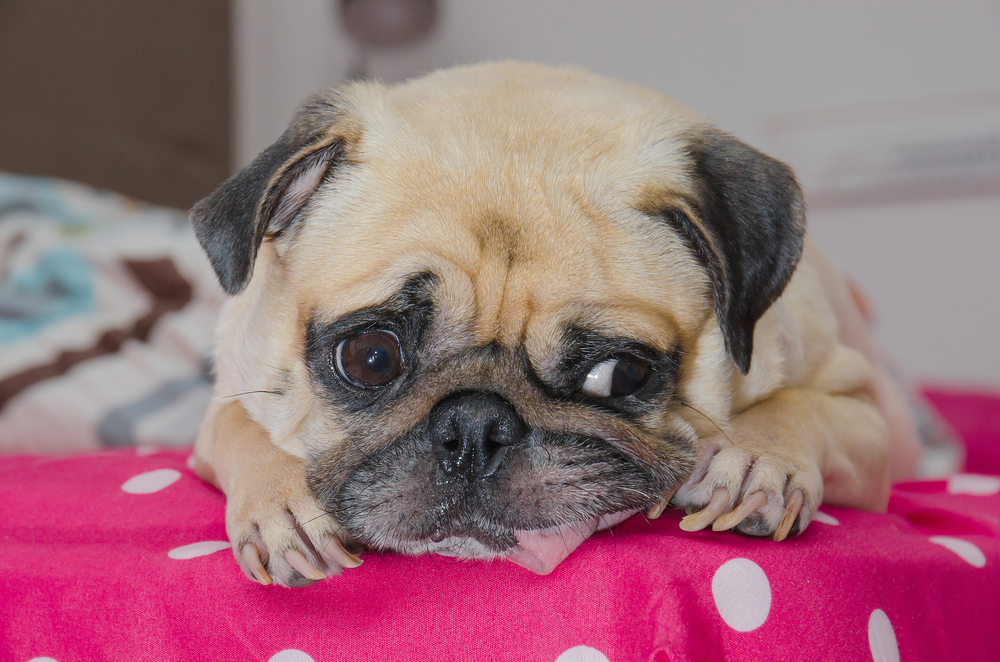
Dog fur acts like a magnet for pollen, dust, and outdoor allergens. When your dog sleeps in your bed, those allergens stay close to your face for hours. That exposure compounds nightly. Morning congestion often starts here.
Allergy specialists routinely warn that prolonged exposure during sleep worsens respiratory sensitivity. You may blame seasonal allergies instead of your sleeping arrangement. The timing is rarely questioned. Comfort hides the cause.
7. You’re Breathing Their Bad Breath

Dog mouths contain bacteria that smell fine at a distance but overwhelm close contact. When they sleep near your face, you’re breathing it in repeatedly. The smell isn’t always obvious while you’re asleep. But your body notices.
Veterinary dental studies show that most dogs develop periodontal bacteria early in life. You don’t consciously register it. That doesn’t mean it’s harmless. Proximity amplifies exposure.
8. Their Oils Transfer To Your Skin

Dogs naturally produce oils that protect their fur and skin. Those oils rub off onto sheets, pillows, and your body. Over time, they can clog pores or irritate sensitive skin. Breakouts don’t always have obvious triggers.
Dermatologists often note pet oil transfer as a hidden factor in adult skin issues. You wash your face religiously. The source keeps returning nightly. Hygiene isn’t just about frequency — it’s about exposure.
9. You’re Training Them To Be Codependent

Once dogs sleep in your bed, that expectation sticks. Removing the habit later often causes distress behaviors. Whining, pacing, or anxiety follow. Comfort creates dependency.
Animal behaviorists note that sleep routines strongly influence attachment patterns. What feels loving now becomes difficult to undo. Boundaries matter even in affection. Consistency cuts both ways.
10. They Leave Drool You Don’t Always Notice
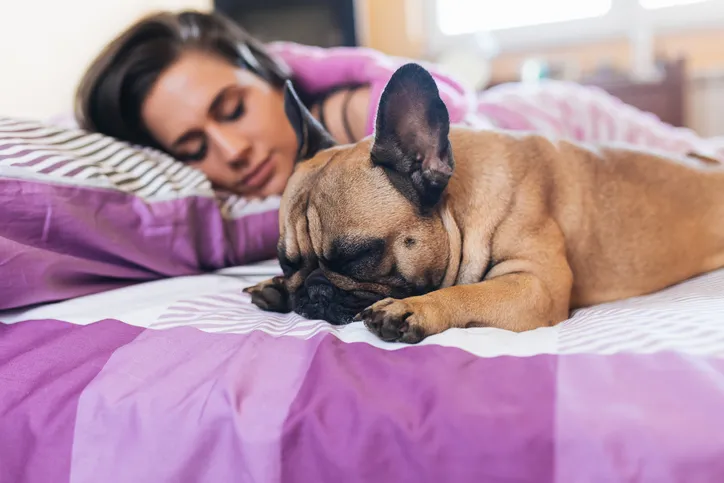
Some dogs drool lightly in their sleep, even if they don’t during the day. That moisture transfers to pillows, sheets, and blankets without you realizing it. Over time, bedding develops damp spots that never fully feel fresh. You may only notice when the smell starts to linger.
Veterinary sleep studies note that relaxed jaw muscles increase nighttime drooling in many breeds. Because it happens slowly, people normalize it without questioning hygiene. Washing helps, but only briefly. The source resets the problem every night.
11. Your Bedding Smells Off
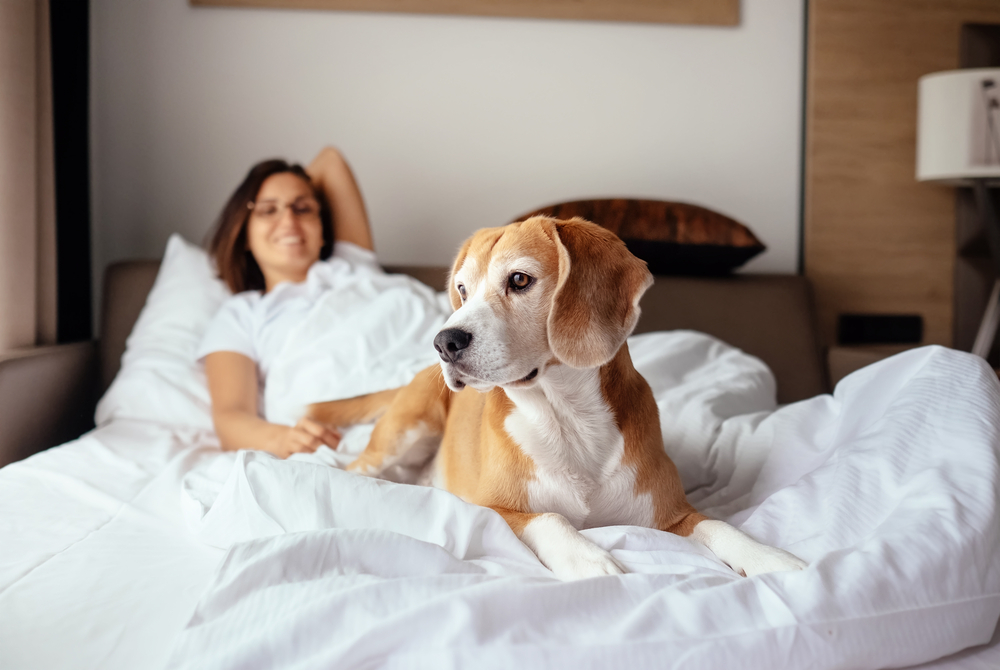
Dog scent doesn’t always smell bad—but it does linger. Combined with body heat, drool, and skin oils, it changes how bedding holds odor. Sheets lose that clean, neutral smell much faster. You wash more often just to keep up.
Olfactory research shows humans adapt quickly to familiar smells, which is why you may stop noticing it. Visitors often pick up on it immediately. Familiarity masks the issue, not the cause. Comfort slowly replaces cleanliness as the priority.
12. They Grind Dirt Deeper Into Your Bedding

Dogs don’t just bring dirt into bed—they grind it in through constant movement. Their weight and shifting push grit, oils, and debris deep into mattress fibers. Even freshly washed sheets can feel worn faster than expected. Your bed ages prematurely.
Textile hygiene research shows pet co-sleeping significantly increases fabric breakdown and embedded debris. Surface cleaning doesn’t reach what’s pressed deeper. Over time, your bed stops feeling clean even when it technically is. That dull, stale feeling has a cause.