
You may think your cat just “likes” certain spots, but there’s a strategy behind every nap location. Cats optimize warmth, visibility, scent, and emotional safety when selecting territory. Their favorite places aren’t random—they’re calculated. Every spot serves a purpose.
1. They Look For A Heat Source
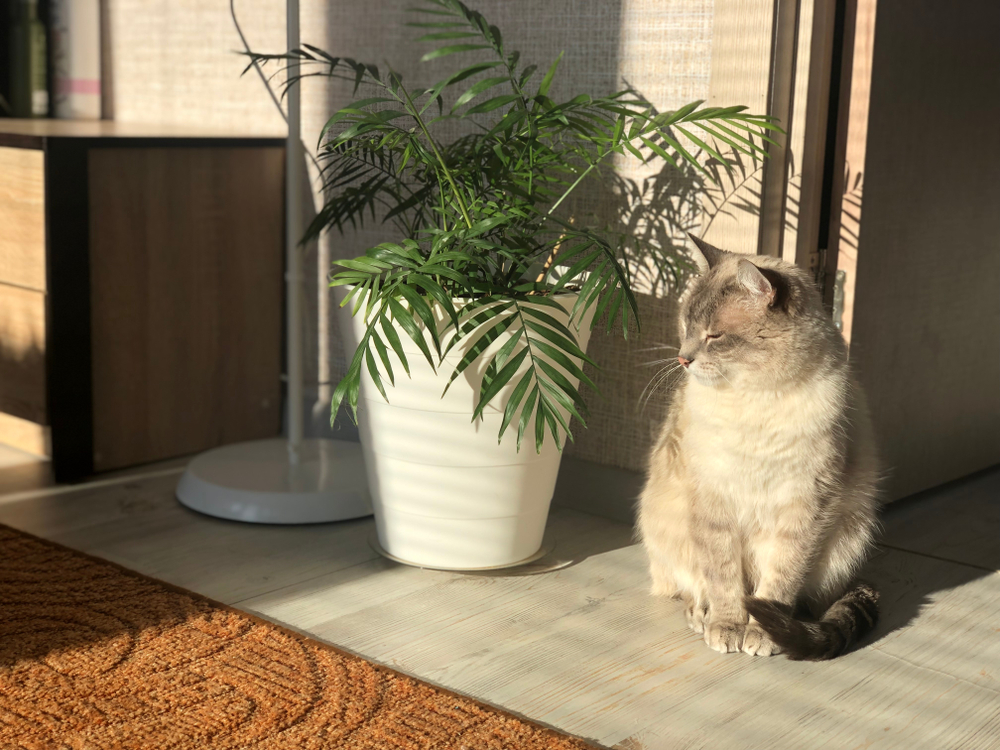
Cats prioritize warmth above almost everything else. Your body temperature makes you prime real estate. Sitting on you isn’t affection—it’s efficiency. You’re a mobile heating pad.
Feline physiology research shows cats seek ambient warmth to conserve energy. Heat reduces metabolic demand. Comfort and survival align. You’re convenient.
2. They Need A Spot With A Clear View
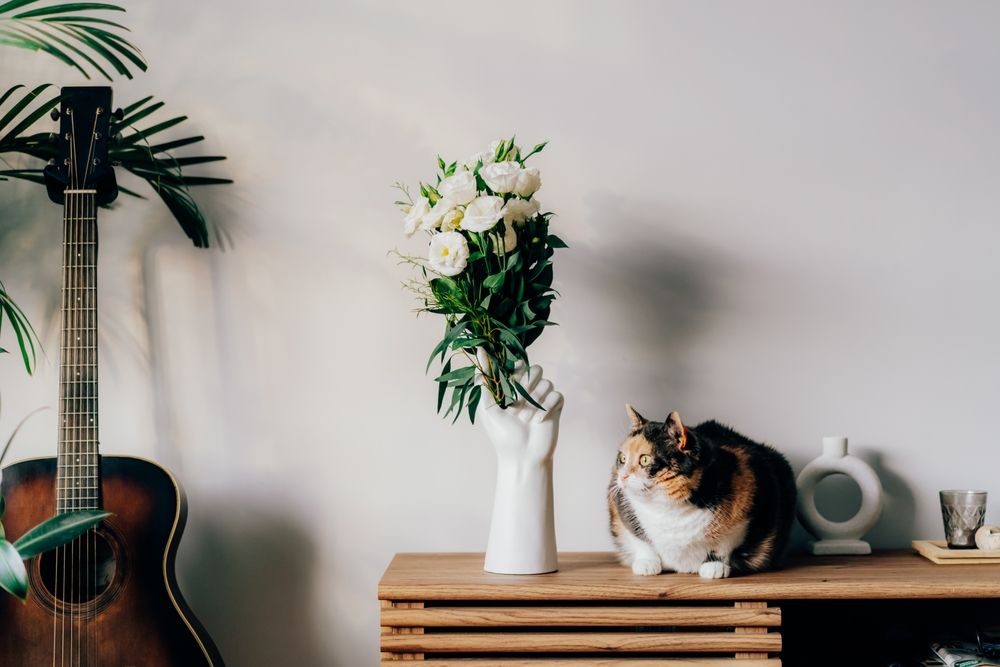
Visibility equals control. Cats prefer locations where they can monitor movement. High vantage points or open sightlines feel safest. Nothing sneaks up.
Studies on feline behavior show cats feel secure when visual escape routes are clear. Blind spots create stress. Observation equals power. Power equals comfort.
3. They Love Anywhere That Smells Like You

Scent familiarity signals safety. Your cat gravitates toward clothing, bedding, or furniture infused with your smell. It anchors them emotionally. Familiar equals safe.
Olfactory research confirms that cats use scent to identify secure territory. Your smell stabilizes their nervous system. Comfort deepens. Safety settles in.
4. They Gravitate Toward Slightly Hidden Spots
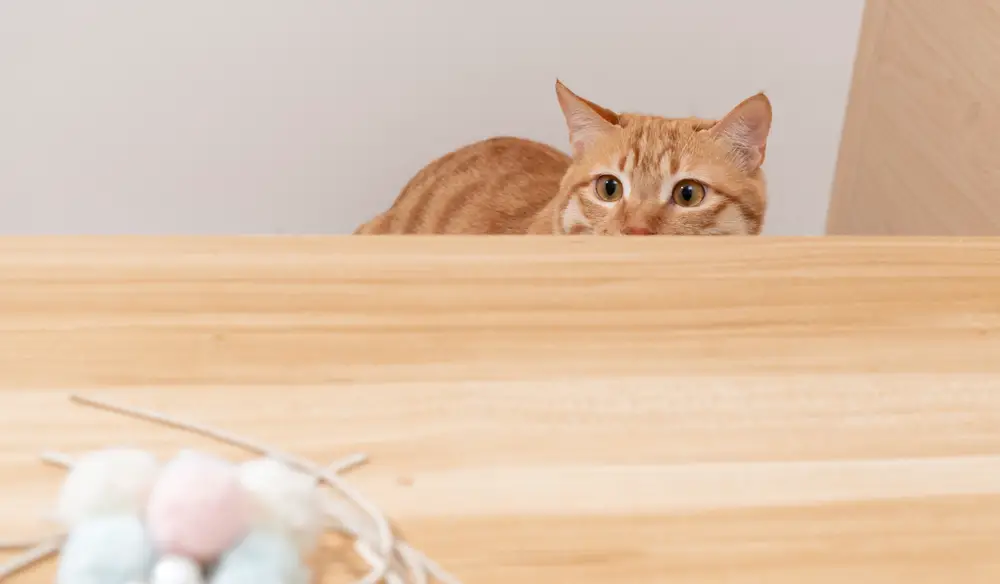
Partial concealment offers security without isolation. Cats like being unseen but not trapped. Boxes, corners, and under furniture hit the sweet spot. Exposure is controlled.
Ethology studies show cats prefer semi-enclosed spaces for rest. Full openness increases vigilance. Partial cover lowers it. Balance matters.
5. They Prefer To Be Up High
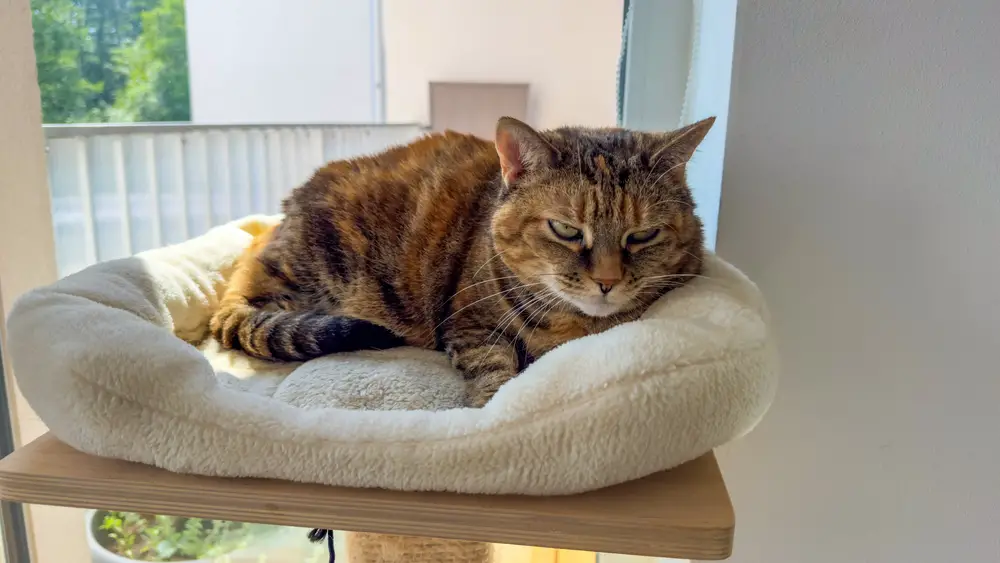
Height creates dominance and safety. Elevated spots allow cats to survey without engagement. They feel untouchable. Control is comforting.
Research on feline territorial behavior links elevation to confidence. Higher equals safer. Your cat isn’t aloof—they’re strategic. Height matters.
6. The Want Somewhere Away From Noise
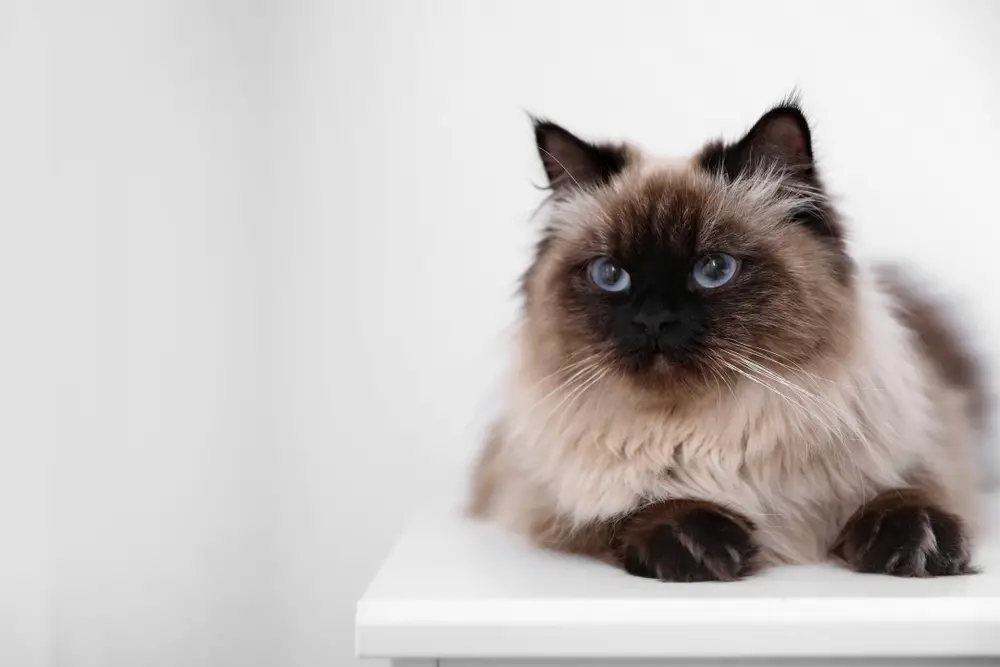
Noise increases cognitive load. Cats choose quieter areas to rest deeply. Even low-level sound matters. Calm equals recovery.
Veterinary sensory studies show cats are more noise-sensitive than dogs. Quiet zones reduce stress. Your cat listens constantly. Silence soothes.
7. They Like High Traffic Spots
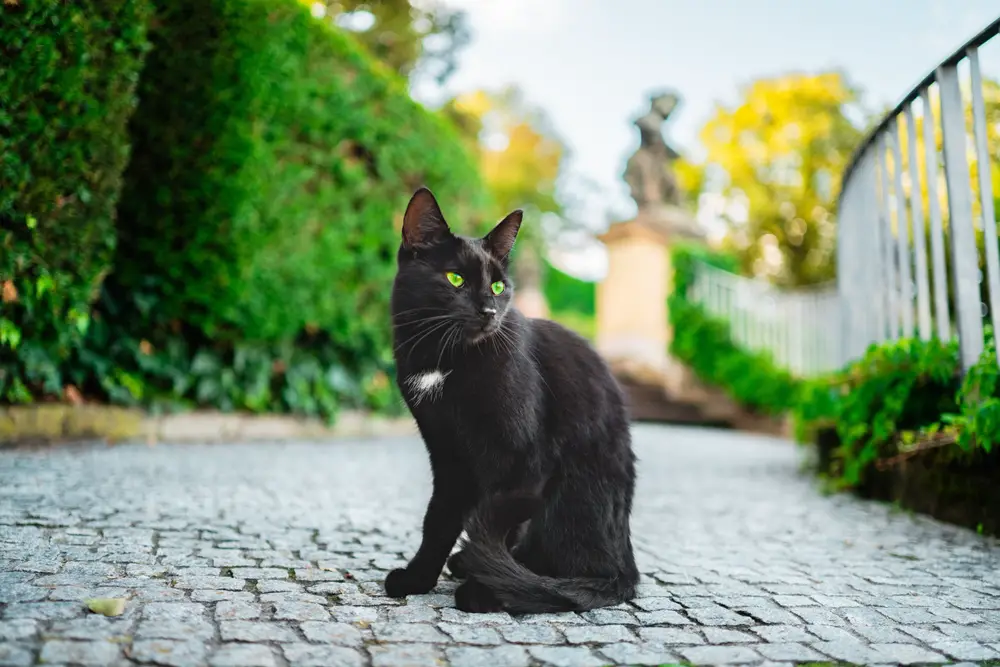
Cats like routine movement. A hallway with predictable patterns feels safer than chaos. Surprise is minimized. Stability wins.
Animal behavior research confirms that predictability lowers anxiety. Random foot traffic raises alertness. Cats prefer rhythm. Flow matters.
8. They’re Drawn To Temperature-Controlled Spots
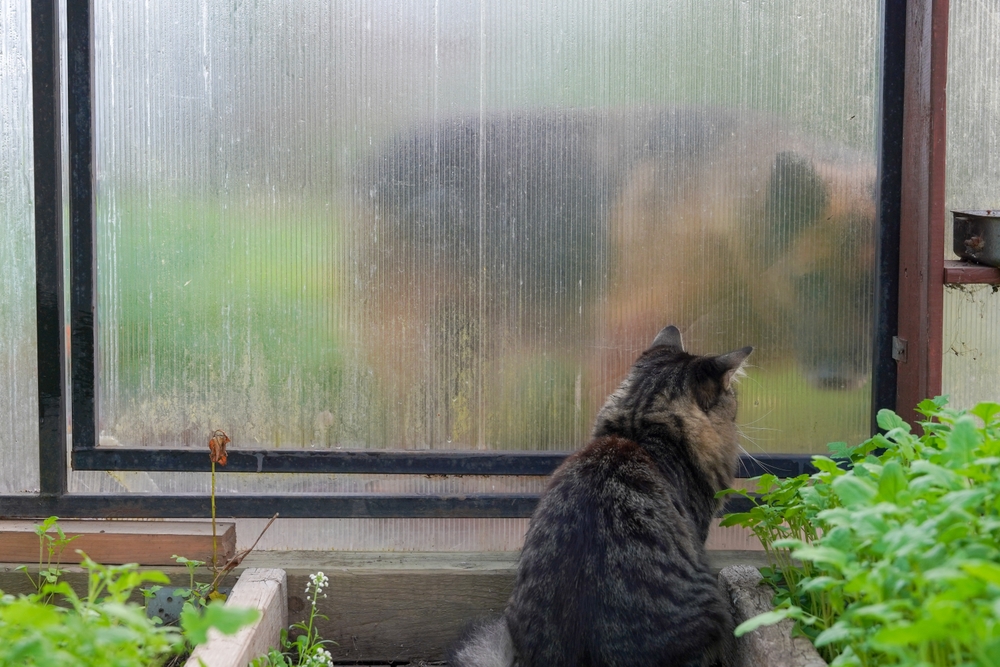
Drafts and sudden temperature changes are avoided. Cats seek thermal consistency. Windows are great—unless breezy. Comfort is precise.
Feline comfort studies show that cats adjust their location based on the microclimate. Stability reduces stress. Comfort is controlled. Choice matters.
9. They Need A Place They Easily Escape
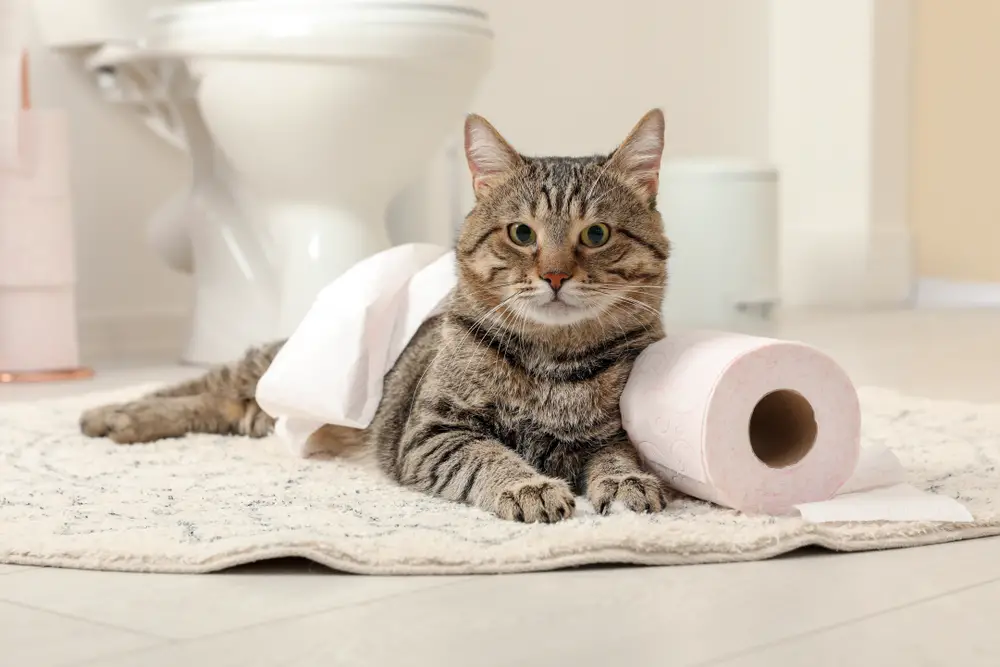
Cats always plan exits. A good spot includes escape routes. Trapped equals dangerous. Freedom equals safety.
Behavioral ecology research confirms that cats assess escape paths constantly. Corners without exits are avoided. Control matters. Safety equals options.
10. They Go Where They’ve Marked Their Territory
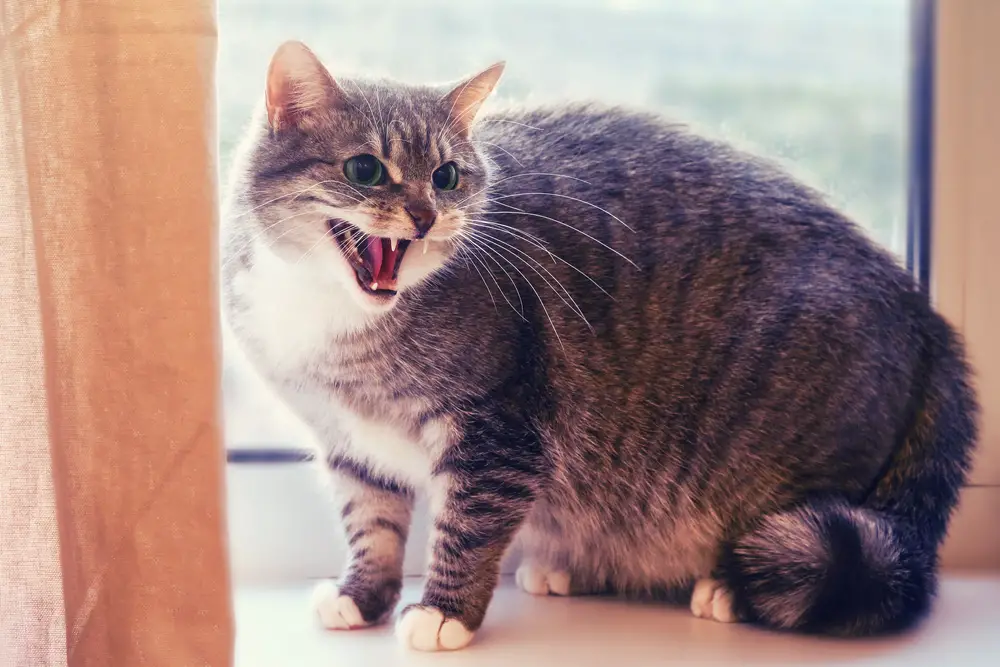
Cats return to places they’ve marked. Scent glands reinforce ownership. Familiar territory calms them. It’s theirs.
Territorial studies show scent marking reduces anxiety. Ownership equals safety. Familiarity equals peace. Your cat curates space.
11. They Like Somewhere Close To You
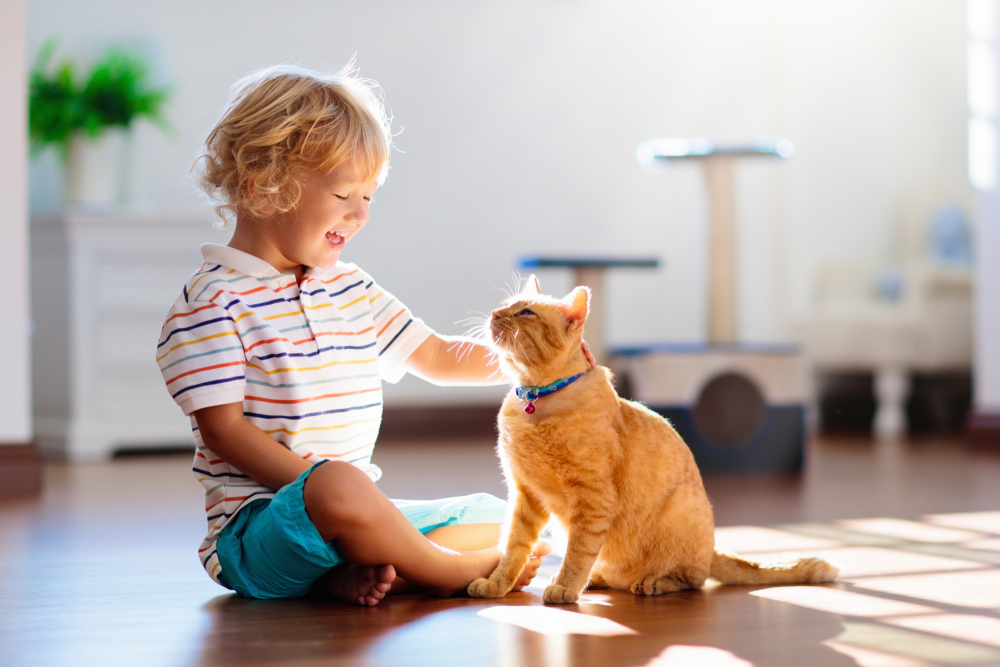
Cats regulate proximity carefully. They like being near you without pressure. Distance feels safe. Too close feels intrusive.
Attachment research shows cats prefer optional closeness. Control over interaction reduces stress. Choice equals trust. Balance matters.
12. They Want Their Own Spot
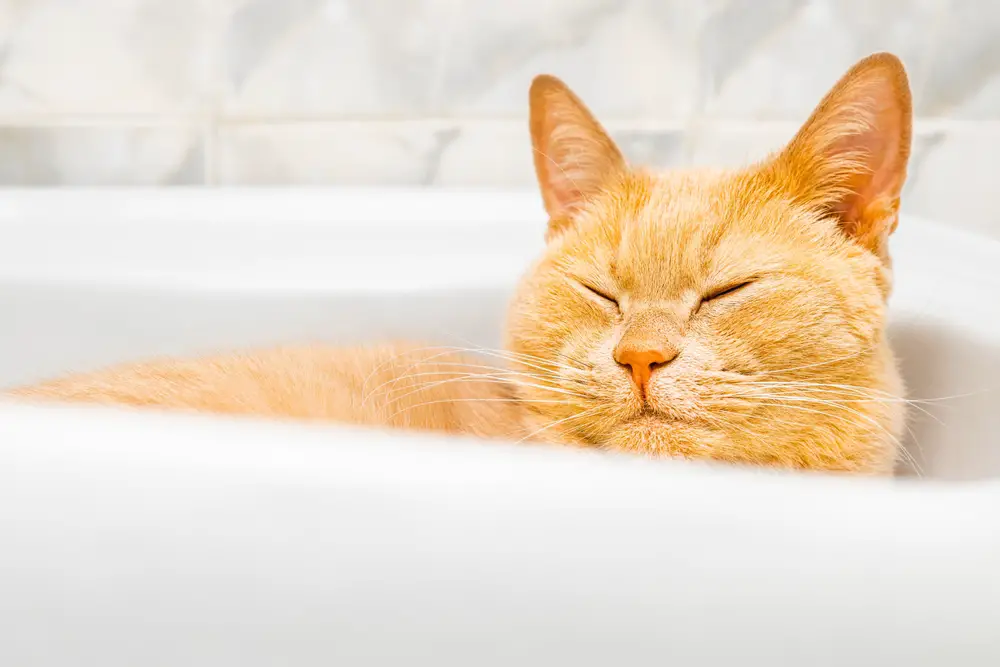
Cats avoid competition. If another pet frequents an area, your cat may relocate. Safety requires exclusivity. Peace matters.
Multi-pet household studies show cats seek uncontested zones. Shared space increases vigilance. Solitude calms. Territory soothes.
13. They Mix Things Up Depending On Their Mood
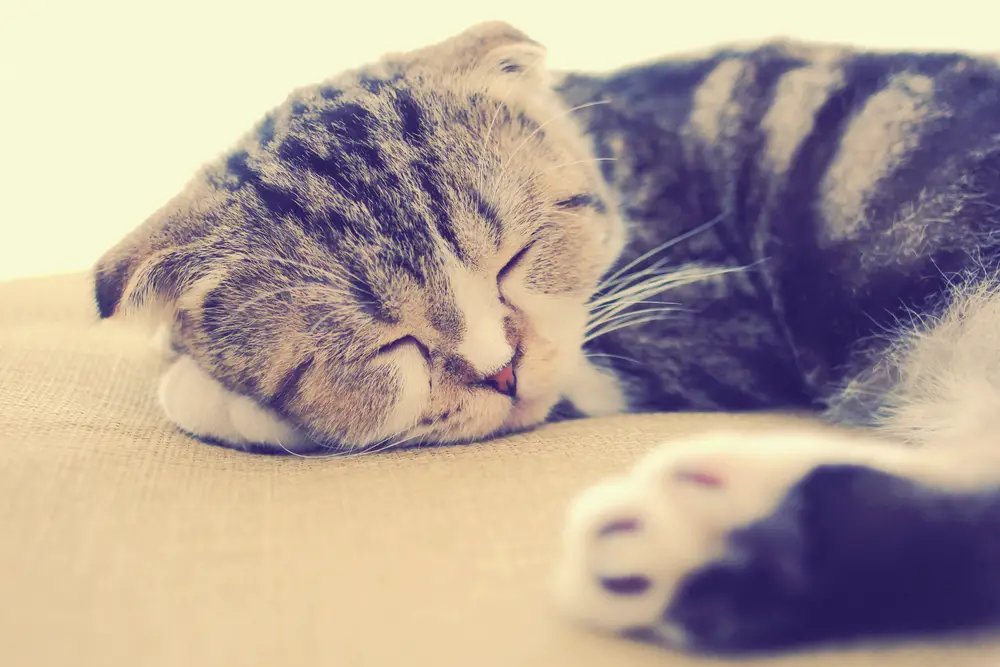
Cats adjust their location based on their emotional state. Curious cats choose observation points. Tired cats choose warmth. Anxious cats choose concealment.
Feline emotional regulation research shows that environment choice reflects internal state. Your cat self-soothes through location. Space becomes therapy. Comfort is intentional.