
You may see spilled water, a closed door, or a strange noise as no big deal—but your pet doesn’t. Animals operate on a threat-detection system that prioritizes unpredictability, disruption, and unfamiliar cues. When something breaks routine or feels “off,” their instincts kick in fast. To them, these moments aren’t inconveniences—they’re potential survival events.
1. When You Close A Door

When you shut a door between you and your pet, they often interpret it as sudden separation rather than privacy. In the wild, isolation increases vulnerability, so barriers signal danger. Your pet may paw, vocalize, or sit rigidly outside the door, monitoring the situation. They aren’t being dramatic—they’re trying to restore safety.
Animal attachment research shows that domesticated pets often treat owners as part of their security system. A closed door disrupts that perceived protection loop. To your pet, access equals safety. When access disappears, alarm follows.
2. A Sudden Loud Noise Outside

Fireworks, construction bangs, or dropped objects immediately trigger alert mode. Your pet doesn’t know whether the sound signals threat, collapse, or predator activity. Their nervous system reacts before logic ever could. Stillness, pacing, or hiding often follows.
Veterinary behaviorists note that pets process sound intensity more emotionally than contextually. Loudness equals urgency. The lack of visual confirmation makes it worse. Silence afterward doesn’t erase the alarm—it prolongs it.
3. Every Time You Leave The House
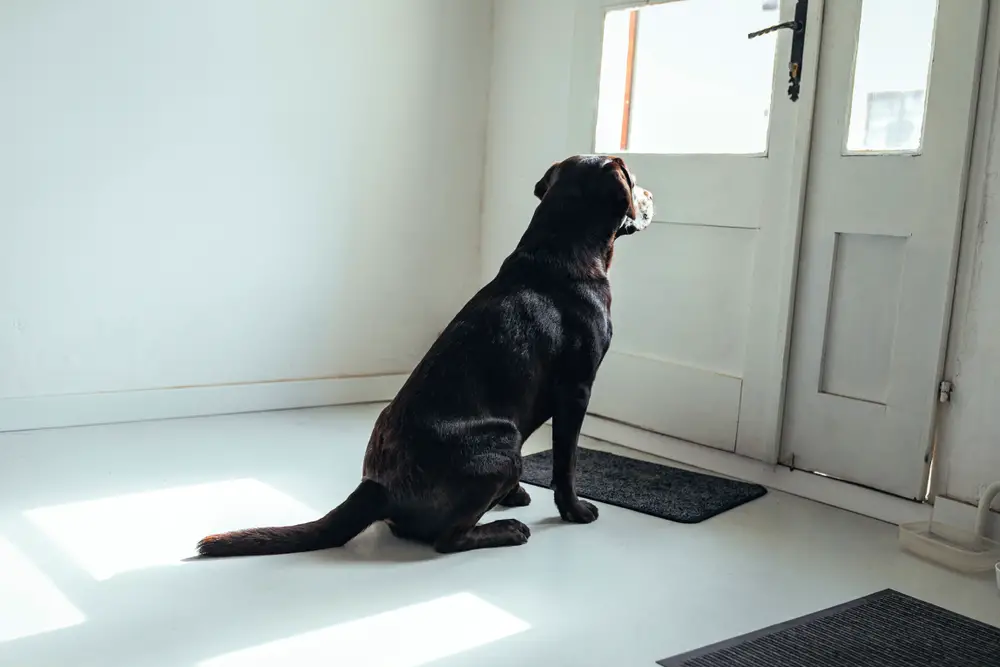
Routine equals predictability, and predictability equals safety. When you leave at an unusual time or without your normal cues, your pet registers instability. They may follow you closely, block exits, or display anxious behaviors. To them, your departure breaks the map.
Studies on canine cognition show dogs track time and patterns more accurately than assumed. When routines shift, stress rises. Your pet isn’t needy—they’re recalibrating safety expectations. Uncertainty feels dangerous.
4. A Strange Object Appearing

A suitcase, new furniture, or a cardboard box isn’t neutral to your pet. It’s an unknown structure that wasn’t there before. Unknown equals untested. They may circle, sniff repeatedly, or avoid it entirely.
Animal behavior research shows novelty triggers caution rather than curiosity initially. Pets need time to classify objects as safe. Until then, vigilance remains high. That box is suspicious until proven otherwise.
5. When You Get Upset
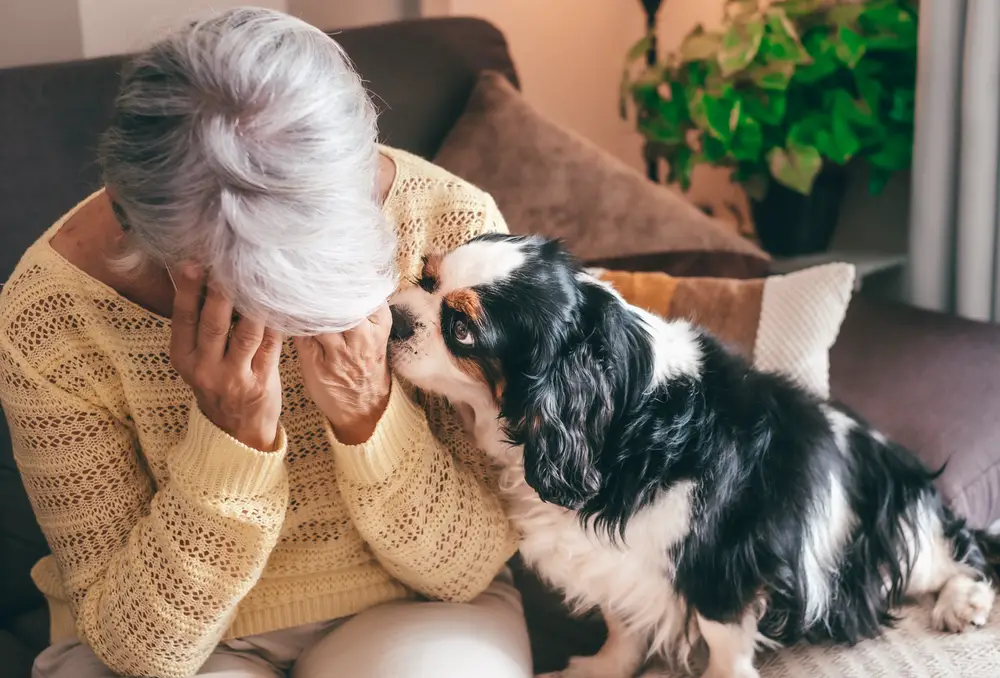
Your emotional shifts don’t go unnoticed. Pets read tone, posture, and breathing changes instantly. When you’re distressed, they often interpret it as an environmental threat. Something is wrong, even if they don’t know what.
Studies on emotional contagion between humans and animals show that pets mirror their owners’ stress responses. Your anxiety becomes their alert. Comfort-seeking or guarding behaviors often follow. Your emotions are information to them.
6. A New Smell In The House

Smell is data, not background. A new scent could signal intrusion, illness, or territory change. Pets investigate intensely because they’re updating their internal map. Unknown scent equals possible risk.
Olfactory research confirms pets rely on scent to assess safety more than sight. New smells disrupt perceived control. Until identified, vigilance stays elevated. Calm comes only after classification.
7. If You Ignore Them For Too Long

Extended inattention can feel like abandonment in animal terms. Your pet may escalate behaviors to re-establish a connection. Vocalizing, pawing, or hovering isn’t attention-seeking—it’s reassurance-seeking. Silence feels unsafe.
Attachment studies in companion animals show that pets depend on consistent interaction for emotional regulation. When engagement disappears, stress rises. Your presence equals safety confirmation. Absence triggers concern.
8. A Sudden Change In Lighting
Lights switching abruptly can feel disorienting. Pets rely on gradual environmental shifts. Sudden darkness or brightness alters perception instantly. They may freeze or reposition themselves defensively.
Veterinary sensory studies show animals are more sensitive to light contrast than humans. Sudden shifts impair spatial confidence. Your pet needs orientation time. Until then, alert mode stays on.
9. When You Rearrange The Furniture
Furniture equals landmarks. When you move things, you erase the map. Pets rely on spatial memory for safety navigation. Disruption creates confusion.
Animal cognition research confirms that pets build spatial predictability into their environment. Changing it increases stress temporarily. They must relearn routes and hide points. Until then, caution dominates.
10. If You Sleep At An Unusual Time

If you nap unexpectedly or sleep late, your pet notices. Sleep timing signals safety cycles. When patterns shift, concern rises. Something feels off.
Circadian rhythm studies show pets synchronize sleep patterns with humans. Deviations disrupt perceived normalcy. Your rest becomes their question. They monitor closely.
11. A Visitor Standing Instead Of Sitting
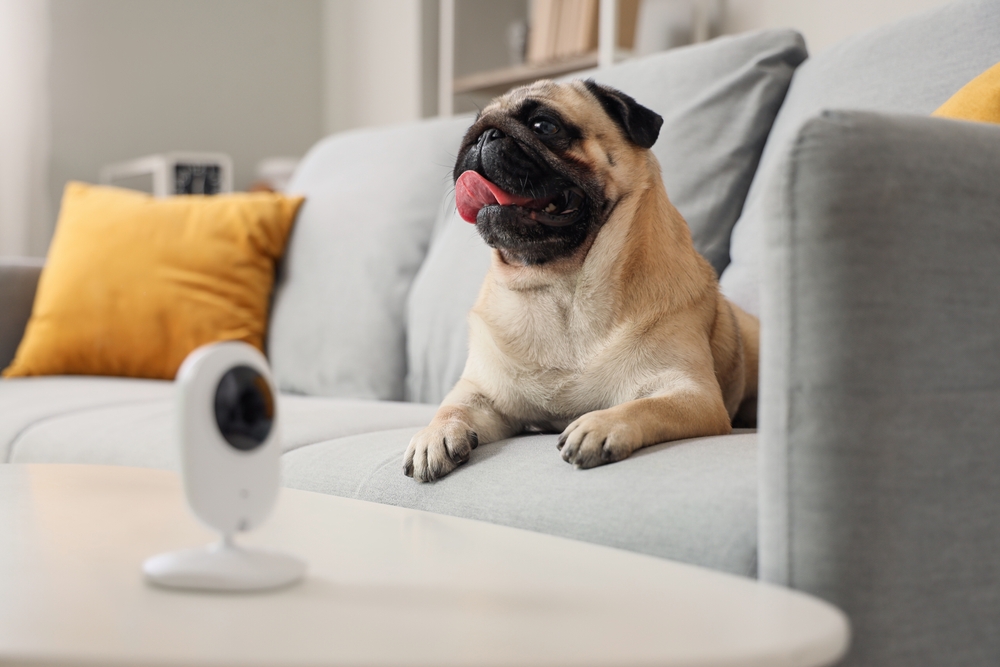
Standing humans loom larger and feel less predictable. Sitting lowers perceived threat. Pets assess posture quickly. Upright stillness can feel dangerous.
Canine body language research shows height and stillness affect threat perception. Your guest may be harmless—but posture matters. Sitting communicates safety. Standing prolongs assessment.
12. When You Cough Or Sneeze

Sudden bodily sounds can signal injury or illness. Pets respond with concerned behaviors. They may approach cautiously or watch intently. Something is wrong.
Veterinary behaviorists note that pets respond strongly to perceived health changes in owners. Illness equals vulnerability. Your pet stays alert. Protection instincts engage.
13. If Things Suddenly Go Quiet

Sometimes it’s not noise, but a lack of it. A stopped appliance or missing background sound triggers suspicion. Silence breaks expectation. Something changed.
Environmental psychology research shows animals notice absence as much as presence. Missing sound equals unknown cause. Vigilance follows. Quiet isn’t always calming.